Boomtown Steakhouse

Wine Spectator Award of Excellence
Our verdict
Boomtown Steakhouse sits at 2100 Garson Rd in Verdi, Nevada, on the western edge of the Reno metro where the high desert meets the Sierra Nevada foothills. The restaurant occupies a category where sourcing and regional identity matter as much as the cut itself, placing it squarely in the tradition of American steakhouses that treat provenance as a selling point rather than an afterthought.

Pearl is the En Primeur Club membership app, where members save venues, book tables and use the concierge.
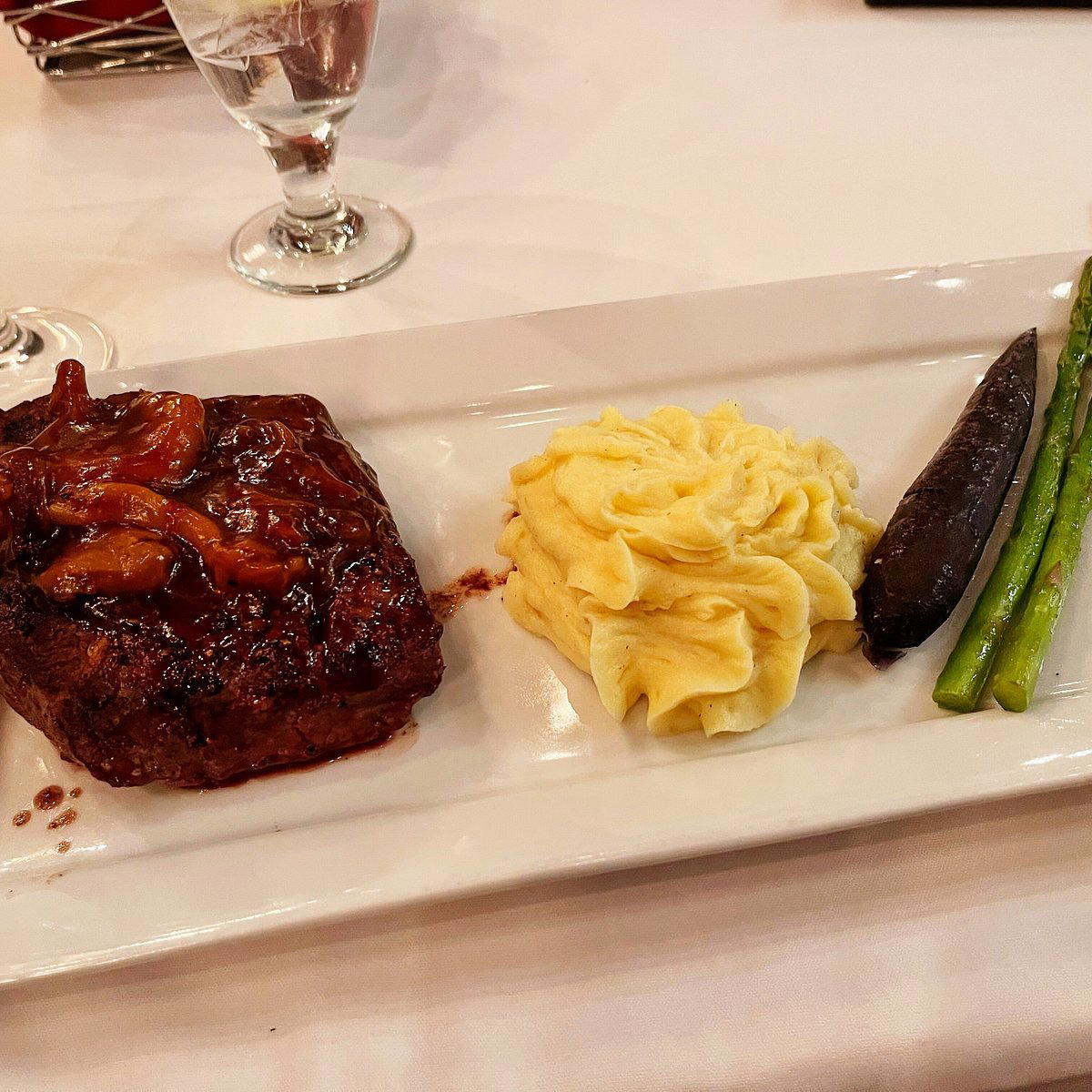
Where the High Desert Meets the Grill
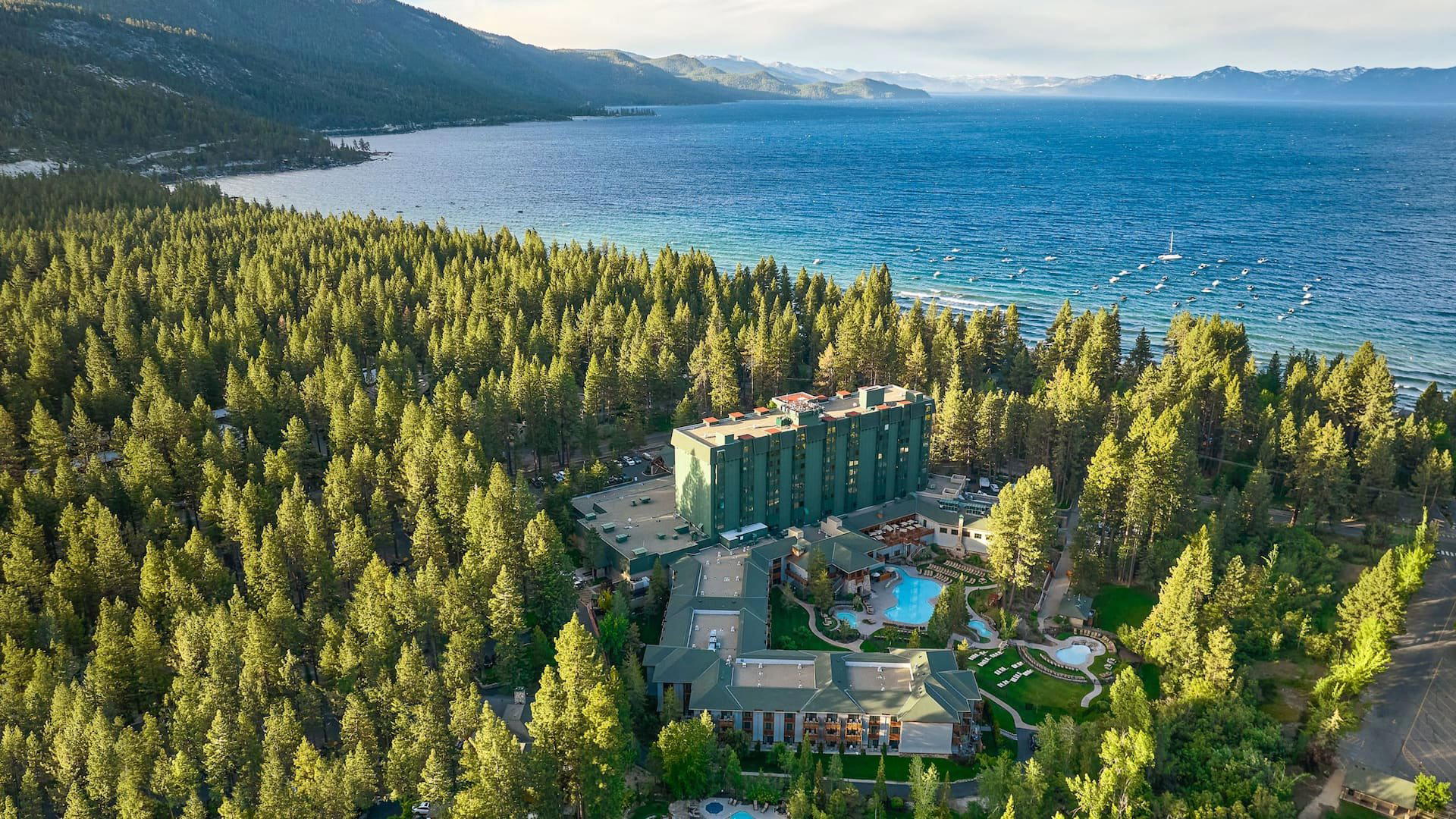
The stretch of US-80 that slides out of Reno toward Verdi passes through a particular kind of American geography: sage flats giving way to the first real pitch of the Sierra Nevada, the air drier and cleaner than anything you find closer to the casino corridor. Boomtown Steakhouse, at 2100 Garson Rd on the Nevada side of the California state line, sits inside that transitional zone. It is not a downtown Reno restaurant competing for convention-crowd traffic; it occupies a different register altogether, one closer to the highway-exit steak traditions of the interior West than to the polished dining rooms of a Strip property. That positioning is relevant because it shapes everything from who walks through the door to what ends up on the plate.
The American steakhouse as a format has never been a single, monolithic thing. On one end of the spectrum sit the white-tablecloth carve-at-table operations of major cities, where a dry-aged ribeye arrives as the centerpiece of a $200-plus per person experience. On the other end are the regional houses, often overlooked by national critics, where the sourcing story is local and the room reads as functional rather than theatrical. Verdi falls closer to that second tradition, and Boomtown operates within it. For the full range of premium dining that the broader region supports, our full Verdi restaurants guide maps the options across formats and price points.
The Sourcing Logic of a High-Desert Steakhouse
In conversations about ingredient sourcing, the American steakhouse is an interesting case study. The category depends on beef supply chains that are national in scale but increasingly differentiated at the leading end by breed, feed program, and regional ranch identity. Nevada and the broader Intermountain West have a legitimate claim on cattle heritage: the open-range grazing culture of this region predates the state itself, and the proximity to ranches in Nevada, Utah, and eastern California gives restaurants in this corridor access to product that doesn't have to travel far. That matters more than it might seem. Shorter transit from ranch to processor to kitchen reduces stress on the animal and, according to ranchers and butchers who work in this tradition, produces beef with a cleaner, more consistent flavor profile than long-haul alternatives.
This is the sourcing logic that separates a regional steakhouse from a generic one. Restaurants like Blue Hill at Stone Barns in Tarrytown have made the farm-to-table argument at the highest level of American fine dining, and operations like Single Thread Farm in Healdsburg have built an entire identity around agricultural provenance. The steakhouse tradition doesn't always articulate its sourcing story with the same sophistication, but the underlying logic is identical: where the protein comes from is as important as how it's cooked. In a region with ranching in its DNA, a steakhouse that takes that seriously is doing something worth paying attention to.
Reading the Room: Format and Atmosphere
The physical environment of a steakhouse tells you a great deal about its relationship to its own tradition. The great theatrical examples, operations like the institutions that have influenced places as varied as Emeril's in New Orleans or the farm-sourced tasting menus of Smyth in Chicago, use the room as part of the argument. Boomtown operates in a different register: its location within a highway-adjacent property in Verdi signals a format that is built around accessibility and consistency rather than spectacle. This is not a criticism. The working steakhouse that feeds a community well, without theatrical pretense, occupies a legitimate and often more honest position in American dining culture than operations that dress up commodity beef in fine-dining staging.
Verdi itself is a small community, technically part of the Reno metropolitan area but physically and psychologically separate from it. The drive west from downtown Reno along I-80 takes roughly twenty minutes depending on traffic, and the town sits at an elevation that puts it above the valley heat in summer and in direct contact with Sierra snowfall in winter. That seasonality shapes what dining in this part of Nevada looks like across the year, and it's a variable any visitor from outside the region should factor into a trip.
How It Sits in the Broader Western Dining Picture
The western United States has developed a range of serious dining traditions that run well beyond the steakhouse format. Tasting-menu programs in California, such as The French Laundry in Napa and Providence in Los Angeles, or the sourcing-forward Addison in San Diego, represent the Michelin-credentialed end of the regional spectrum. Further east, operations like Frasca Food and Wine in Boulder and The Wolf's Tailor in Denver anchor a Rocky Mountain fine-dining scene that has grown considerably in the past decade. Nationally, the sourcing-as-identity argument is made at the highest level by restaurants like Le Bernardin in New York City, which has built a thirty-year reputation on the quality and provenance of its seafood, or Atomix in New York City with its rigorous ingredient discipline. Closer to home philosophically, if not geographically, Lazy Bear in San Francisco and Bacchanalia in Atlanta demonstrate that regional ingredient focus can function at a fine-dining price point with consistent critical recognition.
Boomtown does not compete in that tier, but it operates inside the same broad cultural shift: American diners increasingly want to know where their protein comes from, and restaurants that can answer that question with specificity hold a structural advantage over those that cannot. For operations in Nevada and the broader Intermountain West, that argument is easier to make than it is for a city steakhouse relying on national distribution.
Planning a Visit
Boomtown Steakhouse is located at 2100 Garson Rd, Reno, NV 89523, in Verdi on the western edge of the Reno metro. The address places it near the I-80 corridor, making it accessible from both the Nevada and California sides of the state line. Visitors traveling from central Reno should plan for a twenty-to-thirty-minute drive west. Current hours, reservation policies, and contact details are best confirmed directly, as this information was not available at time of publication. For comparable dining options in the region, the Verdi restaurants guide provides a broader context for planning.
Frequently asked questions
Can I bring kids to Boomtown Steakhouse?
Boomtown Steakhouse sits in Verdi on the western edge of the Reno metro, a location that draws a mixed crowd of travelers, families, and locals. The steakhouse format generally accommodates younger diners, and nothing in the venue's profile suggests a strictly adults-only policy. For confirmation on seating arrangements or children's options, contacting the venue directly is advisable before visiting.
Is Boomtown Steakhouse formal or casual?
The address at 2100 Garson Rd near I-80 in Verdi places Boomtown Steakhouse firmly in the tradition of western roadhouse-style dining rather than the white-tablecloth end of the steakhouse spectrum. Expect a setting that reflects the high-desert surroundings rather than metropolitan formality. Comfortable, practical clothing fits the environment.
What makes Boomtown Steakhouse a distinct dining stop on the I-80 corridor between Reno and the California state line?
Boomtown Steakhouse occupies a specific geographic niche at 2100 Garson Rd in Verdi, positioned where the Reno metro gives way to the Sierra Nevada foothills along one of the western United States' most heavily traveled interstate routes. That placement puts it in a narrow category of sit-down steakhouse dining accessible to both Reno residents and cross-state travelers without the density of options found closer to downtown. The steakhouse format itself fills a gap in a corridor where substantial, table-service beef-focused meals are otherwise scarce.
What should I eat at Boomtown Steakhouse?
The venue's name and steakhouse positioning point clearly toward beef as the anchor of the menu.
Where is Boomtown Steakhouse located?
Boomtown Steakhouse is located at 2100 Garson Rd, Reno, NV 89523, Verdi.
Is Boomtown Steakhouse reservation-only?
Reservation requirements are not documented for Boomtown Steakhouse at this time. Given its location near I-80 on the Verdi edge of the Reno metro, traffic patterns can vary, particularly on weekends when Nevada highway travel peaks. Calling ahead is a reasonable precaution regardless of formal reservation policy.
In Context: Similar Options
Comparable venues nearby, for context on price, style, and recognition.
| Venue | Cuisine | Price | Awards | Notes |
|---|---|---|---|---|
| Boomtown SteakhouseThis venue (the venue you are viewing) | American Steakhouse | $50–100 | Wine Spectator Award of Excellence | Not listed |
| Land Ocean Restaurant Reno | Modern Steakhouse | $50–100 | Not listed | South Reno |
| Anthony's Chophouse | Classic Steakhouse | Not listed | Wine Spectator Award of Excellence | Nugget Casino Resort |
| Bazaar Meat by Jose Andres | Avant-garde Spanish-influenced steakhouse | $150–200 | Not listed | Not listed |
| Sage Room | Classic Lake Tahoe Steakhouse | $50–100 | Not listed | Stateline |
| La Famiglia | Traditional Italian Trattoria | $50–100 | Not listed | downtown |
Recognition history
Dated appearances from independent guides and award organizations, with the underlying list record or original source where available.
Wine Spectator Award of Excellence
Wine Spectator
Continue exploring
More in Verdi
Restaurants in Verdi
All restaurants in Verdi →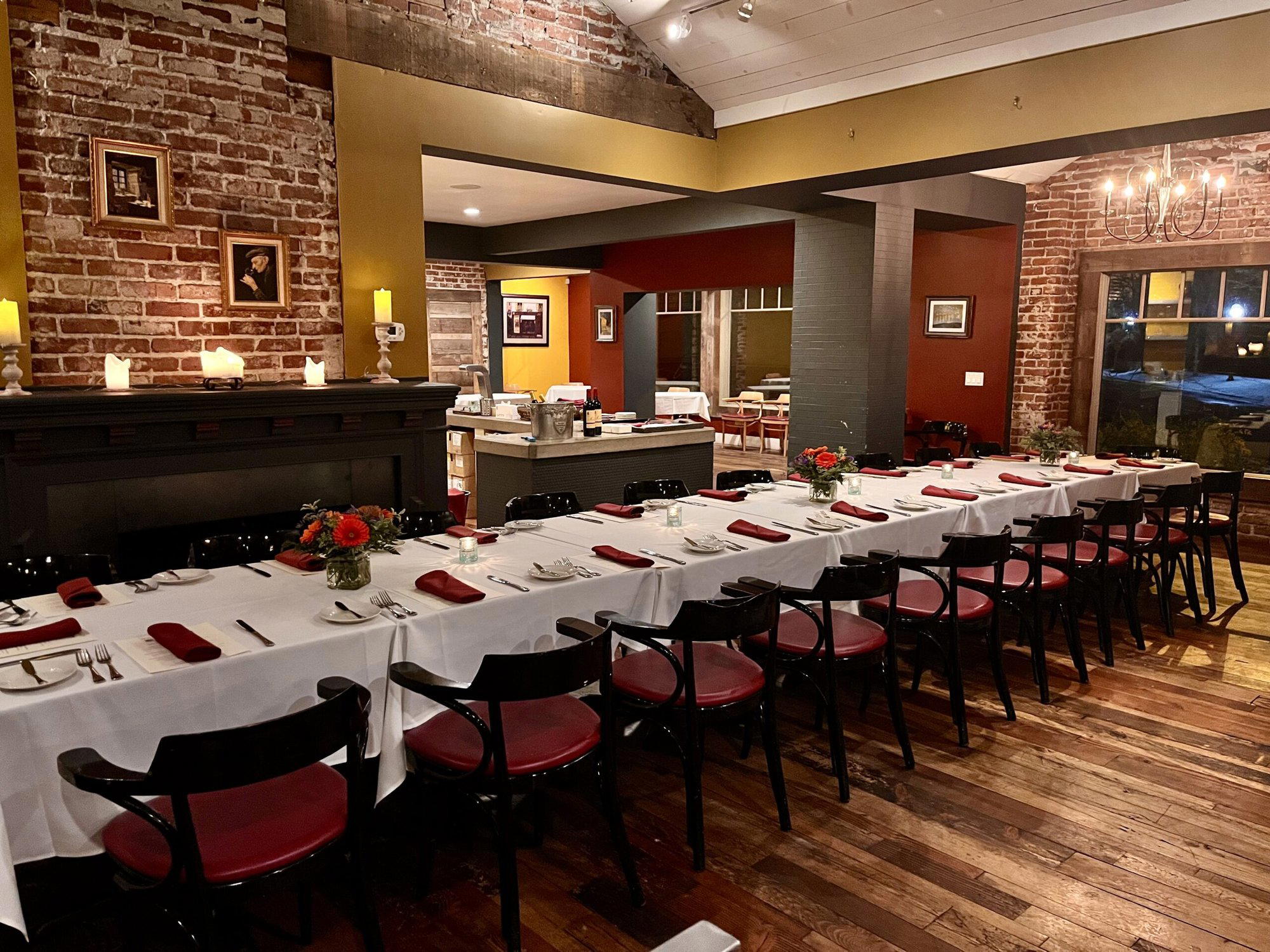
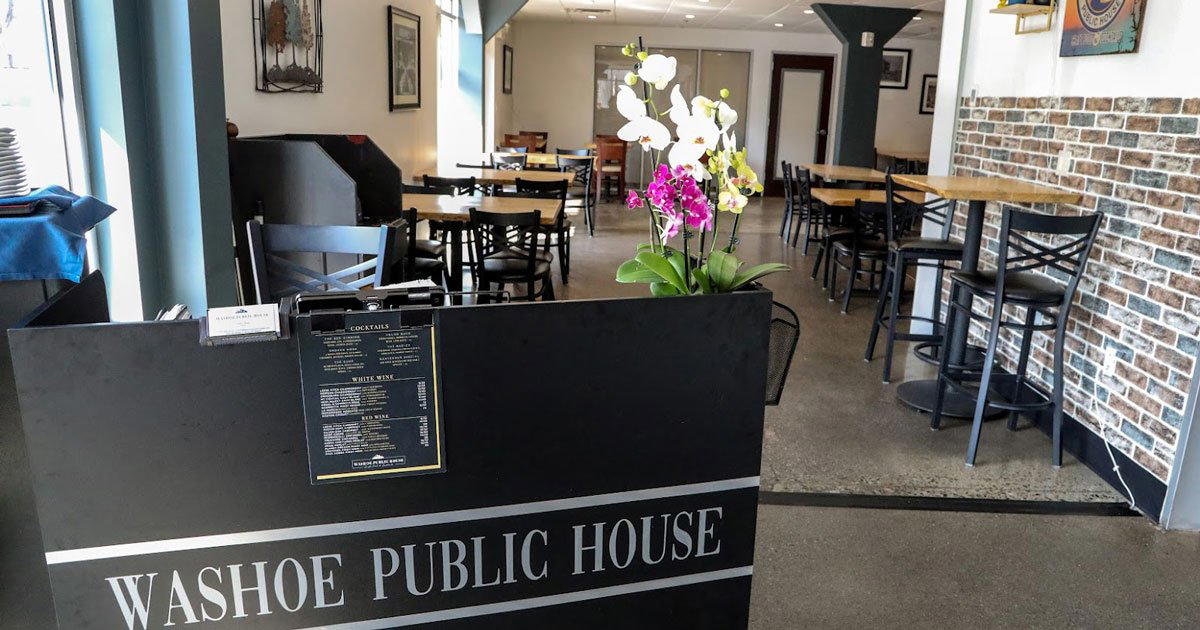
Boomtown Steakhouse
The wine
Boomtown Steakhouse holds the Wine Spectator Award of Excellence, which Wine Spectator gives to lists of usually 90 or more selections.
- Wine Spectator
- Wine Spectator Award of Excellence
- Extensive wine list
- Craft cocktails
Details
- Classic
- Elegant
- Sophisticated
- Family
- Group Dining
- Special Occasion
- Date Night
- Hotel Restaurant
- Extensive Wine List
- Craft Cocktails
- Local Sourcing
- Mountain
- A La Carte
- Buffet
- Wine
- Cocktails
- Gluten Free Options
Current opening hours
- Monday
- Closed
- Tuesday
- Closed
- Wednesday
- 4:30–9 PM
- Thursday
- 4:30–9 PM
- Friday
- 4:30–9 PM
- Saturday
- 4:30–9 PM
- Sunday
- 4:30–9 PM
Hours can change for holidays and private events. Hours as of .
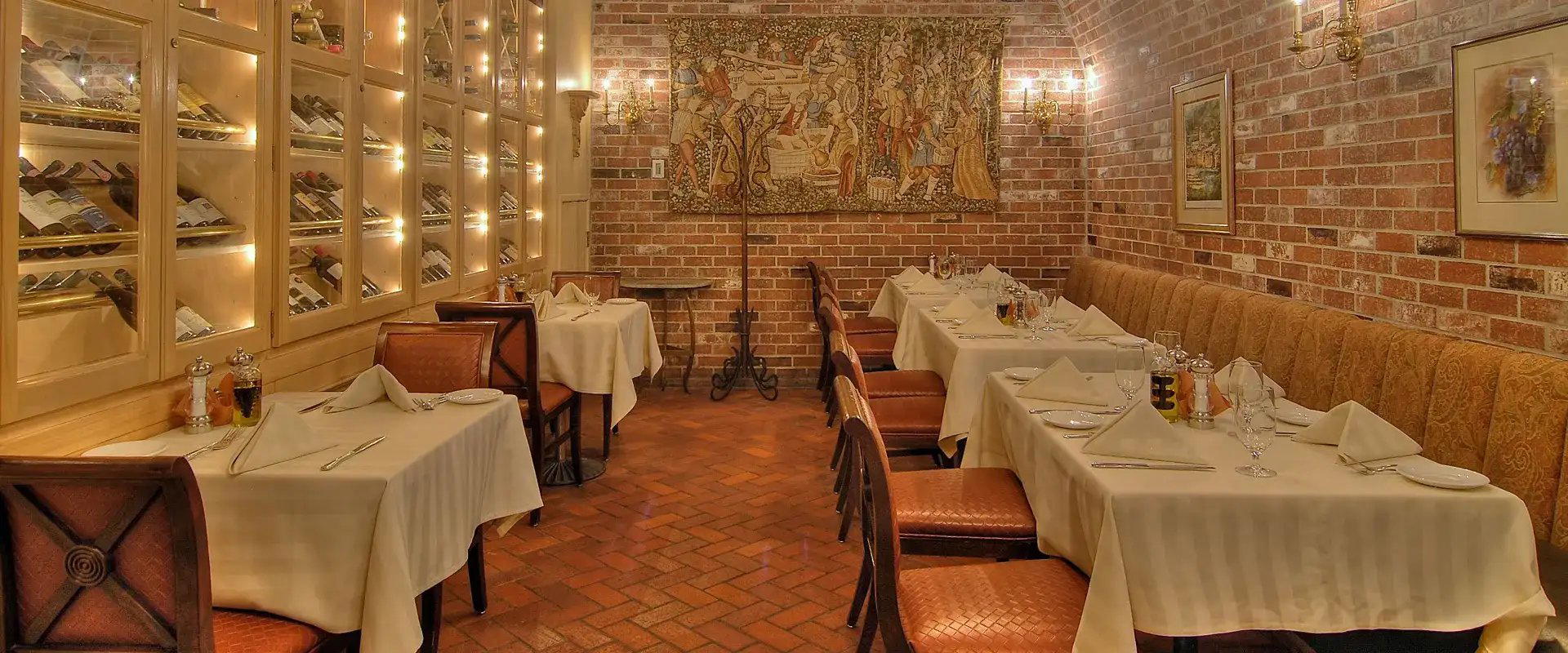
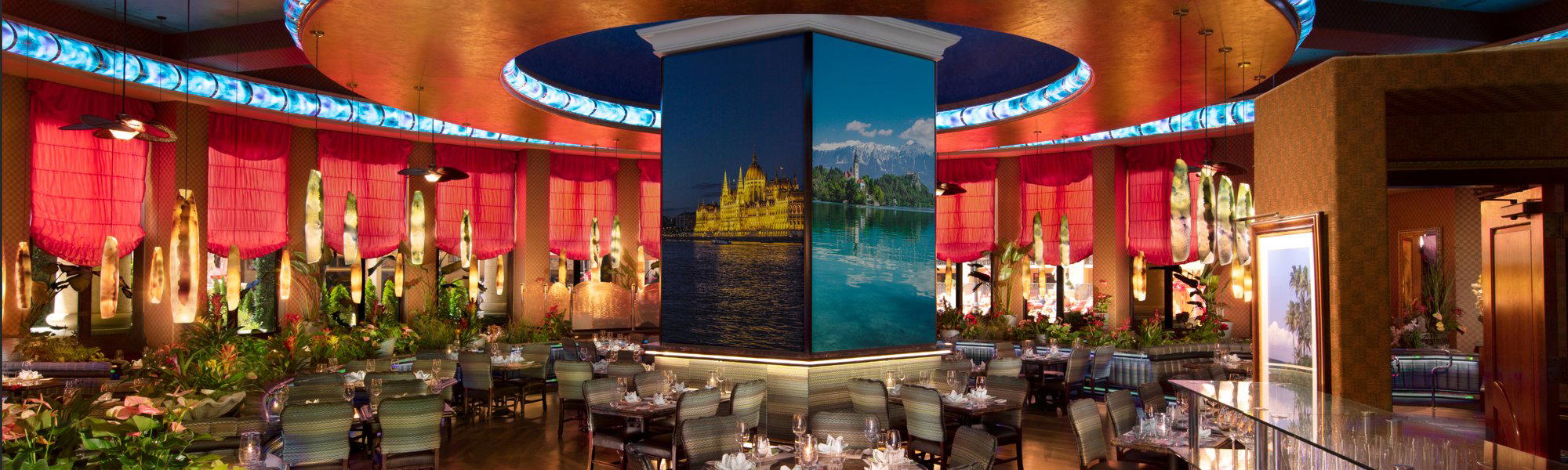
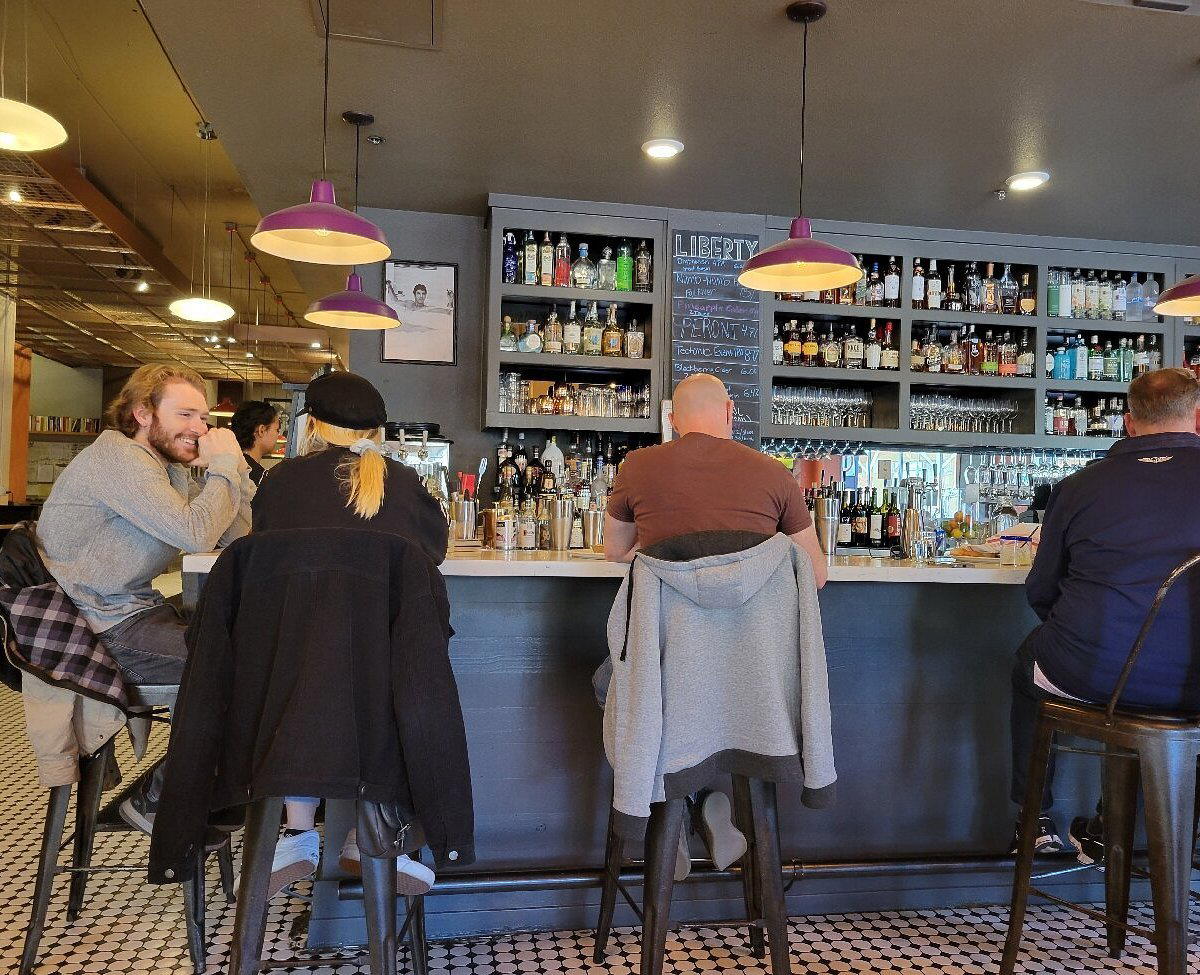
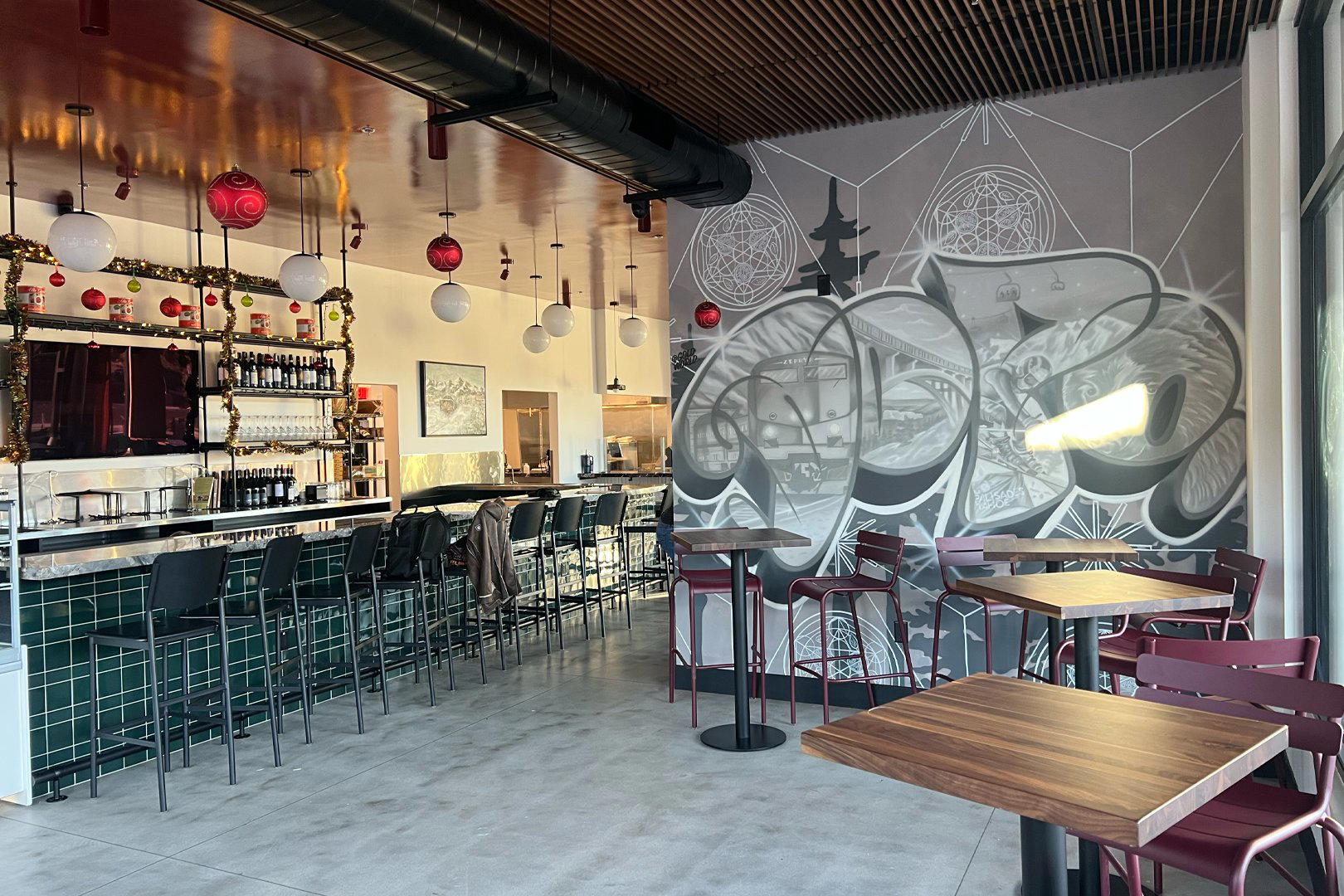
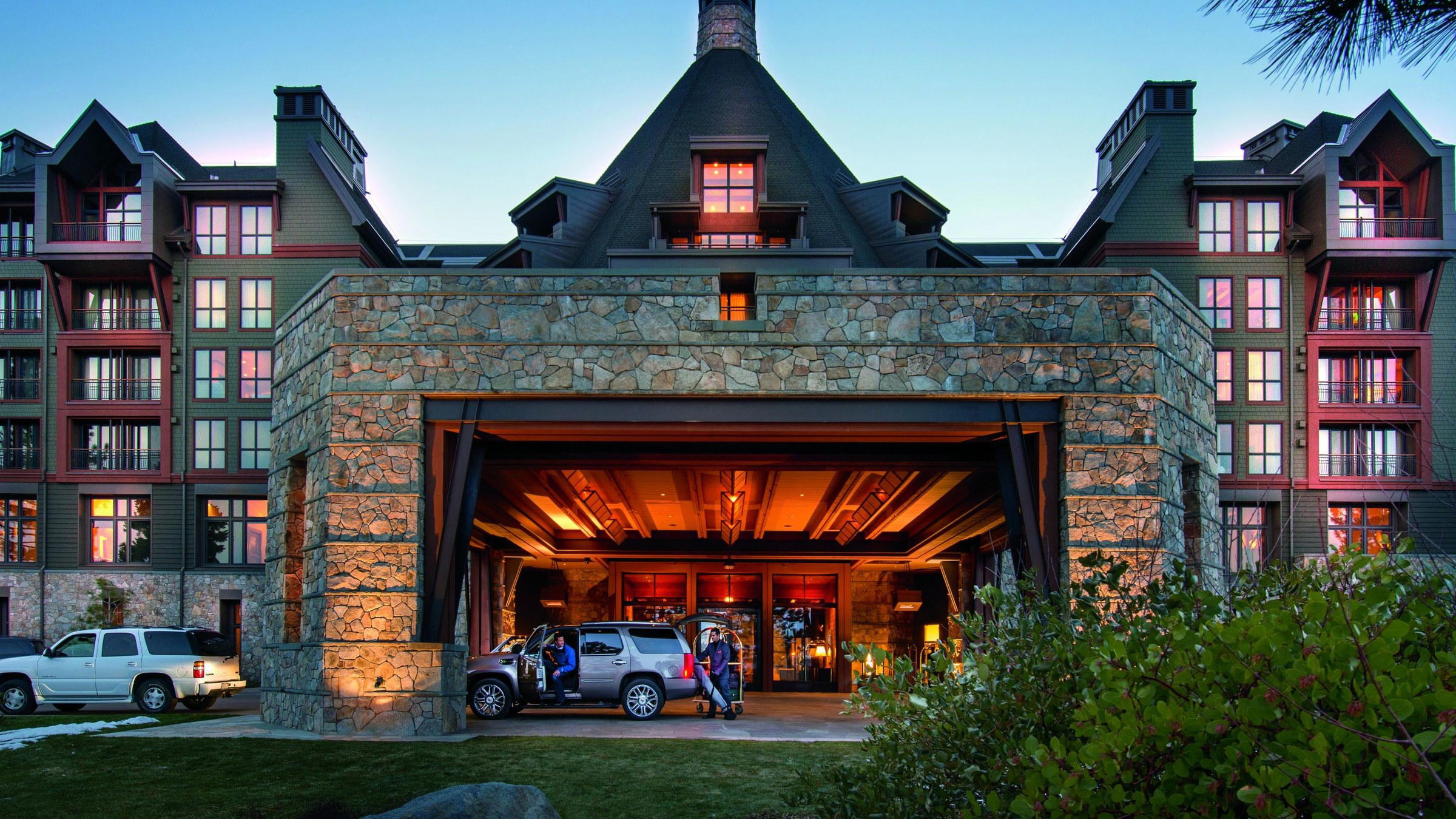
Fine-dining steakhouse atmosphere with elegant table-side service, a friendly staff, and a well-lit dining room feel; guest comments also describe the ambiance as nice and the menus as well lit.