Bistro Ocho

Michelin Plate
Our verdict
Bistro Ocho belongs to Calle Ocho’s dense dining corridor, where Cuban memory, Latin American migration, and Miami’s casual restaurant culture overlap block by block. With public details on format and pricing sparse, the useful read is contextual: this is a Little Havana address to judge through neighbourhood rhythm rather than destination-restaurant ceremony.

Pearl is the En Primeur Club membership app, where members save venues, book tables and use the concierge.
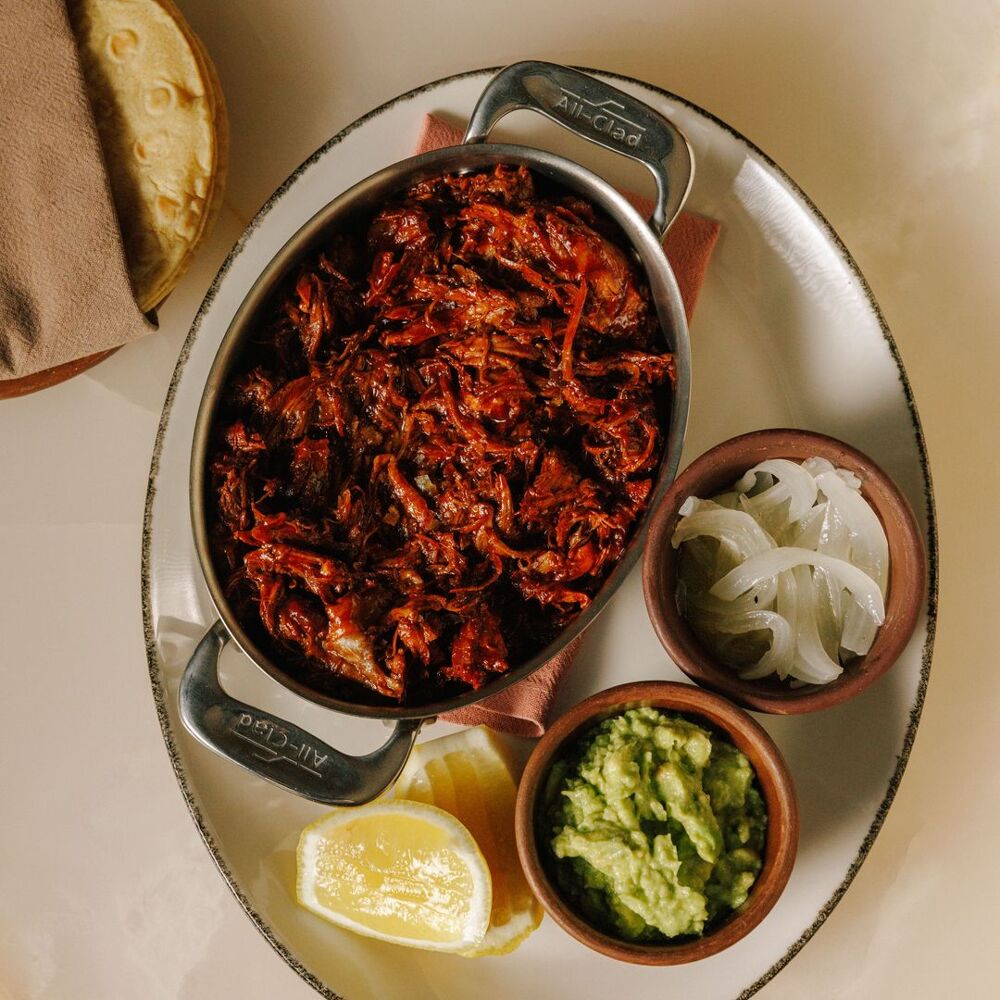
The menu
What to order
- King crab salad on house-made brioche with ikura
- Lamb barbacoa with three-chili adobo
- Tostada de camarón, salsa macha
- Fideo negro with shrimp, clam and octopus
Miami announces itself before any dining room does: traffic, storefront signs in Spanish and English, the stop-start pace of families, tourists, and regulars moving between coffee counters, shops, music rooms, and restaurants. Bistro Ocho sits inside that citywide cultural mix, where the point is not quiet luxury but the public theatre of Miami dining. Miami has dining rooms built for tasting-menu precision and waterfront spectacle; this kind of restaurant works by a different logic, shaped by migration, day-to-night street life, and the social weight of a meal taken close to home.
That context matters because Miami restaurant culture is often reduced to shorthand, when the city’s dining life is broader and less static. Sandwich counters, long-running tavern-style rooms, small neighborhood kitchens, late meals after music, and casual daytime stops all compete within the same urban appetite. The useful question is not whether one address represents the city in full. No single room can. The sharper read is how a restaurant participates in Miami’s everyday mix: accessible, casual in posture, and measured against nearby places where value, regular traffic, and cultural familiarity carry as much weight as formal ceremony.
Miami dining is a neighbourhood system, not a single cuisine
Miami’s restaurant identity is built from repetition and contrast. A counter such as Sanguich belongs to the same city conversation as long-running rooms, small kitchens, late meals after music, and quick daytime stops. In that setting, Bistro Ocho is better understood as part of Miami’s broader dining circuit than as an isolated destination. The city rewards restaurants that can absorb different occasions: a family meal, a pre-show table, a casual dinner after errands, a visitor’s first pass through the neighborhood.
Miami’s broader dining map helps explain the distinction. Some areas trade in concept clarity, polished pacing, or destination-driven dining. Bistro Ocho sits better inside the city’s more lived-in restaurant logic, where a diner can move between casual counters, familiar neighborhood rooms, and other Miami dining rooms without needing the evening to resolve into a single formal category. That looseness is part of the appeal: the city’s restaurant culture is not one lane, and Bistro Ocho should be read within that wider, mixed setting.
This is also why critical language around the restaurant needs restraint. A sparse public listing does not support claims about a chef’s biography, signature plates, tasting format, or cellar depth. What can be said with confidence is geographic and cultural: the restaurant’s position in Miami places it in one of the city’s defining hospitality environments, where restaurants are judged by how they fit the surrounding rhythm and by how comfortably they serve both locals and visitors. That is a different test from reservation-led dining rooms or design-heavy addresses elsewhere in the city.
How to read Bistro Ocho against nearby Miami tables
The immediate comparison set is useful because it shows the city’s range. Sanguich narrows the lens to a focused casual format; Lung Yai Thai Tapas proves Miami dining is not culturally sealed off from wider influences; Casa Juancho and El Toro Loco Steakhouse Little Havana point toward other established neighborhood traditions; Mofongo 2 Restaurant brings another casual reference point into the same orbit. Against that field, Bistro Ocho’s name and Miami setting signal a restaurant operating within a broader bistro-and-neighbourhood-dining lane rather than a single-dish specialist format.
For travellers, that distinction changes expectations. This is not the address to approach with the assumptions used for an omakase counter, a hotel dining room, or a formal tasting menu. It belongs to a city where timing, appetite, and surrounding plans matter. Pairing dinner with a walk or another Miami stop makes more sense than treating the meal as a sealed event. The city has enough density to reward a loose plan: coffee before, music after, or a second stop if the evening stretches. For a wider city pass, Our full Miami restaurants guide is the better planning tool, while Our full Miami bars guide, Our full Miami hotels guide, Our full Miami experiences guide, and Our full Miami wineries guide help place the meal inside a broader Miami itinerary.
The wider appeal of food rooted in place
Miami belongs to a larger American pattern: neighbourhood restaurants carrying cultural memory without needing museum language. The same dynamic appears in many cities, where casual dining, local habits, and the surrounding street life shape how a meal is understood. In those cases, context is as important as the plate, and the most useful comparisons are not always based on exact menu style. They are based on the way a restaurant becomes legible through its setting, its regulars, and its place in an everyday dining ecosystem.
Bistro Ocho should be read through that lens: as part of Miami’s neighbourhood-driven food culture, where place carries much of the argument. The restaurant has MICHELIN Plate recognition, but the strongest reason to pay attention is not an elaborate awards narrative or a named chef mythology. It is the Miami setting itself, in a city that continues to define public dining informally, socially, and with constant cross-pollination from the places and communities around it.
Frequently asked questions
Is Bistro Ocho child-friendly?
Bistro Ocho is in Miami, where many neighborhood dining rooms serve a broad audience rather than only a formal late-night crowd. That can make it a practical stop for families, especially for an early meal, but guests should confirm current details with the venue.
What's the vibe at Bistro Ocho?
Expect a Miami setting shaped by street traffic, casual neighborhood energy, and a day-to-night rhythm. The restaurant reads more like a local dining room than a destination room built around ceremony.
Is Bistro Ocho award-winning?
Yes. Bistro Ocho has MICHELIN Plate recognition from the MICHELIN Guide.
Where do I go for Bistro Ocho?
Miami.
Should I book Bistro Ocho in advance?
Those details are not published. Given its Miami setting, planning ahead is sensible for peak dining times. Check the venue's official channels for the latest details.
What do critics highlight about Bistro Ocho?
The strongest context is its placement in Miami, where neighborhood restaurants are often judged by how well they fit the surrounding rhythm rather than by theatrical presentation. Its MICHELIN Plate recognition adds a formal point of note.
Can Bistro Ocho handle vegetarian requests?
Those details are not published. In a Miami neighborhood restaurant, requests may be handled case by case, but confirmation would need the venue itself. Check the venue's official channels for the latest details.
Budget Reality Check
Nearby venues at a similar price tier for orientation.
| Venue | Cuisine | Price | Awards | Notes |
|---|---|---|---|---|
| Bistro OchoThis venue (the venue you are viewing) | Modern Mexican with French influence | $50–100 | Michelin Plate | Not listed |
| Sanguich | Artisan Cuban Sandwiches | $10–20 | Michelin Bib Gourmand | Cuban Sandwiches |
| El Toro Loco Steakhouse Little Havana | Steakhouse with Brazilian BBQ | Not listed | Not listed | Not listed |
| Lung Yai Thai Tapas | Authentic Thai | $30–50 | Michelin Plate | Thai |
| Mofongo 2 Restaurant | Authentic Puerto Rican | $30–50 | Not listed | Not listed |
| Casa Juancho | Authentic Spanish Tapas & Paella | $50–100 | Star Wine List · Wine Spectator Best of Award of Excellence | Not listed |
Recognition history
Dated appearances from independent guides and award organizations, with the underlying list record or original source where available.
Michelin Plate
Michelin
Continue exploring
More in Miami
Restaurants in Miami
All restaurants in Miami →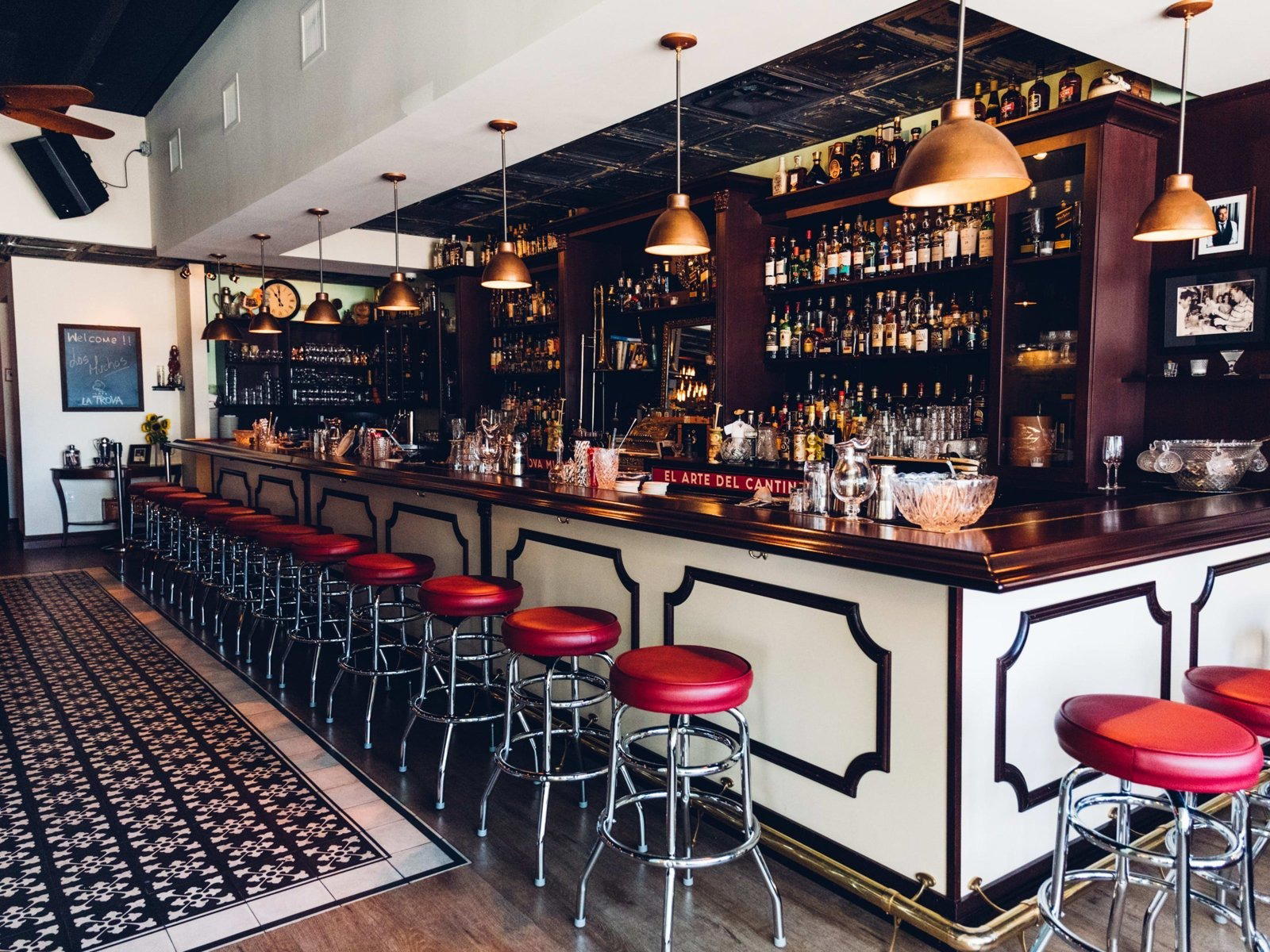
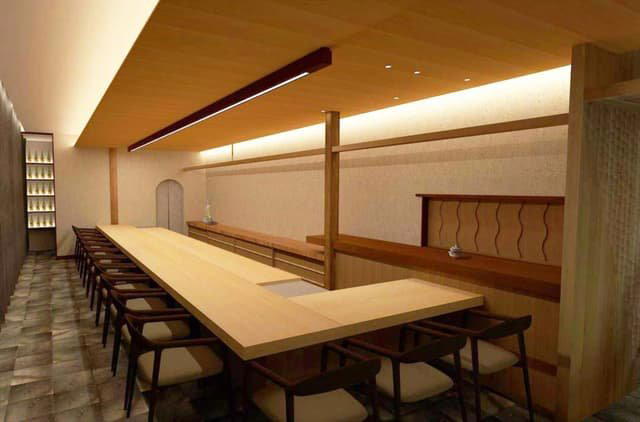
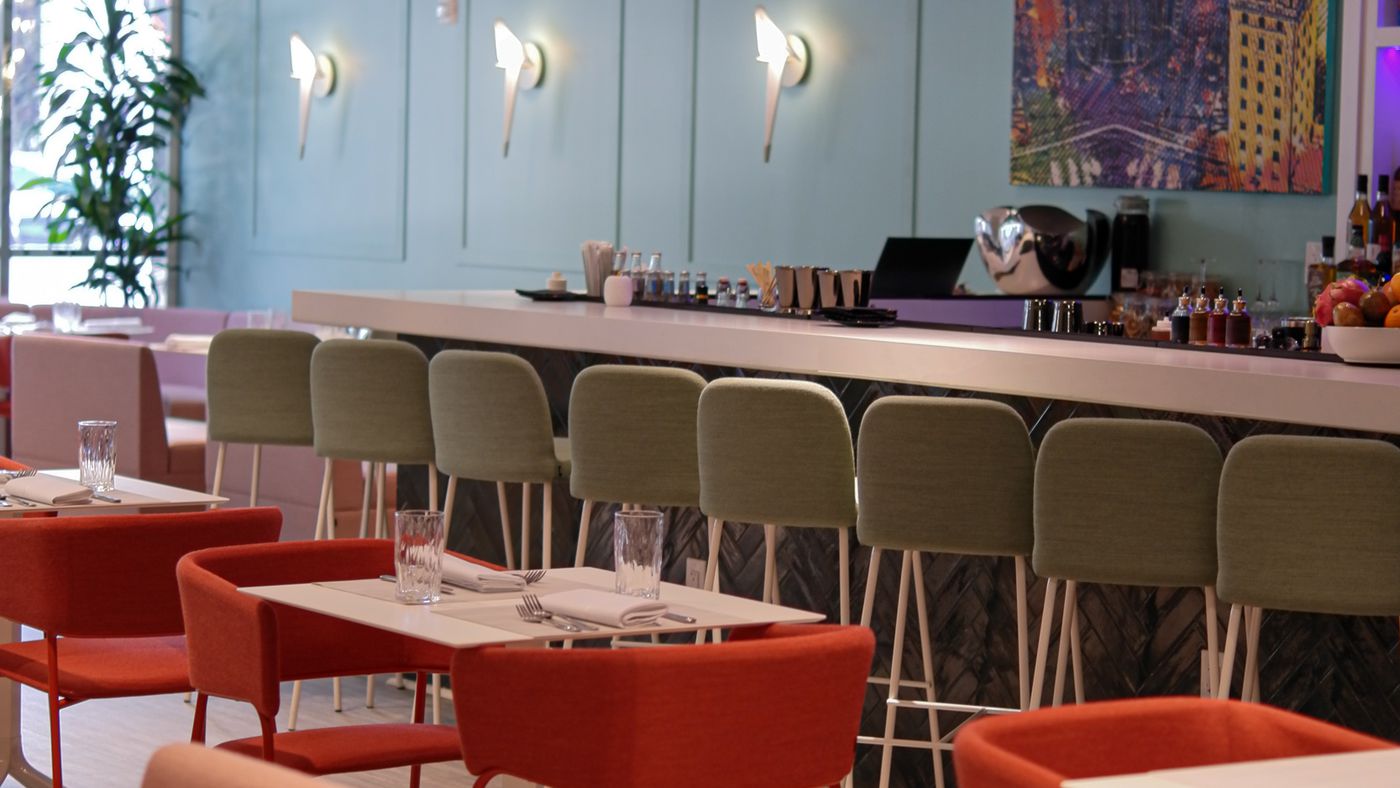

Bars in Miami
All bars in Miami →
Details
- Elegant
- Intimate
- Modern
- Cozy
- Trendy
- Date Night
- Special Occasion
- Group Dining
- After Work
- Business Dinner
- Standalone
- Design Destination
- Open Kitchen
- Private Dining
- Craft Cocktails
- Extensive Wine List
- Local Sourcing
- A La Carte
- Small Plates
- Cocktails
- Wine
- Pescatarian Friendly
Current opening hours
- Monday
- Closed
- Tuesday
- Closed
- Wednesday
- 5:30–10 PM
- Thursday
- 5:30–10 PM
- Friday
- 5:30–10 PM
- Saturday
- 5:30–10 PM
- Sunday
- 12–5:30 PM
Hours can change for holidays and private events. Hours as of .
A small, jewel-box dining room with a retro Miami take on a Parisian bistro: softly lit, polished and intimate, with an elegant bar anchoring the room and a refined yet relaxed atmosphere suited to date nights and special evenings.