Our verdict
Bistró IJH belongs to the quieter Gipuzkoa dining map, where rural Basque cooking is judged less by spectacle than by product, timing, and restraint. In Bidegoian, it reads as a small-town counterpoint to the region’s more formal tables: useful for diners tracing how local sourcing shapes a meal away from the San Sebastián orbit.

Pearl is the En Primeur Club membership app — saves, bookings, and concierge access live there. Same editors, same standards.
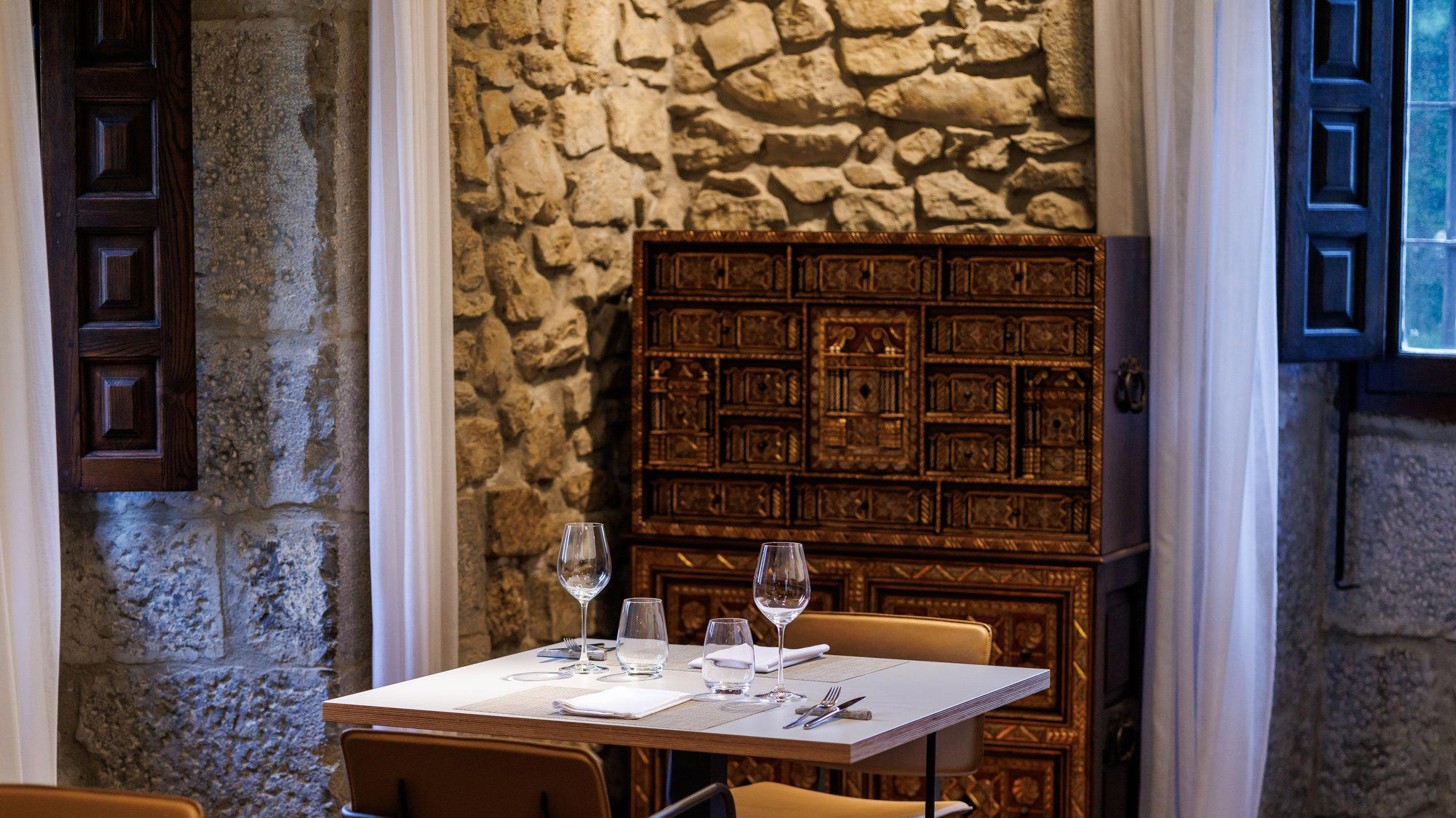
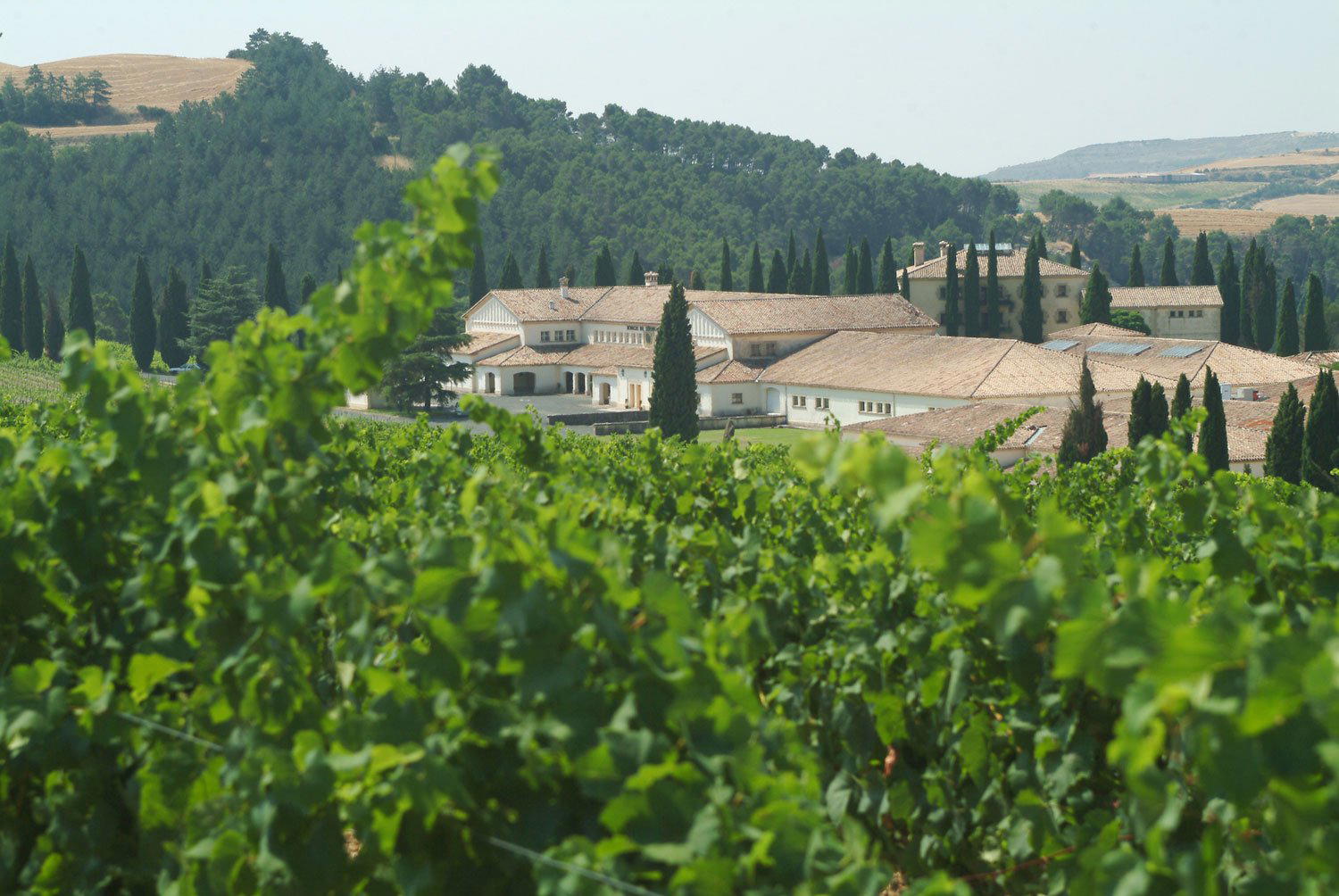
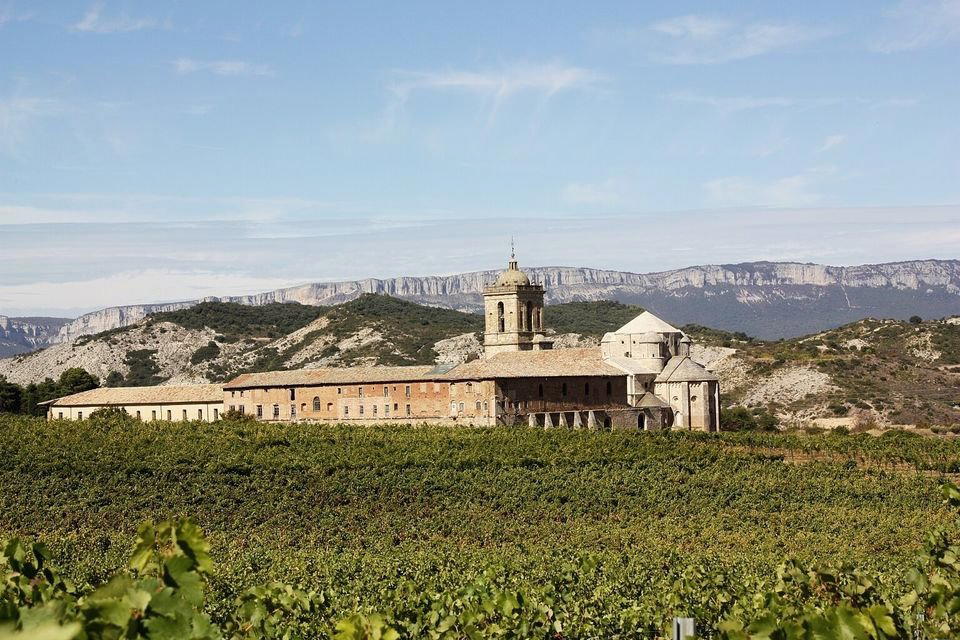
The approach to Bidegoian changes dinner before the first plate arrives. The road folds through inland Gipuzkoa, away from the coastal dining circuit and into the green, working Basque interior, where the restaurant conversation is less about theatre than setting, season, and how little needs doing when the moment is right.
That context matters for Bistró IJH. Rural Basque restaurants often sit between two poles: long-established local directness and the modern dining room, where the experience is edited with a tighter hand. Nearby references such as Bailara, Ama Taberna, Casa Nicolás, Asador Nicolás, and Casa Julian De Tolosa show the range, from contemporary dining rooms to tavern-style hospitality and grill-led tradition. Bistró IJH is best read within that regional spread, not as a standalone address.
Place-led dining outside the coastal circuit
Gipuzkoa’s dining reputation is often filtered through San Sebastián, but inland tables tell another story. Here, locality is not decorative; it is part of the operating system. Seasonal habits and regional expectations move through tight local networks, while the province’s wider food culture remains close enough to matter, but not to dominate every menu.
Bistró IJH sits in that place-first tradition. Its appeal is better understood through setting than through overbuilt publicity. This is an address whose value lies in how the dining room fits its surroundings: Bidegoian rather than the capital, inland Gipuzkoa rather than the pintxo-bar corridor, village rhythm rather than destination-restaurant choreography.
For travellers comparing Spanish regional dining, this corrects the usual hierarchy. Larger cities can frame Basque restaurants through polished urban rooms, while Andalusian and island tables read locality through different climate and appetite. Inland Gipuzkoa is cooler, greener, and more austere in its dining logic. The pleasure is in proportion, not excess.
Where Bidegoian changes the meal
Bidegoian is not a casual hotel-lobby detour or post-museum lunch. It is a small inland municipality, which shapes the room before the menu does. Restaurants here draw meaning from surrounding country and the Basque habit of treating lunch and dinner as social infrastructure. A meal may feel less performative than in the region’s trophy dining rooms, yet standards can be exacting because local diners know when a place is handled with care.
The address places Bistró IJH in Bidegoian, a detail that matters because Basque village dining is often inseparable from settlement pattern: community, road, farmhouse, dining room. Unlike larger Spanish cities, where restaurants compete by concept and design language, small Gipuzkoa addresses compete through trust, repetition, and local intelligence. The room need not announce its context in every sentence when the local setting already explains it.
That does not make it rustic by default. The modern Basque restaurant has long moved between rural references, technical kitchens, and the intellectual legacy of nueva cocina vasca. A rural setting can produce food that is spare, contemporary, and edited, just as a city room can lean traditional. The useful question is not whether a place is old-fashioned or modern, but how clearly it understands its place.
Travellers building a broader Spain itinerary can see the contrast across EP Club’s restaurant map: urban Basque dining places the region in a more metropolitan register; wine-country rooms move the conversation toward vineyard travel and regional pairing; coastal-city restaurants show how Basque references can travel to other audiences. Bistró IJH’s relevance is narrower and more local, which is exactly why it belongs in the discussion.
How to read it against Gipuzkoa's stronger-known tables
The competitive set here is unforgiving. Gipuzkoa contains restaurants with global name recognition, but fame can distort how visitors read the rest of the province. Not every worthwhile meal needs a star, tasting-menu format, or months-ahead reservation economy. In smaller towns, the better test is whether the room’s scale, local fit, and service rhythm match the setting.
Bailara points to a more structured end of the local field. Ama Taberna signals the Basque tavern tradition, where informality can hide serious judgment. Casa Nicolás and the Tolosa-linked steakhouse references remind diners that grill culture remains one of the region’s defining languages. Bistró IJH belongs among these references as a Bidegoian option, not a replacement for them.
Planning should follow rural rhythm rather than big-city assumptions. Service patterns in smaller inland towns can be more concentrated than in major cities, so travellers should confirm current opening times directly before building a route. That suits visitors already moving through inland Gipuzkoa, especially those pairing meals with countryside drives instead of compressing the visit between San Sebastián appointments.
For wider Spanish comparison, other regional dining rooms across the country show how Spanish restaurants change with geography.
The editorial case for Bistró IJH is specific rather than inflated. It is a Bidegoian address for understanding how inland Gipuzkoa eats when the centre of gravity shifts from publicity to place, village cadence, and the Basque confidence that a good meal needs firm judgment more than ornament. For readers tracking dining through place rather than noise, that is the point.
Outside Spain, the comparison is more about format than cuisine. Small-format restaurants in other cities may belong to another culinary universe, yet they underline the same editorial principle: dining rooms are often clearer when judged by locality, discipline, and how tightly the concept fits its setting.
Frequently asked questions
What's the vibe at Bistró IJH?
Bistró IJH reads as a small inland dining room in Bidegoian rather than a formal city restaurant. The mood is best understood through its local setting and unhurried inland Gipuzkoa pace.
Where is Bistró IJH in Bidegoian?
Bistró IJH is in Bidegoian.
In Context: Similar Options
Comparable venues by cuisine and price in the same metro.
| Venue | Cuisine | Price |
|---|---|---|
| Bistró IJHThis venue — the venue you are viewing | Basque and international bistro | $50–100 |
| Bailara | Modern Cuisine | Not listed |
| Ama Taberna | Basque | Not listed |
| Casa Nicolás | Asador - Steak | Not listed |
Continue exploring
More in Bidegoian
Restaurants in Bidegoian
All restaurants in Bidegoian →
Bars in Bidegoian
Browse all →

Details
- Elegant
- Cozy
- Romantic
- Scenic
- Classic
- Date Night
- Casual Hangout
- Family
- Group Dining
- Celebration
- Terrace
- Garden
- Historic Building
- Hotel Restaurant
- Local Sourcing
- Garden
- Mountain
- A La Carte
Current opening hours
- Monday
- 7:30–10:30 PM
- Tuesday
- 7:30–10:30 PM
- Wednesday
- 1–2:30 PM, 7:30–10:30 PM
- Thursday
- 1–2:30 PM, 7:30–10:30 PM
- Friday
- 1–2:30 PM, 7:30–10:30 PM
- Saturday
- 1–2:30 PM, 7:30–10:30 PM
- Sunday
- 1–2:30 PM, 7:30–10:30 PM
Hours can change for holidays and private events. Last verified .
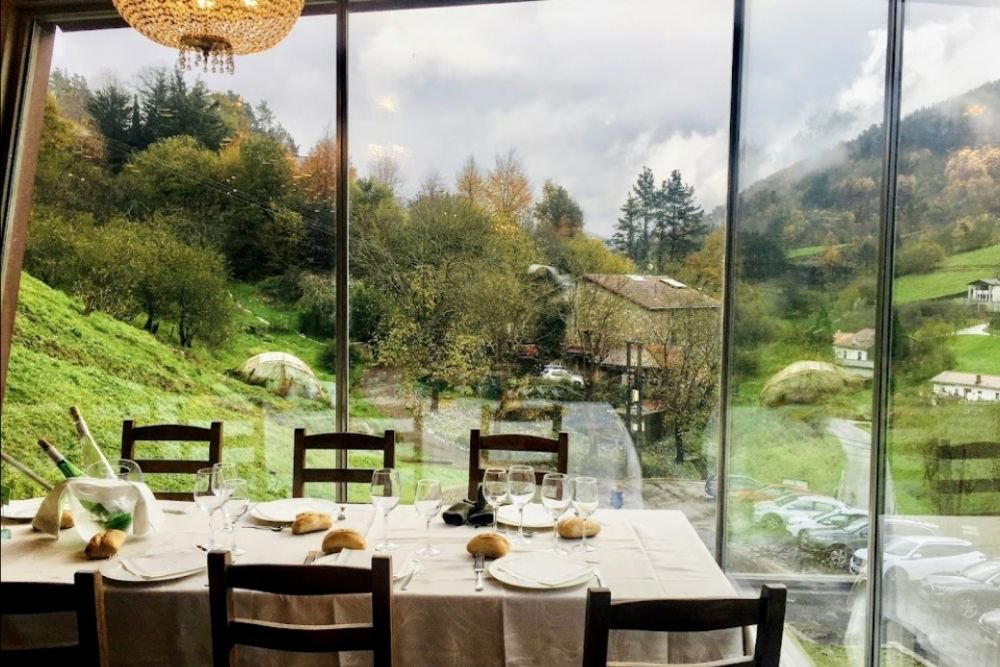
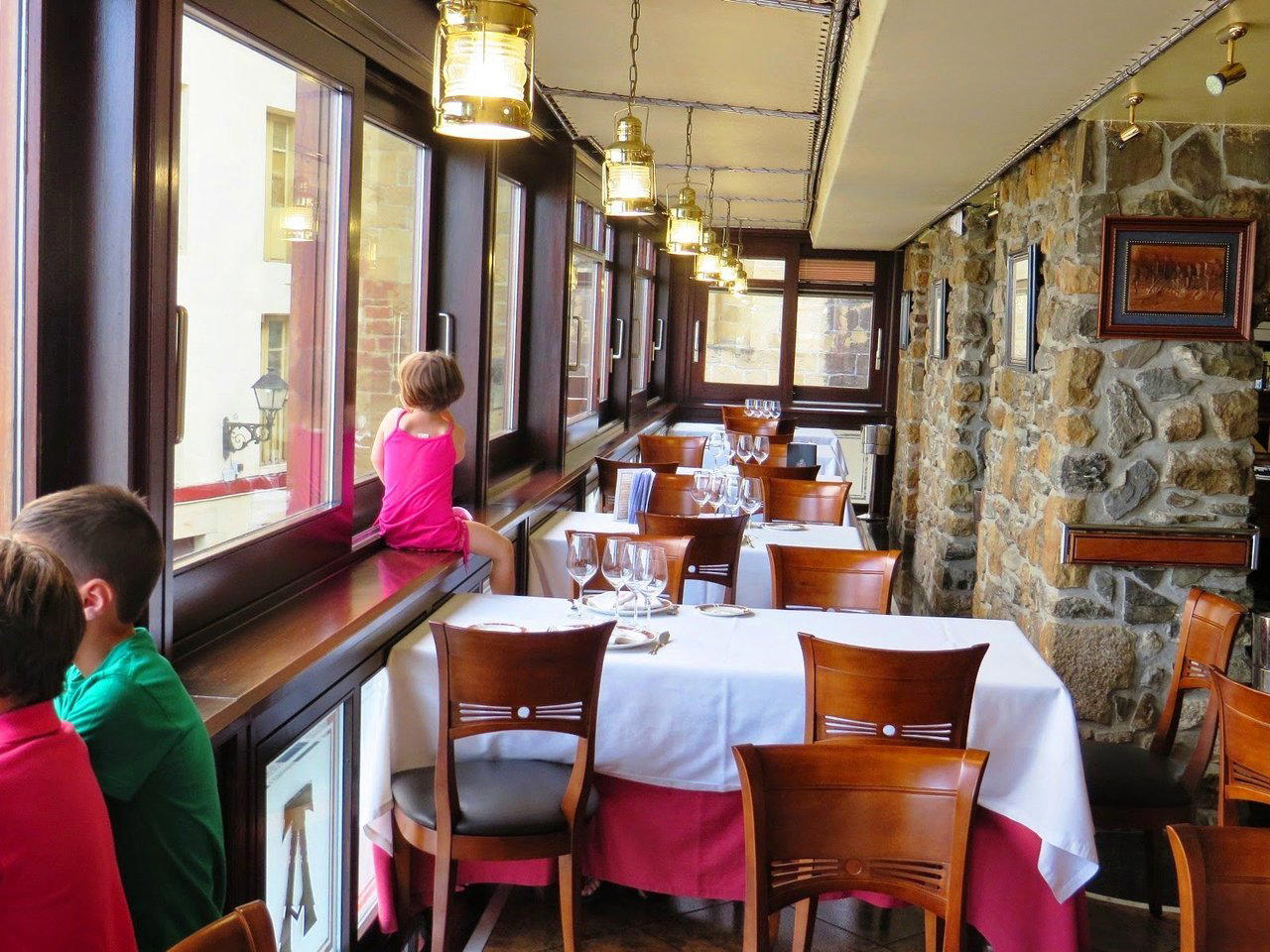
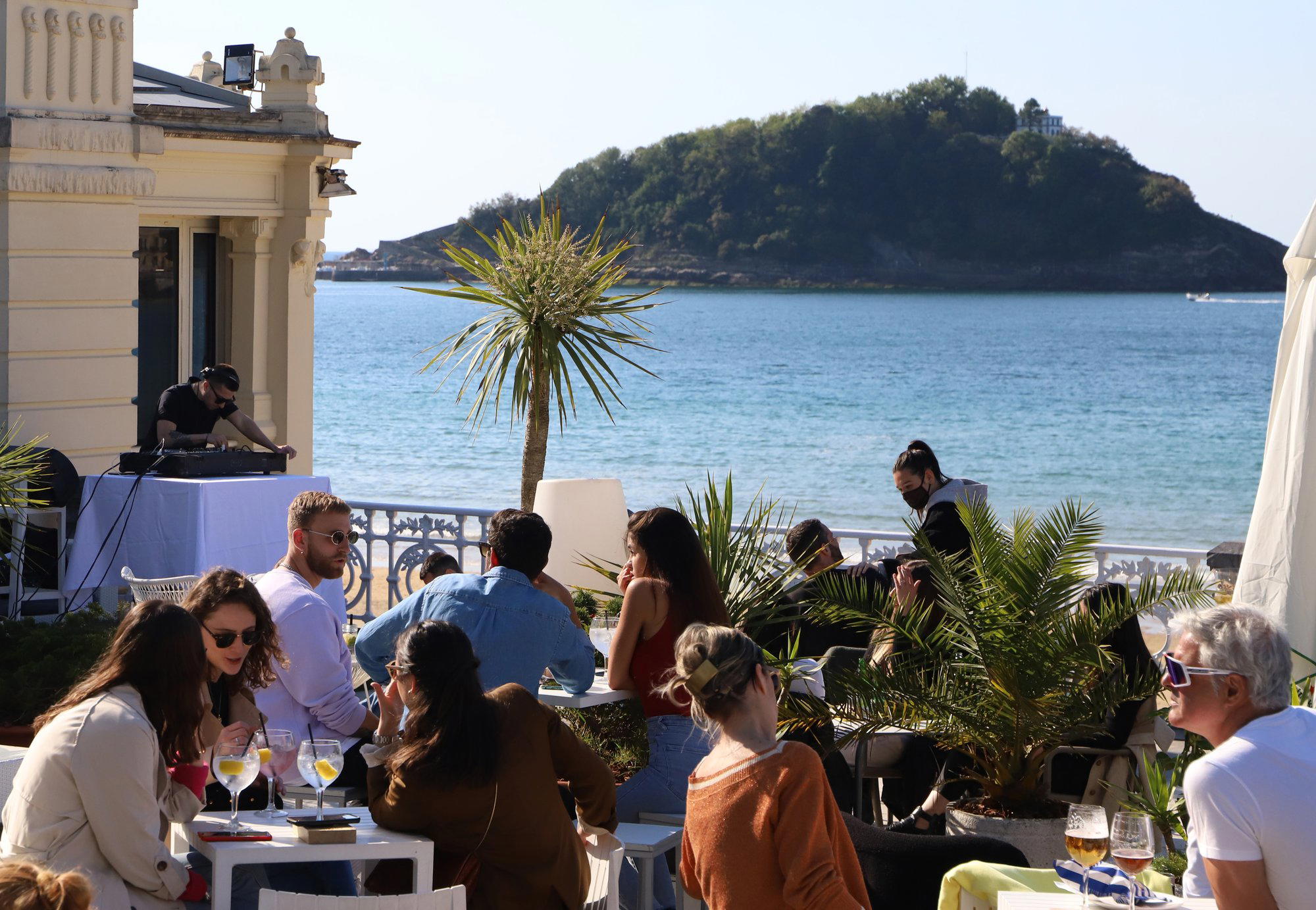
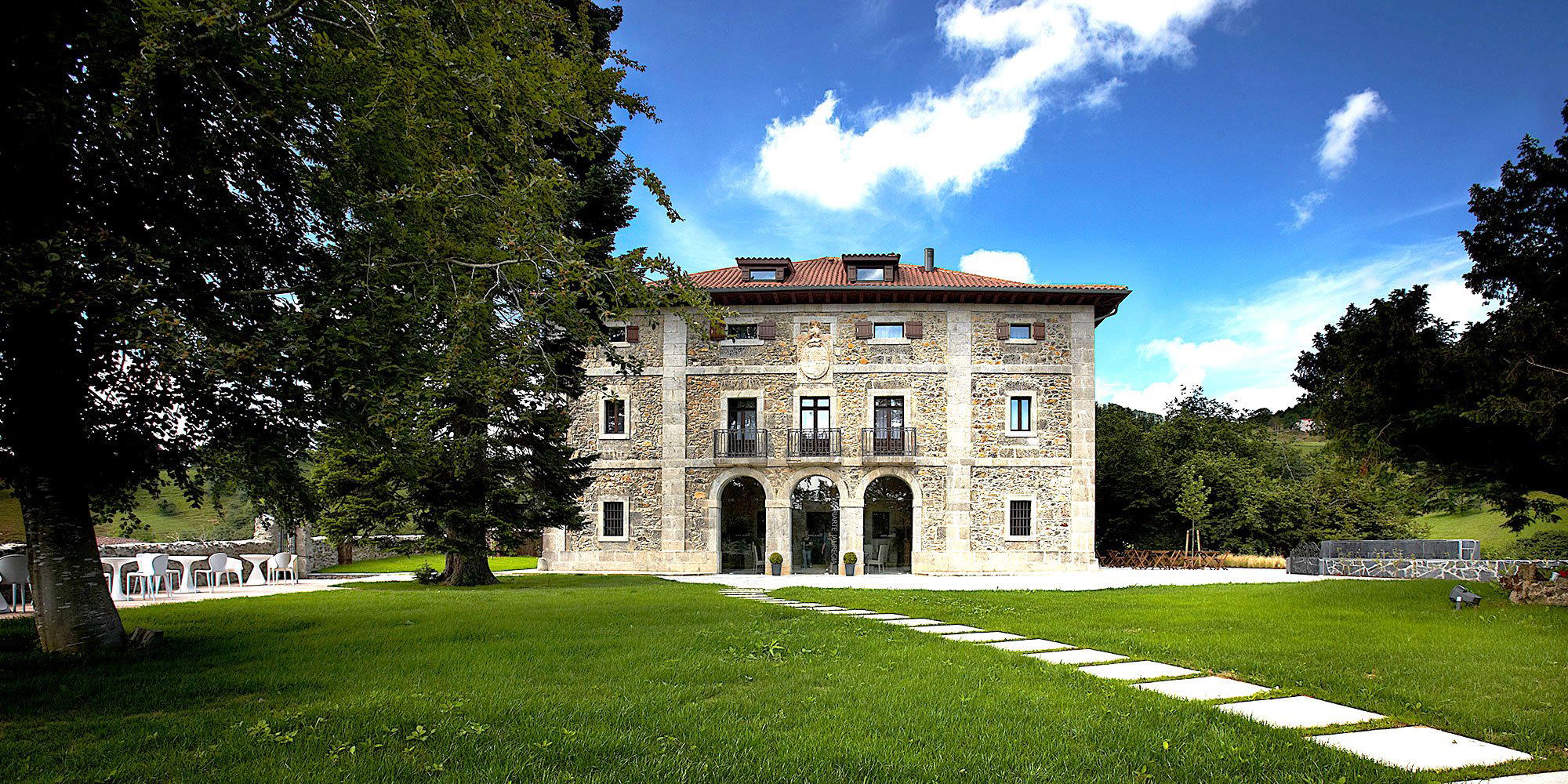
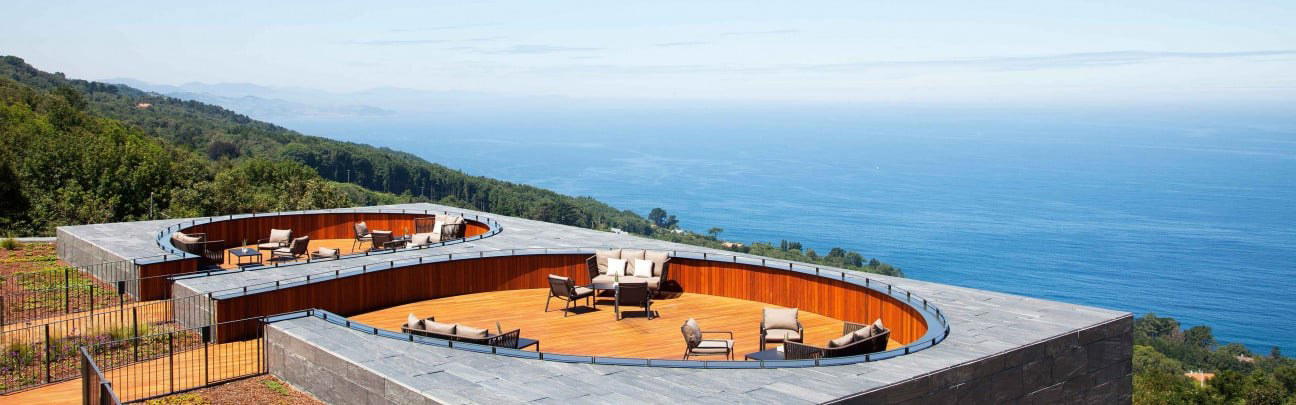
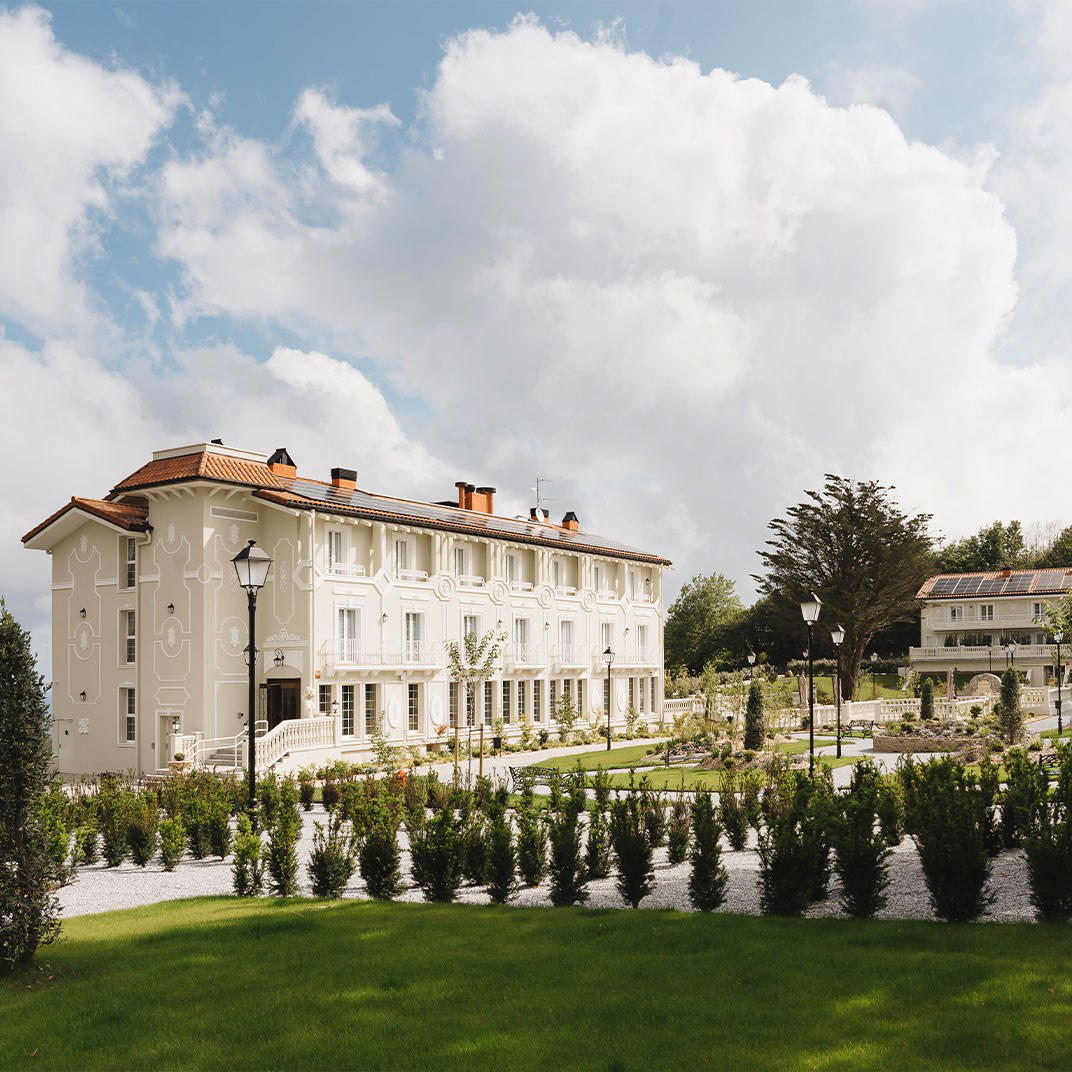
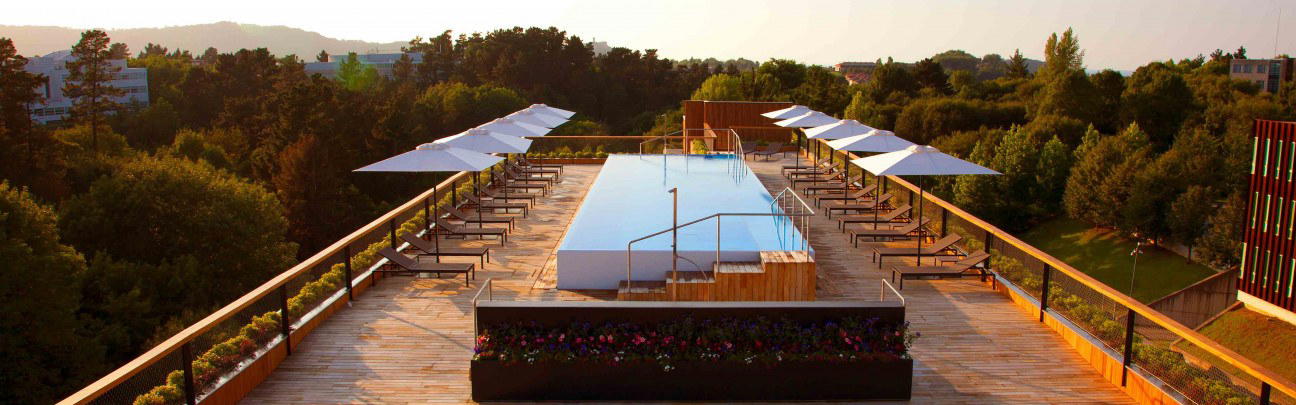
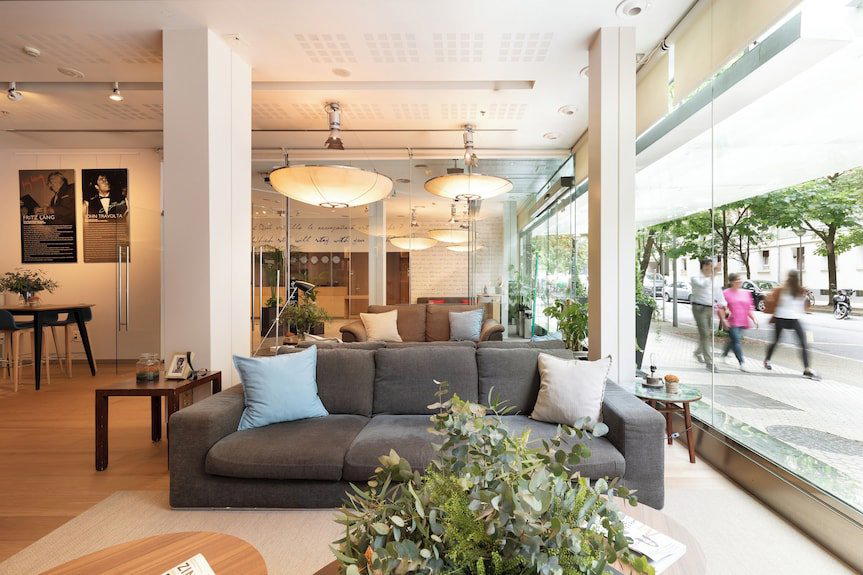
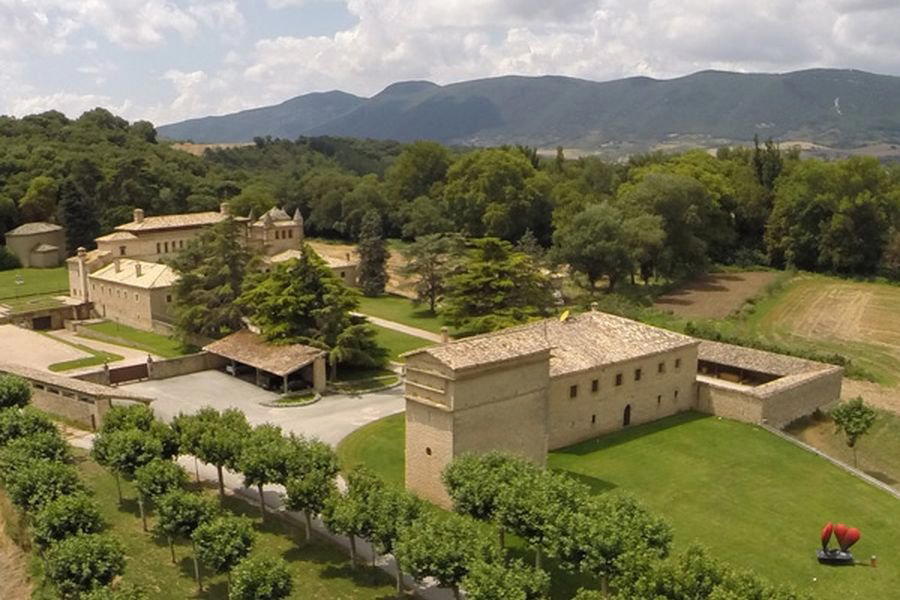
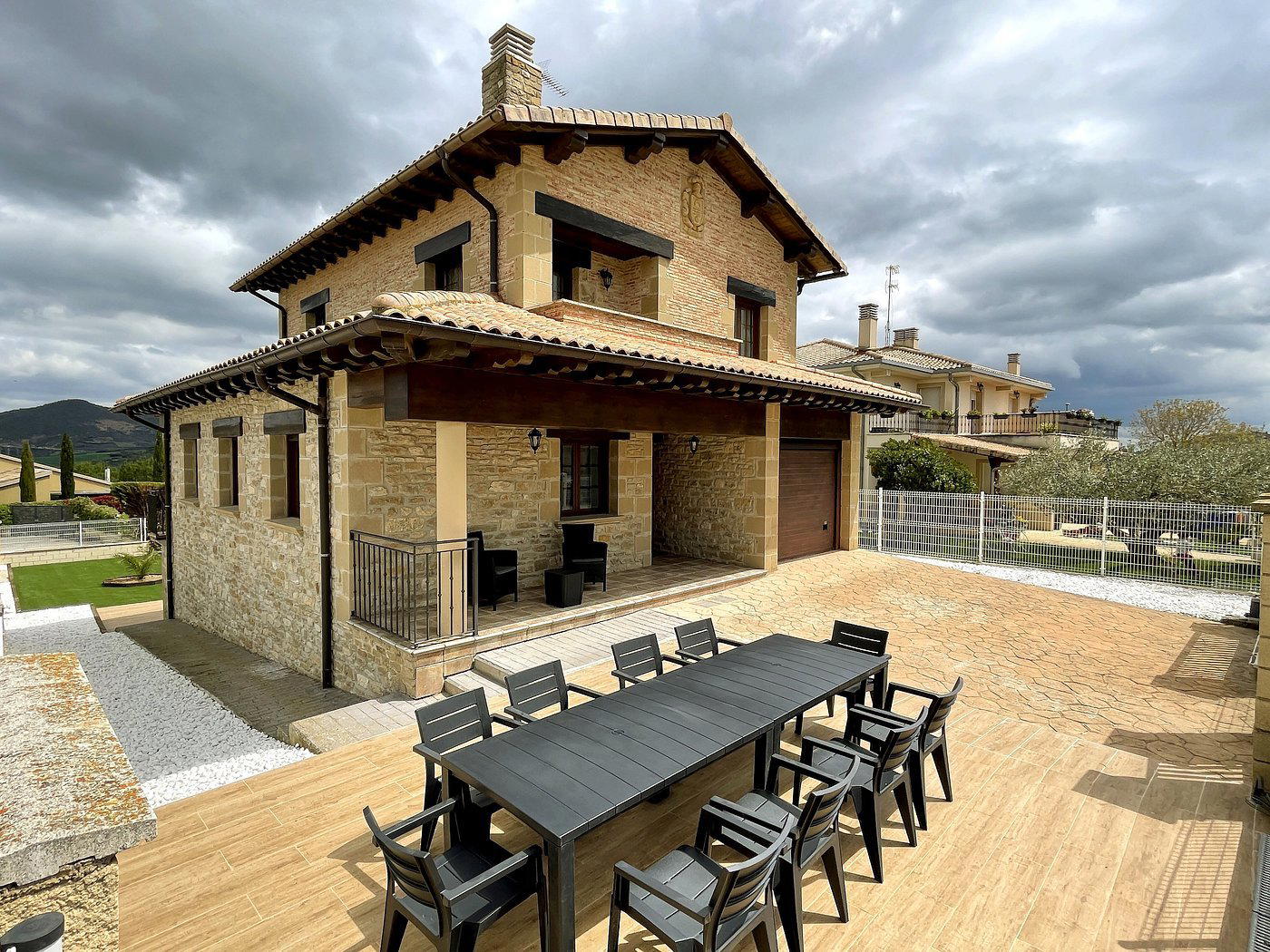
An intimate, carefully decorated dining room with warm, cozy lighting and a relaxed, home‑like feel, opening onto a quiet terrace set amid the hotel’s gardens and rural valley surroundings.