Auberge La Cauquière

A two-time Michelin Plate holder in the village of Le Beausset, Auberge La Cauquière anchors itself in the regional food traditions of inland Provence, drawing on the produce and flavour logic of the Var rather than the coastal theatrics of the Riviera.
Pearl is the En Primeur Club membership app — saves, bookings, and concierge access live there. Same editors, same standards.
- Address
- 7 Chem. du Puits d'Isnard, 83330 Le Beausset, France
- Phone
- +33 4 94 74 98 15
- Website
- lacauquiere.fr
 Saves & bookings on Pearl
Where Inland Provence Sets the Table
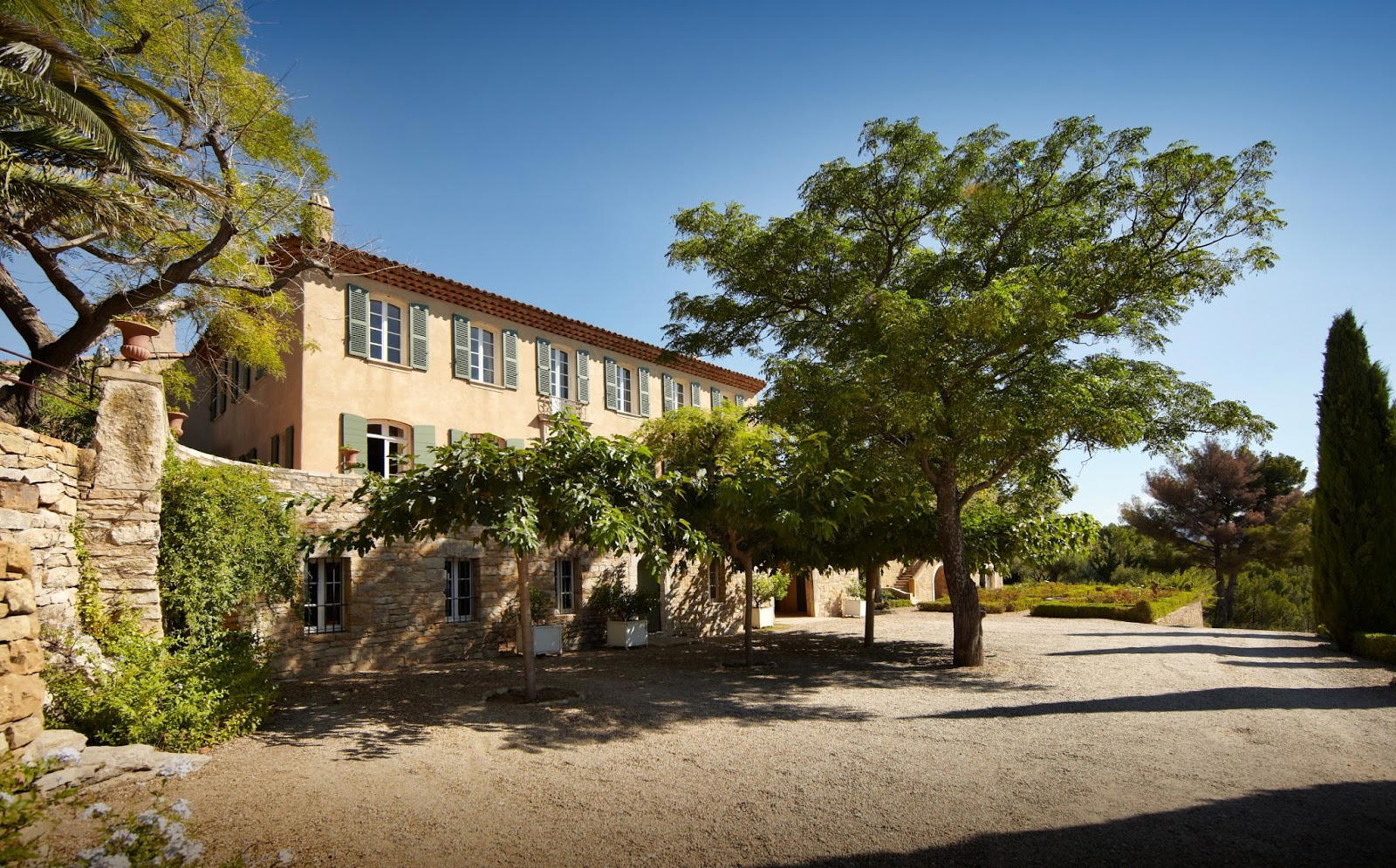
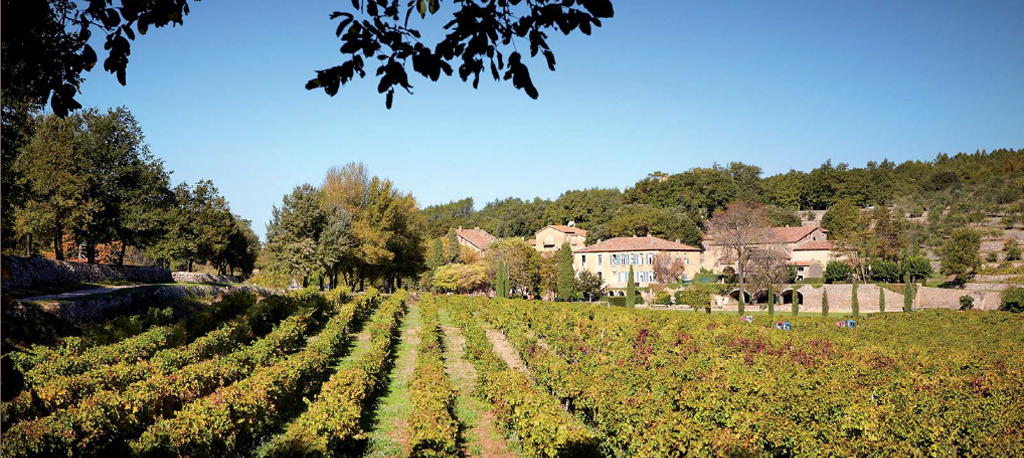
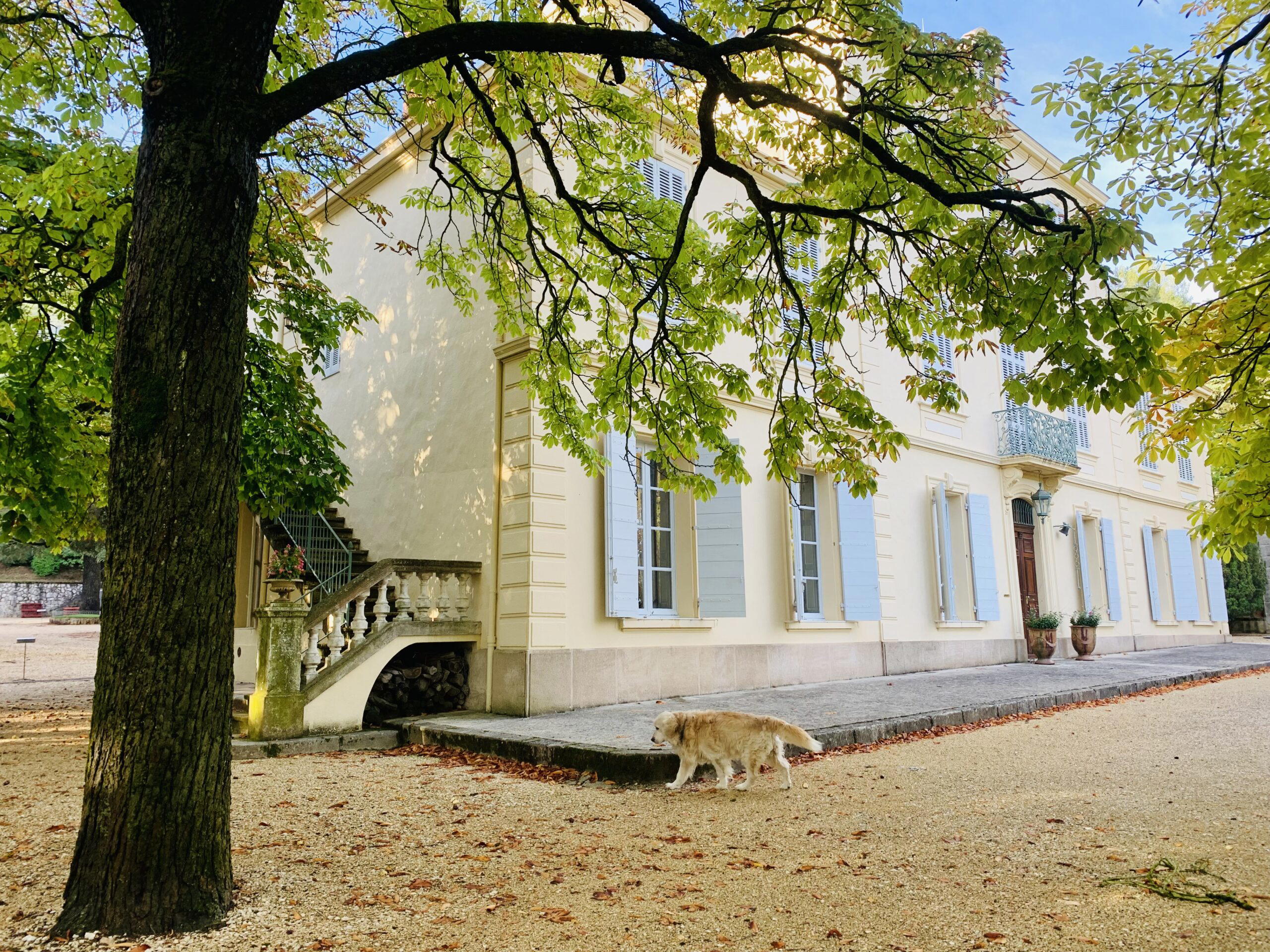
Le Beausset sits in the arc between the Bandol vineyards and the limestone ridges of the Sainte-Baume massif, a position that has historically kept it off the main tourist circuit running between Marseille and the Riviera. The village's market rhythm, its proximity to Var farmland, and its distance from coastal price inflation have all shaped a local food culture that leans on produce rather than presentation. Auberge La Cauquière operates within that register. The setting, a mas-style property on Chemin du Puits d'Isnard, signals the approach before a menu is opened: this is an auberge in the old Provençal sense, a place where the sourcing logic and the architectural logic reinforce each other.
The Sourcing Logic of the Var Interior
French regional cooking at its most coherent is always an argument about territory. The Var département gives a kitchen access to particularly varied agricultural land in the south: olive groves, thyme-covered garrigue, market gardens in the valleys, and proximity to the fishing ports of Sanary and Bandol. Auberge La Cauquière's position in this web matters. Regional cuisine at the €€ price point, when it is done with discipline, tends to be an exercise in restraint and selectivity, choosing what is local and seasonal over what is imported and consistent. That discipline is harder to sustain than a fixed menu around prestige ingredients, and when Michelin recognises a house at this tier with consecutive Plates (2024 and 2025), it is signalling that the basic standard of cooking holds year-round, not just on good days.
The Michelin Plate, sometimes misread as a consolation category, is in practice a quality floor. It means inspectors have confirmed that the kitchen produces good food, not starred ambition, but genuine, reliable craft. For a restaurant operating at €€, in a village rather than a city, across two consecutive years, that recognition places Auberge La Cauquière in a distinct bracket within the wider Var dining scene. Compare the trajectory with somewhere like AM par Alexandre Mazzia in Marseille, where three Michelin stars rest on a highly individual and expensive creative programme, and the difference in ambition is obvious, but so is the difference in what the diner is being asked to pay for. At the restaurant, the wager is on daily produce done carefully, not on signature gestures.
Regional Cooking in Its Natural Habitat
Provence's food identity is often flattened by tourism into a few recognisable set pieces: ratatouille, tapenade, bouillabaisse, rosé. The more interesting story is what happens in the interior, where proximity to the coast is real but not defining, and where the Var's market gardens and livestock traditions pull a kitchen in a different direction. Auberge-style cooking in this zone historically meant long braises, herb-heavy preparations, and a direct relationship between the farm and the pot. That tradition has been disrupted in many places by the economics of the restaurant trade, but it persists in pockets, and the Michelin Plate's two-year run at La Cauquière suggests one of those pockets is holding.
For context on how this fits into the wider spectrum of French regional cooking, consider the range. At one end, Troisgros in Ouches, Auberge de l'Ill in Illhaeusern, and Bras in Laguiole have turned regional identity into generational, multi-starred projects. Further along, houses like Flocons de Sel in Megève or Mirazur in Menton use regional ingredients as a launching point for creative menus priced accordingly. The restaurant occupies a different register entirely: the ground-level expression of a place's food culture, where the goal is fidelity to local produce rather than transformation of it. That is a legitimate and often undervalued position in the French dining hierarchy.
Within Le Beausset specifically, La Ferme Auberge at Domaine de La Font des Pères offers another angle on the same local instinct, combining estate wine production with farmhouse cooking. The two establishments represent different facets of the same regional logic: one rooted in the auberge tradition, one in the domaine tradition. Both are worth understanding in relation to each other. See the full Le Beausset restaurants guide for the wider picture.
What the 4.6 Rating Across 357 Reviews Actually Says
A 4.6 average across 357 reviews in a village this size represents a sustained and broadly consistent experience. Ratings at this level in smaller French communes tend to reflect genuine local loyalty alongside visitor approval, an auberge that scores well with residents is usually doing something right on the fundamentals: portion honesty, seasonal consistency, and value at the price point. The €€ bracket here means a dinner that competes on quality-per-euro rather than on occasion or spectacle. That is a different game, and the score suggests the kitchen is playing it well.
For comparison, the broader category of regional cuisine auberges recognised by Michelin in Provence and the Var runs from stripped-back farmhouse tables to more polished village restaurants. What distinguishes the ones that hold recognition across multiple years is usually sourcing discipline and menu coherence, the ability to resist the temptation to import prestige ingredients that fall outside the regional logic. Whether Fahr in Künten-Sulz or Gannerhof in Innervillgraten, the pattern repeats across European regional auberge formats: integrity of territory is the differentiator, not scale or price.
Planning a Visit
The restaurant sits at 7 Chemin du Puits d'Isnard in Le Beausset, accessible from the A50 motorway that links Marseille to Toulon, the village is roughly halfway between the two cities, making it a practical stop rather than a detour. The €€ pricing means a meal here is unlikely to require months of forward planning in the way that Alléno Paris au Pavillon Ledoyen or Assiette Champenoise in Reims do, but auberges at this level in Provence fill quickly during the summer season (July and August) and around public holidays. Booking a week to ten days ahead is reasonable outside peak season; in high summer, two to three weeks is more prudent.
Side-by-Side Snapshot
Comparable venues nearby, for context on price, style, and recognition.
| Venue | Cuisine | Price | Awards | Notes |
|---|---|---|---|---|
| Auberge La CauquièreThis venue — the venue you are viewing | Modern Provençal French | $$$ | Michelin Plate | Not listed |
| La Ferme Auberge - Domaine de La Font des Pères | Provençal Farm-to-Table Bistro | $$ | Michelin Plate | Le Beausset |
| Jardin Secret | Modern Provençal | $$$ | Michelin Plate | Cotignac |
| L.A Restaurant | Modern French Fine Dining | $$$ | Michelin Plate | behind the port |
| Les Inséparables | Modern French Provençal | $$$ | Michelin Plate | Sextius Mirabeau |
| Iod'in | Modern French Seafood Bistro | $$$ | Michelin Plate | Allauch |
Recognition history
Dated appearances from independent guides and award organizations, with the underlying list record or original source where available.
Michelin Plate
Michelin
Michelin Plate
Michelin
Continue exploring
More in Le Beausset
Restaurants in Le Beausset
Browse all →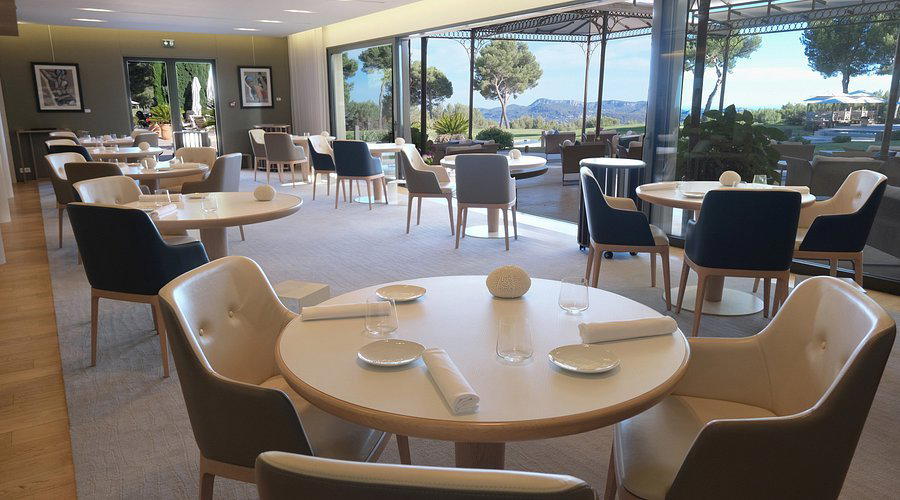
Bars in Le Beausset
Browse all →
Hotels in Le Beausset
Browse all →
At a Glance
- Cozy
- Elegant
- Rustic
- Romantic
- Family
- Date Night
- Special Occasion
- Terrace
- Garden
- Hotel Restaurant
- Local Sourcing
- Garden
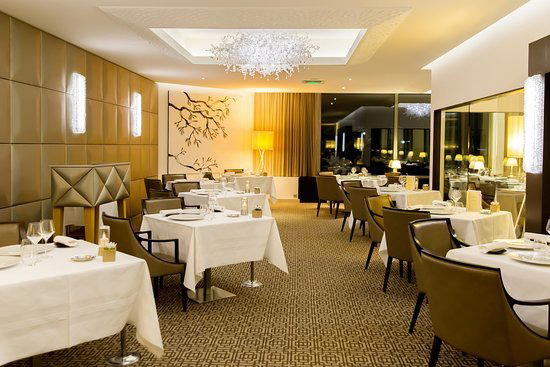
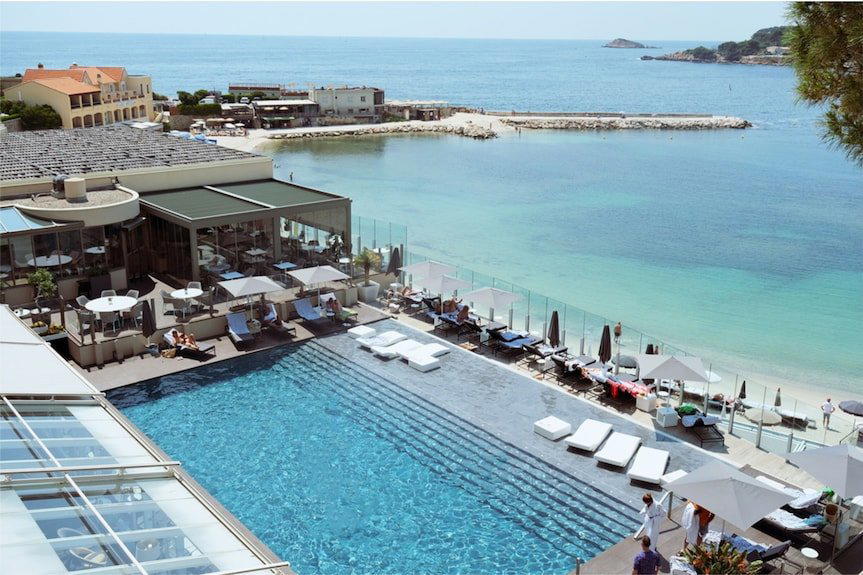
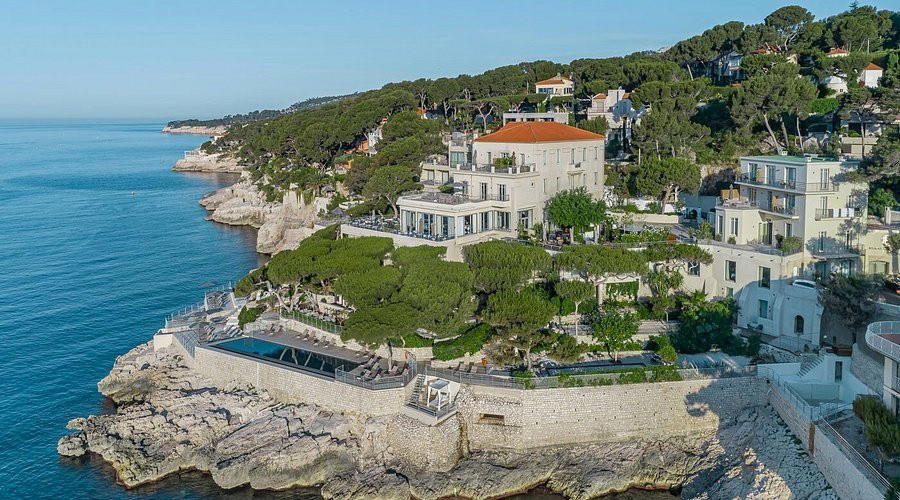
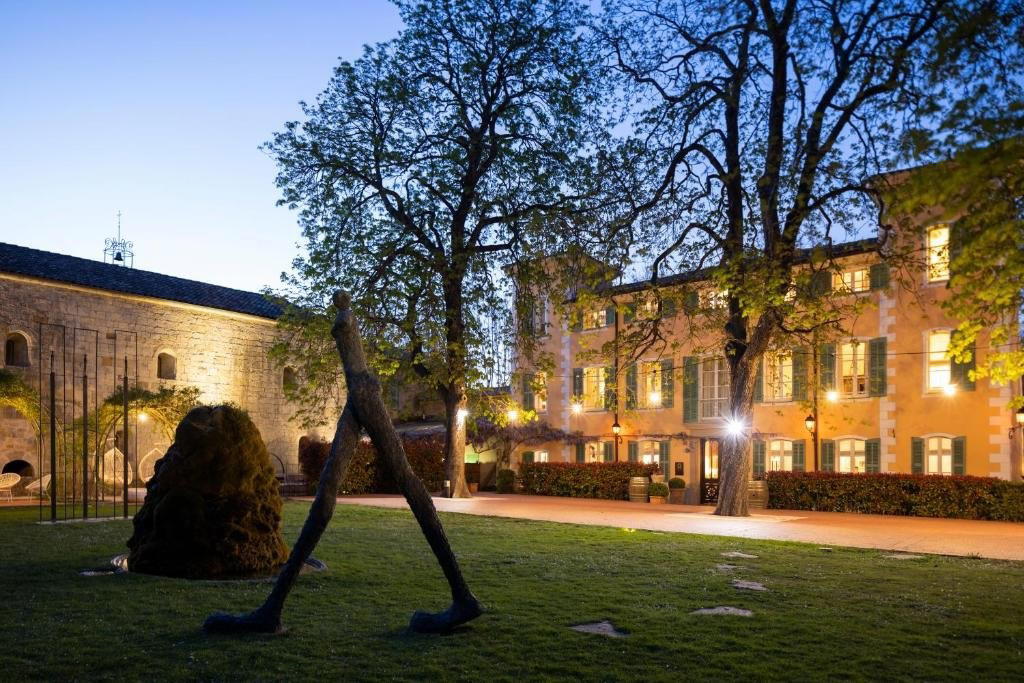
Convivial atmosphere with vaulted ceilings, large fireplace, stone walls, and shaded terrace under plane trees offering a warm, cozy Provençal charm.