Ars Vivendi

Relais Chateaux Award
Our verdict
Ars Vivendi brings creative cooking to Bad Laasphe’s country-hotel dining circuit, a setting where destination restaurants often carry more weight than street-level dining rooms. Chef Petar Popovic gives the kitchen its named credential, while the Relais & Châteaux association places the restaurant in a hospitality category built around controlled service, regional calm, and a more deliberate pace.

Pearl is the En Primeur Club membership app, where members save venues, book tables and use the concierge.
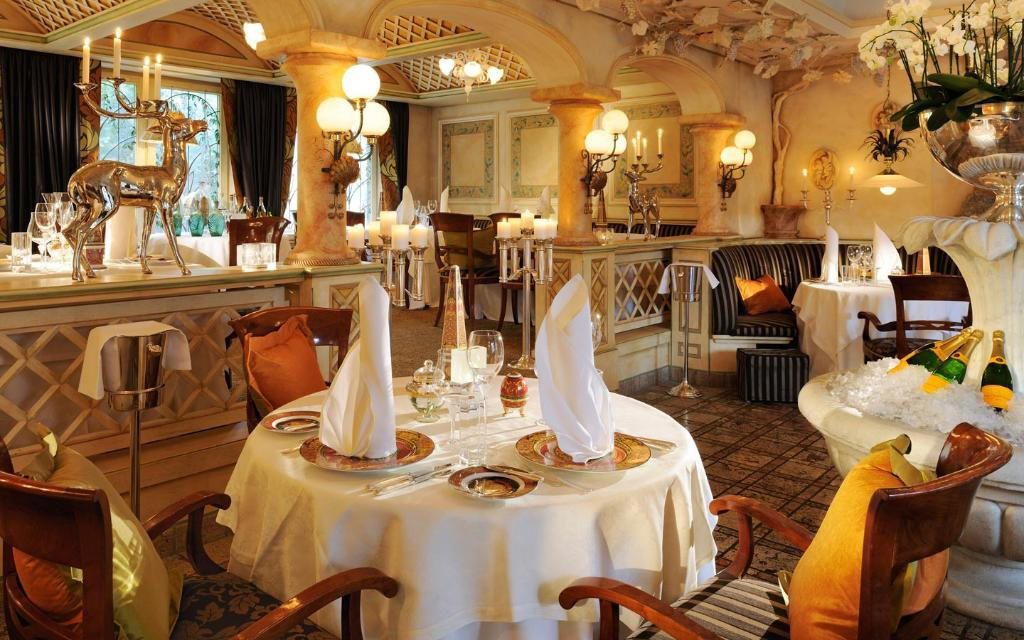
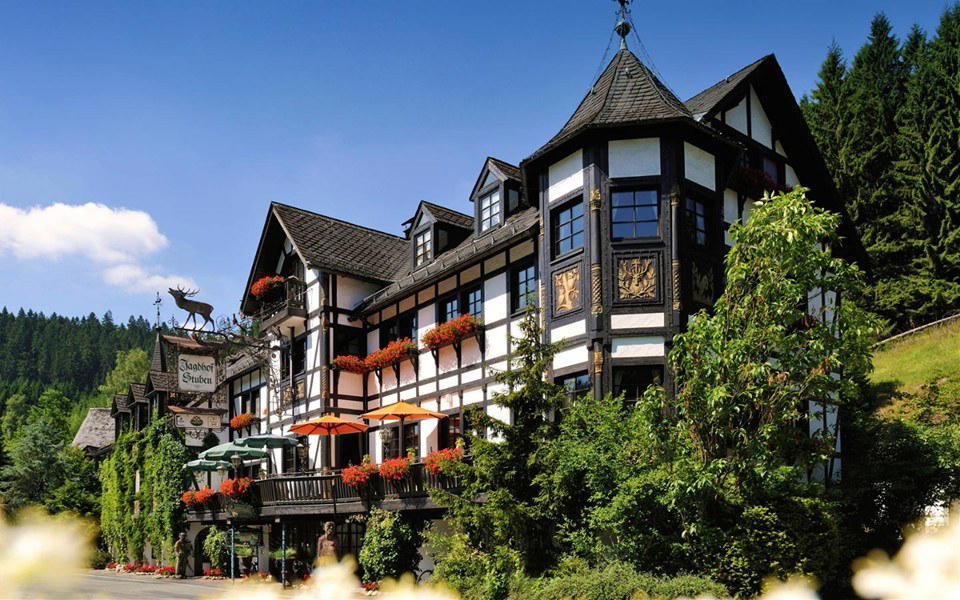
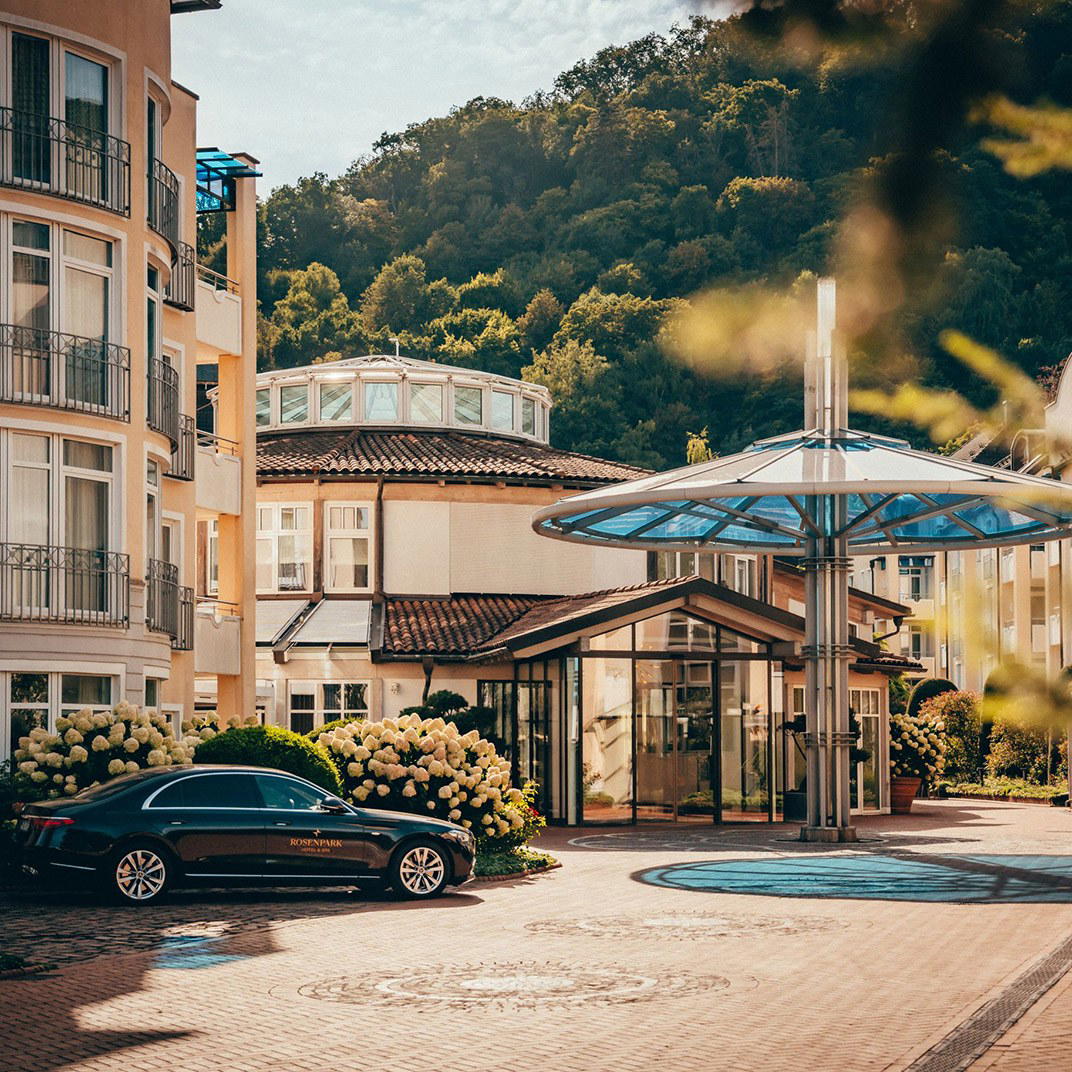
Approach this part of Bad Laasphe and the rhythm changes before the table comes into view: wooded countryside edges, hotel quiet, and the kind of dining room where the evening is expected to slow down rather than accelerate. In small German spa and countryside towns, serious cooking often lives inside hotels, not on restaurant rows. Ars Vivendi belongs to that tradition, using the privacy and infrastructure of its country-hotel setting as the frame for a kitchen described as creative cooking rather than regional tavern fare.
That distinction matters in Bad Laasphe. The town is not built around the dense, competitive restaurant traffic of larger German cities; its stronger dining logic is destination-led. Guests are more likely to plan an evening around a hotel stay, a country drive, or a quiet weekend than a spontaneous crawl through multiple rooms. For a wider map of the area, our full Bad Laasphe restaurants guide gives the local spread, while our full Bad Laasphe hotels guide explains why hospitality infrastructure shapes the town’s dining culture.
Creative cooking in a country-hotel register
German country-house gastronomy has split into two useful lanes. One is the comfort-led room, where regional habits and familiar generosity carry the experience. The other is the polished hotel restaurant, where the kitchen has permission to edit tradition, reduce heaviness, and work with a more composed sequence. Ars Vivendi sits in the second lane. Its classification as creative cooking signals a broader brief than purely regional fare, but the setting keeps it from drifting into urban tasting-menu theatre.
The more useful comparison inside Bad Laasphe is not with a metropolitan fine-dining counter, but with neighbouring formats in the same local hospitality orbit. Other Bad Laasphe dining rooms may speak more directly to regional comfort, while Ars Vivendi is positioned around a more authored, creative register. Read together, the town’s stronger proposition is not breadth, but contrast: rustic rooms, hotel restaurants, and countryside retreats within a short local circuit.
Relais & Châteaux recognition is the key trust signal here. In Germany, that association tends to point less to hype and more to a particular hospitality grammar: destination properties, controlled service, and kitchens expected to justify a stay rather than fill a casual slot between errands. That does not make every meal formal by default, but it does place the restaurant in a more deliberate tier than a standard village address.
Petar Popovic gives the kitchen its authorship
Chef Petar Popovic is the named culinary lead, and that matters because creative cooking in a hotel context can otherwise become anonymous: polished plates, soft lighting, little point of view. A named chef gives the room an authorial anchor. The point is not biography for its own sake, but accountability. In a countryside property, the chef’s role is to connect the calm of the setting with enough culinary movement to make the restaurant feel intentional rather than merely convenient.
The strongest reading of the restaurant is therefore as a bridge between two German dining expectations. One expectation is rooted in countryside hospitality, where hotel dining traditionally means warmth, ease, and regional generosity. The other is the contemporary premium traveller’s expectation that a country stay should include a kitchen with technique and progression. Ars Vivendi’s creative-cooking label places it in that second conversation while retaining the slower tempo of the first.
For travellers comparing German hotel restaurants, the distinction is useful. Busier city or city-adjacent dining rooms often compete against a larger evening economy, with more alternatives close at hand and a more fluid pattern of reservations, bars, and late-night plans. Bad Laasphe asks a different question: whether the restaurant can carry the weight of a whole night in a quieter place. That is where hotel-backed service and a chef-led kitchen become more relevant than trend language.
How to place it within a wider German itinerary
Ars Vivendi makes the most sense as part of a countryside itinerary rather than a standalone detour for diners chasing star counts. The appeal is the combination of a controlled hotel setting, a named chef, and a creative brief in a town where dining options are more selective than sprawling. Travellers building a broader German restaurant route can use it as a quieter counterpoint to more urban, resort, or regionally driven dining stops elsewhere in the country, each of which belongs to a different local rhythm.
The planning logic is simple: treat the meal as part of the stay, not as a quick add-on. Bad Laasphe rewards guests who are already oriented toward the area’s hotels, forests, and slower evenings. Drinks-led travellers can cross-check our full Bad Laasphe bars guide, while wine-focused readers should use our full Bad Laasphe wineries guide for regional context. If the trip needs a cultural layer beyond dining, our full Bad Laasphe experiences guide is the cleaner starting point.
Within Europe’s wider creative-cooking category, the label covers a broad range, from resort dining to city tasting rooms, and from beachside hospitality to more enclosed country-house settings. In larger cities, food programming can also change when the city itself becomes the subject, with tours, markets, and local movement shaping the meal. Bad Laasphe is quieter, more enclosed, and more dependent on the relationship between room, kitchen, and hotel. That is the reason Ars Vivendi reads as a country-house dining decision rather than a generic restaurant booking.
Frequently asked questions
Would Ars Vivendi be comfortable with kids?
Ars Vivendi is in Bad Laasphe, in a country-house dining setting with a creative cooking format. Families should check directly with the restaurant if they need child-specific arrangements.
Is Ars Vivendi formal or casual?
Ars Vivendi is a creative cooking restaurant in Bad Laasphe, with Petar Popovic as chef. The setting points to a deliberate restaurant experience rather than a quick drop-in meal.
Is Ars Vivendi focused on a specific cuisine style?
Ars Vivendi serves creative cooking.
Where exactly is Ars Vivendi?
Bad Laasphe.
A Quick Peer Check
Comparable venues by cuisine and price in the same metro.
| Venue | Cuisine | Awards |
|---|---|---|
| Ars VivendiThis venue (the venue you are viewing) | Modern fusion fine dining in a mountain hotel | Relais Chateaux Award |
| Le 18Bar | Creative cooking | Not listed |
Recognition history
Dated appearances from independent guides and award organizations, with the underlying list record or original source where available.
Relais Chateaux Award
Relais Chateaux
Continue exploring
More in Bad Laasphe
Restaurants in Bad Laasphe
All restaurants in Bad Laasphe →
Bars in Bad Laasphe
Browse all →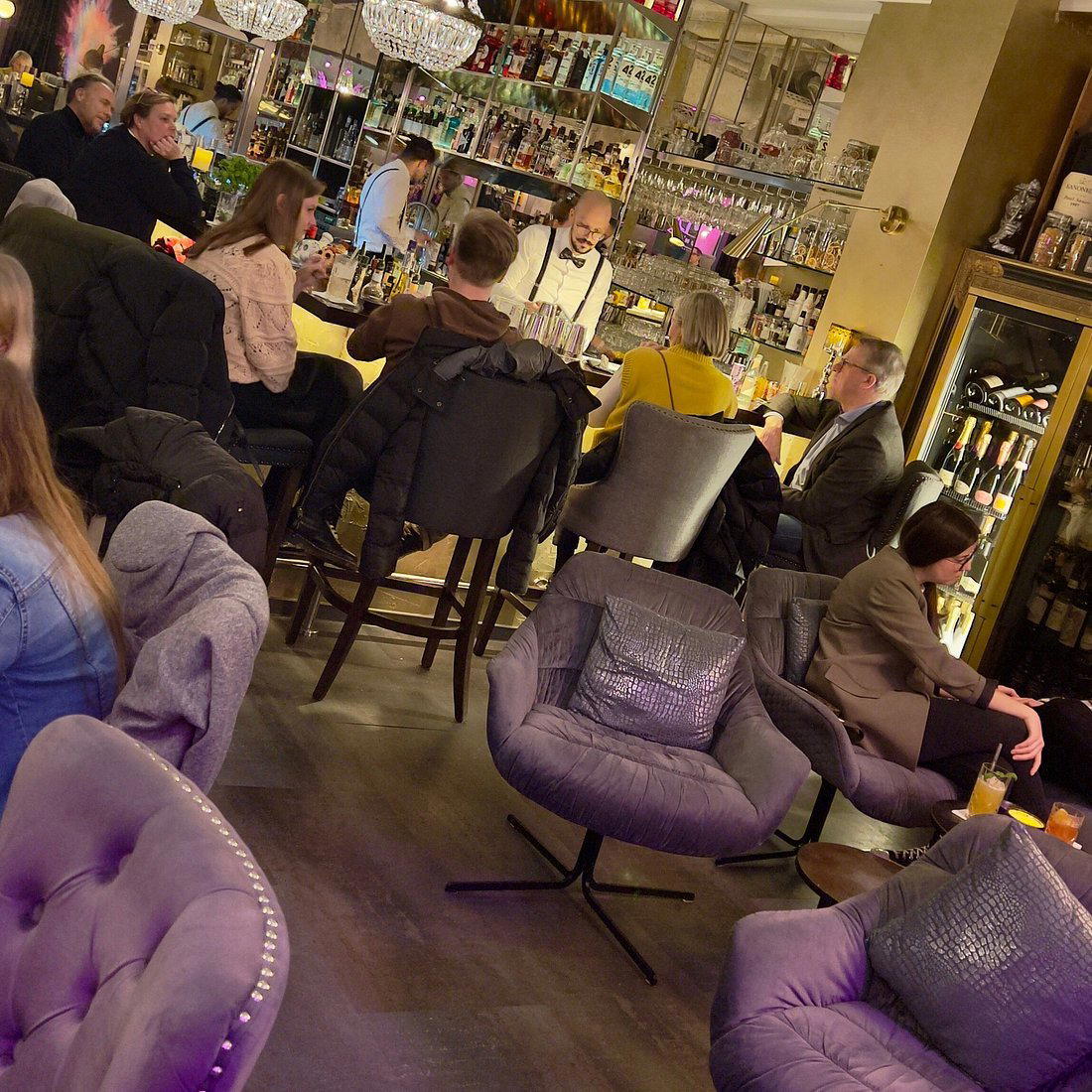
Details
- Romantic
- Elegant
- Cozy
- Classic
- Sophisticated
- Date Night
- Special Occasion
- Business Dinner
- Group Dining
- Hotel Restaurant
- Wine Cellar
- Private Dining
- Historic Building
- Garden
- Extensive Wine List
- Local Sourcing
- Sustainable Seafood
- Mountain
- Garden
- A La Carte
- Wine
- Vegetarian Friendly
- Vegan Options
- Gluten Free Options
- Pescatarian Friendly
- Allergy Accommodating
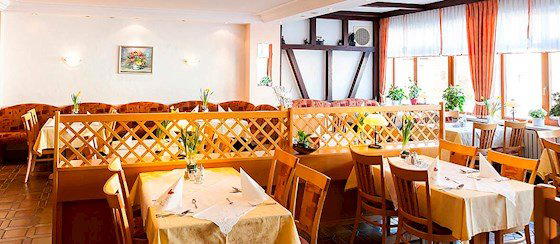
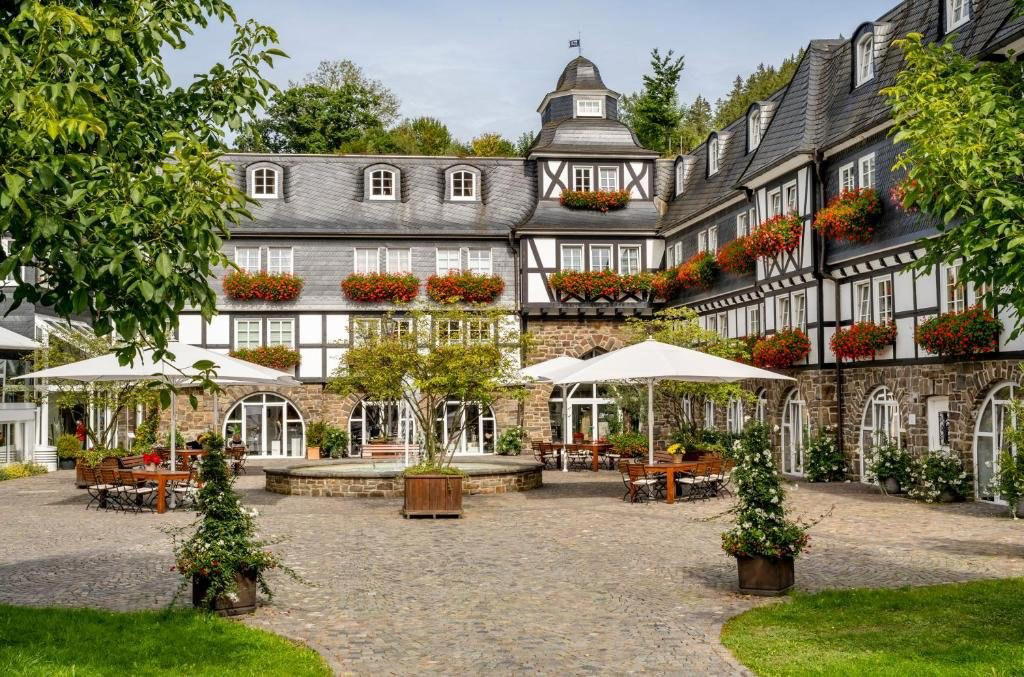
Intimate fine-dining room within a traditional country-house hotel, combining classic elegance and cozy rural charm, with a calm, unhurried atmosphere suited to long evening meals.