Our verdict
Aroma Restaurant sits just outside Porto’s dense historic core, where the city’s restaurant conversation starts to loosen from tourist traffic and reconnect with the Douro, the Atlantic, and the produce belt around northern Portugal. With no public awards or chef-led tasting-menu mythology defining the pitch, the useful lens is simpler: location, sourcing logic, and how it fits beside Porto’s more traditional dining rooms.

Pearl is the En Primeur Club membership app, where members save venues, book tables and use the concierge.
The menu
What to order
- Chicken breast with chestnut and Port wine sauce
- Salmon with fresh fennel
- Picanha with garlic
- Portuguese cheese board
Approaching Porto from a less touristed side changes the appetite. The granite drama of the centre gives way to a more workaday rhythm: residential streets, river traffic, and the practical geography that has always fed the city. Aroma Restaurant belongs to that side of Porto dining, away from the postcard compression of the most familiar visitor routes, where the meal is better read through supply lines than spectacle.
Porto’s table has never been only about restaurants. It is built from the Atlantic, the Douro, the Minho, Trás-os-Montes, and the market culture that moves fish, greens, beans, cured pork, and wine into the city each day. That matters for a restaurant in Porto because the surrounding context pushes the conversation toward ingredients before performance. In the busiest parts of the city, many rooms have to answer the visitor economy first. Here, the more interesting question is whether the kitchen can make sense of northern Portugal’s pantry without reducing it to a checklist of familiar dishes.
Porto's dining edge puts produce before theatre
The stronger restaurants in Porto now work in a narrow lane between inheritance and polish. Too much nostalgia turns dinner into reenactment; too much technique can flatten the regional character that brought people to the city in the first place. Aroma Restaurant is better understood inside that tension. Its public profile is best approached without relying on unsupported claims about awards, a named chef, or a fixed tasting-menu format, so the editorial test becomes more grounded: how convincingly the room participates in Porto’s ingredient-first tradition.
That tradition has range. A place such as A Cozinha do Manel speaks to the city’s older appetite for generous cooking and familiar comfort. Other Porto dining rooms carry different kinds of local memory, tied to everyday eating, wine, and the city’s appetite for unfussy hospitality. On the more composed side, unnamed contemporary restaurants point toward the polished end of the Porto spectrum. Aroma sits closer to the question between those poles: not framed here as a grand gastronomic statement, not treated as a purely traditional tavern, but part of the city’s broader move toward quieter, produce-aware dining outside the heaviest tourist corridors.
Ingredient sourcing in Porto is not a decorative claim. The city’s position gives kitchens access to Atlantic fish, Douro wines, mountain cheeses, smoked meats, cabbages, beans, and olive oil traditions that shift dramatically within a short drive. Restaurants that handle this well do not need to announce regionality at full volume. The evidence is usually in restraint: fewer imported clichés, fewer luxury signifiers, more confidence in northern Portuguese raw material. That is the frame in which this address makes sense.
How to place it against Porto's more familiar restaurant map
For travellers building a Porto itinerary, the decision is not whether this should replace the city’s classic dining rooms. It should be considered as a counterweight. Different parts of Porto have their own dining tempo; Aroma Restaurant asks for a more intentional choice. That extra intentionality can be useful for diners who have already covered the obvious Porto circuit and want a meal less shaped by footfall.
The comparison set matters. A Cozinha do Manel anchors a more traditional read of Porto eating. Other local dining rooms occupy different leisure, wine-led, and polished registers, showing how the region’s hotel and wine infrastructure continues to shape the city’s restaurant map. Beyond Porto, regional Portuguese restaurants often read better when judged by place rather than by metropolitan gloss, and that same principle is useful when thinking about Aroma Restaurant.
That is the useful lens for Aroma Restaurant. Porto has enough high-visibility dining to fill a weekend without leaving the centre, but the more revealing meals often sit just beyond the most obvious radius. They show how the city eats when the river, the market, and the surrounding countryside are treated as working systems rather than backdrops.
Where it fits in a wider Porto trip
A meal here makes sense for travellers who plan Porto by area rather than by isolated reservations. Build the day around a slower version of the city instead of treating dinner as a detached appointment. For broader planning, our full Porto restaurants guide gives the city-wide context, while our full Porto hotels guide, our full Porto bars guide, our full Porto wineries guide, and our full Porto experiences guide help connect the meal to the rest of the itinerary.
Portugal’s broader restaurant conversation is useful here too. Other dining rooms in the country can lean into authored, high-concept formats, coastal seafood logic, or tightly focused specialist ideas. Those comparisons clarify Porto’s difference: the city’s strongest meals often depend less on performance and more on the friction between Atlantic produce, inland agriculture, and a dining culture that has not fully surrendered to luxury signalling.
The verdict is measured rather than breathless: Aroma Restaurant is for diners who want Porto without reducing the city to its centre. Its case rests on place, regional appetite, and the quieter logic of ingredient-led eating in the city.
Frequently asked questions
Can I bring kids to Aroma Restaurant?
Aroma Restaurant is in Porto. For child-specific policies, use the venue’s own current details as the starting point for direct confirmation.
What kind of setting is Aroma Restaurant?
The setting is an urban Porto address rather than a sightseeing-driven dining room. That places it in a part of the city where the meal is likely to be part of a considered Porto plan, not just a quick stop.
Where is Aroma Restaurant in Porto?
Aroma Restaurant is located in Porto.
What's the best way to book Aroma Restaurant?
Use Porto as the main location reference when arranging a table. Booking details should be confirmed through the restaurant itself or local reservation channels. Check the venue's official channels for the latest details.
What's the standout thing about Aroma Restaurant?
Its main draw is its Porto setting. That gives it a clear city identity, which matters for travellers building a day around a less obvious side of Porto.
At-a-Glance Comparison
Comparable venues by cuisine and price in the same metro.
| Venue | Cuisine | Price | Awards |
|---|---|---|---|
| Aroma RestaurantThis venue (the venue you are viewing) | Modern Portuguese & Mediterranean | $30–50 | Not listed |
| Vinha | Modern Portuguese Fine Dining | $150–200 | 1 Michelin Star |
| A Cozinha do Manel | Traditional Portuguese | $20–30 | Not listed |
| Izakaya Japanese Cuisine | Intimate Omakase-Style Japanese Izakaya | $50–100 | Michelin Plate |
Continue exploring
More in Porto
Restaurants in Porto
All restaurants in Porto →
Bars in Porto
All bars in Porto →
Hotels in Porto
All hotels in Porto →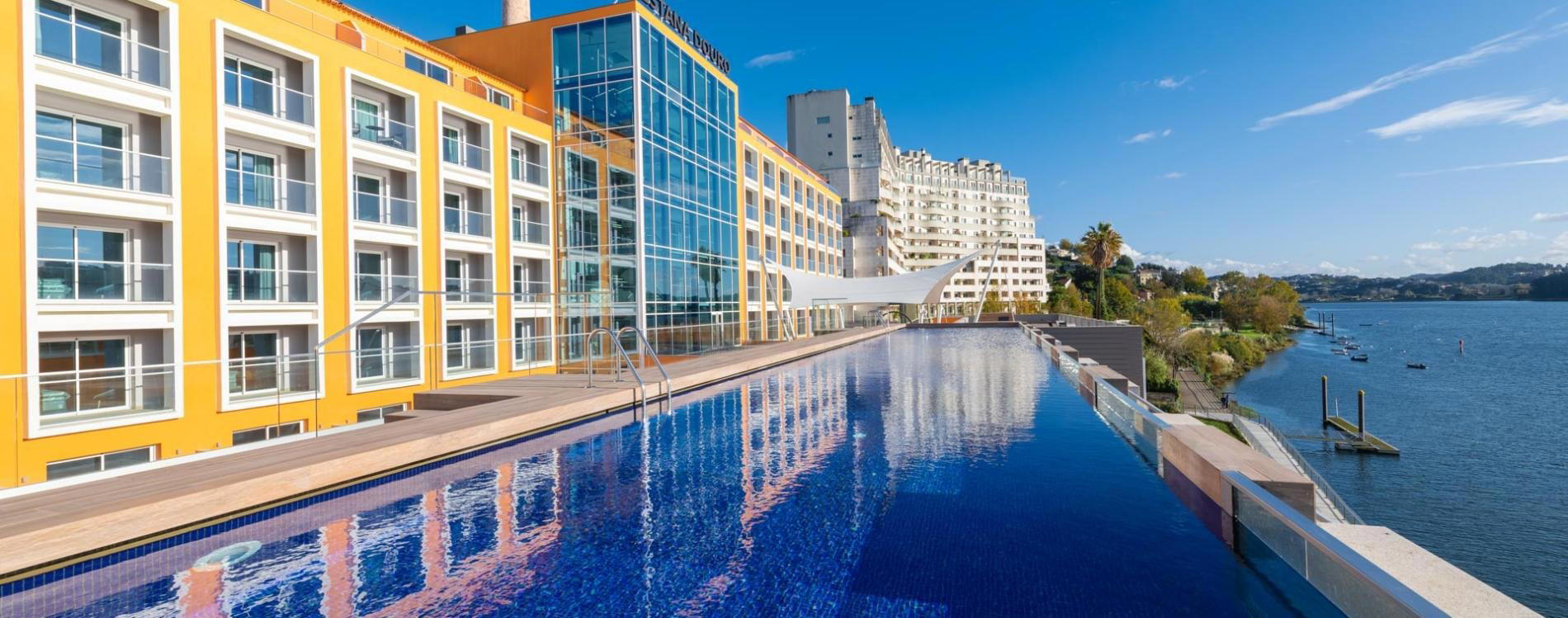
Details
- Modern
- Scenic
- Cozy
- Romantic
- Date Night
- Business Dinner
- Group Dining
- Family
- Celebration
- Special Occasion
- Waterfront
- Terrace
- Hotel Restaurant
- Extensive Wine List
- Craft Cocktails
- Waterfront
- A La Carte
- Wine
- Cocktails
- Vegetarian Friendly
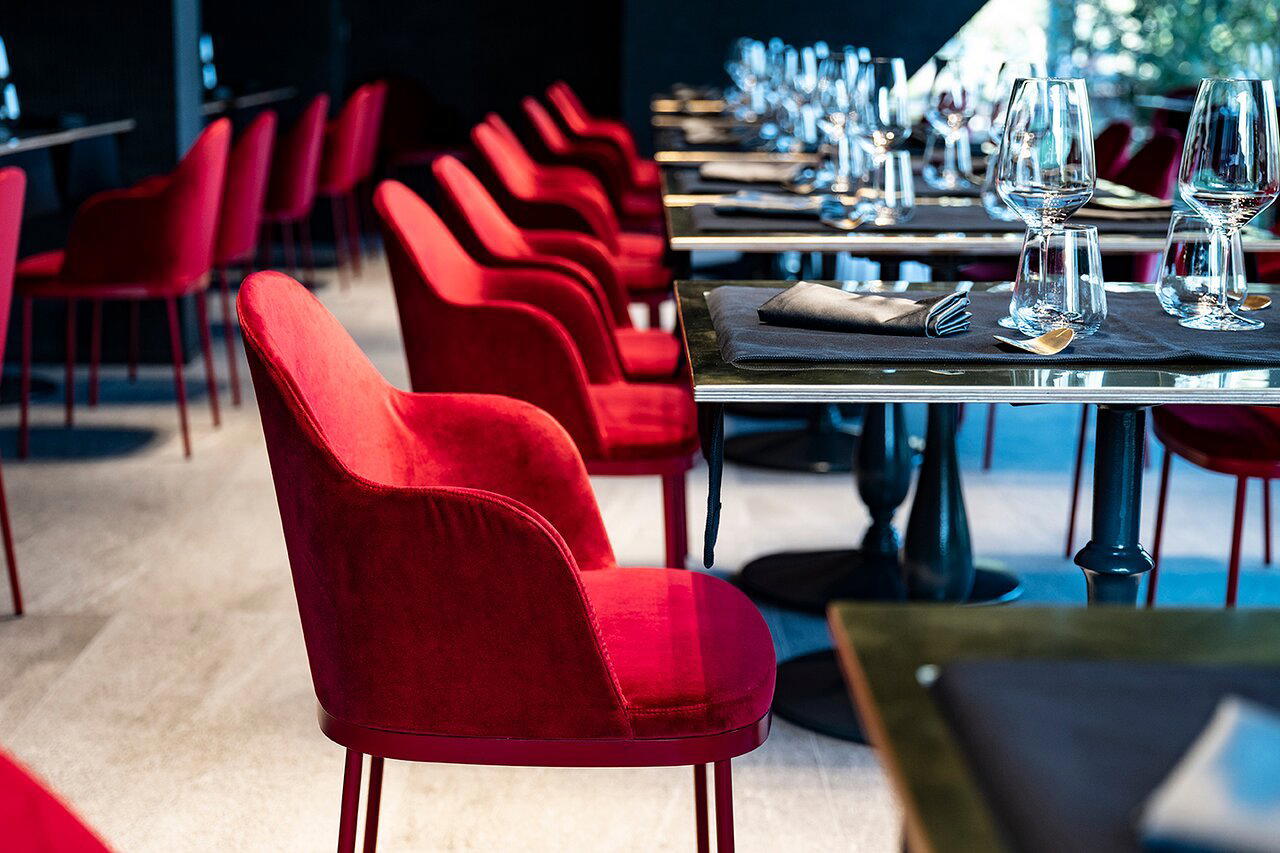
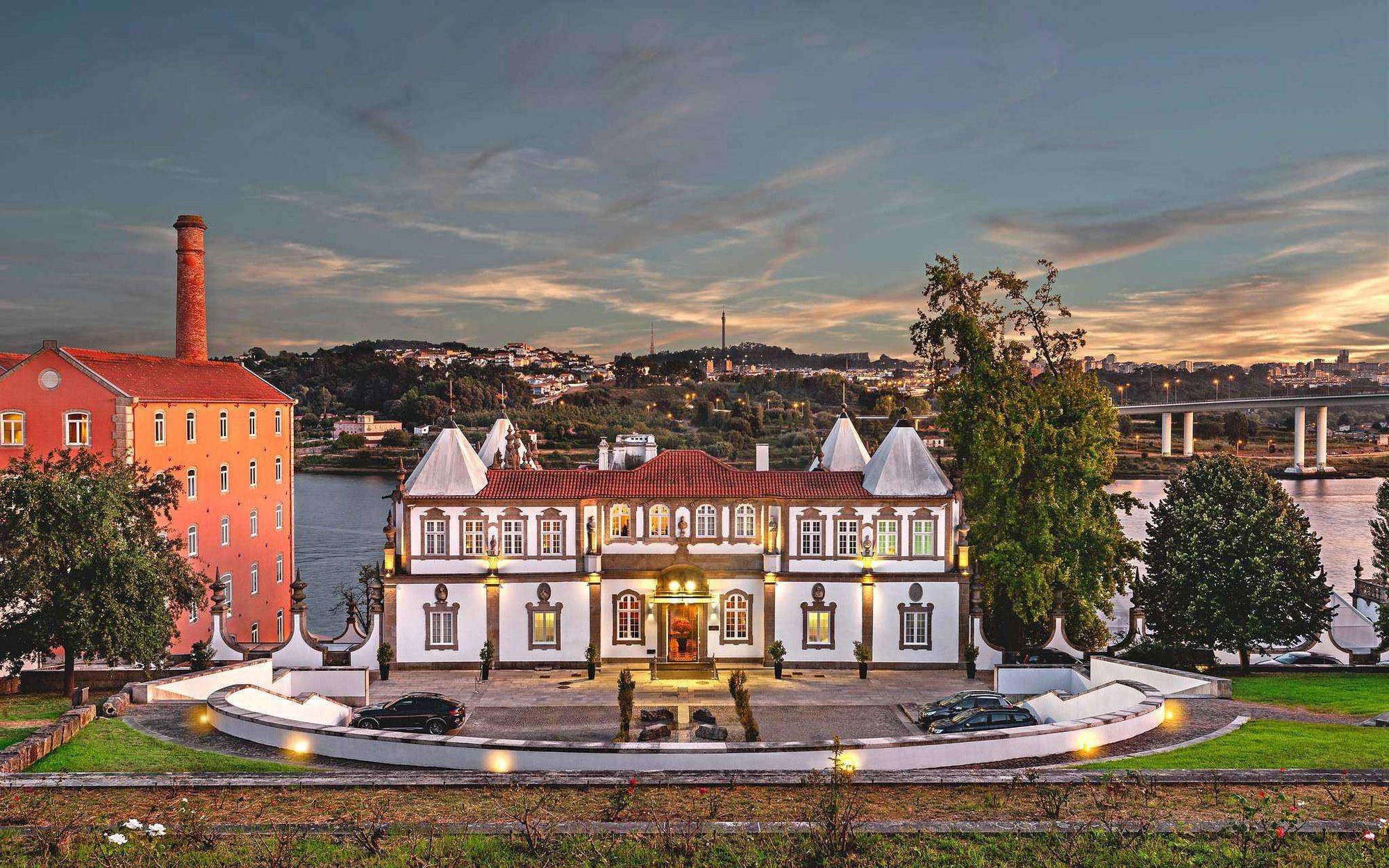
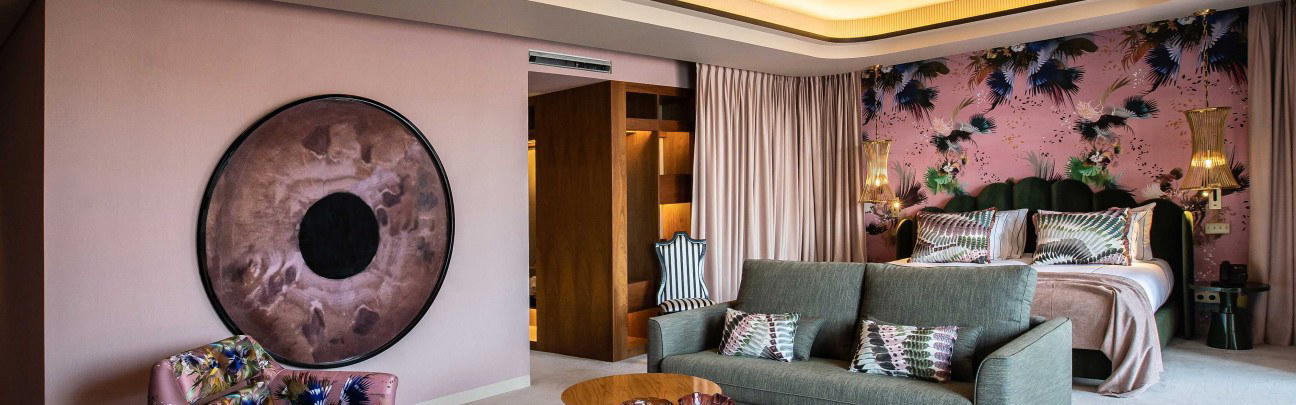
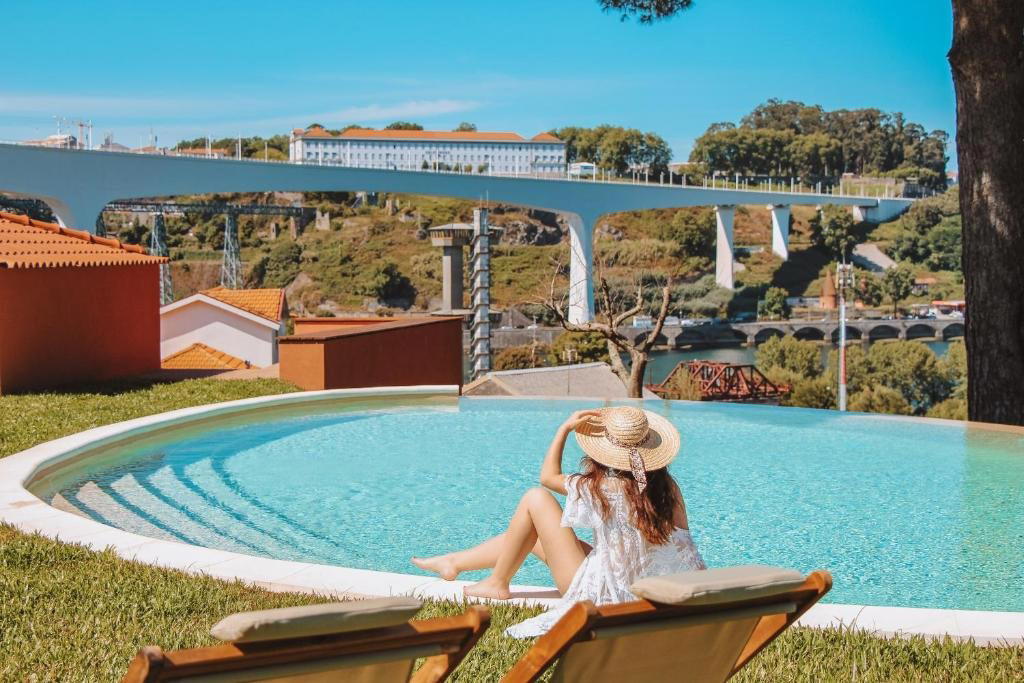
Contemporary hotel-restaurant setting with clean modern lines, comfortable seating, and large windows to the Douro creating a relaxed but polished atmosphere suited to both hotel guests and destination diners.