Andaluca
Our verdict
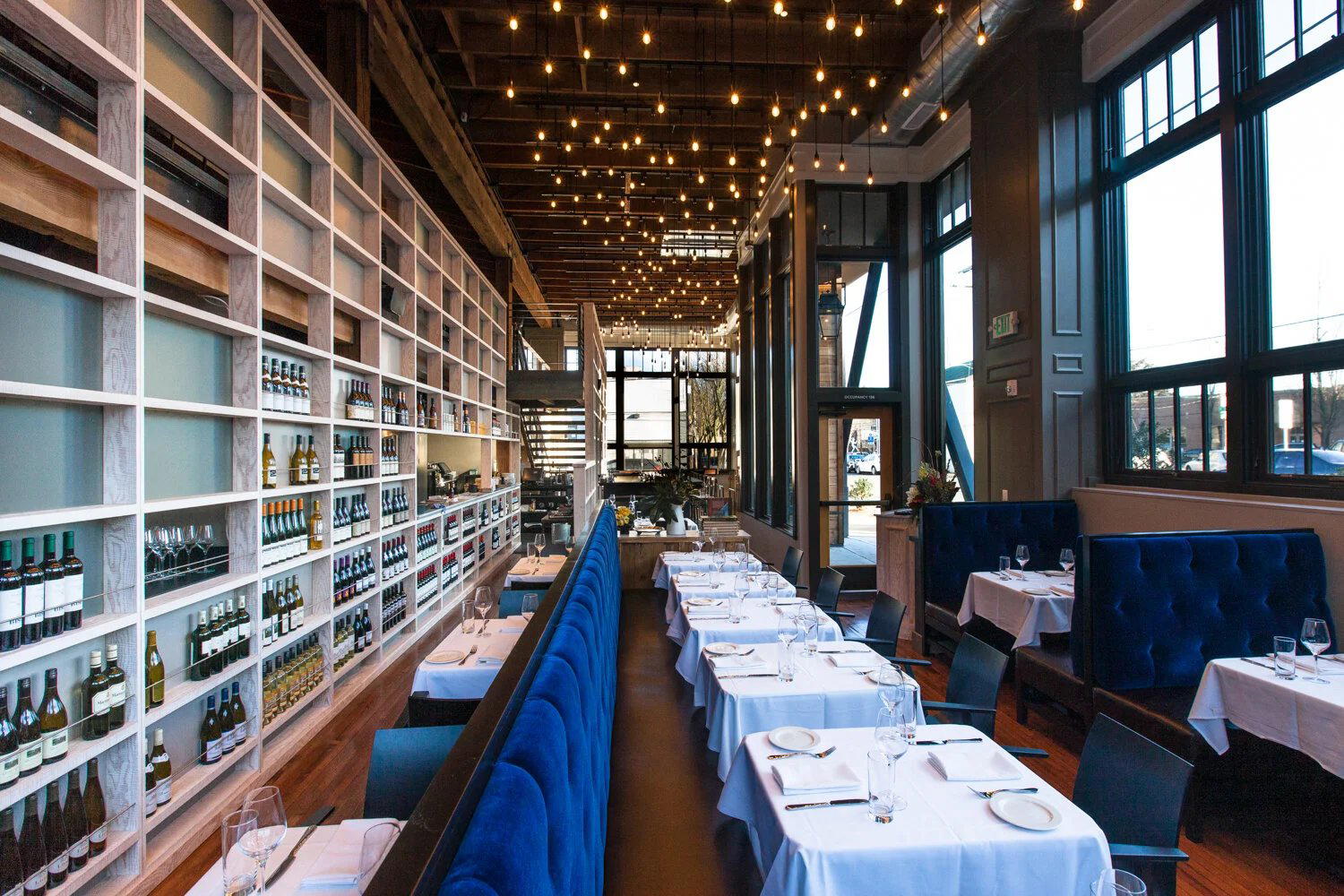
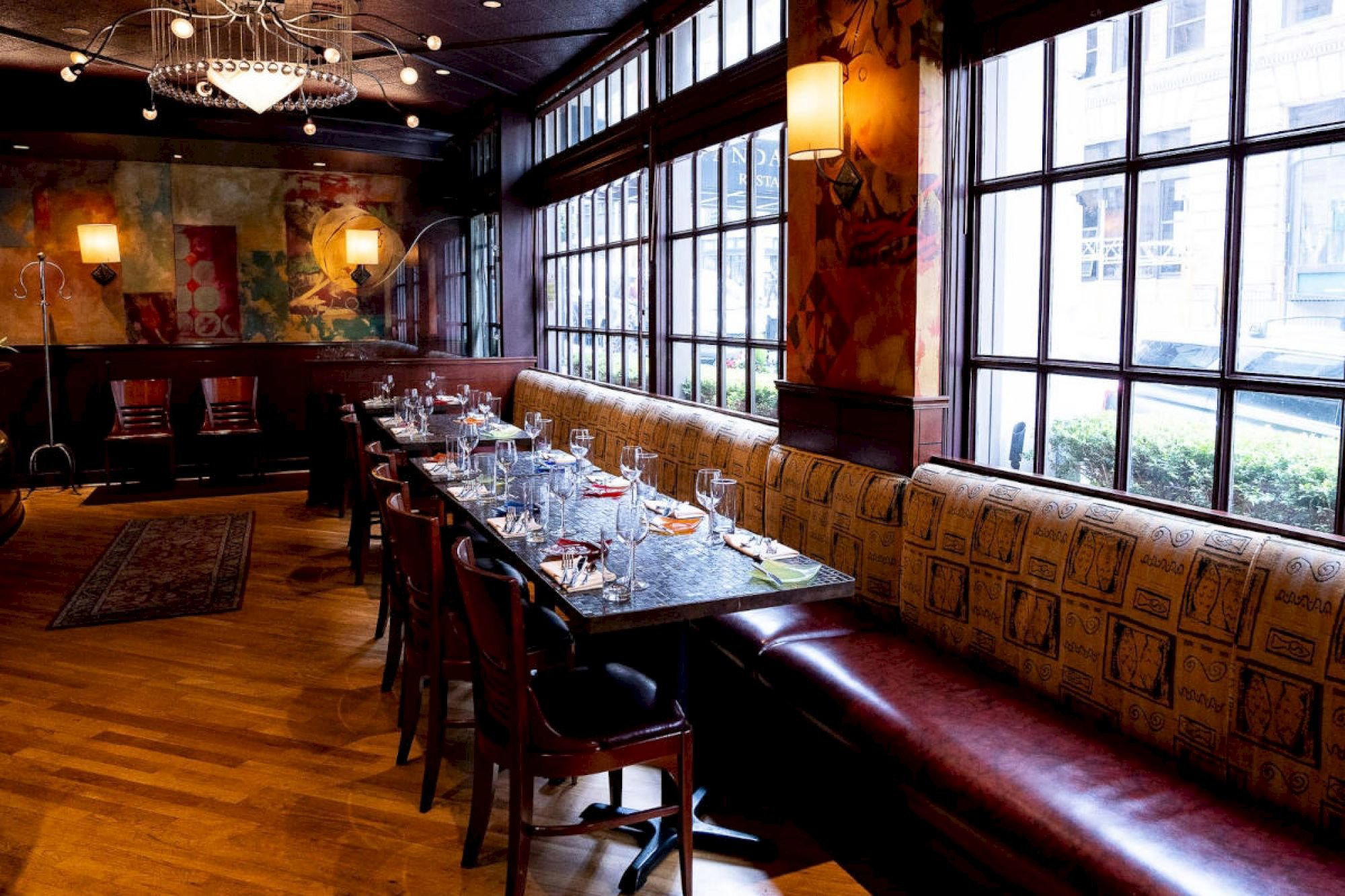
Andaluca occupies a quiet but considered position in Seattle's downtown dining scene, at 407 Olive Way, where Mediterranean-inflected cooking meets the city's appetite for progressive, ingredient-led menus. The room rewards the kind of deliberate, course-by-course attention that downtown Seattle's busier corridors rarely allow. For travelers staying or dining in the Olive Way corridor, it functions as a reliable anchor in a city still shaping its fine-dining identity.

Pearl is the En Primeur Club membership app — saves, bookings, and concierge access live there. Same editors, same standards.
The menu
What to order
- Andaluca Paella
- Lamb chops
- Seasonal risotto
The Olive Way Dining Register
Downtown Seattle's restaurant density clusters around Pike Place and the waterfront, which means the Olive Way corridor operates at a slightly different register: less tourist traffic, more deliberate diners. Andaluca, at 407 Olive Way, sits in this quieter bracket, where the room can set its own pace rather than compete with the surrounding spectacle. In a city where dining ambition has shifted steadily toward neighborhood-led, chef-driven formats, downtown addresses that hold their position tend to do so through consistency and a clear sense of what they are. Andaluca belongs to that category.
Seattle's fine-dining conversation increasingly references venues like Canlis (New American), which anchors the upper tier with decades of institutional weight, or Joule (New Asian), which represents the city's more contemporary, genre-crossing ambition. Andaluca operates in a different register from both: less theatrical than Joule's conceptual plating, less ceremonial than Canlis's room and service cadence. What it offers instead is a Mediterranean-leaning framework that allows the kitchen to move between courses with logic rather than spectacle. For a broader map of where Andaluca sits in the city's overall scene, the full Seattle restaurants guide provides useful calibration across neighborhoods and price tiers.
How the Meal Builds
Mediterranean-inflected tasting formats have a particular structural advantage: they allow the kitchen to move from lighter, acid-forward openings through protein-rich middle courses to restrained, fruit-or-nut-based finishes without the tonal lurches that other European traditions can produce. The progression feels earned rather than engineered, because the ingredient logic is broadly shared across the sequence. Olives, citrus, cured fish, braised legumes, stone fruits, and aged cheeses each carry enough culinary history that placing them in sequence doesn't require explanatory menu notes.
Where this model works at the highest levels nationally, as at Le Bernardin in New York City or The French Laundry in Napa, the sequencing carries as much critical weight as any individual dish. The reader eating their way through a multi-course format in a mid-tier downtown Seattle room is operating in a different context than those rooms, but the same logic applies at any level: the meal should arrive at its final course having told a coherent story, not simply added items to a list.
Andaluca's position in the Olive Way corridor means it draws from both the downtown hotel dining pool and the broader Seattle restaurant-goer base. That dual audience creates a useful design constraint: the menu has to work for the first-time visitor who wants a solid, place-specific dinner and for the returning local who expects the kitchen to have evolved. Mediterranean cooking handles this well, because the tradition is broad enough to absorb seasonal Pacific Northwest produce without category strain. Dungeness crab, Yakima Valley vegetables, and Columbia River fish all translate readily into the flavor logic of Spain, southern France, or the Levant.
Where Seattle Fits in the National Conversation
Across the United States, the dining cities that attract the most sustained editorial attention tend to cluster around a handful of anchor institutions and a wider constellation of mid-tier rooms that sustain the scene between visits. San Francisco has venues like Lazy Bear; Chicago has Smyth; Los Angeles has Providence; and New Orleans carries its own register through places like Emeril's. Seattle's equivalent anchor at the high end is Canlis, but the city's mid-tier is where the more interesting structural questions arise: which rooms have the kitchen discipline and menu logic to hold a diner's attention across two hours and multiple courses?
The comparison set is useful for placing Andaluca in context. Rooms like Single Thread Farm in Healdsburg or Blue Hill at Stone Barns in Tarrytown operate at the intersection of ingredient sourcing and tasting-menu discipline, where the farm-to-table premise is taken seriously enough to shape the whole sequence. Andaluca's Mediterranean frame is a different proposition: less about provenance narration, more about culinary tradition as organizing principle. Both approaches can produce coherent, satisfying meals; they simply make different promises to the diner before the first course arrives.
For diners oriented toward Korean-inflected precision, Atomix in New York City represents the format at its most technically demanding. For something closer to Alpine sourcing discipline applied to fine dining, Atelier Moessmer Norbert Niederkofler in Brunico is the international reference. Andaluca is not making claims at that level, but understanding the range of what progressive multi-course dining can be helps calibrate expectations for what a well-executed downtown Seattle Mediterranean room actually delivers.
Other Seattle addresses worth cross-referencing when planning a broader visit include 1415 1st Ave, 1744 NW Market St, and 2963 4th Ave S, each of which occupies a different neighborhood register. For East Coast comparison points at the fine-dining tier, The Inn at Little Washington and Addison in San Diego represent what sustained institutional commitment looks like in the American tasting-menu format. Providence in Los Angeles offers a useful West Coast parallel for seafood-forward, coursed dining.
Know Before You Go
| Detail | Information |
|---|---|
| Address | 407 Olive Way, Seattle, WA 98101 |
| Neighborhood | Downtown Seattle, Olive Way corridor |
| Phone | Not listed |
| Website | Not listed |
| Hours | |
| Price Range | |
| Reservations | Recommended; see FAQ below |
Frequently asked questions
What part of town is Andaluca in?
Andaluca is located at 407 Olive Wy, Seattle, WA 98101, Seattle.
How does Andaluca fit into Seattle's broader Mediterranean dining scene?
Seattle's Pacific Northwest produce calendar aligns well with Mediterranean cooking structures — the region's seafood, spring alliums, and stone fruit map cleanly onto Spanish and Italian frameworks in ways that require less compromise than other European traditions. Andaluca's Olive Way address places it at the geographic center of downtown Seattle's restaurant corridor, distinct from the Pike Place and waterfront clusters that attract most of the city's editorial attention. That positioning gives it a consistent local clientele less dependent on tourist traffic.
What do regulars order at Andaluca?
Andaluca's Mediterranean orientation means the kitchen's most coherent work appears in dishes that draw on shared flavor logic across Spain, Italy, and North Africa — acid-forward starters giving way to richer, protein-centered courses. At 407 Olive Way in downtown Seattle, the format rewards guests who let the kitchen build the meal rather than ordering selectively. The progression from lighter to heavier is where the cooking makes its clearest case.
Should I book Andaluca in advance?
Downtown Seattle's mid-tier dining rooms fill reliably Thursday through Saturday, and Andaluca's position near the convention corridor at 407 Olive Way means demand spikes when large events are in town. A reservation at least a few days out is a reasonable baseline for weekend visits; same-day availability is less predictable during peak convention season. Weekday lunches and early-week dinners tend to have more flexibility.
Fast Comparison
| Venue | Cuisine | Price | Awards |
|---|---|---|---|
| AndalucaThis venue — the venue you are viewing | Mediterranean with Pacific Rim Influences | $30–50 | Not listed |
| Canlis | Modern American Fine Dining | $200–300 | Star Wine List · James Beard Award Semi Finalist |
| Joule | Korean-Fusion Steakhouse | $50–100 | James Beard Award Outstanding Bar Program |
| Kamonegi | Handmade Soba Noodles | $50–100 | Not listed |
| Maneki | Traditional Japanese | $20–30 | Not listed |
| Walrus & Carpenter | Seattle Oyster Bar | $50–100 | Not listed |