Amaya
Our verdict
Amaya sits inside Santa Fe’s dining conversation where regional ingredients, hotel dining expectations, and Southwestern food traditions overlap. Treat it less as a trophy-counter reservation and more as a lens on how the city frames New Mexico produce, chile culture, and high-desert hospitality for visitors comparing the Plaza, Railyard, and museum-corridor dining scenes.
The menu
What to order
- Huevos rancheros
- Stacked green chile cheese enchiladas
- Duck breast
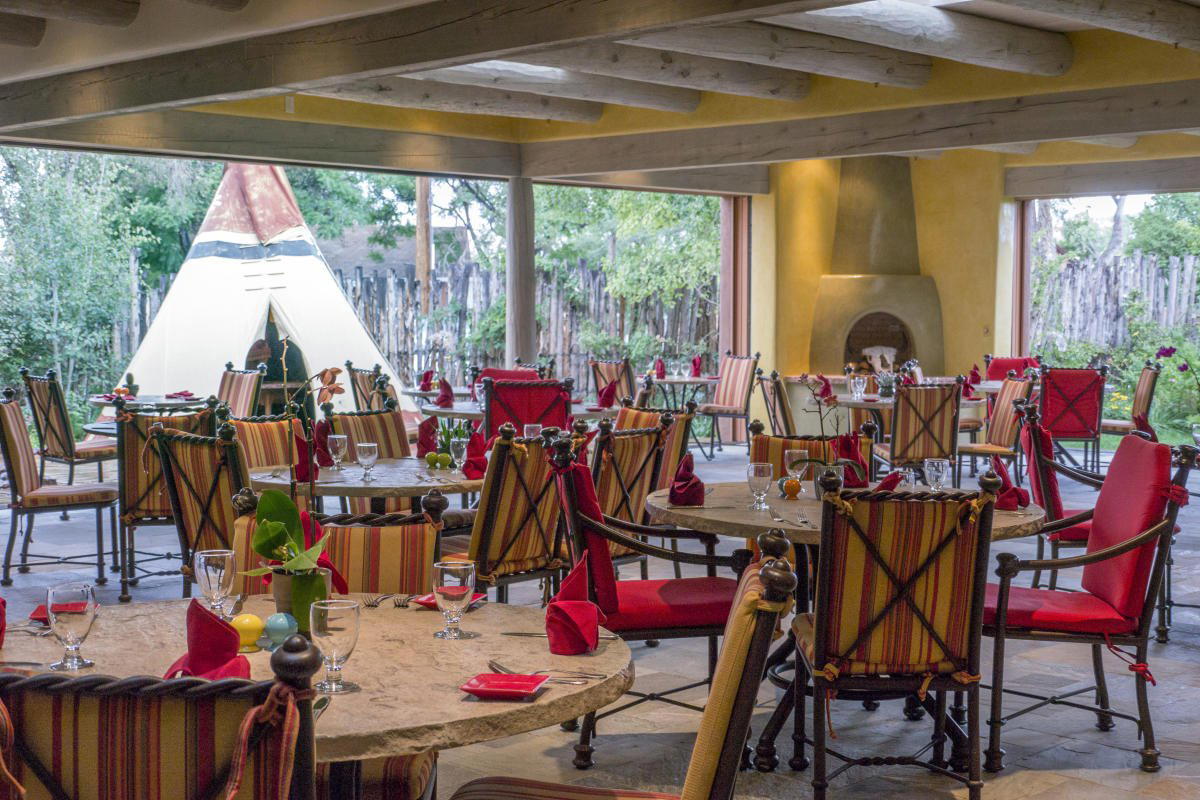
Approaching Amaya means entering Santa Fe, where the city’s scale, light, and pace set expectations before the menu does. The stronger dining rooms here rarely need theatrical entrances; the signal is usually quieter, built around a sense of place, hospitality, and the long relationship between the city and its surrounding landscape. In that setting, a restaurant’s credibility depends less on decorative regional shorthand and more on whether the experience feels grounded in Santa Fe rather than merely staged for it.
High-desert context is the real test in Santa Fe dining
Santa Fe is a small city with an outsized restaurant culture, and its better kitchens tend to split into two camps: places that treat local identity as something lived-in, and places that use the region mainly as atmosphere. Amaya belongs in the first conversation if the meal is read through setting rather than spectacle. Santa Fe dining is not just a backdrop economy. The city’s food culture carries regional memory, and the surrounding climate, pace, and visitor patterns shape how a restaurant registers at the table.
That place-first lens is useful because Amaya is not best understood through shorthand alone. In Santa Fe, that changes the reader’s job. The comparison is not with international tasting-menu rooms; it is with local restaurants that translate a sense of place into different formats. Other Santa Fe dining rooms represent another side of the city’s more composed dining conversation, while additional local restaurants push the discussion toward more relaxed meals. Amaya is better understood as part of the visitor-facing Santa Fe table: polished enough for travelers, but still judged by how well it belongs to the city.
The city’s casual end matters too. Santa Fe’s food identity is not only built in dining rooms with formal pacing. Shake Foundation and Second Street Brewery at The Railyard both point to a local appetite for directness: easygoing meals, familiar comforts, and food that fits the altitude and weather. A more formal room has to answer that same local grammar without turning it into costume.
The room fits Santa Fe's slower, lower-volume rhythm
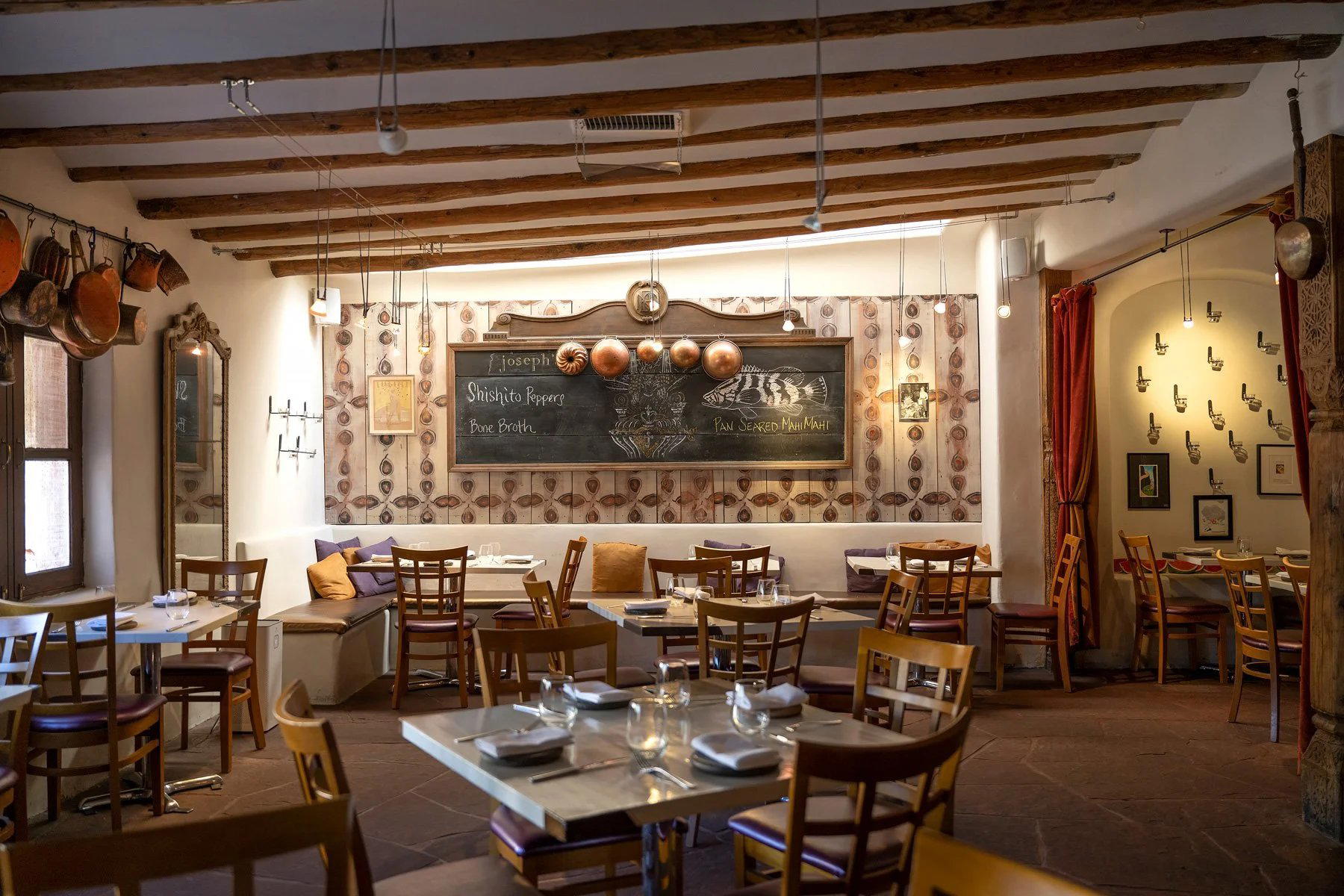
Santa Fe dining does not move like Los Angeles, New York, or Chicago. The tempo is lower, the dining rooms often smaller in feel, and the strongest meals make room for the city’s geography rather than fighting it. Amaya’s appeal sits in that rhythm. It is not a place to assess by trophy language alone; it is a place to assess by whether the room gives the meal enough calm to make its Santa Fe setting feel legible.
This is where Santa Fe differs from destination cities built around constant novelty. The local story is older than the current restaurant cycle, and the city’s atmosphere often has more authority than imported luxury cues. Restaurant Martin and Radish & Rye show how the city can support more composed interpretations, while State Capital Kitchen and other neighborhood-driven rooms reflect the civic, everyday side of the scene. Amaya sits between those poles, useful for travelers who want the Santa Fe idiom without reducing dinner to a checklist of regional clichés.
For readers mapping a wider trip, the restaurant also belongs in a broader city itinerary rather than an isolated dining hit. Our full Santa Fe restaurants guide gives the dining spread more context, while Our full Santa Fe hotels guide, Our full Santa Fe bars guide, Our full Santa Fe wineries guide, and Our full Santa Fe experiences guide help place the meal inside the city’s hotel, drinking, wine, and cultural patterns.
How Amaya compares beyond New Mexico
Place-led regional restaurants across the United States are increasingly judged on specificity: not just where they are, but whether the experience could only make sense in its own city. That is the useful comparison point when thinking beyond Santa Fe. Other dining rooms in different regions show how format and discipline can define a meal around place, while casual regional restaurants elsewhere demonstrate how service style, pacing, and local expectations can carry meaning. More polished coastal and island settings make the same point in another register: a restaurant can be framed through different levels of refinement, but the standard remains whether the experience feels rooted rather than generic. Tradition can be narrow, disciplined, and place-bound without needing constant reinvention.
Amaya should be read with the same standard: does the restaurant make Santa Fe feel specific, or merely scenic? That is the decision point. In a city where the setting already carries history, restraint is often more persuasive than embellishment.
Frequently asked questions
Can I bring kids to Amaya?
Amaya is in Santa Fe, where family dining is common. Without a published age policy in the public record, it’s safer to treat it as a standard restaurant visit rather than a dedicated family venue. Check the venue's official channels for the latest details.
What's the overall feel of Amaya?
Amaya reads as a Santa Fe dining room rather than a high-concept destination, shaped first by its place in the city. In Santa Fe, where dining often moves at a slower pace, that usually points to an unhurried feel and a quieter room.
What part of town is Amaya in?
Amaya is located in Santa Fe.
Can I walk in to Amaya?
Those details are not published. For a restaurant in Santa Fe, the practical approach is to plan ahead if timing matters, especially around peak meal periods. Check the venue's official channels for the latest details.
What is Amaya known for?
Amaya is identified in the public record as a Santa Fe restaurant. Its identity is tied more to its place in the city than to a single named culinary format. Check the venue's official channels for the latest details.
Fast Comparison
Comparable venues by cuisine and price in the same metro.
| Venue | Cuisine | Price | Awards | Notes |
|---|---|---|---|---|
| Amaya | Modern Indian Grill | $100–150 | 1 Michelin Star · AA Rosettes 3 Rosettes | Not listed |
| Radish & Rye | Farm-Inspired American Steakhouse with Southern Sensibilities | $50–100 | Not listed | Not listed |
| State Capital Kitchen | New American Dim Sum | Not listed | Not listed | Not listed |
| Shake Foundation | American Burgers and Shakes | $10–20 | Not listed | American Seafood |
| Second Street Brewery at The Railyard | Not listed | $20–30 | Not listed | Not listed |
| Restaurant Martin | Progressive American Fine Dining | $50–100 | Michelin Plate · Wine Spectator Award of Excellence | Not listed |
Continue exploring
More in Santa Fe
Restaurants in Santa Fe
All restaurants in Santa Fe →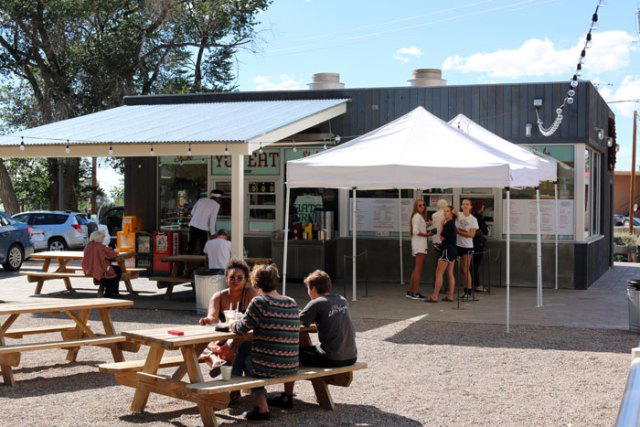
Bars in Santa Fe
All bars in Santa Fe →
Details
- Cozy
- Rustic
- Scenic
- Romantic
- Classic
- Date Night
- Business Dinner
- Group Dining
- Family
- Casual Hangout
- Brunch
- Late Night
- Private Event
- Private Dining
- Garden
- Courtyard
- Historic Building
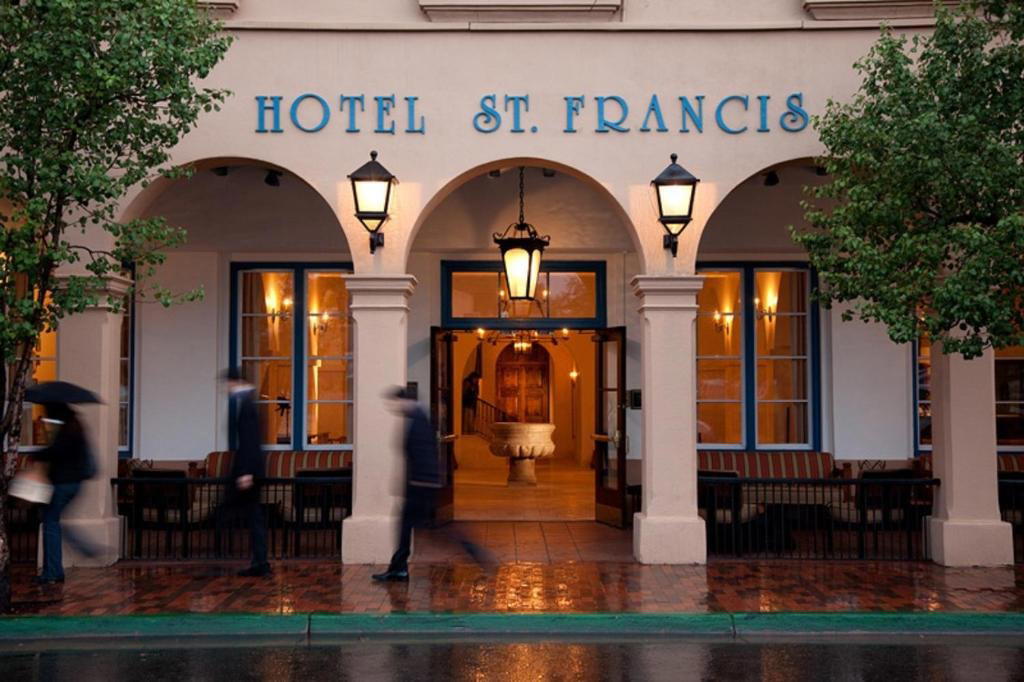
- Hotel Restaurant
- Local Sourcing
- Garden
- A La Carte
- Family Style
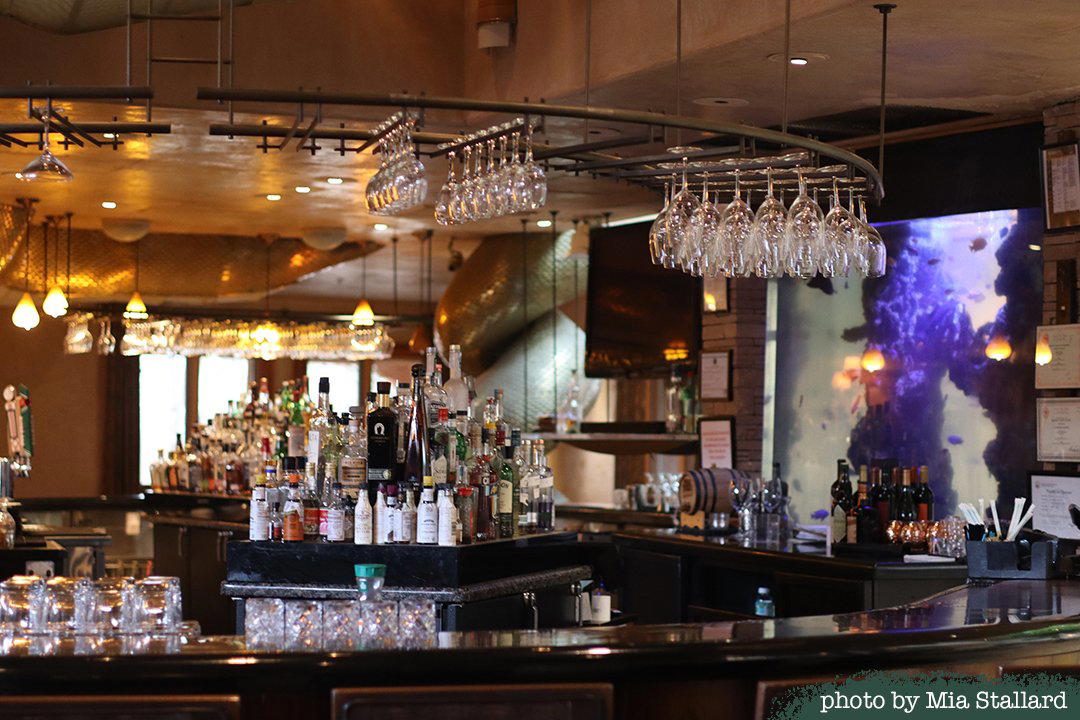
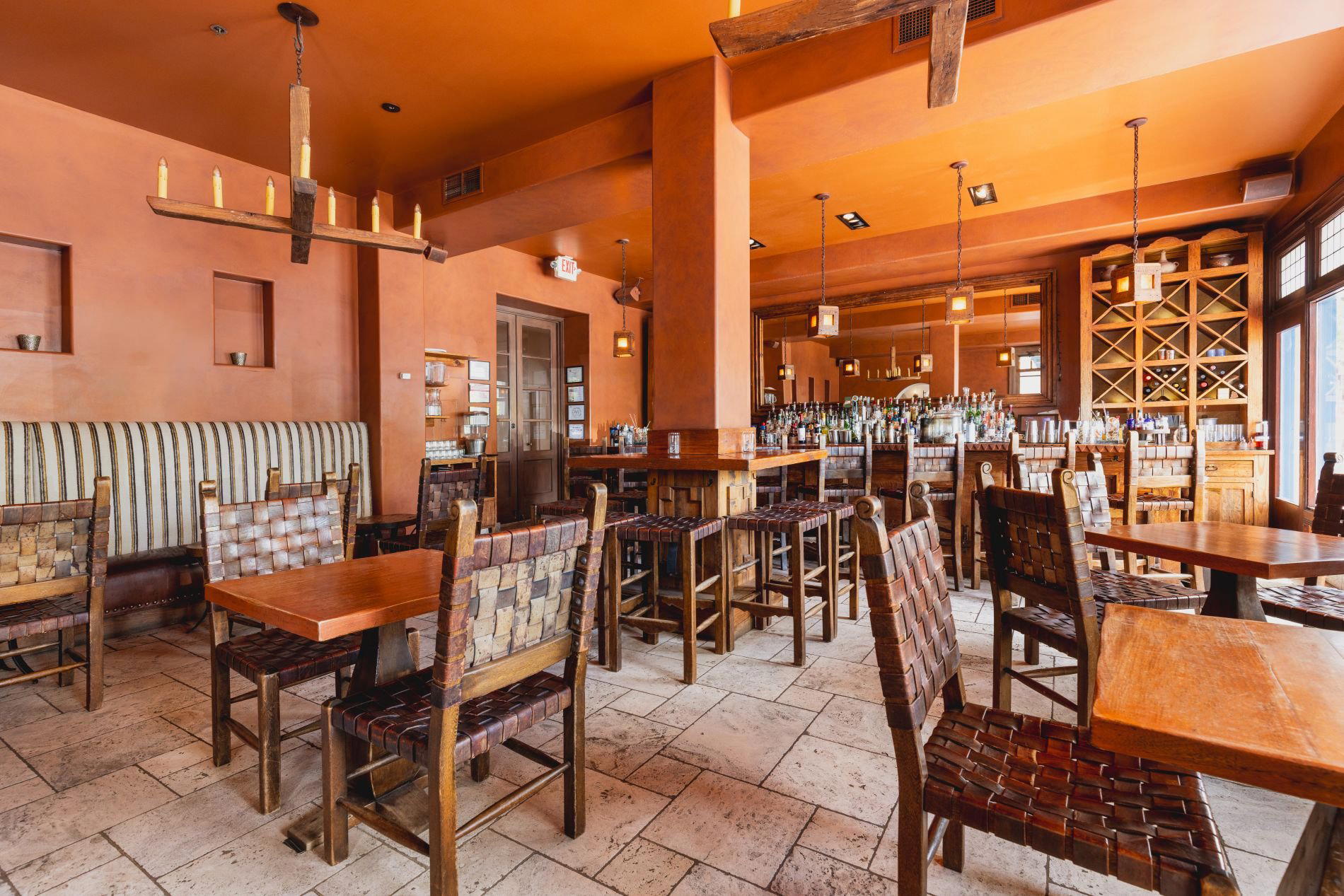
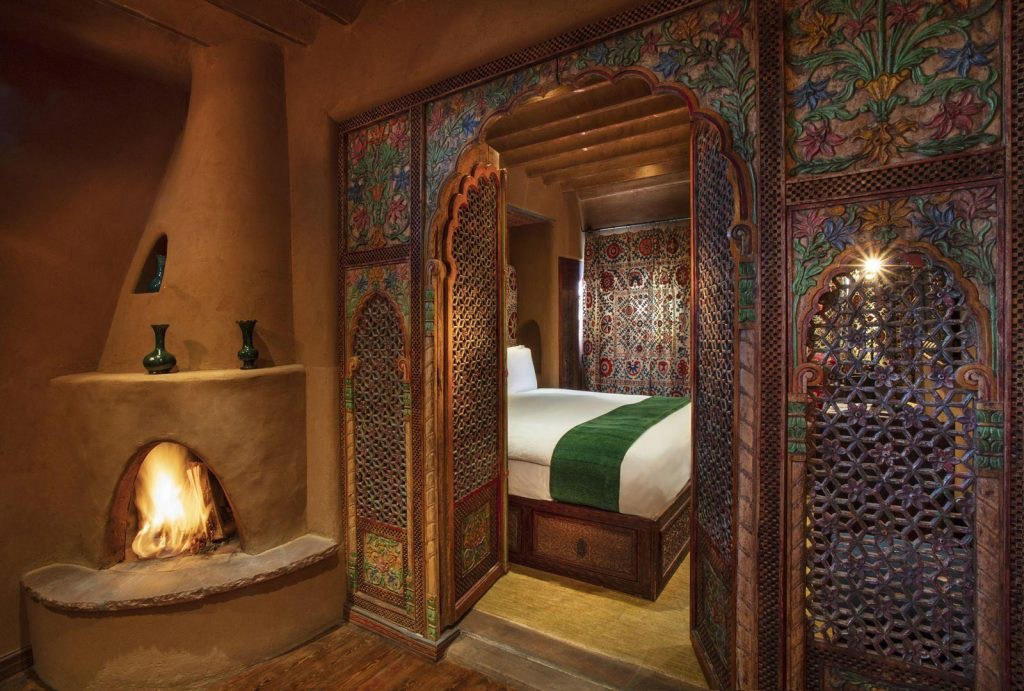
Casual yet refined with native art, warm fireplace, and a glass-enclosed patio that opens to garden views, creating a cozy, rustic, and slightly romantic atmosphere suited to relaxed lingering.