Al Diwaan
Our verdict
Al Diwaan places desert dining inside Dubai’s conservation-reserve context rather than the city’s hotel-district dining circuit. The draw is less about chef mythology or award chasing than about setting: a meal framed by protected dunes, regional ingredients, and the older Gulf relationship between hospitality, travel, and arid-land produce.

Pearl is the En Primeur Club membership app, where members save venues, book tables and use the concierge.
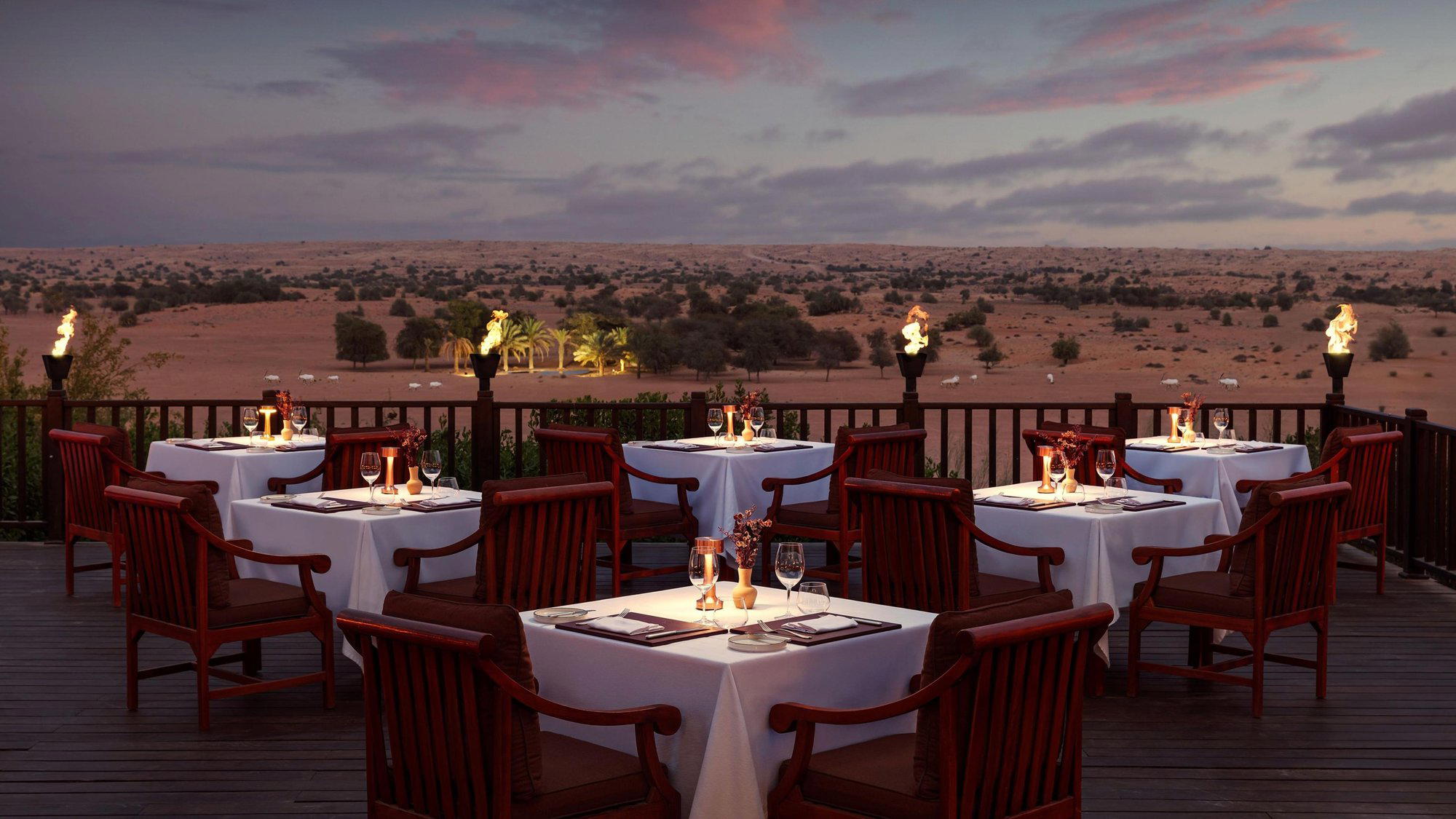
The approach to Al Diwaan changes the terms of dinner before a menu is opened. Dubai’s restaurant scene usually announces itself through towers, city views, hotel lobbies, and polished dining rooms; here the reference point is a desert-side sense of place, where the city’s appetite meets a quieter landscape rather than another urban address. That shift matters. In the Gulf, food has long been shaped by movement, scarcity, trade, preservation, and hospitality. A desert table carries that history more convincingly when the room is not pretending the dunes are decoration.
Al Diwaan sits in Dubai, a setting that gives the meal a different editorial category from city-centre restaurants. It belongs closer to the UAE’s desert-hospitality tradition than to the tasting-menu arms race. For readers comparing regional dining across the Emirates, that distinction is useful: Al Madam Restaurant points toward food as part of place, climate, and local rhythm rather than a detached luxury format, while other dining rooms across Dubai and the wider UAE can be read through the same lens without turning the comparison into a simple ranking.
Desert sourcing gives the meal its logic
Ingredient sourcing is the useful lens here because desert cooking is rarely about abundance for its own sake. Gulf dining traditions developed around what is grown, traded, dried, transported, or shared. The point is not a checklist of dishes or pantry items, but the way hospitality, climate, and memory shape the table. Al Diwaan’s value lies in placing those ideas inside an environment that makes them feel legible.
That context separates it from Dubai’s urban restaurant circuit, where international formats often dominate the conversation. Some city dining rooms frame cooking through contemporary technique; others bring global vocabularies into Dubai or focus on counter-led precision. Al Diwaan sits in another lane: the question is not how Dubai imports a global format, but how regional hospitality reads when the surrounding geography is part of the experience.
Awards language is not the most useful lens for this category. International recognition often rewards a particular kind of restaurant performance: technique, consistency, service polish, and a compact dining-room grammar. Desert-side dining asks for a different measure. The meal has to justify travel beyond the usual central circuits, hold a sense of occasion without turning into theatre, and make the setting feel integral rather than cosmetic. In that frame, ingredient memory and environmental context carry more weight than trophy language.
Dubai's dining map looks different beyond the towers
Dubai is often read through its high-gloss dining corridors, but the city’s stronger food story is broader: heritage cooking, migrant food cultures, independent dining, hotel restaurants, chef-led imports, and casual counters all overlap. A single night at Al Diwaan cannot explain that whole field, but it does expose one of the city’s recurring tensions: Dubai sells spectacle, while its more interesting meals often come from specificity. The desert-side setting forces specificity because it limits the usual tricks. A skyline view can distract; a room built around landscape asks the food to belong to the world around it.
That is why comparisons should be handled carefully. Al Hadheerah and Zala occupy the Dubai desert-dining conversation in different ways, while Samosa House and Late Eatery belong to other parts of the city’s casual and creative spectrum. The useful distinction is not rank; it is purpose. Some rooms are designed for quick urban eating, some for modern technique, some for hotel convenience, and some for a longer evening built around setting. Al Diwaan belongs to the last group.
For a fuller read on the city, place it alongside Our full Dubai restaurants guide, then widen the trip planning through Our full Dubai hotels guide, Our full Dubai bars guide, Our full Dubai wineries guide, and Our full Dubai experiences guide. Those guides make the contrast clear: Dubai’s appeal is not a single dining identity, but the friction between imported polish and local geography.
How to read Al Diwaan against the wider UAE table
The UAE’s restaurant culture is increasingly regional rather than city-bound. Different parts of the country tell different stories about migration, coast, desert, hotels, and heritage. Some dining rooms speak to hotel and contemporary dining currents, while desert-side and inland venues pull the conversation back toward terrain. Even in the broader EP Club map, the useful reminder is the same: place matters when a venue’s format is tied to a food culture rather than a generic luxury mood.
Al Diwaan is strongest when approached as a context-led meal. It is not the address for diners seeking a chef résumé, a named signature dish, or a simple checklist of accolades. It is the address for reading Dubai through desert hospitality, ingredient memory, and the practical truth that setting can change how regional food is understood. In a city fluent in imported glamour, that makes the desert-side atmosphere more than scenery; it becomes the argument for the meal.
For readers building a wider Dubai itinerary, the contrast is productive. Pair a desert-side evening with an urban counter, a neighbourhood independent, and a hotel dining room, and the city becomes easier to read. Other Dubai dining rooms sit in different parts of that map. Al Diwaan adds the part many short trips miss: the sense that Dubai’s table does not begin and end at the skyline.
Frequently asked questions
Where is Al Diwaan in Dubai?
Dubai.
What's the best way to book Al Diwaan?
Use the venue’s listed city as the reference point: Dubai. Specific booking details are not published here. Check the venue's official channels for the latest details.
What's the signature at Al Diwaan?
The defining feature is the setting, not a named dish. Specific signature-dish details are not published here. Check the venue's official channels for the latest details.
Can Al Diwaan accommodate dietary restrictions?
Those details are not published. Requests are usually best handled directly by the dining team. Check the venue's official channels for the latest details.
Is Al Diwaan good for families?
Those details are not published. Its Dubai setting may suit a meal planned as part of a wider outing, but families should check the venue's official channels for the latest details.
Quick Comparison
Side-by-side context: comparable cuisine and price.
| Venue | Cuisine | Price | Awards |
|---|---|---|---|
| Al DiwaanThis venue (the venue you are viewing) | Traditional Arabic Fine Dining | $50–100 | Not listed |
| Al Hadheerah | Middle Eastern Buffet with Live Arabic Stations | $50–100 | Not listed |
| Zala | Eastern Mediterranean | $50–100 | Not listed |
| Samosa House | Indian Street Food Samosas | $1–10 | Not listed |
| Late Eatery | Modern Mediterranean-Japanese Fusion | Not listed | Michelin Plate |
Continue exploring
More in Dubai
Restaurants in Dubai
All restaurants in Dubai →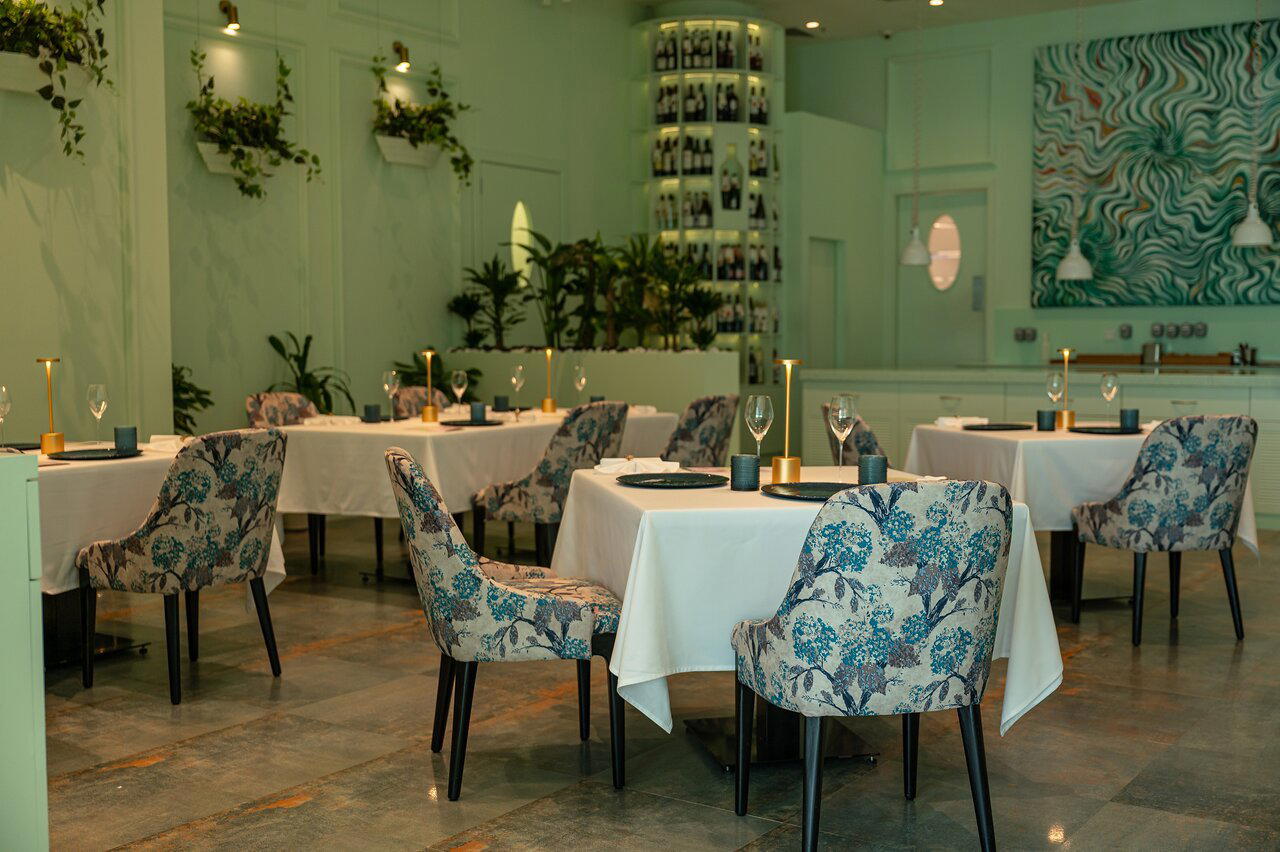
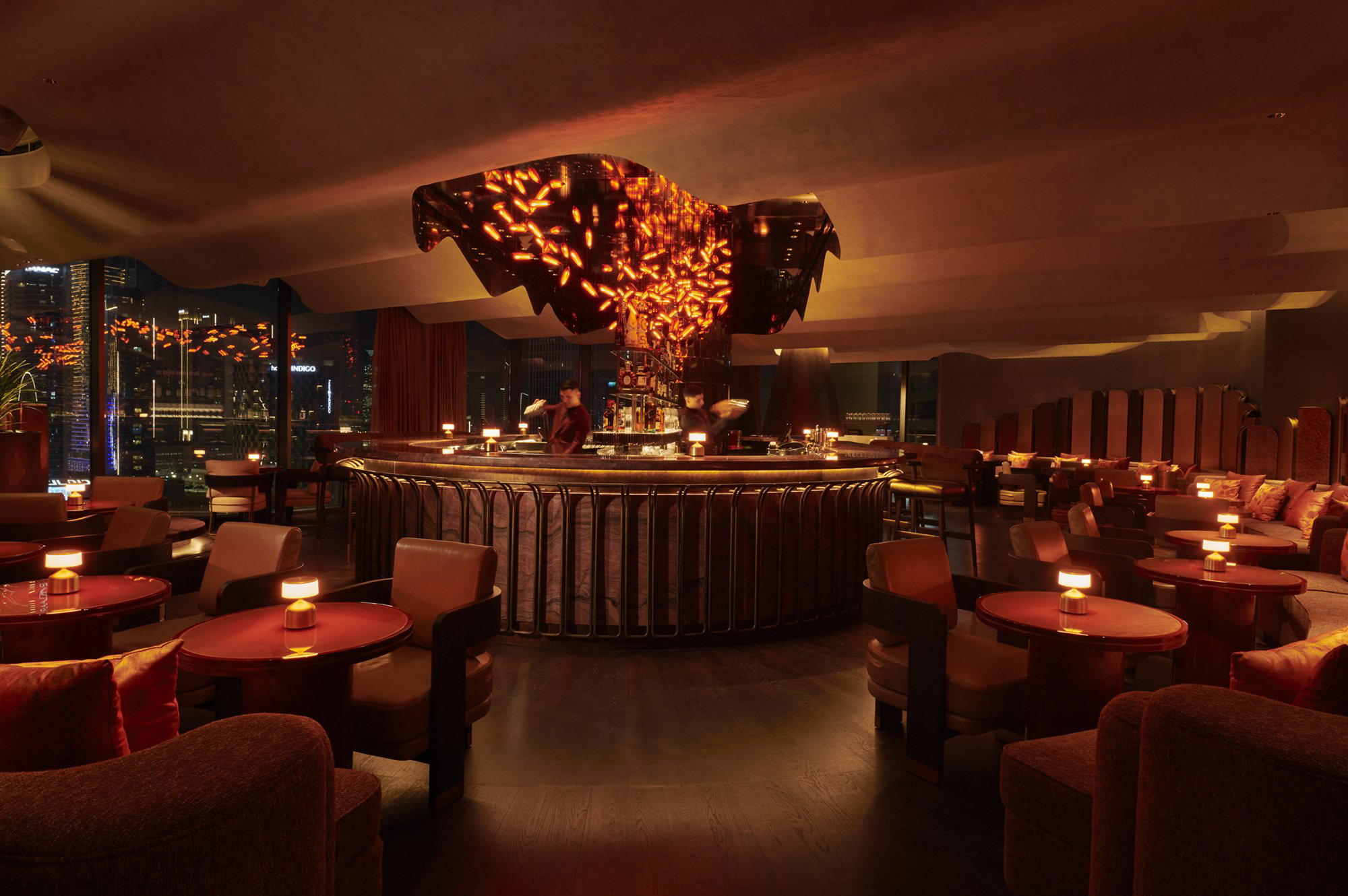
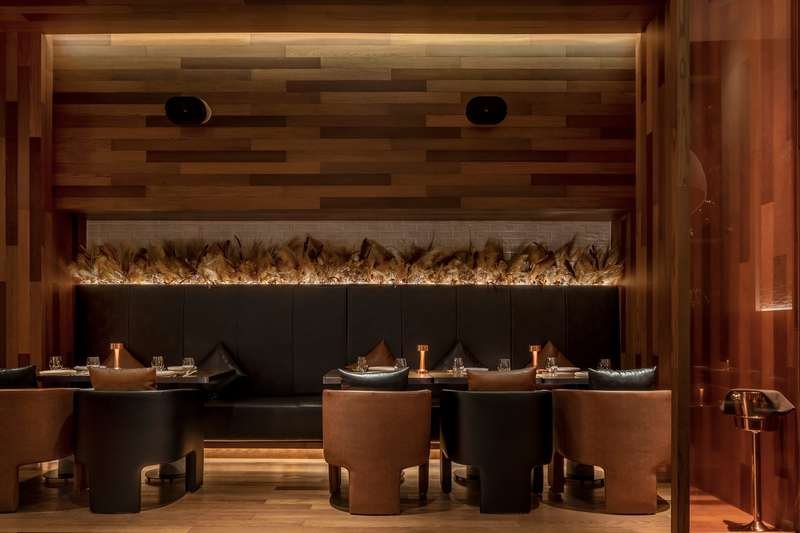
Bars in Dubai
All bars in Dubai →
Details
- Romantic
- Scenic
- Elegant
- Sophisticated
- Quiet
- Classic
- Date Night
- Special Occasion
- Celebration
- Business Dinner
- Terrace
- Panoramic View
- Hotel Restaurant
- Garden
- Craft Cocktails
- Beer Program
- Garden
- A La Carte
- Set Menu
- Cocktails
- Wine
- Beverages
- Halal
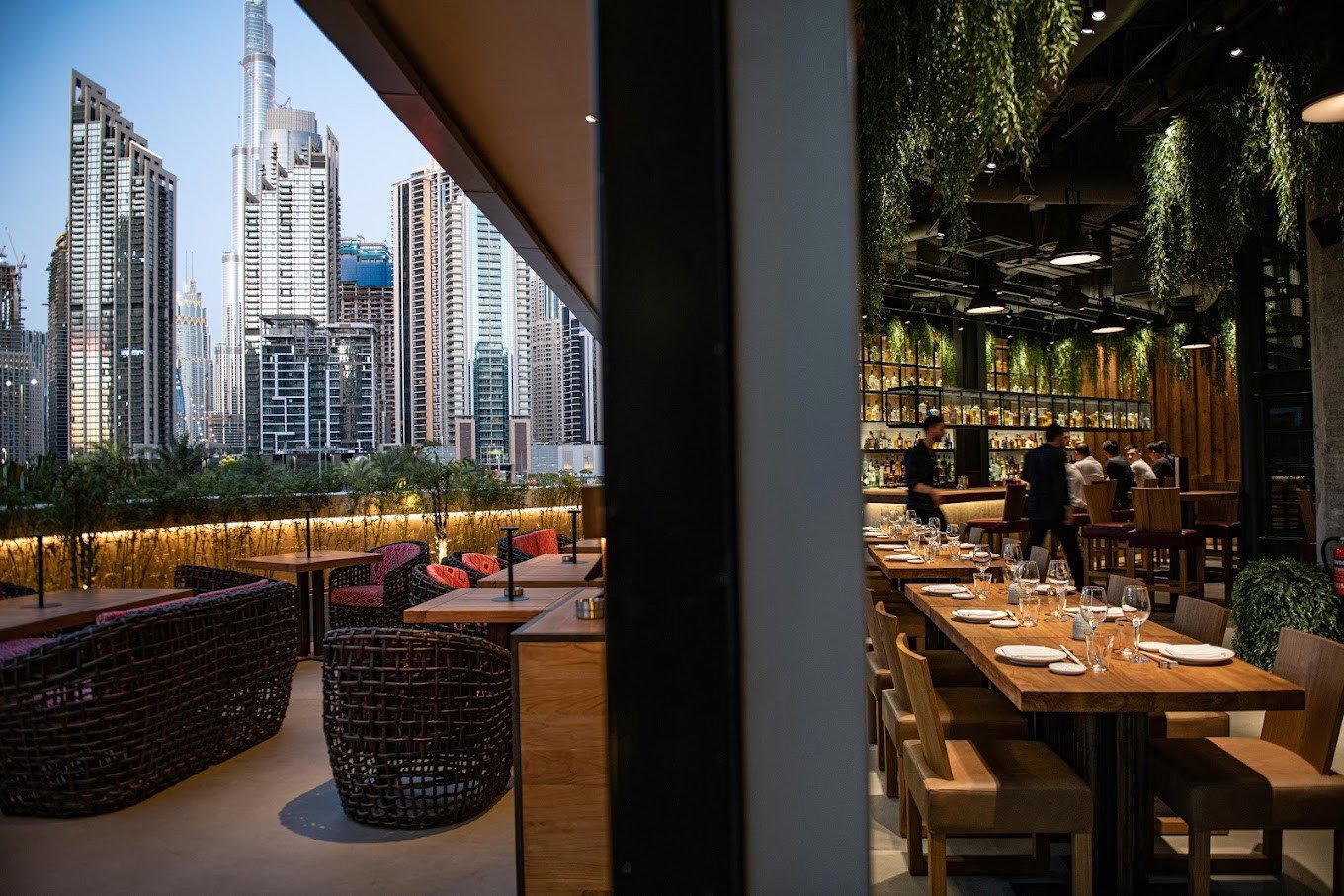
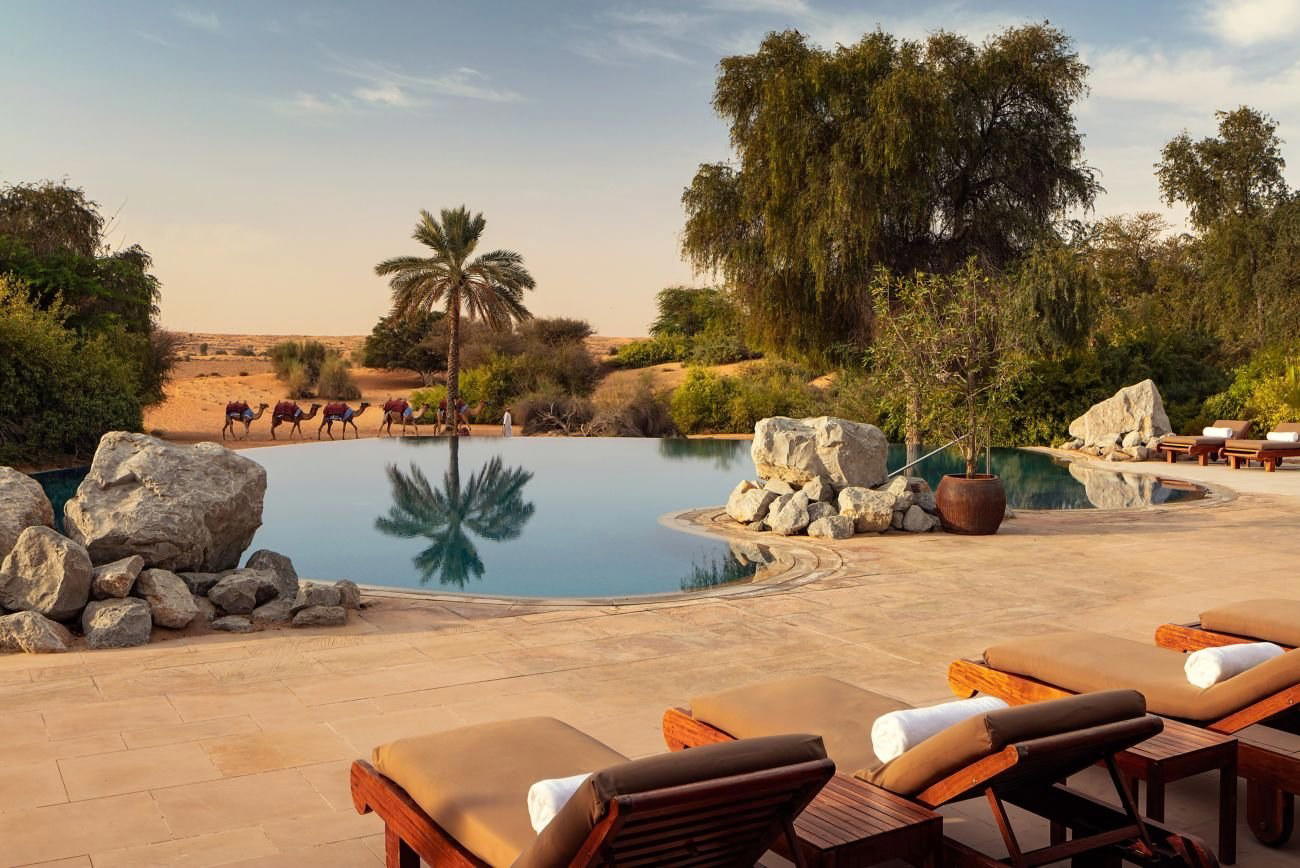
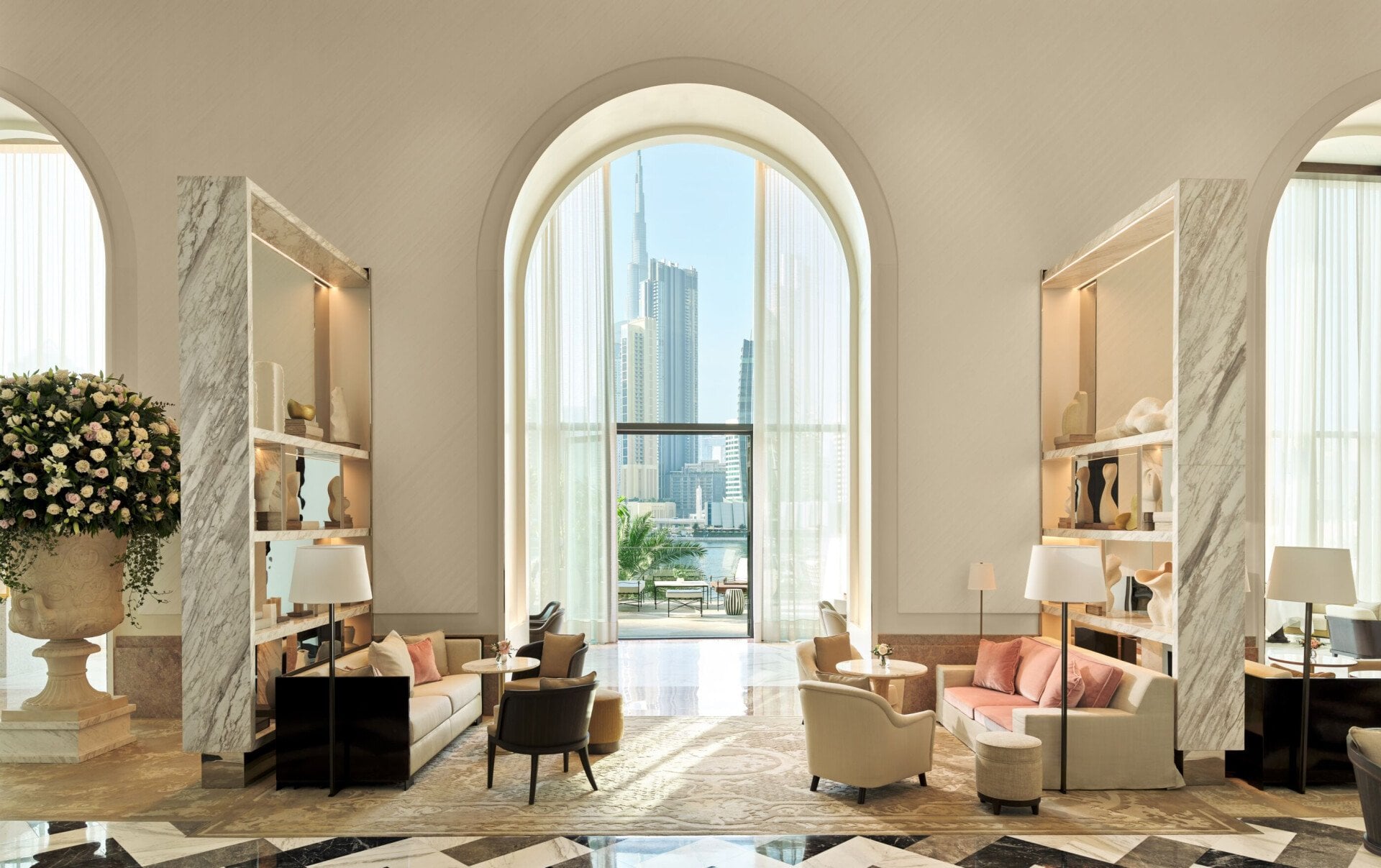
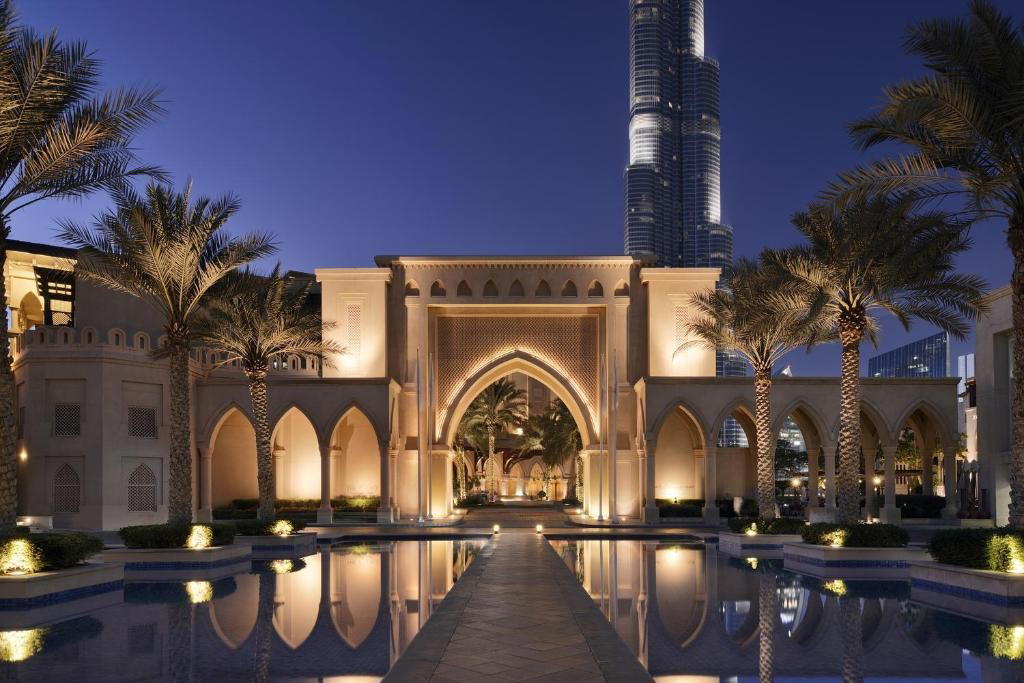
Candlelit, formal, and tranquil, with white-linen table settings, traditional Arabian design cues, and a dramatic desert-reserve setting.