Our verdict
Akira Back brings Toronto’s downtown dining conversation into the global Asian-fusion lane, where Japanese technique, Korean references, and hotel-district polish meet a city increasingly fluent in premium imported restaurant formats. Its value is clearest for diners comparing polished King West rooms rather than neighbourhood counters: go for atmosphere, sourcing-led cooking, and a metropolitan room built for occasion dining.

Pearl is the En Primeur Club membership app — saves, bookings, and concierge access live there. Same editors, same standards.
The menu
What to order
- AB Tuna Pizza
- Wagyu Tacos
- Akira's Signature Rolls
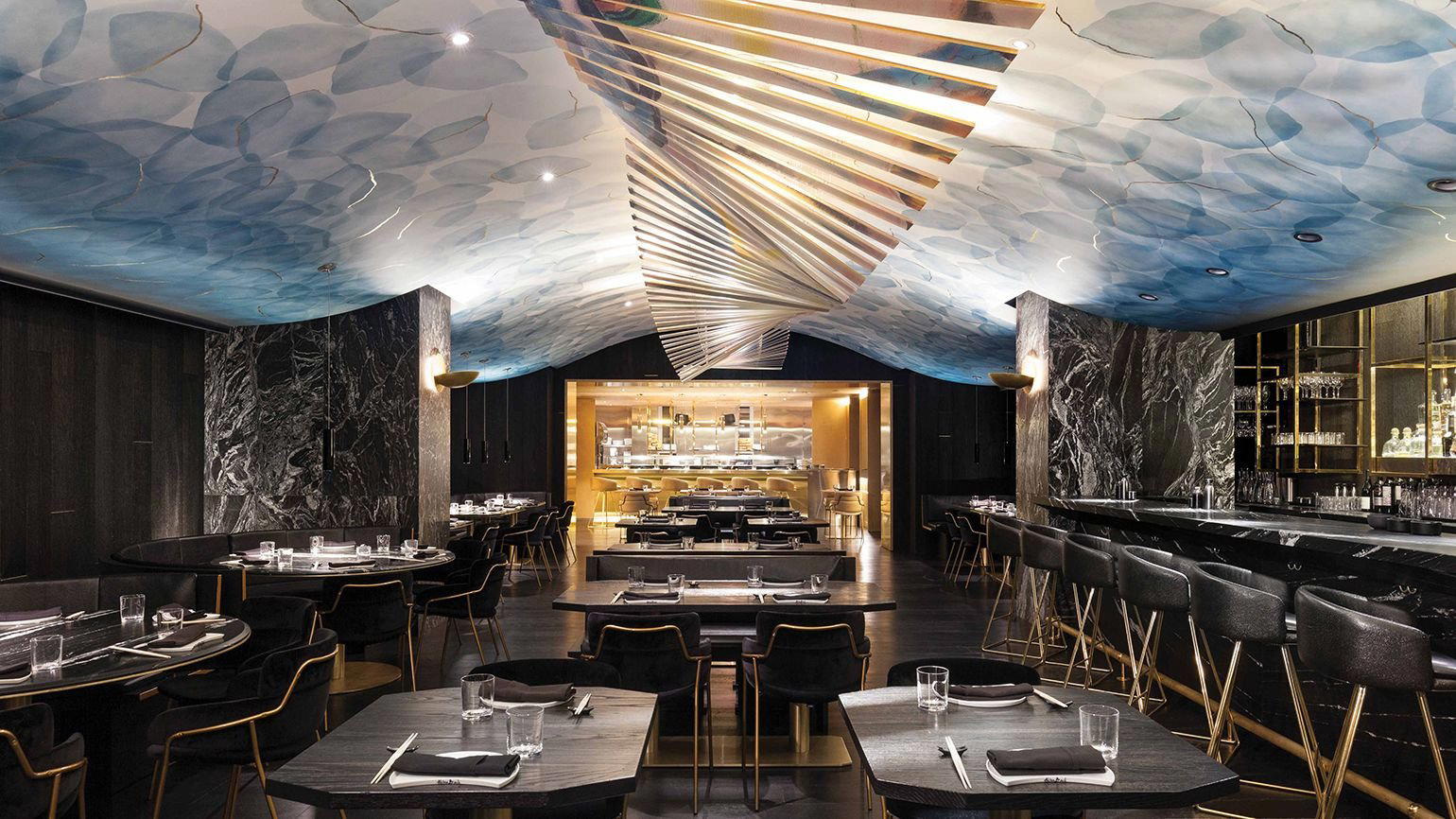
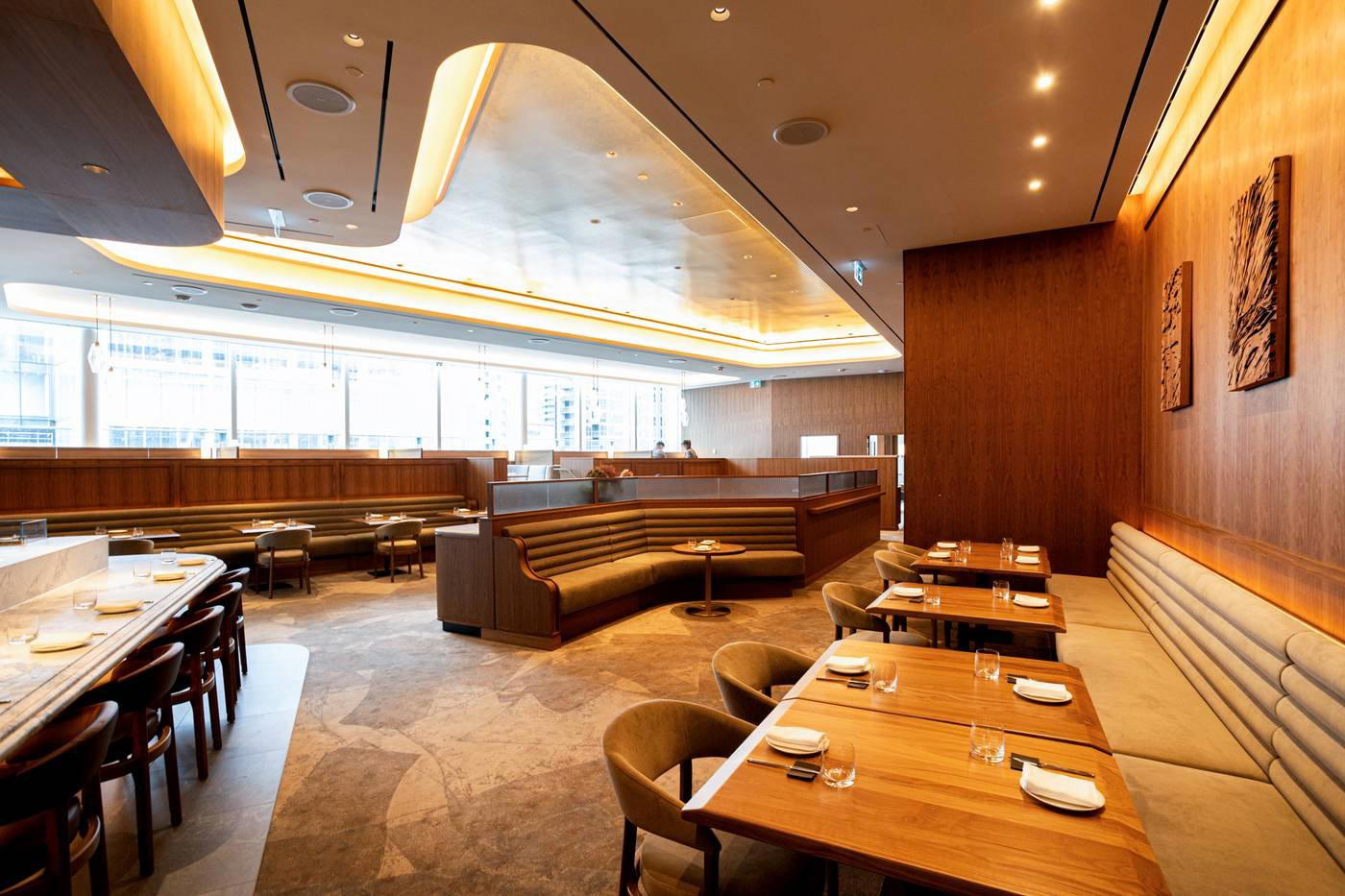
Approaching Akira Back in Toronto means entering a polished premium dining setting where dinner is often part of a larger evening rather than the whole itinerary. The room belongs to the city’s high-design dining tier: sharper, louder, and more international in mood than the intimate specialist addresses that define another side of Toronto’s restaurant culture.
Contemporary technique, global reference points, and the sourcing question
Toronto has become a strong market for restaurants that do not sit neatly inside one narrow category. The city’s broad dining communities have given local diners a sharper ear for detail, which makes imported or globally minded formats work harder. A glossy room is not enough; ingredients, sauces, textures, and garnish all need to justify the price tier.
Akira Back fits into that contemporary category, where polish and international reference points are used in a luxury dining idiom. The useful way to read the experience is through sourcing and structure rather than novelty. Carefully handled preparations, composed pacing, and a confident service rhythm are the expected grammar. In Toronto, that matters because the city already has deep casual dining and a growing fine-dining scene; a restaurant in this lane has to compete on ingredient quality, pacing, and room energy rather than cultural discovery.
The strongest case for this style is not purity. It is precision: a kitchen can use refined technique, layered seasoning logic, and luxury cues without pretending to be a traditional specialist. That puts Akira Back closer to a global premium-dining model than to a small counter or family-run room. Diners choosing between formats should understand the trade-off. The experience is designed for breadth, polish, and social momentum, not for the quiet study of a single craft.
Where it sits in Toronto's premium dining circuit
The immediate competitive set is not only restaurants in one category. In Toronto, dinner competes with rooftop rooms, polished cafes, design-forward rooms, and Italian dining built for business meals and late evenings. Comparison venues such as KŌST, French Made Cafe, Pizzeria Moretti, Moretti Toronto, and Abrielle illustrate the city’s range: polished design, accessible luxury cues, and menus that speak to visitors as much as locals.
That context helps explain the appeal. Toronto has two overlapping audiences: residents who know the city’s deeper food circuits, and travellers who want a convenient, high-impact dinner. Akira Back reads more clearly for the second group, or for locals who want a dinner with a pronounced room and a flexible evening rhythm. It is less compelling as a lesson in Toronto regional identity, because the format is intentionally international.
Nearby and citywide comparisons include other Toronto dining rooms across premium, casual, and occasion-led formats. For the wider trip architecture, use Our full Toronto hotels guide, Our full Toronto bars guide, Our full Toronto wineries guide, and Our full Toronto experiences guide.
Who should choose this room
The editorial argument for Akira Back is strongest when the brief calls for a high-energy Toronto dinner with international luxury cues and a menu suited to a social evening. It is a weaker choice for diners seeking a quiet counter format or a strictly traditional reading of a single culinary style. That distinction matters in Toronto, where serious food people can find both community-rooted cooking and recognition-led tasting rooms without relying on international restaurant branding.
Ingredient sourcing is the deciding lens. In this genre, premium positioning only makes sense when the kitchen’s produce, proteins, and pantry work carry the room’s visual confidence. Diners should order with range rather than treating the meal as a single-course occasion: lighter opening dishes if offered, something richer from the centre of the menu, vegetable or grain elements, and a more boldly seasoned choice where appropriate. That approach gives the format room to show range.
For Canadian and North American context beyond Toronto, compare how other cities handle occasion dining and regional identity through unnamed restaurants, bars, and premium dining rooms. The comparison is useful because Akira Back belongs to an international dining language, while many other rooms are anchored more tightly to place, category, or community.
Frequently asked questions
Is Akira Back suitable for children?
Akira Back is in Toronto, so it reads more as an evening restaurant than a casual family room. Older children who are comfortable with a composed dining room are the better fit.
What should I expect atmosphere-wise at Akira Back?
Expect a Toronto dining room with a polished, dinner-first feel. The setting is built more for a composed evening out than for a quick casual meal.
Where is Akira Back located?
Akira Back is located in Toronto.
Do I need a reservation for Akira Back?
A reservation is the sensible move for dinner at Akira Back in Toronto, especially in a premium setting. That is the safest approach for an evening room of this kind.
What's the signature at Akira Back?
The clearest marker is the Akira Back name itself, paired with a polished premium dining experience in Toronto rather than a single listed signature dish.
Do they accommodate allergies at Akira Back?
A restaurant at this level in Toronto should be able to discuss allergy needs directly. The practical step is to flag requirements before the meal.
Comparable Spots, Quickly
Comparable venues by cuisine and price in the same metro.
| Venue | Cuisine | Price | Awards |
|---|---|---|---|
| Akira BackThis venue — the venue you are viewing | Modern Japanese with Korean Influences | $50–100 | Not listed |
| KŌST | Baja-Inspired Californian Cuisine | Not listed | Not listed |
| French Made Cafe | Not listed | $10–20 | Not listed |
| Pizzeria Moretti | Italian Pizza | Not listed | Not listed |
| Moretti Toronto | Modern Italian Pizzeria | $50–100 | Not listed |
| Abrielle | Coastal Mediterranean | $50–100 | Star Wine List · Wine Spectator Award of Excellence |
Continue exploring
More in Toronto
Restaurants in Toronto
All restaurants in Toronto →
Bars in Toronto
All bars in Toronto →
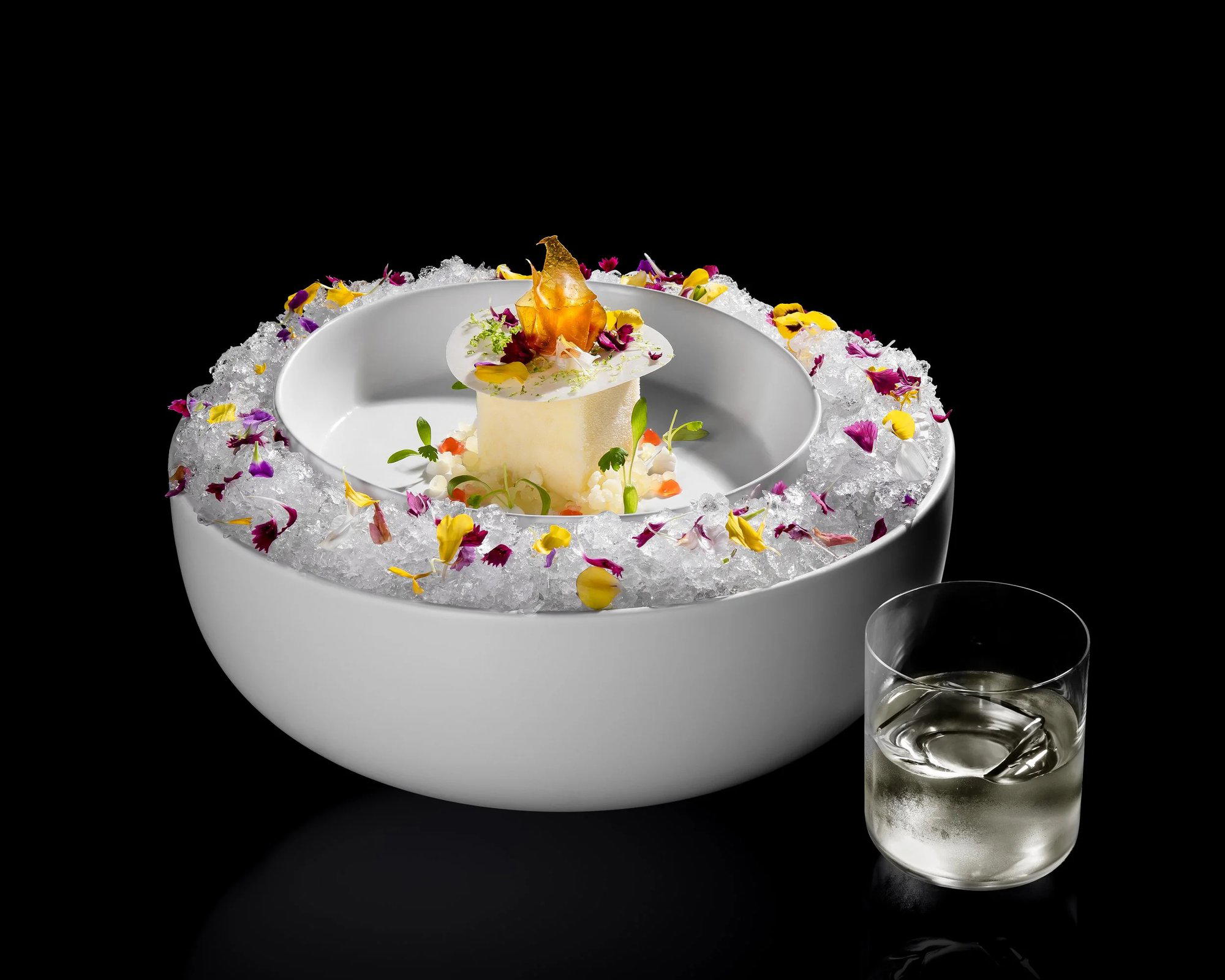
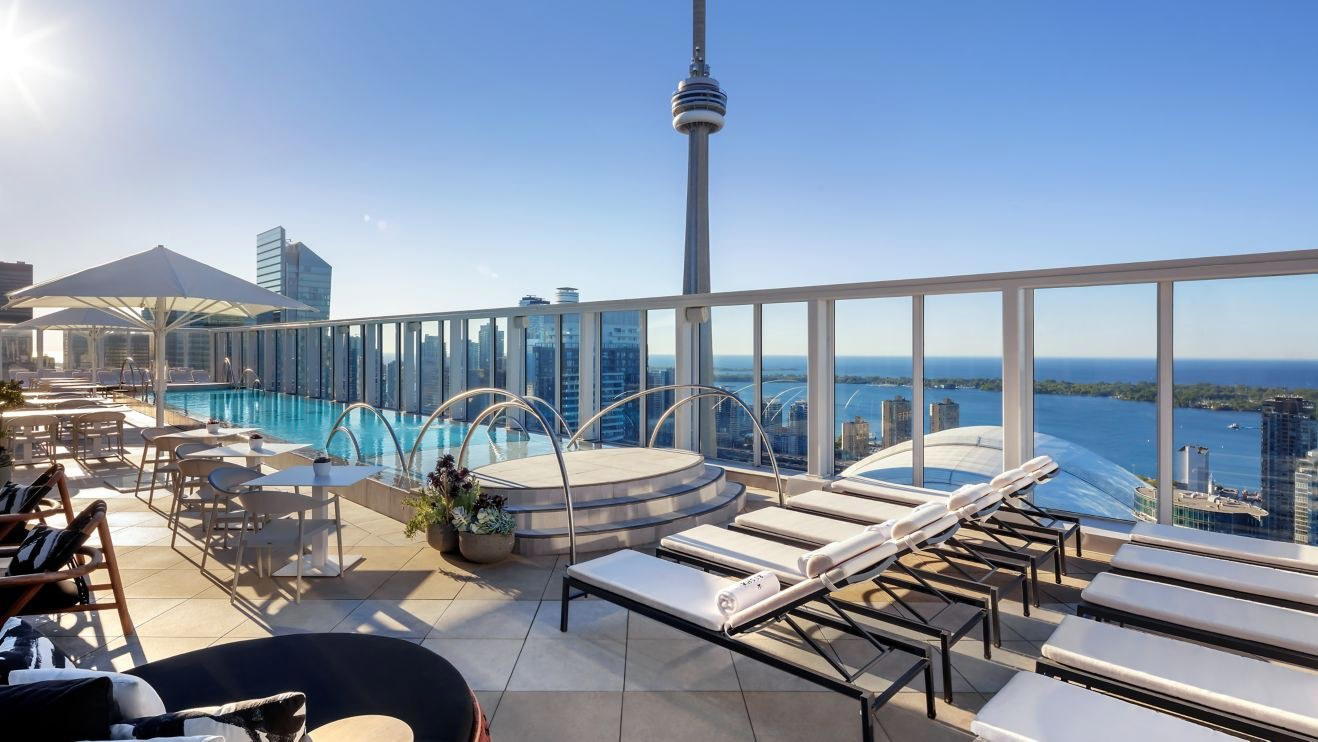

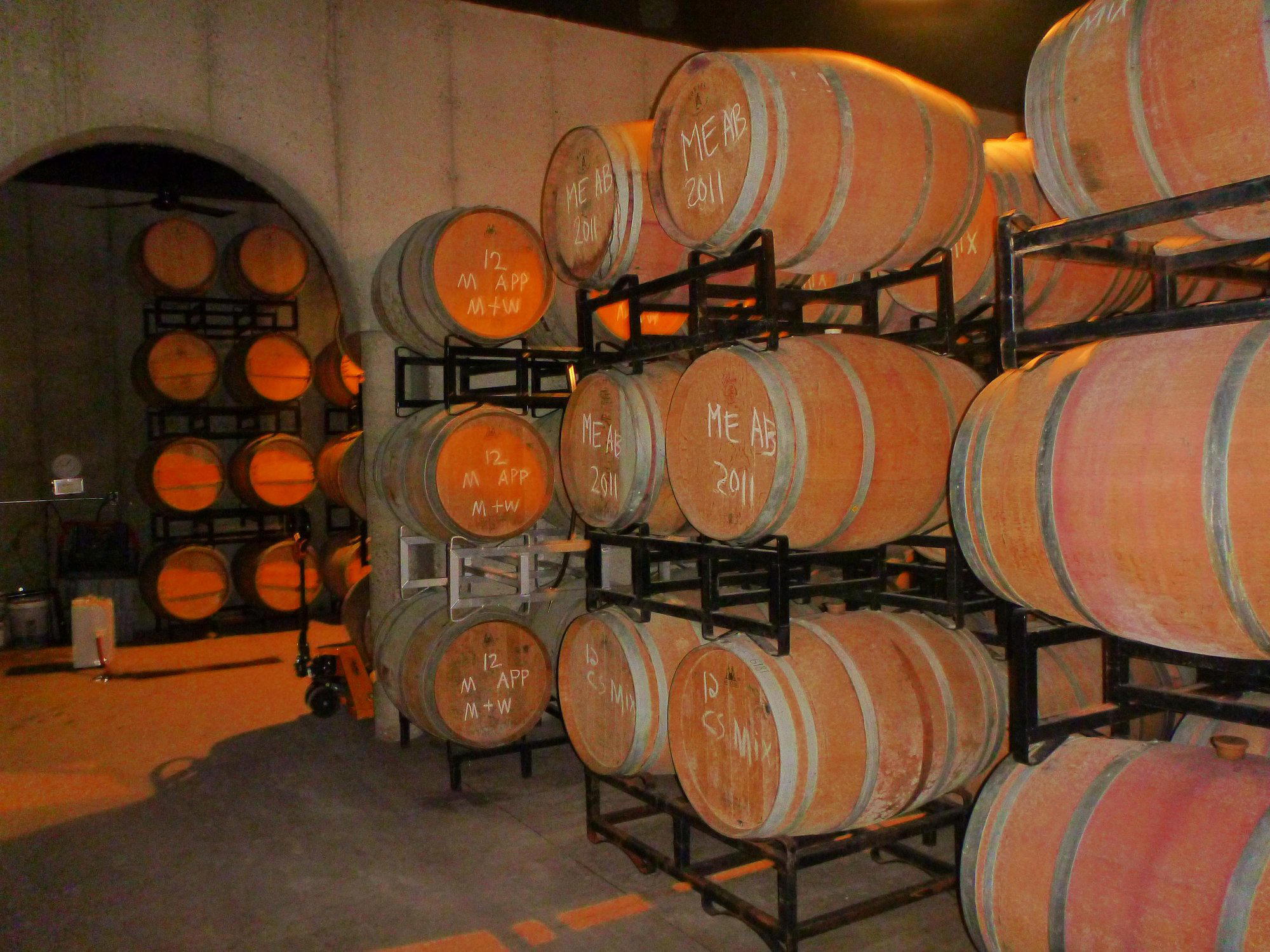
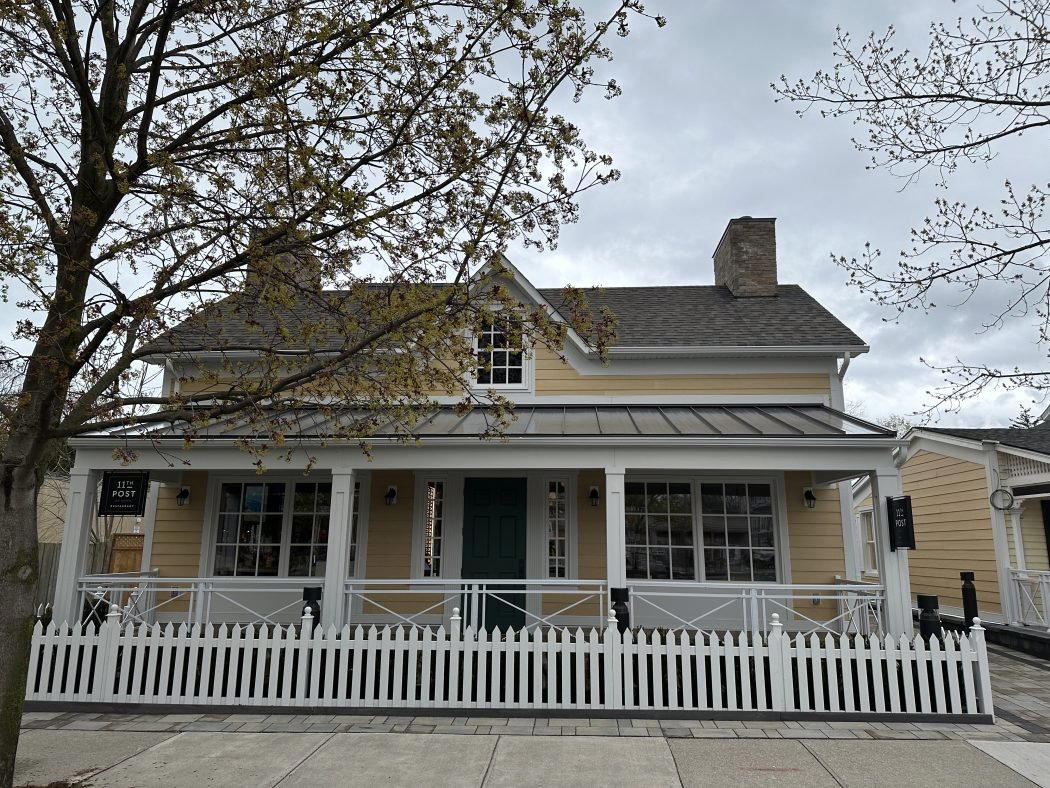
Akira Back
The wine
- Wine program
- Curated wine list
- Extensive wine list
- Sake program
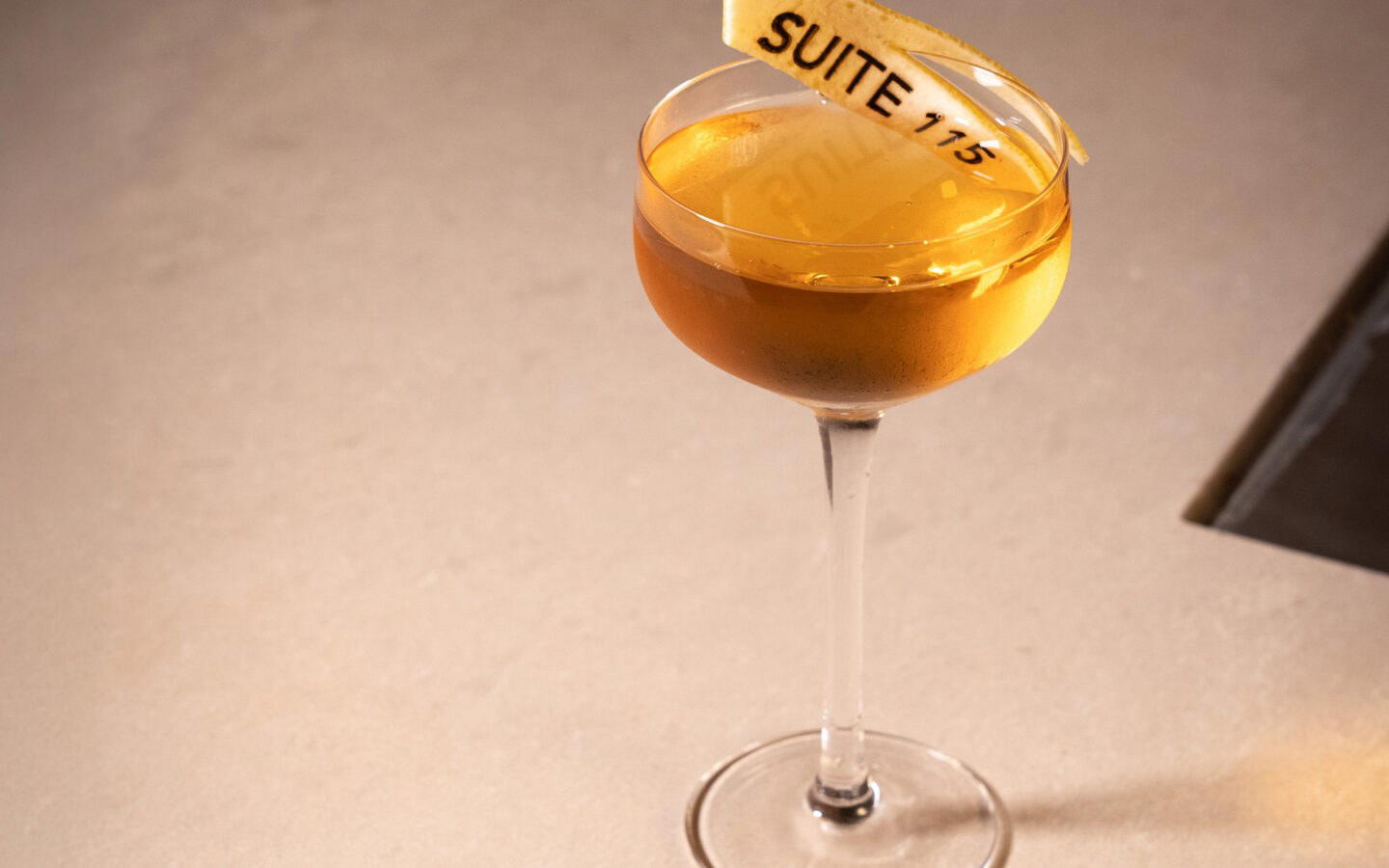
- Craft cocktails
Details
- Modern
- Elegant
- Trendy
- Sophisticated
- Intimate
- Energetic
- Date Night
- Business Dinner
- Group Dining
- Celebration
- Special Occasion
- Private Event
- Private Dining
- Design Destination
- Hotel Restaurant
- Craft Cocktails
- Sake Program
- Extensive Wine List
- A La Carte
- Small Plates
- Cocktails
- Wine
- Sake
- Vegetarian Friendly
- Vegan Options
- Gluten Free Options
Current opening hours
- Monday
- 5–10 PM
- Tuesday
- 5–10 PM
- Wednesday
- 5–10 PM
- Thursday
- 5–10 PM
- Friday
- 5–11 PM
- Saturday
- 5–11 PM
- Sunday
- 5–10 PM
Hours can change for holidays and private events. Last verified .
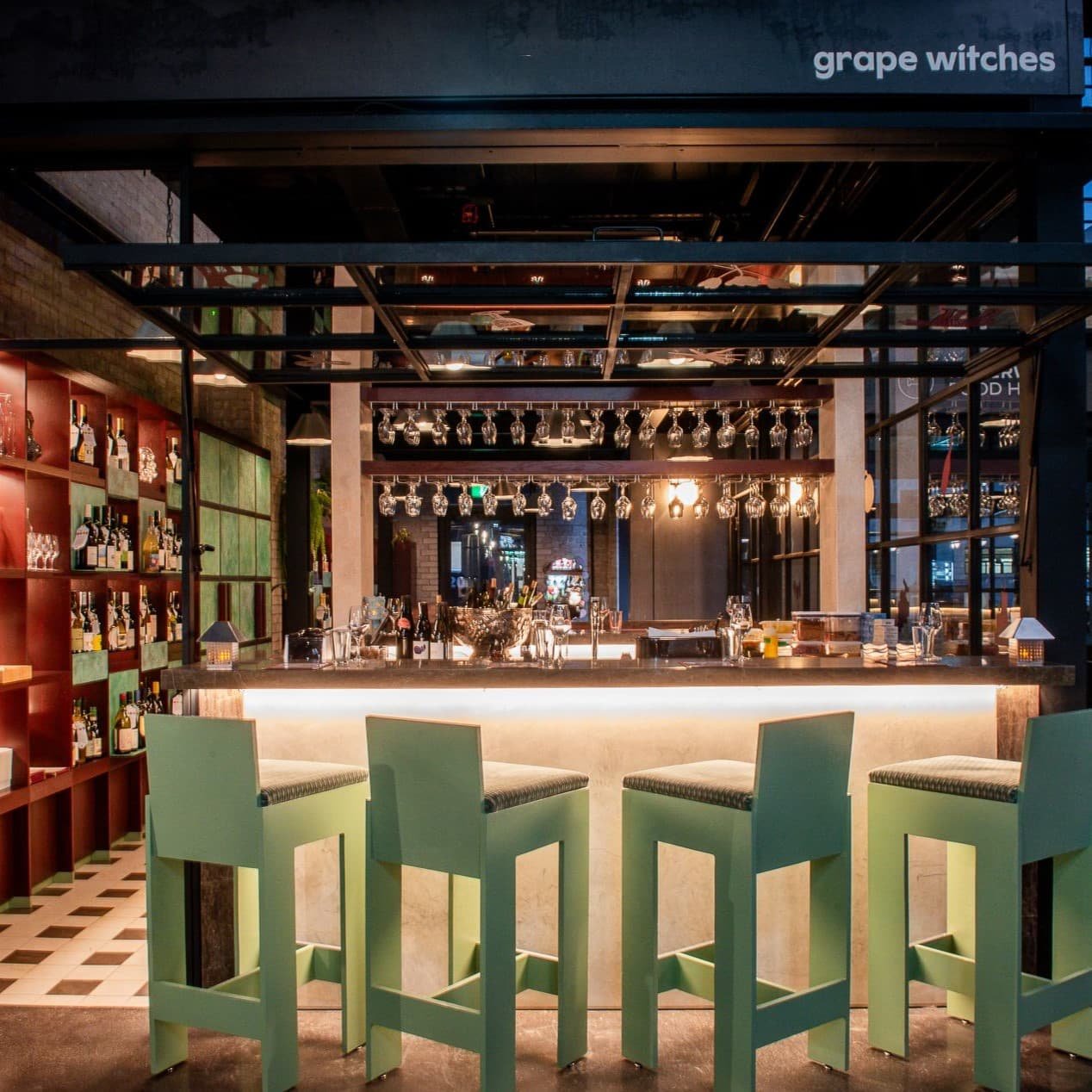
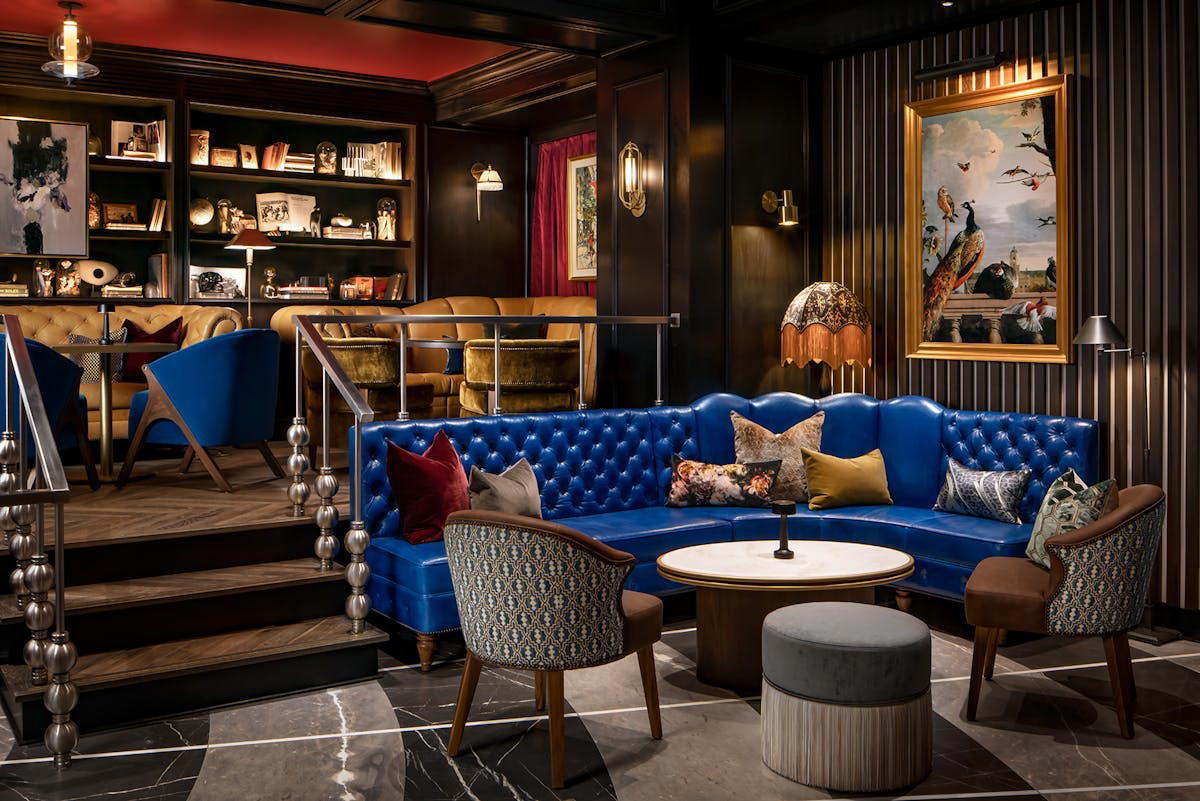
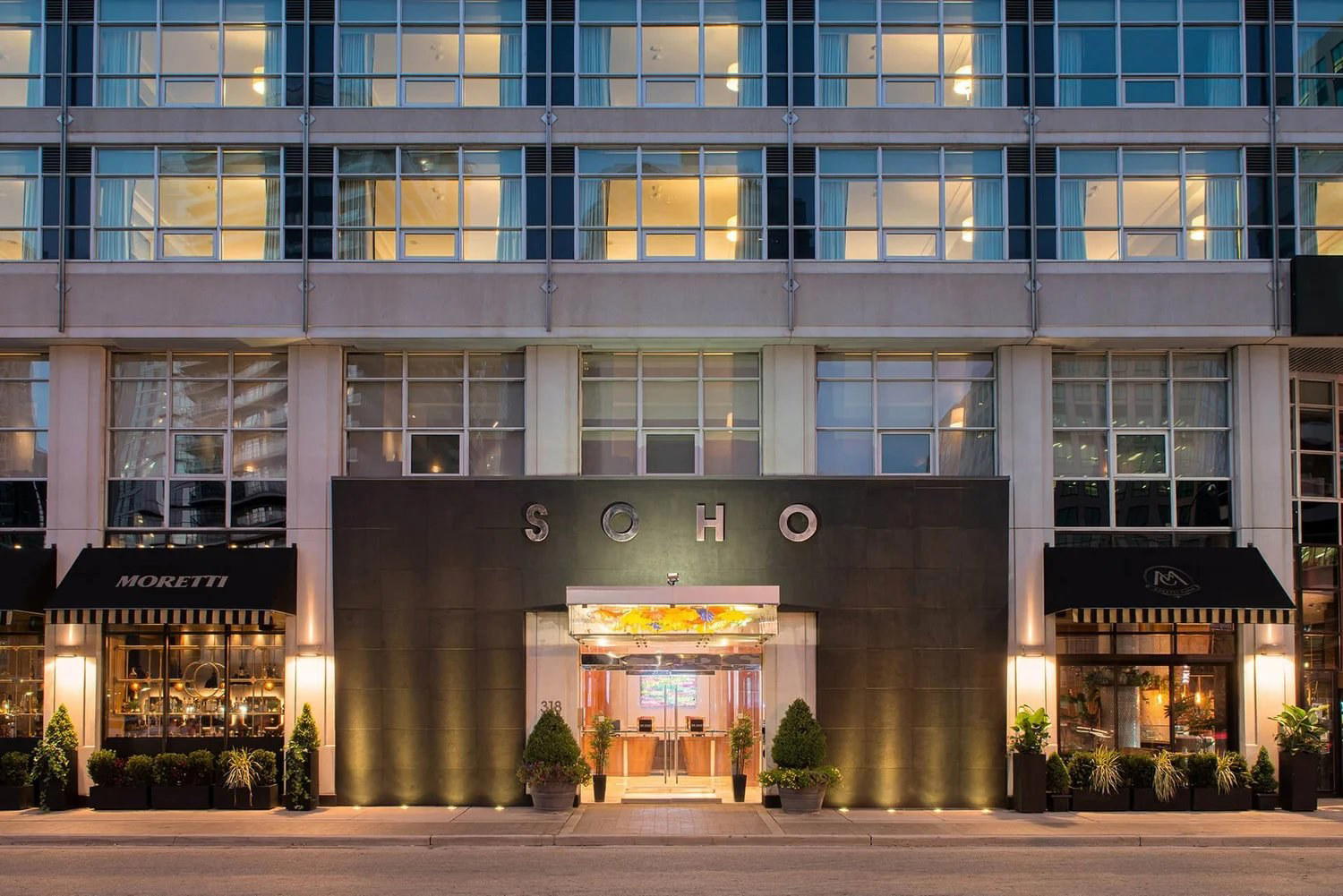
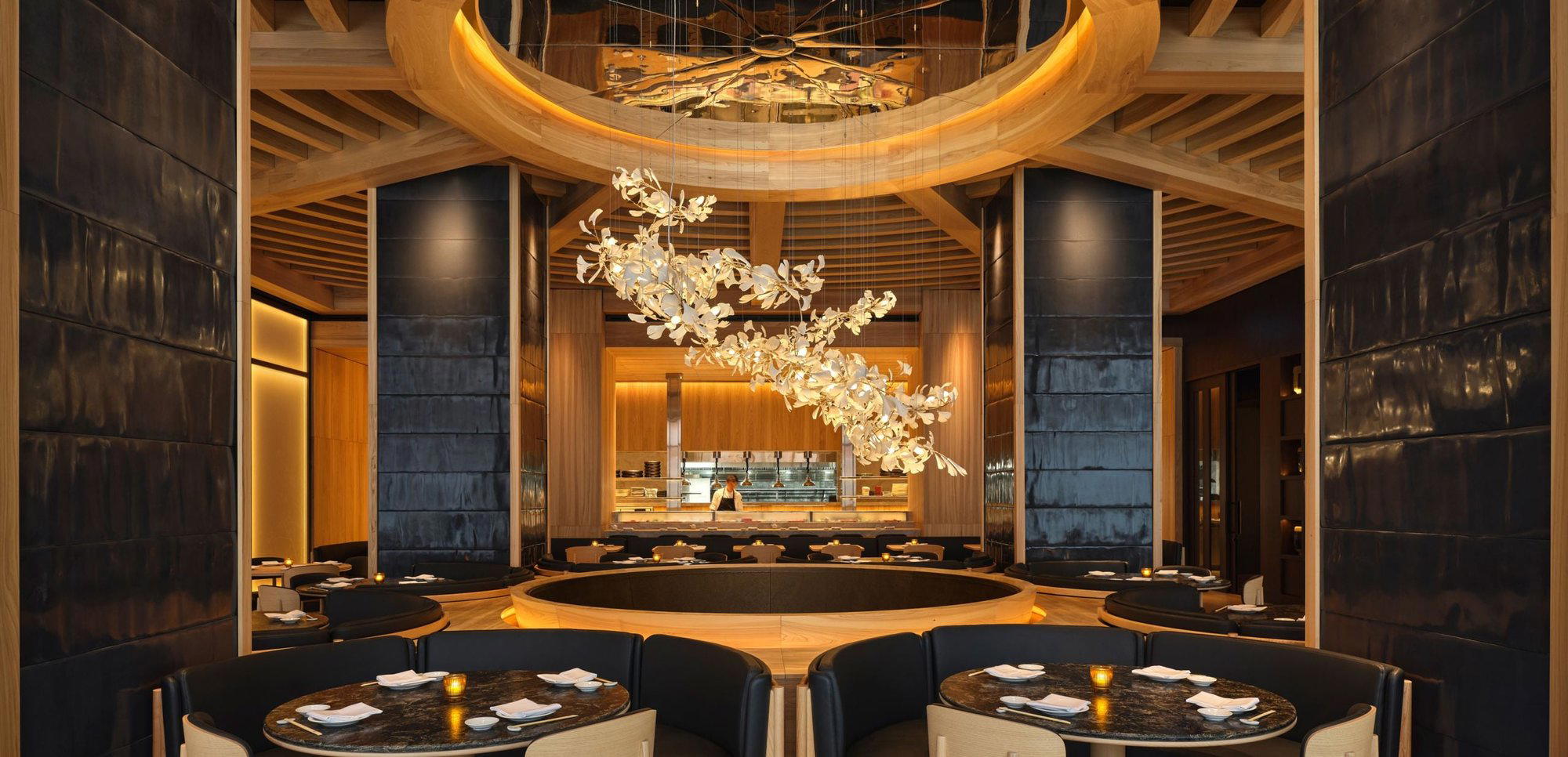
A high-end, design-forward dining room in Bisha Hotel with sleek carbon-black surfaces, layers of gold detailing, and dim, sophisticated lighting that creates an energetic yet polished dinner atmosphere.