Our verdict
Pizza on the Strip: What the Zona Hotelera's Oven-Led Format Reveals Cancún's Zona Hotelera runs on a fairly predictable axis: fresh seafood, Mexican staples, and international hotel dining. The stretch of Boulevard Kukulcán that anchors the hotel zone is not where you typically expect a focused pizza operation to make its case. Yet that is precisely the context that makes a venue like 750 Pizzeria worth reading against the broader scene. When a city's dominant dining format is this heavily weighted toward coastal and regional cuisine, a counter-programming option tends to attract a specific kind of diner: one who has eaten the area's seafood circuit (operations like Lorenzillo's or Kiosco Verde) and is looking for an alternative register entirely. The physical address at Lote 40-A on Kukulcán places 750 Pizzeria within the hotel zone's gravitational pull, which shapes everything from foot traffic patterns to the expectation gap visitors bring through the door. Resort-zone diners arrive with different benchmarks than city-center regulars, and a pizza format in this location is effectively asking to be judged against what the customer just left, not just against peer pizzerias. Ingredient Provenance in a Resort Corridor The ingredient story behind any serious pizza operation is, in many ways, the whole argument. Neapolitan-derived formats, and the broader wood-fired tradition they have spawned, live or die on the quality of a short list of components: the flour blend, the fermentation time on the dough, the tomato source, the fat content of the cheese, the cure on any cured meats. In a resort corridor like Zona Hotelera, supply chain constraints are real. The Yucatán Peninsula's proximity to Gulf and Caribbean sourcing makes fresh protein relatively direct, but the dry-goods and dairy inputs that define pizza quality have traditionally required either strong regional supplier relationships or import infrastructure that most casual operations do not bother building. This is the axis on which focused pizza venues differentiate themselves from hotel-kitchen versions of the same dish. Mexico's ingredient sourcing conversation has become considerably more sophisticated over the past decade, driven in part by destination-restaurant projects at the fine-dining end, from the farm-rooted approach of Animalón in Valle de Guadalupe to the hyper-local frameworks operating further afield at Levadura de Olla in Oaxaca and Olivea Farm to Table in Ensenada. That conversation has filtered down into mid-market formats. A pizza operation that takes sourcing seriously will typically signal it through dough fermentation times, named cheese suppliers, or locally adjusted topping logic that uses what the region actually produces well rather than defaulting to imported approximations. For context on how seriously the Riviera Maya takes ingredient provenance at the ambitious end of the market, Le Chique in Puerto Morelos and HA' in Playa del Carmen both operate programs where sourcing is a central editorial commitment. Arca in Tulum has built much of its identity around wood-fire cooking with regional ingredients. Those are different price tiers and formats, but they establish a regional baseline against which any serious kitchen on the peninsula is now read. The Zona Hotelera Dining Context Boulevard Kukulcán's dining offer is not monolithic. Alongside the large seafood houses and Mexican restaurants, the strip includes operations that push into different formats: Argentine grills (see Asador La Vaca Argentina and Bodega Argentina), Indian (Bombay Cancún), and the kind of café-restaurant hybrids that serve the between-meal gaps (Café con Gracia). Pizza has a specific place in this mix. It is format-flexible in a way that seafood and steakhouse operations are not: it can function as a family meal, a solo counter lunch, a late-night option after the clubs, or a group dinner for a party that cannot agree on anything else. That functional range is part of what keeps focused pizza operations viable in high-traffic resort corridors globally. The comparison that matters most for 750 Pizzeria within its own format is Capri Pizza Moderna, which operates in the same city and offers a reference point for how the pizza category is positioned in Cancún. Where Capri leans toward a moderna interpretation, 750 Pizzeria's name itself signals a number: 750 is the temperature in degrees Celsius associated with traditional wood-fired Neapolitan baking, a detail that would be meaningful if the operation uses it as a genuine production commitment rather than branding shorthand. Whether that number reflects actual oven practice is what a first visit would confirm. What a Pizza Operation in This Location Needs to Do For a format like this to hold its ground on Kukulcán rather than ceding to the strip's louder dining propositions, a few things have to work in concert. The sourcing has to justify not ordering the ceviche. The room has to feel like a decision, not a default. And the format has to be disciplined enough that the menu reads as a considered list rather than a safety net for indecisive hotel guests. Mexico City's serious dining scene, anchored by operations like Pujol and driven outward by chef networks connecting kitchens from KOLI in Monterrey to Pangea in San Pedro Garza García, has raised the ambient expectation for what a focused restaurant format should deliver across Mexico, including in resort corridors. Visitors planning Cancún itineraries who want a broader map of where 750 Pizzeria sits in the city's full dining offer should consult our full Cancún restaurants guide, which covers the hotel zone and downtown options across price points and formats. For those crossing into other international reference points, the wood-fire discipline evident in venues like Lazy Bear in San Francisco or the ingredient-led rigor at Le Bernardin in New York represent the upper ceiling of what fire-and-sourcing seriousness can produce. 750 Pizzeria operates in a different register, but the underlying logic is the same: the quality of what goes into the oven determines the quality of what comes out. 750 Pizzeria is located at Blvd. Kukulcán Lote 40-A in the Zona Hotelera. Given its position in a resort-facing corridor, visitors arriving via the hotel zone will find it accessible without a car. As with most Zona Hotelera dining, timing matters: the stretch gets congested during peak evening hours, and the quieter early-dinner window tends to offer a better experience of the space itself. Current hours, booking options, and pricing are best confirmed directly with the venue before visiting. Frequently Asked Questions What is 750 Pizzeria known for?750 Pizzeria takes its name from the temperature associated with traditional wood-fired Neapolitan baking, which signals a production-led identity rather than a generic pizza offering. Within Cancún's Zona Hotelera, it represents a focused, oven-centered format that sits apart from the seafood and Mexican dining that dominates the boulevard. It is one of the more deliberately positioned pizza operations in the hotel zone. For a direct comparison within the Cancún pizza category, Capri Pizza Moderna provides a useful peer reference.What is the atmosphere like at 750 Pizzeria?The venue sits on Boulevard Kukulcán in Cancún's Zona Hotelera, which shapes its ambient register: resort-strip energy, international clientele, and a pace set by hotel-zone foot traffic rather than a local neighborhood rhythm. Within that context, a focused pizza format tends to read as lower-key than the larger seafood houses on the same stretch. For guests seeking the full range of Cancún dining atmospheres, the Cancún restaurants guide maps the zone's variety in detail.What's the signature dish at 750 Pizzeria?What the venue's name implies is a commitment to high-temperature wood-fired baking, which would make the base dough itself the central argument of any serious pizza on the menu. For verified dish details, contacting the venue directly before visiting is the most reliable approach.Do they take walk-ins at 750 Pizzeria?In Cancún's Zona Hotelera, mid-tier restaurant formats often accommodate walk-ins during shoulder hours but fill quickly on peak evenings, particularly during high season between December and April.Is 750 Pizzeria okay with children?Pizza as a format is generally one of the more child-accommodating options in any restaurant corridor, and the Zona Hotelera's overall dining offer skews toward family-friendly formats given its resort context. In Cancún specifically, most mid-range restaurants along Kukulcán expect family groups as part of their regular traffic. That said, specific family policies, high-chair availability, and children's menu details should be confirmed with the venue directly.How does 750 Pizzeria compare to other pizza options along the Riviera Maya?The Riviera Maya's wider dining scene, which includes wood-fire-forward operations like Arca in Tulum, sets a regional benchmark for what fire-based cooking can look like when ingredient sourcing and technique are treated seriously. 750 Pizzeria operates in a different price tier and format, but its Zona Hotelera location makes it the most accessible pizza-focused option for visitors staying along Kukulcán. For travelers covering more of the coast, HA' in Playa del Carmen and Le Chique in Puerto Morelos represent the fine-dining end of the peninsula's ingredient-led cooking conversation.

Pearl is the En Primeur Club membership app, where members save venues, book tables and use the concierge.
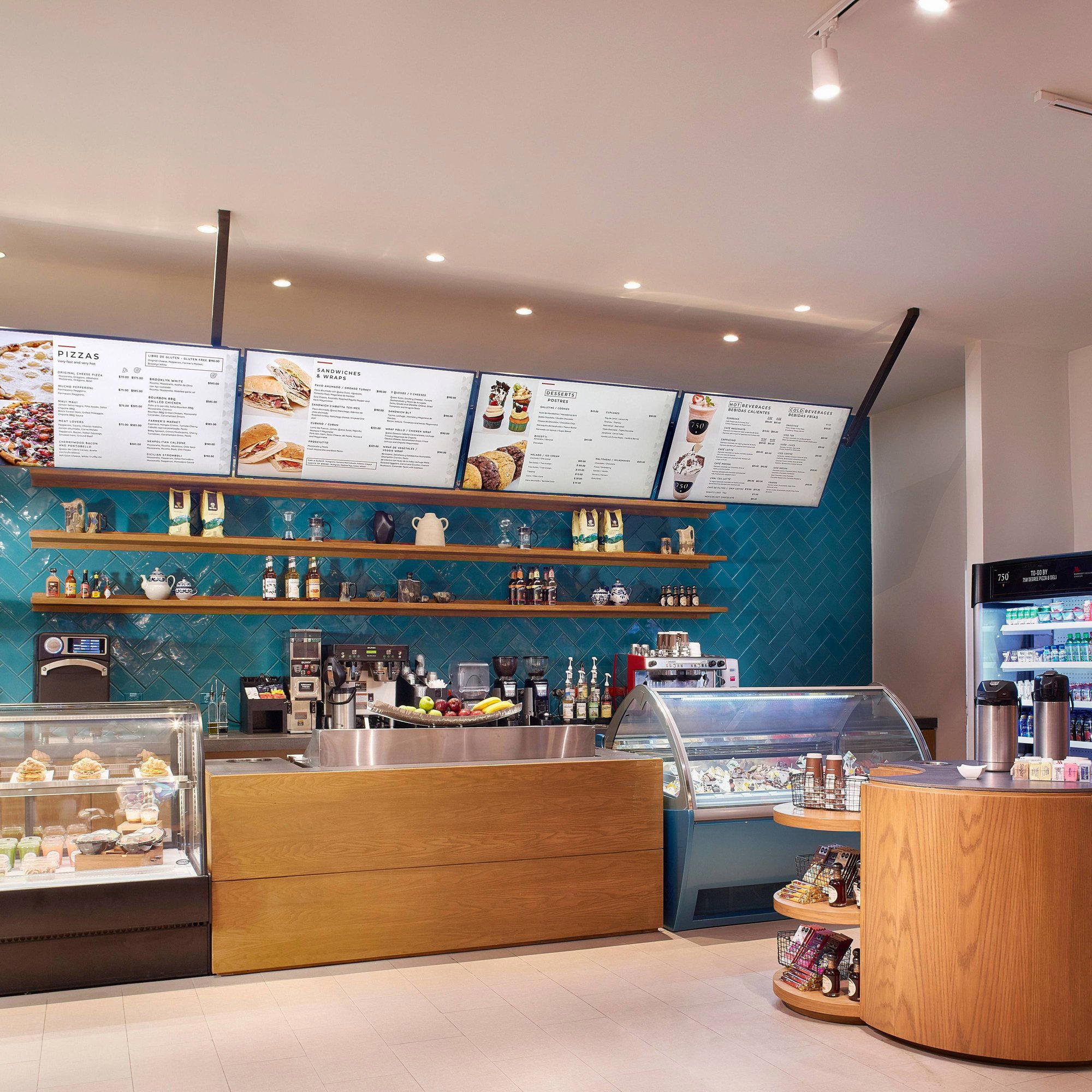
Pizza on the Strip: What the Zona Hotelera's Oven-Led Format Reveals
Cancún's Zona Hotelera runs on a fairly predictable axis: fresh seafood, Mexican staples, and international hotel dining. The stretch of Boulevard Kukulcán that anchors the hotel zone is not where you typically expect a focused pizza operation to make its case. Yet that is precisely the context that makes a venue like 750 Pizzeria worth reading against the broader scene. When a city's dominant dining format is this heavily weighted toward coastal and regional cuisine, a counter-programming option tends to attract a specific kind of diner: one who has eaten the area's seafood circuit (operations like Lorenzillo's or Kiosco Verde) and is looking for an alternative register entirely.
The physical address at Lote 40-A on Kukulcán places 750 Pizzeria within the hotel zone's gravitational pull, which shapes everything from foot traffic patterns to the expectation gap visitors bring through the door. Resort-zone diners arrive with different benchmarks than city-center regulars, and a pizza format in this location is effectively asking to be judged against what the customer just left, not just against peer pizzerias.
Ingredient Provenance in a Resort Corridor
The ingredient story behind any serious pizza operation is, in many ways, the whole argument. Neapolitan-derived formats, and the broader wood-fired tradition they have spawned, live or die on the quality of a short list of components: the flour blend, the fermentation time on the dough, the tomato source, the fat content of the cheese, the cure on any cured meats. In a resort corridor like Zona Hotelera, supply chain constraints are real. The Yucatán Peninsula's proximity to Gulf and Caribbean sourcing makes fresh protein relatively direct, but the dry-goods and dairy inputs that define pizza quality have traditionally required either strong regional supplier relationships or import infrastructure that most casual operations do not bother building.
This is the axis on which focused pizza venues differentiate themselves from hotel-kitchen versions of the same dish. Mexico's ingredient sourcing conversation has become considerably more sophisticated over the past decade, driven in part by destination-restaurant projects at the fine-dining end, from the farm-rooted approach of Animalón in Valle de Guadalupe to the hyper-local frameworks operating further afield at Levadura de Olla in Oaxaca and Olivea Farm to Table in Ensenada. That conversation has filtered down into mid-market formats. A pizza operation that takes sourcing seriously will typically signal it through dough fermentation times, named cheese suppliers, or locally adjusted topping logic that uses what the region actually produces well rather than defaulting to imported approximations.
For context on how seriously the Riviera Maya takes ingredient provenance at the ambitious end of the market, Le Chique in Puerto Morelos and HA' in Playa del Carmen both operate programs where sourcing is a central editorial commitment. Arca in Tulum has built much of its identity around wood-fire cooking with regional ingredients. Those are different price tiers and formats, but they establish a regional baseline against which any serious kitchen on the peninsula is now read.
The Zona Hotelera Dining Context
Boulevard Kukulcán's dining offer is not monolithic. Alongside the large seafood houses and Mexican restaurants, the strip includes operations that push into different formats: Argentine grills (see Asador La Vaca Argentina and Bodega Argentina), Indian (Bombay Cancún), and the kind of café-restaurant hybrids that serve the between-meal gaps (Café con Gracia). Pizza has a specific place in this mix. It is format-flexible in a way that seafood and steakhouse operations are not: it can function as a family meal, a solo counter lunch, a late-night option after the clubs, or a group dinner for a party that cannot agree on anything else. That functional range is part of what keeps focused pizza operations viable in high-traffic resort corridors globally.
The comparison that matters most for 750 Pizzeria within its own format is Capri Pizza Moderna, which operates in the same city and offers a reference point for how the pizza category is positioned in Cancún. Where Capri leans toward a moderna interpretation, 750 Pizzeria's name itself signals a number: 750 is the temperature in degrees Celsius associated with traditional wood-fired Neapolitan baking, a detail that would be meaningful if the operation uses it as a genuine production commitment rather than branding shorthand. Whether that number reflects actual oven practice is what a first visit would confirm.
What a Pizza Operation in This Location Needs to Do
For a format like this to hold its ground on Kukulcán rather than ceding to the strip's louder dining propositions, a few things have to work in concert. The sourcing has to justify not ordering the ceviche. The room has to feel like a decision, not a default. And the format has to be disciplined enough that the menu reads as a considered list rather than a safety net for indecisive hotel guests. Mexico City's serious dining scene, anchored by operations like Pujol and driven outward by chef networks connecting kitchens from KOLI in Monterrey to Pangea in San Pedro Garza García, has raised the ambient expectation for what a focused restaurant format should deliver across Mexico, including in resort corridors.
Visitors planning Cancún itineraries who want a broader map of where 750 Pizzeria sits in the city's full dining offer should consult our full Cancún restaurants guide, which covers the hotel zone and downtown options across price points and formats. For those crossing into other international reference points, the wood-fire discipline evident in venues like Lazy Bear in San Francisco or the ingredient-led rigor at Le Bernardin in New York represent the upper ceiling of what fire-and-sourcing seriousness can produce. 750 Pizzeria operates in a different register, but the underlying logic is the same: the quality of what goes into the oven determines the quality of what comes out.
750 Pizzeria is located at Blvd. Kukulcán Lote 40-A in the Zona Hotelera. Given its position in a resort-facing corridor, visitors arriving via the hotel zone will find it accessible without a car. As with most Zona Hotelera dining, timing matters: the stretch gets congested during peak evening hours, and the quieter early-dinner window tends to offer a better experience of the space itself. Current hours, booking options, and pricing are best confirmed directly with the venue before visiting.
Frequently asked questions
What is 750 Pizzeria known for?
What is the atmosphere like at 750 Pizzeria?
What's the signature dish at 750 Pizzeria?
Do they take walk-ins at 750 Pizzeria?
Is 750 Pizzeria okay with children?
How does 750 Pizzeria compare to other pizza options along the Riviera Maya?
Continue exploring
More in Cancún
Restaurants in Cancún
All restaurants in Cancún →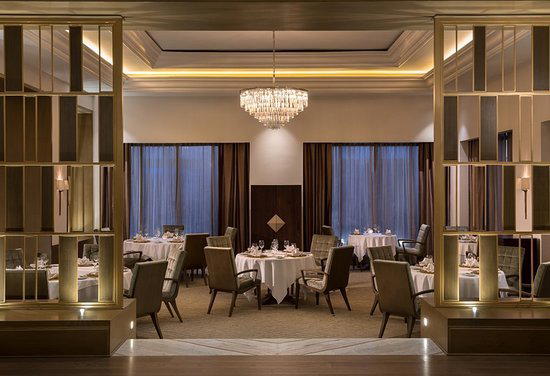
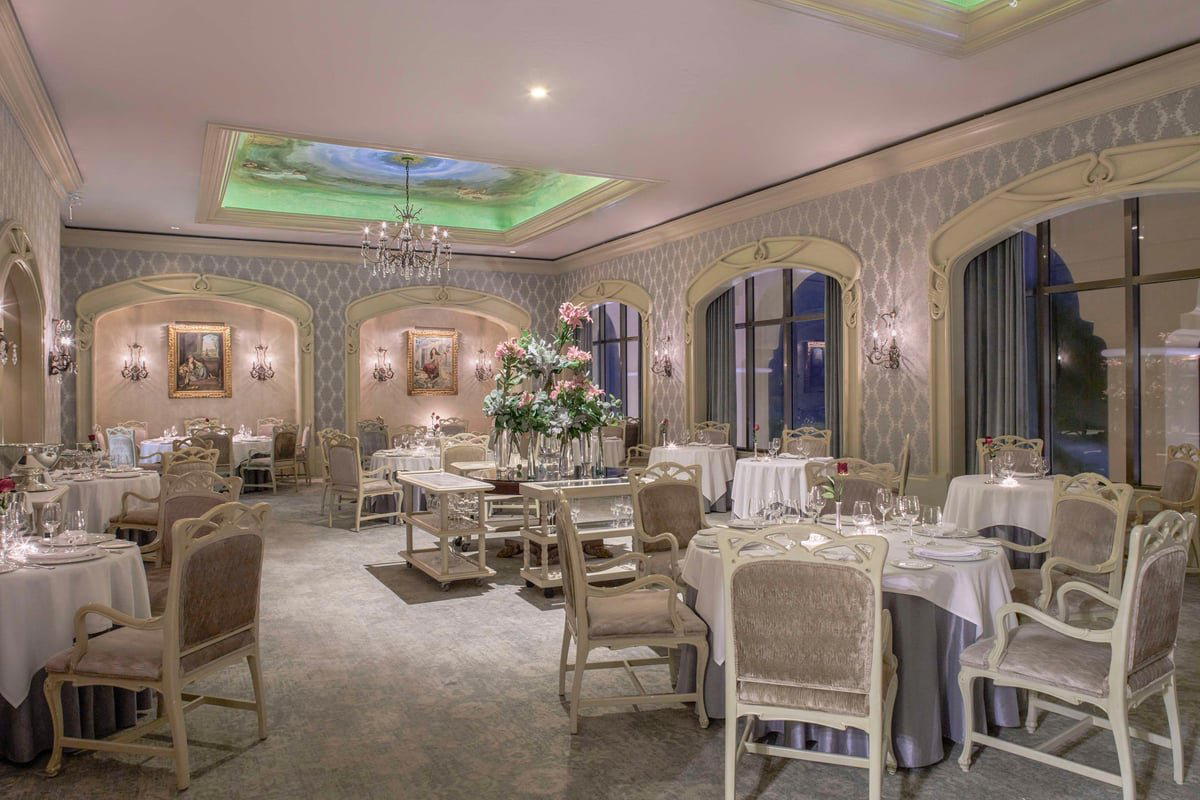

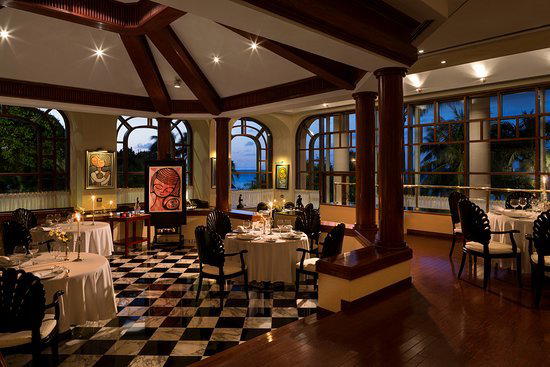

Bars in Cancún
All bars in Cancún →

Details
- Casual
- Cozy
- Casual Hangout
- Family
- Hotel Restaurant
- A La Carte
Current opening hours
- Monday
- 6 AM–11 PM
- Tuesday
- 6 AM–11 PM
- Wednesday
- 6 AM–11 PM
- Thursday
- 6 AM–11 PM
- Friday
- 6 AM–11 PM
- Saturday
- 6 AM–11 PM
- Sunday
- 6 AM–11 PM
Hours can change for holidays and private events. Hours as of .
Casual and welcoming quick-service spot inside the JW Marriott lobby with a focus on grab-and-go eats.