33 Staves
Our verdict
Where Lexington's Farm-to-Table Conversation Gets Specific Lexington, Kentucky occupies an unusual position in the American dining conversation. The city sits inside the Bluegrass Region, one of the country's most productive agricultural corridors, where bourbon distilleries, cattle farms, and heritage grain producers share geography with a restaurant scene that has spent the better part of a decade figuring out how to translate that proximity into something on the plate. The result is a dining culture that rewards attention: not the coastal scale of a San Francisco or New York, but a focused, ingredient-literate set of operators who know exactly where their supply chains begin. 33 Staves, addressed at 4174 Rowan in the southeast quadrant of the city, operates within that context. The name itself is a direct reference to the barrel stave count in a standard American oak bourbon cask, a detail that places the restaurant immediately inside Lexington's most recognizable cultural shorthand. In a city where bourbon is both industry and identity, that kind of nomenclature is rarely accidental. The Sourcing Logic Behind Lexington's Better Tables The editorial case for ingredient-led dining in Kentucky is easier to make than in most American states. Within a two-hour radius of Lexington, you have grass-finished beef from the Bluegrass pastures, heritage pork from small-scale producers in the Knobs region, and a growing roster of vegetable farms supplying direct to restaurants. That supply infrastructure has allowed a tier of Lexington operators to build menus that function differently from import-dependent kitchens: the sourcing decisions happen before the cooking decisions, which tends to produce food that reflects geography rather than trend. This model, when executed with discipline, puts Lexington's better restaurants in conversation with farm-integrated projects like Single Thread Farm in Healdsburg or Blue Hill at Stone Barns in Tarrytown, though at a price point and scale that reflects a mid-size Southern city rather than a destination dining market. The comparison is about method and philosophy, not about peer-set positioning in awards terms. 33 Staves enters that conversation as a Rowan Street address with a name that telegraphs craft orientation. The Lexington dining scene rewards that kind of direct inquiry: calling ahead, checking current social channels, and arriving with some flexibility about what the kitchen is running that week. The Broader Lexington Dining Set Understanding where 33 Staves sits requires a working map of the Lexington scene. The city's restaurant culture has stratified in ways that parallel what happened in mid-size American cities like Nashville and Louisville over the previous decade: a ground layer of legacy comfort-food institutions, a middle tier of regionally aware casual operators, and a smaller upper tier of ingredient-focused projects where sourcing and technique are the explicit point. Akame Nigiri and Sake and il Casale Lexington represent the city's confidence with non-native cuisines handled at a serious technical level. Bourbon n' Toulouse grounds itself in the Southern-French crossover tradition that Lexington does credibly well given its proximity to the Gulf South. County Club Restaurant occupies the civic dining tier. Across those different registers, the throughline is an awareness of Kentucky provenance that distinguishes Lexington from generic mid-size American dining cities. For context on what ingredient-driven American fine dining looks like at its most developed, the reference set includes Smyth in Chicago, Lazy Bear in San Francisco, and Providence in Los Angeles, all of which have built sustained recognition around sourcing discipline and seasonal menu structures. Lexington's leading operators are working from the same logic, scaled to a city where the agricultural raw material is arguably more accessible than in any coastal market. Craft Orientation and What the Name Signals The 33-stave barrel reference is worth dwelling on. American bourbon barrels are charred new oak containers, and the number of staves determines how the wood grain interacts with the spirit during maturation. Using that as a restaurant name in Kentucky is a gesture toward the craft production ethic that has reshaped the state's identity since the early 2000s bourbon revival: the idea that process detail, patience, and material quality produce better outcomes than volume and speed. That same ethic, when applied to a kitchen, tends to produce menus built around what's available from known producers rather than what's standardized in a broadline distribution catalog. It is the same orientation that drives the sourcing programs at places like The French Laundry in Napa or Addison in San Diego, though the expression in a Lexington context will be calibrated to the regional supply base and price expectations of a Kentucky clientele. Planning a Visit 33 Staves is located at 4174 Rowan, Lexington, KY 40517. That kind of pre-visit due diligence is standard practice for smaller independent operators in the city's dining scene, particularly for those whose format and hours may shift seasonally. For a broader orientation to what Lexington offers at table, our full Lexington restaurants guide maps the scene across price points and cuisine types. If 33 Staves is closed or fully booked, Indi's Chicken and the other operators in the city's current dining set provide alternatives calibrated to different budgets and occasions. For a sense of how the American ingredient-driven format plays at national scale, the record at Le Bernardin in New York City, Emeril's in New Orleans, The Inn at Little Washington, Atomix in New York City, and Osteria Francescana in Modena illustrates what the sourcing-first philosophy produces at its most developed. Frequently Asked Questions What is 33 Staves known for?33 Staves is associated with the craft-production sensibility signaled by its name, which references the stave count of a standard bourbon barrel. In a Lexington context, that kind of nomenclature typically indicates a kitchen with an orientation toward regional ingredients and local craft culture. at 33 Staves?Restaurants in the Lexington ingredient-led tier tend to organize their strongest dishes around seasonal Kentucky produce, heritage proteins, and the Bluegrass Region's agricultural supply. Asking the kitchen or front-of-house staff what is sourced locally at the time of your visit is consistently the most effective approach at this tier of independent operator.What kind of setting is 33 Staves?The Rowan Street address places 33 Staves in a residential-adjacent part of southeast Lexington rather than in the city's downtown dining corridor. That geography, combined with a name that references Kentucky craft production, suggests an atmosphere oriented toward neighborhood intimacy rather than destination spectacle.Is 33 Staves reservation-only?In Lexington's smaller independent dining tier, reservation practices vary significantly by operator, and some venues at this address type operate on a walk-in or hybrid basis. Confirming current policy directly with the restaurant before visiting is the most practical approach.Is 33 Staves good for families?In general, Lexington's mid-size independent restaurant tier tends to accommodate mixed-age groups with more flexibility than high-formality tasting-menu formats. If family suitability is a specific requirement, contacting the restaurant directly to ask about the format and pace of service will give you a more accurate answer than any third-party source.Does 33 Staves have a connection to the Kentucky bourbon industry beyond its name?The name's direct reference to the 33-stave construction of a standard American bourbon barrel places the restaurant within Lexington's broader craft production identity, a city where bourbon heritage shapes hospitality culture across categories. That level of programmatic detail is leading verified through the restaurant's own current communications.

Pearl is the En Primeur Club membership app — saves, bookings, and concierge access live there. Same editors, same standards.
- Address
- 4174 Rowan, Lexington, KY 40517
- Phone
- (859) 245-0400
- Hours
- Mon–Thu 7–10 AM, 4–10 PMFri 7–10 AM, 4–11 PMSat 7 AM–12 PM, 4–11 PMSun 7 AM–12 PM, 4–10 PM
- Website
- 33staveslexington.com
- Directions
- Get directions
- Booking
- Book on OpenTable
Where Lexington's Farm-to-Table Conversation Gets Specific
Lexington, Kentucky occupies an unusual position in the American dining conversation. The city sits inside the Bluegrass Region, one of the country's most productive agricultural corridors, where bourbon distilleries, cattle farms, and heritage grain producers share geography with a restaurant scene that has spent the better part of a decade figuring out how to translate that proximity into something on the plate. The result is a dining culture that rewards attention: not the coastal scale of a San Francisco or New York, but a focused, ingredient-literate set of operators who know exactly where their supply chains begin.
33 Staves, addressed at 4174 Rowan in the southeast quadrant of the city, operates within that context. The name itself is a direct reference to the barrel stave count in a standard American oak bourbon cask, a detail that places the restaurant immediately inside Lexington's most recognizable cultural shorthand. In a city where bourbon is both industry and identity, that kind of nomenclature is rarely accidental.
The Sourcing Logic Behind Lexington's Better Tables
The editorial case for ingredient-led dining in Kentucky is easier to make than in most American states. Within a two-hour radius of Lexington, you have grass-finished beef from the Bluegrass pastures, heritage pork from small-scale producers in the Knobs region, and a growing roster of vegetable farms supplying direct to restaurants. That supply infrastructure has allowed a tier of Lexington operators to build menus that function differently from import-dependent kitchens: the sourcing decisions happen before the cooking decisions, which tends to produce food that reflects geography rather than trend.
This model, when executed with discipline, puts Lexington's better restaurants in conversation with farm-integrated projects like Single Thread Farm in Healdsburg or Blue Hill at Stone Barns in Tarrytown, though at a price point and scale that reflects a mid-size Southern city rather than a destination dining market. The comparison is about method and philosophy, not about peer-set positioning in awards terms.
33 Staves enters that conversation as a Rowan Street address with a name that telegraphs craft orientation. The Lexington dining scene rewards that kind of direct inquiry: calling ahead, checking current social channels, and arriving with some flexibility about what the kitchen is running that week.
The Broader Lexington Dining Set
Understanding where 33 Staves sits requires a working map of the Lexington scene. The city's restaurant culture has stratified in ways that parallel what happened in mid-size American cities like Nashville and Louisville over the previous decade: a ground layer of legacy comfort-food institutions, a middle tier of regionally aware casual operators, and a smaller upper tier of ingredient-focused projects where sourcing and technique are the explicit point.
Akame Nigiri and Sake and il Casale Lexington represent the city's confidence with non-native cuisines handled at a serious technical level. Bourbon n' Toulouse grounds itself in the Southern-French crossover tradition that Lexington does credibly well given its proximity to the Gulf South. County Club Restaurant occupies the civic dining tier. Across those different registers, the throughline is an awareness of Kentucky provenance that distinguishes Lexington from generic mid-size American dining cities.
For context on what ingredient-driven American fine dining looks like at its most developed, the reference set includes Smyth in Chicago, Lazy Bear in San Francisco, and Providence in Los Angeles, all of which have built sustained recognition around sourcing discipline and seasonal menu structures. Lexington's leading operators are working from the same logic, scaled to a city where the agricultural raw material is arguably more accessible than in any coastal market.
Craft Orientation and What the Name Signals
The 33-stave barrel reference is worth dwelling on. American bourbon barrels are charred new oak containers, and the number of staves determines how the wood grain interacts with the spirit during maturation. Using that as a restaurant name in Kentucky is a gesture toward the craft production ethic that has reshaped the state's identity since the early 2000s bourbon revival: the idea that process detail, patience, and material quality produce better outcomes than volume and speed.
That same ethic, when applied to a kitchen, tends to produce menus built around what's available from known producers rather than what's standardized in a broadline distribution catalog. It is the same orientation that drives the sourcing programs at places like The French Laundry in Napa or Addison in San Diego, though the expression in a Lexington context will be calibrated to the regional supply base and price expectations of a Kentucky clientele.
Planning a Visit
33 Staves is located at 4174 Rowan, Lexington, KY 40517. That kind of pre-visit due diligence is standard practice for smaller independent operators in the city's dining scene, particularly for those whose format and hours may shift seasonally.
For a broader orientation to what Lexington offers at table, our full Lexington restaurants guide maps the scene across price points and cuisine types. If 33 Staves is closed or fully booked, Indi's Chicken and the other operators in the city's current dining set provide alternatives calibrated to different budgets and occasions. For a sense of how the American ingredient-driven format plays at national scale, the record at Le Bernardin in New York City, Emeril's in New Orleans, The Inn at Little Washington, Atomix in New York City, and Osteria Francescana in Modena illustrates what the sourcing-first philosophy produces at its most developed.
Frequently asked questions
What is 33 Staves known for?
at 33 Staves?
What kind of setting is 33 Staves?
Is 33 Staves reservation-only?
Is 33 Staves good for families?
Does 33 Staves have a connection to the Kentucky bourbon industry beyond its name?
Continue exploring
More in Lexington
Restaurants in Lexington
Browse all →
Bars in Lexington
Browse all →
Hotels in Lexington
Browse all →
Details
- Modern
- Cozy
- Elegant
- Rustic
- Brunch
- Date Night
- Group Dining
- Casual Hangout
- Hotel Restaurant
- Private Dining
- Craft Cocktails
- Beer Program
- Farm To Table
- Local Sourcing
- A La Carte
- Bourbon
- Craft Cocktails
- Gluten Free Options
Current opening hours
- Monday
- 7–10 AM, 4–10 PM
- Tuesday
- 7–10 AM, 4–10 PM
- Wednesday
- 7–10 AM, 4–10 PM
- Thursday
- 7–10 AM, 4–10 PM
- Friday
- 7–10 AM, 4–11 PM
- Saturday
- 7 AM–12 PM, 4–11 PM
- Sunday
- 7 AM–12 PM, 4–10 PM
Hours can change for holidays and private events. Last verified .
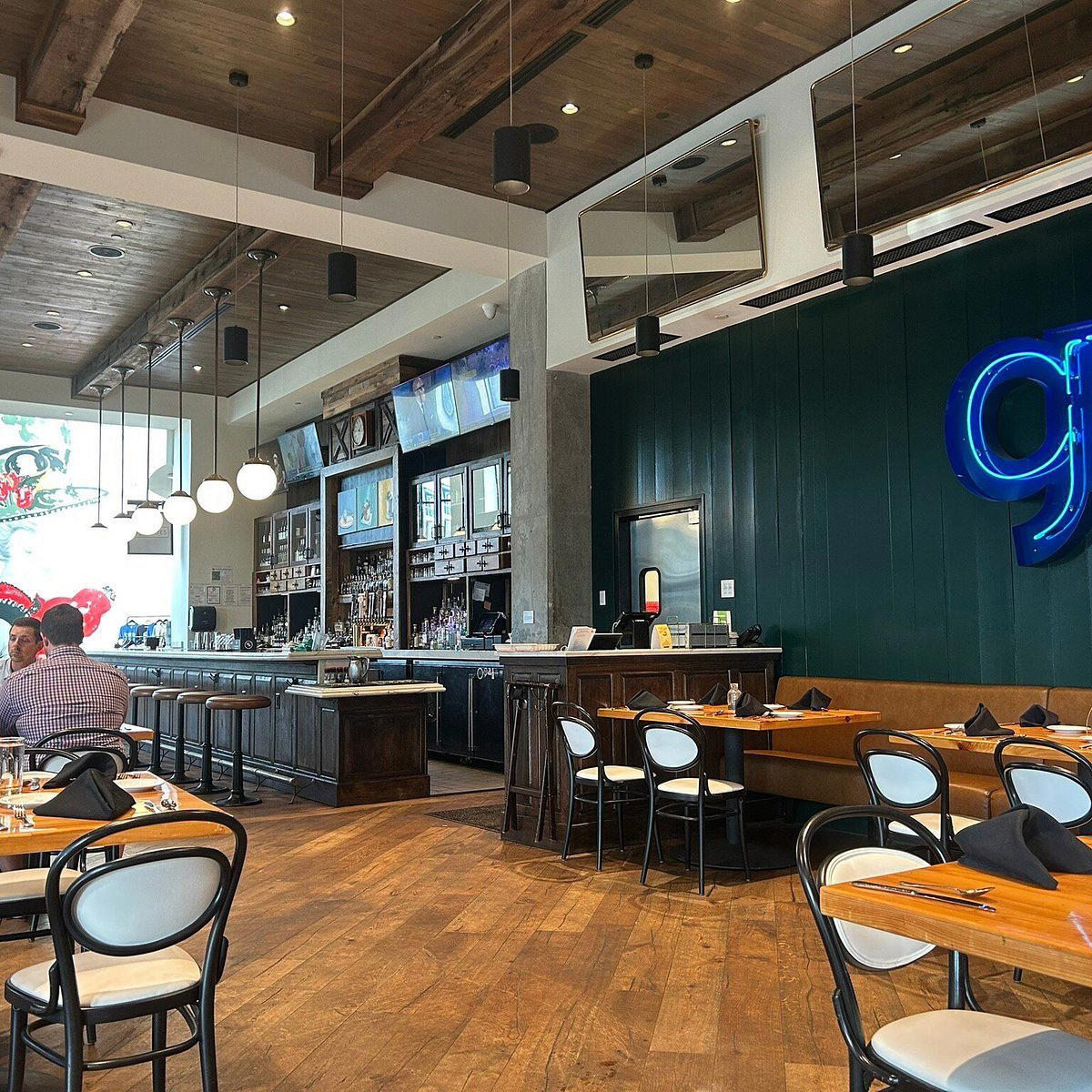
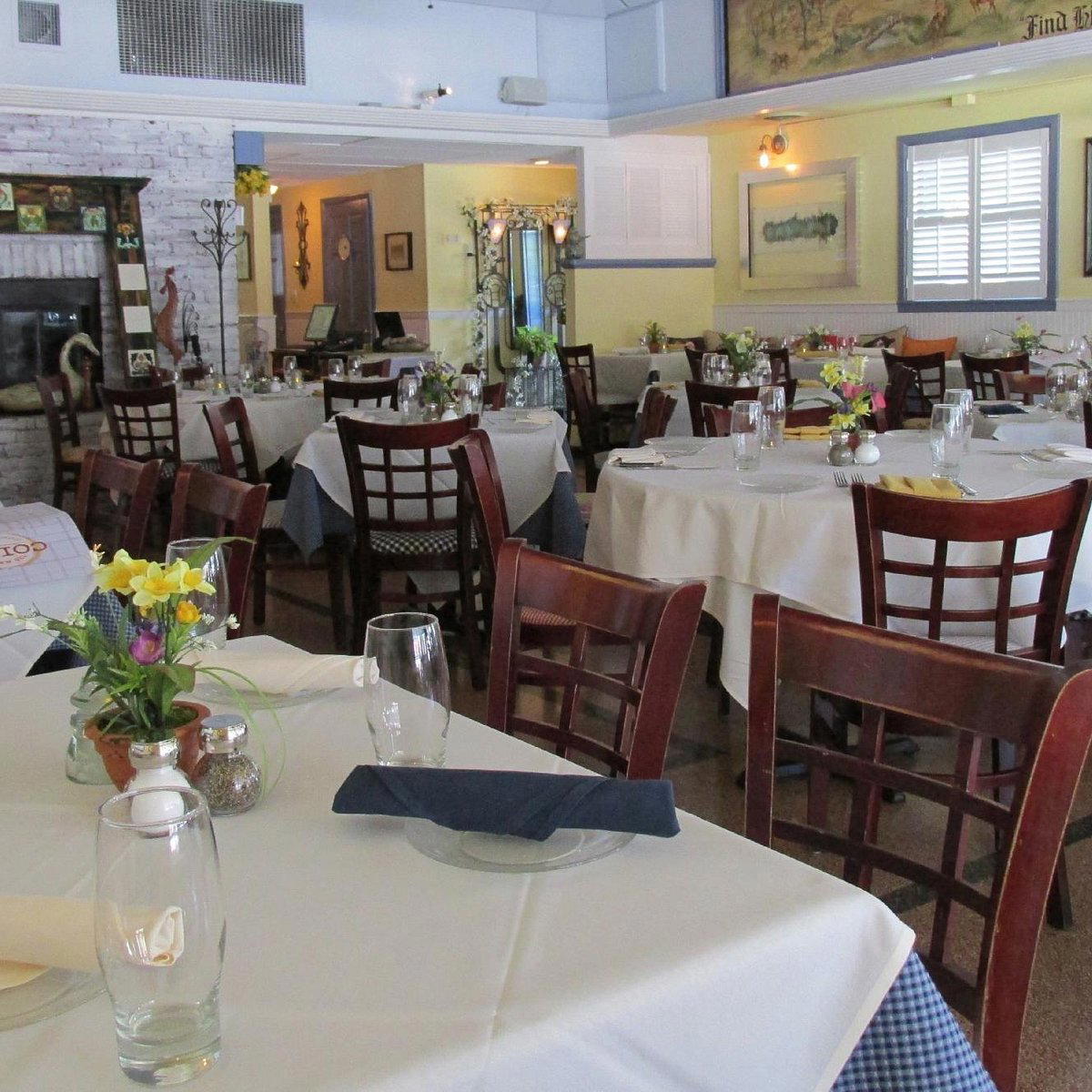
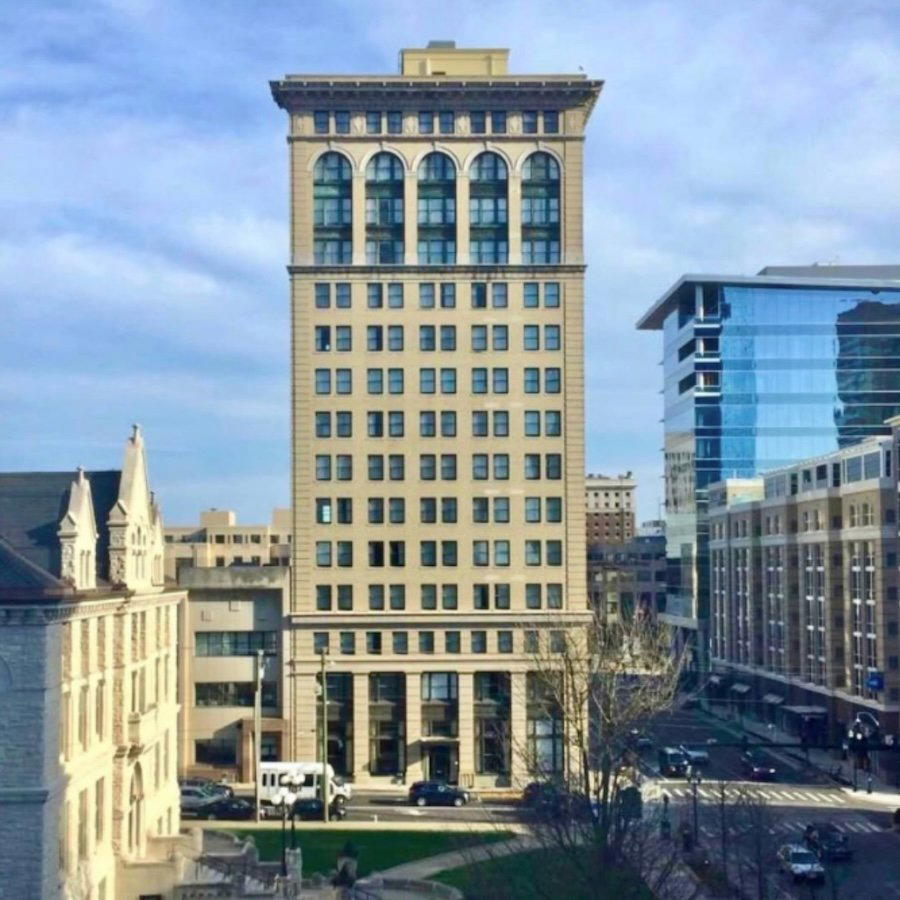
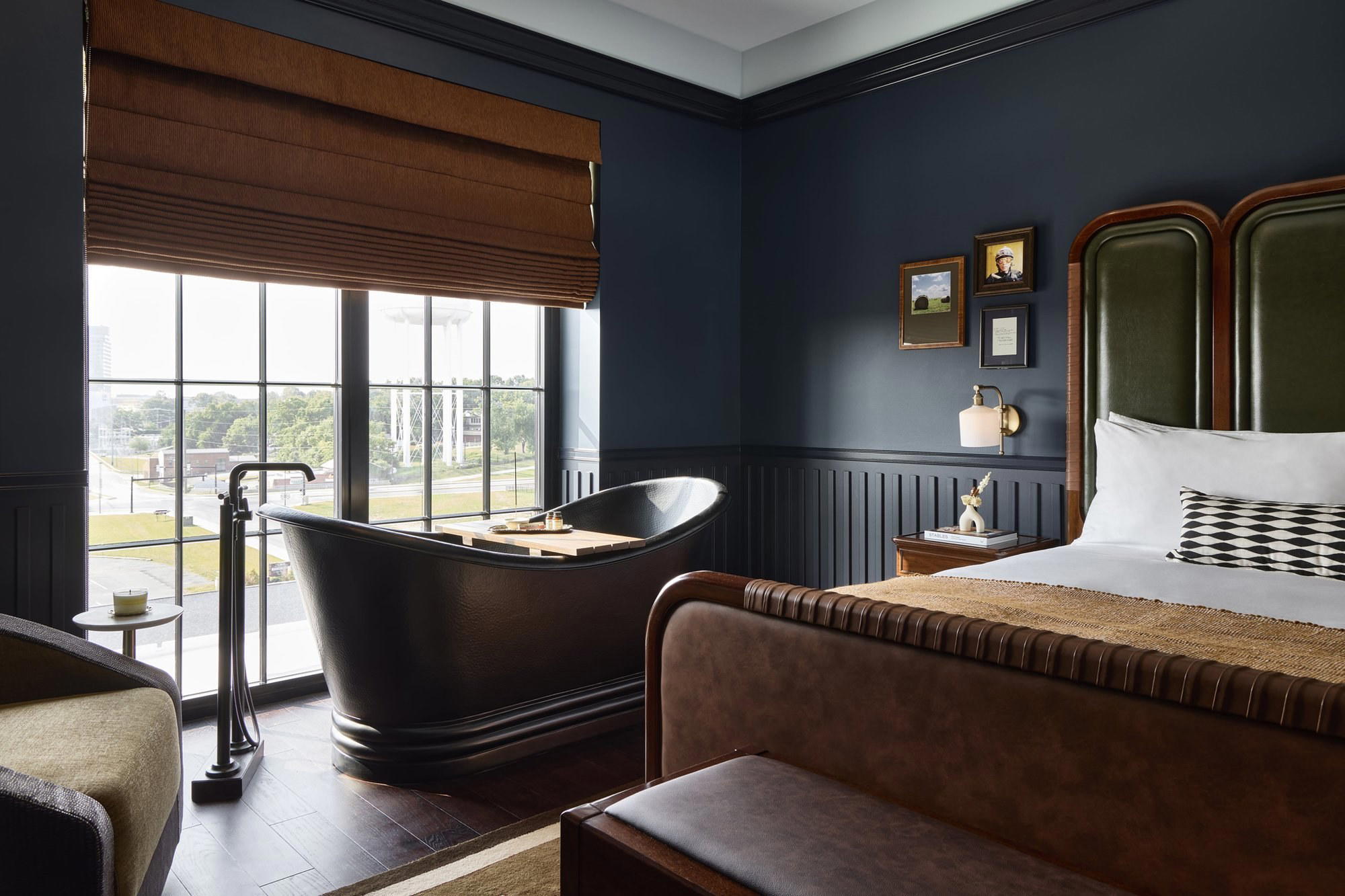
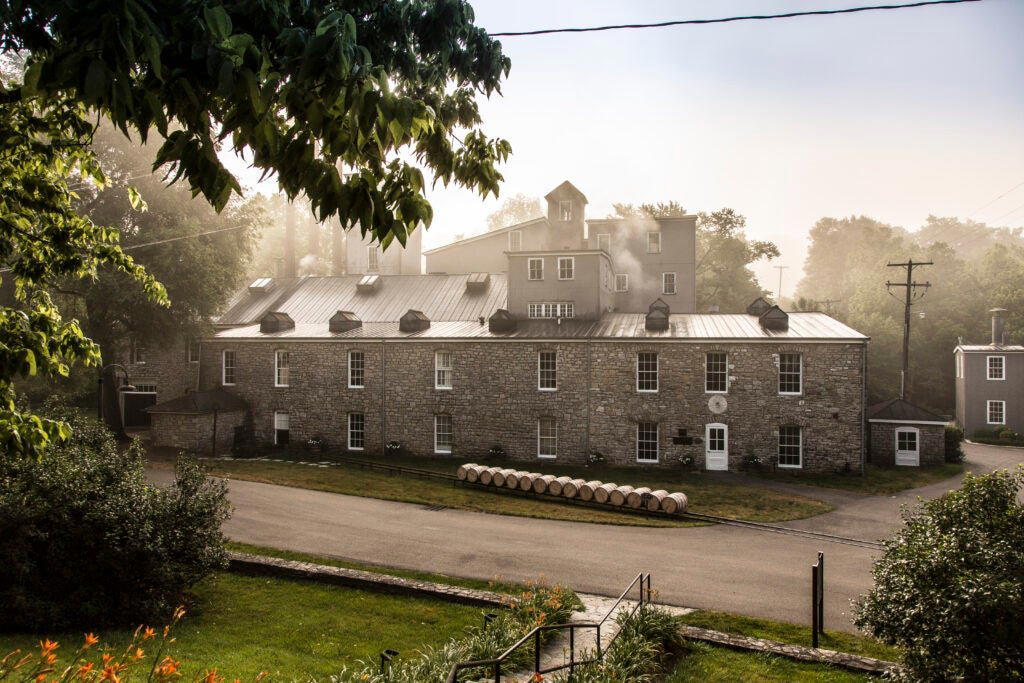
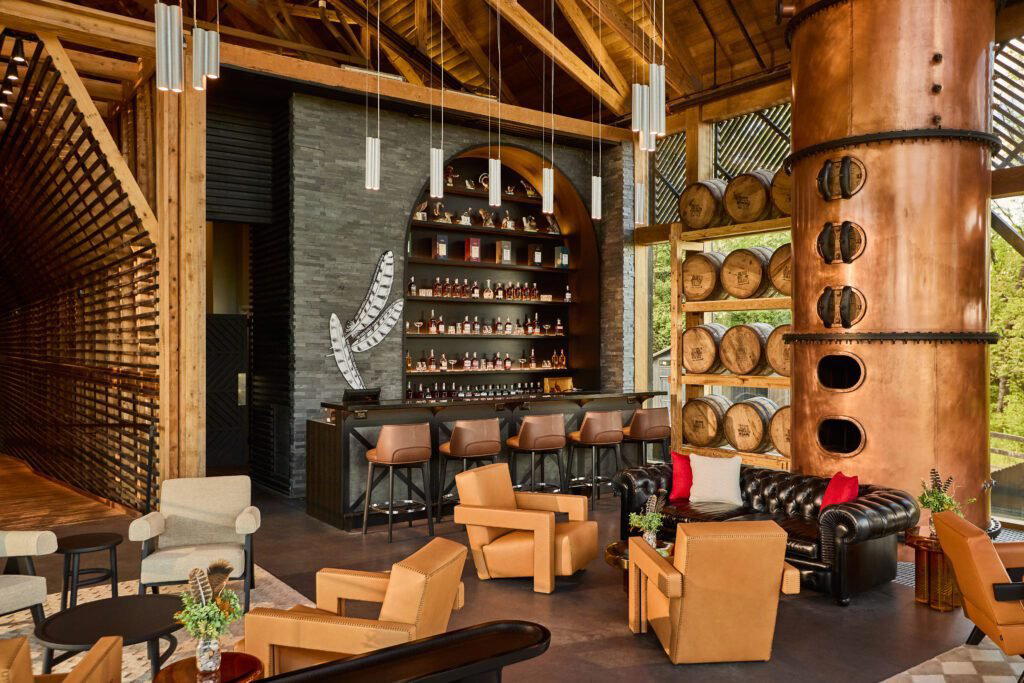
Modern southern design with high ceilings, contemporary-rustic mix, warm hospitality-focused atmosphere.