

A dusky-pink 18th-century palace in the village of Estoi, roughly 10 kilometres north of Faro, converted into a pousada where Rococo architecture meets contemporary hotel standards. The regal gardens, ornate facades, and domed rooflines mark it as one of the Algarve's most architecturally distinctive heritage conversions, placing it in a different competitive tier from the coast's resort-focused luxury properties.
Pearl is the En Primeur Club membership app — saves, bookings, and concierge access live there. Same editors, same standards.
- Address
- R. de São Jose, 8005-465 Estói, Portugal
- Phone
- +351 289 372 510
- Website
- pousadas.pt
- Directions
- Get directions
 Saves & bookings on Pearl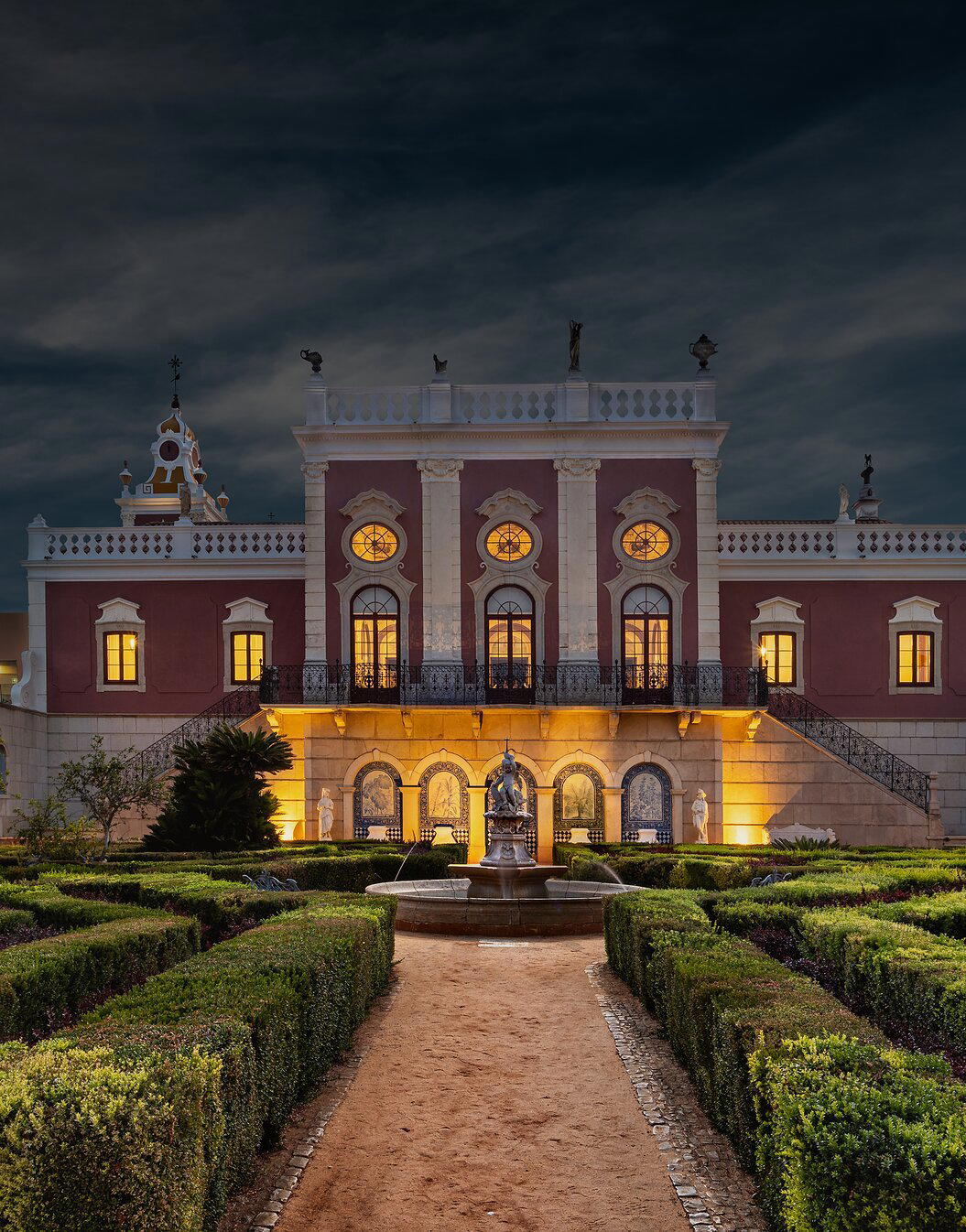
A Palace at the Edge of the Algarve Interior
Pousada Palácio de Estoi is a 5-star hotel in Estoi, Portugal, with rooms from $240 a night. The Palácio de Estoi, a Rococo-inflected 18th-century palace in the village of Estoi, sits at the more ambitious end of that tradition. Its dusky pink walls, dome-capped towers, and terraced gardens covered in blue-and-white azulejo tilework are the kind of exterior that stops coaches on the road from Faro. What the conversion offers is access to that architecture as lived space, not a museum exhibit.
The Algarve's luxury accommodation market splits cleanly between two types: coastal resort complexes oriented around golf, pools, and proximity to beaches, and a smaller category of heritage or design-led properties positioned further inland or in historic towns. The Anantara Vilamoura Algarve Resort and properties near Praia da Rocha, such as the Bela Vista Hotel & Spa, belong to the coastal tier. Pousada Palácio de Estoi operates in the second category, where the architectural asset is the main offering and the surrounding countryside context replaces sea views as the experiential draw.
The Architecture as Programme
Rococo arrived late to Portugal but settled in with particular exuberance, and the Palácio de Estoi is one of the southern region's clearest examples. The style favours ornamental density: curved forms, gilded detail, pastoral imagery rendered in ceramic, and garden design that functions as an extension of interior theatrics. At Estoi, the terraced gardens descend from the palace in a sequence of balustrades, fountains, and statuary that reads more like a stage set than a hotel garden. The azulejo panels that line the garden walls depict classical and allegorical scenes, a feature common to aristocratic Portuguese estates of the 18th and 19th centuries but rarely encountered in this condition outside of Lisbon's Quinta da Regaleira or Porto's Solar de Mateus.
For travellers who have moved through Portugal's heritage hotel circuit, the comparison points are instructive. The Bussaco Palace Hotel in Luso operates in a similarly theatrical architectural register, a neo-Manueline hunting lodge converted to hotel use in the early 20th century. Both properties ask guests to adapt to the building's logic rather than the reverse. Corridors are wide, ceilings are high, and the sense of spatial grandeur takes precedence over the kind of minimalist efficiency associated with contemporary design hotels.
Dining Inside a Heritage Conversion
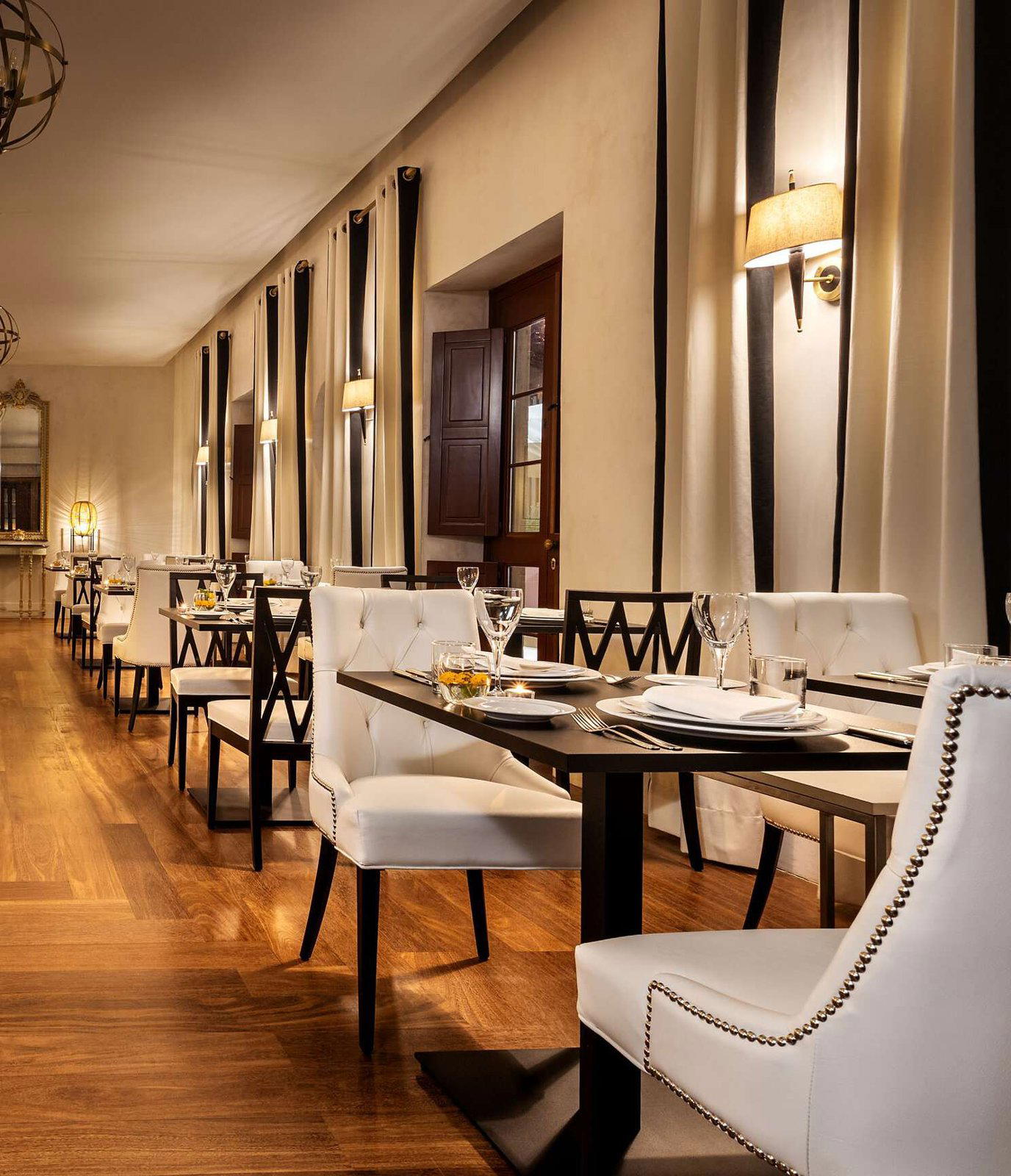
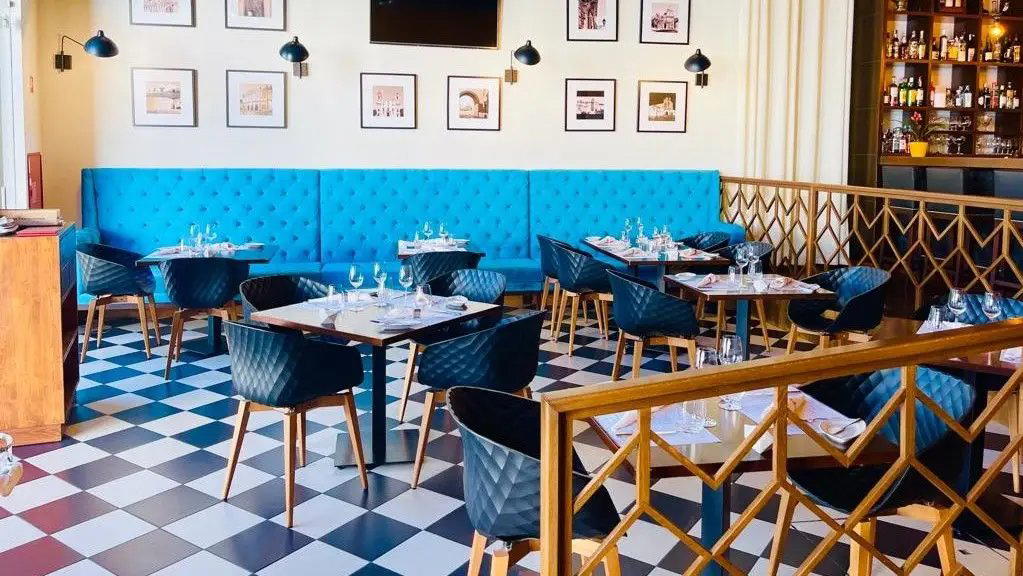
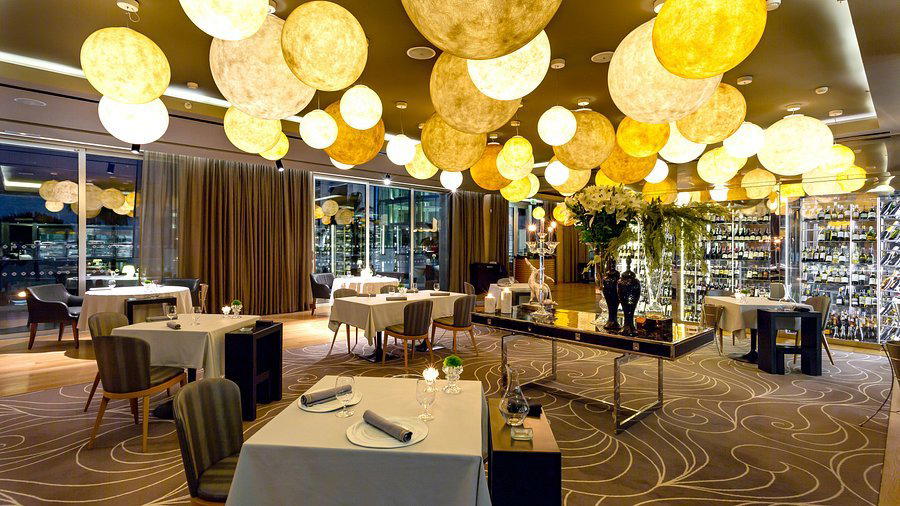
Properties operating under the pousada designation have historically served regional Portuguese cuisine in dining rooms that make the meal a secondary spectacle to the room itself. At Estoi, the dining space inherits the palace's architectural character, and the expectation is that Algarvian ingredients and traditional preparation methods anchor the menu rather than imported culinary frameworks.
The Algarve's food identity is built around a specific pantry: cataplana-braised shellfish, dried figs from the interior, carob from the hillside orchards, fresh sardines and sea bass from the Atlantic coast, and the piri-piri heat that distinguishes the region's grilled preparations from those further north. A pousada kitchen at this latitude draws on that larder as a matter of institutional expectation. The hotel's location in Estoi village, roughly 10 kilometres north of Faro and away from the coastal tourist corridor, places it in proximity to the market town supply chains that serve local restaurants rather than the import-dependent resort kitchens of the coast.
The 3HB Faro represents the city's more direct urban hotel option, useful as a comparison point for guests deciding between a city-centre base and the palace experience 10 kilometres inland.
Positioning Within Portugal's Heritage Hotel Tier
Portugal has produced a coherent set of heritage conversions across its regions, and understanding where Estoi sits within that set matters for booking decisions. The pousada network, managed nationally, guarantees a baseline of institutional standards that independent conversions do not always maintain. That consistency is both a strength and a constraint: the experience has a recognisable shape, which reduces surprises in either direction.
Among Portugal's independent heritage hotels, properties like Casa da Calçada in Amarante and Carmo's Boutique Hotel in Ponte de Lima demonstrate how smaller-scale manor conversions in the north operate with more editorial curation than the pousada system typically allows. In the Algarve interior, the closest point of comparison in terms of rural heritage positioning is Hospedaria da Pensão Agrícola near Tavira, which operates at a more intimate scale. Estoi's palace format places it above that tier in terms of architectural spectacle, while sitting below the international-brand luxury of coastal resorts in terms of service infrastructure.
For travellers building a wider Portugal itinerary, the contrast between Estoi's southern Rococo and properties in the wine regions is considerable. Ventozelo Hotel & Quinta in Ervedosa do Douro and Douro Valley Casa Vale do Douro both situate guests within working agricultural estates where the landscape and the table are directly connected. Estoi offers a different proposition: a courtly architectural experience with the Algarve's warm climate and proximity to Faro's airport as practical advantages for short stays.
Planning a Stay
The village of Estoi sits approximately 10 kilometres north of Faro, making Faro International Airport the logical arrival point, with a short drive completing the transfer. Reservation is recommended. The Algarve's peak season runs from June through September, when the surrounding region operates under high tourist pressure; staying at Estoi in that period means the palace gardens and quieter village setting become a genuine contrast to the coastal crowds rather than an incidental feature. The shoulder months of April, May, and October offer lower ambient temperatures suited to spending time in the gardens, which are the property's most distinctive asset and best experienced at a pace that peak-season volumes at coastal resorts make difficult.
Guests interested in comparable approaches to historic property conversion elsewhere in Europe might consider Aman Venice, which represents the highest tier of palazzo conversion, or closer to home the Hotel Britania Art Deco in Lisbon for a sense of how the Portuguese capital handles its own heritage building stock. The Estoi palace operates at a different scale and price register from either, with the pousada network's institutional backing providing reliability that smaller independent conversions cannot always guarantee.
Budget and Context
Comparable venues nearby, for context on price, style, and recognition.
| Venue | Price | Awards | Notes |
|---|---|---|---|
| Pousada Palácio de EstoiThis venue — the venue you are viewing | $$$$ | 5-Star | Not listed |
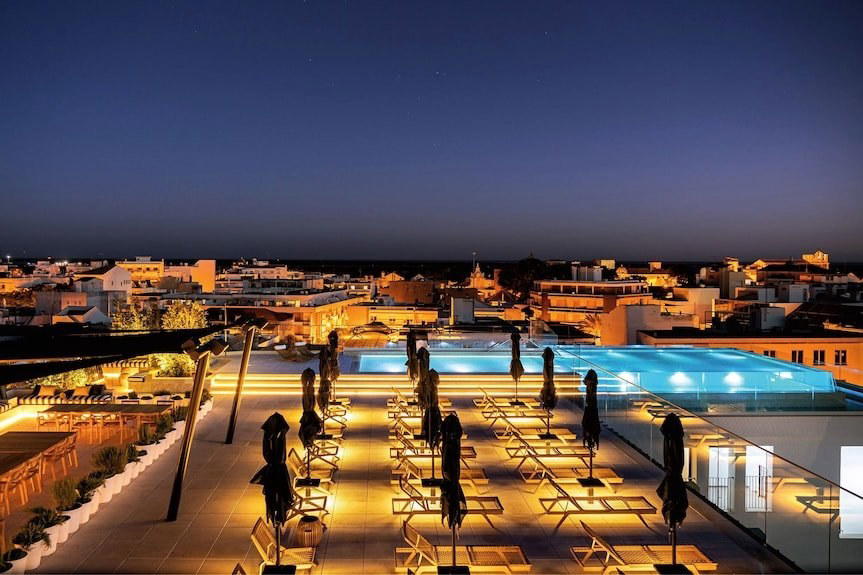
| 3HB Faro | $$$$ | Michelin 1 Key | Faro City Centre, Contemporary urban five-star hotel with rooftop infinity pool and spa. |
| Dream Guincho | $$$$ | 5-Star | Malveira da Serra, Modern wooden architecture integrated into nature with sustainable features |
| Viceroy at Ombria Algarve | $$$$ | 5-Star | Ombria, Mediterranean village-style hillside retreat with indoor-outdoor living |
| Palacete Chafariz D'El Rei | $$$$ | 5-Star | Alfama, Restored 19th-century neo-Moorish palace blending historic charm with boutique luxury. |
| Pedras Salgadas Spa & Nature Park | $$$$ | 5-Star | Pedras Salgadas, Sustainable eco-resort with treehouses and eco-houses in historic nature park |
Recognition history
Dated appearances from independent guides and award organizations, with the underlying list record or original source where available.
Michelin Selected
Michelin
Small Luxury Hotels of the World Member
Small Luxury Hotels of the World
At a Glance
- Romantic
- Elegant
- Classic
- Scenic
- Romantic Getaway
- Honeymoon
- Anniversary
- Destination Wedding
- Wellness Retreat
- Historic Building
- Garden
- Terrace
- Panoramic View
- Destination Spa
- Wi Fi
- Outdoor Pool
- Indoor Pool
- Spa
- Fitness Center
- Restaurant
- Bar
- Room Service
- Concierge
- Business Center
- Free Parking
- EV Charging
- Sauna
- Massage
- Garden
- Mountain
- Wi Fi
- Outdoor Pool
- Indoor Pool
- Spa
- Fitness Center
- Restaurant
- Bar
- Room Service
- Concierge
- Business Center
- Free Parking
- EV Charging
- Sauna
- Massage
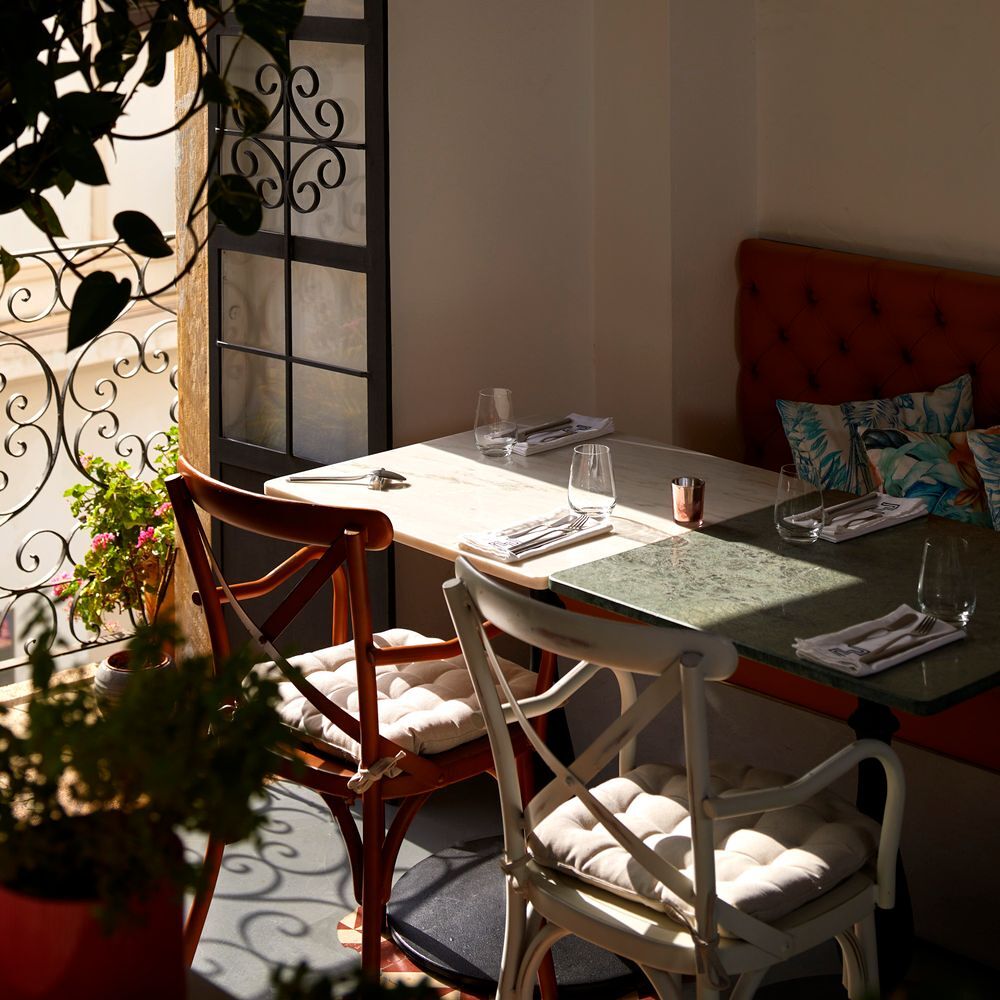
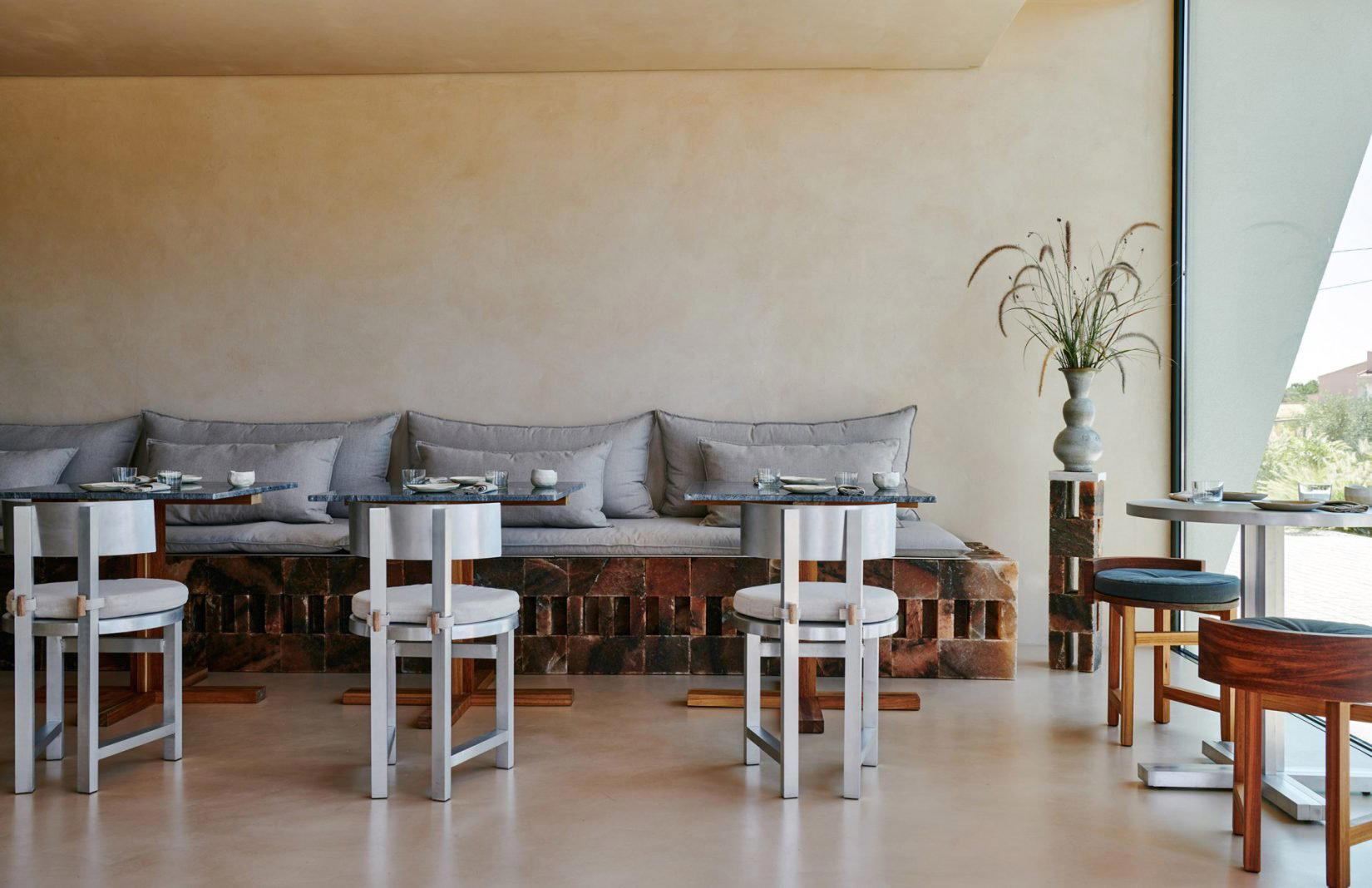
Elegant and refined with a blend of historic grandeur and modern minimalism; ornate antique paintings, glimmering gold leaf, and ornate plasterwork in public areas contrast with contemporary, light-filled guest rooms; peaceful and intimate atmosphere enhanced by indoor gardens throughout hallways.