Where Vilamoura Drinks After Dark The Algarve's bar culture has long operated on two speeds: the strip-facing venues built around volume and tourist turnover, and a smaller set of addresses that draw a more consistent, locally-anchored crowd. Alambique Bar, on Rua da Quinta do Romão in Quarteira, sits closer to the latter. The street address places it at the quieter residential edge of Vilamoura's orbit, away from the marina promenade where cocktail menus tend to be laminated and the music competes with conversation. That physical remove is itself a signal about who the bar is designed for. Approaching from the marina side, the shift in atmosphere is gradual rather than abrupt. Vilamoura's hospitality infrastructure is dense along the waterfront, all yacht-adjacent terraces and hotel bars priced for the summer peak. Moving inland toward Quarteira, the character changes: smaller frontages, less performance, more neighbourhood logic. Alambique occupies that transitional zone, which in Portugal's bar geography tends to produce the more interesting drinking rooms. The Cocktail Programme in Context Portugal's cocktail scene has undergone a quiet structural change over the past decade. Lisbon led the shift, with bars like Red Frog in Lisbon establishing a technically serious, internationally referenced programme that proved Portuguese drinkers would support format-led cocktail bars rather than just wine-and-beer venues. Porto followed, with spots like Base Porto developing their own voice within that movement. The Algarve, historically slower to absorb these shifts given its seasonal visitor base, has begun producing addresses that belong to the same conversation. The name Alambique, Portuguese for alembic or distillation still, carries a specific reference. In the context of a bar, it points toward an interest in spirits at the production level: the apparatus of distillation, the transformation of raw material into something concentrated and precise. Whether that manifests in a focus on Portuguese aguardente, aged spirits, or craft distillates is the kind of venue-specific detail that belongs to a first visit rather than a preview, but the name sets a frame of reference that distinguishes the bar from venues that lead with frozen cocktails or imported spirit brands as status markers. The Algarve's own agricultural heritage provides a relevant backstory for bars willing to build around it. Along the southern coast, venues like Mosto Wine Shop and Bar in Lagos and Touriga Wine and Dine in Carvoeiro have both developed drinks programmes that draw on regional produce, positioning the western Algarve as a credible zone for serious drinking beyond the beach. The Algarve Bar Scene: A Structural Note Understanding Alambique's position requires understanding how the Algarve's hospitality economy functions by season. Between June and September, the region hosts a visitor population that creates both opportunity and distortion: bars can fill quickly on volume alone, which reduces the competitive pressure to develop a distinctive programme. The bars that do develop one, despite that pressure relief, tend to be the ones worth seeking outside peak season as well. Further along Portugal's Atlantic coast, bars like Bar e Duna da Cresmina in Cascais e Estoril and Bar do Guincho in Alcabideche operate in similarly coastal-resort contexts and have navigated that same tension between seasonal volume and year-round identity. In Estoril itself, Estoril Bar occupies a different tier of Portuguese coastal drinking, shaped by its proximity to Lisbon and the casino district's particular atmosphere. The Algarve equivalent of that layered identity is still forming, which is part of what makes bars like Alambique worth tracking. Inland and northward, Garrafeira Baga in Coimbra represents the wine-bar strand of Portugal's serious drinking culture, where the focus shifts from cocktail craft to cellar depth and producer relationships. That division, between cocktail-led bars and wine-led bars, runs through most of Portugal's mid-sized cities, and the Algarve is no exception. Alambique's name suggests it lives on the spirits and cocktail side of that divide. Planning a Visit Alambique Bar is located at Rua da Quinta do Romão in Quarteira, the municipality that adjoins Vilamoura to the east. Quarteira operates as a year-round residential town rather than a pure resort, which affects the bar's rhythm and clientele outside summer months. Visitors staying within the Vilamoura marina complex can reach it on foot or by short taxi, keeping the distance manageable without requiring a car. For those exploring the broader Algarve bar circuit, it pairs logically with the Lagos and Carvoeiro addresses further west, either as a starting point or a return stop depending on direction of travel. For a complete picture of drinking and dining options across the area, our full Vilamoura restaurants guide maps the wider field. Portugal's cocktail culture at its most developed is still centred in Lisbon and Porto, but addresses like those in The Yeatman Hotel in Vila Nova de Gaia and Venda Velha in Funchal show how the country's bar identity is extending into its hotel and island drinking rooms as well. For international reference, Café La Trova in Miami represents the kind of spirits-led, culturally-anchored bar programme that the better Portuguese addresses are increasingly measured against on a global scale. Frequently Asked Questions How would you describe the overall feel of Alambique Bar? Alambique sits at the quieter, more residential edge of Vilamoura's hospitality zone, which gives it a different atmosphere from the marina-facing venues built around peak summer volume. The bar's name references distillation apparatus, suggesting an orientation toward spirits craft rather than high-turnover cocktail service. Without a Michelin flag or published awards on record, its reputation appears to rest on neighbourhood consistency rather than critical recognition, which in Portugal's bar geography often signals an address that performs more reliably across seasons than its flashier competitors. What do regulars order at Alambique Bar? What the name Alambique does signal is an interest in the distillation side of spirits culture, which in the Algarve context points plausibly toward regional spirits like medronho, Portuguese brandy, or craft gins that have expanded significantly across domestic producers in recent years. In bars that lead with this kind of spirits identity, the more considered orders tend to be spirit-forward rather than heavily modified, letting the base product carry the drink. Is Alambique Bar worth visiting outside the main summer season? Quarteira, where Alambique is located, functions as a year-round residential town rather than a purely seasonal resort, which suggests the bar has a local customer base that sustains it beyond the June-to-September peak. Bars in Portugal's coastal zone that hold year-round trade tend to be more consistent in both programme and service than those calibrated entirely for tourist volume. Visiting in shoulder months, April through May or October, typically means shorter waits, more available seating, and bar staff with more time for conversation about what they are pouring.
Pearl is the En Primeur Club membership app — saves, bookings, and concierge access live there. Same editors, same standards.
- Address
- R. da Quinta do Romão, 8125-301 Quarteira, Portugal
- Directions
- Get directions
 Saves & bookings on Pearl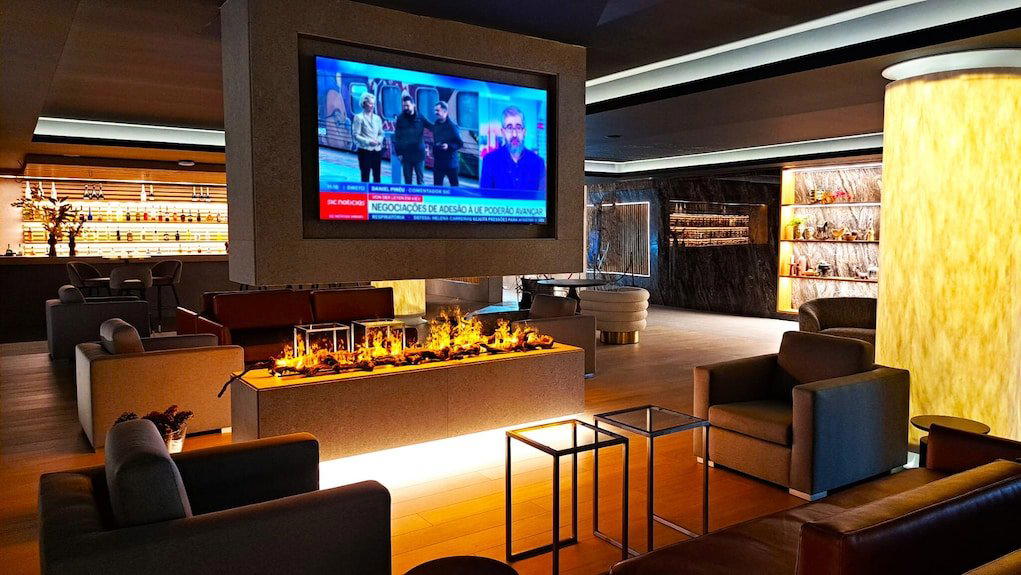
Where Vilamoura Drinks After Dark
The Algarve's bar culture has long operated on two speeds: the strip-facing venues built around volume and tourist turnover, and a smaller set of addresses that draw a more consistent, locally-anchored crowd. Alambique Bar, on Rua da Quinta do Romão in Quarteira, sits closer to the latter. The street address places it at the quieter residential edge of Vilamoura's orbit, away from the marina promenade where cocktail menus tend to be laminated and the music competes with conversation. That physical remove is itself a signal about who the bar is designed for.
Approaching from the marina side, the shift in atmosphere is gradual rather than abrupt. Vilamoura's hospitality infrastructure is dense along the waterfront, all yacht-adjacent terraces and hotel bars priced for the summer peak. Moving inland toward Quarteira, the character changes: smaller frontages, less performance, more neighbourhood logic. Alambique occupies that transitional zone, which in Portugal's bar geography tends to produce the more interesting drinking rooms.
The Cocktail Programme in Context
Portugal's cocktail scene has undergone a quiet structural change over the past decade. Lisbon led the shift, with bars like Red Frog in Lisbon establishing a technically serious, internationally referenced programme that proved Portuguese drinkers would support format-led cocktail bars rather than just wine-and-beer venues. Porto followed, with spots like Base Porto developing their own voice within that movement. The Algarve, historically slower to absorb these shifts given its seasonal visitor base, has begun producing addresses that belong to the same conversation.
The name Alambique, Portuguese for alembic or distillation still, carries a specific reference. In the context of a bar, it points toward an interest in spirits at the production level: the apparatus of distillation, the transformation of raw material into something concentrated and precise. Whether that manifests in a focus on Portuguese aguardente, aged spirits, or craft distillates is the kind of venue-specific detail that belongs to a first visit rather than a preview, but the name sets a frame of reference that distinguishes the bar from venues that lead with frozen cocktails or imported spirit brands as status markers.
The Algarve's own agricultural heritage provides a relevant backstory for bars willing to build around it. Along the southern coast, venues like Mosto Wine Shop and Bar in Lagos and Touriga Wine and Dine in Carvoeiro have both developed drinks programmes that draw on regional produce, positioning the western Algarve as a credible zone for serious drinking beyond the beach.
The Algarve Bar Scene: A Structural Note
Understanding Alambique's position requires understanding how the Algarve's hospitality economy functions by season. Between June and September, the region hosts a visitor population that creates both opportunity and distortion: bars can fill quickly on volume alone, which reduces the competitive pressure to develop a distinctive programme. The bars that do develop one, despite that pressure relief, tend to be the ones worth seeking outside peak season as well.
Further along Portugal's Atlantic coast, bars like Bar e Duna da Cresmina in Cascais e Estoril and Bar do Guincho in Alcabideche operate in similarly coastal-resort contexts and have navigated that same tension between seasonal volume and year-round identity. In Estoril itself, Estoril Bar occupies a different tier of Portuguese coastal drinking, shaped by its proximity to Lisbon and the casino district's particular atmosphere. The Algarve equivalent of that layered identity is still forming, which is part of what makes bars like Alambique worth tracking.
Inland and northward, Garrafeira Baga in Coimbra represents the wine-bar strand of Portugal's serious drinking culture, where the focus shifts from cocktail craft to cellar depth and producer relationships. That division, between cocktail-led bars and wine-led bars, runs through most of Portugal's mid-sized cities, and the Algarve is no exception. Alambique's name suggests it lives on the spirits and cocktail side of that divide.
Planning a Visit
Alambique Bar is located at Rua da Quinta do Romão in Quarteira, the municipality that adjoins Vilamoura to the east. Quarteira operates as a year-round residential town rather than a pure resort, which affects the bar's rhythm and clientele outside summer months. Visitors staying within the Vilamoura marina complex can reach it on foot or by short taxi, keeping the distance manageable without requiring a car. For those exploring the broader Algarve bar circuit, it pairs logically with the Lagos and Carvoeiro addresses further west, either as a starting point or a return stop depending on direction of travel. For a complete picture of drinking and dining options across the area, our full Vilamoura restaurants guide maps the wider field. Portugal's cocktail culture at its most developed is still centred in Lisbon and Porto, but addresses like those in The Yeatman Hotel in Vila Nova de Gaia and Venda Velha in Funchal show how the country's bar identity is extending into its hotel and island drinking rooms as well. For international reference, Café La Trova in Miami represents the kind of spirits-led, culturally-anchored bar programme that the better Portuguese addresses are increasingly measured against on a global scale.
Continue exploring
More in Vilamoura
Bars in Vilamoura
Browse all →
Restaurants in Vilamoura
Browse all →
Hotels in Vilamoura
Browse all →
Wineries in Vilamoura
Browse all →

At a Glance
- Elegant
- Sophisticated
- Late Night
- Seated Bar
- Lounge Seating
Elegant dining atmosphere with table service and full bar.
Know Before You Go
- Getting there
- R. da Quinta do Romão, 8125-301 Quarteira, Portugal