Naladhu Private Island Maldives

La Liste Top Hotels
Naladhu Private Island occupies a private island in South Malé Atoll, earning 90.5 points in the 2026 La Liste Top Hotels rankings. The property sits at the smaller, design-led end of Maldivian luxury, where low guest counts and architectural restraint define the offer. Reach is via speedboat from Velana International Airport, placing it within the competitive South Atoll corridor alongside properties like Ozen Reserve Bolifushi and Taj Exotica.

Pearl is the En Primeur Club membership app — saves, bookings, and concierge access live there. Same editors, same standards.
- Address
- Veligandu Huraa, South Male Atoll 20109
- Phone
- +960 664-4111
- Website
- naladhu.com
- Directions
- Get directions
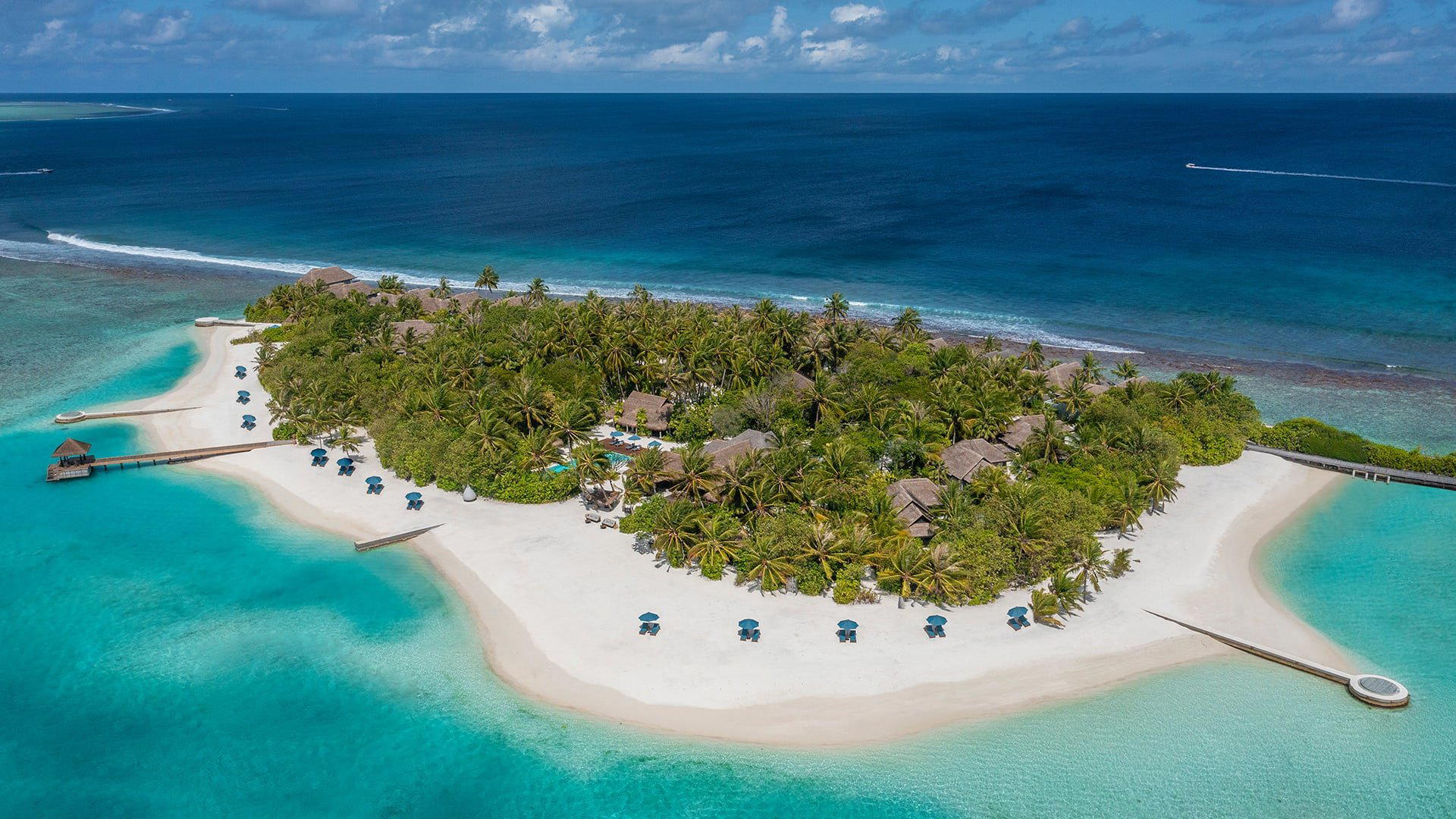
A Private Island Built Around Silence
The uppermost tier of Maldivian resort accommodation has split decisively over the past decade. On one side sit the large-format properties with sprawling villa counts, multiple dining venues, and vertically integrated entertainment. On the other sits a smaller cohort of low-density islands where architecture, privacy, and material restraint do the heavy lifting. Naladhu Private Island, located on Veligandu Huraa in South Malé Atoll, belongs to the latter group. Its 2026 La Liste Leading Hotels score of 90.5 points places it inside a globally ranked tier that includes properties across every major luxury destination, a signal of consistent delivery rather than novelty.
South Malé Atoll has become one of the more contested corridors in Maldivian hospitality. The presence of Ozen Reserve Bolifushi, Taj Exotica Resort and Spa, Maldives, and Waldorf Astoria Maldives Ithaafushi in the same geographic zone means that properties here are priced and positioned against genuine peer competition, not against a regional average. Within that competitive set, Naladhu's identity is built on restraint and spatial privacy rather than spectacle.
The Architecture of Withdrawal
Across the Indian Ocean's premium island resorts, design philosophy tends to divide into two categories: the performative and the immersive. The performative resorts treat architecture as a backdrop for photography, prioritising visual drama at the expense of livability. Immersive properties invert that hierarchy, using materials, scale, and siting to draw guests inward rather than outward. Naladhu belongs clearly in the second category.
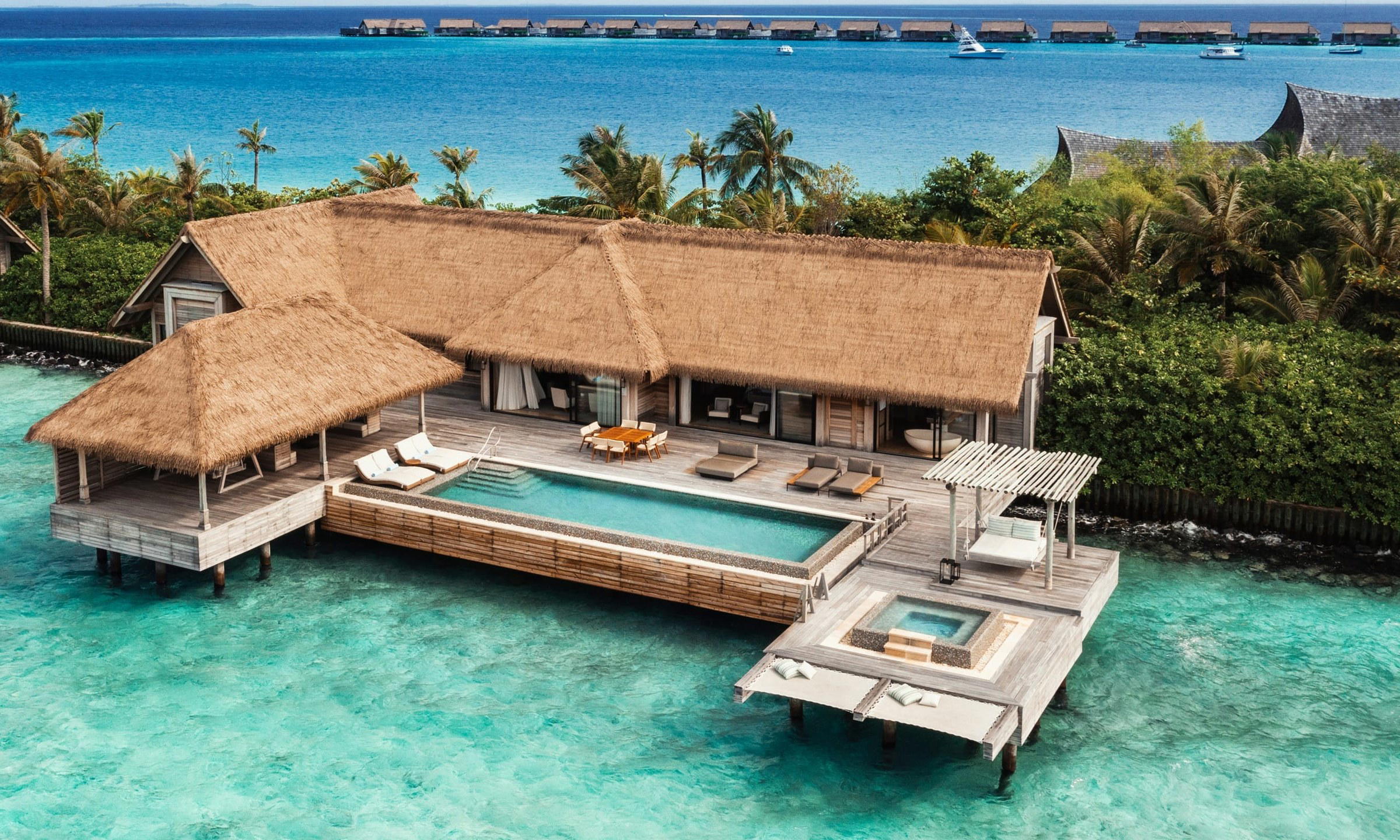
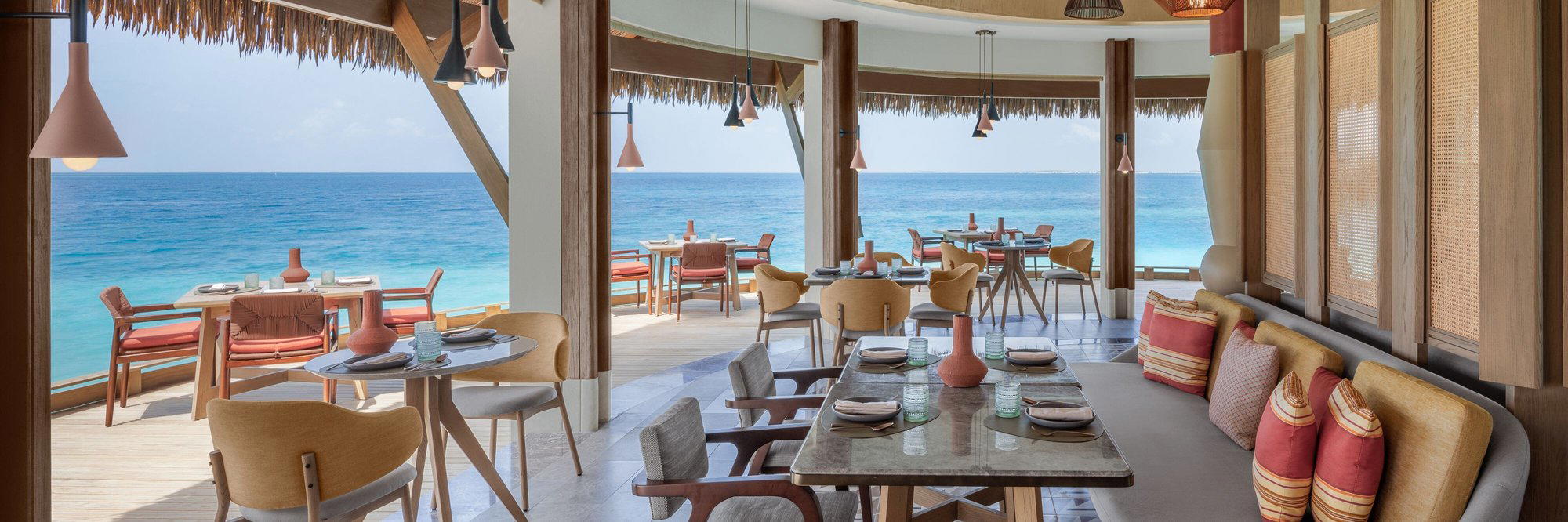
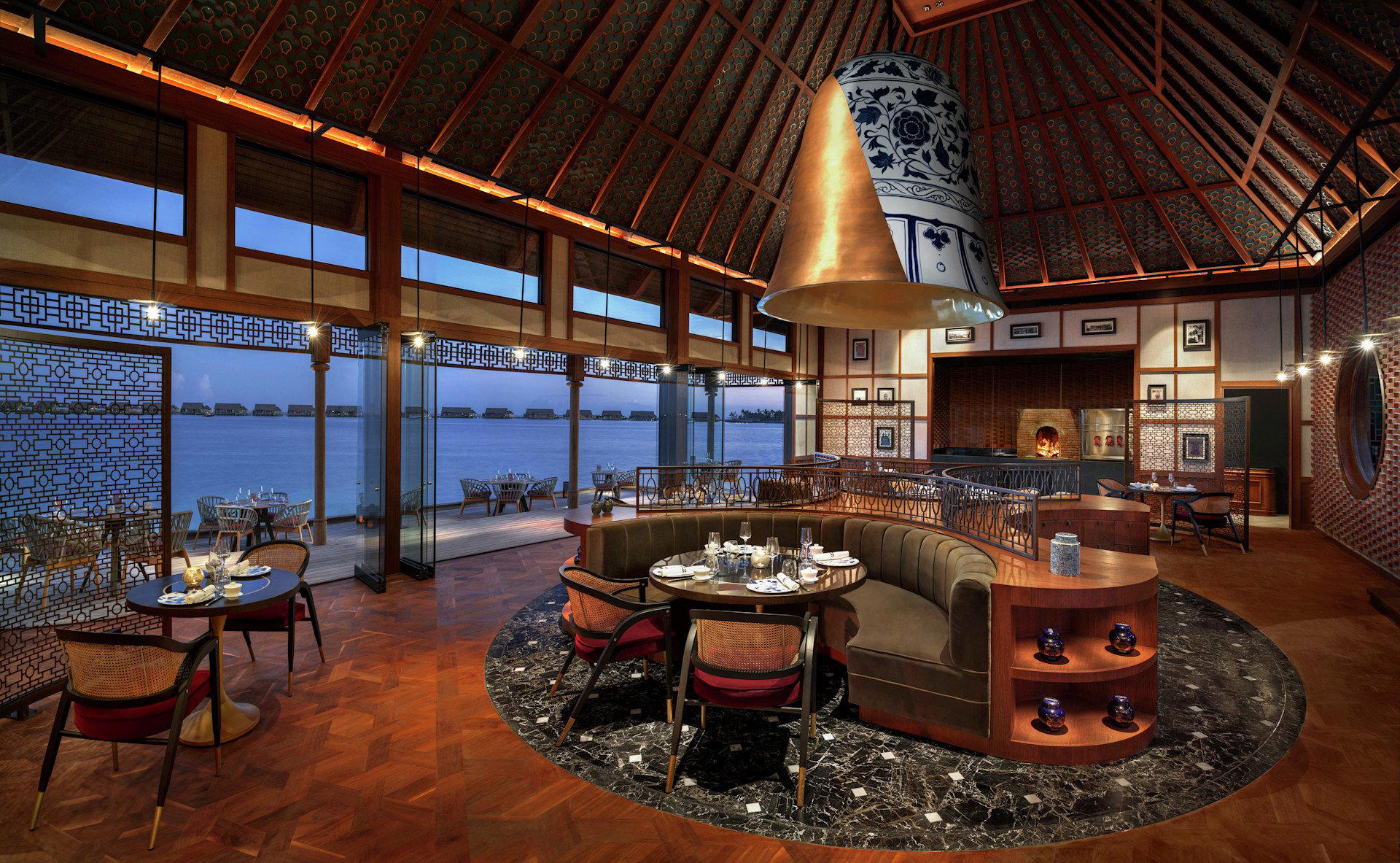
The property's architecture draws from Sri Lankan and Maldivian vernacular traditions, a vocabulary of pitched roofs, dark timber, and open-sided pavilions that respond to the equatorial climate through form rather than air conditioning alone. This regional material language places Naladhu in a different aesthetic lineage than the white-render-and-infinity-pool formula that dominates much of the Maldives' mid-luxury tier. The result is a resort that reads as placed rather than imported, which at this price point is an increasingly meaningful distinction.
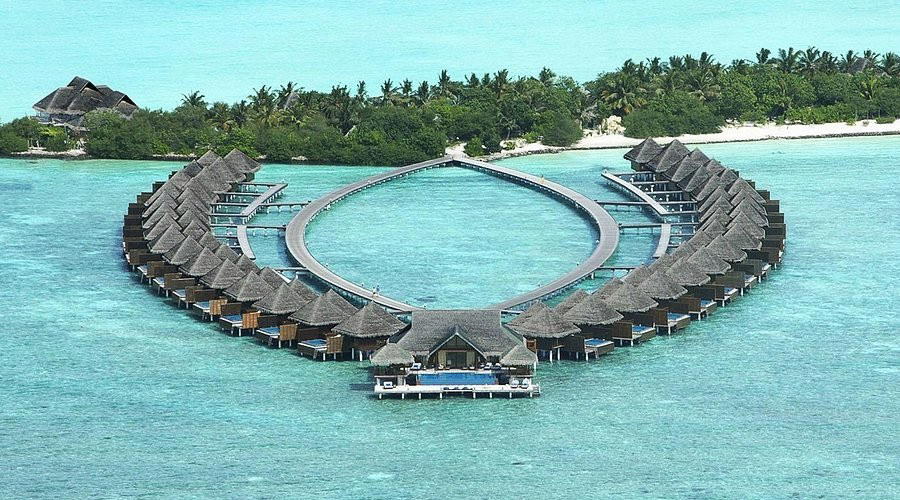
Individual houses, the property's term for its accommodation units, are arranged to maximise separation. In an atoll context where land is scarce, genuine spatial privacy between villas is an architectural achievement as much as a planning decision. The scale of each structure and its relationship to the lagoon and reef positions this as a property where the physical experience of the space itself is the primary amenity. Other Maldivian properties in the same ranked tier, including Soneva Fushi in Eydhafushi and Gili Lankanfushi Maldives, take comparable approaches to low-density siting, though with distinct design vocabularies.
Positioning Within the Maldives Premium Set
The Maldives operates on a seaplane-or-speedboat access model that effectively bundles location into the resort experience before arrival. South Malé Atoll's advantage is proximity to Velana International Airport, reachable by speedboat in roughly 35 to 45 minutes depending on sea conditions. This access profile differs substantially from the northern atolls, where Soneva Jani in Noonu Atoll and Soneva Secret in Haa Dhaalu Atoll require seaplane transfers that add cost and scheduling complexity. For guests who value ease of access, South Malé Atoll's speedboat-accessible properties carry a practical premium.
Within the South Atoll speedboat corridor, the competitive conversation is real. Huvafen Fushi and COMO Cocoa Island, Maldives in Makunufushi offer different formats at comparable access distances, while Niyama Private Islands Maldives represents the dual-island format in a different atoll altogether. Naladhu's position in this set is defined by its scale and its architectural coherence rather than by any single amenity claim.
La Liste's methodology aggregates critical reviews, guest feedback, and editorial recognition across multiple source types, which means a 90.5-point score reflects sustained performance across categories rather than a single standout feature. Properties in a similar band include names that operate in entirely different geographic markets, from Aman New York to Aman Venice, suggesting that the ranking captures a quality of experience rather than a category of destination.
The South Malé Atoll Context
South Malé Atoll hosts a concentration of internationally ranked properties that few other atolls can match at equivalent price points. Guests exploring the full range of options in this zone will find differentiated offers from Banyan Tree Vabbinfaru in North Male Atoll, Coco Bodu Hithi, and Angsana Velavaru, each occupying a distinct position on the scale-versus-intimacy axis. Naladhu sits at the intimate end of that range.
Broader atoll comparisons extend to properties like Amilla Maldives in Baa Atoll, Cora Cora Maldives in Raa Atoll, Baglioni Maldives Luxury All-Inclusive in Dhaalu Atoll, Constance Halaveli Maldives in Alifu Alifu Atoll, Hurawalhi Island Resort in Lhaviyani Atoll, Fushifaru Maldives, COMO Maalifushi in Guraidhoo, and Conrad Maldives Rangali Island in South Ari Atoll. Each makes a different case for the Maldivian luxury formula: all-inclusive structures, marine conservation positioning, or brand-affiliated amenity stacks. Naladhu's case rests on architecture and privacy, which is a harder offer to replicate than a waterslide or a celebrity chef partnership. See our full South Malé Atoll restaurants and hotels guide for a complete map of options in the zone.
Planning a Stay
Access from Velana International Airport is by speedboat, a transfer that places the island within practical reach for guests on long-haul itineraries with same-day connections. The dry season, running roughly from November through April, delivers the calmer lagoon conditions and clearer underwater visibility that the region's diving and snorkelling reputation rests on. Travel outside that window, particularly from June through August, brings stronger swells and occasional rain, though the southern atolls generally experience less weather disruption than their northern counterparts. Booking lead times for the highest-demand period, specifically December through February, warrant early planning, as low-capacity properties in this tier fill ahead of larger-format competitors.
In Context: Similar Options
| Venue | Cuisine | Price | Awards |
|---|---|---|---|
| Naladhu Private Island MaldivesThis venue — the venue you are viewing | This venue | Not listed | La Liste Top Hotels |
| Waldorf Astoria Maldives Ithaafushi | Not listed | $1,500–2,500 | Michelin Selected · La Liste Top Hotels |
| Taj Exotica Resort and Spa, Maldives | Not listed | $1,000–1,500 | Michelin Selected · La Liste Top Hotels |
| Ozen Reserve Bolifushi | Not listed | $1,500–2,500 | 1 Michelin Key · World Travel Awards |
Recognition history
Dated appearances from independent guides and award organizations, with the underlying list record or original source where available.
La Liste Top Hotels
La Liste
Continue exploring
More in South Malé Atoll
Hotels in South Malé Atoll
Browse all →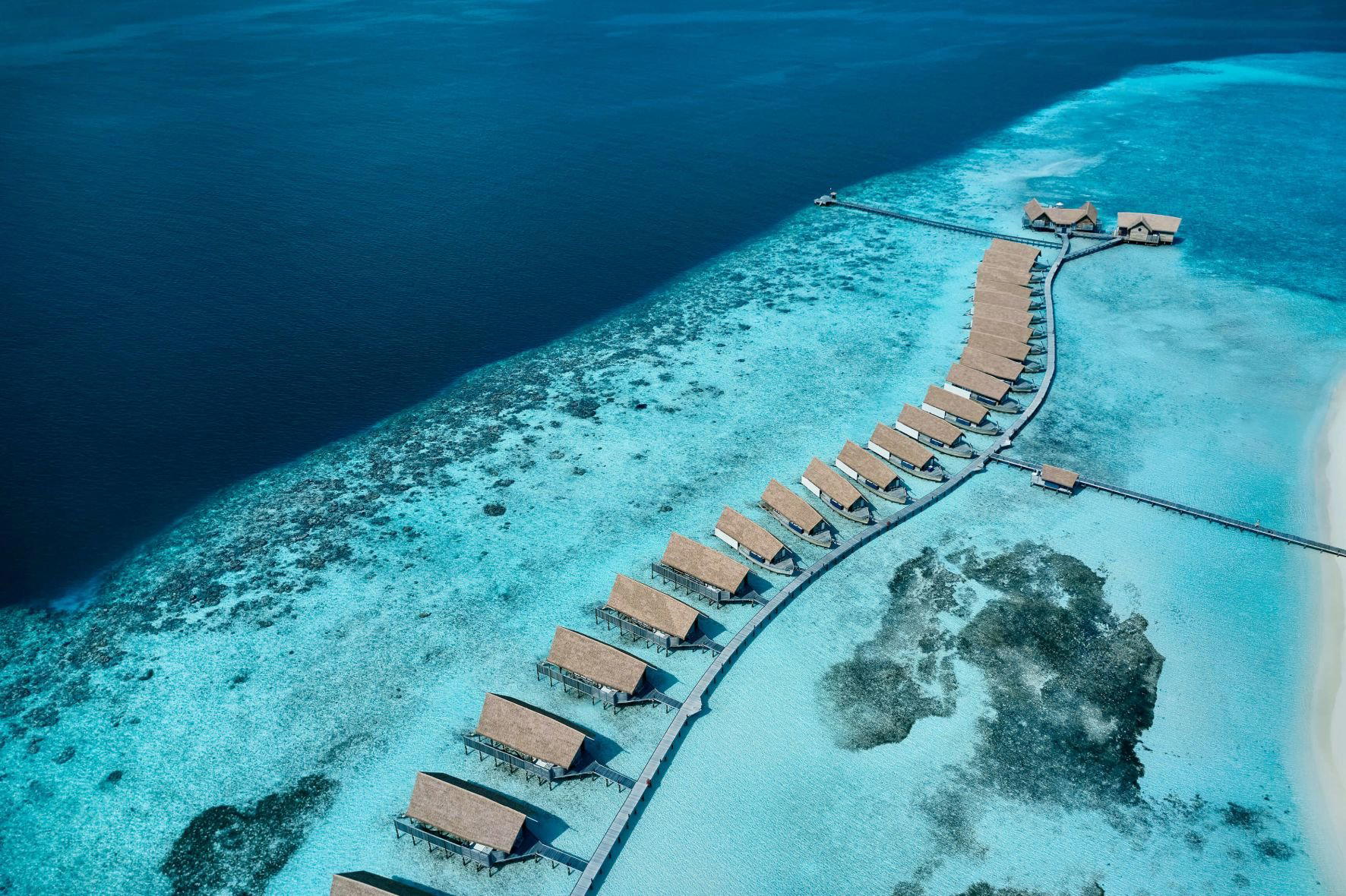
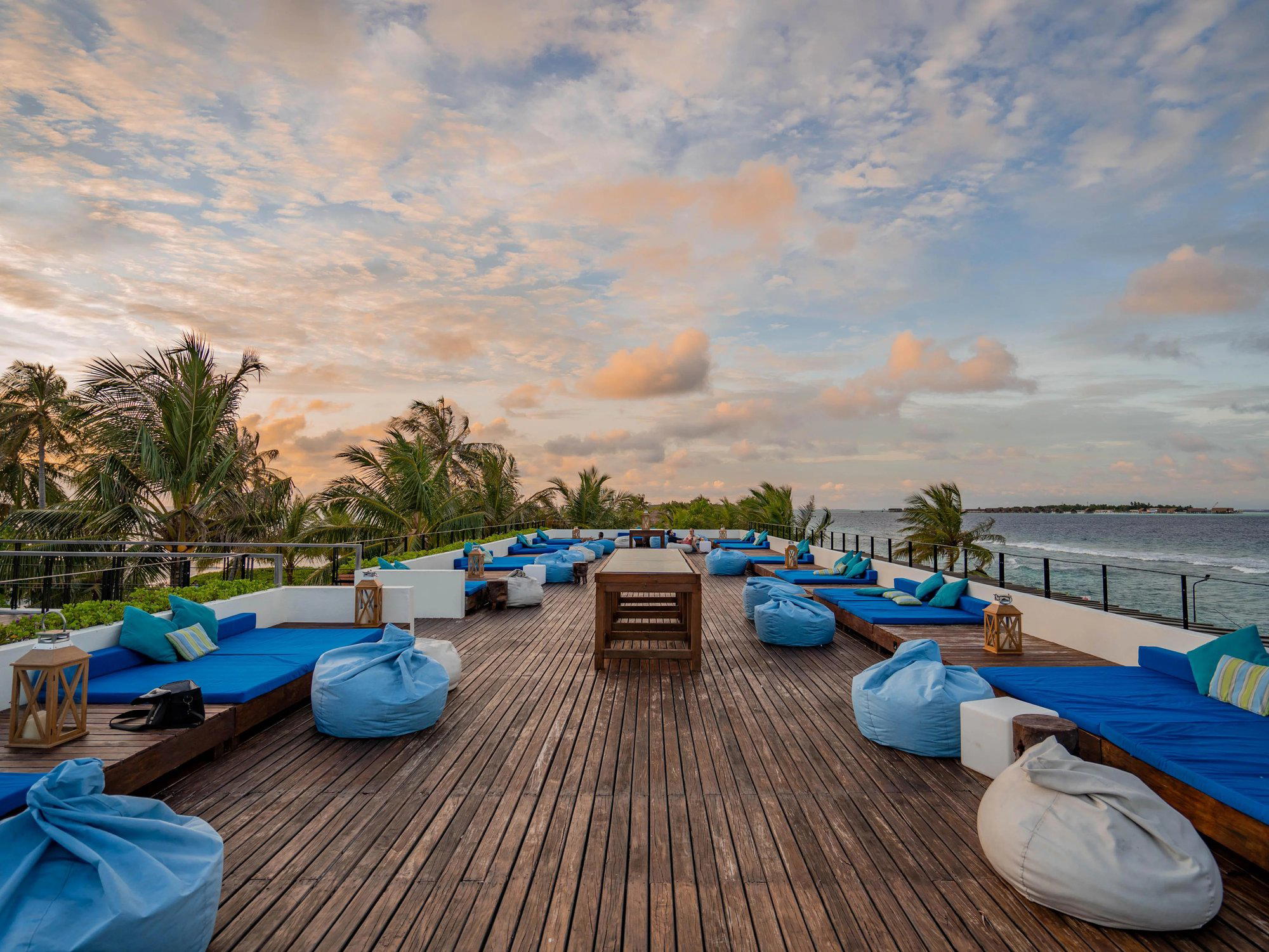
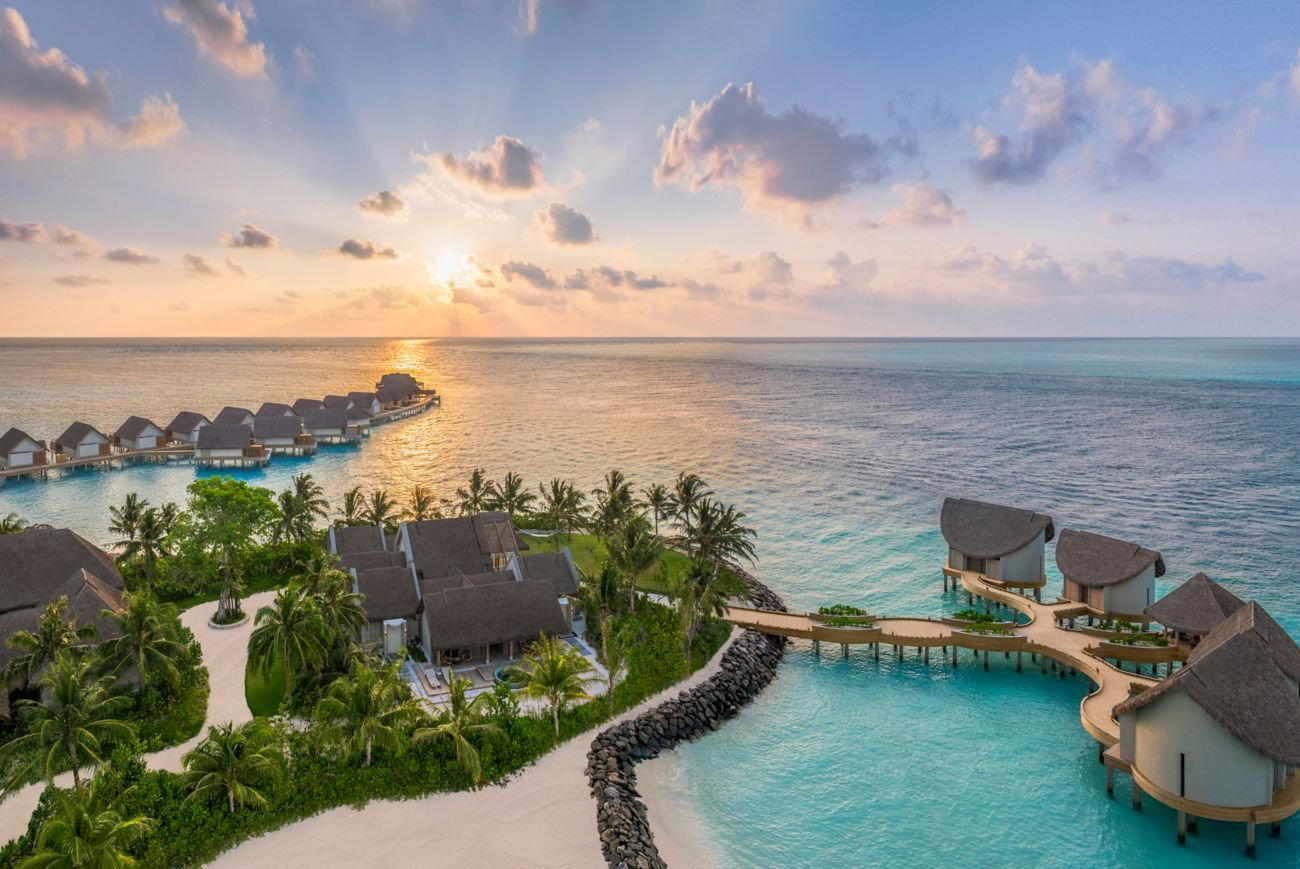
Bars in South Malé Atoll
Browse all →
Details
- Romantic
- Quiet
- Elegant
- Intimate
- Ornate
- Sophisticated
- Honeymoon
- Romantic Getaway
- Anniversary
- Wellness Retreat
- Beachfront
- Private Villa
- Infinity Pool
- Butler Service
- Panoramic View
- Private Dining
- Pool
- Spa
- Fitness Center
- Room Service
- Concierge
- Beach Access
- Wi Fi
- Waterfront
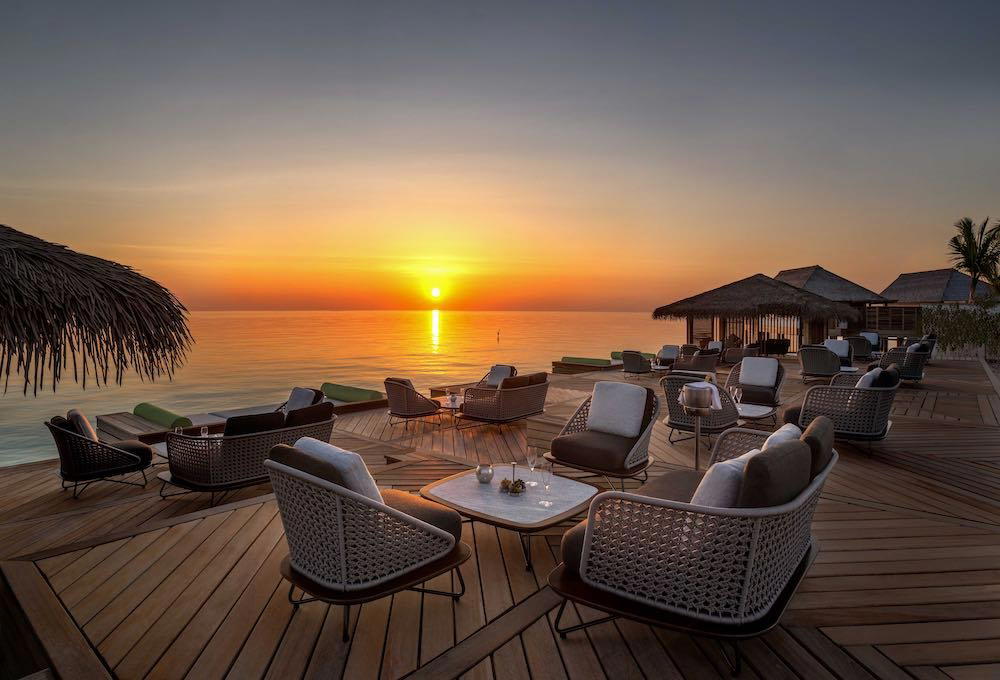
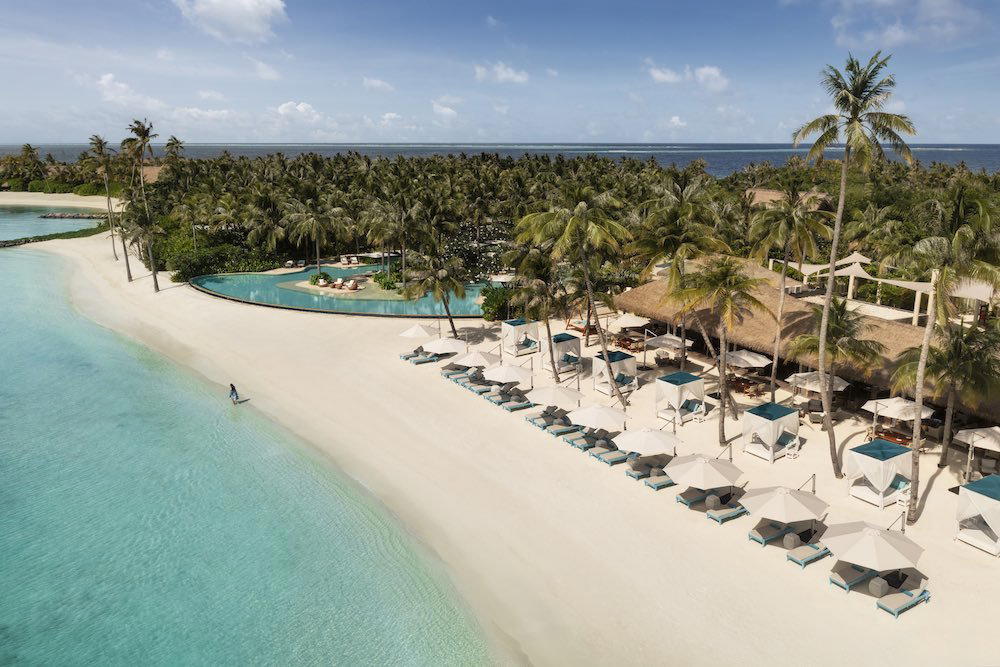
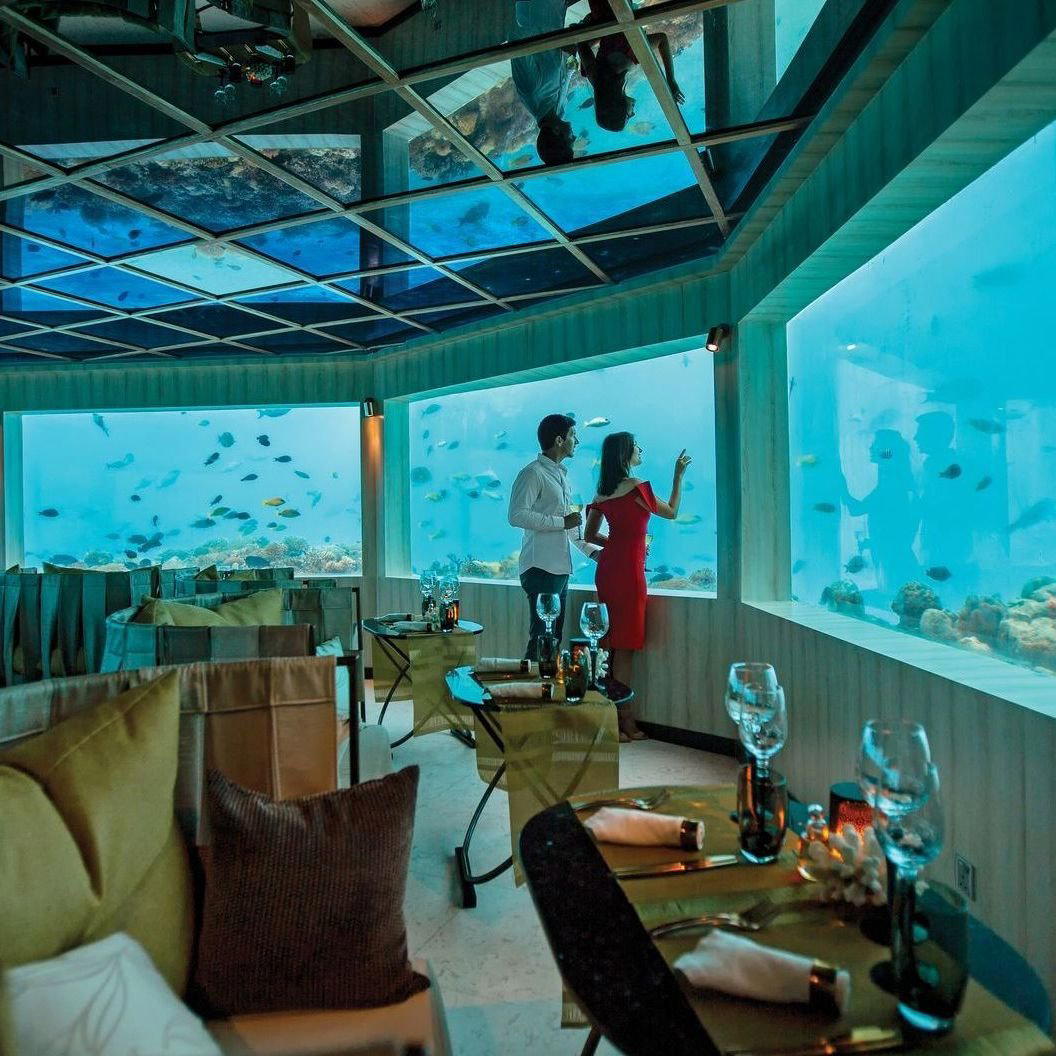
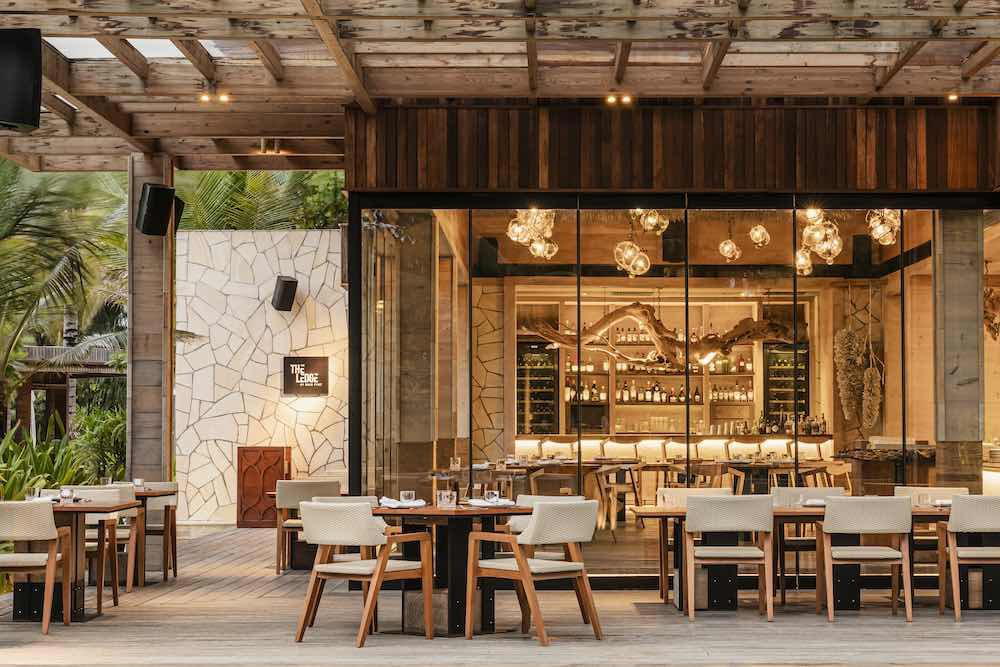
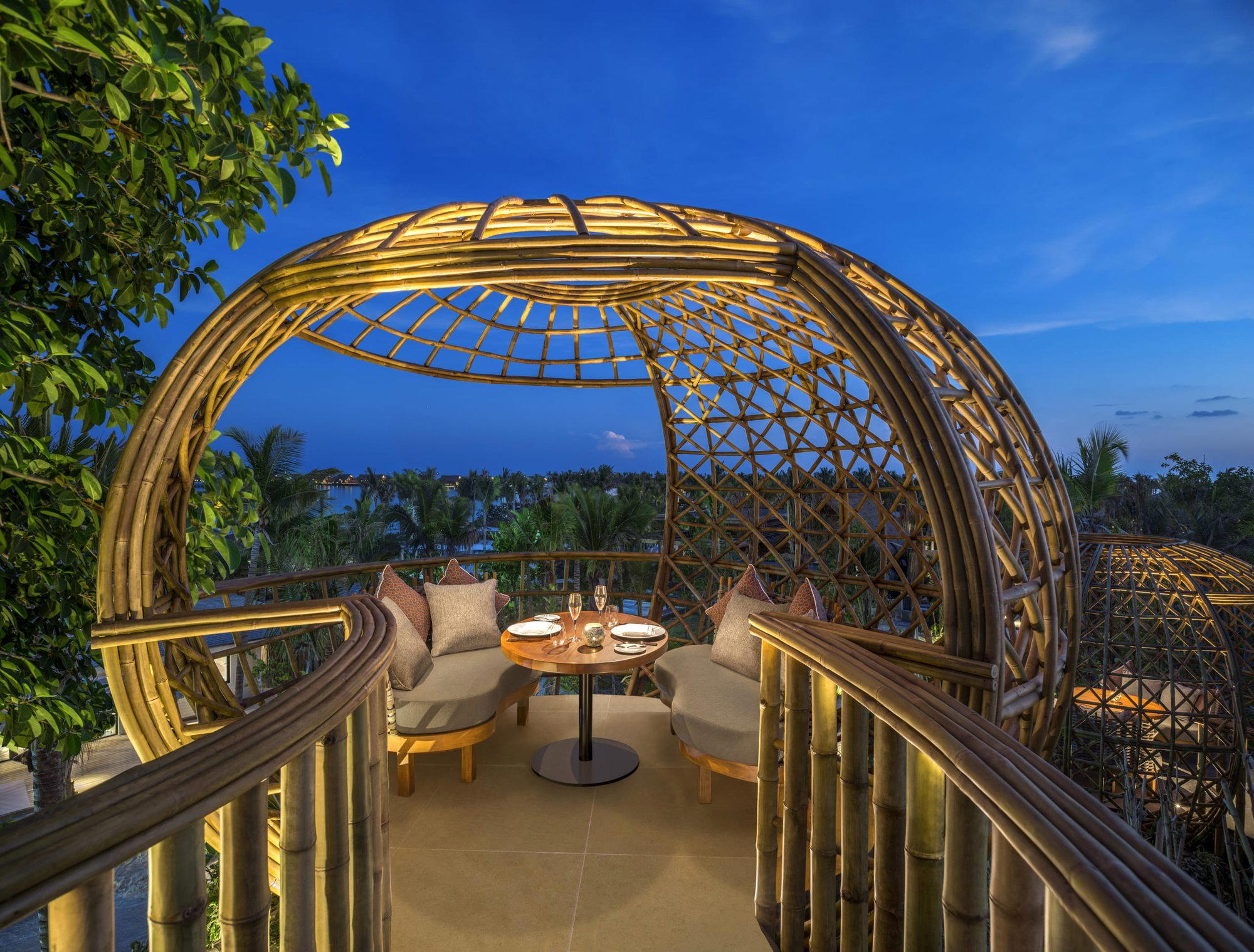
Tranquil and serene with a refined, elegant atmosphere enhanced by spacious villas, ocean views, and personalized service.