Meliá Pattaya Hotel sits inside Pattaya’s evolving hotel conversation, where beachfront access, urban convenience, and design-led resort cues increasingly overlap. With little public database detail available here on awards, pricing, room count, or facilities, the useful reading is contextual: treat it as a Pattaya hotel choice to compare against the city’s resort villas, branded beach stays, and more private leisure addresses.
Pearl is the En Primeur Club membership app — saves, bookings, and concierge access live there. Same editors, same standards.
- Address
- 370 Moo 9 Nongprue Muang Pattaya, Amphoe Bang Lamung, Chang Wat Chon Buri 20150, Thailand
- Website
- melia.com
 Saves & bookings on Pearl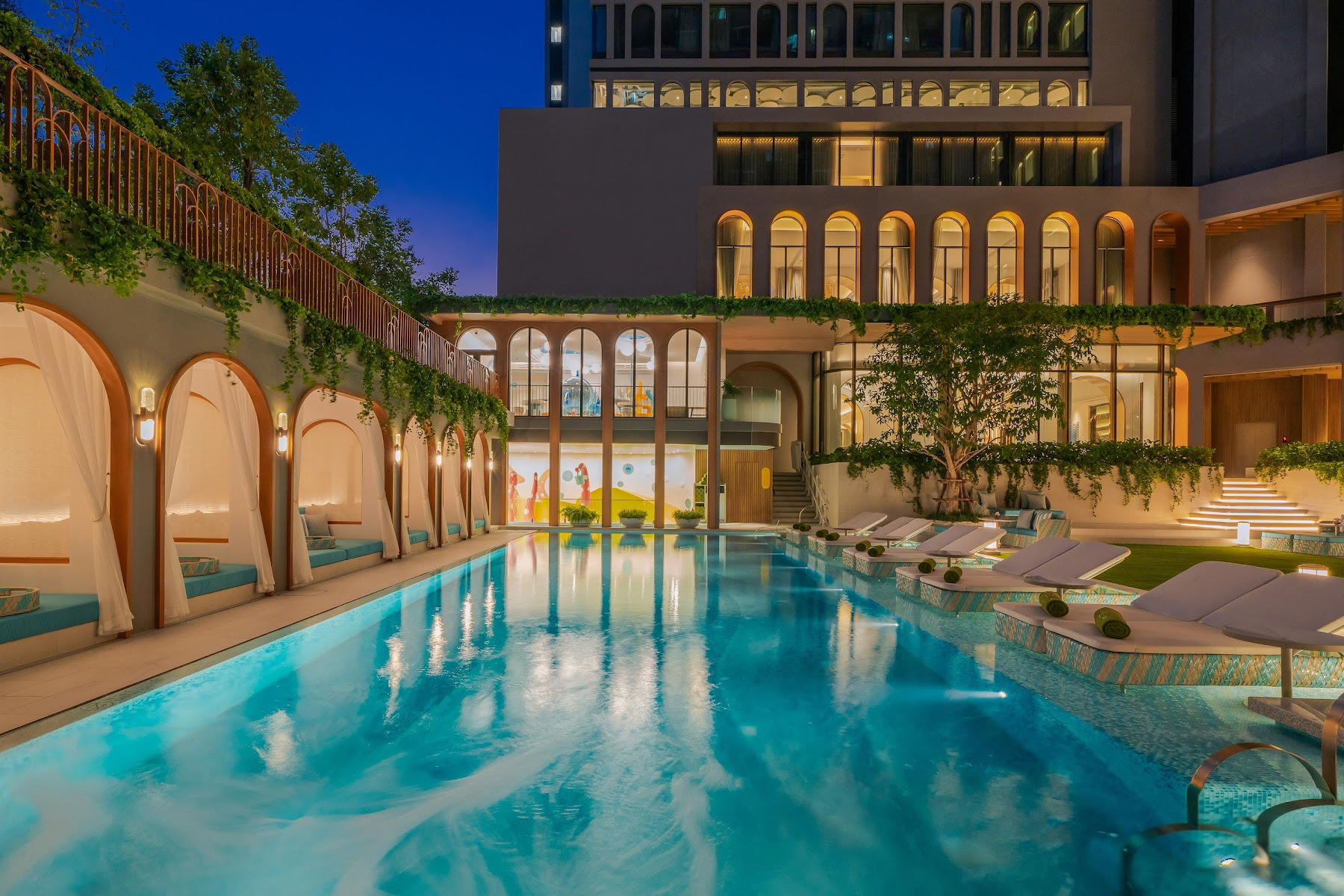
Where Pattaya's hotel scene is moving
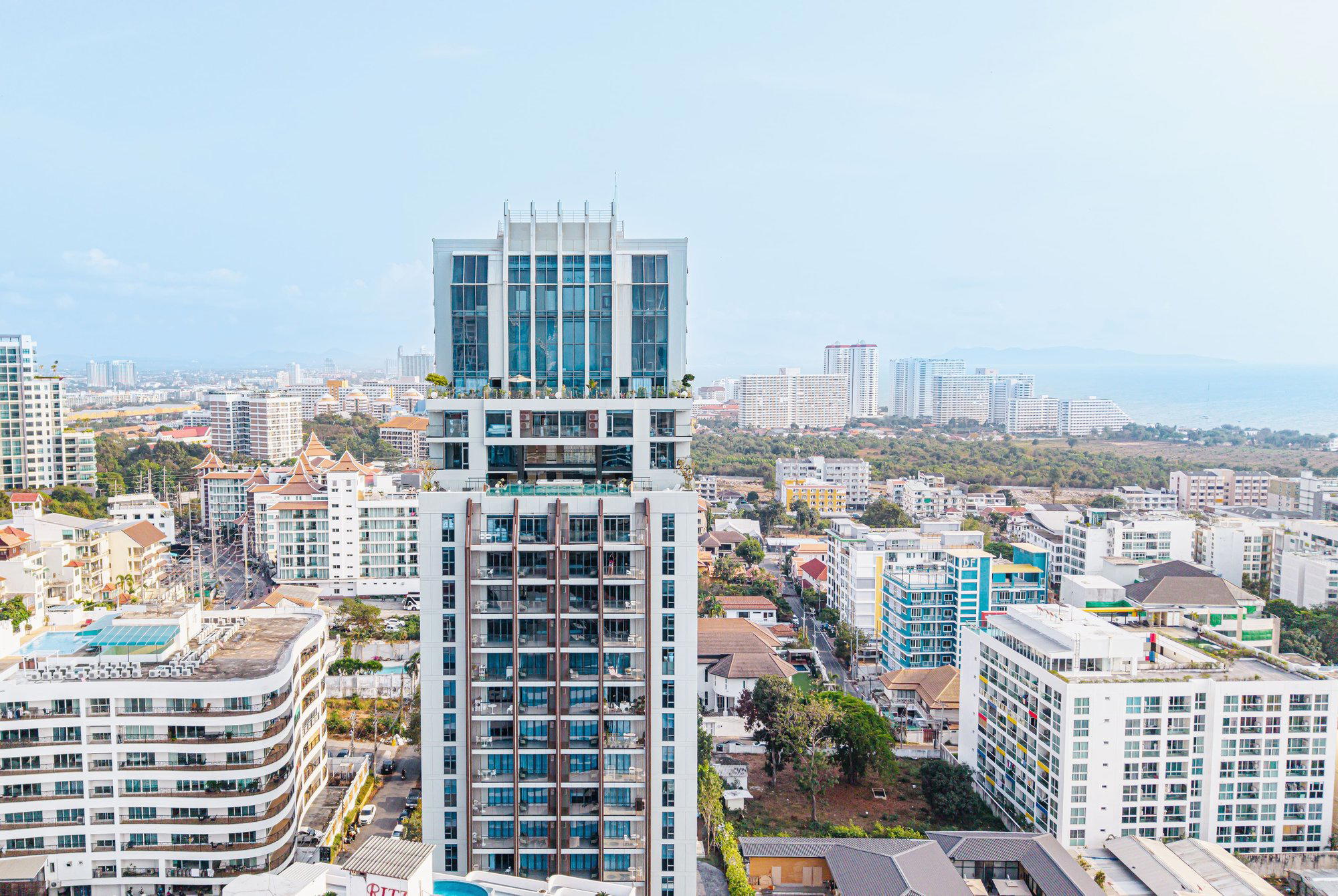
Approaching a Pattaya hotel is rarely a quiet act. The city announces itself through sea air, traffic, neon, mall frontage, tour coaches, beach vendors, and the compressed rhythm of a resort town that grew into an urban playground. That physical mix matters when reading Meliá Pattaya Hotel: Pattaya is not a secluded-island hotel market, and its better addresses are judged by how convincingly they filter the city without pretending it is somewhere else. In this setting, architecture and interior planning carry more weight than decorative polish. The lobby, circulation routes, room orientation, pool deck, restaurants, and arrival sequence have to manage heat, movement, sea views, and the fact that guests may be splitting time between beach, nightlife, family activities, and short-haul regional travel.
That absence should shape expectations rather than invite invention. The more useful editorial lens is Pattaya’s current hotel typology. The city has shifted beyond the old binary of budget beach hotels and large tour-group properties. A newer tier of branded resorts, pool-villa compounds, serviced leisure hotels, and design-forward coastal stays now competes for travellers who want the convenience of Pattaya without surrendering to its visual noise. Meliá Pattaya Hotel belongs in that conversation by location and name recognition, but the booking decision should be made through confirmed room plans, official photographs, cancellation terms, and current guest feedback rather than assumed resort mythology.
Design as a buffer between city and coast
Pattaya asks hotels to solve an architectural problem: how to create calm in a city built on motion. The strongest hotel designs in this market do not simply add marble, oversized chandeliers, or nautical motifs. They choreograph transitions. A good Pattaya arrival sequence shields guests from the street without severing them from the city. Public areas need shade and legibility. Guest rooms need storage for beachwear and nightlife clothes. Corridors should feel cool rather than cavernous. Pools need to work for morning families and late-afternoon couples. Restaurant spaces need enough identity to avoid feeling like all-day dining holding pens.
That is the correct way to assess Meliá Pattaya Hotel before booking. The question is not whether the property has a polished brand surface, but how its physical plan handles Pattaya’s contradictions. Centrality can be an advantage when the trip includes restaurants, bars, shopping, or ferry connections; it can also bring noise and crowd pressure. A more isolated address may offer silence while forcing taxi dependence. Pattaya’s hotel market is therefore less about a single hierarchy and more about choosing a spatial bargain.
The Pattaya comparison set
Pattaya’s hotel choices now divide into several practical camps. Beach-facing branded hotels trade on access and recognisable service systems. Pool-villa properties trade on privacy, controlled outdoor space, and a more residential mood. Design-led resorts work through materials, lighting, and guest flow. Larger leisure hotels offer facilities at scale. Meliá Pattaya Hotel should be evaluated against those groups, not in isolation. A traveller considering it is usually deciding between an efficient branded stay close to the city’s action and a more enclosed resort format outside the busiest corridors.
Within Pattaya, La Miniera Pool Villas Pattaya represents the private-villa side of the local equation, while Veranda Pattaya - MGallery in Pattaya City sits closer to the branded coastal-resort category. Those two references help frame the decision. Villa-led properties tend to reward travellers who will spend more time inside the room compound; city-facing hotel formats tend to suit guests who plan to move between beach, restaurants, bars, and excursions.
How Thailand's resort language changes by region
Thailand’s luxury-hotel grammar changes sharply from coast to coast and city to city. Bangkok properties often lean into grand civic hospitality, river frontage, and heritage continuity; Mandarin Oriental Bangkok in Bangkok remains the reference point for that urban-hotel tradition. In Krabi, scale and geology alter the mood, with Phulay Bay, A Ritz-Carlton Reserve in Krabi and Pimalai Resort & Spa in Koh Lanta pointing toward coastal seclusion, arrival drama, and a slower resort day. Phuket has room for theatrical concepts and villa-driven privacy, visible in Keemala in Phuket, Sri Panwa Phuket Luxury Pool Villa Hotel in Tambon Wichit, and Dinso Resort & Villas Phuket in Patong.
Pattaya operates differently. It is more immediate, more urban, and less dependent on the fantasy of removal. That makes design discipline especially important. A Pattaya hotel has to decide whether to embrace the city, screen it, or create a sealed-off resort interior. Meliá Pattaya Hotel should be read through that regional distinction. It is not competing with an island hideaway on the same terms as Soneva Kiri in Trat, Samujana Villas in Koh Samui, or Cape Fahn Hotel, Koh Samui in Surat Thani. It has a different job: provide a composed base in a city whose appeal is partly its density.
What the absence of awards and pricing tells the reader
No awards are listed for Meliá Pattaya Hotel. That does not make the hotel weak; it means award status should not be used as the basis for selection here. In hotel writing, awards can clarify comparable set, but they can also distort practical judgement. Pattaya travellers often care more about beach access, room condition, pool usability, sleep quality, breakfast operations, and transport convenience than trophy language. With no pricing or room categories in the record, a careful comparison should rely on current public rates and verified room details at the time of travel.
This is where Pattaya differs from longer-stay destination resorts in Chiang Rai, Chiang Mai, Phang Nga, Hua Hin, and Khao Yai. Anantara Golden Triangle Elephant Camp & Resort in Chiang Rai is shaped by landscape immersion and itinerary structure. Four Seasons Resort Chiang Mai in Chiang Mai belongs to a northern resort tradition where grounds, service cadence, and cultural programming carry the stay. The Sarojin Thailand in Phang Nga and InterContinental Hua Hin Resort in Hua Hin speak to quieter coastal rhythms, while VALA Hua Hin in Petchburi and Le Monte Hotel Khao Yai in Pakchong show how domestic leisure markets reward design clarity outside the major beach-party circuits. Pattaya demands more operational resilience because the surrounding city is louder and faster.
Dining, bars, and the hotel as a base
The record does not list restaurants, bars, cuisine type, chef name, signature dishes, hours, or dress code. Any claim about a named dining venue, rooftop bar, breakfast spread, chef pedigree, or signature cocktail would therefore be speculation. The safer and more useful point is strategic: in Pattaya, the hotel restaurant is only one part of the dining equation. Many travellers use the hotel for breakfast, poolside intervals, and late returns, then rely on the city for seafood, Thai regional cooking, international restaurants, night markets, and casual bars.
That pattern should influence the booking decision. If dining inside the hotel is central to the trip, confirm current restaurant names, opening days, last orders, and reservation rules directly before committing. If the hotel is a base for the wider city, location and transport become more valuable than an elaborate in-house dining program. Pattaya’s geography rewards planning by district rather than by isolated venue. A hotel that reduces taxi friction can change the whole rhythm of a short stay, especially for travellers moving between beach time, dinner, and late-night venues.
Planning the stay without over-reading the brand
Meliá is a recognised international hospitality name, but brand familiarity should not replace due diligence in Pattaya. The city’s hotel experience can vary sharply by room orientation, floor level, renovation status, pool exposure, and surrounding construction. Travellers should verify those details through the property’s official channels or their preferred booking platform. For high-season weekends, Thai public holidays, and major local event periods, planning farther ahead is sensible because Pattaya absorbs both international visitors and Bangkok short-break demand.
Room choice deserves the same caution. No room categories are listed in the available record, so no specific category can be recommended responsibly. The right approach is to read the floor plan and view descriptions closely. In Pattaya, sea-facing rooms may justify a premium when the view is unobstructed and the balcony is usable; city-facing rooms can be smarter if they are quieter, newer, or better priced. Families should check bedding configuration, bathroom privacy, and pool access. Couples should examine noise exposure and dining proximity. Business travellers or short-stay guests should prioritise arrival efficiency, desk space, and transport links over resort extras they will not use.
Who should consider it
The hotel makes the clearest sense for travellers who want Pattaya’s convenience with a branded-hotel framework rather than a detached villa retreat. That includes regional weekenders, couples pairing beach time with restaurants and bars, and visitors who want a city-resort base without committing to the slower pace of Thailand’s island properties. It is less obviously suited to travellers seeking deep seclusion, private-pool living, or a resort that functions as the entire itinerary.
International comparisons are useful here because they reveal what Pattaya is not. The Fifth Avenue Hotel in New York City belongs to a dense urban design conversation built around interiors and neighbourhood theatre. Hôtel de Paris Monte-Carlo in Monte Carlo is tied to European grand-hotel ceremony and casino-square pageantry. Badrutt's Palace Hotel in St. Moritz carries alpine seasonality and social ritual. Pattaya’s hotel culture is more pragmatic: sun, movement, access, value perception, and a constant negotiation between beach resort and working entertainment city. A successful stay at the hotel depends on matching that reality to the traveller’s actual plans.
Practical read before booking
Because the current record omits address, phone, website, prices, room categories, awards, facilities, and opening hours, the planning process should be evidence-led. Confirm the exact location on a map, then check recent guest photographs rather than relying only on rendered images or older promotional material. Compare total price after taxes and service charges, not just the headline rate. Review cancellation terms, breakfast inclusion, parking or transfer arrangements, and any resort fees if applicable. For Pattaya, also check the timing of arrival from Bangkok, because weekend traffic can stretch the journey and change the value of a late check-in.
The sharper booking question is simple: will this hotel improve the Pattaya trip by making movement easier and downtime calmer? If the answer is yes after checking room specifics, the hotel fits the city’s modern branded-resort tier. If the trip is built around privacy and staying put, a villa-led Pattaya property may be a cleaner match. If food and nightlife drive the itinerary, the hotel should be judged by location first, then by sleep quality and pool design. In Pattaya, design is not surface decoration; it is the mechanism that decides whether the city feels energising or exhausting.
Reputation & Price
Comparable venues nearby, for context on price, style, and recognition.
| Venue | Price | Awards | Notes |
|---|---|---|---|
| Meliá Pattaya HotelThis venue — the venue you are viewing | $$$ | 5-Star | Not listed |
| La Miniera Pool Villas Pattaya | $$$$ | 5-Star | Nong Prue, Luxury pool villa resort with private heated pools in every unit |
| Sathorn Vista, Bangkok - Marriott Executive Apartments | $$$ | 5-Star | Sathorn, Polished apartment-style living with quiet luxury and effortless comfort |
| INNSiDE by Meliá Bangkok Sukhumvit | $$$ | 5-Star | Suan Luang Khwaeng, Spanish lifestyle brand bringing Mediterranean design sensibility to Bangkok's urban landscape with strong sustainability focus and contemporary aesthetic. |
| RatiLanna Riverside Spa Resort | $$$ | 5-Star | Chang Khlan, Contemporary Northern Thai luxury resort blending traditional Lanna architectural heritage with modern design and amenities. |
| Dinso Resort & Villas Phuket | $$$ | 5-Star | Patong, Nature-immersed barefoot luxury resort with villas blending into tropical surroundings |
At a Glance
- Modern
- Elegant
- Sophisticated
- Scenic
- Business Trip
- Weekend Escape
- Family Vacation
- Celebration
- Panoramic View
- Rooftop Pool
- Design Destination
- Terrace
- Wi Fi
- Pool
- Spa
- Fitness Center
- Room Service
- Concierge
- Business Center
- Kids Club
- Meeting Rooms
- Airport Transfer
- Restaurant
- Bar
- Waterfront
- Skyline
- Wi Fi
- Pool
- Spa
- Fitness Center
- Room Service
- Concierge
- Business Center
- Kids Club
- Meeting Rooms
- Airport Transfer
- Restaurant
- Bar
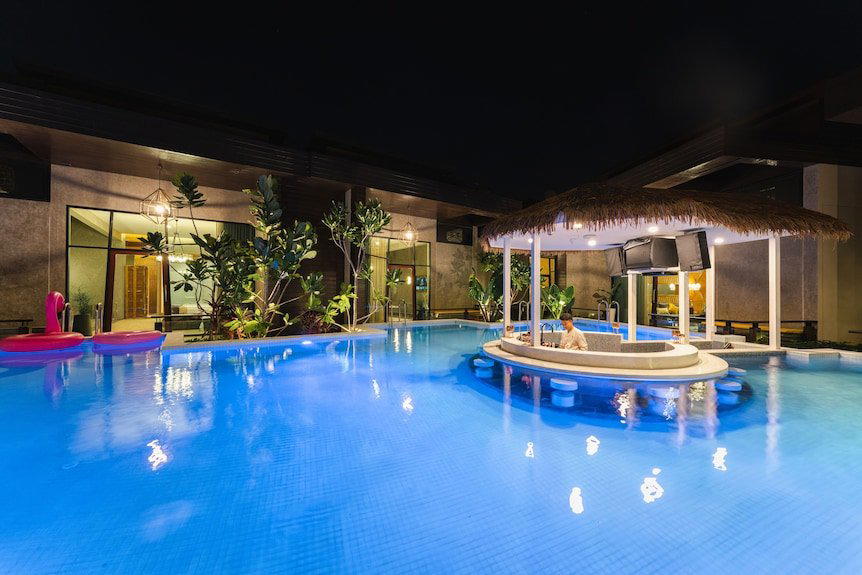
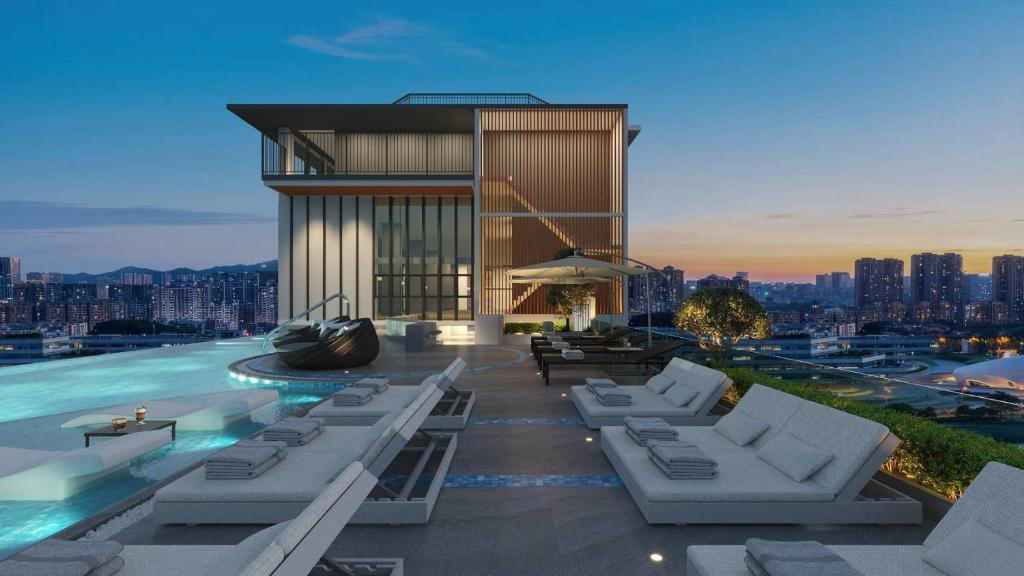
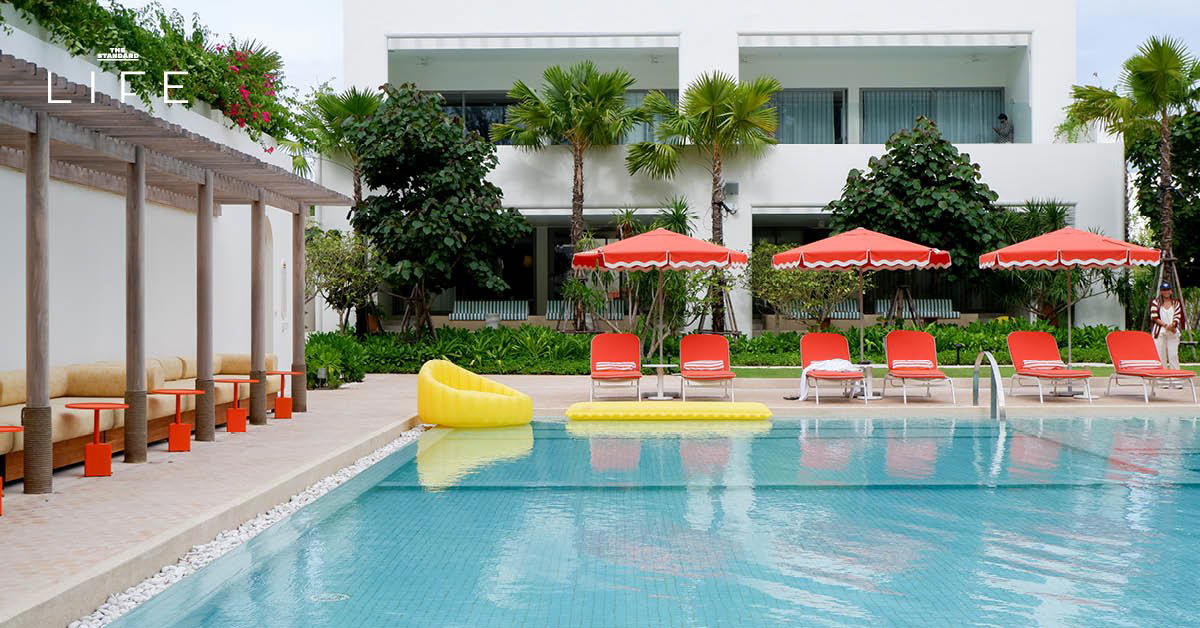
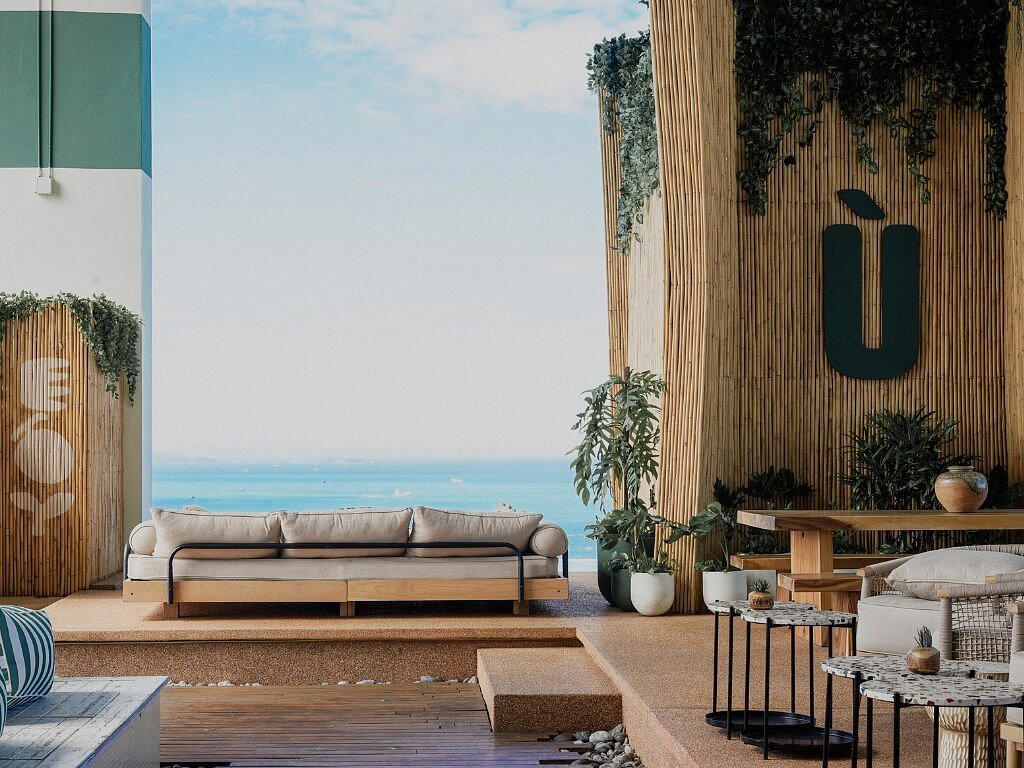
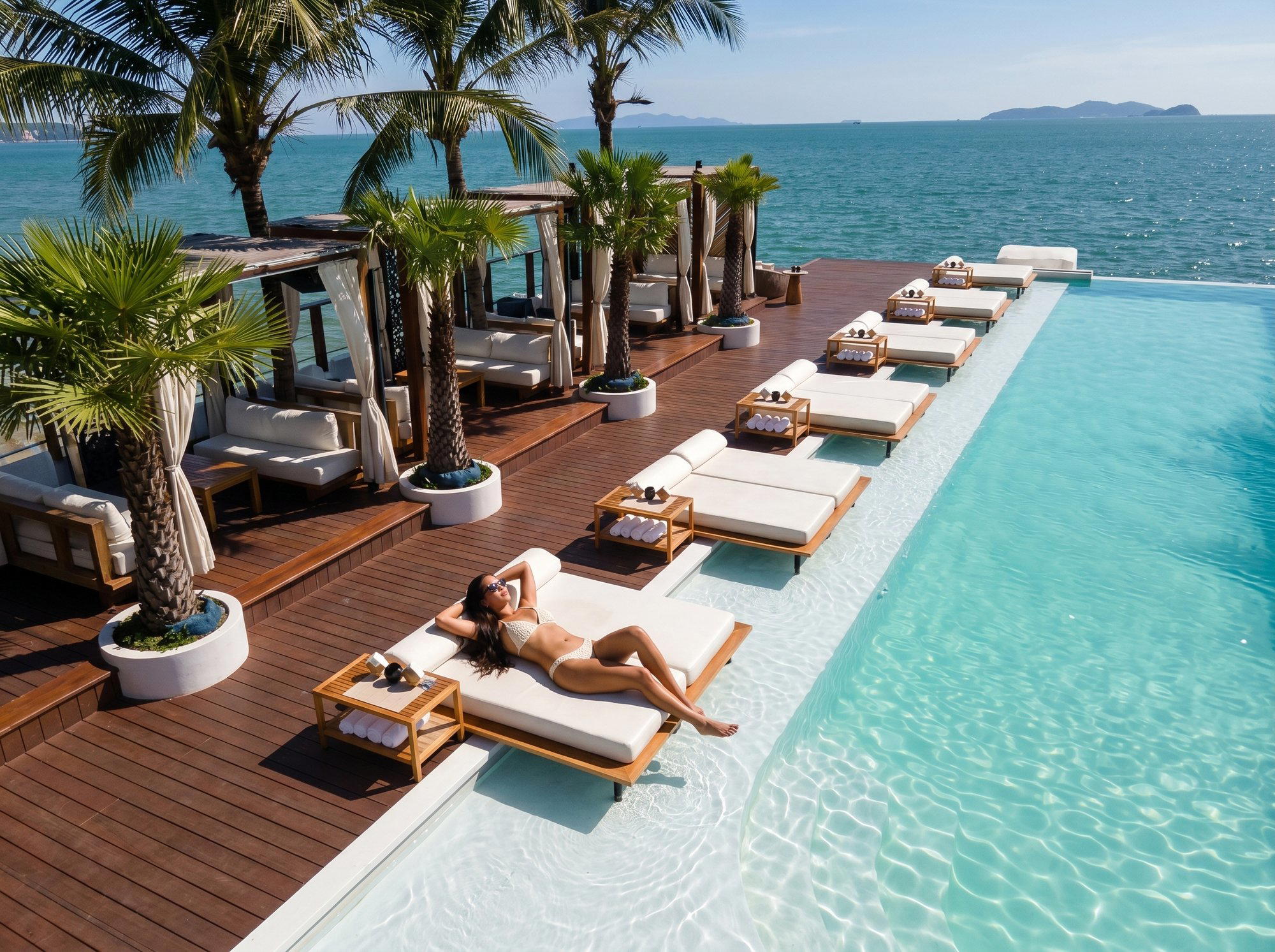
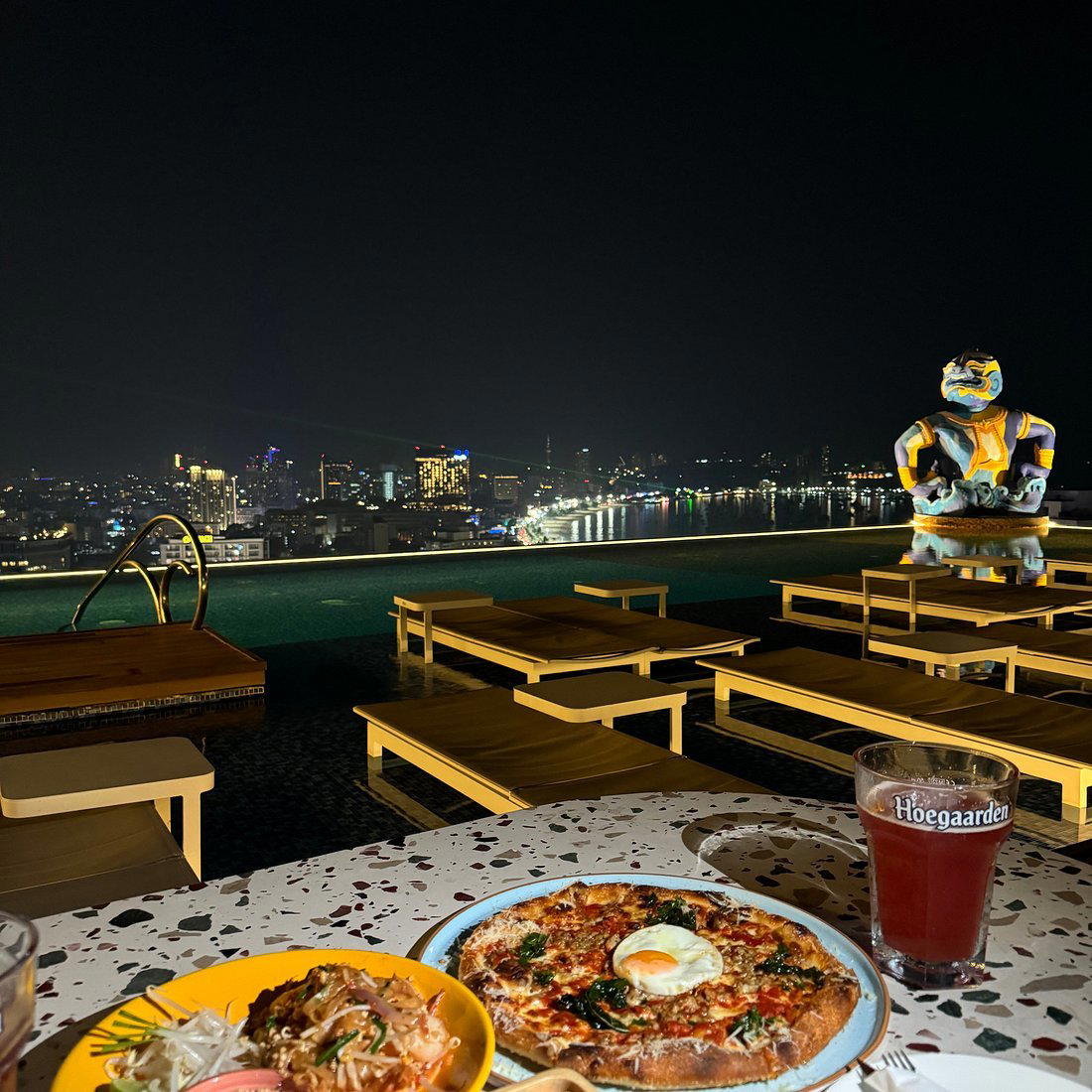
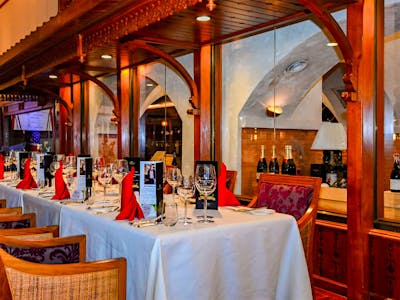
Upscale and contemporary, with a polished atmosphere that feels lively yet refined, especially around the rooftop dining and terrace spaces.