
Michelin Selected
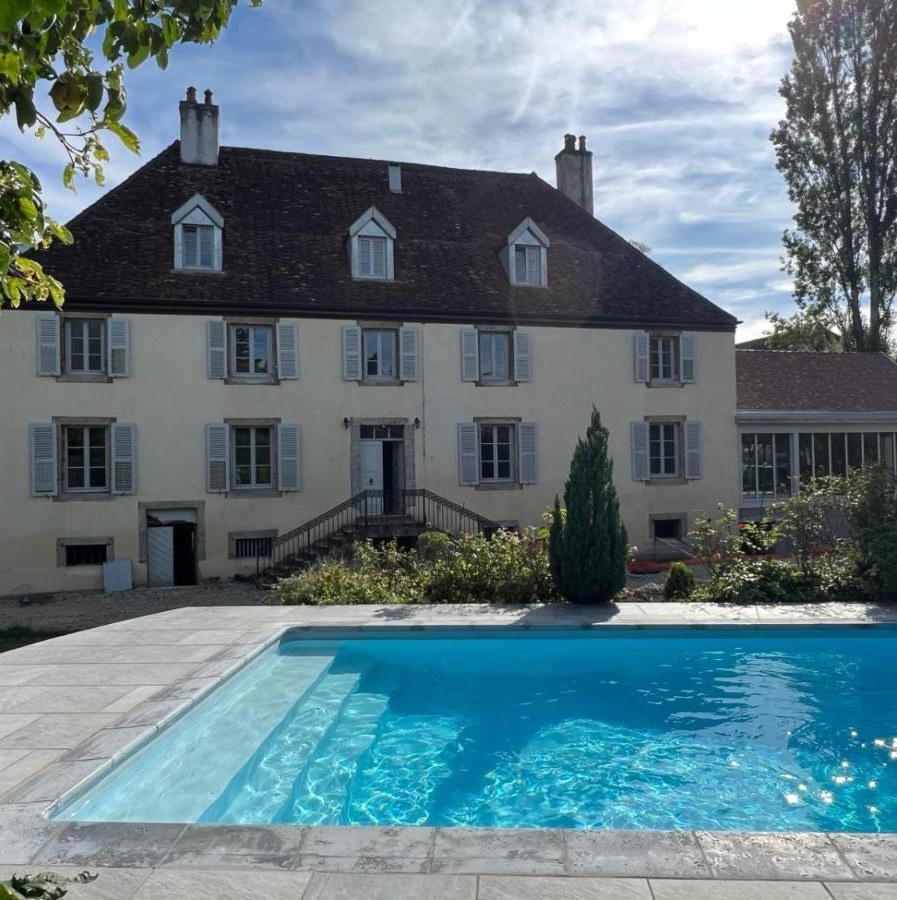
A Michelin Selected property on the Route de Besançon at the edge of Arbois, Le Clos Alice occupies one of the Jura's most storied wine towns, where the regional table is shaped by vin jaune, comté, and centuries of agricultural tradition. The selection signals a baseline of credibility in a town with few properties operating at this level of editorial recognition.

Pearl is the En Primeur Club membership app, where members save venues, book tables and use the concierge.
Arbois and the Weight of a Wine Town
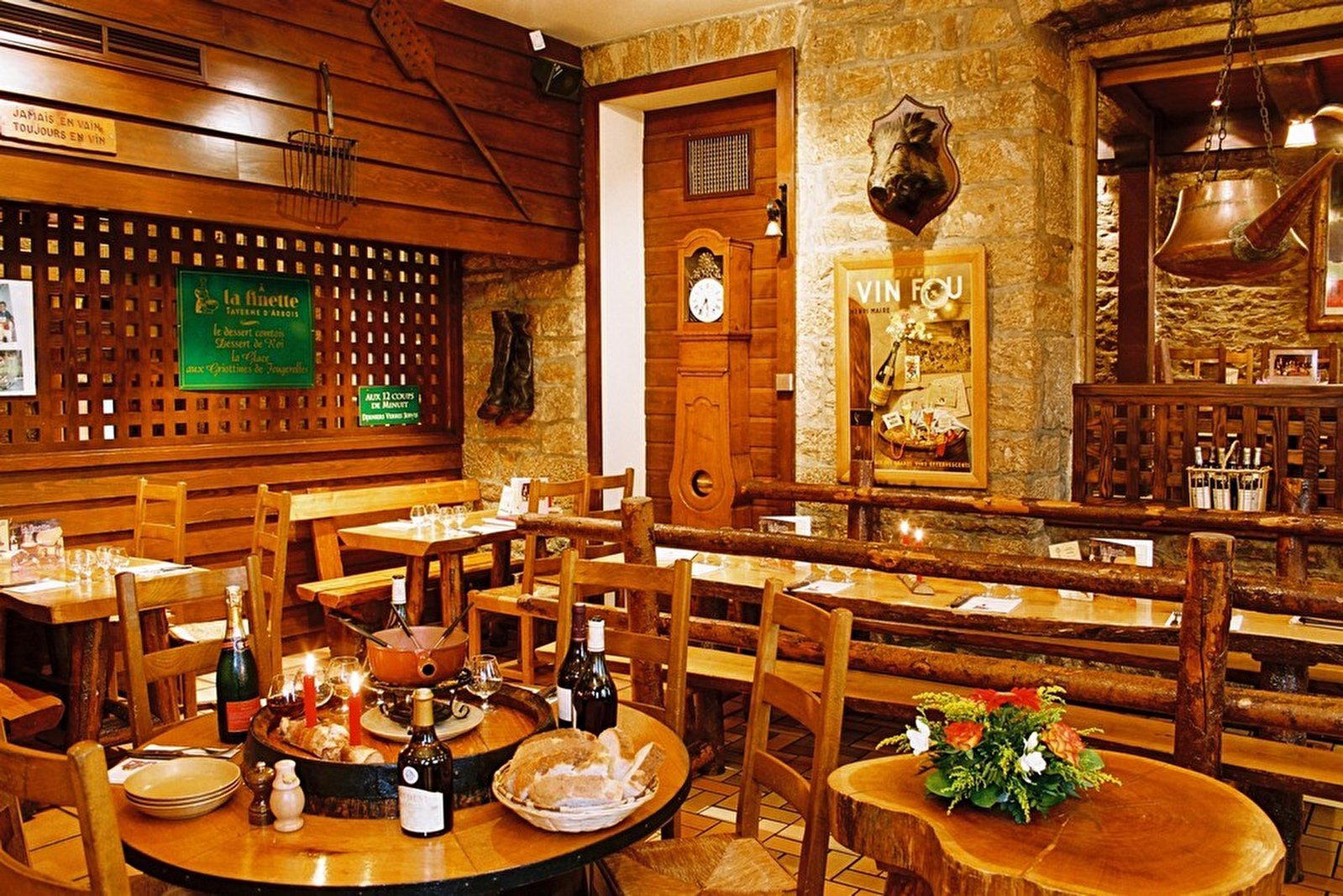
Few French towns carry as much culinary and viticultural authority relative to their population as Arbois. With fewer than 4,000 residents, this compact Jura commune has long operated above its administrative weight: it was the home of Louis Pasteur, whose family vineyard still produces wine today, and it sits at the centre of a regional table built on ingredients that most of France only discovered recently. Comté aged in caves, morilles gathered from damp hillside forests, trout from the Cuisance, and the oxidative wines of Savagnin and Chardonnay that inspired a generation of natural wine producers, these are not provincial footnotes but the foundations of a genuine gastronomic identity. Hotels that earn editorial recognition in this context are being measured against that tradition, not simply against their own amenities.
Le Clos Alice, on the Route de Besançon at Arbois's edge, holds a Michelin Selected distinction in the 2025 Michelin guide to hotels and stays, a recognition that places it within the tier of properties the guide considers worth a traveller's attention, without necessarily recommending it for accommodation alone. In a town where the dining room matters as much as the room itself, that framing matters. The Michelin hotel selection process evaluates comfort, design, and setting, but in a destination like Arbois the dining programme carries particular editorial weight because it connects directly to the reason serious travellers come here at all. See our full Arbois restaurants guide for context on the broader dining scene.
The Jura Table and What It Demands of a Hotel Kitchen
The Jura's regional cuisine is not a soft sell. Vin jaune, produced from Savagnin grapes left to age under a film of yeast in old barrels, often for more than six years, produces a wine of compressed walnut and dried fruit intensity that pairs with specific dishes and resists compromise. Poulet au vin jaune et aux morilles is the canonical expression: slow-cooked chicken with the region's prized morel mushrooms finished in the oxidative wine. Comté, with its AOC-protected production and three-month to three-year aging spectrum, is the other structural element of any credible Jura menu. A hotel kitchen operating in Arbois that does not engage seriously with these ingredients operates beside the tradition rather than within it.
This is what separates wine-country hotels that earn sustained editorial attention from those that function primarily as accommodation. Properties like Les Sources de Caudalie in Bordeaux, Royal Champagne Hotel & Spa in Champillon, and Domaine Les Crayères in Reims all derive their identity from a deep engagement with the wine-and-table culture of their respective appellations. In Champagne and Bordeaux, that integration is well-documented and commercially incentivised. In the Jura, the scale is smaller and the commercial logic less obvious, which is part of why the properties that do it well tend to draw a more deliberate kind of traveller.
Setting and Scale in Context
The Route de Besançon address places Le Clos Alice at a transition point between the town's historic centre and the broader agricultural landscape that defines the Jura's character. Properties at this address category in French wine towns tend to occupy garden-set structures, former bourgeois residences or farmhouses converted with an eye toward the kind of provincial intimacy that larger resort formats cannot replicate. The contrast is instructive: Le Bristol Paris or Hotel Du Cap-Eden-Roc operate on the logic of scale and spectacle; properties in towns like Arbois operate on depth of place and proximity to producers.
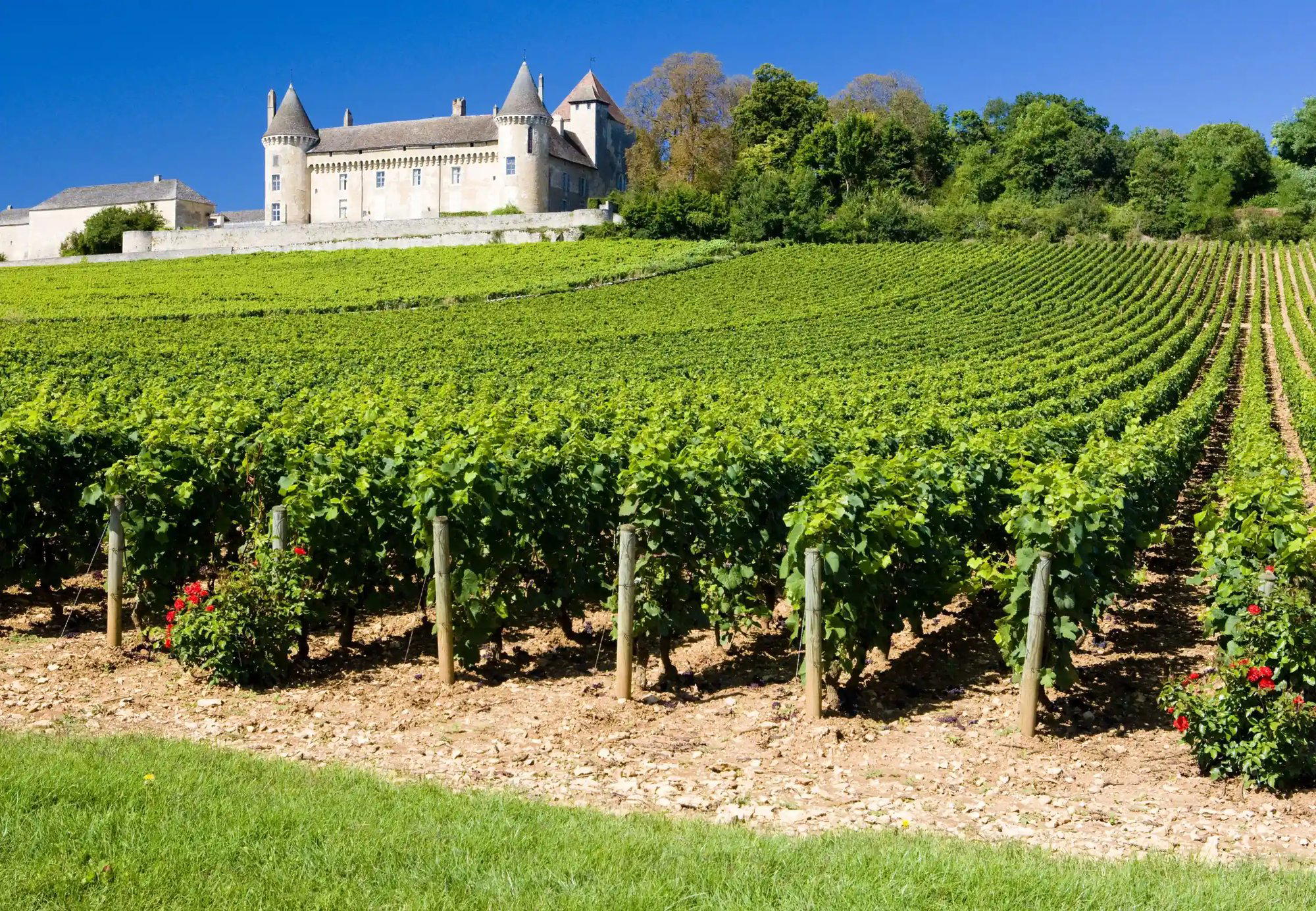
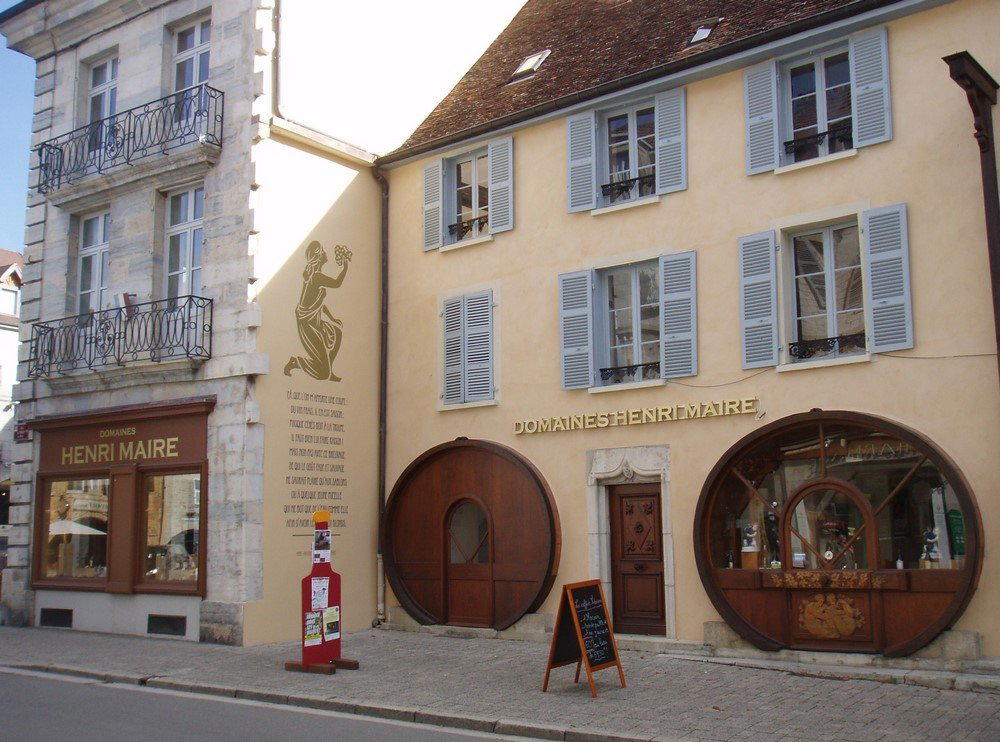
That proximity is the genuine asset. The Jura's wine estates, many operating on small allocations with no export ambitions, are accessible from Arbois by bicycle or short drive. The same is true of the cheese caves at Fromagerie Marcel Petite in Fort Saint Antoine, roughly forty minutes away, and the weekly Saturday market in Arbois itself, where producers from across the Jura sell direct. A hotel that understands its address acts as a point of access to these things, not simply as a place to sleep between restaurants.
For comparison within France's smaller design-led property cohort, La Closerie des Capucines in Arbois operates in the same local tier. Beyond the Jura, the model of intimate wine-country stays with strong culinary programming appears across regions: Villa La Coste in Le Puy-Sainte-Réparade, Baumanière Les Baux-de-Provence, and La Bastide de Gordes all make the same argument in Provence, albeit at higher price points and with more developed institutional recognition.
Planning a Stay
Arbois is reached most directly from Besançon, approximately 45 kilometres to the north, which connects to Paris by TGV in roughly two hours. From Lyon, the journey runs northeast through Lons-le-Saunier. The Jura's wine calendar shapes the most productive times to visit: harvest runs September through October and brings producer activity that is difficult to replicate at other times of year, while spring brings the Percée du Vin Jaune festival, held in February in a different Jura village each year, which draws the region's growers together for a concentrated weekend of tastings. Le Clos Alice's position on the Route de Besançon makes it convenient for arrivals from the north.
Travellers comparing wine-region stays across France may also consider Hôtel Chais Monnet & Spa in Cognac, Château du Grand-Lucé in Le Grand-Lucé, or further afield, Casadelmar in Porto-Vecchio and La Ferme Saint-Siméon in Honfleur, each representing the same logic of place-rooted accommodation applied to a distinct regional context. For those extending a French circuit, Le Negresco in Nice, Hôtel du Palais in Biarritz, The Maybourne Riviera, Château de la Chèvre d'Or in Èze, La Réserve Ramatuelle, Hôtel & Spa du Castellet, Four Seasons Megève, Le K2 Palace in Courchevel, Hôtel de Paris Monte-Carlo, The Fifth Avenue Hotel in New York City, and Badrutt's Palace Hotel in St. Moritz represent the wider cohort of editorially recognised properties across Europe and beyond.
Cost Snapshot
Comparable venues nearby, for context on price, style, and recognition.
| Venue | Cuisine | Price | Awards | Notes |
|---|---|---|---|---|
| Le Clos AliceThis venue (the venue you are viewing) | Not listed | $500–750 | Michelin Selected | Not listed |
| La Closerie des Capucines | Not listed | $300–500 | Michelin Selected | Arbois, Charming 17th-century maison d'hôtes with modern renovations |
| Les Remparts | Not listed | $300–500 | Michelin Selected | Medieval City, Historic luxury boutique in restored military barracks |
| Le Phébus & Spa - Villa des Anges | Not listed | $300–500 | Relais Chateaux Award | /, Luxury Relais & Châteaux country house hotel in a restored Provençal farmhouse with a focus on gastronomy and spa wellness. |
| Le Damantin | Not listed | $300–500 | Michelin Selected | 8th arrondissement, Historic Haussmannian/Napoleon III/Louis XIII mansion renovated into understated luxury 5-star hotel |
| Pashmina | Val Thorens, luxury mountain refuge | $300–500 | Michelin Selected | Not listed |
Recognition history
Dated appearances from independent guides and award organizations, with the underlying list record or original source where available.
Michelin Selected
Michelin
Continue exploring
More in Arbois
Hotels in Arbois
All hotels in Arbois →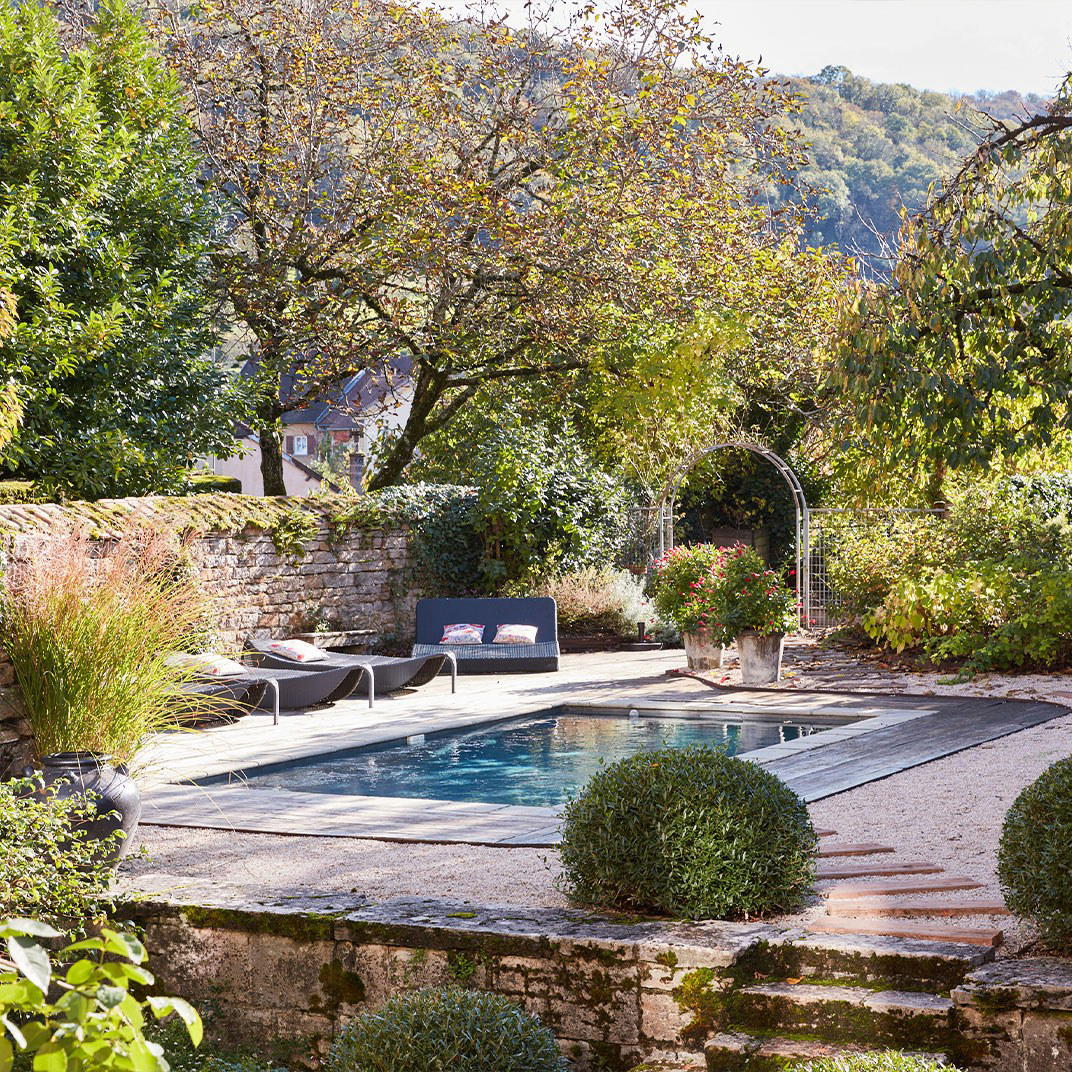
Restaurants in Arbois
All restaurants in Arbois →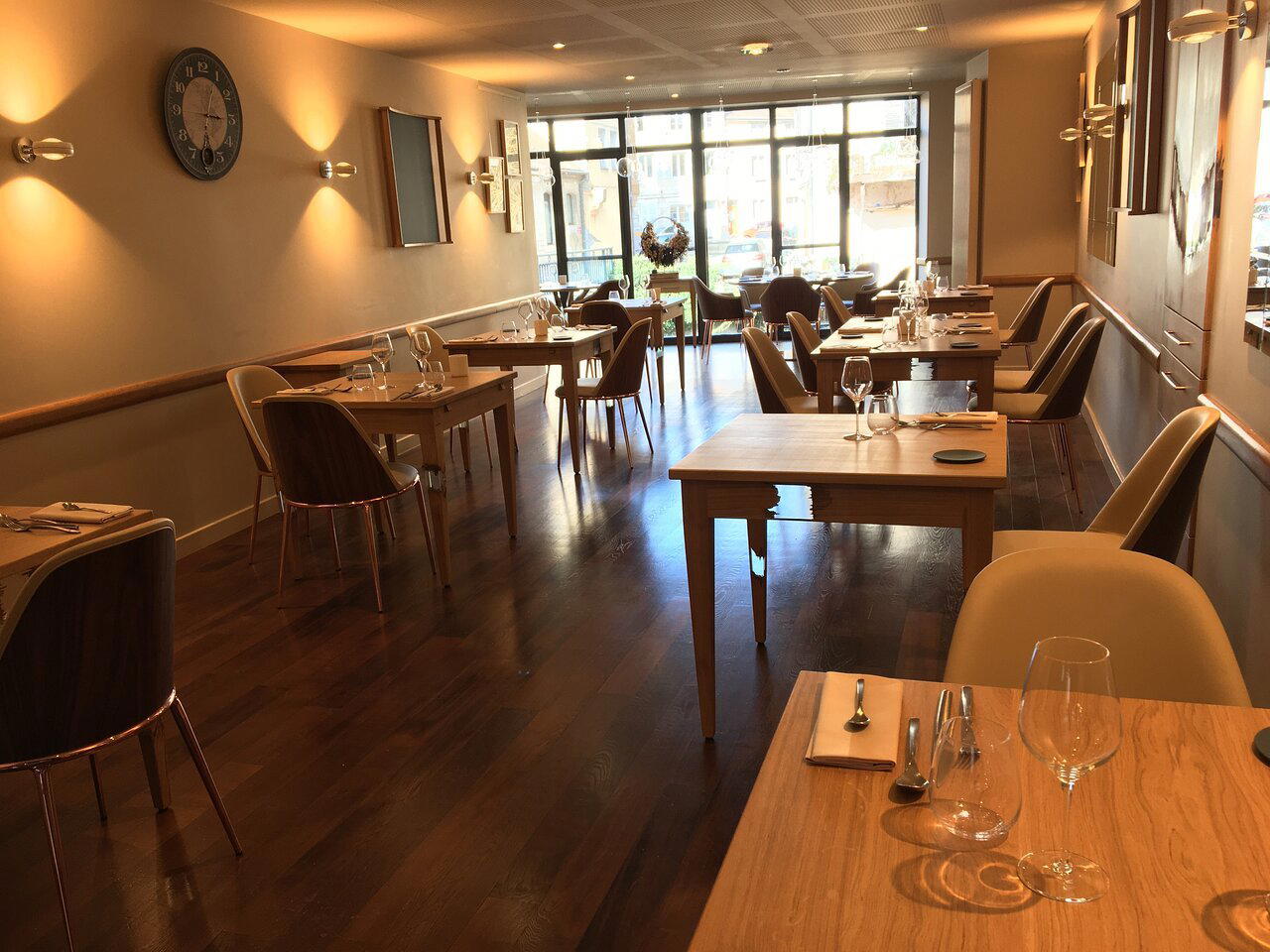

Details
- Romantic
- Elegant
- Sophisticated
- Quiet
- Scenic
- Romantic Getaway
- Wellness Retreat
- Anniversary
- Weekend Escape
- Destination Spa
- Garden
- Terrace
- Waterfront
- Panoramic View
- Private Dining
- Historic Building
- Wi Fi
- Pool
- Spa
- Sauna
- Restaurant
- Bar
- Garden
- Room Service
- Concierge
- Air Conditioning
- Garden
- Waterfront
- Vineyard
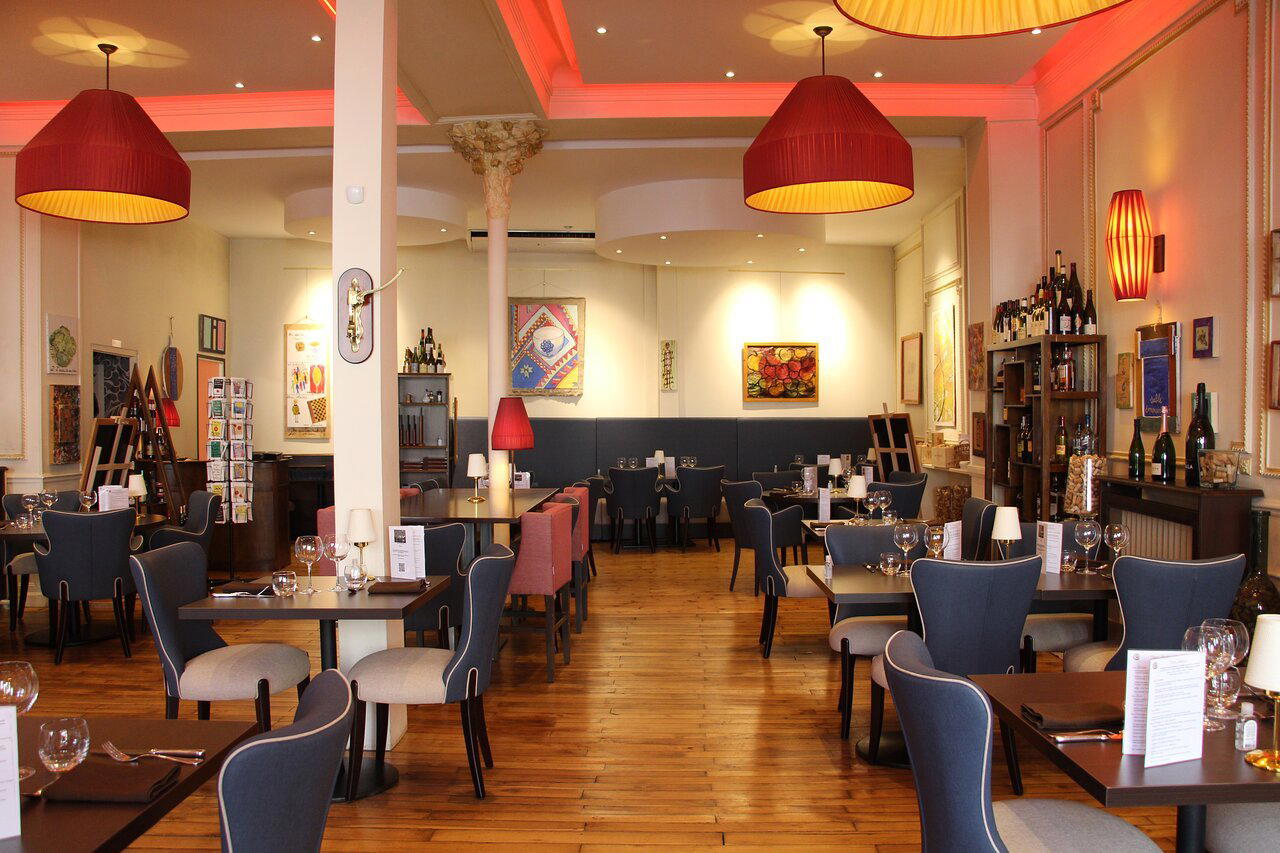
Refined and intimate with warm, natural lighting throughout the property, featuring individually decorated suites with curated vintage furnishings, a peaceful garden setting overlooking the Cuisance river, and an elegant terrace for dining.