


2 Michelin Keys · La Liste Top Hotels · World Travel Awards
Set along the mangrove-fringed shores of Tanjung Rhu in northern Langkawi, Four Seasons Resort Langkawi earned a 90.5-point rating from La Liste's Top Hotels 2026 and the 2025 World Travel Awards title of Malaysia's Leading Villa Resort. The property sits in the island's quieter northern arc, positioning it within a small cohort of design-led resorts where architecture, landscape, and low-density layout are the primary arguments.

Pearl is the En Primeur Club membership app, where members save venues, book tables and use the concierge.
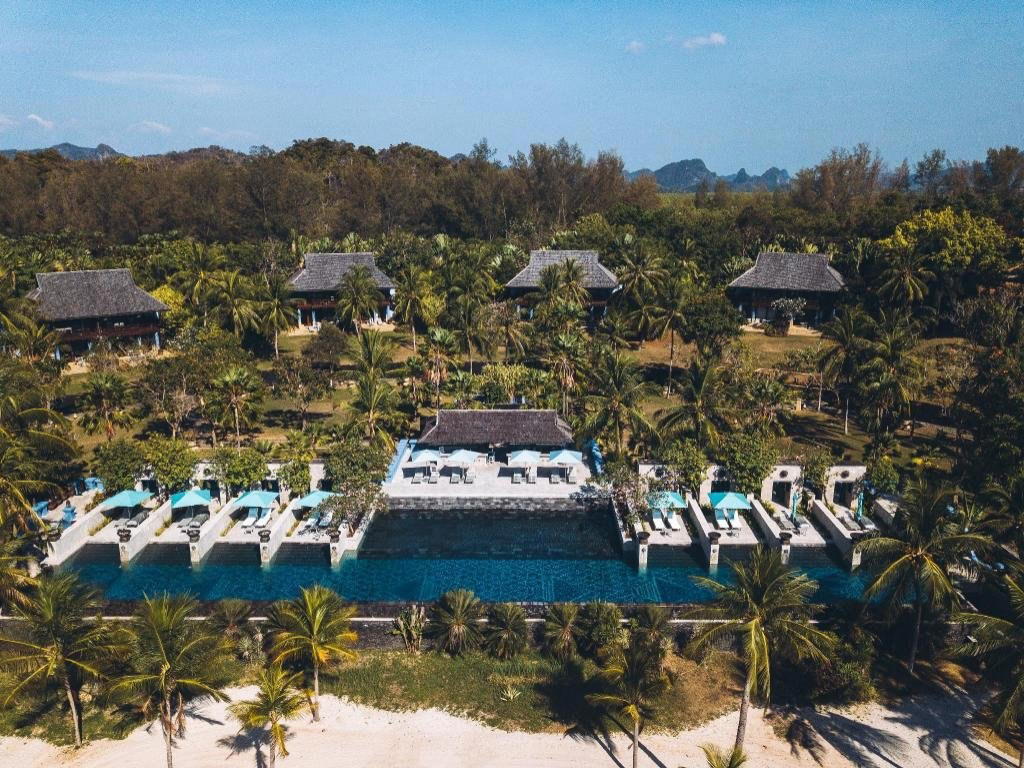
Where the Andaman Meets the Mangrove: Tanjung Rhu's Architectural Proposition
Langkawi's luxury resort sector has long operated on a divide between properties that face the open Andaman Sea and those that turn toward the island's interior wetlands and mangrove corridors. The northern shore around Tanjung Rhu occupies a rarer position: it offers both. The limestone karst formations that rise from the water here have defined the visual identity of the island's premium northern arc for decades, and any resort building on this stretch must reckon with them as the dominant design reference. Four Seasons Resort Langkawi, addressed at Jalan Tanjung Rhu, takes that reckoning seriously.
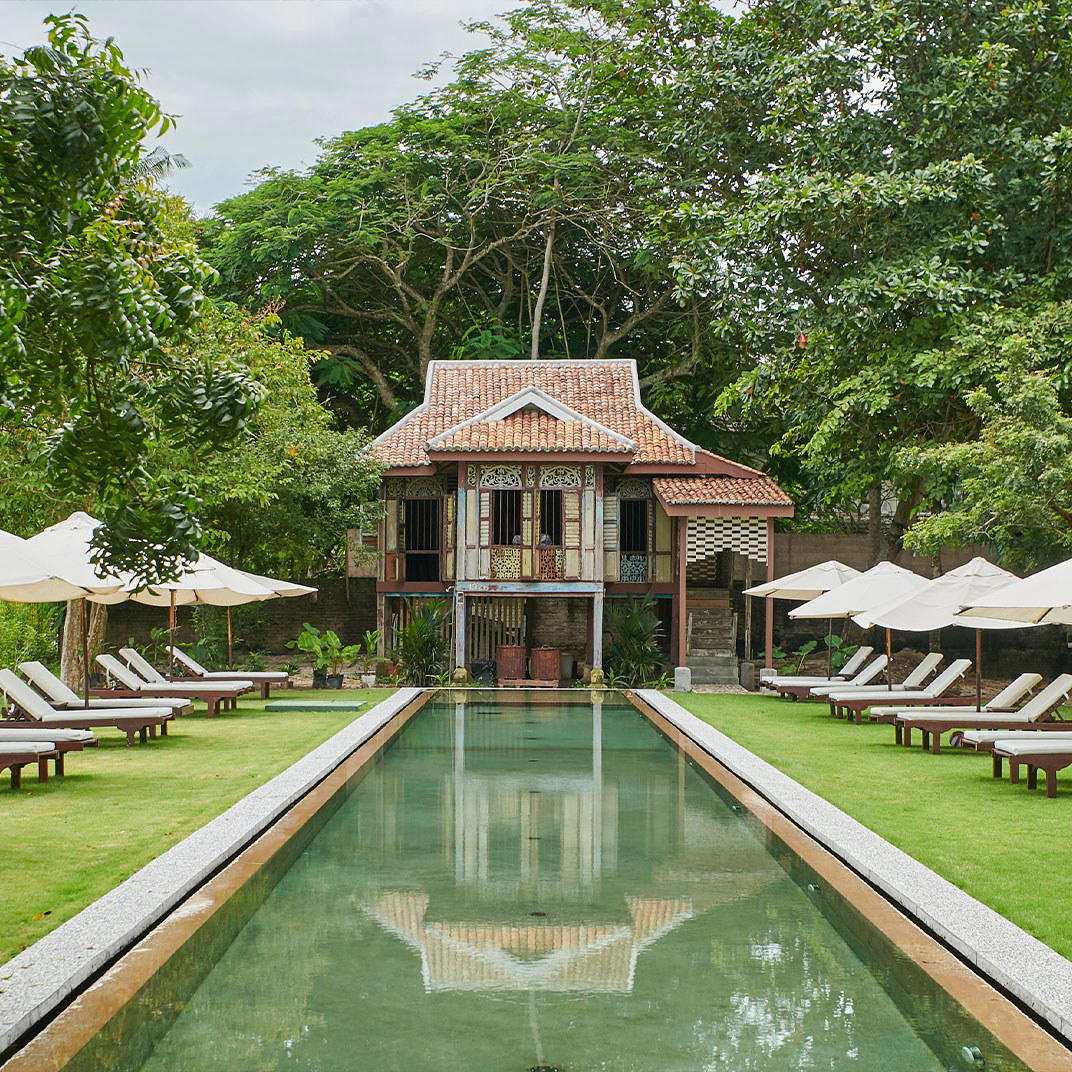
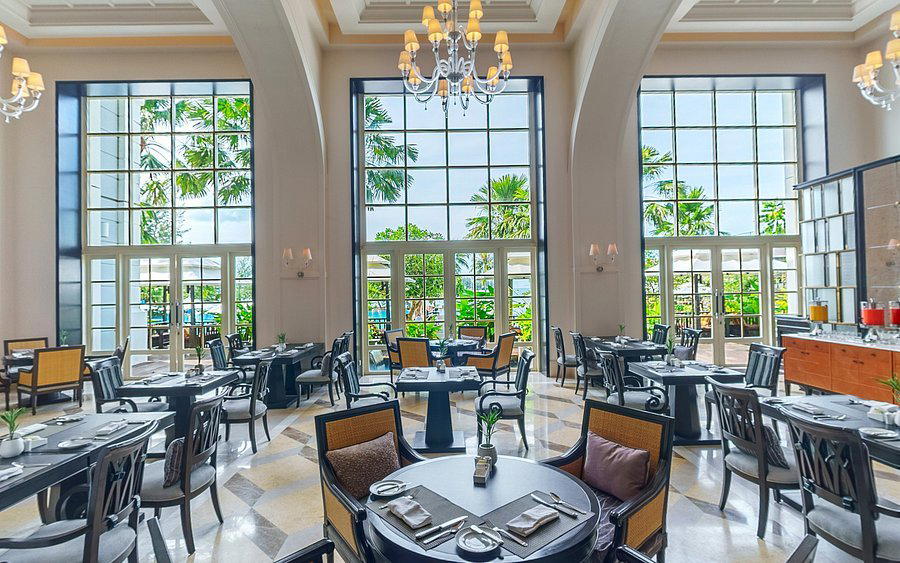
The resort's architecture draws from Moorish and Malay vernacular forms, a pairing that suits the region's syncretic coastal heritage more than it might initially suggest. Pointed arches, latticed screens, and pavilion-style structures recur across the property, allowing sea breezes to move through interior spaces rather than sealing guests behind glass. This approach puts it in a different register from the glass-and-concrete modernism that has defined many new-build luxury properties across Southeast Asia. Where those properties signal aspiration through material polish, Tanjung Rhu's Four Seasons signals it through restraint and through the framing of what already exists: the mangrove lagoon, the karst outcrops, the low tide flats that shift the shoreline twice daily.
Design Logic and the Low-Density Argument
Across the Malaysian resort market, a clear split has emerged between high-volume properties that chase occupancy through scale and low-density villas that compete on space and seclusion. Four Seasons Langkawi sits firmly in the latter camp. The villa-led format, recognised by the 2025 World Travel Awards as Malaysia's Leading Villa Resort, reflects a broader regional shift toward accommodation where the unit itself, rather than the lobby or restaurant, is the primary experience.
This format carries specific design consequences. Villas require more land, more bespoke landscaping, and more considered pathways between structures. At Tanjung Rhu, those pathways move guests through planted gardens and alongside water channels, maintaining a sense of separation from neighbouring accommodation that high-rise or block-format hotels cannot replicate. The mangrove lagoon at the resort's edge reinforces this: it is not a designed amenity but a natural system, and the architecture has been arranged around it rather than in spite of it. That is a meaningful distinction in a region where many resorts import generic tropical motifs rather than responding to specific site conditions.
For context within Langkawi's competitive set, compare this positioning against The Datai, which occupies an ancient rainforest site on the island's northwestern tip, or The Ritz-Carlton, Langkawi, which anchors its identity around a different coastal aspect. The Danna Langkawi takes a colonial-inflected approach in the Telaga Harbour area. Each property makes different architectural claims about what premium Langkawi should feel like; Four Seasons' claim is rooted in the mangrove-edge pavilion form.
Recognition and Where It Places the Property
The La Liste Leading Hotels 2026 rating of 90.5 points places Four Seasons Langkawi within a tier of internationally recognised resort properties that are assessed against global peers rather than only regional competitors. La Liste's methodology integrates data from multiple recognised guides and reservation platforms, making a 90-plus score a meaningful signal of sustained performance across multiple assessment frameworks rather than a single awards cycle.
The 2025 World Travel Awards designation as Malaysia's Leading Villa Resort reinforces the property's position within the villa-format niche specifically. Malaysia's villa resort market is competitive: properties like Pangkor Laut Resort in Lumut and Anantara Desaru Coast Resort and Villas in Johor occupy adjacent positions in the premium villa segment, as does One&Only; Desaru Coast. Within that set, Tanjung Rhu's ecological setting and architectural approach represent a specific differentiation rather than a generic luxury claim.
Langkawi's Northern Shore in Context
Langkawi's resort geography tends to concentrate premium properties in two zones: the western and southwestern coast around Pantai Cenang and Pantai Tengah, where the majority of visitor traffic moves, and the quieter northern and northwestern reaches around Tanjung Rhu and Datai Bay. The northern arc operates at lower volume and higher price points, attracting guests who have typically already visited the island's more accessible zones and are returning for something with more ecological specificity.
This matters architecturally because properties in the northern arc have historically benefited from stronger planning controls and larger land parcels, allowing for the kind of low-density, landscape-integrated design that defines the tier. Tanjung Rhu itself is one of the island's most photographed natural environments, with the beach and lagoon drawing visitors regardless of resort affiliation. The Four Seasons position at this address means the natural backdrop does significant work before any built element comes into view.
For travellers comparing Malaysia's broader premium hotel circuit, properties like Cameron Highlands Resort in Pahang, Bertam Wellness Spa and Villas in Penang, or Mangala Estate in Kuantan each occupy distinct ecological and design niches across the peninsula. Langkawi's northern arc, and Four Seasons' address within it, represents the coastal karst and mangrove category specifically. See our full Langkawi guide for broader context on the island's property and dining scene.
Further afield, those benchmarking against international villa-resort design might reference Aman Venice or Aman New York as examples of how a smaller, design-led property achieves differentiation through architectural conviction rather than scale, a dynamic that plays out at Tanjung Rhu with similar logic applied to a tropical coastal site.
Planning a Stay
Langkawi is accessible via direct flights from Kuala Lumpur (approximately 55 minutes), Singapore, and several regional hubs, with the island's airport located in the central-southern zone. Tanjung Rhu sits in the island's north, meaning transfers from the airport take roughly 30 to 45 minutes depending on traffic, and road quality on the northern routes is generally good. The drier season running from November through April represents the island's primary high-demand window; the southwest monsoon from May through October brings heavier rain, though Langkawi's northern and eastern coasts are somewhat more sheltered during this period than the western shore.
Booking through the Four Seasons' own channels or through recognised luxury travel advisors typically provides access to rate and upgrade options not available through third-party platforms. Given the property's villa format and its sustained recognition across La Liste and World Travel Awards, advance planning of at least two to three months is advisable for peak-season dates. Those considering comparable alternatives within Langkawi should weigh the ecological positioning of each northern-arc property against specific travel priorities: rainforest immersion at The Datai, harbour-front orientation at The Danna, or the karst-and-mangrove setting that defines Tanjung Rhu.
How It Stacks Up
Comparable venues nearby, for context on price, style, and recognition.
| Venue | Cuisine | Price | Awards | Notes |
|---|---|---|---|---|
| Four Seasons Resort Langkawi, MalaysiaThis venue (the venue you are viewing) | Luxury beachfront resort blending natural sanctuary with bespoke cultural experiences | Not listed | 2 Michelin Keys · La Liste Top Hotels | Not listed |
| The Danna Langkawi | colonial luxury resort | $300–500 | Small Luxury Hotels of the World Member | Pantai Kok |
| The Ritz-Carlton, Langkawi | luxury rainforest beach resort | $500–750 | La Liste Top Hotels · Forbes Recommended | Pantai Kok |
| Temple Tree Resort Langkawi | Boutique heritage resort featuring restored antique houses in a tropical estate | $1–100 | Michelin Selected | Pantai Cenang |
| The Datai | luxury rainforest beach resort | Not listed | 1 Michelin Key · World's 50 Best #85 | Datai Bay |
| The Majestic Hotel Kuala Lumpur, Autograph Collection | Historic luxury hotel with modern colonial-style decor | $1–100 | Michelin Selected | City Centre |
Recognition history
Dated appearances from independent guides and award organizations, with the underlying list record or original source where available.
Michelin 2 Keys
Michelin
La Liste Top Hotels
La Liste
World Travel Awards
World Travel Awards
Full recognition history (4 entries)
Michelin 2 Keys
Michelin
Continue exploring
More in Langkawi
Hotels in Langkawi
All hotels in Langkawi →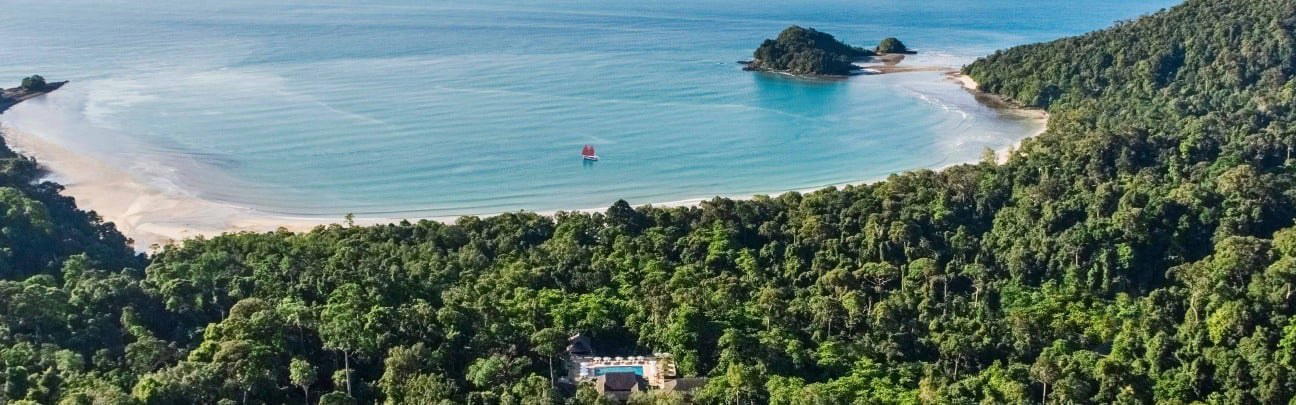
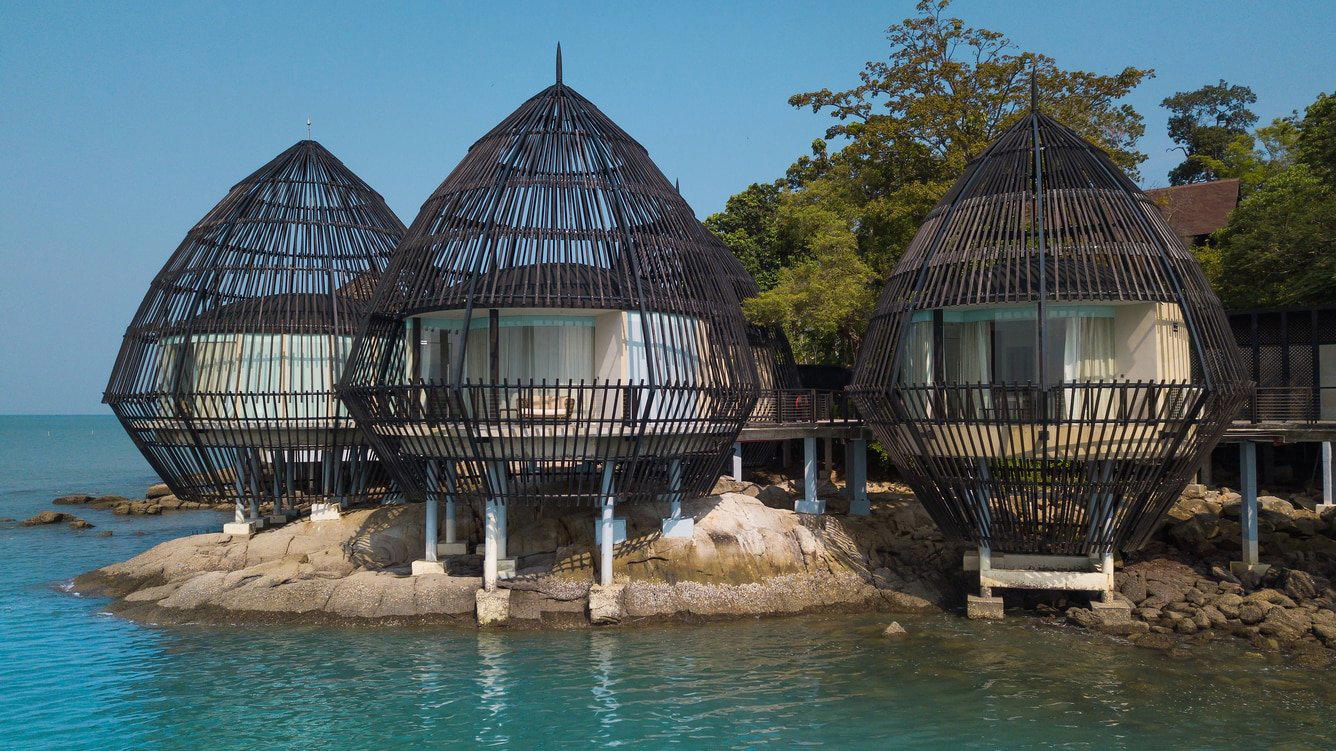
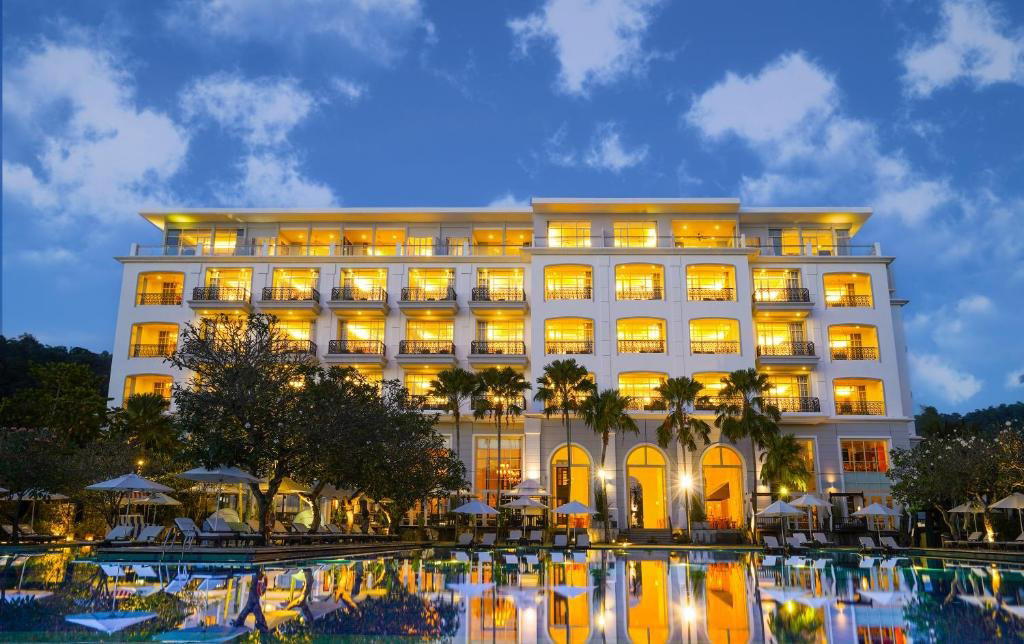
Bars in Langkawi
All bars in Langkawi →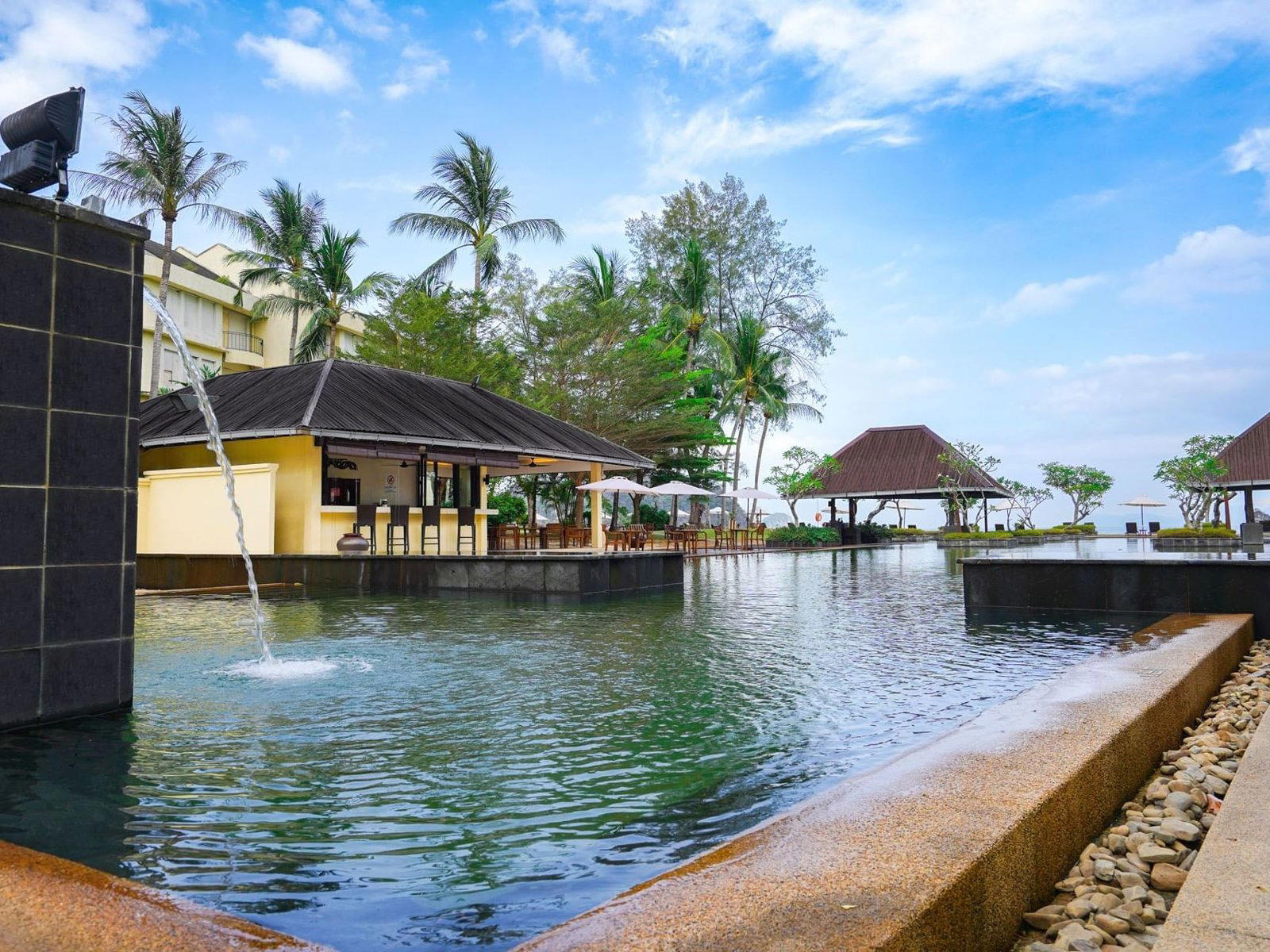
Details
- Romantic
- Elegant
- Scenic
- Sophisticated
- Ornate
- Honeymoon
- Romantic Getaway
- Family Vacation
- Wellness Retreat
- Beachfront
- Infinity Pool
- Private Villa
- Destination Spa
- Panoramic View
- Wi Fi
- Pool
- Spa
- Fitness Center
- Room Service
- Concierge
- Valet Parking
- Kids Club
- Beach Access
- Golf Course
- Garden
- Mountain
- Waterfront
- Step Free Entrance
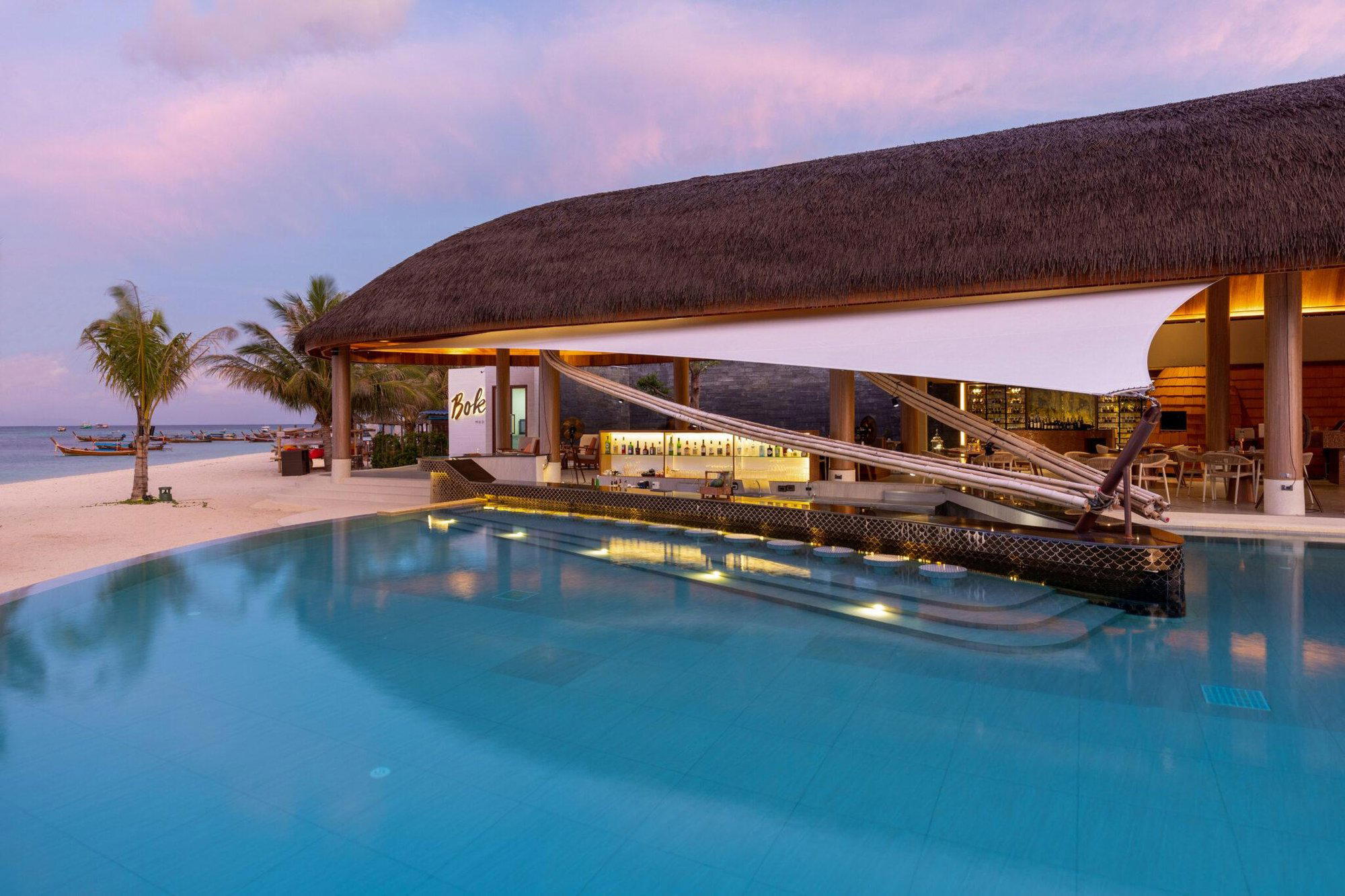
Serene and tranquil with natural lighting from expansive gardens, private pavilions, and oceanfront settings fostering deep relaxation.