



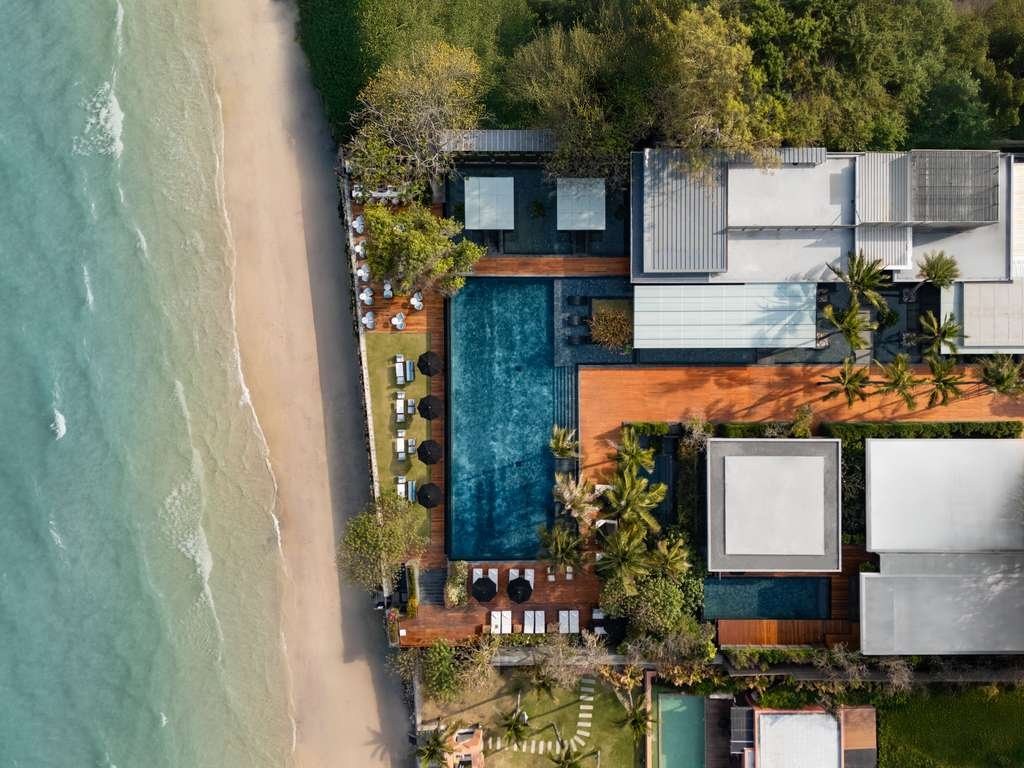
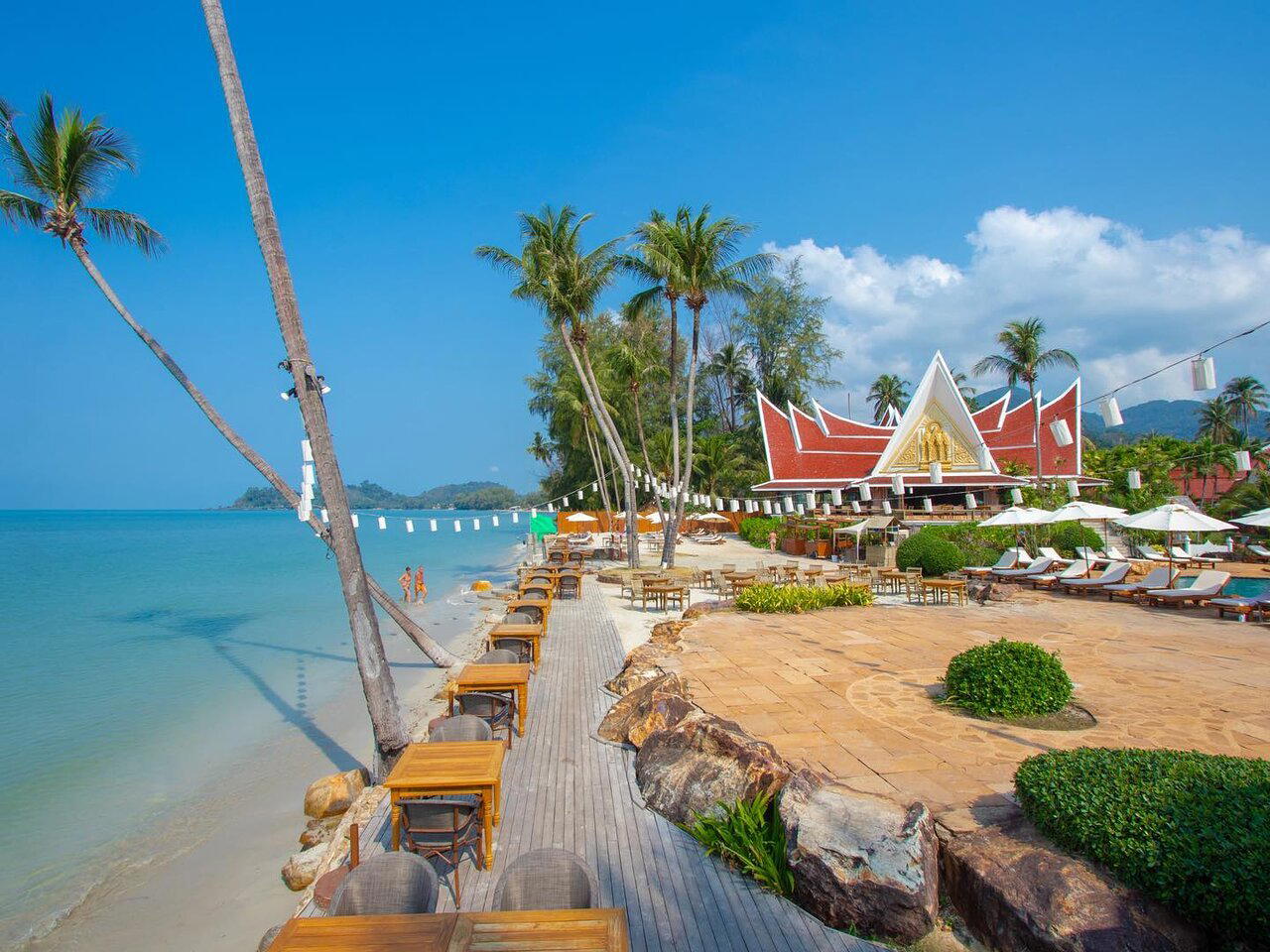
Chiva-Som in Hua Hin is a 54-room wellness resort occupying 7 acres of beachfront gardens on the Gulf of Thailand. Named the 2025 Best Wellness Retreat by Tatler Asia-Pacific, it pairs medical-grade diagnostics with traditional Eastern therapies, organic spa cuisine, and a treatment programme spanning Watsu, Shiatsu, Reiki, and clinical weight management.
Pearl is the En Primeur Club membership app — saves, bookings, and concierge access live there. Same editors, same standards.
- Address
- 73/4-6 Phet Kasem Rd, Tambon Hua Hin, Amphoe Hua Hin, Chang Wat Prachuap Khiri Khan 77110
- Phone
- +66 32 536 536
- Website
- chivasom.com
- Directions
- Get directions
 Saves & bookings on Pearl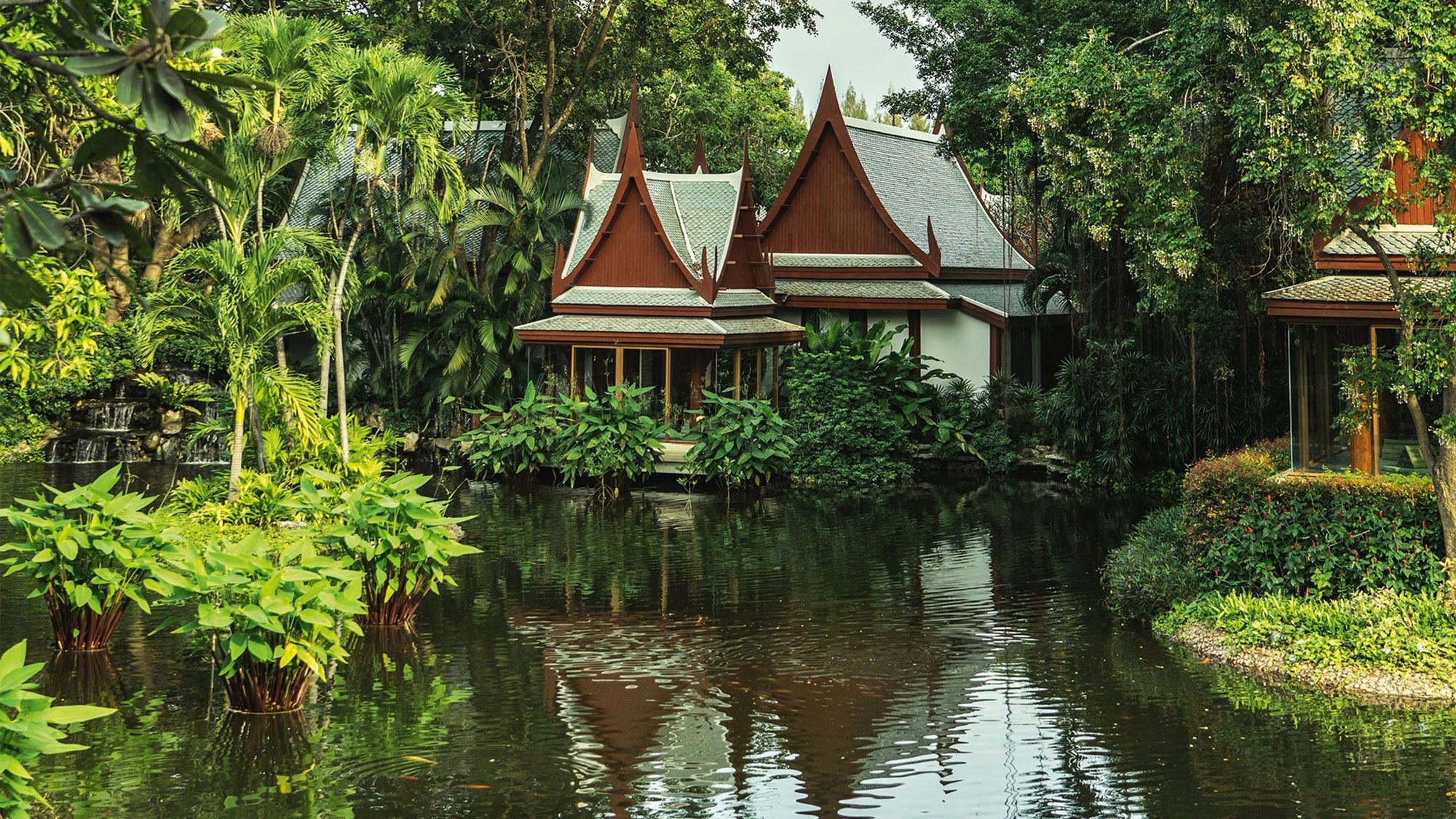
Where Thailand's Royal Coast Meets Medical-Grade Wellness
Hua Hin sits roughly three hours south of Bangkok by road, a stretch of Gulf coastline that has served as Thailand's royal resort town for nearly a century. The town's character differs sharply from the island resort circuit: quieter, more residential, with a pace that attracts a different visitor than Phuket or Koh Samui. Within that context, the upper tier of Hua Hin's accommodation market has developed a specific gravity around wellness, and Chiva-Som has occupied that position since its founding. The name translates as Haven of Life, and the property's 7-acre beachfront footprint on Phet Kasem Road operates as a self-contained environment designed to support a focused stay.
Tatler's Asia-Pacific Leading Hotels list for 2025 named Chiva-Som its Leading Wellness Retreat. Properties from Six Senses Yao Noi in Phang Nga to Amanpuri in Phuket have deepened their wellness programming considerably, but Chiva-Som operates in a distinct sub-tier: one where clinical protocols and medically supervised programmes run alongside spa treatments, rather than wellness functioning primarily as a hospitality amenity. That structural difference defines the competitive set and the type of guest the property draws.
The Dining Programme: Spa Cuisine as a Serious Kitchen Discipline
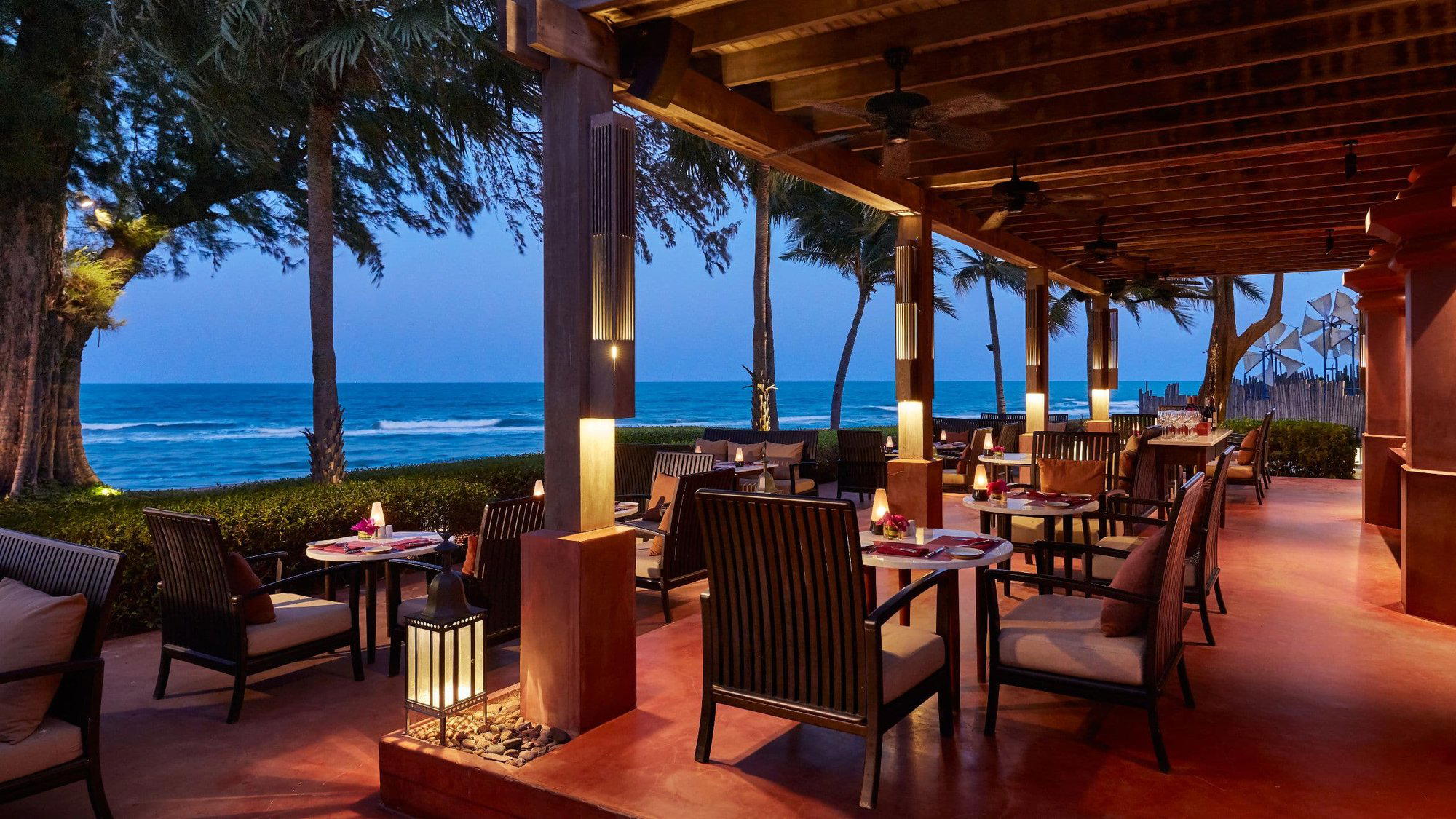
The food programme at the hotel occupies an interesting position in the broader conversation about resort dining. Spa cuisine has a reputation problem in most contexts: calorie-reduced menus that announce their restrictions on the plate, where flavour is sacrificed in service of macros. The approach here is structured around the opposite proposition. Asian and Western specialties from the kitchen draw on produce from the hotel's own organic garden, and the menu is framed around the argument that nutritionally calibrated food should function as a complete dining experience rather than a compromise. Guests on supervised weight management or cleansing programmes work with a qualified dietician to shape a programme appropriate to their targets, but the kitchen is not running a separate track for those guests: the cuisine is designed from the ground up to hold together as cooking, not merely as a delivery mechanism for a dietary protocol.
This framing connects the hotel's dining operation to a wider shift in how premium wellness destinations approach food. Properties like Four Seasons Resort Chiang Mai have invested in farm-to-table credentials, while Soneva Kiri in Trat has built an elaborate garden-to-plate programme. At the hotel, the organic garden is a functional part of the kitchen supply chain, with seasonal availability shaping what appears on the menu. For guests on extended stays, the dining experience is part of the therapeutic framework, not separate from it.
The Treatment Architecture: Eastern Tradition and Western Diagnostics
What separates particularly serious wellness destinations from hotel spas with an expanded menu is the degree to which programming is integrated and medically grounded. The hotel sits at the clinical end of that spectrum. The treatment range spans Thai massage, body wraps, facial and foot rituals, and complementary therapies including Che Nei Tsang, Shiatsu, Watsu, Reiki, and mind training. The physical fitness component runs from Tai Chi and Qi Gong to Pilates and individual personal training, supported by a fully equipped air-conditioned gym. Medical services run in parallel, supporting diagnostics and treatment integration.
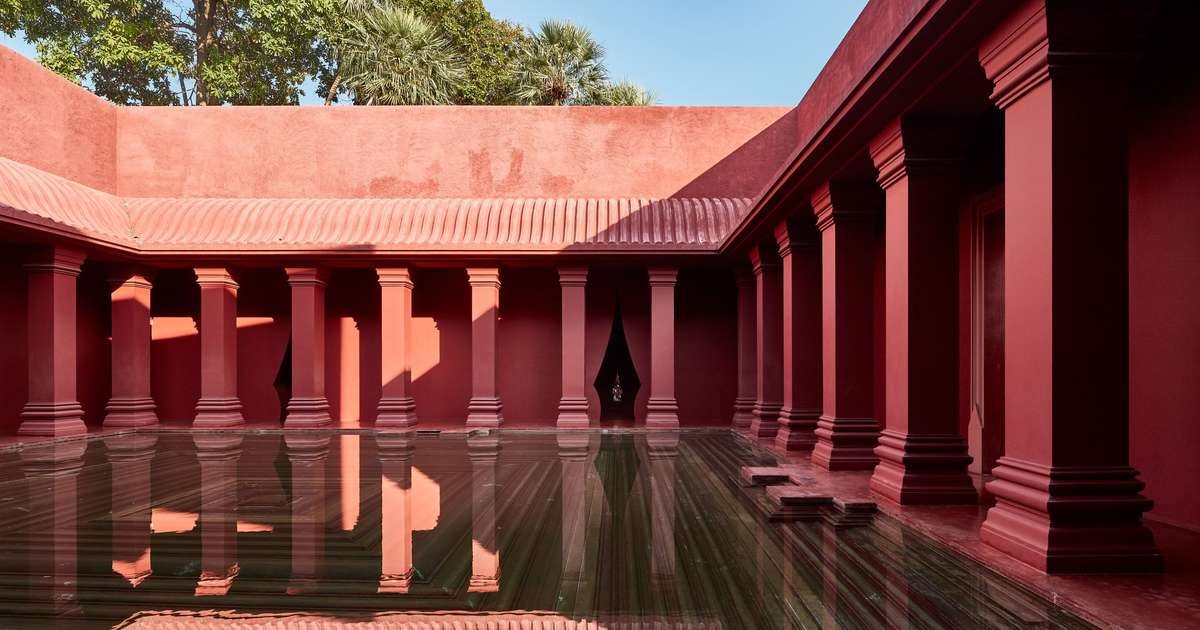
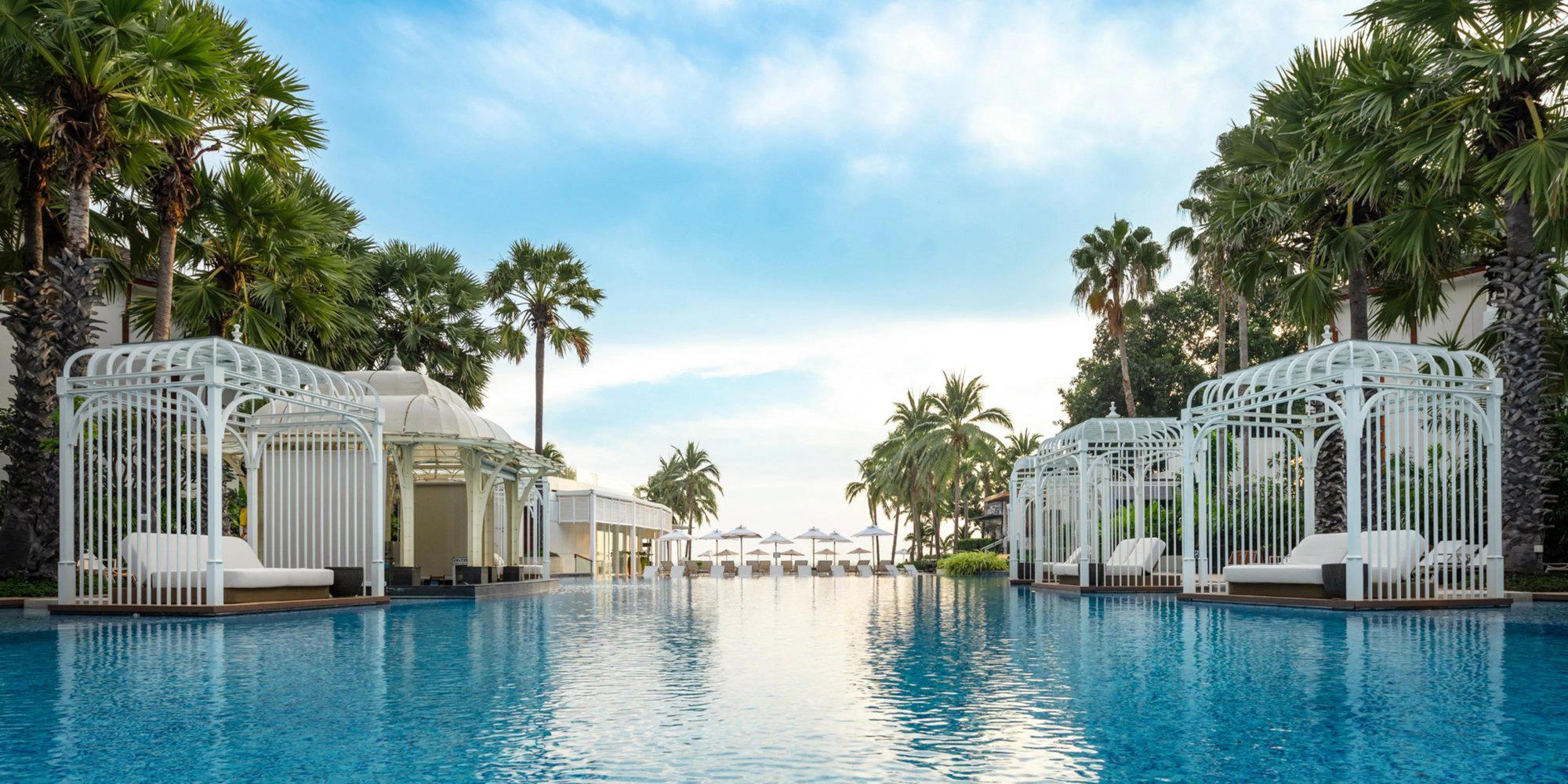
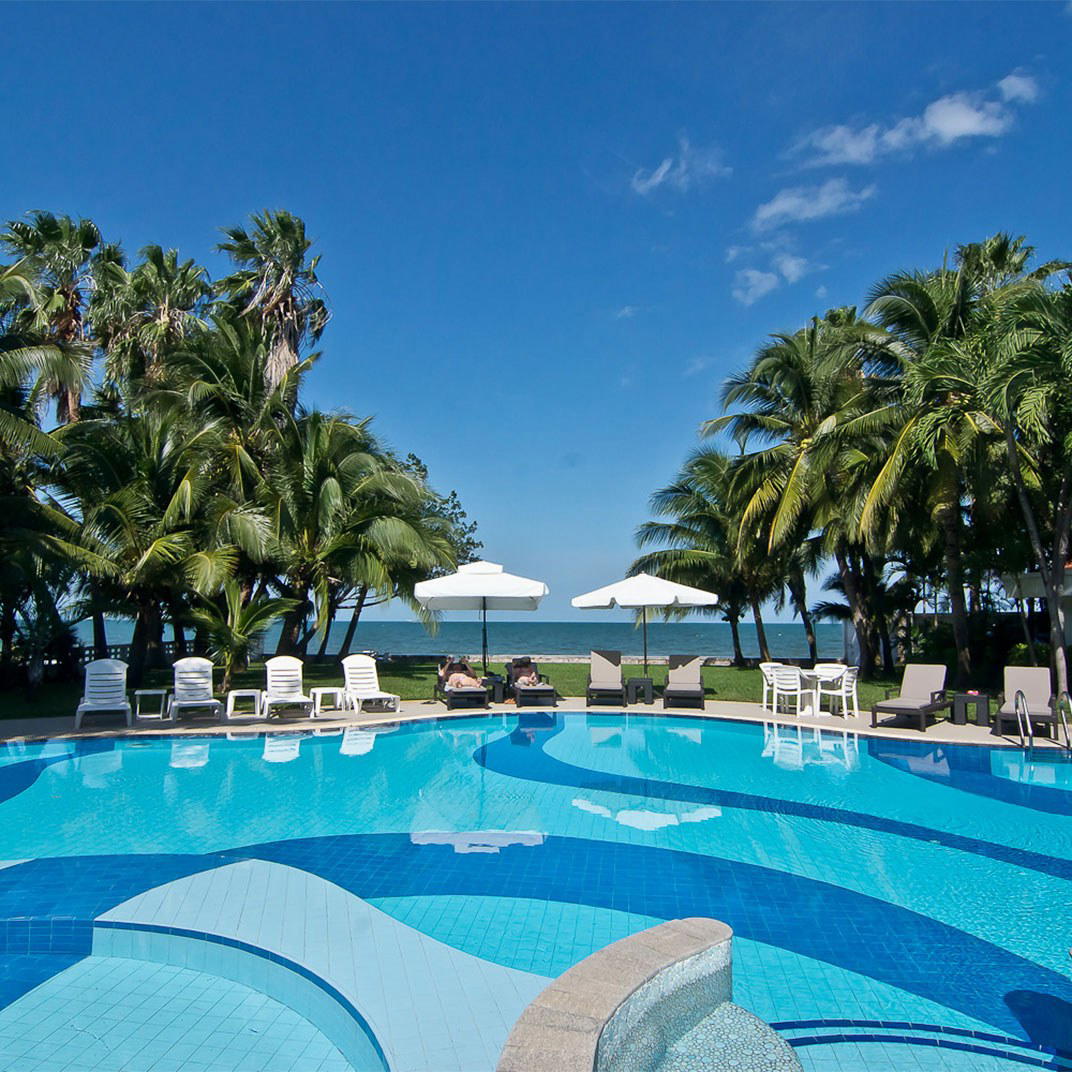
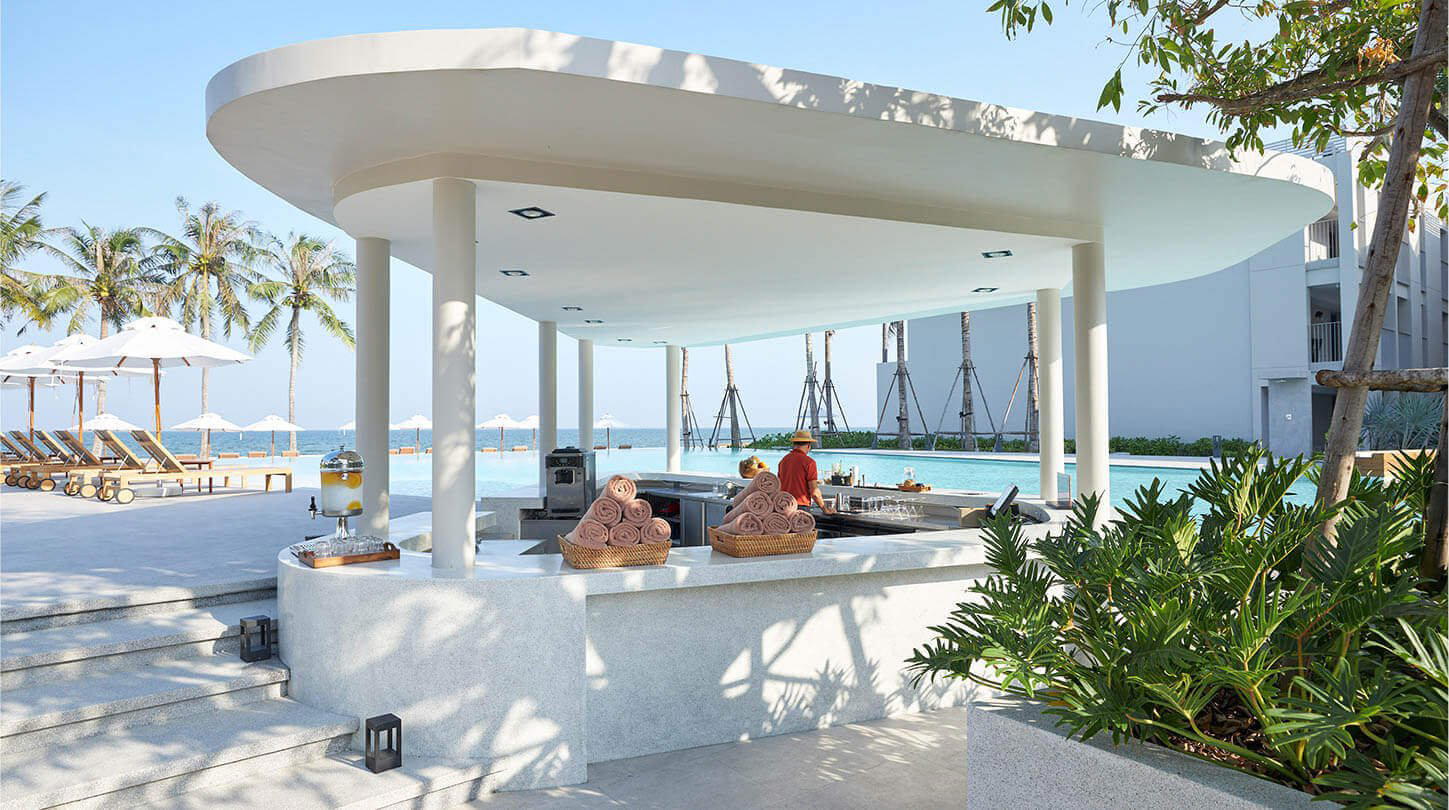
The aquatic infrastructure warrants particular attention. Alongside the outdoor pool and standard hydrotherapy facilities, the property operates a dedicated Watsu Pool, a warm-water bodywork environment that requires specific space and depth specifications not typically found outside dedicated wellness facilities. Multi-level steam rooms, plunge pools, and hydro pools complete a facilities roster that reflects a capital investment aligned with clinical-grade operations rather than hospitality amenity. An indoor bathing pavilion for aqua aerobics adds a group fitness dimension that many comparable properties handle only in outdoor settings.
For travellers comparing this against other Gulf of Thailand properties, the Aleenta Resort and Spa in Pranburi offers a smaller, design-led spa experience just south along the coast, while the Anantara Hua Hin Resort and Spa operates at a broader hospitality footprint with wellness as one component among many. The hotel's 54-room scale helps keep the guest-to-practitioner ratio manageable. The InterContinental Hua Hin Resort and CHARRAS Bhawan Hotel and Residence serve different segments of the Hua Hin market entirely, the former as a full-service international hotel, the latter as a boutique residence, which clarifies the distinct tier the hotel occupies locally.
Accommodation: 54 Rooms Built Around Privacy
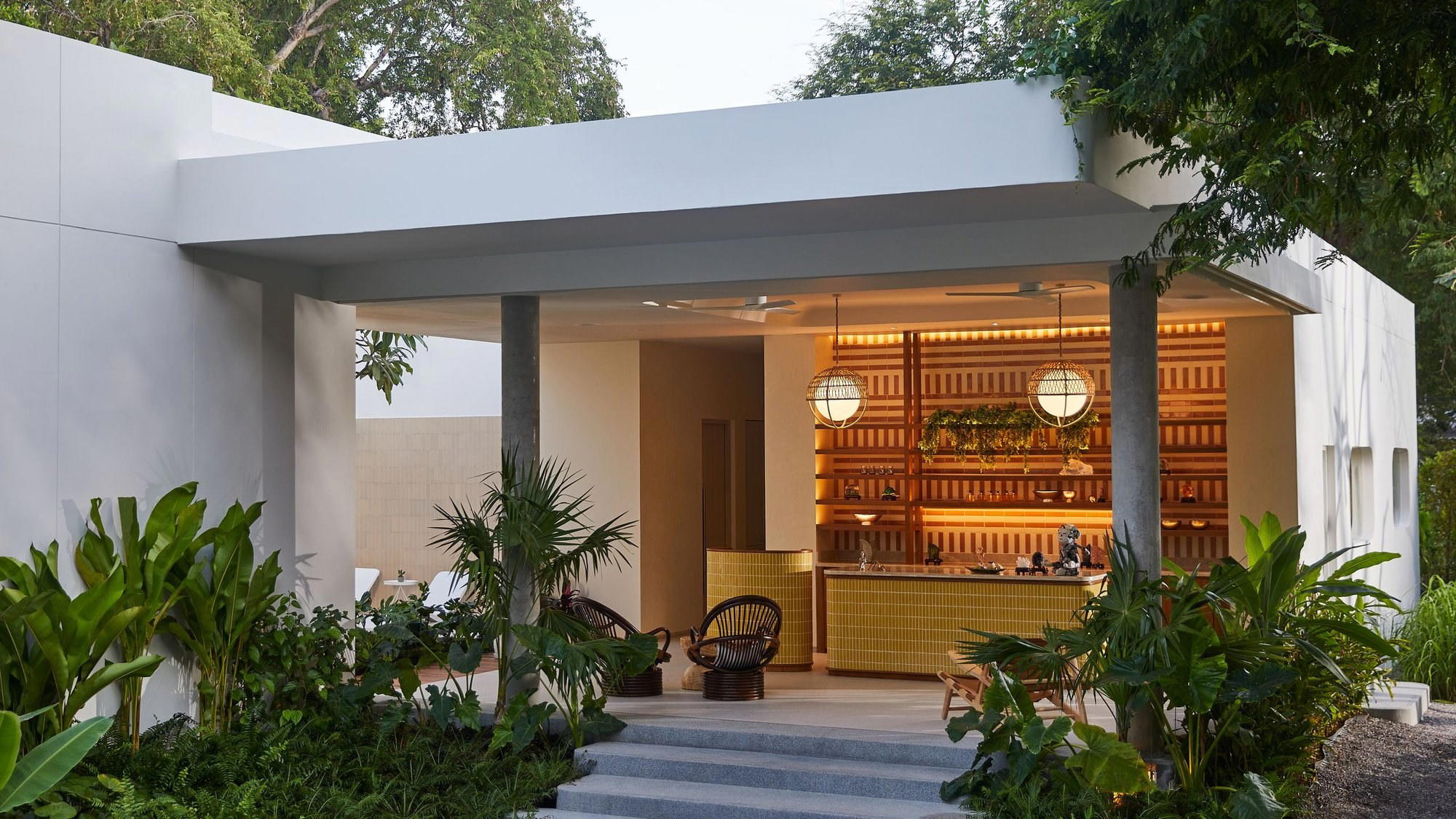
The room count is central to the property's operating logic. At 54 keys, the resort maintains a guest density that supports the privacy and individual attention its programme requires. Thai-style pavilions provide the primary accommodation format, with interiors finished in a restrained, functional aesthetic designed to reduce stimulation rather than impress with visual complexity. Ocean-view rooms and suites face the Gulf of Thailand, though the property's internal gardens and sala spaces mean that even accommodation without direct sea views is oriented toward landscape rather than interior corridors. The 7-acre site gives the resort enough space to feel coherent.
Thailand's wellness resort tier has grown considerably in the past decade. Properties across Koh Lanta, Koh Phangan, and Khao Lak have invested in expanded spa and wellness offerings, but the combination of clinical depth, limited key count, and beachfront acreage that hotel operates with is structurally difficult to replicate at scale. Internationally, the closest comparators in format are properties like Anantara Golden Triangle in Chiang Rai, which pairs experiential programming with limited-scale accommodation, though the wellness emphasis differs substantially.
Planning Your Visit
The hotel operates on Phet Kasem Road in Hua Hin.
Travellers building a broader Thailand itinerary alongside a hotel stay might consider the Mandarin Oriental Bangkok or Grand Hyatt Erawan Bangkok as Bangkok bookends, or route through the south toward Phulay Bay in Krabi or Samujana Villas in Koh Samui for a contrast in resort format. The Pineapple Valley Golf Club Hua Hin serves the area's active leisure segment for those combining a Hua Hin stay with golf.
Price and Recognition
Comparable venues nearby, for context on price, style, and recognition.
| Venue | Price | Awards | Notes |
|---|---|---|---|
| Chiva-SomThis venue — the venue you are viewing | $$$$ | 4-Star | Not listed |
| Devasom Hua Hin | $$$$ | 5-Star | Chaam-Hua Hin, Small luxury beachfront resort in Hua Hin beach mansion style reminiscing Siamese seaside glamour. |
| CHARRAS Bhawan Hotel and Residence | $$$$ | 5-Star | Khao Tao, Small luxury beachfront villa resort evoking Hua Hin's golden era. |
| InterContinental Hua Hin Resort | $$$$ | 5-Star | Hua Hin Beach, Seaside luxury resort blending Eastern and Western influences with contemporary Thai design in two distinct wings. |
| Dune Hua-Hin | $$$$ | 4-Star | Naebkhehars, Small exclusive beach boutique |
| Veranda Resort & Villas Hua Hin Cha Am | $$$$ | Michelin 1 Key | Cha-Am District, Phetchaburi Province, Contemporary Asian boutique resort with modern amenities and local craftsman furnishings, positioned as an upscale beachfront retreat. |
Recognition history
Dated appearances from independent guides and award organizations, with the underlying list record or original source where available.
Conde Nast Gold List
Conde Nast
Virtuoso Luxury Hotel Partner
Virtuoso
Michelin Selected
Michelin
Tatler Best Wellness Retreat
Tatler
Tatler Listed in Best Hotels Asia-Pacific
Tatler
Tatler Best Hotels Thailand - Best Wellness Retreat
Tatler

At a Glance
- Quiet
- Elegant
- Sophisticated
- Ornate
- Wellness Retreat
- Romantic Getaway
- Anniversary
- Destination Spa
- Infinity Pool
- Spa
- Pool
- Fitness Center
- Room Service
- Concierge
- Sauna
- Garden
- Spa
- Pool
- Fitness Center
- Room Service
- Concierge
- Sauna
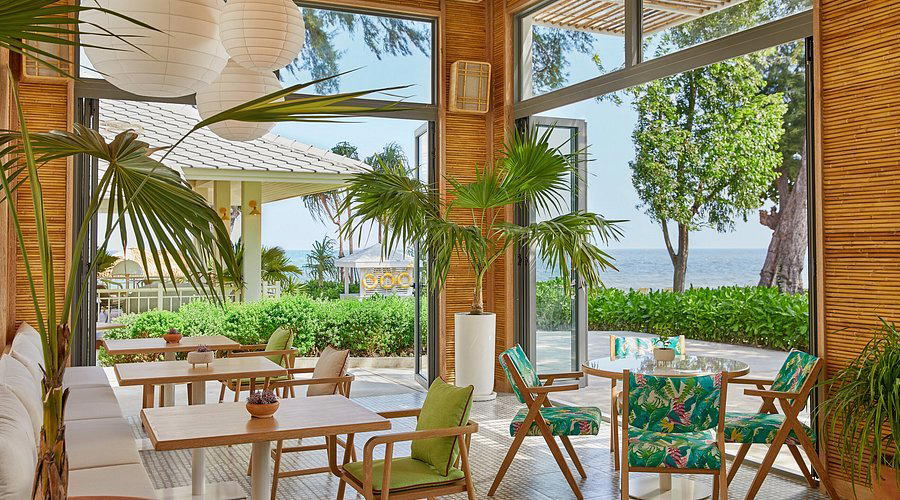
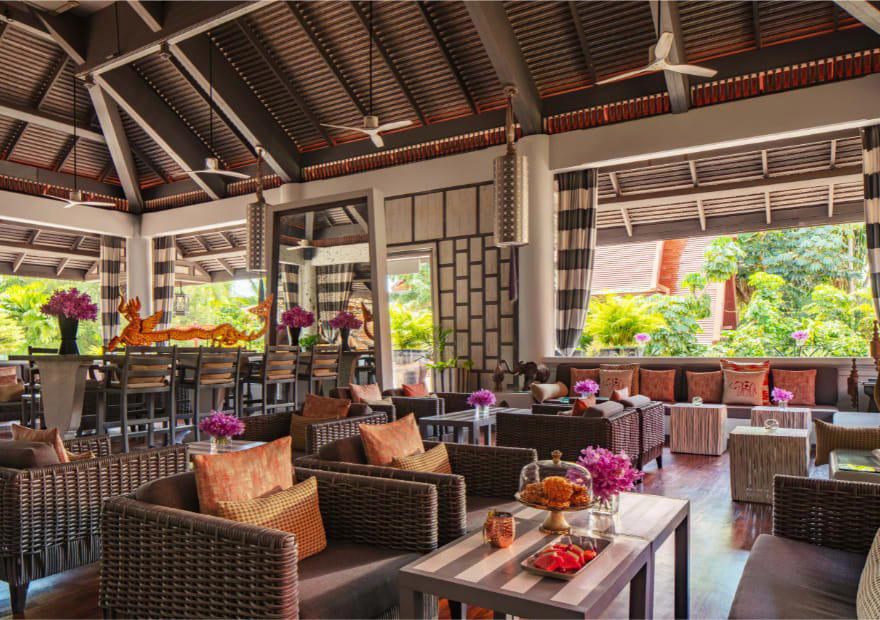
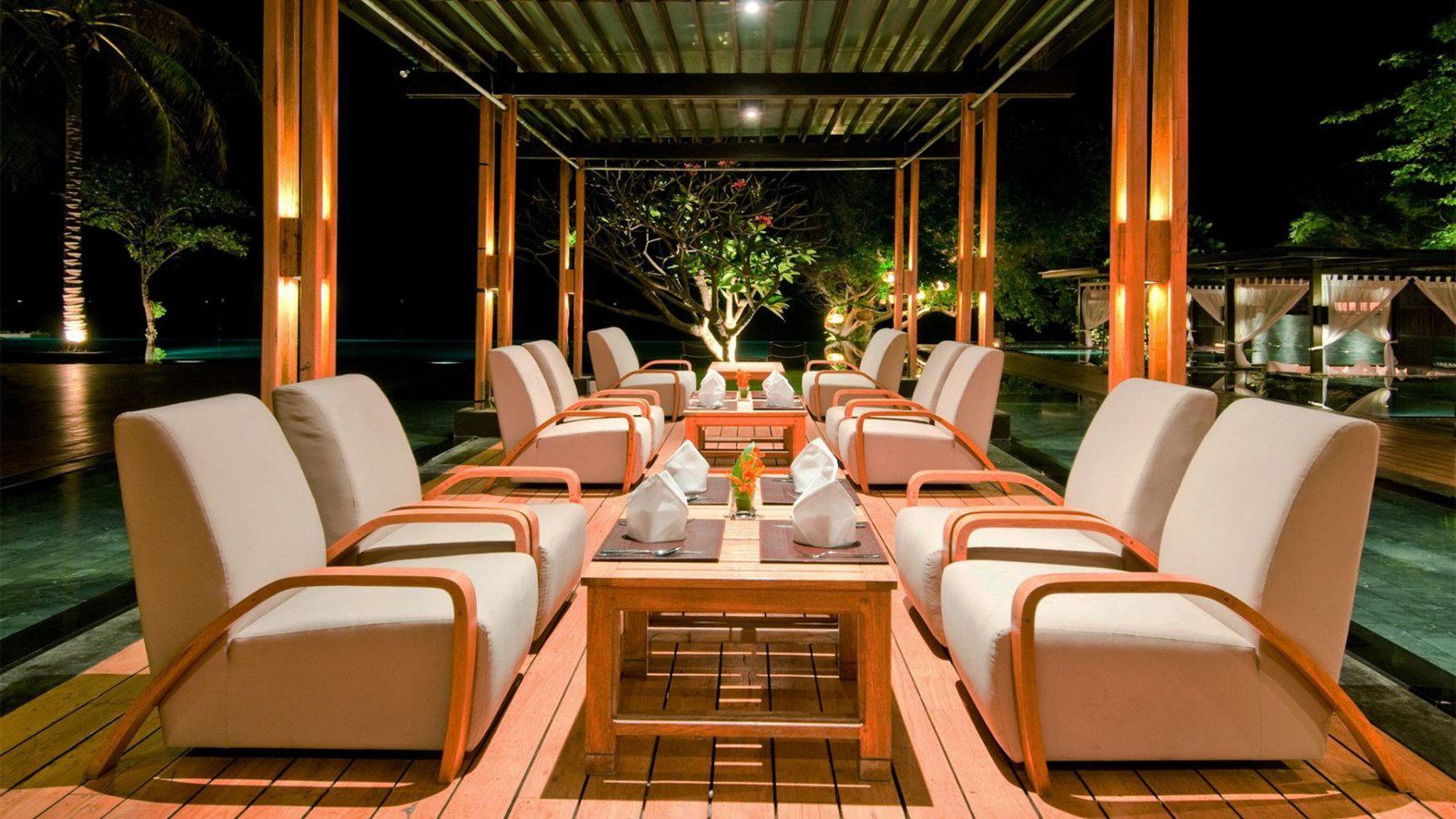
Serene and elegant with seaside pavilions, trickling water features, soft sunrise light, and relaxing lounges surrounded by tropical greenery.