← Guides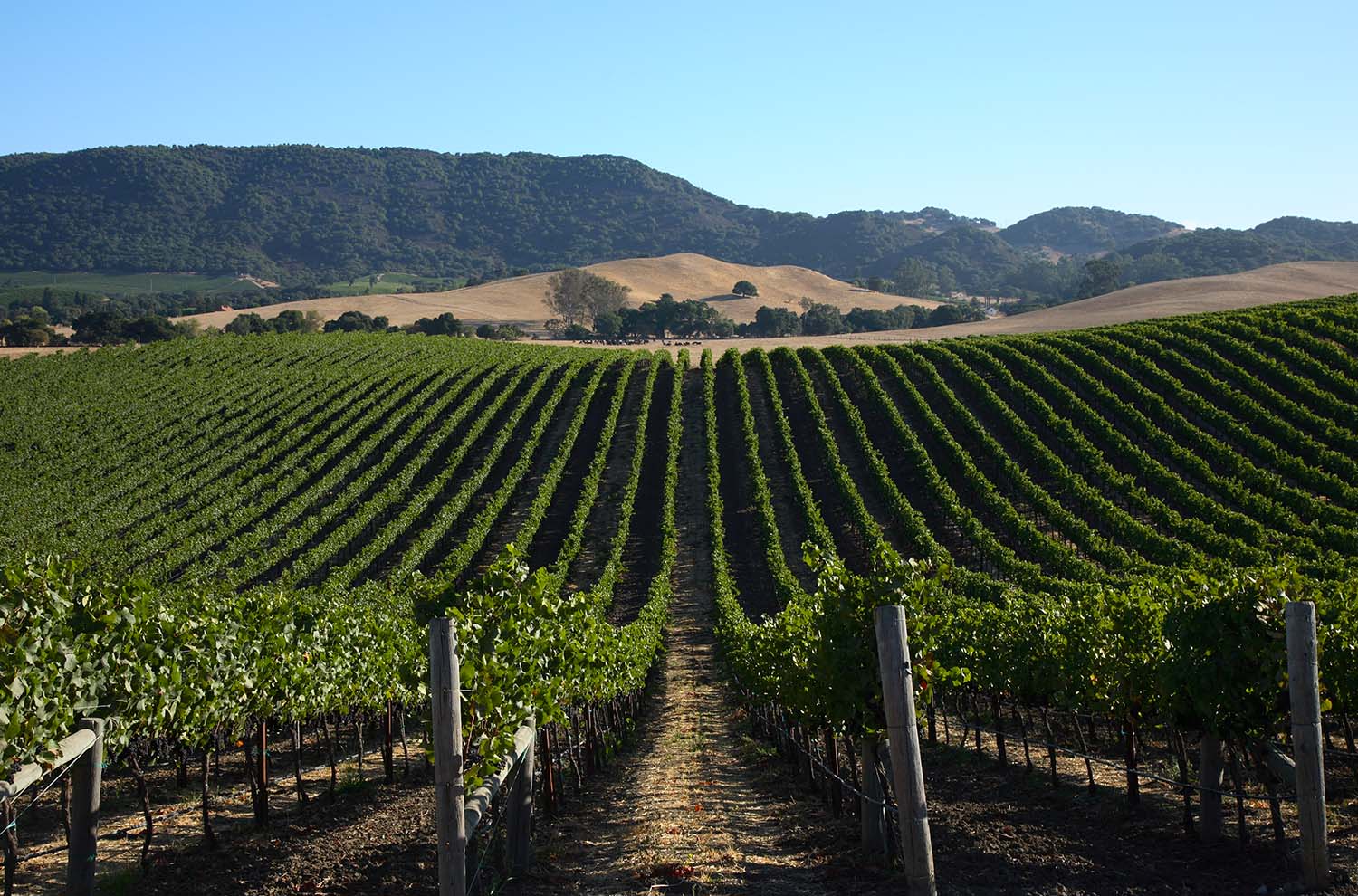
Domaine Carneros’ Napa Chamber honor puts its Carneros AVA sparkling-wine estate, microgrid, and vineyard practices in the glass.
Domaine Carneros’ Napa Chamber honor puts its Carneros AVA sparkling-wine estate, microgrid, and vineyard practices in the glass.
Six estate vineyards, roughly 400 acres, and a house founded by Champagne Taittinger: Domaine Carneros has always asked to be read through land as much as label. Within the cool, fog-influenced Carneros AVA., the estate now pairs méthode traditionnelle sparkling wine and limited-production Pinot Noir with a sustainability program substantial enough to earn Napa business recognition. For En Primeur Club readers, the interest is not virtue signaling. It is provenance, resilience, and the way a serious grower-producer protects the conditions behind the glass.
Domaine Carneros sustainability begins with a simple Taittinger family conviction: the leading wines begin with the healthiest land. Since 1987, that has meant caring for soil, vines, and the people who tend them as part of the same quality equation. The new distinction matters because it attaches measurable systems to that estate philosophy.
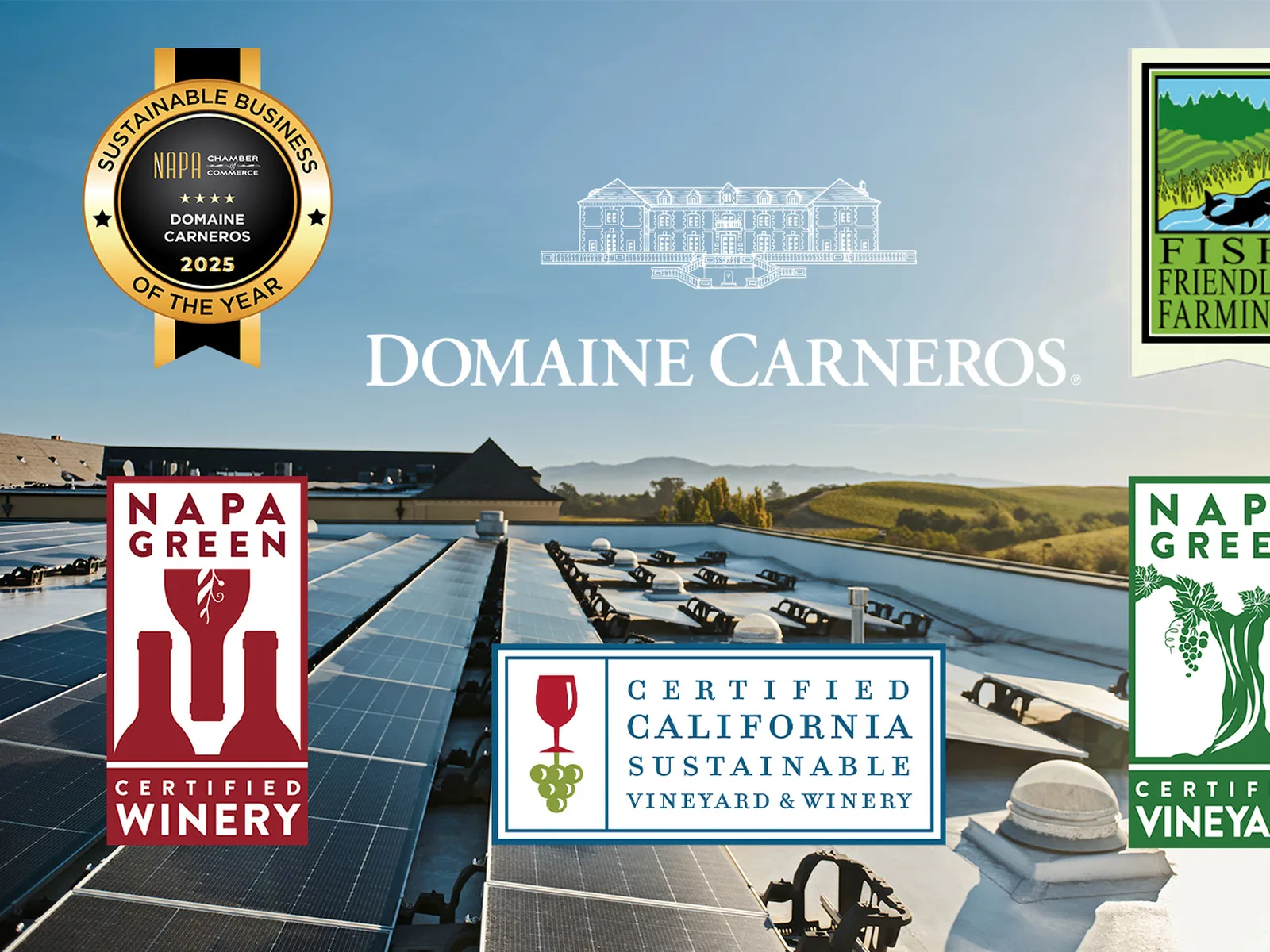
Domaine Carneros received the Sustainable Business of the Year award from the Napa Chamber of Commerce, presented by MCE Clean Energy, a not-for-profit public agency active in California clean energy since 2010. The honor gives the Carneros property a local business benchmark for environmental work that extends well beyond polished hospitality.
Energy has become part of premium wine infrastructure. Wildfires, severe weather, and grid instability can affect refrigeration, cellar rhythm, guest operations, and the ordinary precision required to move wine from vineyard to release. A château may be what visitors photograph first; the systems underneath it increasingly reveal how seriously an estate thinks about continuity.
That is the useful lens here. The recognition points to a winery investing in operational independence while maintaining the estate-owned discipline that underpins its sparkling wine identity. Sustainability is strongest when it is not decorative. At Domaine Carneros, it is tied to equipment, certifications, vineyard practice, and measurable reductions in waste and energy use.
Domaine Carneros was founded in 1987 and will celebrate its 40th anniversary next year. Its founder, Champagne Taittinger, gave the Napa property a clear philosophical line: estate ownership, terroir-driven sparkling wine, and the quality tenets of méthode traditionnelle production.
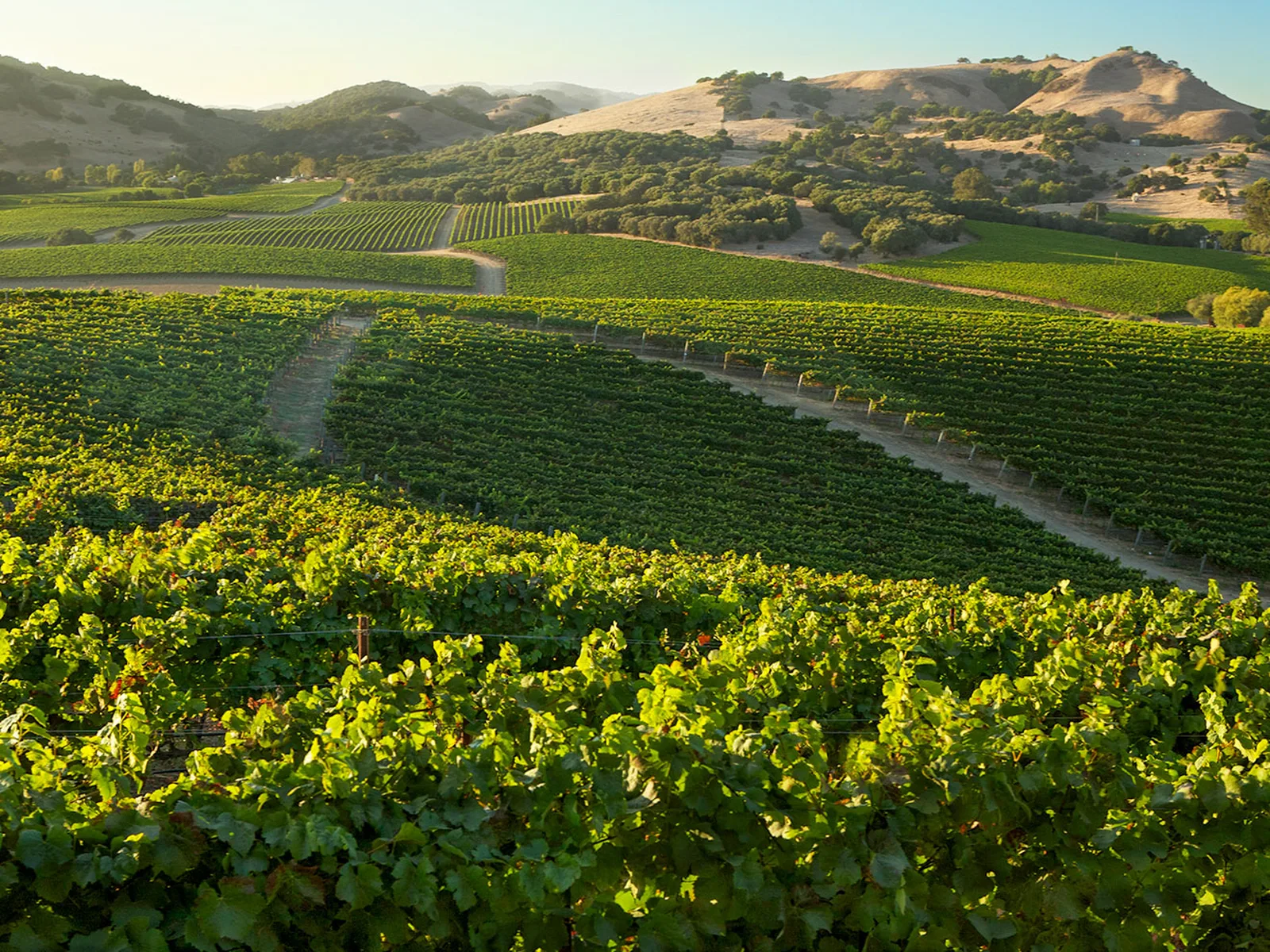
The property sits entirely within the Carneros AVA between Napa and Sonoma counties. Across its six estate vineyards, approximately 150 acres are planted to Chardonnay and 250 acres to Pinot Noir, giving the house a focused varietal foundation for its sparkling program and red-wine production.
For collectors and serious visitors, that matters. Domaine Carneros is not a generic Napa stop with a sustainability plaque; it is a grower-producer with Champagne lineage, estate vineyards, and an appellation identity built into the wines. The environmental program belongs in that same conversation because it supports the land from which the cuvées begin.
Two decades after installing its first solar array, Domaine Carneros deployed Schneider Electric’s EcoStruxure™ Microgrid in 2023. Schneider Electric was named the world’s most sustainable company in 2025 by Time magazine, and the partnership doubled the winery’s energy-generation capacity.
The system integrates 614 upgraded solar panels generating 427 kilowatts of clean energy with a 250KVA battery backup and generator. Excess solar energy produced during the day can be stored for evening or early-morning peak demand, while the infrastructure allows the winery to operate in “island mode” during grid outages.
Its intelligent controls use AI to optimize energy consumption in real time. The operational results are concrete: up to 70% self-generation for winery energy needs, approximately $150,000 in annual savings, and 740MWh of solar power production in the last year, the equivalent of taking 110 cars off the road.
Four electric vehicle charging stations extend the same energy strategy into the guest experience. The detail is practical rather than theatrical, which is precisely why it counts. In a premium wine estate, invisible systems often do important work.
Domaine Carneros holds environmental certifications from the California Sustainable Winegrowing Alliance, Napa Green Vineyard & Winery, Bay Area Green Business, and Fish Friendly Farming. Together, they give the estate’s environmental claims structure across winegrowing, winery operations, business practice, and watershed responsibility.
The awards history is similarly layered: the 2025 RISE Leadership Award for Energy Efficiency and Savings, the 2024 City of Napa Leadership Recycling Award, the 2023 RISE Leadership Award for waste prevention and supply chain greening, the 2020 Napa Climate NOW! Climate Champion in the Business Category, and the 2019 California Green Medal Business Award all sit alongside the Napa Chamber recognition.
Beyond energy, the estate diverts an average of 85% of solid waste from landfills through composting, recycling, and reuse. Production water is recycled and reused to irrigate estate vineyards, while 25% of packaging materials are reused annually, more than 1.2 million pieces saved since 2010.
In the vineyard, Integrated Pest Management includes owl boxes and beneficial cover crops. The winery has composted approximately 450,000 pounds of food waste since 2013, began on-site grape pomace composting trials in 2025, uses lighter-weight bottles to reduce shipping impacts, and offsets carbon emissions from wine club shipments.
The collector read should be exacting. An environmental award does not replace tasting, vintage assessment, provenance checks, or producer knowledge. It does, however, add a meaningful producer-level signal: Domaine Carneros is investing in the land, systems, and operational resilience that support wine quality over time.
That distinction is especially relevant for méthode traditionnelle sparkling wine, where patience, cellar discipline, and consistency matter. Energy independence will not make a cuvée collectible on its own, but it strengthens the estate context in which those wines are made, stored, served, and released.
Persuasive sustainability work in wine rarely feels ornamental. It shows up in acreage, farming choices, water use, packaging, waste streams, power generation, and the willingness to make infrastructure part of the estate’s long-term identity. Domaine Carneros has put numbers against that ambition.
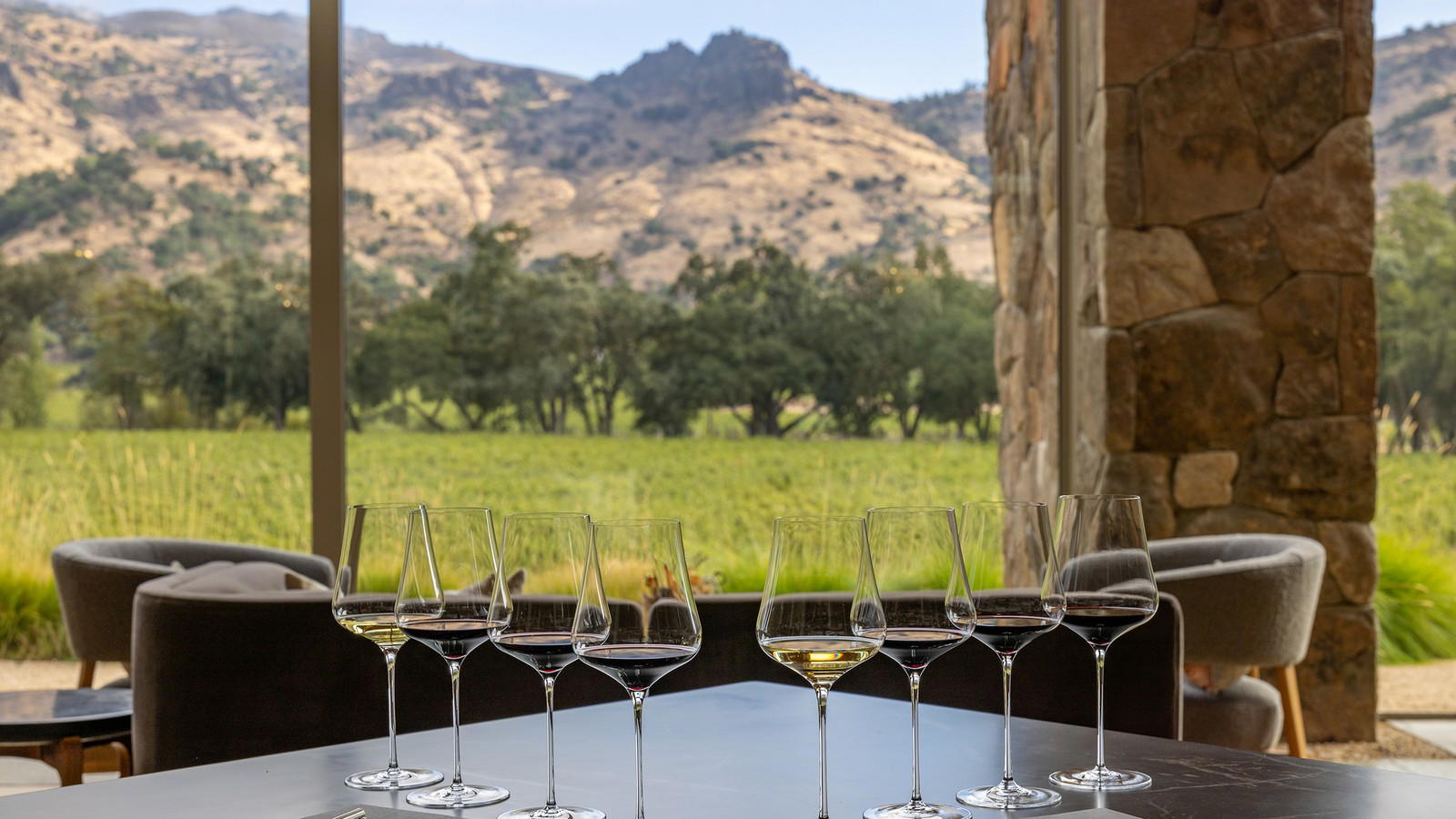
The château remains a Napa Valley landmark, but the sharper way to visit Domaine Carneros is to connect the view to the vineyard and the glass to the systems behind it. Estate sparkling wines, limited-production Pinot Noir, certified farming, and renewable-energy infrastructure all belong to the same property story.
Listen for how the winery connects its Taittinger inheritance to present-day environmental choices. Strong premium tastings do more than pour well; they reveal why a place is farmed, powered, and managed the way it is.
In Carneros, where fog, Chardonnay, Pinot Noir, and estate ownership define the frame, Domaine Carneros offers a particularly clear example of sustainability as provenance. The reward is not only a cleaner operating model. It is a deeper understanding of the estate behind the bottle.
It is recognized for a broad environmental program anchored in renewable energy, microgrid resilience, certified vineyard and winery practices, waste reduction, and resource reuse.
The solar program is part of an integrated microgrid that pairs estate generation with battery backup, generator support, and intelligent controls for winery operations.
Domaine Carneros deployed the EcoStruxure™ Microgrid in 2023, building on an earlier solar investment made two decades before.
The certifications span sustainable winegrowing, Napa vineyard and winery standards, green business practice, and fish-friendly farming.
No. The award is a producer-level sustainability signal, not a substitute for assessing vintage, cuvée, storage, or drinking window.
Get the App
Take the shortlist into the En Primeur Club app for concierge access, saved places, and the next step after discovery.
Get Exclusive AccessMore from the editors