← Guides
DWWA’s 2026 results put 196 Platinum medals in play after nearly 17,000 wines from 58 countries met 245 judges in London.
DWWA’s 2026 results put 196 Platinum medals in play after nearly 17,000 wines from 58 countries met 245 judges in London.
In London’s Docklands this May, 245 judges from 35 countries tasted and discussed 70 to 75 wines a day; the Decanter World Wine Awards 2026 then awarded 196 Platinum medals from a field of nearly 17,000 wines from 58 countries. According to Decanter, those Platinum medals accounted for just 1.2% of the 16,631-wine entry cohort, a tight circle, even before you consider the 63 Masters of Wine and 24 Master Sommeliers in the judging room (Decanter1).
That is the number collectors should sit with first: 196. Not because a medal replaces your own palate, but because DWWA’s 2026 results give a useful read on where quality is concentrating. Platinum rose by 59 medals compared with 2025. Gold rose by 191, to 924 wines, or 5.6% of entries. Silver reached 6,193 wines, or 37.2% of the cohort, up by 578 from the previous year (Decanter1).
Decanter framed the 23rd year of the competition as a year in which the proportion of wines finishing in the three top medal categories climbed while the judging standard stayed rigorous. For anyone who buys across appellations, Bordeaux one month, Santorini the next, this is not awards-season noise. It is a broad tasting snapshot, filtered through a credentialed panel and published by a brand whose content reaches more than two million wine lovers monthly worldwide (Decanter1).
The Decanter World Wine Awards 2026 produced three numbers that deserve a place in your buying notes: 196 Platinum medals, 924 Gold medals, and 6,193 Silver medals. Decanter reports that Platinum represented 1.2% of the 16,631 entry cohort, Gold 5.6%, and Silver 37.2%. The increase over 2025 was concentrated where it matters most for collectors: 59 additional Platinum medals and 191 additional Gold medals (Decanter1).
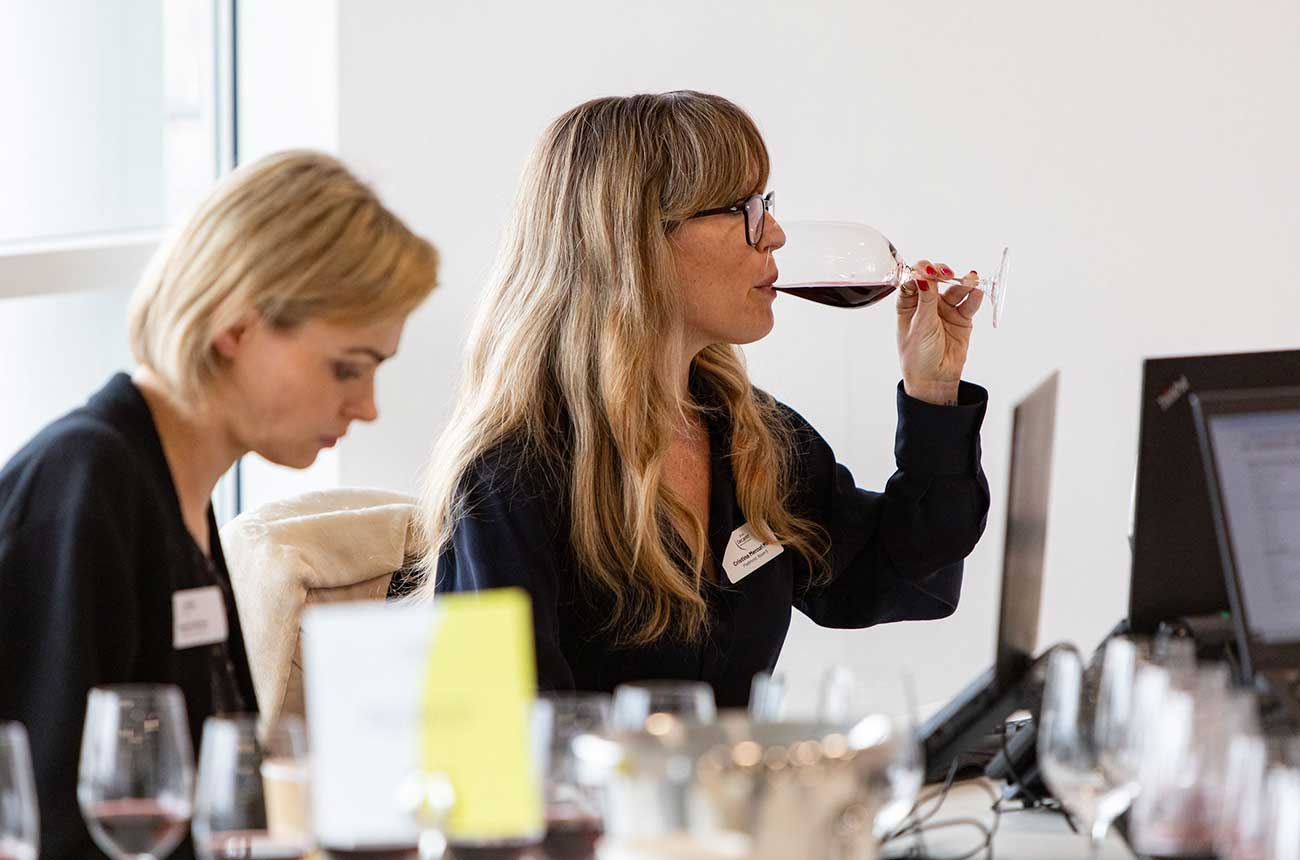
Scarcity is built into the Platinum tier. A wine entering DWWA does not simply receive a score and move on; a leading bottles pass through further judging, with debate and re-tasting before higher awards are settled. Beth Willard, DWWA Co-Chair, described that process directly in Decanter’s coverage: “The judging process at DWWA is among the more demanding I’ve come across. With each wine having to go through several rounds of judging to get to a Gold, Platinum, or Best in Show award, it means that the highest-scoring wines are worth seeking out.”
That matters because DWWA is not a local show with a narrow bench. Decanter says 245 expert judges travelled from 35 countries for the 2026 competition, including 63 Masters of Wine and 24 Master Sommeliers. For a medal to survive that room, especially at Gold, Platinum, or Best in Show level, it has had to convince more than one palate and more than one market’s assumptions.
The 2026 rise also arrives in a difficult moment for wine. Decanter’s own account names tariff barriers, inflation, transport chokepoints, changing consumer tastes, oversupply, and decontextualised health messages among the pressures surrounding the trade. In that setting, a larger crop of top medals reads less like generosity and more like a useful diagnostic: producers are finding ways to lift quality even as the business of wine becomes harder.
A Platinum medal is not an allocation letter from a château. It does not guarantee secondary-market heat, and it should not erase the work of reading producer history, vintage conditions, and drinking windows. But at this scale, the medal distribution gives collectors a disciplined shortlist.
Start with the ratios. Out of the 16,631 entry cohort cited by Decanter, 196 wines reached Platinum. That leaves Platinum at a little over one wine in every hundred entries. Gold, at 924 wines, remains selective enough to warrant attention yet broad enough to reveal category depth. Silver, at 6,193 wines, is more expansive, but the increase of 578 over 2025 still shows a broad lift in wines that cleared the competition’s higher-quality band.
The practical use is not to buy every bottle with a sticker. The practical use is triage. If you already follow a region, say Rhône Syrah, Margaret River Cabernet, Chianti Classico Riserva, or Santorini’s ageworthy sweet wines, DWWA results can help you compare familiar names with bottles you might otherwise miss on a merchant’s list. The medal should push you to ask better questions: who imported it, how much arrived, whether the vintage sits in bottle or on pre-arrival, and whether the producer has a track record beyond one competition result.
Decanter’s reach adds another layer. With more than two million wine lovers worldwide seeing Decanter content monthly, a Platinum or Gold result can move a bottle from trade-only obscurity into consumer view quickly. That does not mean every medal winner becomes scarce overnight. It does mean the window between results publication and retail attention can be short, particularly for wines from smaller categories or appellations with limited export volume.
Decanter’s 2026 coverage points to a wide range of regions appearing in the upper reaches of judging. The Rhône team, Decanter reported, had a full flight of Côte-Rôtie wines to judge for the first time. The Co-Chairs’ Best in Show selection simultaneously featured Clos de Vougeot, Hermitage, Côte-Rôtie, Pomerol, Vino Nobile di Montepulciano, Carmignano, Margaret River, the Dundee Hills, Stags Leap District, and a 98-point 2005 vinsanto from Santorini.
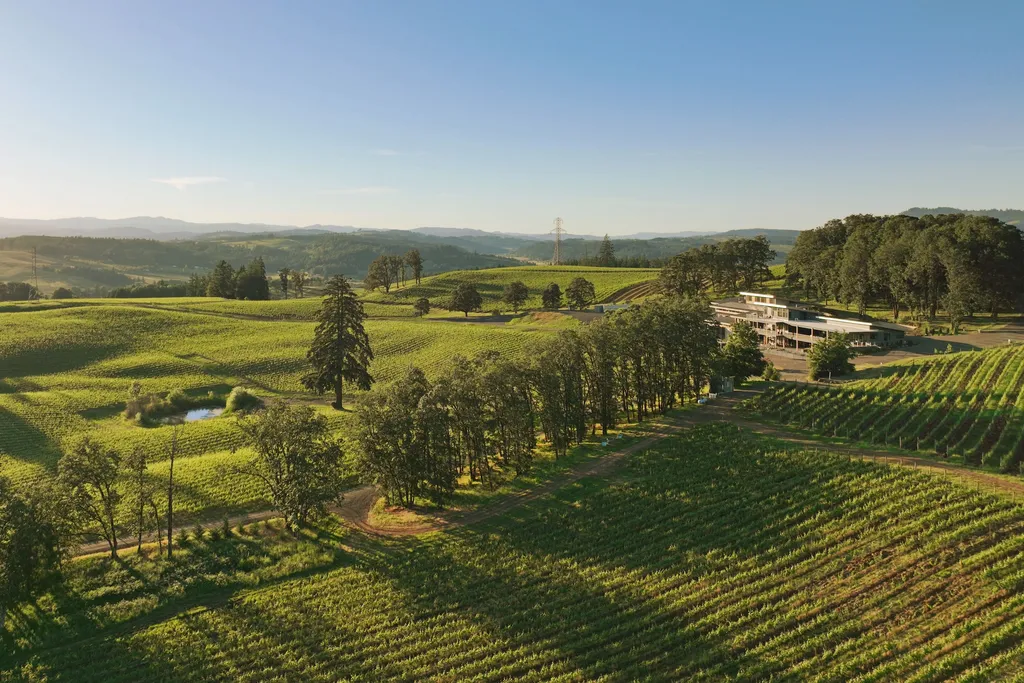
That list resists a single-region reading. Burgundy and Bordeaux remain there, of course: Clos de Vougeot and Pomerol need no introduction to collectors who read en primeur notes with a pencil in hand. But the same Best in Show conversation also had Margaret River, the Dundee Hills, Stags Leap District, Carmignano, and a 2005 Santorini vinsanto at 98 points. The spread tells you where to look next without pretending that one medal table rewrites the hierarchy of wine.
Côte-Rôtie’s appearance as a full flight is especially relevant for Rhône drinkers. A judging team seeing enough wines from that appellation to form a complete flight changes the way bottles are assessed: not as isolated Syrah from the northern Rhône, but against peers sharing a tighter regional frame. For buyers, that matters. Comparison sharpens judgment.
The Santorini reference is equally practical. Decanter specifically mentions a 98-point 2005 vinsanto from Santorini among the Co-Chairs’ Best in Show selection. A mature sweet wine from Santorini does not sit in the same buying rhythm as a newly released red from Bordeaux or California; it speaks to patience, cellar survival, and the value of checking older-vintage listings when competition results surface.
Value also had more depth in 2026. Decanter said it had never had so many Gold medal wines competing in its Value category, producing a Top 35 rather than the previous year’s Top 30. The examples named by Decanter included wines from Argentina’s Gualtallary, Australia’s McLaren Vale, and Chianti Classico Riserva. For collectors used to allocating budget toward grander labels, this is where a medal can be especially useful: not as a substitute for blue-chip bottles, but as a way to fill the drinking cellar with wines that have passed through a demanding panel.
The mechanics of DWWA matter because they explain why the 2026 medal rise should not be read as simple score inflation. Decanter states that its judging is based on discussion, not the simple calculation of scores. Judges taste and discuss 70 to 75 wines per day over a week in London’s Docklands each May. That rhythm is demanding: enough repetition to calibrate a panel, enough discussion to challenge a first impression, enough wines to reveal both category strength and fatigue.
The credential signal is unusually dense. In 2026, Decanter reports 245 expert judges from 35 countries, including 63 Masters of Wine and 24 Master Sommeliers. Those initials matter less as decoration than as friction. A wine in contention has to survive palates trained in different markets, service contexts, and regional specialisms. A Master Sommelier may read structure through the lens of a dining room; a Master of Wine may press harder on typicity, balance, and comparative quality. The strongest panels need both.
Caro Maurer MW also had a specific role in 2026: Decanter reports that she was the first Regional Chair to hold the Resident Co-Chair position and join the Co-Chair cohort during judging. That detail speaks to continuity inside the process. Regional Chairs bring category knowledge; placing one in the Resident Co-Chair position links specialist panel work with the final discussions that shape the upper awards.
Decanter describes the DWWA as the world’s largest wine competition, now in its 23rd year. Scale alone would be meaningless without methodology, but the two together explain why producers continue to enter nearly 17,000 wines. For a domaine in an established appellation, DWWA offers comparison beyond the usual neighbours. For a producer from a less familiar region, the same room offers access to judges who can place the wine in a global frame.
The first move is restraint. Do not treat a medal as a command. Treat it as an invitation to inspect the wine more closely: producer, vintage, appellation, importer, bottle condition, and release timing. If the wine is current release, ask whether more stock is due. If it is older, such as the 98-point 2005 Santorini vinsanto mentioned by Decanter, provenance should sit at the summit of the page.
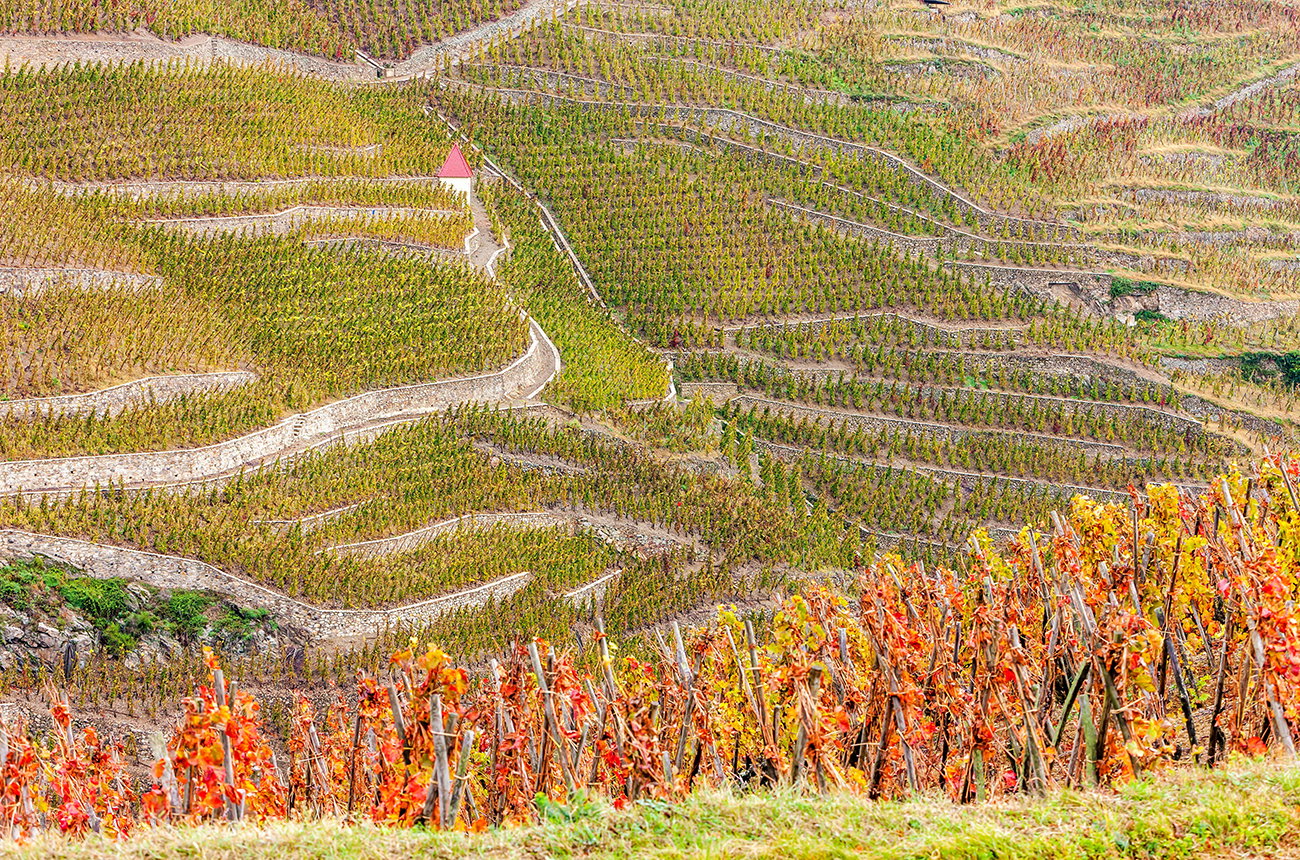
For travel-minded buyers, the Decanter World Wine Awards 2026 results can also shape itineraries. A Rhône trip built around Côte-Rôtie and Hermitage now has fresh competition data to consult before appointments. A Western Australia route through Margaret River can be sharpened by checking which producers appeared in the upper tiers. A California cellar visit to Stags Leap District gains another layer when you have recent medal context in your notebook.
Restaurants should read the Gold and Value results with particular care. Decanter’s 2026 Value category expanded from a Top 30 to a Top 35, with Gold medal wines from Gualtallary, McLaren Vale, and Chianti Classico Riserva among the examples it named. Those are not interchangeable regions; they offer different structures, service roles, and pairing possibilities. But they do share one advantage for a wine director: a credible external signal that can help guests move beyond the safest label on the list.
Private collectors can use the Platinum list more narrowly. At 196 wines, it is small enough to study, not merely scan. Cross-reference the bottles against producers you already trust, then against regions you have been meaning to explore. The goal is not to chase every award. The goal is to let a serious judging process interrupt your habits at the right moment.
The 2026 DWWA numbers arrive with a useful tension: more top medals, but still a small percentage of the total field. That combination is why the results are valuable. If Platinum had ballooned into an easy category, collectors could ignore it. If Gold remained static while the global entry field expanded, the story would be narrower. Instead, Decanter reports more wines reaching a leading tiers while maintaining a discussion-led judging process.
Caro Maurer MW, quoted in Decanter’s coverage, put the breadth of quality plainly: “The nearly 17,000 wines tasted at DWWA 2026 have once again demonstrated that high-quality wine now comes from all corners of the globe.” The sentence is easy to admire; the buying work begins after it. Which corners? Which producers? Which vintages? Which bottles will still be available once merchants, sommeliers, and private clients have searched the winners database?
For now, particularly useful reading is measured optimism backed by numbers: 196 Platinum medals, 924 Gold, 6,193 Silver, 245 judges, 35 judging nations, 58 wine-producing countries represented, and a week of tasting in London’s Docklands. The next signal to watch is not the headline medal count, but the individual bottles that move from the DWWA results page into serious cellars, restaurant lists, and the itineraries of drinkers who plan their travel around a glass.
The Decanter World Wine Awards 2026 awarded 196 Platinum medals from a field of nearly 17,000 wines. This represented just 1.2% of the 16,631-wine entry cohort, making Platinum one of the competition's most selective tiers.
Gold medals were awarded to 924 wines, representing 5.6% of entries at the Decanter World Wine Awards 2026. This was an increase of 191 Gold medals compared to the 2025 competition.
The competition featured 245 expert judges from 35 countries, including 63 Masters of Wine and 24 Master Sommeliers. Each judge tasted and discussed 70 to 75 wines per day during the May competition in London's Docklands.
Platinum medals rose by 59 compared to 2025, reflecting a year in which the proportion of wines finishing in a leading medal categories climbed while judging standards remained rigorous. Decanter framed this as producers finding ways to lift quality despite difficult market conditions including tariffs, inflation, and transport challenges.
Get the App
Take the shortlist into the En Primeur Club app for concierge access, saved places, and the next step after discovery.
Get Exclusive AccessMore from the editors