Woodfire Rockford
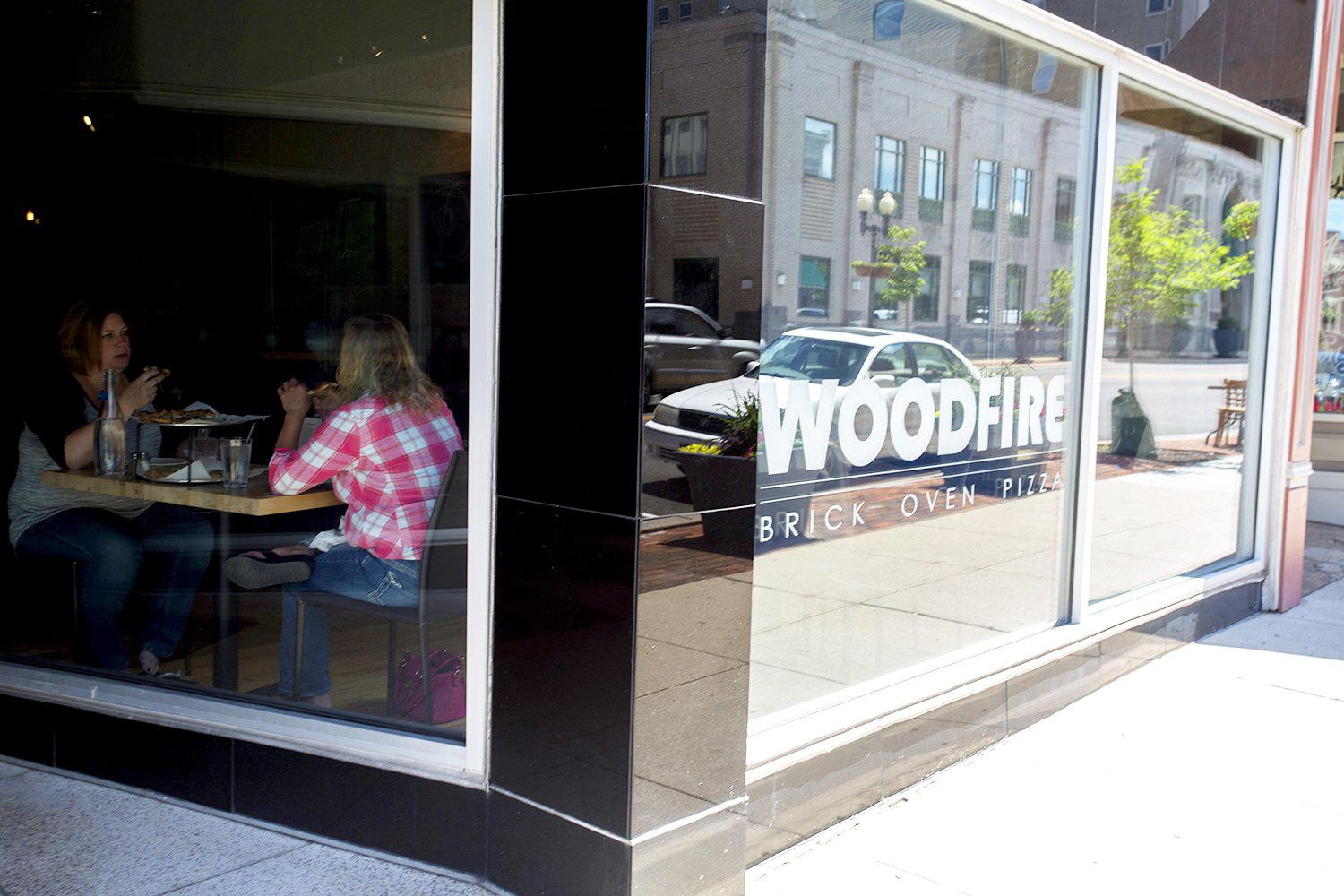
Woodfire Rockford occupies a address on East State Street in downtown Rockford, Illinois, where an open-fire cooking format shapes a menu built around smoke, char, and seasonal Midwest produce. The bar programme runs alongside the kitchen with deliberate intent, and the pairing between what comes off the grill and what arrives in the glass defines the experience here more than either element would alone.

Pearl is the En Primeur Club membership app, where members save venues, book tables and use the concierge.
Fire as a Framework: How Woodfire Rockford Fits Into Illinois's Evolving Bar-Kitchen Scene
Illinois's mid-sized cities have spent the better part of a decade catching up to a shift that Chicago accelerated years earlier: the convergence of serious bar programmes with kitchens that treat food as more than an afterthought. That shift is most visible not in the city's flagship dining rooms but in the neighbourhood spots that build their identity around a single, disciplined technique. In Rockford, the woodfire format sits at the centre of that movement. At 408 E State St, Woodfire Rockford takes the principle of open-flame cooking and uses it as the organising logic for both the plate and the glass.
The approach matters because fire changes the nature of pairing. Smoke introduces a bittering agent that is neither tannin nor hop-derived bitterness, which means the bar must calibrate its list differently than it would for a raw or butter-finished kitchen. Cocktails that flatten beside grilled protein, or wines that clash with char, reveal a programme that has not thought through the relationship between cooking method and drink construction. The better fire-forward venues treat this as a solved problem from the outset, and the gap between those that do and those that do not is immediately apparent to anyone sitting at the counter with a drink in hand.
East State Street and the Geography of Downtown Rockford Dining
East State Street has long functioned as one of Rockford's primary dining corridors, and the block where Woodfire Rockford sits reflects the broader character of a downtown that has added independent operators without losing its neighbourhood scale. Unlike Chicago's denser bar-restaurant clusters, Rockford's dining scene distributes across a walkable but unhurried grid, which means a venue on East State draws from both the immediate neighbourhood and from visitors making a deliberate trip across the city. That geography shapes the audience: it skews toward guests who have already decided they want a particular kind of evening, not foot traffic converting on impulse.
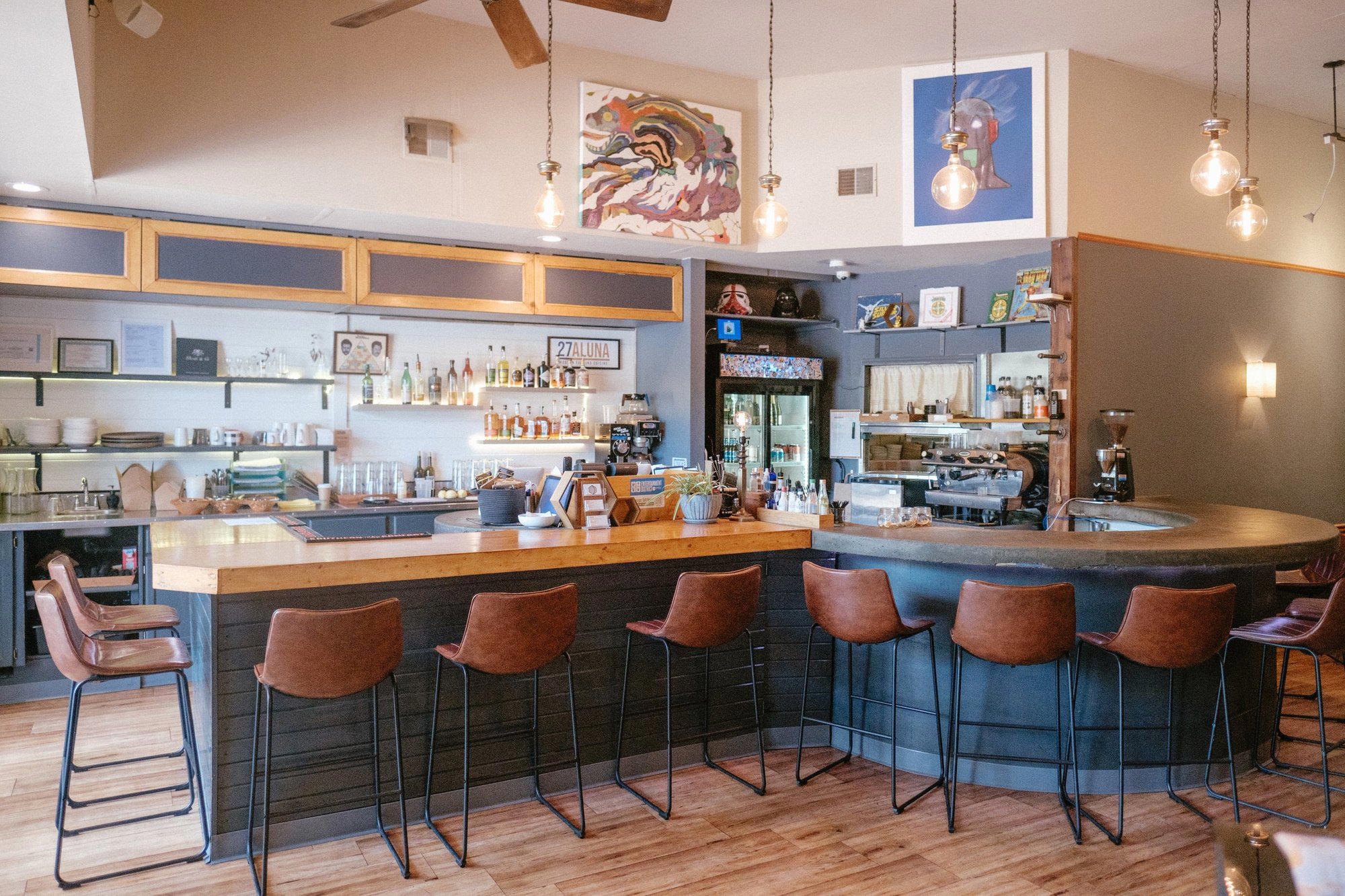
Rockford's independent bar scene has genuine depth. 27 ALUNA and Abreo represent two distinct poles of that scene, the former leaning into spirit-forward cocktails, the latter into a more food-integrated format. GreenFire and JMK Nippon extend the city's range further, each occupying a different relationship between kitchen and bar. For the full scope of what Rockford offers across restaurants and bars, the EP Club Rockford guide maps the scene by neighbourhood and format.
The Pairing Logic: When the Kitchen Informs the Bar List
Across the broader American bar-kitchen category, the venues that have earned sustained critical attention tend to be those where the drinks list was built in response to the food, not assembled in parallel and placed beside it. Kumiko in Chicago is the most cited Illinois example of a bar where the kitchen and the glass exist in explicit dialogue, with the menu constructed so that each element anticipates the other. That model has become a reference point for mid-market operators in the region considering how seriously to treat the pairing question.
Further afield, the principle takes different regional forms. Jewel of the South in New Orleans applies a historically-grounded cocktail programme alongside a kitchen that treats Southern ingredients with the same seriousness. Julep in Houston anchors its programme in regional spirit traditions and calibrates its food accordingly. Bar Leather Apron in Honolulu demonstrates how a technically precise cocktail format can coexist with a kitchen that does not compete for attention but quietly reinforces the bar's point of view. What these venues share is an editorial stance: the food and drink are not competing programmes but a single argument made in two registers.
Woodfire Rockford is operating within that same conversation, albeit at a different scale and in a different market. The woodfire format is an effective anchor for pairing logic because it creates a consistent flavour signature across the menu, making it easier to build a coherent drinks list around it. A kitchen producing smoke, caramelisation, and char across most of its output gives a bar programme clear parameters to work within, whether that means mezcal-adjacent spirits to mirror the smoke, acid-bright cocktails to cut through it, or structured wines with enough grip to stand beside the grill.
Placing Woodfire in a National Context
The fire-cooking revival in American restaurants has been well-documented across the past decade, moving from the wood-burning ovens of Californian pizza culture into high-end restaurants and then, progressively, into neighbourhood operators in smaller cities. ABV in San Francisco represents one version of the bar-forward kitchen hybrid on the West Coast, where the food programme is taken as seriously as the drinks but neither dominates. Superbueno in New York City shows how a flavour-forward kitchen can drive a drinks list toward specific spirit categories and preparation styles. The Parlour in Frankfurt on the Main extends the comparison internationally, demonstrating that the bar-kitchen pairing format is not a strictly American phenomenon but a structural approach to hospitality that travels across markets.
In the Illinois context, Woodfire Rockford sits in a tier of operators that are making a case for Rockford as a city with culinary ambition that extends beyond Chicago's orbit. That case is not made through Michelin recognition or 50 Best citations, neither of which apply here, but through the consistency of a format and through the willingness to let a single cooking method carry the weight of an entire identity.
Planning a Visit
Woodfire Rockford is located at 408 E State St in downtown Rockford, accessible from Chicago via Interstate 90 in approximately 90 minutes by car, making it a realistic destination for a same-day trip from the city. East State Street has on-street parking and is within walking distance of Rockford's main hotel cluster. Specific hours, pricing, and booking information are best confirmed directly with the venue before visiting, as operational details for independent operators in this tier can shift with the season. Autumn and winter tend to reward fire-cooking formats particularly well: the warmth of an open-hearth kitchen reads differently in colder months, and the season's produce, root vegetables, alliums, and heavier cuts, aligns naturally with what open-flame cooking does at its finest. If you are building an evening around the venue, arrive with enough time to work through the drinks list before committing to food, since the pairing relationship is easier to appreciate when you have a sense of the bar's range first.
Peers Worth Knowing
Comparable venues nearby, for context on price, style, and recognition.
| Venue | Cuisine | Price | Notes |
|---|---|---|---|
| Woodfire RockfordThis venue (the venue you are viewing) | cocktail_bar | $20–30 | Not listed |
| GreenFire | lounge | $20–30 | Rockford |
| The Norwegian | pub | $10–20 | North End |
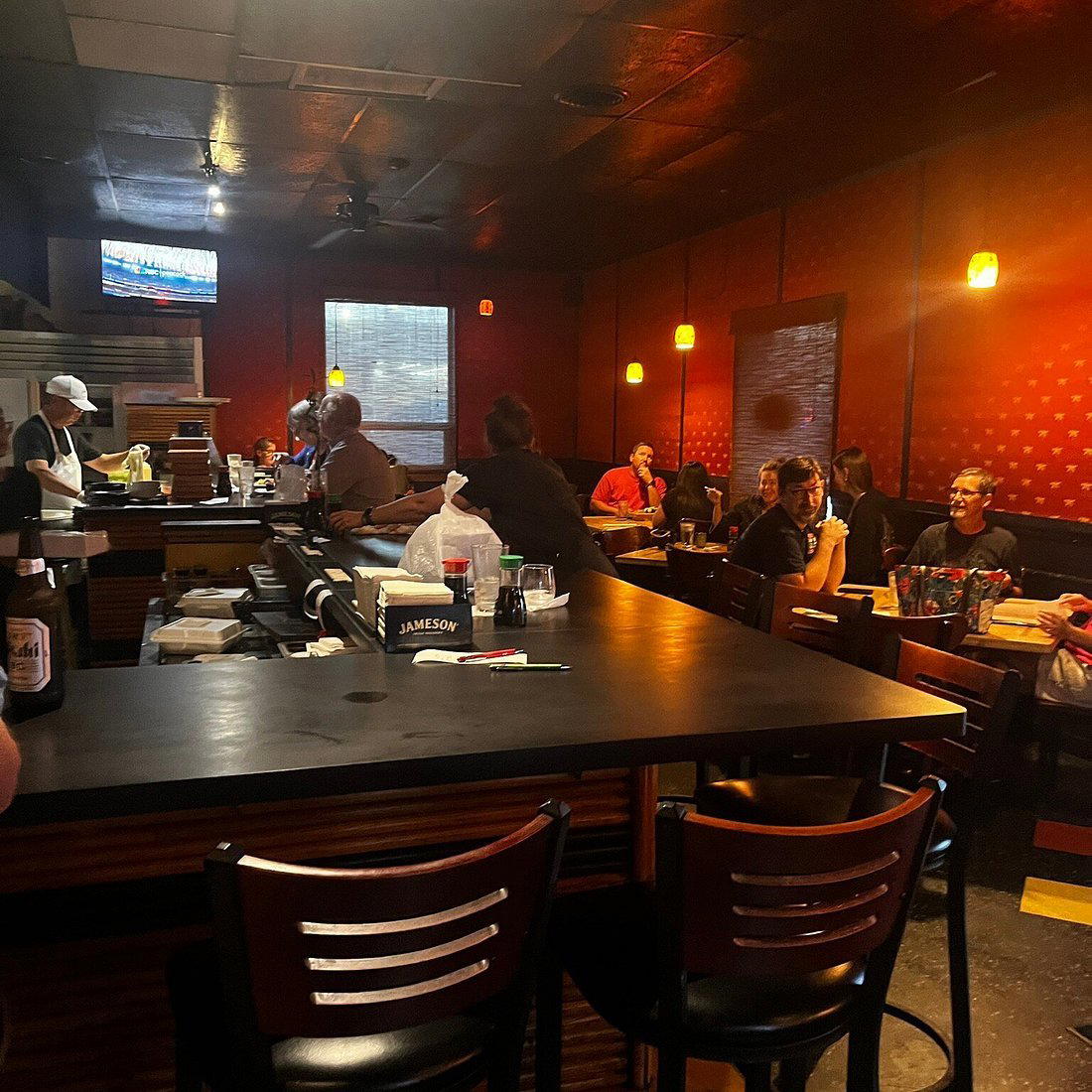
| JMK Nippon | Bar | $20–30 | North Rockford |
| 27 ALUNA | cocktail_bar | Not listed | River District |
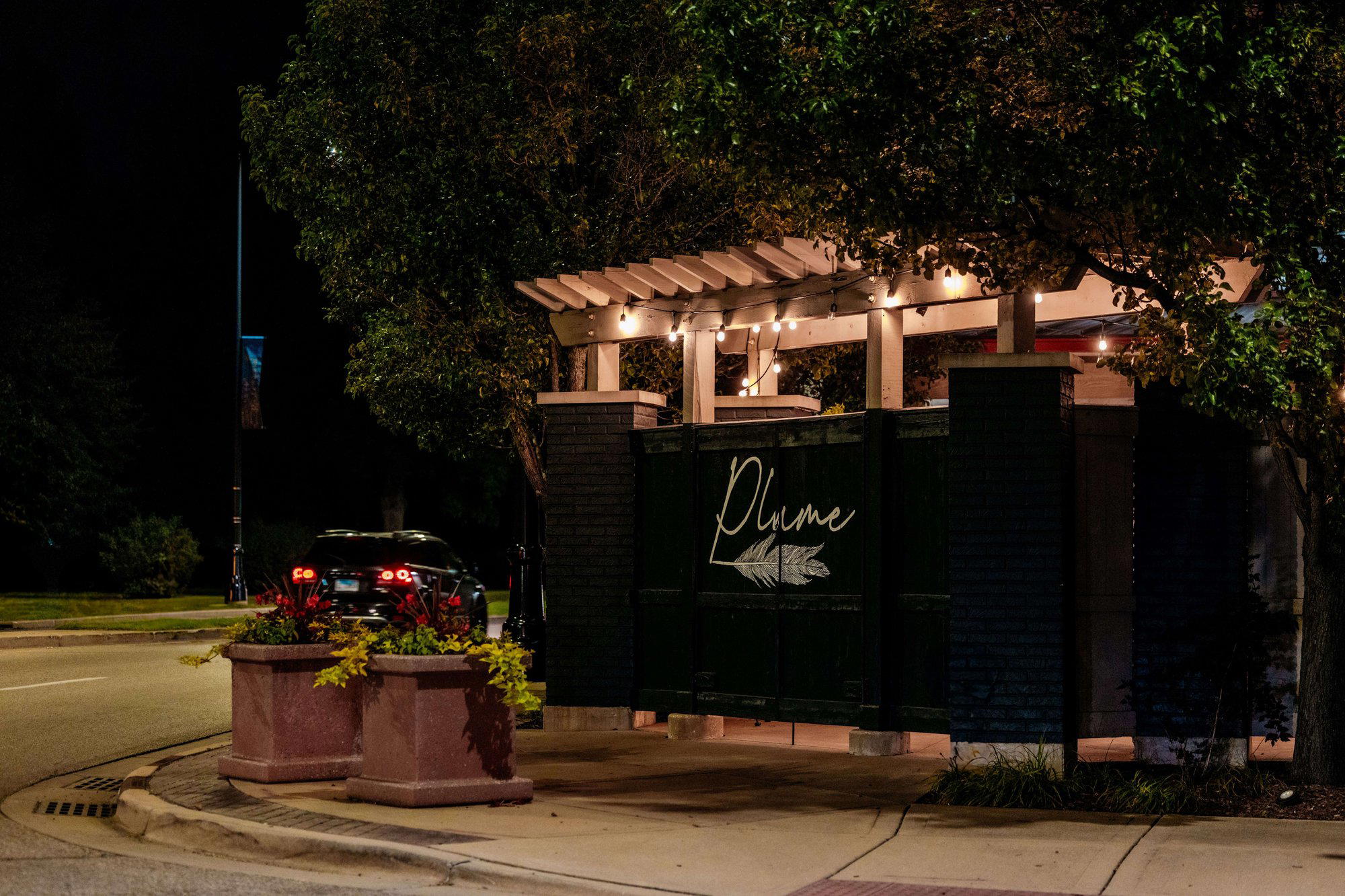
| Plume | cocktail_bar | Not listed | North End |
Continue exploring
More in Rockford
Bars in Rockford
All bars in Rockford →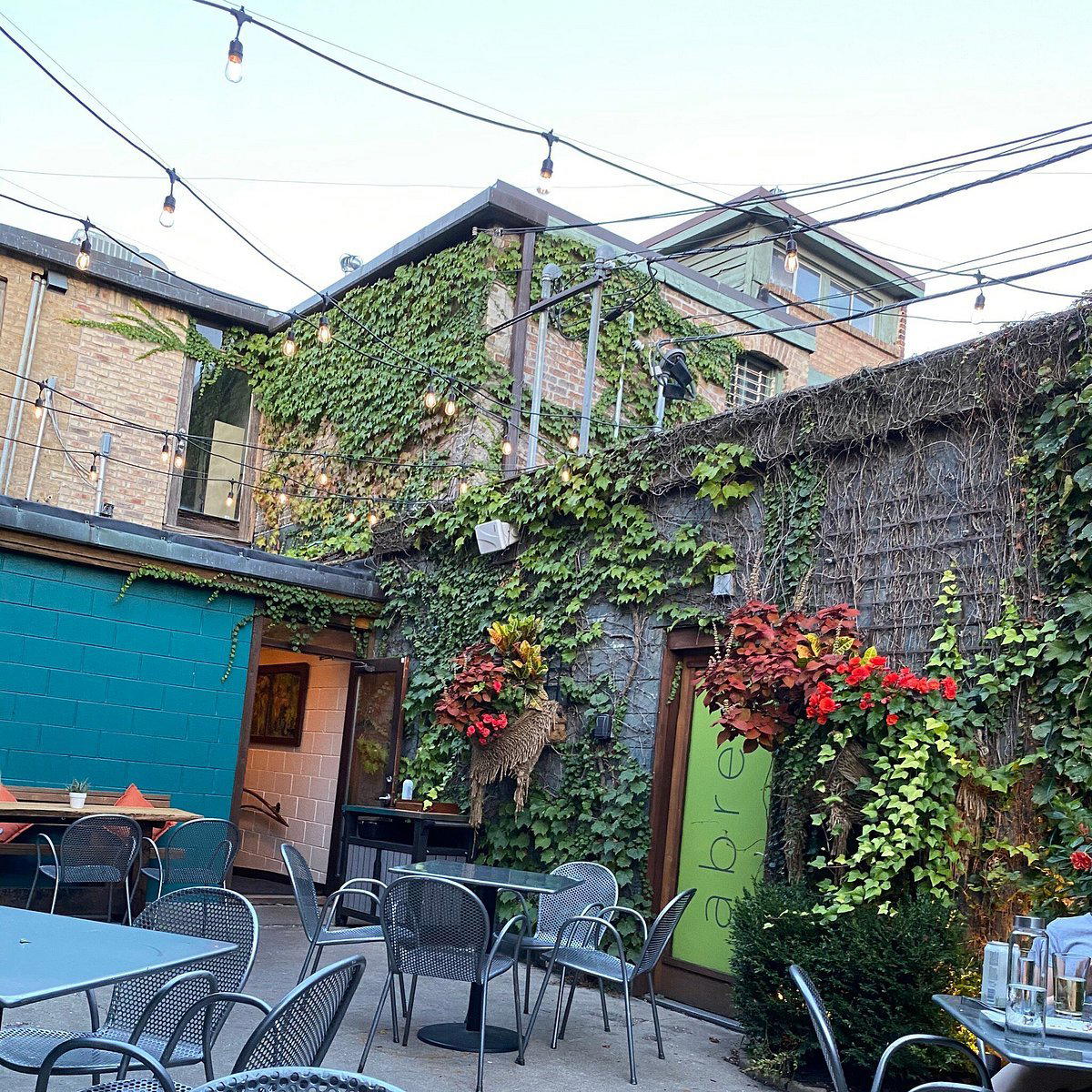
Restaurants in Rockford
All restaurants in Rockford →
Hotels in Rockford
Browse all →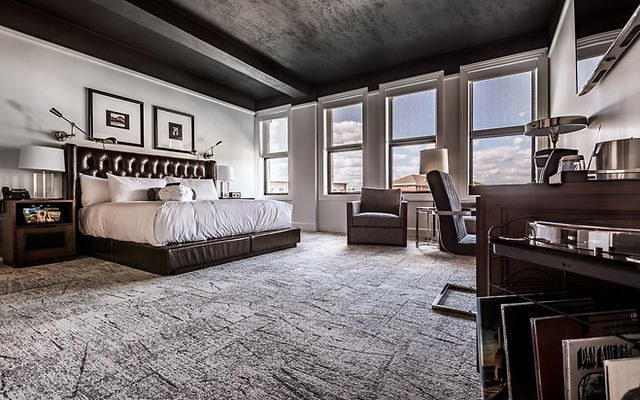
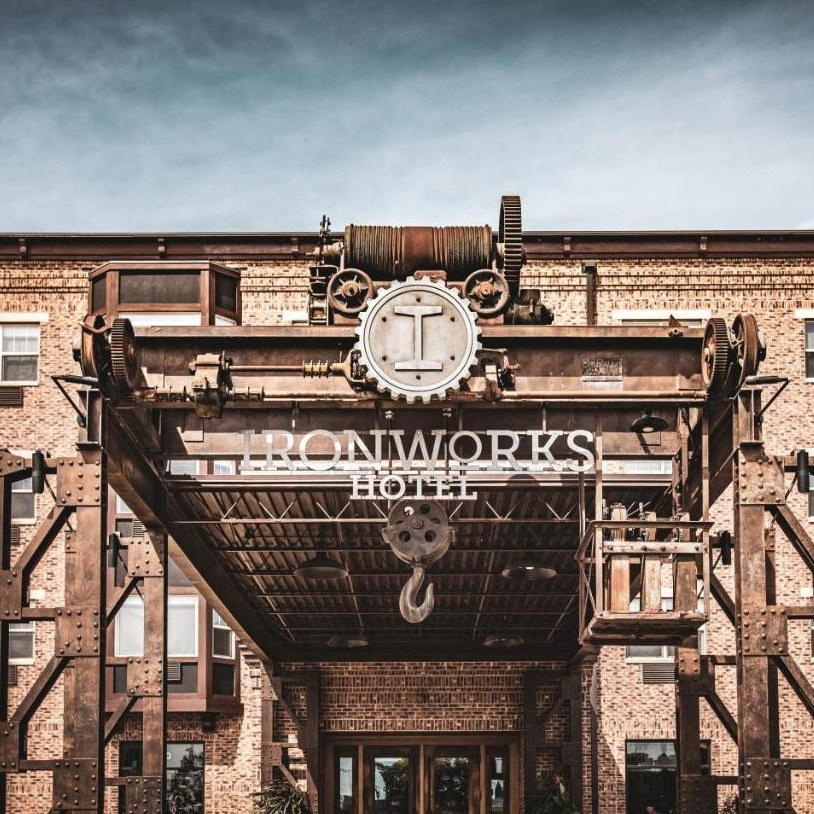
Details
- Rustic
- Cozy
- Date Night
- Group Outing
- Casual Hangout
- Historic Building
- Seated Bar
- Booth Seating
- Craft Cocktails
Current opening hours
- Monday
- 11 AM–9 PM
- Tuesday
- 11 AM–9 PM
- Wednesday
- 11 AM–9 PM
- Thursday
- 11 AM–9 PM
- Friday
- 11 AM–9 PM
- Saturday
- 11 AM–9 PM
- Sunday
- Closed
Hours can change for holidays and private events. Hours as of .
Warm and inviting atmosphere in a historic building with a small-town vibe.