Sushi Iwashi
In Polanco, one of Mexico City's most concentrated dining districts, Sushi Iwashi occupies a niche where Japanese technique meets the capital's growing appetite for precision bar culture. The address on Avenida Emilio Castelar places it within reach of the neighbourhood's established cocktail circuit, making it a reference point for visitors tracking both sushi and drinks programs across the city's upper tier.
Pearl is the En Primeur Club membership app — saves, bookings, and concierge access live there. Same editors, same standards.
- Address
- Av. Emilio Castelar 204, Polanco, Polanco III Secc, Miguel Hidalgo, 11540 Ciudad de México, CDMX, Mexico
- Phone
- +52 55 5801 0298
- Website
- edokobayashi.com
- Directions
- Get directions
 Saves & bookings on Pearl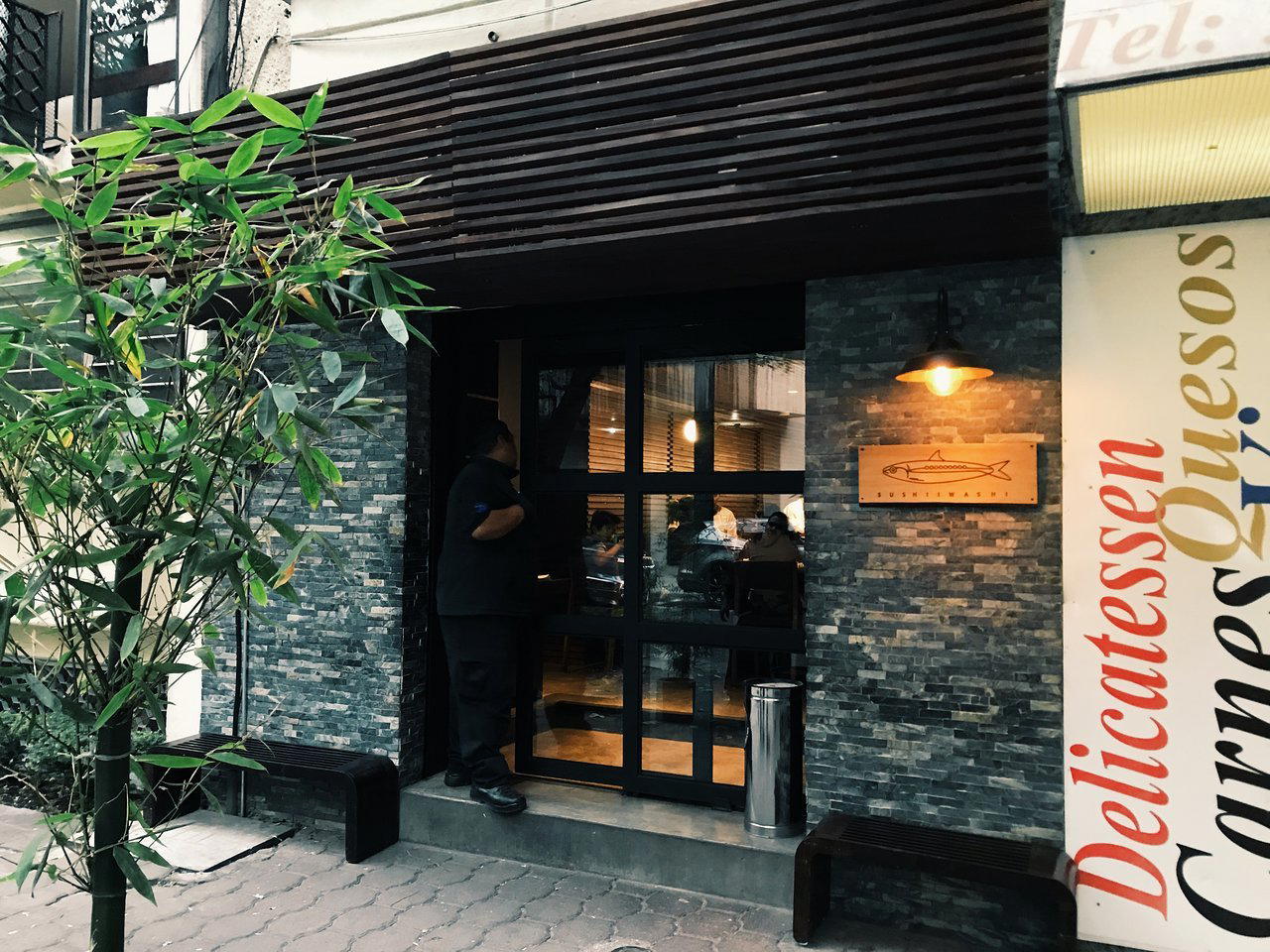
Polanco's Japanese Counter and the Cocktail Question
Polanco is where Mexico City's dining ambitions tend to crystallise into real estate. The stretch around Avenida Emilio Castelar, where Sushi Iwashi operates at number 204, functions as a dense corridor of serious restaurants and increasingly serious bars. Arriving here in the evening, the visual register is unmistakable: suited door staff, low lighting bleeding onto the pavement, the kind of foot traffic that suggests people have made reservations rather than wandered in. This is the neighbourhood's signal that the category of venue matters before you even cross the threshold.
Japanese restaurants in this district increasingly face a dual expectation from their clientele: technical rigour at the counter, and a drinks programme that can hold its own against the city's cocktail specialists. Mexico City's cocktail scene has shifted meaningfully over the past decade, moving from imported formats toward programmes built on Mexican spirits, fermentation-led thinking, and bar teams with genuine technical depth. Baltra Bar and Bar Mauro represent different points on that spectrum, the former associated with botanical precision, the latter with a more ingredient-forward Mediterranean-influenced list. Sushi Iwashi sits in a different competitive tier: a Japanese kitchen with a cocktail offer positioned to serve a clientele that expects both.
The Bar Programme in a Japanese Register
The most interesting tension in a Japanese restaurant's cocktail programme is the question of translation. Do you import formats wholesale from Tokyo's highball and whisky culture, or do you adapt to the specific spirit geography of Mexico, where agave distillates offer a different kind of structural discipline? The bars that have resolved this most successfully in Mexico City tend to use Japanese technique as methodology rather than content: the precision, the temperature discipline, the attention to dilution, applied to mezcal, sotol, or raicilla rather than Yamazaki or Nikka.
This approach places a venue like Sushi Iwashi within a broader conversation about what Japanese hospitality means in Latin America. The strongest cocktail programmes at Japanese addresses in the city's upper tier tend to treat the bar as a counterpart to the kitchen rather than an afterthought, with spirits selection that reflects the same sourcing discipline applied to fish. Bijou Drinkery Room and Brujas both operate in Mexico City's more experimental bar space, and together they define the upper boundary of what the city's cocktail culture currently demands. A Japanese restaurant bar that wants to be taken seriously as a drinks destination has to clear a high bar set by those independent operators.
Mexico City's Cocktail Circuit: Where Sushi Iwashi Sits
Mexico City has developed one of Latin America's most serious cocktail identities over the past several years. Hanky Panky, Fifty Mils, and Baltra occupy different positions in that picture: Hanky Panky with its reservation-only format and internationally recognised list, Fifty Mils with the backing of a major hotel and a programme that experiments with Mexican botanicals at scale, Baltra with the neighbourhood credibility and a more accessible format. Each defines a different axis of the market.
A Japanese restaurant bar operates in a different register from any of these. It serves a captive audience first and a destination cocktail crowd second. The interesting question is whether it converts the former into the latter, whether someone who booked for the omakase counter leaves thinking about the drinks programme. In Polanco's competitive context, that conversion is what separates a competent restaurant bar from one that earns its own mention in drinks conversations. See our full Mexico City restaurants guide for a wider view of how the city's venues map to these categories.
Mexican Bar Culture Beyond the Capital
Understanding what a Polanco bar programme is working against requires some knowledge of what is happening elsewhere in Mexico's drinks geography. La Capilla in Tequila represents the foundational, historically documented end of Mexican cocktail culture, the batanga as a living artefact of how the country's national spirit entered mixed drinks with almost no interference from international trends. El Gallo Altanero in Guadalajara sits at a different point, a more contemporary format in Mexico's second city, where agave culture is embedded in daily life rather than positioned as a premium export. Bekeb in San Miguel de Allende operates in a colonial city context where the clientele is substantially international, pushing bar programmes toward a bilingual fluency in both local and imported spirits culture. Arca in Tulum and Aruba Day Drink in Tijuana represent the coastal ends of the spectrum, where climate and clientele produce a very different kind of drinks thinking. Even Coco Bongo in Cancun registers as a data point, if only because it defines the entertainment-led end of the market that serious bar programmes in Mexico City are consciously distinguishing themselves from.
Against this backdrop, a Polanco Japanese restaurant bar is making a specific argument: that precision hospitality and a serious spirits list can coexist with a kitchen-forward format, and that the neighbourhood's clientele is sophisticated enough to hold both expectations simultaneously. That is not a small claim in a city where specialist bars like Bar Leather Apron in Honolulu have demonstrated what a genuinely technique-led cocktail programme looks like in a Pacific-facing city context, and where Mexico City's own operators have raised the baseline considerably.
What to Order and When to Go
The structural logic of a Japanese restaurant cocktail programme usually runs in one of two directions: a tight list built around spirit purity and low-intervention technique, or a more expansive menu that uses Japanese flavour references as a framework for experimentation with local ingredients. Either approach works in Polanco's market, but the tighter format tends to age better and signals more confidence in the bar team's point of view. Highball discipline, citrus clarity, and agave backbone are the three axes around which the most credible programmes in this part of the city currently organise themselves.
Timing matters in this district. Polanco's restaurant bars tend to be quieter in the early evening before dinner service peaks, which is when the bar team has the most attention available and the cocktail programme is easiest to explore without the compression of a full room. The neighbourhood is most active Thursday through Saturday, with Sunday lunch being a secondary peak for the area's more established addresses.
Know Before You Go
- Address: Av. Emilio Castelar 204, Polanco III Secc, Miguel Hidalgo, 11540 Ciudad de México, CDMX, Mexico
- Neighbourhood: Polanco, one of Mexico City's primary fine-dining districts
- Getting there: Polanco Metro station (Line 7) is within walking distance; ride-share services are the most practical option from other parts of the city
- Phone/website: Not listed; confirm current details on arrival or via third-party reservation platforms
Continue exploring
More in Mexico City
Bars in Mexico City
Browse all →
Restaurants in Mexico City
Browse all →
At a Glance
- Intimate
- Elegant
- Minimalist
- Date Night
- Special Occasion
- Standalone
- Counter Only
- Seated Bar
- Sake
Current opening hours
- Monday
- 1–10:30 PM
- Tuesday
- 1–10:30 PM
- Wednesday
- 1–10:30 PM
- Thursday
- 1–10:30 PM
- Friday
- 1–10:30 PM
- Saturday
- 1–10:30 PM
- Sunday
- 1–7:30 PM
Hours can change for holidays and private events. Last verified .
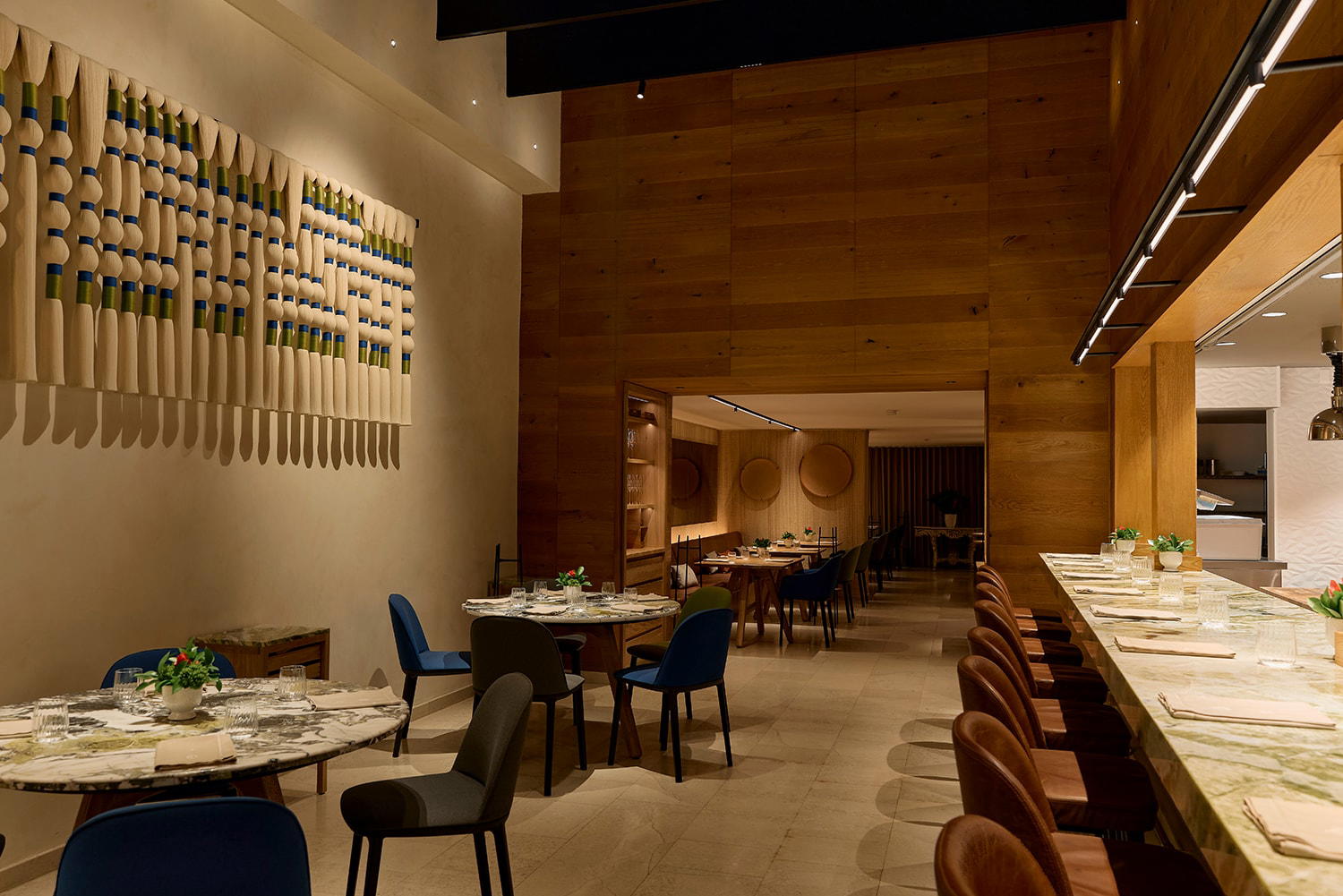
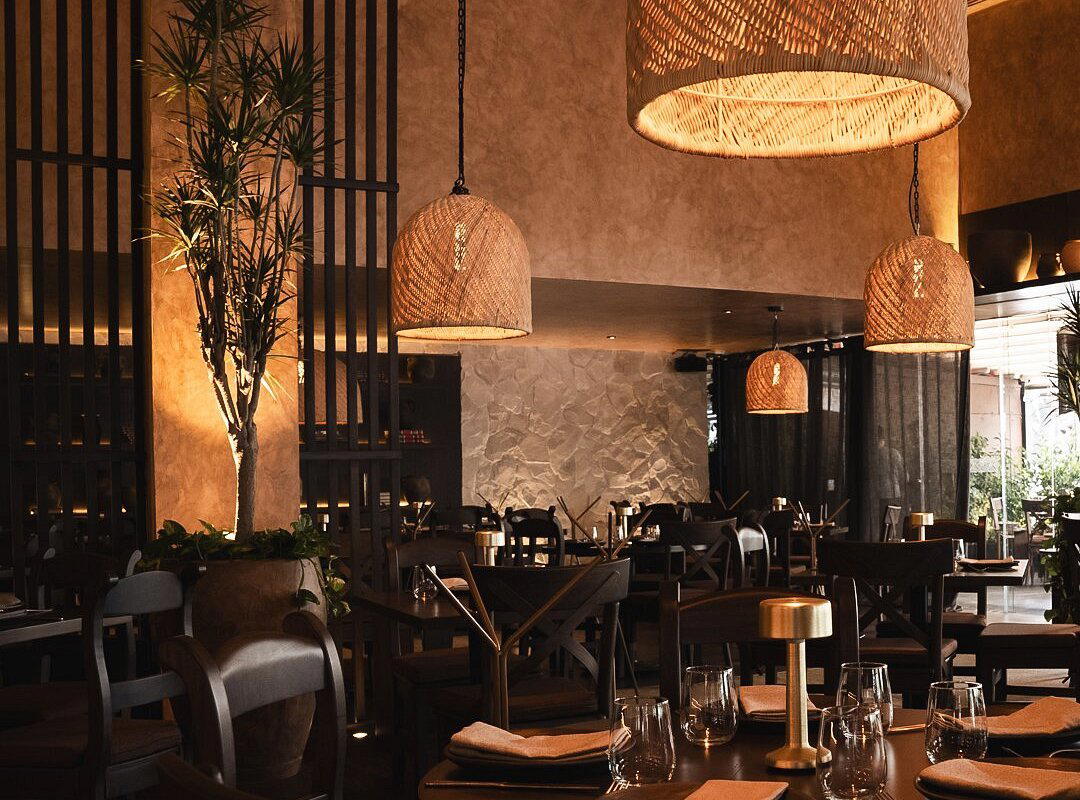
Minimalist and traditional Japanese atmosphere in a small counter-only setting.
Know Before You Go
- Getting there
- Av. Emilio Castelar 204, Polanco, Polanco III Secc, Miguel Hidalgo, 11540 Ciudad de México, CDMX, Mexico