Seoul Food Meat Company
Seoul Food Meat Company on South Church Street sits at the intersection of Korean barbecue tradition and Charlotte's evolving casual dining scene. The South End address puts it squarely in one of the city's most active neighbourhoods, drawing regulars who treat the spot as a dependable anchor rather than a destination occasion. Expect grilled meats, Korean-inflected sides, and a communal format that suits both solo visits and groups.
Pearl is the En Primeur Club membership app — saves, bookings, and concierge access live there. Same editors, same standards.
- Address
- 1400 S Church St a, Charlotte, NC 28203
- Phone
- +1 704 912 6264
- Website
- seoulfoodmeatcoclt.com
- Directions
- Get directions
 Saves & bookings on Pearl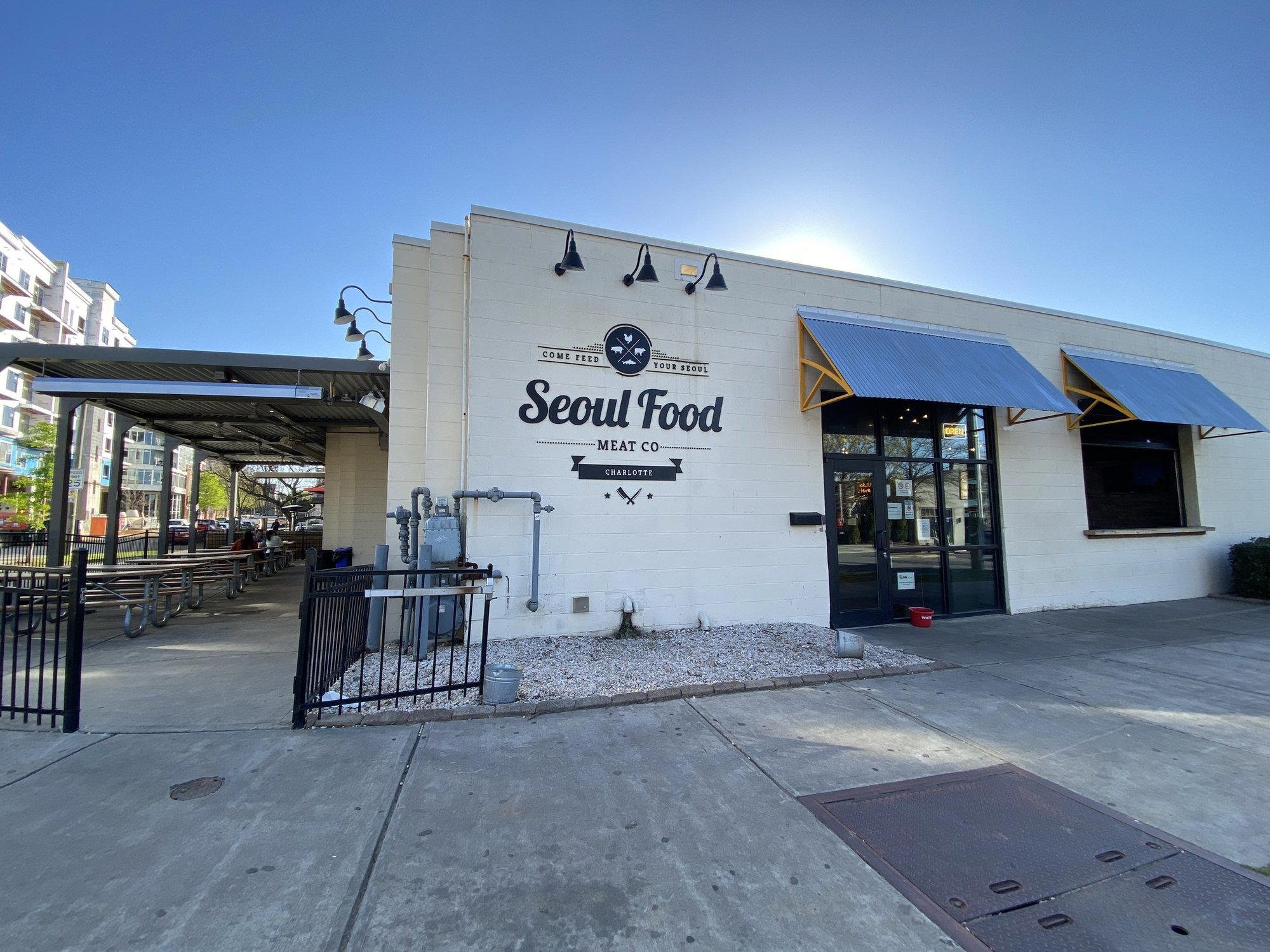
South End's Communal Table
South Church Street has become one of Charlotte's more reliable corridors for casual eating that doesn't perform for tourists. The stretch between the light rail stops at East/West and New Bern carries a mix of converted industrial space and street-level restaurants that function, above all, for the people who live and work nearby. Seoul Food Meat Company, at 1400 S Church St, sits inside that logic: a Korean barbecue operation in a neighbourhood that increasingly looks like Charlotte's equivalent of a walkable urban village.
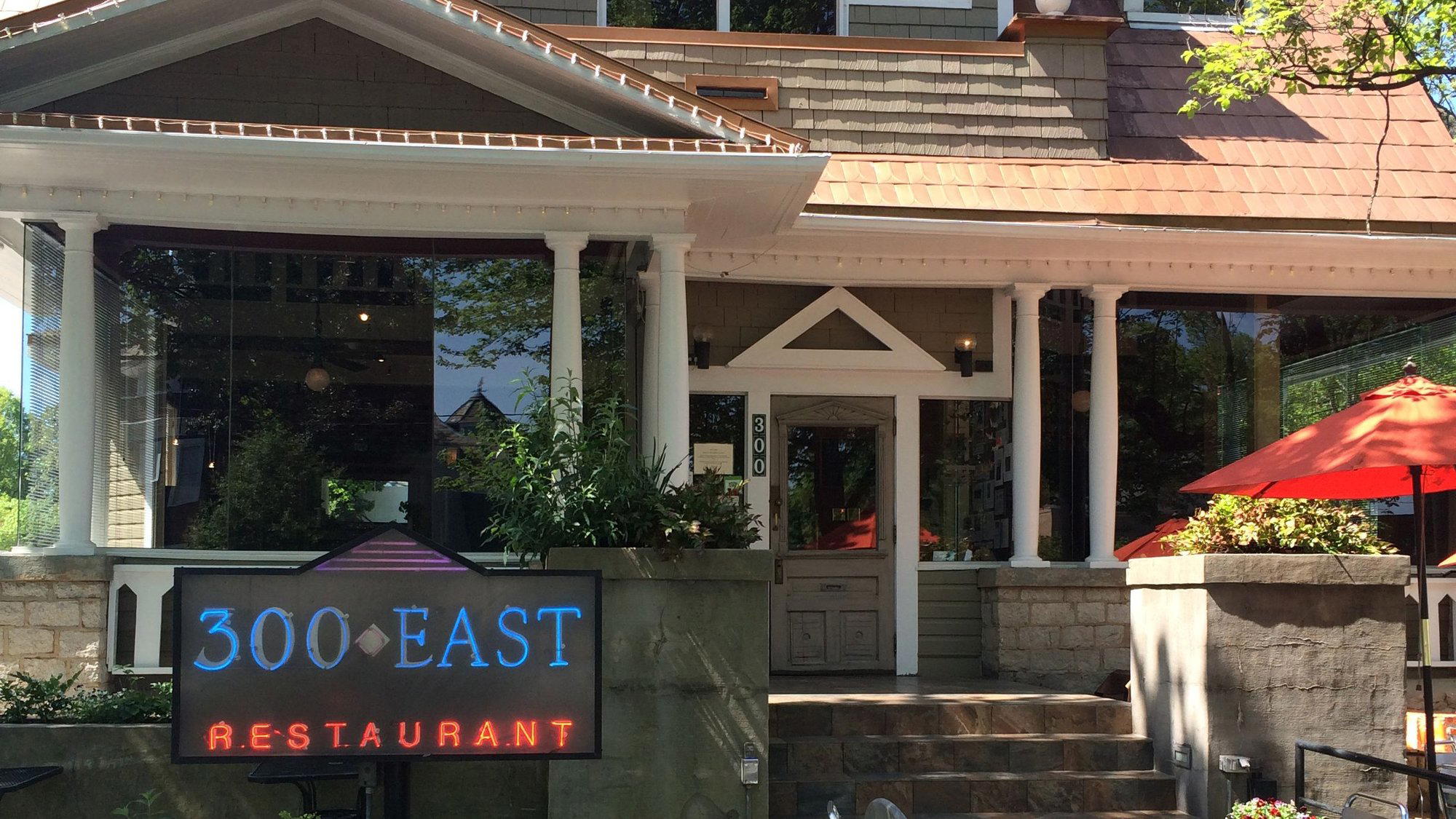
Korean barbecue as a format is inherently social. The table-leading grill, the parade of banchan, the shared cuts of meat cooked in stages, none of it is designed for solitary dining or quick turnarounds. That communal architecture is what makes the format work so well as a neighbourhood anchor. Restaurants built around shared grilling tend to generate the kind of repeat custom that sustains a local institution rather than one that depends on tourist footfall or special-occasion bookings. In cities from Los Angeles to Atlanta, Korean barbecue has proven durable in mixed-use urban neighbourhoods precisely because the format rewards familiarity: regulars know which cuts to order, how long to let the grill run, and when to flag down more of a particular side. For a comparable dynamic in the cocktail space, 300 East plays a similar anchor role in its own Charlotte context.
The Korean Barbecue Format in an American City
Korean barbecue's expansion across American cities over the past decade has followed two distinct tracks. One is the high-production, ventilated-table restaurant in dense urban centres, often drawing queues and charging premium prices for wagyu cuts and imported soju labels. The other is the neighbourhood-scaled version: less theatrical, more consistent, priced for return visits rather than occasion spending. Seoul Food Meat Company reads as the latter type, positioned in a South End neighbourhood where the dining population is largely residential and repeat rather than destination-driven.
The format's strength lies in what Korean cooking does with secondary cuts and fermented accompaniments. Banchan, the rotating array of small side dishes that arrive before the meat, functions as both palate calibration and a marker of kitchen seriousness. A kitchen that rotates its banchan, keeps the kimchi at proper fermentation depth, and serves its rice correctly signals competence across the whole menu. These aren't details that show up in a single visit; they're the kind of thing regulars track across months. That cumulative familiarity is how neighbourhood restaurants build loyalty in ways that destination spots rarely manage.
Charlotte's broader dining scene has been diversifying steadily, and Korean cuisine has found ground in several city pockets. For those tracking the city's evolving restaurant geography, our full Charlotte restaurants guide maps the wider picture across neighbourhoods and categories. Within South End specifically, the competition for casual repeat custom is real: Azul Tacos And Beer and Artisan's Palate operate in adjacent registers, and BAKU covers a different part of the global flavour range. Seoul Food Meat Company's Korean barbecue format is distinct enough from those options that it occupies its own niche rather than competing directly.
What the Address Tells You
The South End location carries its own context. This is Charlotte's most transit-connected neighbourhood, served by the Blue Line light rail and within walking distance of significant residential density. That infrastructure shapes who eats here and when. Weeknight business from nearby residents matters as much as weekend volume. A restaurant that survives and settles into a neighbourhood like South End typically does so because it delivers consistent value at a price point that supports two or three visits a month, not because it is a once-a-year splurge.
The communal table-grill format also suits the neighbourhood's demographic mix. South End draws young professionals, creative industry workers, and a growing residential population that eats out frequently but selectively. Korean barbecue at the neighbourhood scale tends to land well with that cohort: the price point is generally accessible, the experience is interactive without being gimmicky, and the food rewards attention without demanding expertise. You don't need to know the menu to have a good meal; you do need to be present at the table.
Korean Barbecue in a Wider American Context
To understand where a restaurant like this sits in the broader American dining picture, it helps to look at how Korean food has moved from enclave to mainstream over the past fifteen years. In New York, operations like Superbueno represent how Latin American flavours have achieved that mainstreaming; Korean cuisine has followed a parallel track, with barbecue as the format that crossed over most completely. In cities without a large Korean-American population, Korean barbecue restaurants often function as introduction points to a wider cuisine, drawing diners who then explore further.
That gateway dynamic has a practical implication for restaurants in Seoul Food's position: the menu has to be legible to first-timers while still satisfying regulars who know the tradition. The balance is harder than it looks. Lean too far toward accessibility and you lose the kitchen's credibility with the knowledgeable customer; lean too far toward authenticity markers and you risk alienating the neighbourhood diner who just wants dinner. The leading Korean barbecue spots in American cities have figured out how to hold both audiences simultaneously, usually by keeping the format clear and the execution consistent rather than trying to be everything at once.
For readers interested in how other cities handle the neighbourhood bar and restaurant dynamic that Seoul Food Meat Company exemplifies, Julep in Houston, Jewel of the South in New Orleans, Kumiko in Chicago, ABV in San Francisco, Bar Leather Apron in Honolulu, and The Parlour in Frankfurt on the Main each illustrate how a local gathering place can define a neighbourhood's character beyond its own four walls.
Planning a Visit
The bar is located at 1400 S Church St, Suite A, Charlotte, NC 28203, in the South End neighbourhood. The Blue Line light rail makes the area direct to reach without a car, with the New Bern or East/West stops both within reasonable walking distance. For particularly current hours, booking options, and menu details, checking directly with the restaurant is the reliable approach, as operational details for this type of neighbourhood restaurant can shift seasonally. Groups tend to get more from the format than solo diners, though the communal grill setup works for pairs equally well. Walk-ins are common for this style of operation, but calling ahead for larger parties is sensible given that table-grill seating requires more configuration than standard restaurant layouts.
Cuisine-First Comparison
Comparable venues nearby, for context on price, style, and recognition.
| Venue | Cuisine | Price | Notes |
|---|---|---|---|
| Seoul Food Meat CompanyThis venue — the venue you are viewing | pub | $$ | Not listed |
| The Cotton Room at Belfast Mill | speakeasy | $$ | Third Ward |
| Ma'Luz Mexican Grill (Mi Pueblo) | lounge | $$ | University City |
| Snooze, an A.M. Eatery | lounge | $$ | Plaza Midwood |
| The Hobbyist | wine_bar | $$ | Villa Heights |
| The Workman’s Friend | pub | $$ | Commonwealth Park |
Continue exploring
More in Charlotte
Bars in Charlotte
Browse all →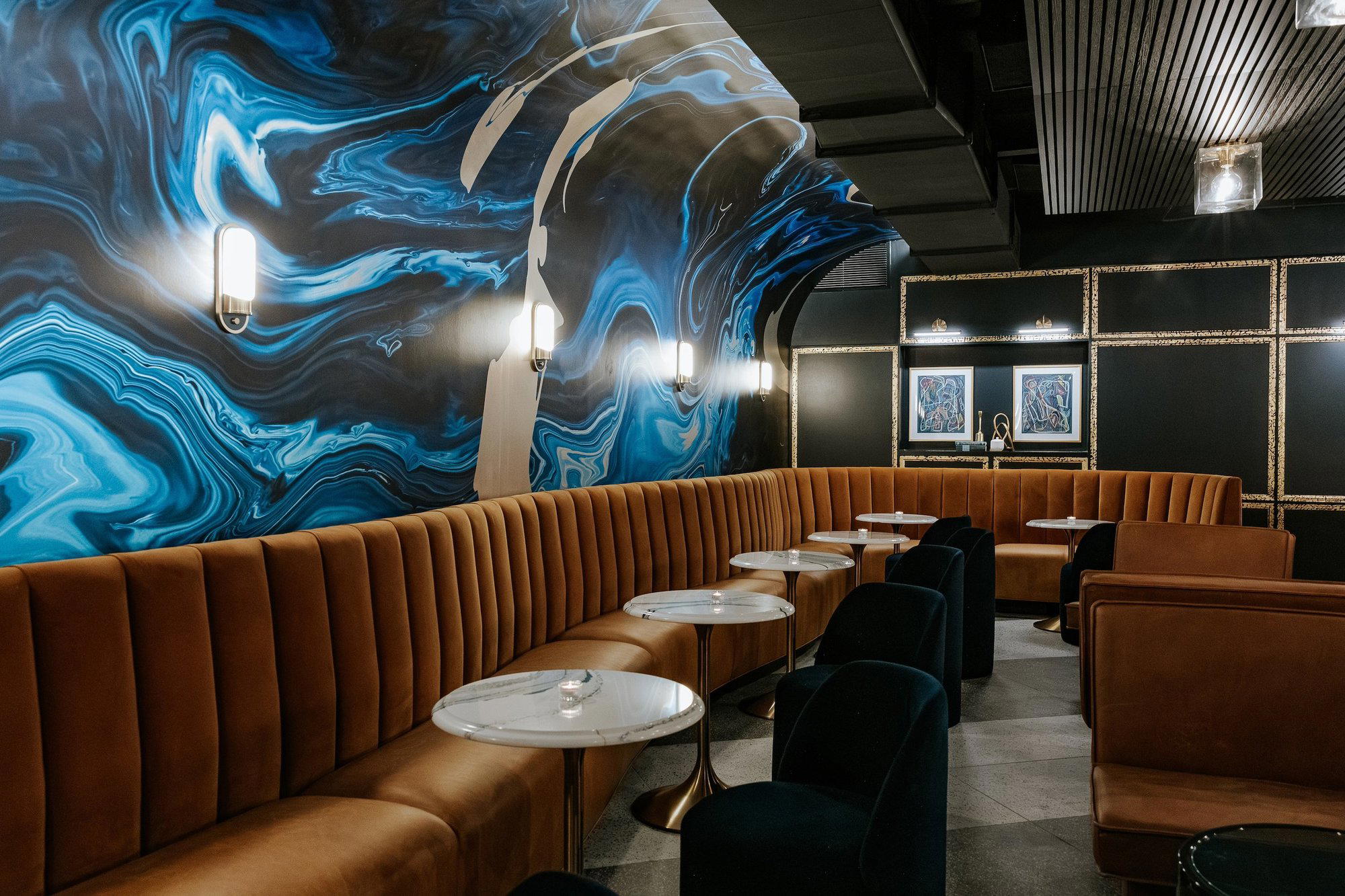
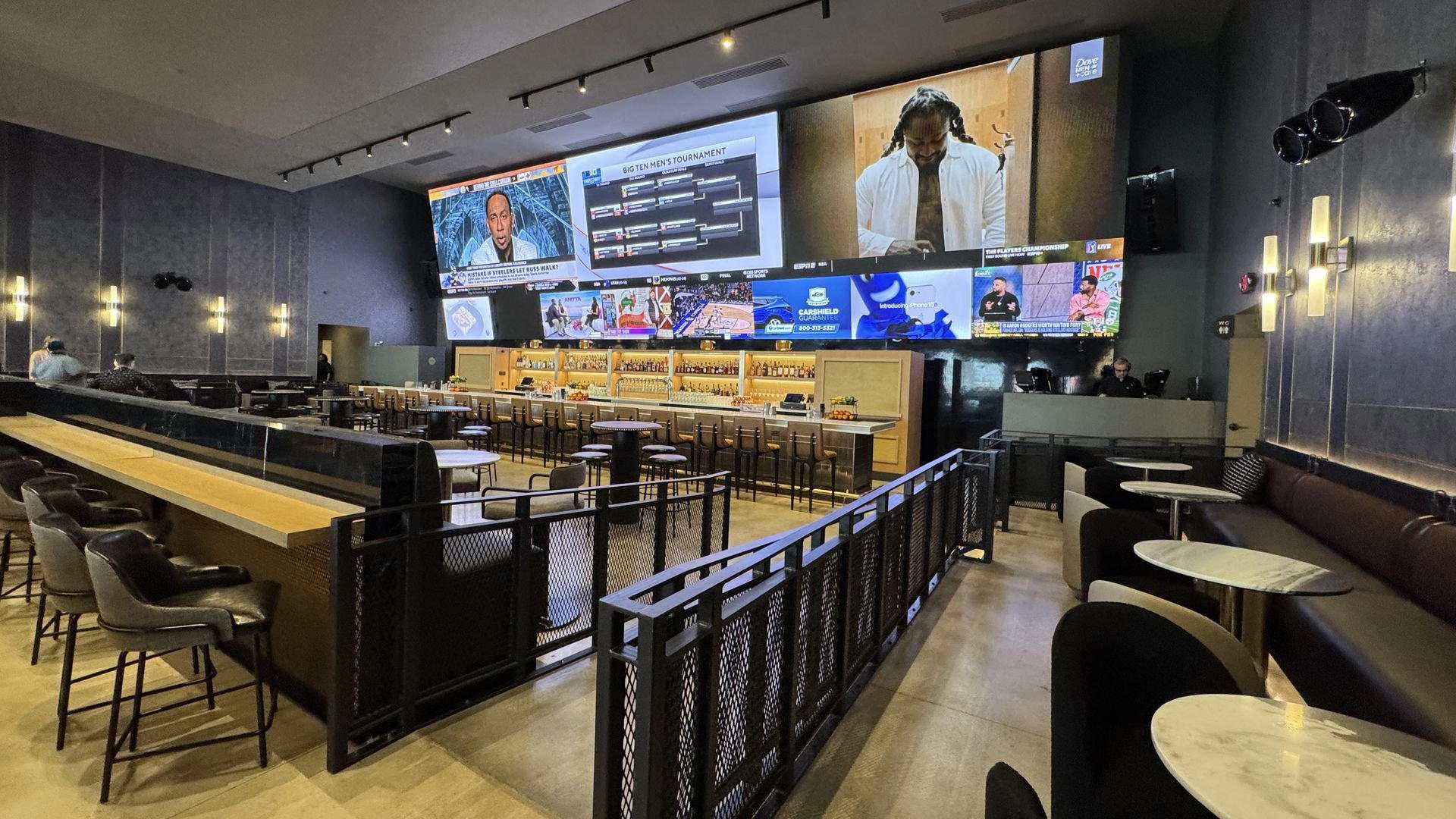
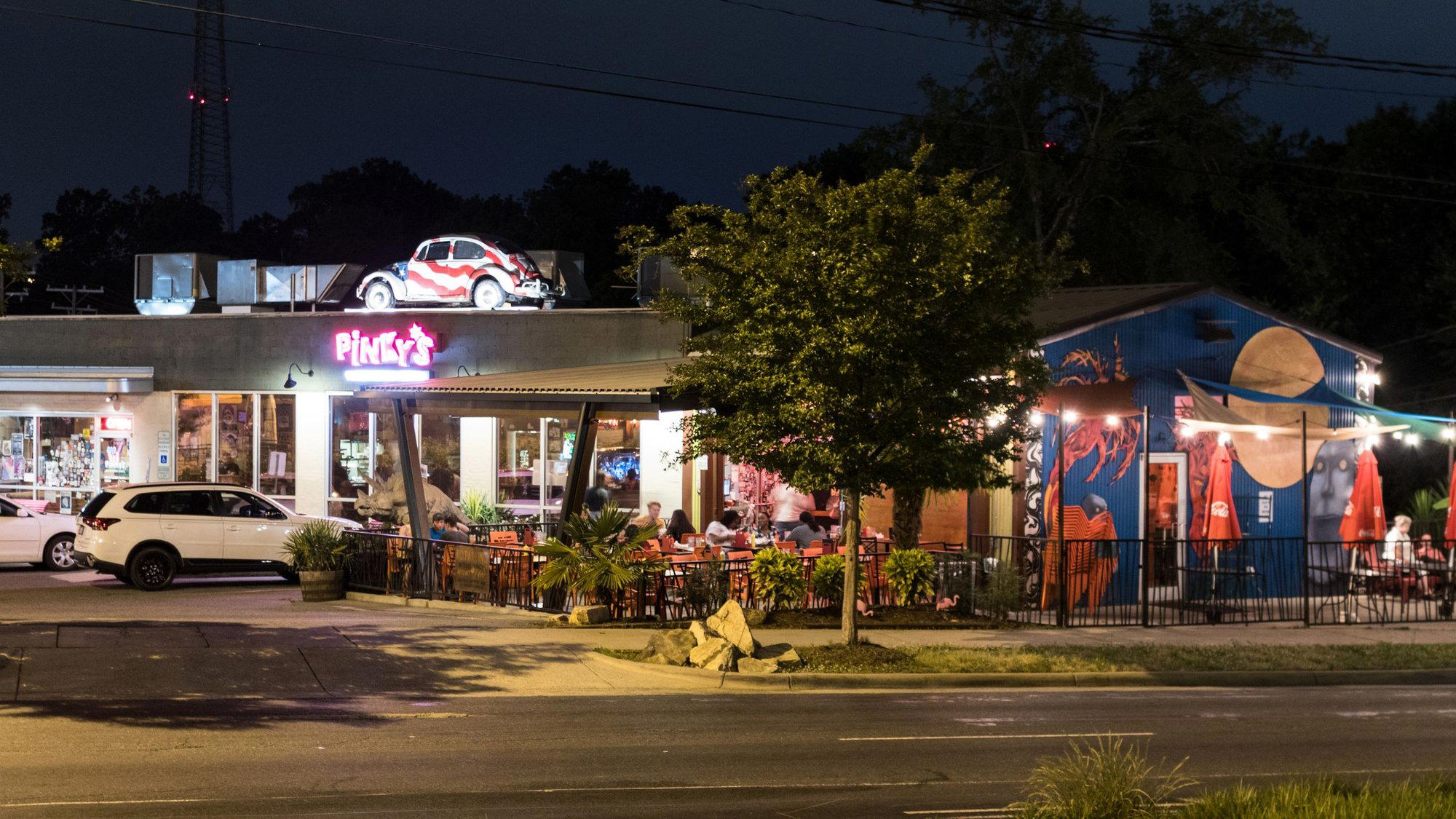
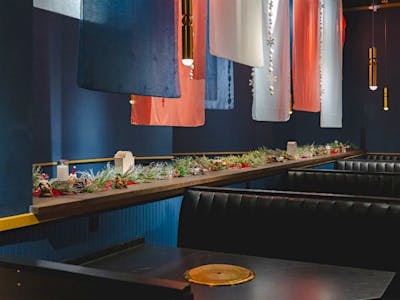
Restaurants in Charlotte
Browse all →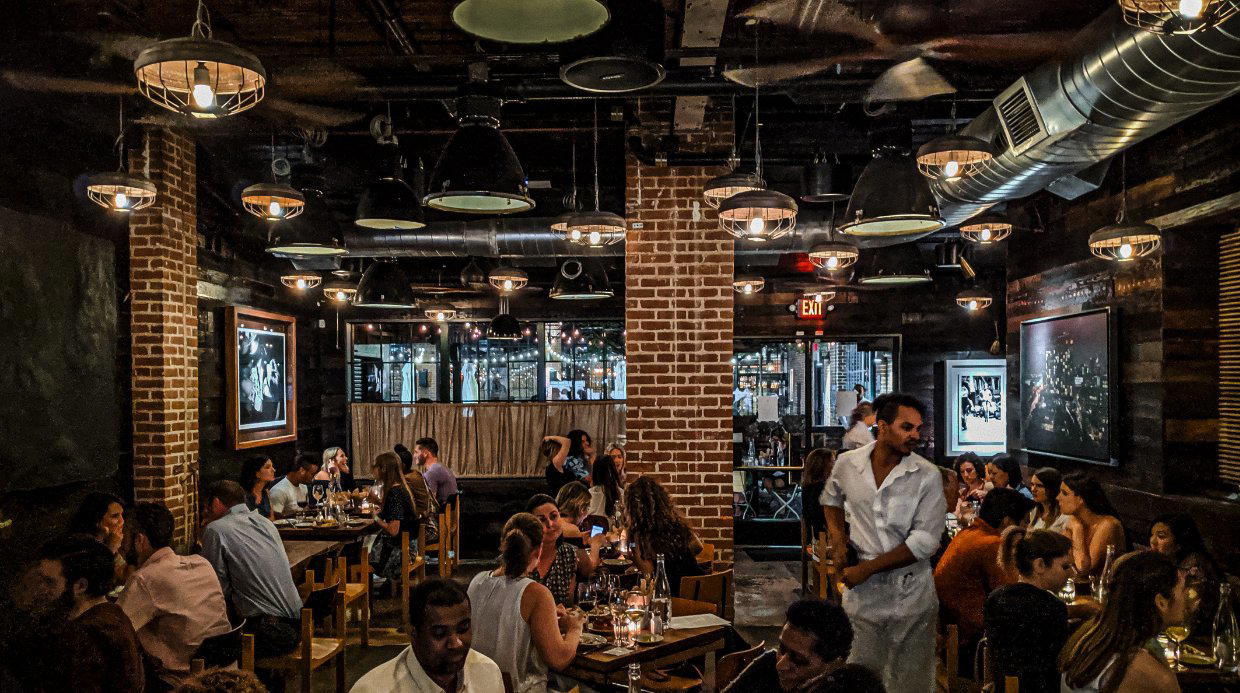
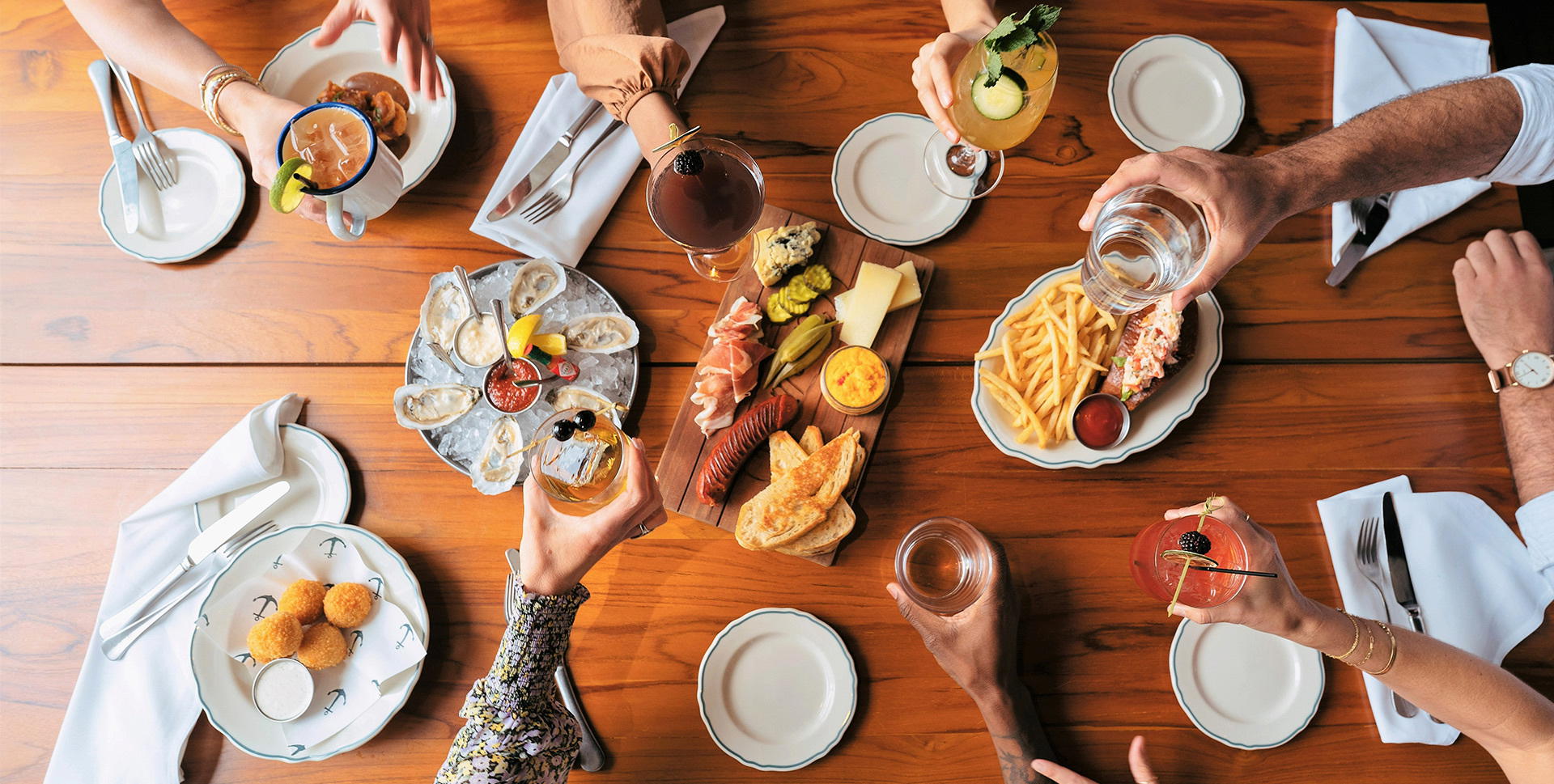
At a Glance
- Lively
- Trendy
- Energetic
- Group Outing
- Late Night
- Casual Hangout
- Live Music
- Lounge Seating
- Booth Seating
- Private Rooms
- Craft Cocktails
Current opening hours
- Monday
- 11:30 AM–12 AM
- Tuesday
- 11:30 AM–12 AM
- Wednesday
- 11:30 AM–12 AM
- Thursday
- 11:30 AM–12 AM
- Friday
- 11:30 AM–2 AM
- Saturday
- 11:30 AM–2 AM
- Sunday
- 11:30 AM–12 AM
Hours can change for holidays and private events. Last verified .
Lively and fun with a playful Korean pocha pub atmosphere featuring music-themed karaoke rooms and outdoor patios.