Sen of Japan
Sen of Japan occupies a strip-mall address on West Desert Inn Road that belies a serious commitment to Japanese cuisine in a corner of Las Vegas often bypassed for the Strip. The menu architecture here rewards close reading, built around the kind of precision-focused Japanese cooking that positions it alongside Spring Valley's growing cluster of specialist Asian dining rather than the city's tourist-facing mainstream.
Pearl is the En Primeur Club membership app — saves, bookings, and concierge access live there. Same editors, same standards.
- Address
- 8480 W Desert Inn Rd F1, Las Vegas, NV 89117
- Phone
- +1 702 871 7781
- Website
- senofjapan.com
- Directions
- Get directions
 Saves & bookings on Pearl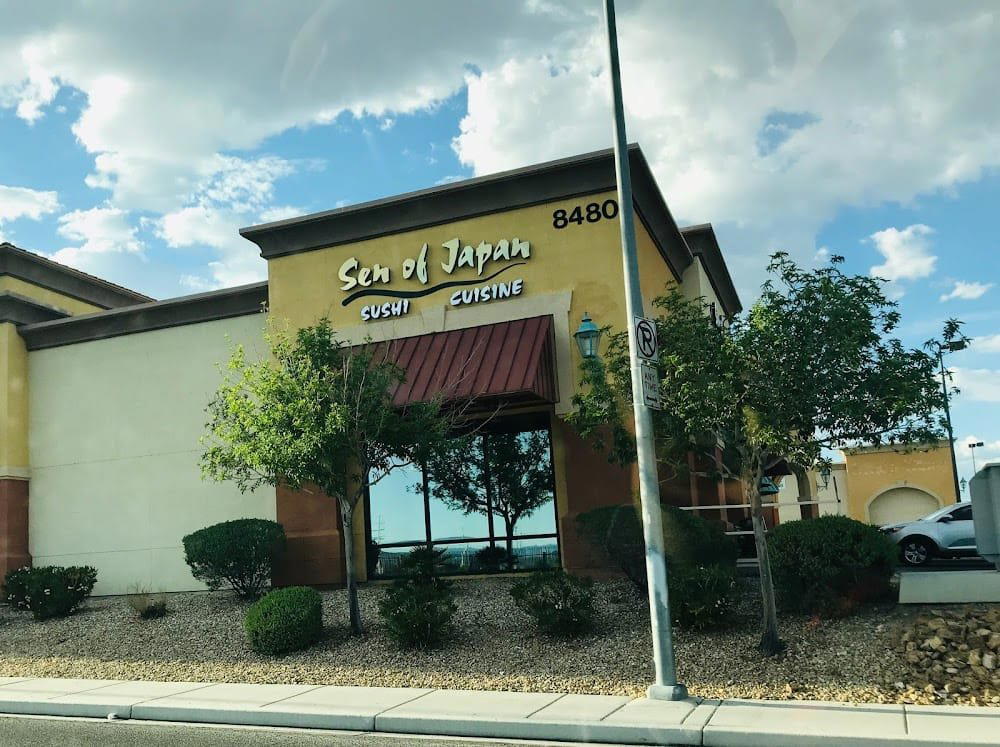
West of the Strip, Where the Serious Eating Happens
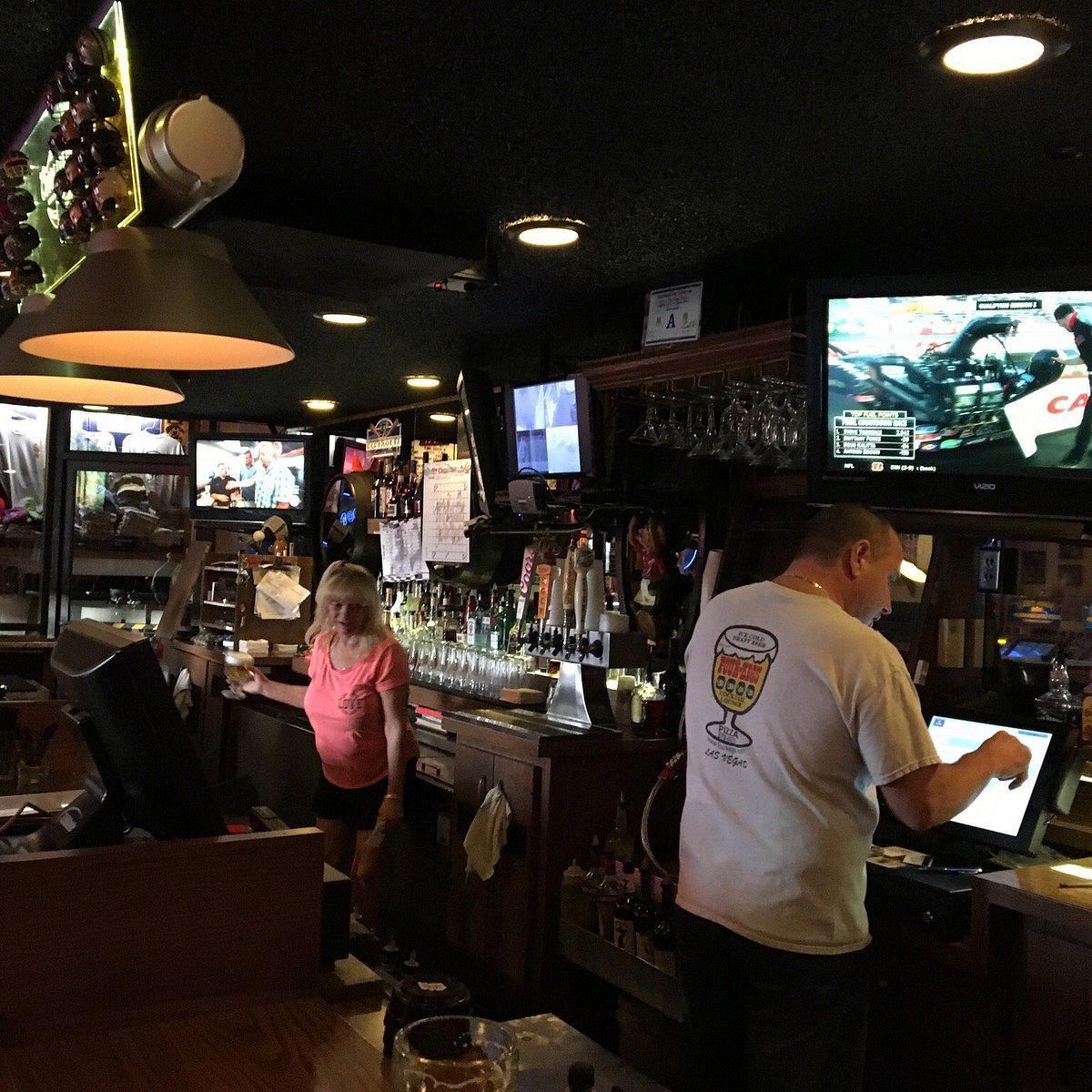
Spring Valley's dining scene operates at a remove from the spectacle economics of the Strip, and that distance is largely a feature. Along corridors like West Desert Inn Road, the restaurant density skews toward neighborhood specialists serving a local population that demands repetition-worthy cooking rather than once-in-a-lifetime theater. Sen of Japan, at 8480 W Desert Inn Rd, is a bar in Las Vegas.
That pattern is worth understanding before you walk through the door. One tier serves the accessible middle, teriyaki, maki rolls, bento combinations built for speed and volume. The other tier moves in a different direction entirely, organizing itself around technique, sourcing, and a menu logic derived from how Japanese cooking actually works: by category, by preparation method, by season. Sen of Japan belongs to the latter tier, operating in a neighborhood where Chef Kenny's Vegan Dim Sum and Anima by EDO represent adjacent commitments to ingredient-led cooking over crowd-pleasing formats.
Reading the Menu as a Document
Japanese restaurant menus, when they are structured with intention, tell you something meaningful about the kitchen's priorities. The organizing principle is rarely protein-first in the Western sense. Instead, a well-composed Japanese menu moves through cooking registers: raw preparations, grilled items, simmered dishes, fried sections, rice and noodle closings. Each section asks a different question of the kitchen, and the depth of each section signals where the kitchen's confidence and investment lie.
At Sen of Japan, the menu architecture reflects this tradition. Rather than flattening everything into an undifferentiated list of Japanese-American standards, the menu maintains categorical integrity. This approach aligns the bar with Japanese restaurants that treat the menu as a structural argument rather than a catalog, a format seen in technically serious Japanese kitchens from the specialist counters of New York's East Village to the neighborhood izakayas of Chicago's north side, where venues like Kumiko have demonstrated that discipline and neighborhood scale are not mutually exclusive.
What this means practically for the diner is that the sequence of ordering matters. A Japanese menu structured around cooking registers rewards diners who move through it horizontally, sampling from multiple categories rather than anchoring on one protein across multiple preparations. The lightest, most delicate preparations carry more weight when eaten earlier; the richer, more deeply savory dishes close the meal with purpose. Reading the menu this way converts a single dinner into something closer to a composed tasting without requiring an omakase format or a prix-fixe commitment.
Spring Valley's Position in Las Vegas Japanese Dining
Las Vegas Japanese dining has historically concentrated its prestige on the Strip and in the Wynn-Encore corridor, where celebrity-adjacent sushi counters command premium prices against a captive high-roller audience. The off-Strip tier, by contrast, has developed along different lines, building toward a local-resident clientele that brings repeat-visit expectations and a lower tolerance for theater over substance.
Spring Valley specifically has accumulated enough specialist Asian dining to constitute a genuine cluster rather than isolated outliers. Alongside the bar, venues like Cali BBQ and 595 Craft and Kitchen reflect a neighborhood that supports a range of serious formats. The short version is that this corridor functions as a strong neighborhood-dining destination outside of downtown.
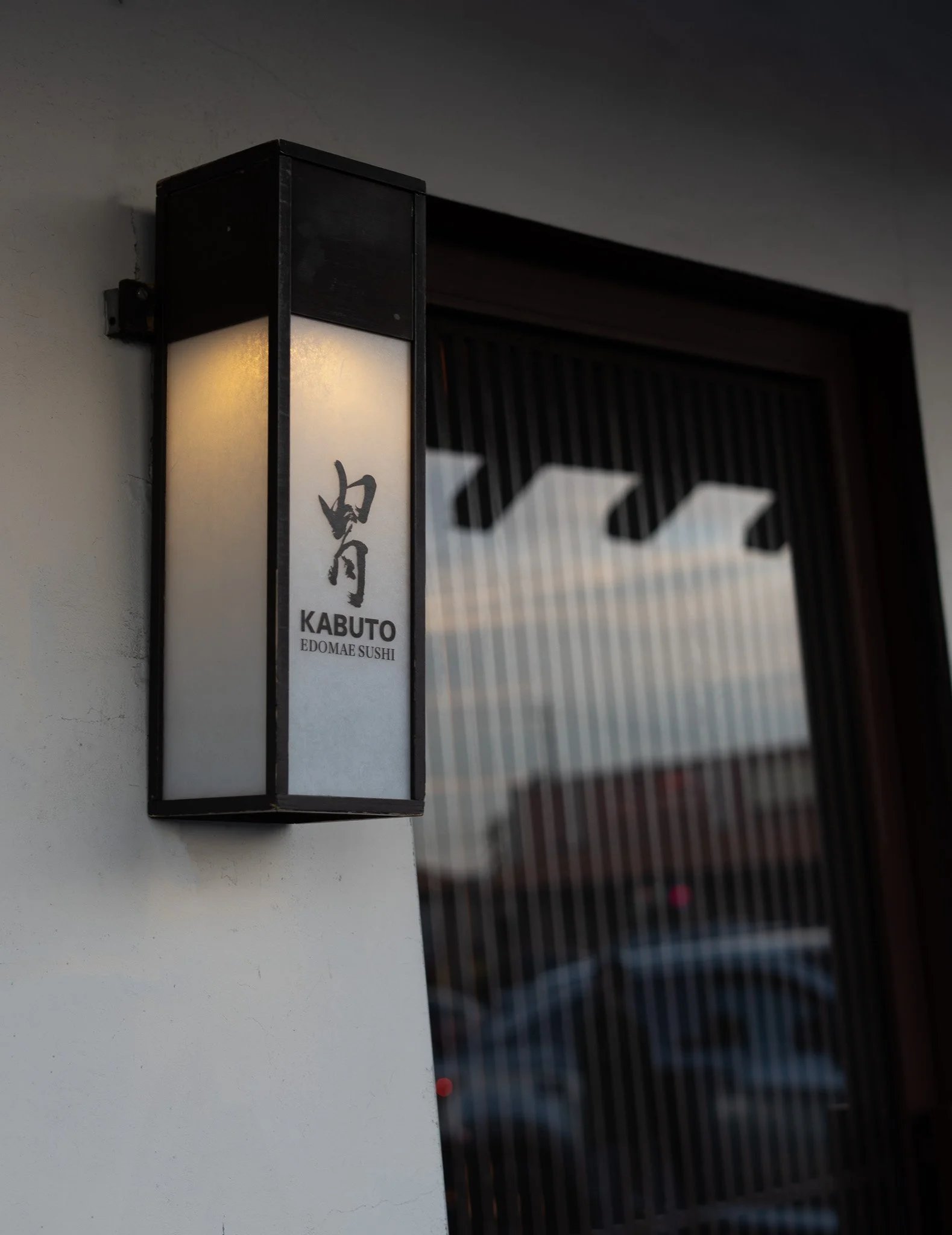
For Japanese cuisine specifically, the Spring Valley-adjacent area has developed a reputation for Japanese cooking that operates closer to authenticity benchmarks than to the maki-heavy menus of the Strip. Kabuto Edomae Sushi, another Spring Valley-area Japanese address, has drawn attention from diners who use it as a reference point for what the neighborhood can deliver at a technical level. The bar occupies a different part of the same ecosystem, broader in scope than a pure sushi counter but sharing the underlying commitment to Japanese culinary structure over Americanized shorthand.
Comparison Points for Context
Diners calibrating expectations for the bar might usefully compare it to the broader category of serious neighborhood Japanese restaurants that have emerged in other American cities. The pattern is consistent: Japanese restaurants that achieve local authority in non-tourism markets tend to build their menus around depth in a chosen register rather than attempting full coverage. In Honolulu, cocktail-forward Japanese-adjacent venues like Bar Leather Apron demonstrate how Japanese culinary sensibility translates into hospitality beyond the kitchen. In cities like New York, venues such as Superbueno illustrate how neighborhood commitment and specialist focus create durable reputations independent of tourism traffic.
The throughline across these examples is that local-market Japanese and Japanese-adjacent restaurants succeed by earning repeat visitors rather than tourists. The bar operates inside this same logic on West Desert Inn Road, positioned within walking distance of a dense residential population that provides the repeat-visit base that Strip restaurants never need to cultivate.
Planning Your Visit
The bar is located at 8480 W Desert Inn Rd F1, Las Vegas, NV 89117, in a strip-mall complex that requires a moment of orientation on arrival. The F1 suite designation places it within a multi-tenant building, a format common across Spring Valley's commercial strips. For visitors staying on the Strip, the drive runs west along Desert Inn Road and takes approximately fifteen minutes outside peak traffic hours, considerably less friction than repositioning between Strip properties for a comparable meal.
Visiting during off-peak hours, weekday evenings rather than Friday or Saturday prime time, gives a stronger chance of immediate seating. Japanese restaurants at this tier in Las Vegas's off-Strip market tend to fill with regulars on weekend evenings. Arriving before 6:30 pm on a weeknight remains one reliable approach when advance reservation options are unclear.
Diners approaching the bar from other serious Japanese dining contexts, whether New York counter culture, Chicago's specialist izakaya tier, or the technically rigorous sushi rooms of San Francisco's Japantown corridor, will find the menu architecture operating within recognizable parameters. The address is suburban Nevada; the underlying culinary logic is not.
Credentials Lens
Comparable venues nearby, for context on price, style, and recognition.
| Venue | Cuisine | Price | Notes |
|---|---|---|---|
| Sen of JapanThis venue — the venue you are viewing | sake_bar | $$ | Not listed |
| Sin City Parties | lounge | $$ | Spring Valley |
| Anima by EDO | cocktail_bar | $$$ | Spring Valley |
| 595 Craft And Kitchen | pub | $$ | Spring Valley |
| Chef Kenny's Vegan Dim Sum | Bar | $$ | Spring Valley |
| Crab Corner Maryland Seafood House | pub | $$ | Spring Valley |
Continue exploring
More in Spring Valley
Bars in Spring Valley
Browse all →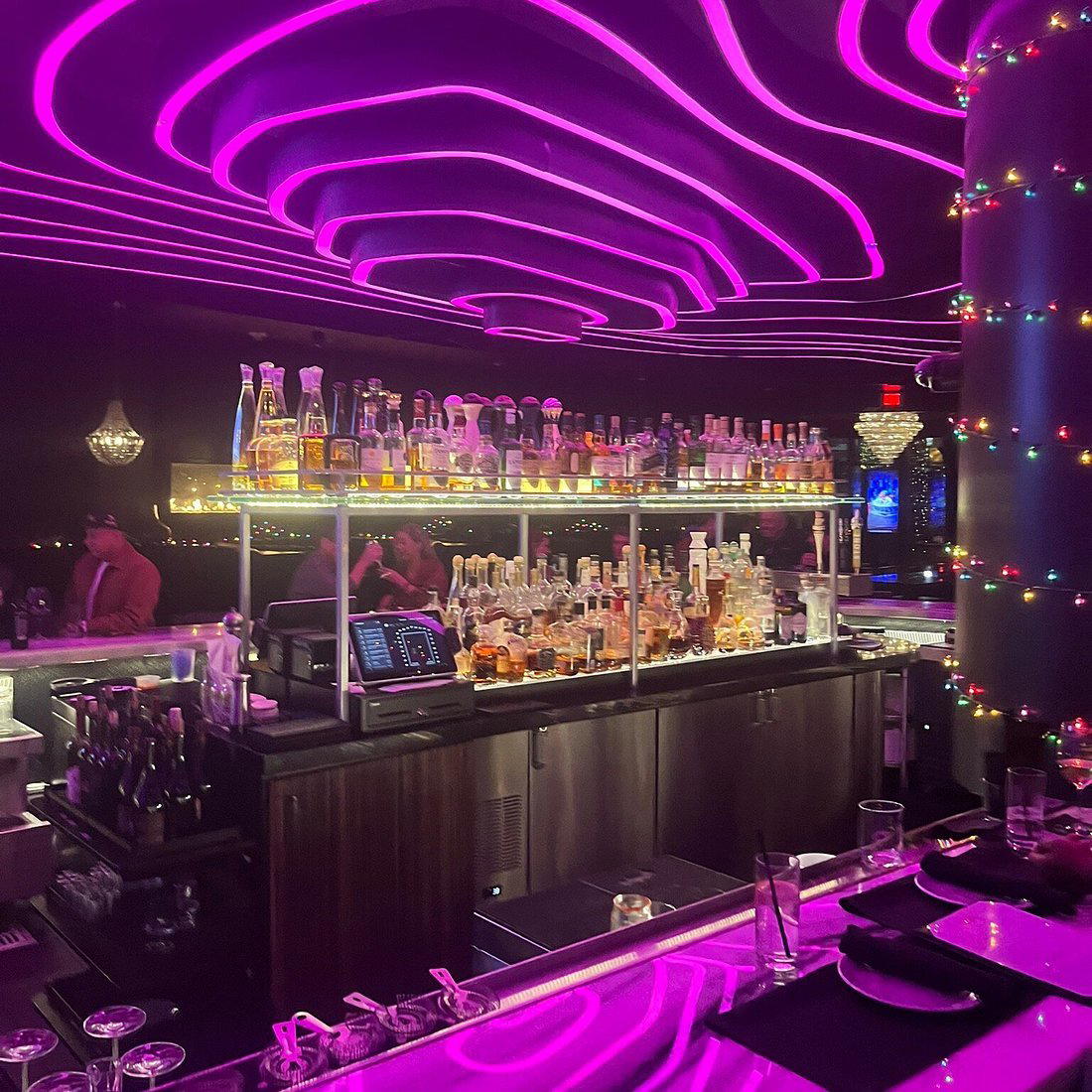
Restaurants in Spring Valley
Browse all →

At a Glance
- Intimate
- Elegant
- Cozy
- Date Night
- Late Night
- Casual Hangout
- Standalone
- Seated Bar
- Booth Seating
- Sake
Current opening hours
- Monday
- 5 PM–1:30 AM
- Tuesday
- 5 PM–1:30 AM
- Wednesday
- 5 PM–1:30 AM
- Thursday
- 5 PM–1:30 AM
- Friday
- 5 PM–1:30 AM
- Saturday
- 5 PM–1:30 AM
- Sunday
- 5–11 PM
Hours can change for holidays and private events. Last verified .
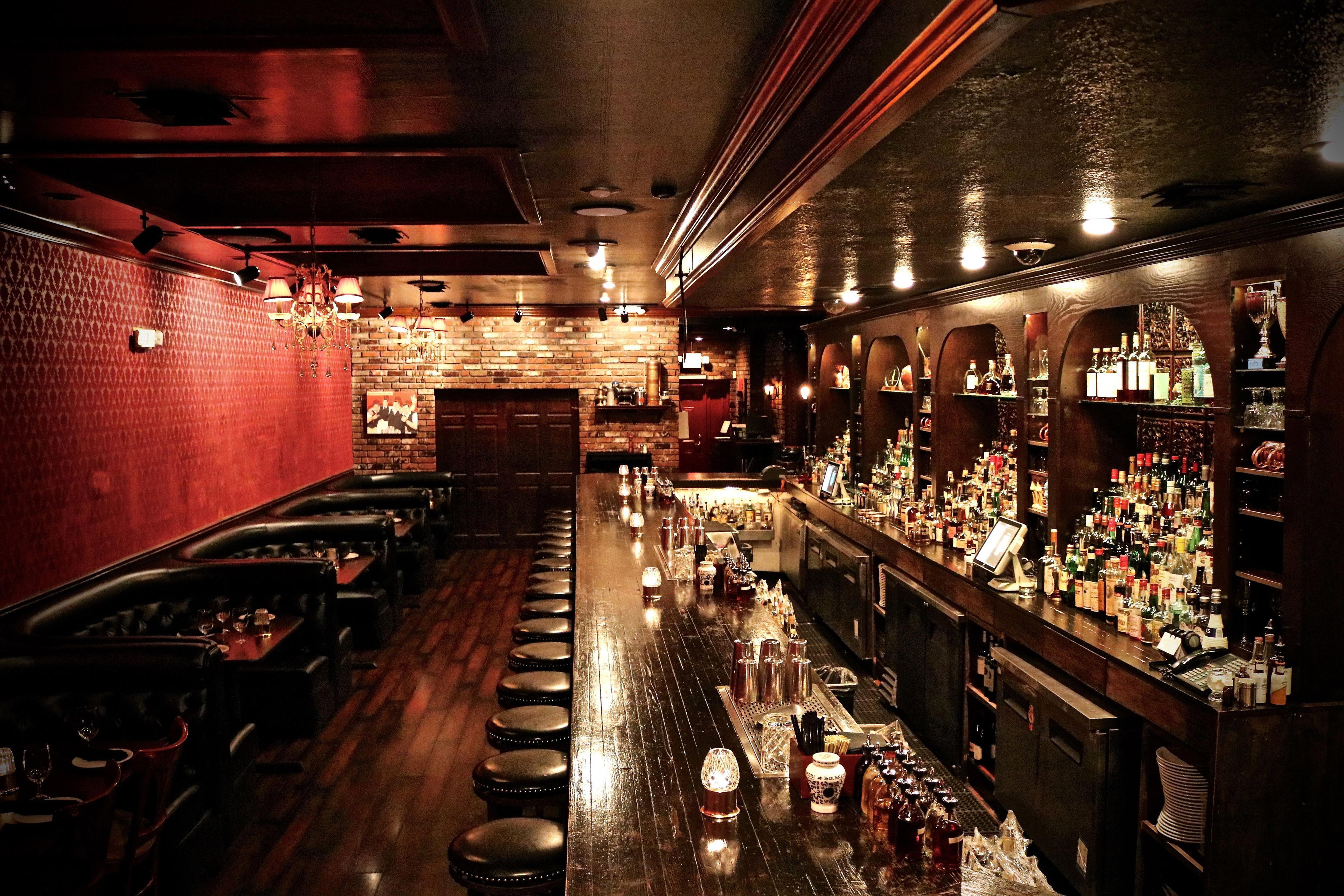
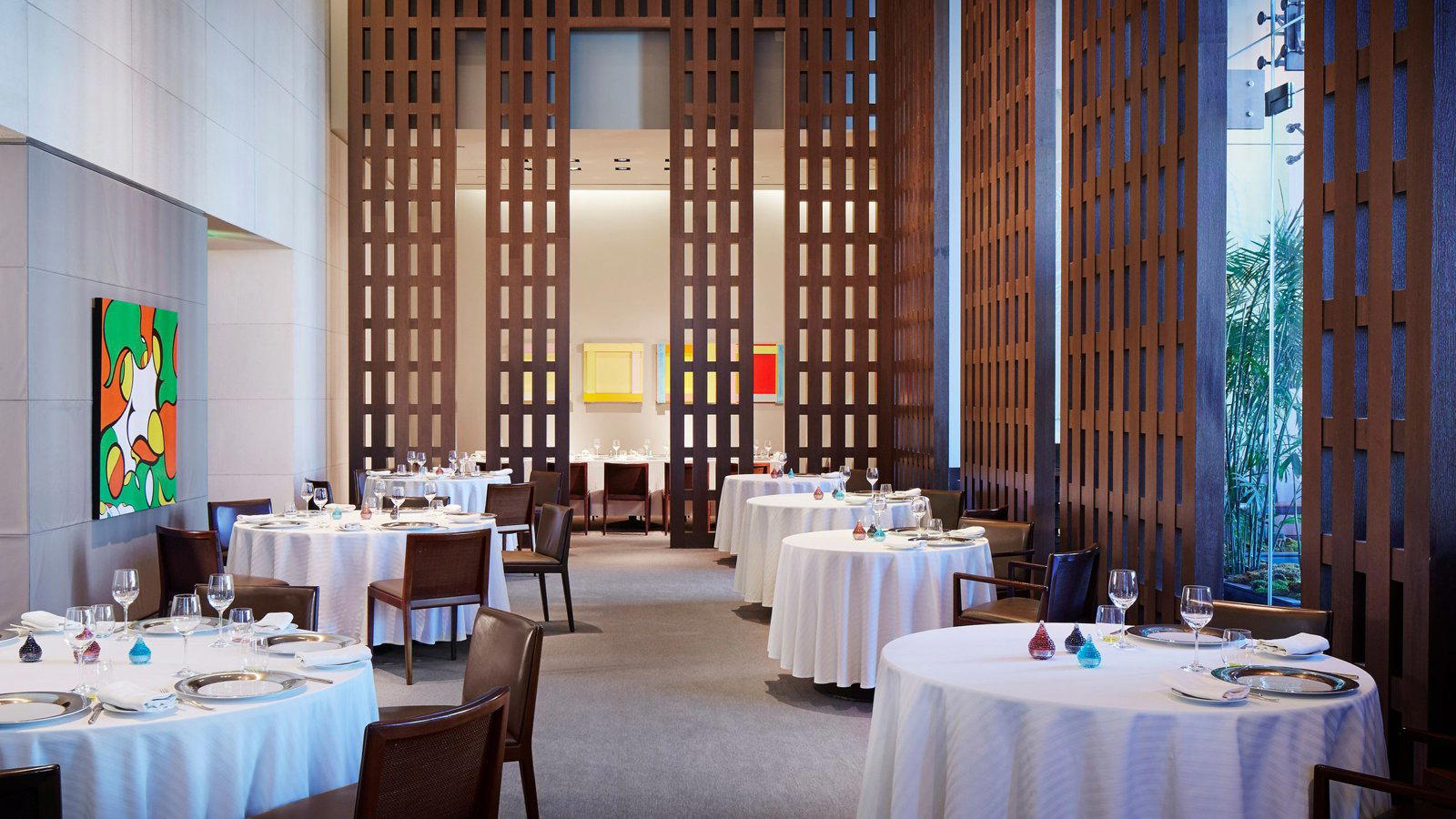
Intimate environment with soft lighting, clean lines, and understated Japanese-inspired decor.