Seapot
Seapot sits on North Central Expressway in Plano, Texas, placing it inside one of the Dallas-Fort Worth suburb's more active dining corridors. The format draws on the hot pot tradition that has found consistent footing across North Texas's diverse restaurant scene. Visitors planning a visit should confirm current hours and booking availability directly before arriving.
Pearl is the En Primeur Club membership app — saves, bookings, and concierge access live there. Same editors, same standards.
- Address
- 1900 N Central Expy, Plano, TX 75074
- Phone
- +1 469 858 9683
- Website
- seapotplano.com
- Directions
- Get directions
 Saves & bookings on Pearl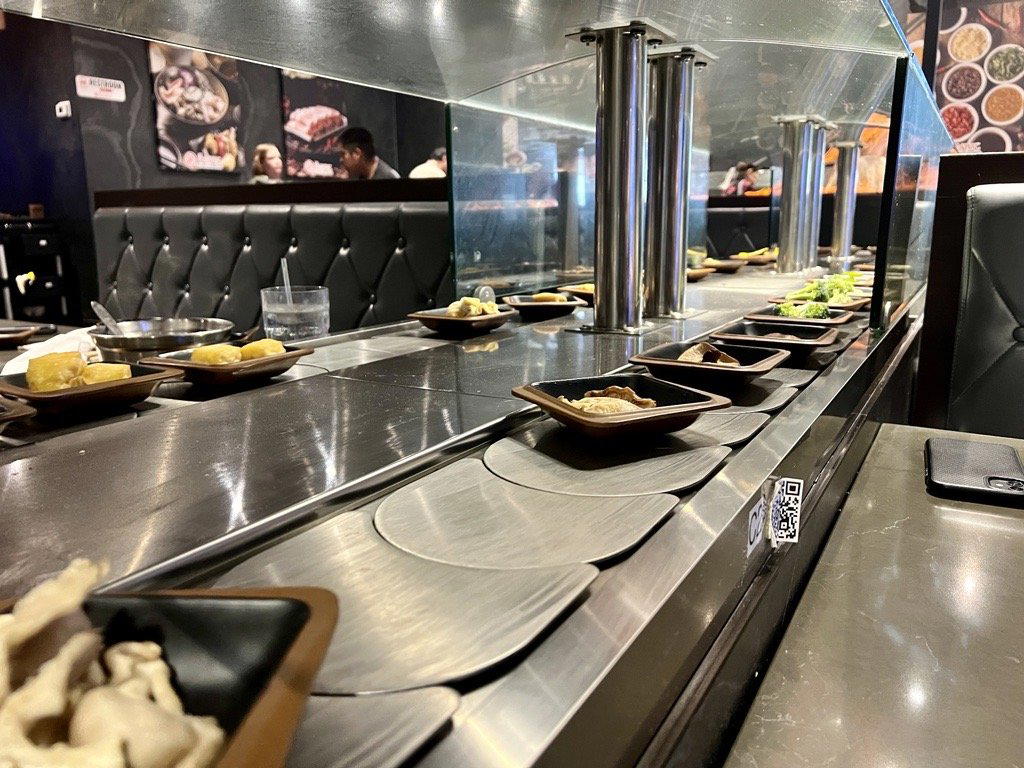
Hot Pot in the Plano Corridor
North Central Expressway runs through Plano like a spine, and the dining options pressed against it reflect the suburb's demographic range more accurately than any curated dining district could. This stretch of the 75 corridor has accumulated a working mix of regional cuisines that tend to serve their communities without much editorial attention from Dallas-proper food media. Seapot, at 1900 N Central Expy, sits inside that pattern. The hot pot format it operates in belongs to a category that has expanded noticeably across North Texas over the past decade, tracking closely with the growth of Plano's Asian-American population and the broader DFW suburban dining shift away from chain dominance.
Hot pot as a dining format rewards patience and social eating in ways that few Western restaurant structures do. The meal is built around a simmering broth at the center of the table, into which diners feed raw ingredients at their own pace. The result is a meal that can stretch across two hours without feeling slow. It is a format that transfers well to suburban settings, where groups tend to be larger and the calculus of sharing plates is already familiar. Plano's dining scene, which includes venues like EBESU and Densetsu serving Japanese-influenced formats, demonstrates how the suburb has moved well beyond the generic pan-Asian category into more specific regional expressions.
What the Format Demands From You Before You Arrive
The editorial angle on Seapot is partly a logistical one, because hot pot venues in active suburban corridors tend to operate differently from reservation-forward fine dining. The venue's phone and website are not confirmed in available records, which means the most reliable approach before visiting is a direct search for current contact information and hours. This matters more for hot pot than for many other formats: popular hot pot restaurants frequently run on weekend waits that stretch past an hour, and groups larger than four will feel that wait more acutely.
The planning calculus for a venue like Seapot is worth thinking through. Hot pot works well with a group of three or more, because the format of ordering proteins, vegetables, and accompaniments scales in value with the number of people at the table. A solo visit is possible but functionally inefficient. If you are coordinating a group dinner in Plano, this is the kind of venue where confirming capacity and wait time in advance is not just convenient but shapes the entire evening. The broader Plano dining scene offers alternatives across different formats, including Cibo Cucina Italiana and Flamant Restaurant, both of which carry different booking dynamics.
Walk-Ins, Waits, and the Suburban Hot Pot Reality
Walk-in policy at venues in this category varies and tends to shift with demand. Hot pot restaurants in suburban Texas markets, particularly those with strong community followings, often operate without formal reservation systems while simultaneously generating significant walk-in queues on weekend evenings. The honest answer for Seapot specifically is that confirmed booking information is not available in current records, and anyone planning to visit on a Friday or Saturday evening should treat the possibility of a wait as the default rather than the exception.
This is not a criticism of the format or the venue; it is a structural feature of how hot pot tends to operate. The dining experience itself is designed for duration, so the population of diners turning over tables at any given hour is smaller than it would be in a higher-turnover format. Add strong local demand and the math produces queues. Arriving with that expectation, and with a group that has flexibility in timing, makes the experience function as intended rather than as a source of friction. For comparison, destination bar programs in other cities, like Kumiko in Chicago or Jewel of the South in New Orleans, require advance booking weeks out precisely because demand outpaces capacity in concentrated urban markets. Suburban hot pot venues operate under different pressure but are not immune to it.
Plano's Dining Position in the DFW Constellation
Plano occupies a specific position in the Dallas-Fort Worth dining ecosystem. It is not a destination suburb in the way that some parts of Frisco or Highland Park carry particular culinary reputations, but it functions as one of the more diverse and operationally active dining zones in North Texas. The restaurant density along the 75 corridor and in the Legacy area reflects a population that eats out frequently and across a wider range of cuisines than the suburb's mid-century residential identity might suggest.
For visitors coming from outside the DFW area or from Dallas proper, Plano's dining scene requires a different frame than urban dining districts. Venues here are not building toward Michelin recognition in the way that programs at places like ABV in San Francisco or Superbueno in New York City might position themselves. The competitive set is local and community-oriented, and that is a feature rather than a limitation. Hot pot venues in particular tend to build their reputations through repeat local business and word of mouth within specific community networks, which means that when they develop a following, it is a durable one. See our full Plano restaurants guide for a broader map of the suburb's dining options.
What to Order
What the hot pot format reliably produces across well-regarded venues in this category is a structure where broth selection is the first and most consequential decision. The split-pot option, common in Sichuan-influenced hot pot venues, allows one side to carry a spiced, numbing broth while the other holds a cleaner base, which gives a table the flexibility to handle different heat tolerances without ordering multiple pots. Protein selection, typically including thinly sliced beef, lamb, or seafood in various combinations, follows from the broth choice. Accompaniments such as house-made dipping sauces, noodles, and tofu products tend to be where individual venues distinguish their approach most visibly.
For a sense of how detailed, format-driven venues operate at the bar and craft beverage level in other markets, venues like Bar Leather Apron in Honolulu, Julep in Houston, and The Parlour in Frankfurt all demonstrate how depth of format translates into a distinct experience. Hot pot at a serious venue operates with similar discipline, where the sourcing and preparation of the raw ingredients is where the kitchen's judgment shows most clearly.
Planning Your Visit
Seapot is located at 1900 N Central Expy, Plano, TX 75074, on the eastern side of North Central Expressway. Parking in the area follows standard suburban strip-adjacent patterns, with surface lots accessible from the frontage road. Current hours, phone contact, and any online booking options should be verified through a direct search or mapping platform before visiting, as these details are not confirmed in available records. Groups planning to arrive on weekend evenings in particular should allow for the possibility of a wait and consider timing arrival before the 7 p.m. window when demand in this category typically peaks.
At a Glance
- Lively
- Modern
- Energetic
- Group Outing
- Casual Hangout
- Celebration
- Standalone
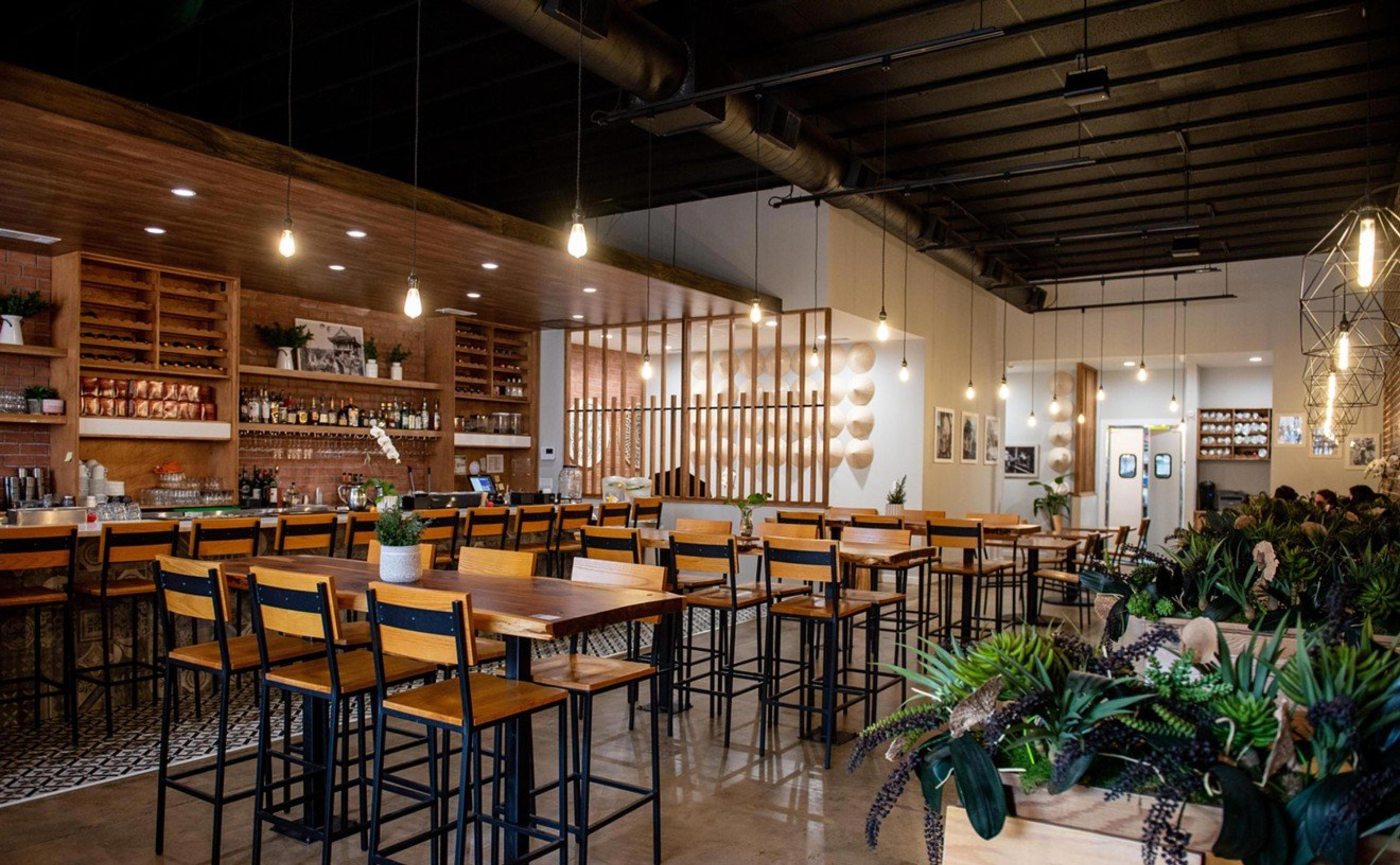
- Seated Bar
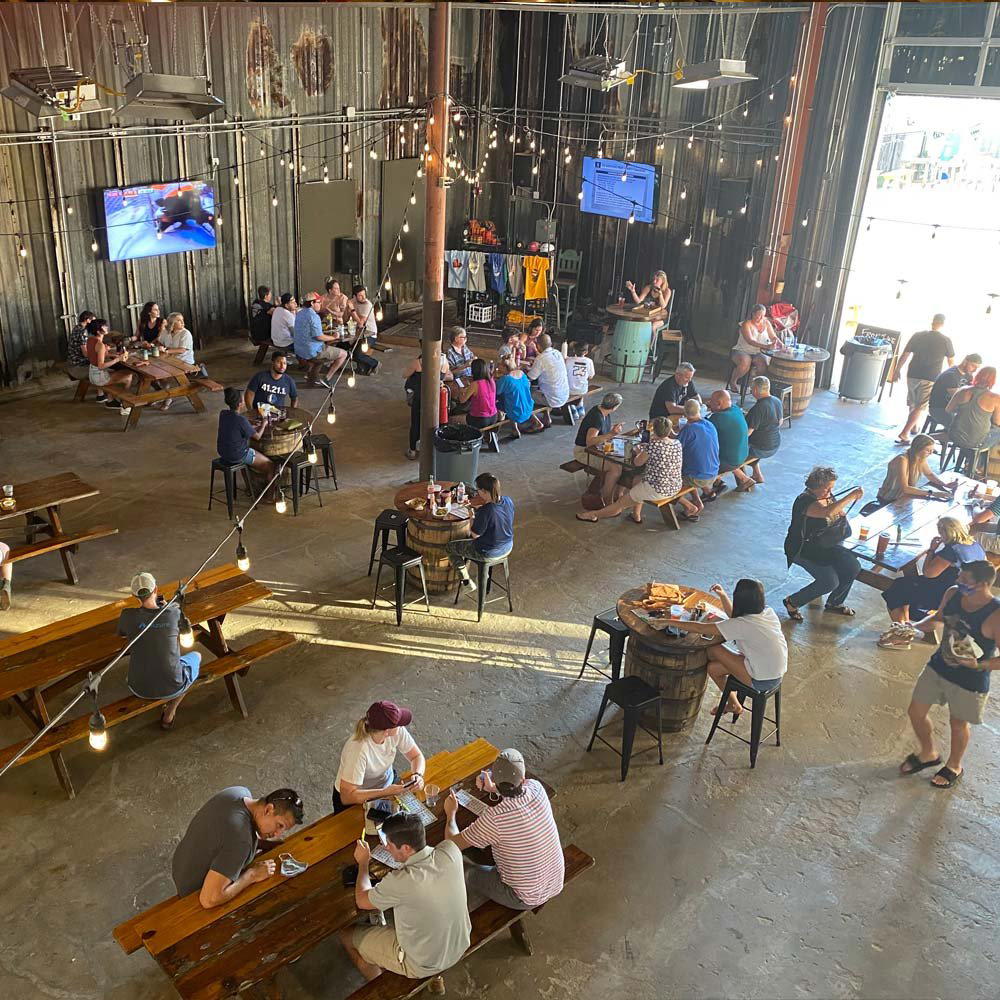
- Communal Tables
Current opening hours
- Monday
- 11 AM–10 PM
- Tuesday
- 11 AM–10 PM
- Wednesday
- 11 AM–10 PM
- Thursday
- 11 AM–10 PM
- Friday
- 11 AM–11 PM
- Saturday
- 11 AM–11 PM
- Sunday
- 11 AM–11 PM
Hours can change for holidays and private events. Last verified .
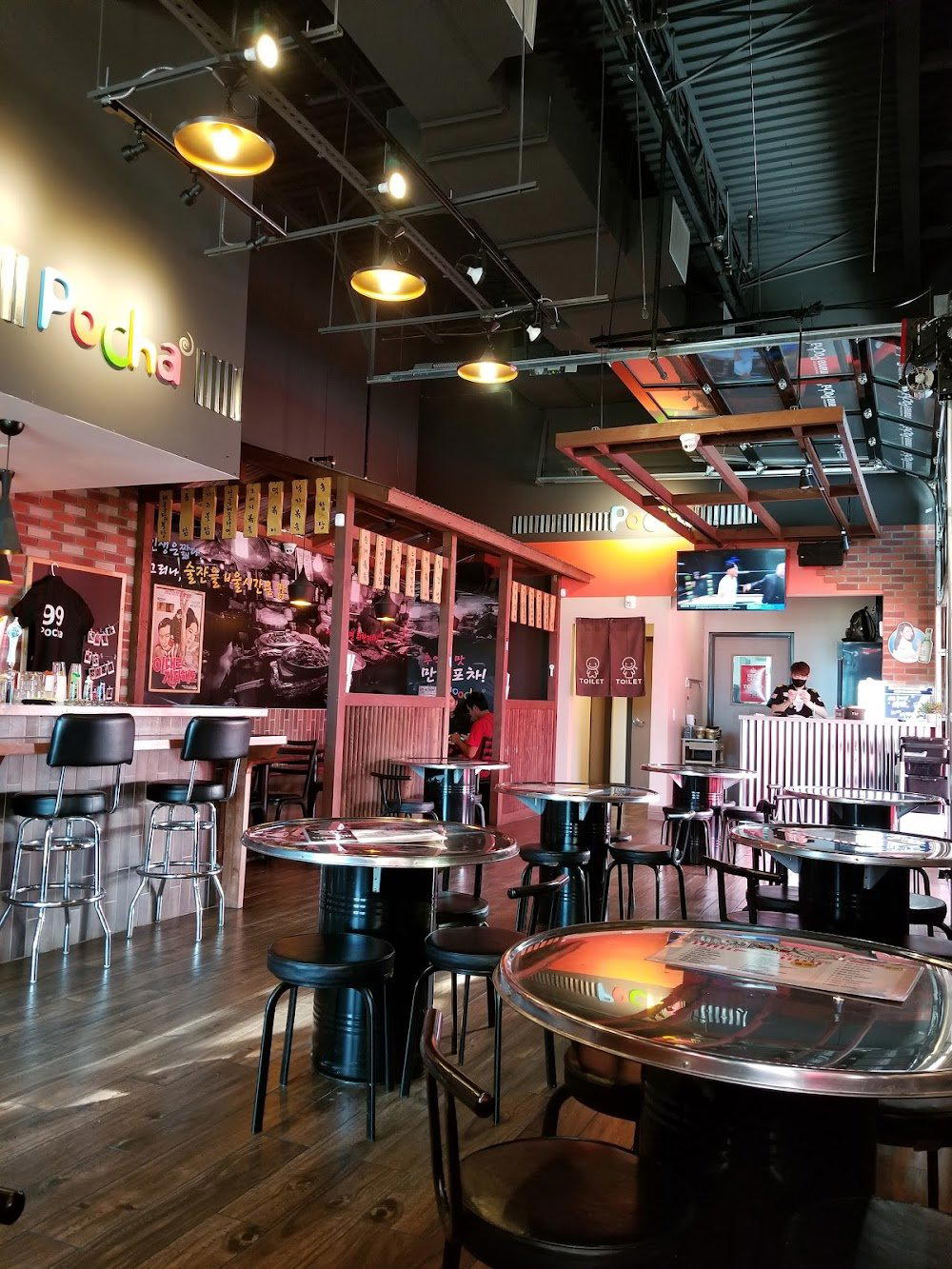
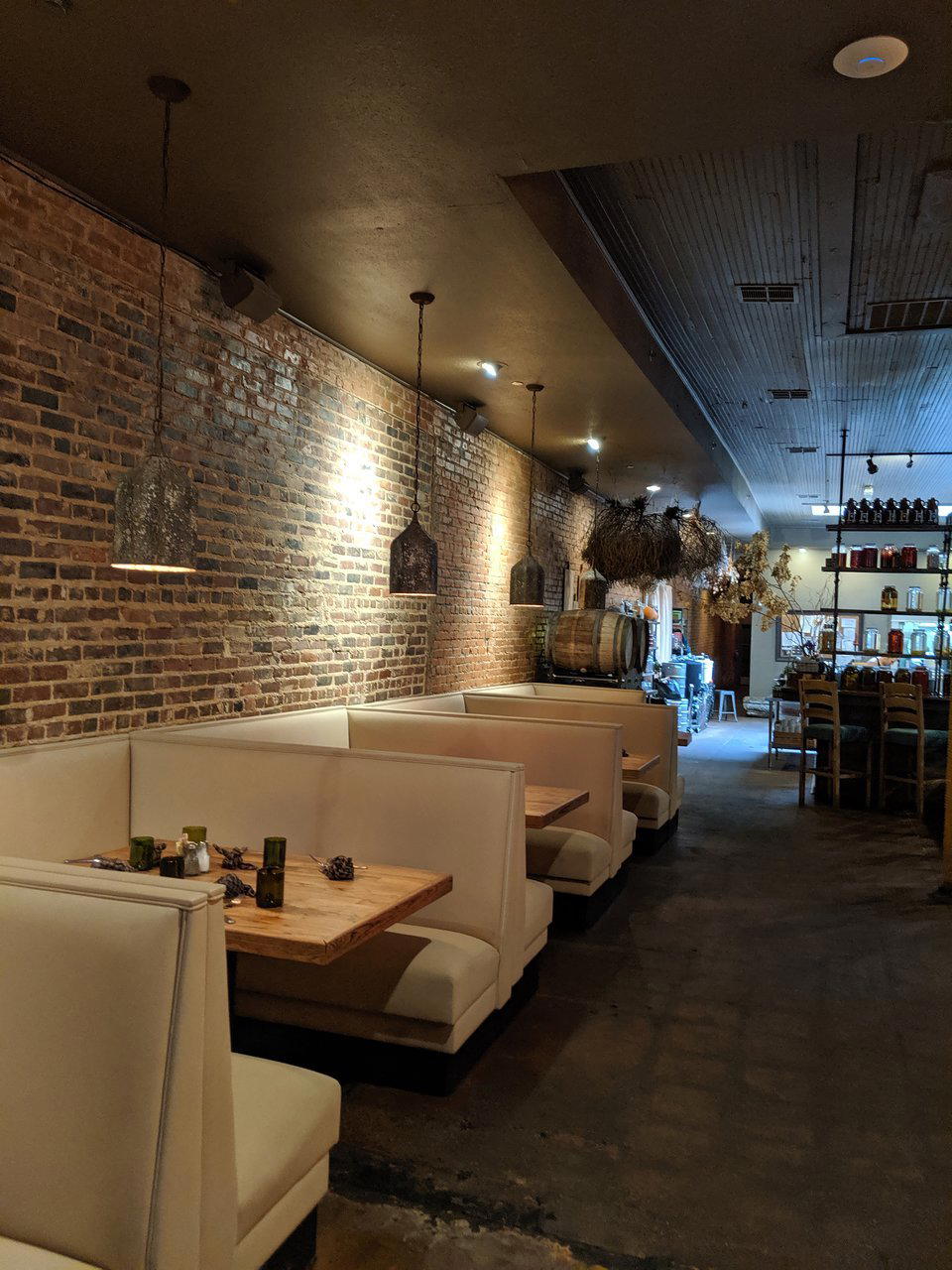
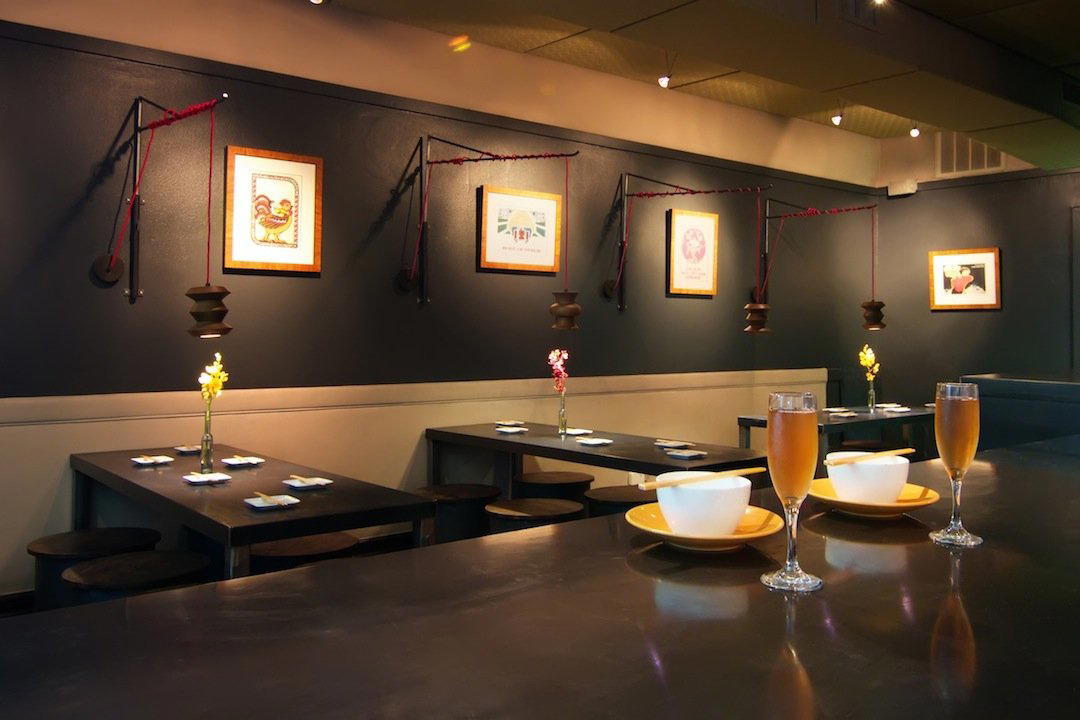
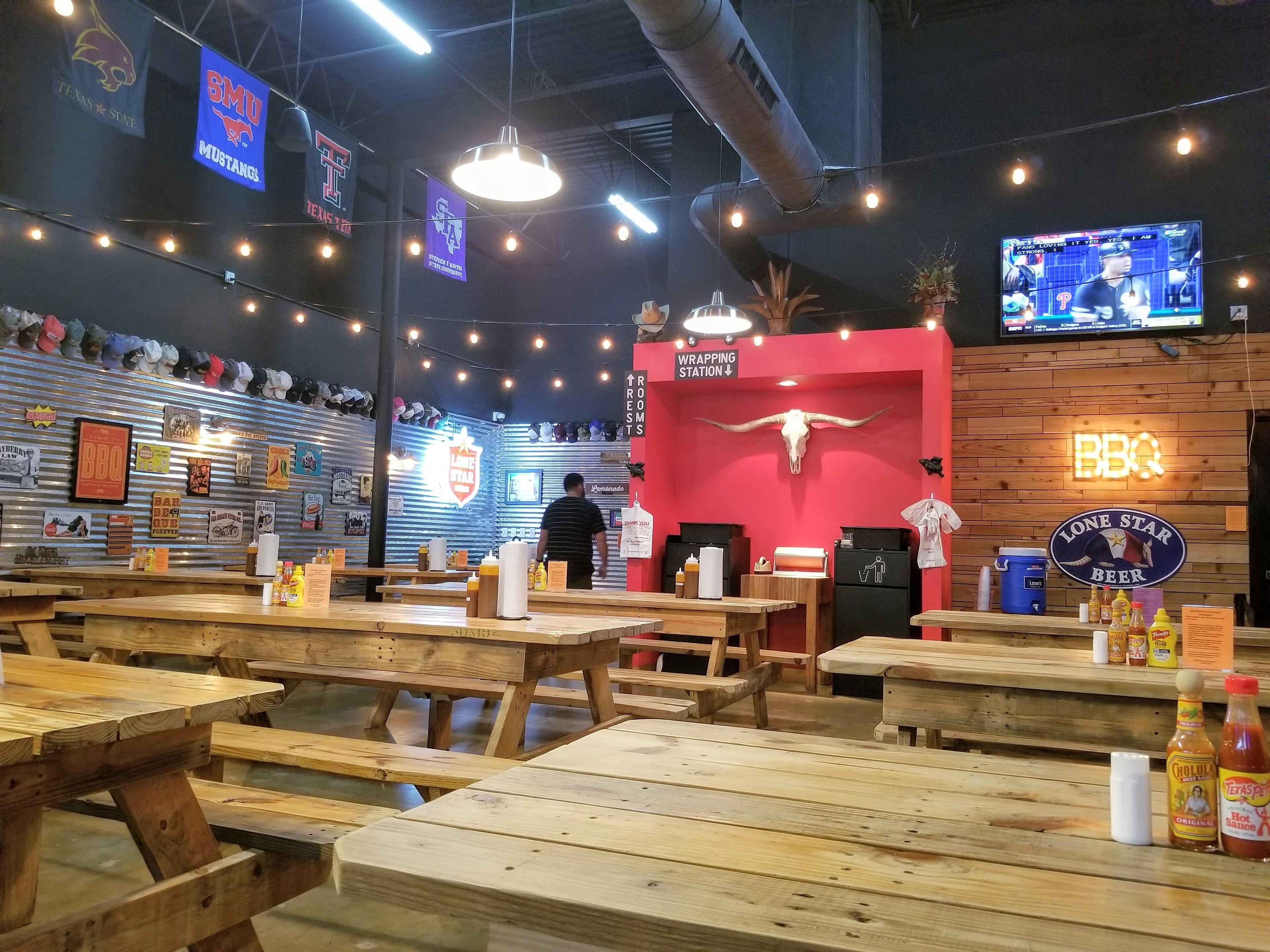
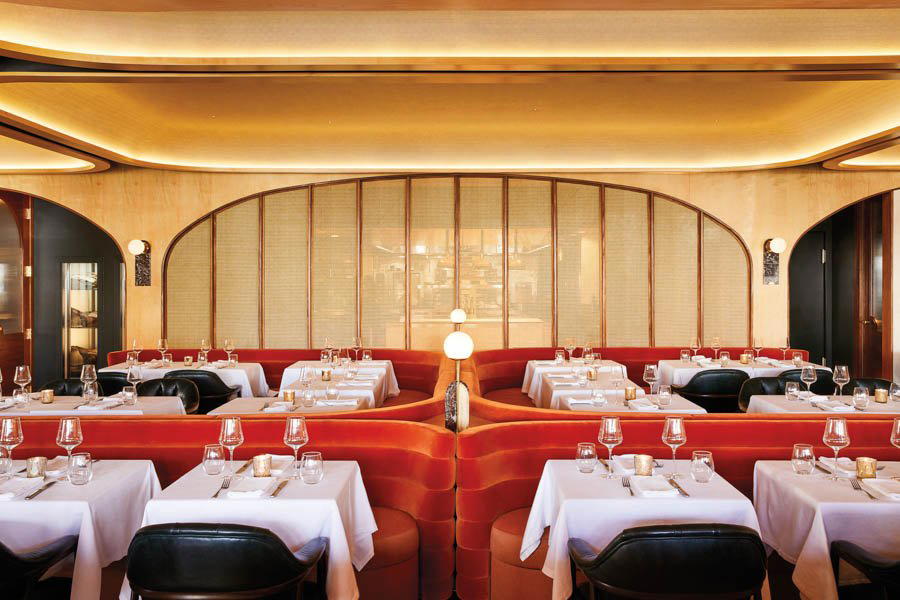
Casual, energetic atmosphere with a modern setup featuring personal pots and an endless moving line of food items, creating an engaging and lively dining environment.
Know Before You Go
- Getting there
- 1900 N Central Expy, Plano, TX 75074