Sasa Sushi
On Gaston Avenue in the Lakewood corridor, Sasa Sushi occupies a tier of Dallas Japanese dining where neighbourhood familiarity and counter-driven seriousness tend to coexist. The room draws a mix of East Dallas regulars and destination visitors for whom the zip code matters less than what arrives at the table. It sits in a part of the city where casual exteriors routinely conceal considered kitchens.

Pearl is the En Primeur Club membership app — saves, bookings, and concierge access live there. Same editors, same standards.
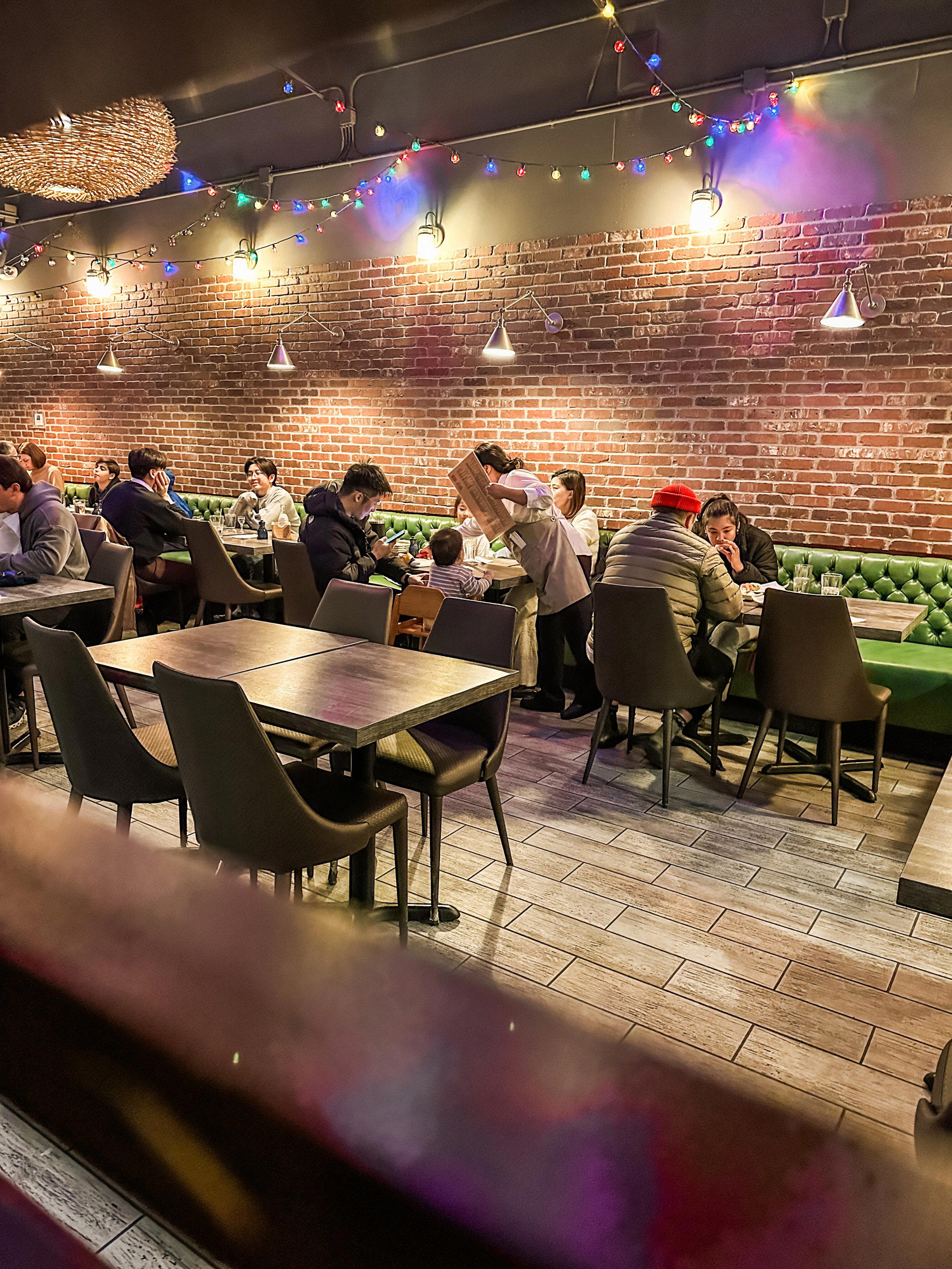
East Dallas and the Counter Tradition
The stretch of Gaston Avenue running through Lakewood has long functioned as a corrective to the assumption that Dallas sushi belongs exclusively to Uptown or the Park Cities. The neighbourhood's dining identity is lower-key and more residential, which tends to attract the kind of operation that earns its reputation through repetition rather than launch-night spectacle. Sasa Sushi, at 6340 Gaston Ave, sits inside that pattern: a Lakewood-corridor address that signals community anchor over destination theatre.
That positioning matters in the context of Dallas Japanese dining broadly. The city's sushi scene has stratified considerably over the past decade, splitting between high-format omakase rooms with advance booking requirements and neighbourhood counters that maintain quality without the ceremony. Sasa occupies the latter category, where the competitive measure is consistency across a regular clientele rather than a single tasting-menu performance for out-of-town visitors. For diners comparing options across Dallas, see our full Dallas restaurants guide for broader context on how the city's Japanese dining tier maps across neighbourhoods.
The Approach to Beverage: What a Wine and Sake List Signals Here
In sushi-focused rooms at this tier, the beverage program functions as one of the clearest signals of ambition. The gap between a counter that stocks a few perfunctory sake options and one that has built a considered cellar tends to reveal itself quickly: in glassware weight, in how a server fields a question about a specific junmai daiginjo, in whether the list acknowledges that the guest might want a Burgundy-trained Chardonnay alongside raw fish as readily as a mineral-forward sake.
Nationally, the bars that have pushed serious beverage curation into unexpected formats offer useful comparison. Kumiko in Chicago has built its reputation around Japanese whisky and cocktail curation with the depth of a dedicated cellar program. Bar Leather Apron in Honolulu applies a similar rigor to spirits in a Pacific context where Japanese influence is ambient rather than imported. Jewel of the South in New Orleans demonstrates how historical drink traditions can be held to the same technical standard as a fine dining cellar. These examples matter because they set a benchmark: at this level of seriousness, a beverage list should do editorial work, not just fill a supporting role.
For a neighbourhood sushi counter, the question is whether the sake and wine selection has been curated with the same attention given to fish sourcing. A list that includes regional sake categories (honjozo alongside junmai ginjo, aged koshu as a deliberate choice rather than an afterthought) positions the room differently than one that defaults to the same four bottles available at every mid-tier Japanese restaurant in the country. Dallas has some precedent for this: the city's wine bar culture, represented locally by operations like Alcove Wine Bar and Ampelos Wines, has demonstrated that there is a market for considered curation in non-obvious Dallas zip codes.
Neighbourhood Context and the Lakewood Register
Gaston Avenue sits adjacent to Deep Ellum and the broader East Dallas corridor, a part of the city where the nightlife register shifts from the high-gloss finish of Knox-Henderson toward something more worn-in and local. Deep Ellum Brewing Company's taproom and bars like Adair's Saloon and 4525 Cole Ave define one end of that spectrum. Sasa Sushi occupies a different register entirely, but it benefits from the same neighbourhood logic: the area rewards operations that embed rather than perform.
That embedding tends to produce a specific dining dynamic. Regulars develop a relationship with the counter over months and years, learning which nights the fish is freshest, which preparations reward the most attention, and where the value sits relative to the check. This is a different transaction than the destination-omakase model, and it is not inferior, just differently calibrated. The relevant comparison set for Sasa is less the high-ticket counters of Uptown and more the mid-tier neighbourhood Japanese rooms that have built durable followings in cities like Houston, where Julep has demonstrated how a focused, neighbourhood-anchored concept can outlast trend-driven openings.
Placing Sasa in the Broader Tier
Across American cities, the Japanese counter that holds a residential address rather than a prime commercial block tends to operate with different economics and different expectations. The margin pressure is real, which means the kitchen has to make decisions: where does the sourcing budget go, and where does the list get compressed? The operations that survive and build reputations in this tier typically answer by concentrating quality in the categories their regulars care most about, rather than spreading thinly across a maximal menu.
For beverage-focused diners, the analogy that travels well is a bar like ABV in San Francisco, which built credibility through curatorial restraint: fewer options, each chosen deliberately, rather than a list designed to signal comprehensiveness. Or Superbueno in New York City, where a focused spirits selection telegraphs editorial confidence. The Parlour in Frankfurt makes a similar argument for curation over volume in a European context. The through-line is the same: a tighter list, held to a higher standard, communicates more than a sprawling one held to none.
Whether Sasa's beverage program operates at that level of curation is a question leading answered by visiting on a weeknight and asking whoever is behind the counter what they would suggest alongside the kitchen's current fish. The quality of that answer, and what it leads to in the glass, tells you more than a menu scan.
The Quick Read
| Venue | Price | Notes |
|---|---|---|
| Sasa SushiThis venue — the venue you are viewing | Not listed | Not listed |
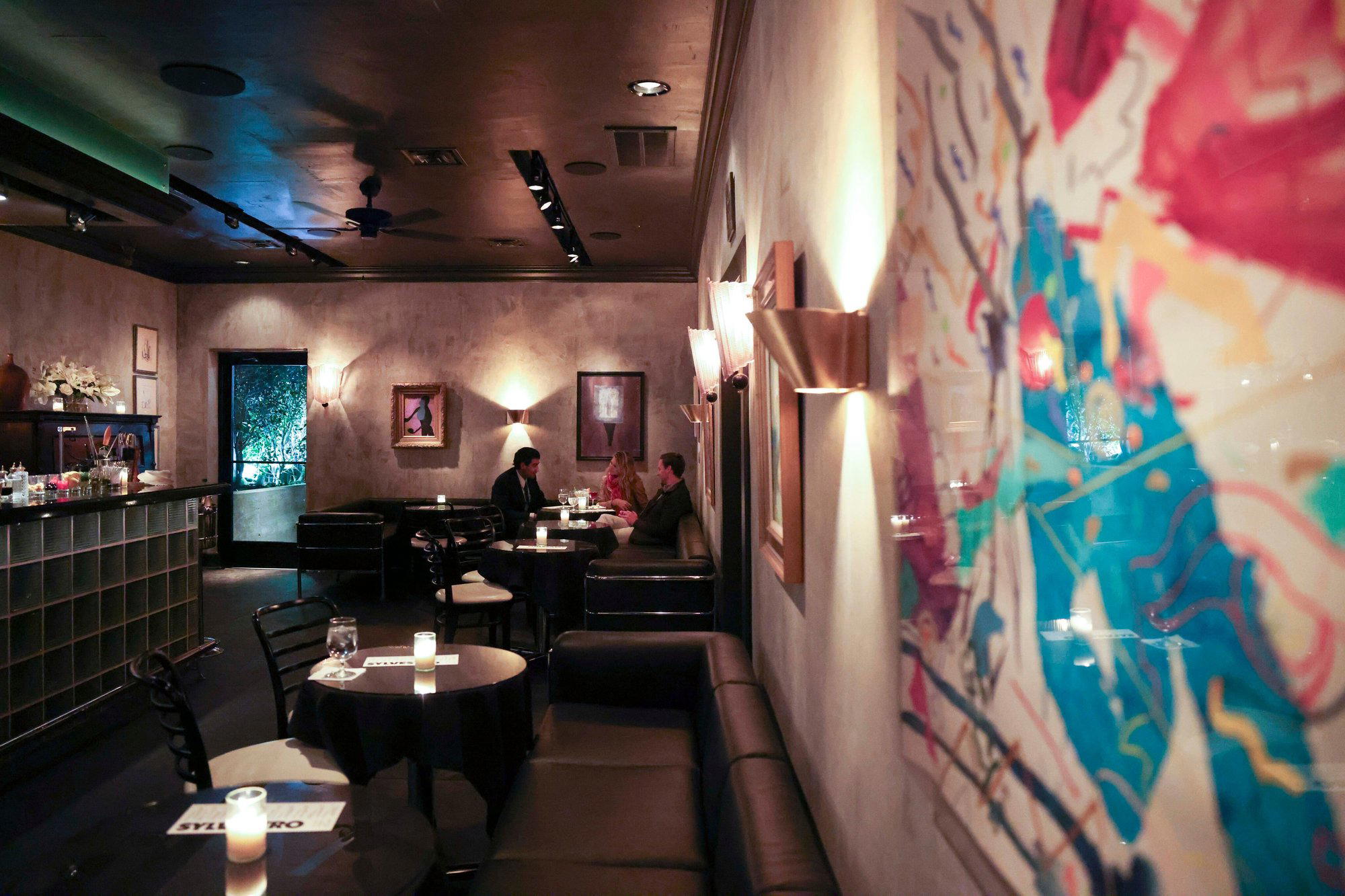
| Bar Sylvestro | $20–30 | Cozy cocktail bar; serves Urbano Cafe Italian dishes |
| Cosmo's | $20–30 | Not listed |
Continue exploring
More in Dallas
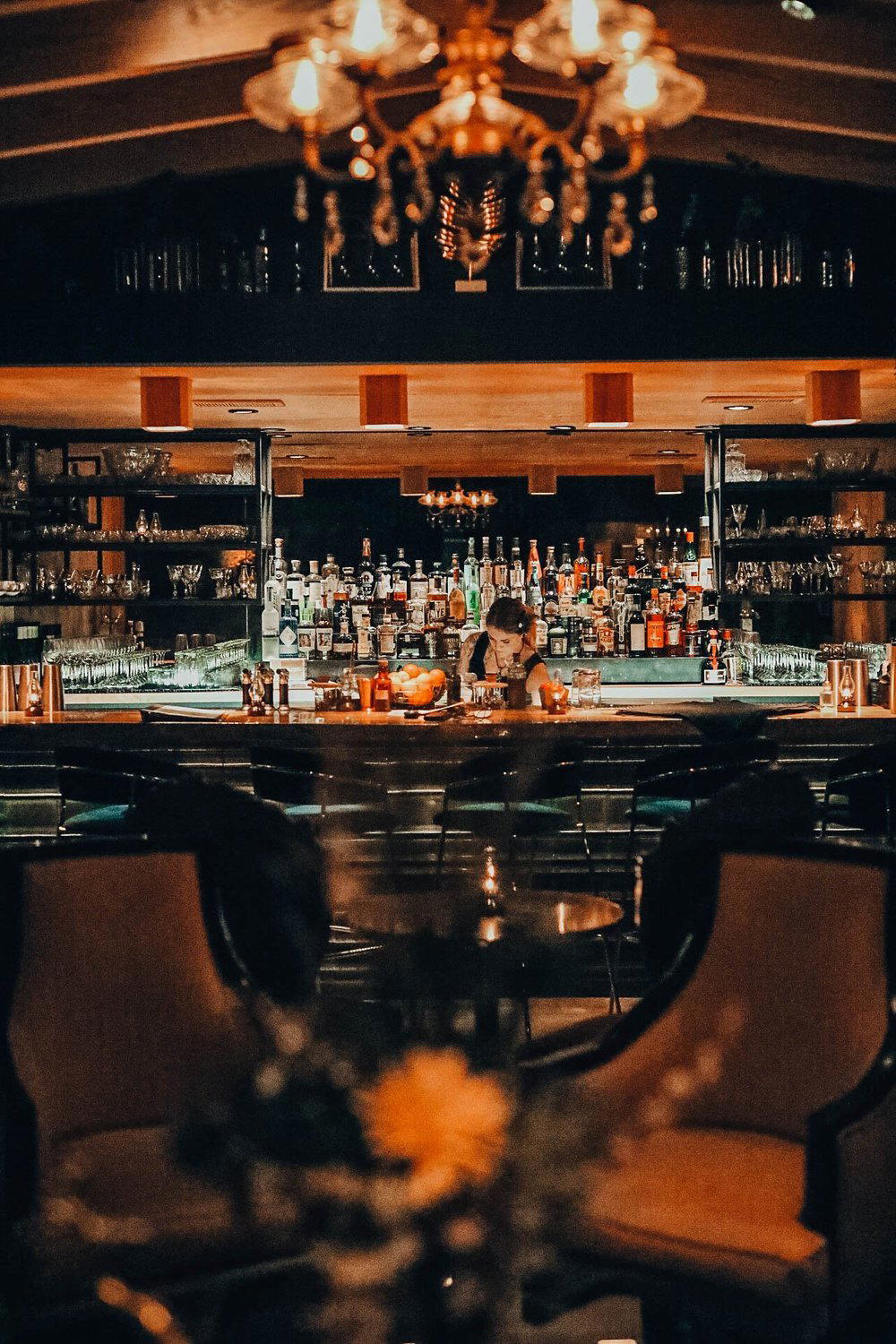
Bars in Dallas
All bars in Dallas →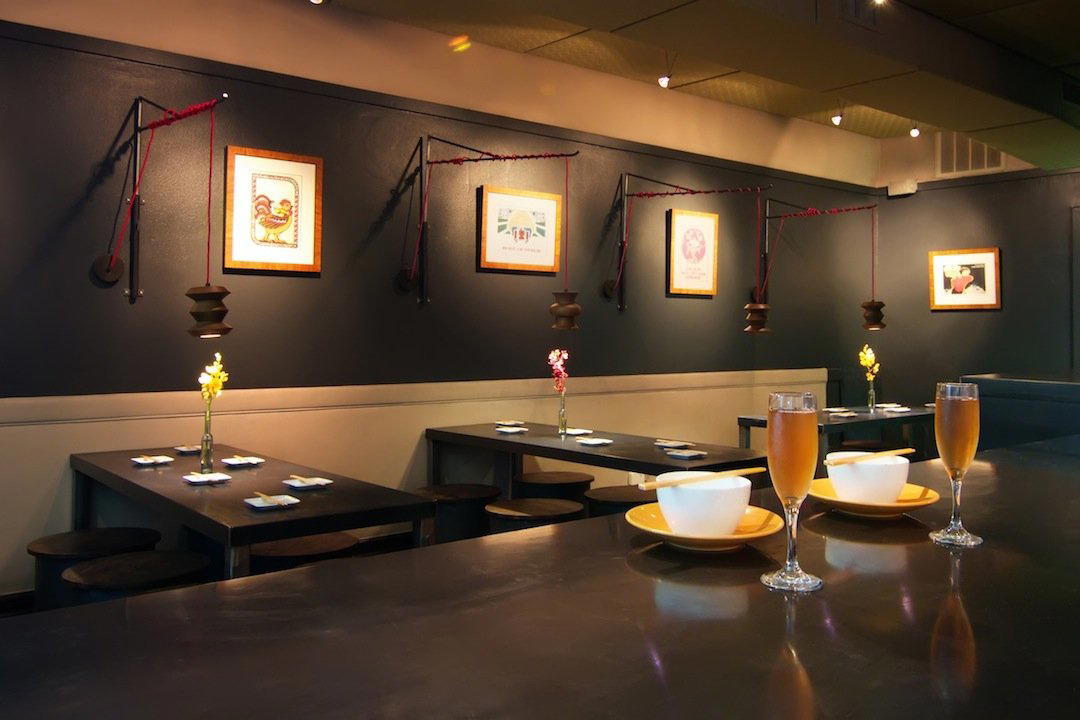
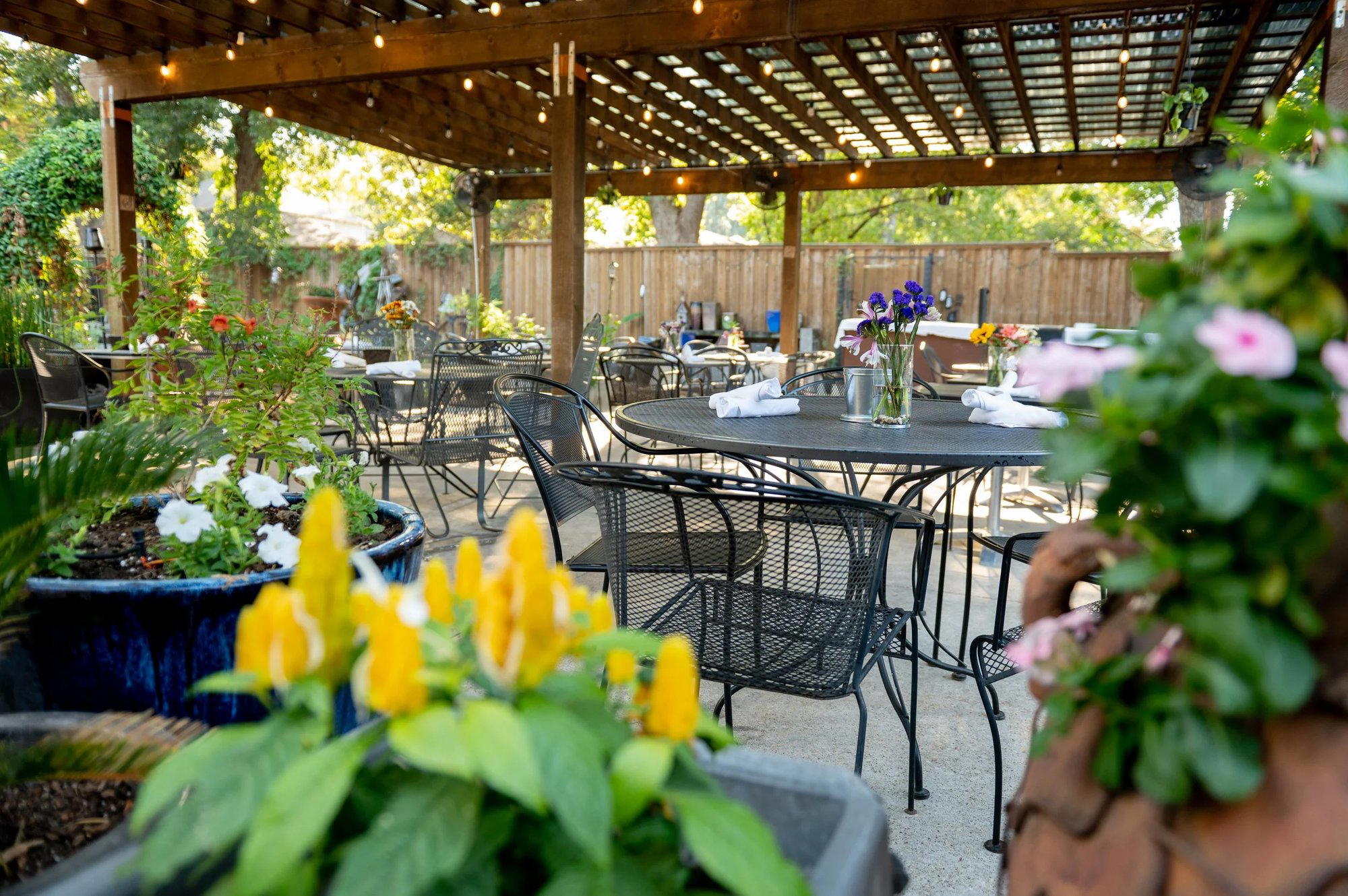
Restaurants in Dallas
All restaurants in Dallas →
Details
- Modern
- Casual Hangout
- Standalone
- Seated Bar
- Booth Seating
- Sake
Current opening hours
- Monday
- 11 AM–2:30 PM, 5–10 PM
- Tuesday
- 11 AM–2:30 PM, 5–10 PM
- Wednesday
- 11 AM–2:30 PM, 5–10 PM
- Thursday
- 11 AM–2:30 PM, 5–10 PM
- Friday
- 11 AM–10:30 PM
- Saturday
- 12–10:30 PM
- Sunday
- 12–9:30 PM
Hours can change for holidays and private events. Last verified .
Casual neighborhood spot with busy sushi counter action and bright, playful specialty rolls.