Haruno
Haruno occupies a quiet stretch of South Fremont Avenue in Springfield, Missouri, bringing a focused Japanese-influenced format to a city whose dining scene leans heavily toward Italian and American comfort traditions. The room rewards the kind of attention that Springfield's more casual options rarely demand. For travelers moving through the Ozarks corridor, it represents a different register entirely.
Pearl is the En Primeur Club membership app — saves, bookings, and concierge access live there. Same editors, same standards.
- Address
- 3044 S Fremont Ave, Springfield, MO 65804
- Phone
- +1 417 887 0077
- Website
- harunosushi.com
- Directions
- Get directions
 Saves & bookings on Pearl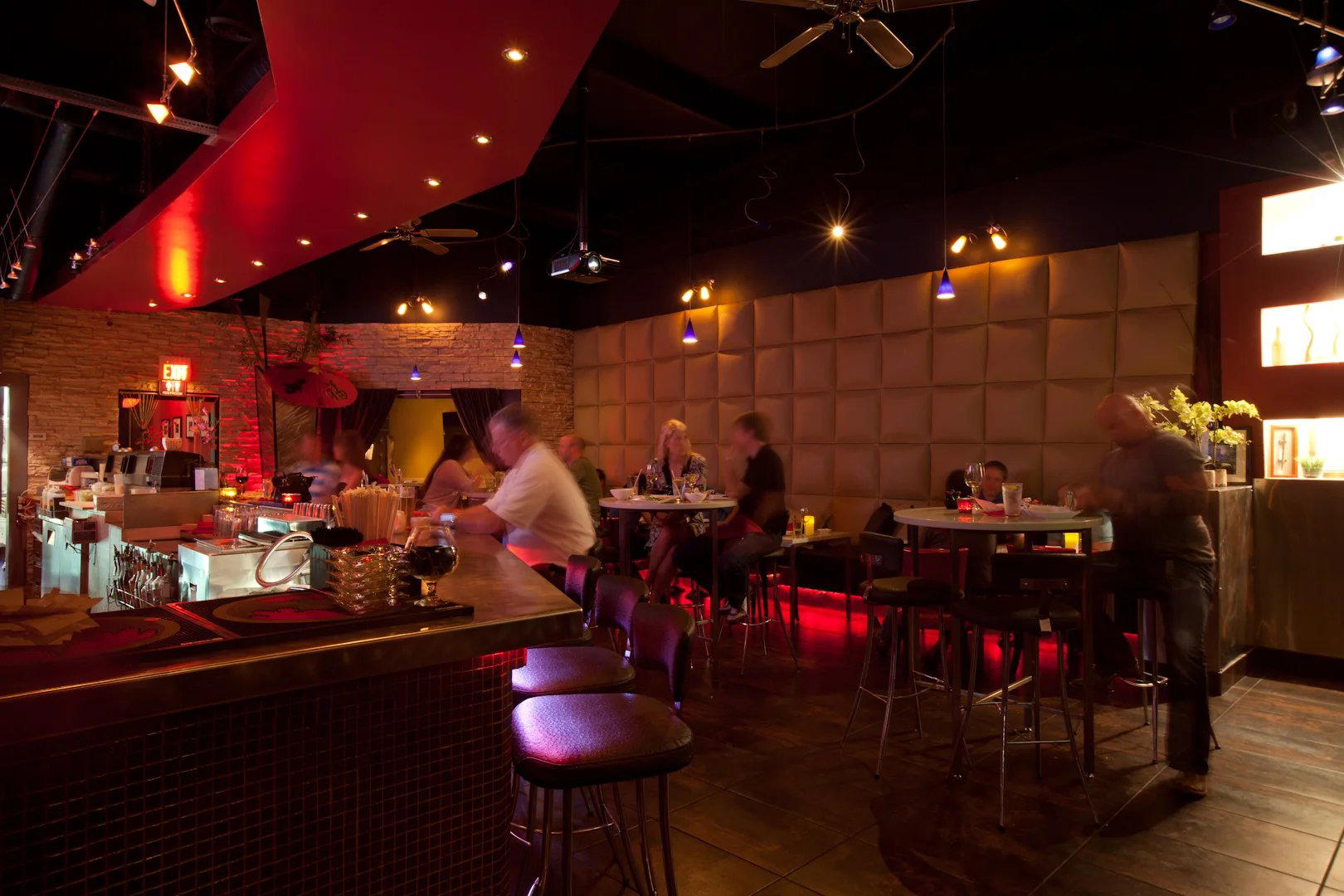
South Fremont and the Question of Register
Springfield, Missouri's dining scene has long organized itself around a few reliable poles: Italian-American red-sauce comfort at places like Bruno's Italian Restaurant, the loose sociability of neighborhood bars such as D'Arcy's Pint, and the craft beer culture that Buzz Bomb Brewing Co represents well. Against that backdrop, a Japanese-accented restaurant on South Fremont Avenue occupies a distinct position. Haruno, at 3044 S Fremont Ave, Springfield, MO 65804, is a bar in Springfield,262 reviews and an average price of about $25 per person. It sits in a part of town where the restaurant density thins out and the pace slows. That physical remove from Springfield's denser dining corridors is not incidental: it creates the conditions for a different kind of meal, one where the room itself can set the terms rather than competing for attention against neighboring storefronts.
In many mid-sized American cities, Japanese dining has followed a predictable arc: first sushi bars oriented toward accessibility and volume, then a slow emergence of more considered formats where the kitchen and front-of-house work in closer alignment. Springfield has generally stayed closer to the accessible end of that spectrum. A venue that pushes toward a more disciplined register, whether through omakase-style progression, a tighter menu, or a room designed for focus rather than noise, tends to function as a counterpoint to the prevailing mood rather than an extension of it.
The Room as an Argument
Approaching South Fremont, the area has the character of a mid-city residential-commercial blend: low-rise, unhurried, without the self-consciousness of a designed dining district. Haruno's address places it in that context deliberately or coincidentally, but the effect is the same. A restaurant in this location is not trading on foot traffic or neighborhood buzz. It earns its audience through reputation that travels by word rather than by proximity.
The physical environment of any serious Japanese dining room tends to carry its own editorial position. The tradition of Japanese hospitality, omotenashi, places the guest's experience above spectacle. Rooms designed in that tradition are spare without being cold, quiet without being indifferent. Whether Haruno's interior fully occupies that lineage is a question leading answered by those who have sat at its tables, but the structural logic of the location, removed, deliberate, without the pressure of a high-traffic setting, suggests a room that asks something of the diner in return for what it offers.
Team Dynamics and the Coherence Problem
The consistent failure mode in Japanese restaurants outside major metropolitan centers is a mismatch between kitchen ambition and front-of-house fluency. A kitchen executing technically precise food requires a floor team that can translate that precision into the guest experience without over-explaining or under-communicating. The sommelier or drinks lead, where one exists, plays a central connector role: Japanese cuisine's range of textural and flavor registers demands a drinks program that can track across courses rather than anchor to a single style.
In cities like Chicago, this integration is visible at places such as Kumiko, where the bar program operates as a parallel editorial voice to the kitchen. In smaller markets, that kind of programmatic coherence is harder to sustain and rarer to find. When it does appear, it tends to mark a restaurant as a genuine addition to a city's dining identity rather than a novelty against its baseline.
At Haruno, the question of team coherence is the right frame for understanding what the restaurant is attempting. A Japanese dining room that works as a complete experience rather than a kitchen-only proposition requires the front-of-house to carry cultural knowledge, not just service mechanics. It requires the ability to sequence a meal, to read the table's pace, and to make recommendations that connect the kitchen's intentions to the guest's preferences. That is a specific skill set, and its presence or absence is usually evident within the first fifteen minutes of a meal.
Springfield in a Wider Frame
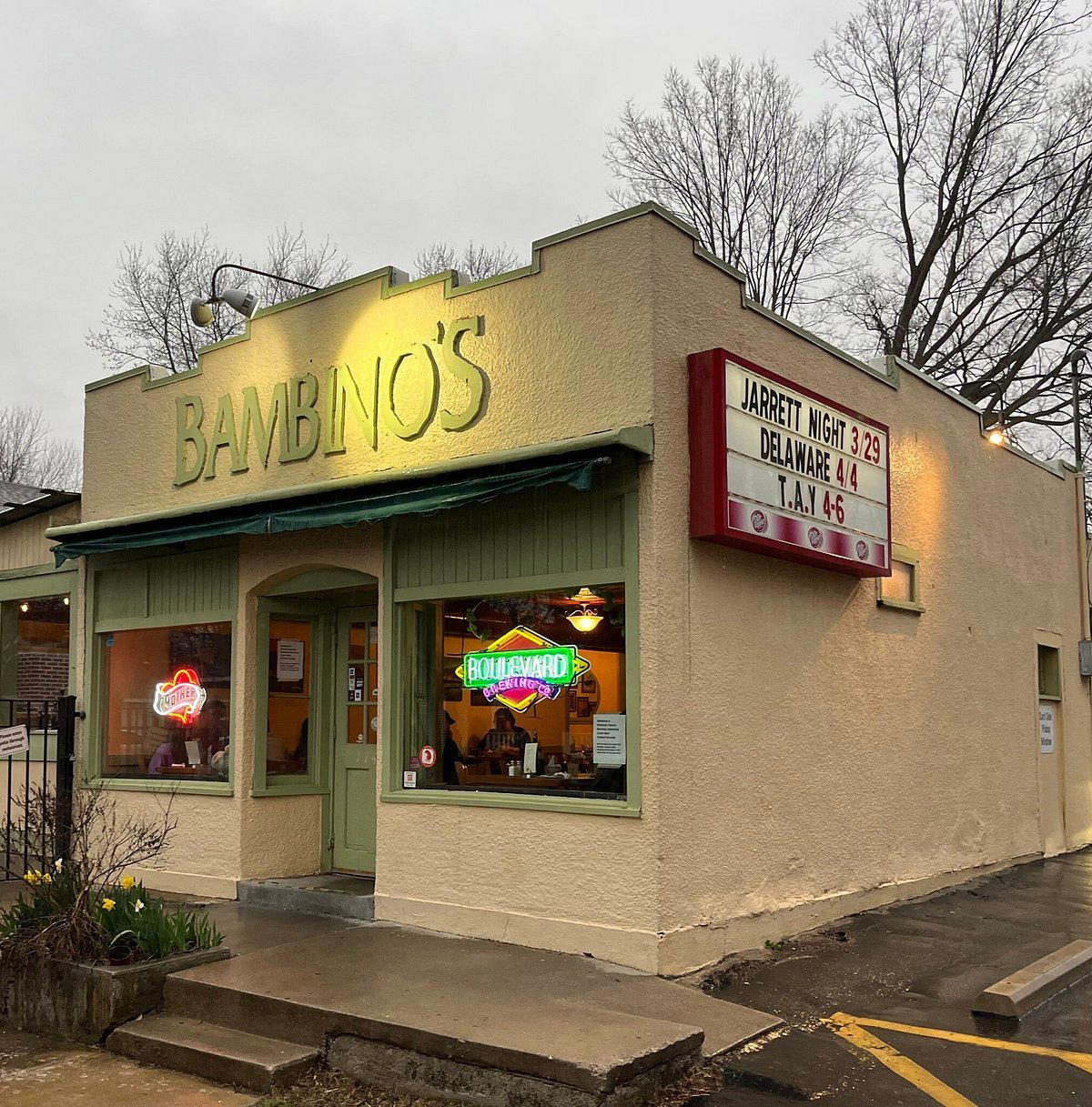
For travelers moving through Missouri's Ozarks region, Springfield functions as the largest city in the corridor and the natural base for exploring the area. Its dining scene has broadened meaningfully in recent years, with properties like Bambinos Cafe on Delmar representing the more European-leaning end of the local coffee and casual dining culture. The city's range now extends further than the chain-heavy commercial strips along Battlefield Road would suggest to a first-time visitor.
Haruno's position within that range is not as a novelty but as a marker of where the city's dining ambitions have reached. The same pattern has played out in comparable mid-sized American cities: a Japanese restaurant operating at a considered register tends to arrive after a city has developed enough of a dining culture to support it, and its longevity becomes a measure of whether that culture is real or aspirational.
For context on what this kind of integration looks like at its most developed, the bar programs at Bar Leather Apron in Honolulu and Jewel of the South in New Orleans both demonstrate how a drinks team operating with genuine editorial intention can deepen the total experience of a meal or an evening. when front-of-house operates as a creative partner to the kitchen rather than a service layer on top of it, the guest experience changes in kind, not just in degree.
Planning a Visit
Haruno's address at 3044 S Fremont Ave, Springfield, MO 65804 places it south of the city center, accessible by car without difficulty but not on any natural pedestrian circuit. The South Fremont corridor runs through a mixed-use stretch that requires purposeful navigation rather than spontaneous discovery. Visitors staying in downtown Springfield or near the Missouri State University area will find the drive direct. For those building an evening around the restaurant, the surrounding blocks do not offer a natural pre-dinner or post-dinner scene, which makes the meal itself the primary event. Current hours, reservation availability, and pricing are best confirmed directly with the venue.
Price and Positioning
Comparable venues nearby, for context on price, style, and recognition.
| Venue | Cuisine | Price | Notes |
|---|---|---|---|
| HarunoThis venue — the venue you are viewing | Not listed | $$ | Not listed |
| Bambinos Cafe on Delmar | Phelps Grove, Bar | $$ | Not listed |
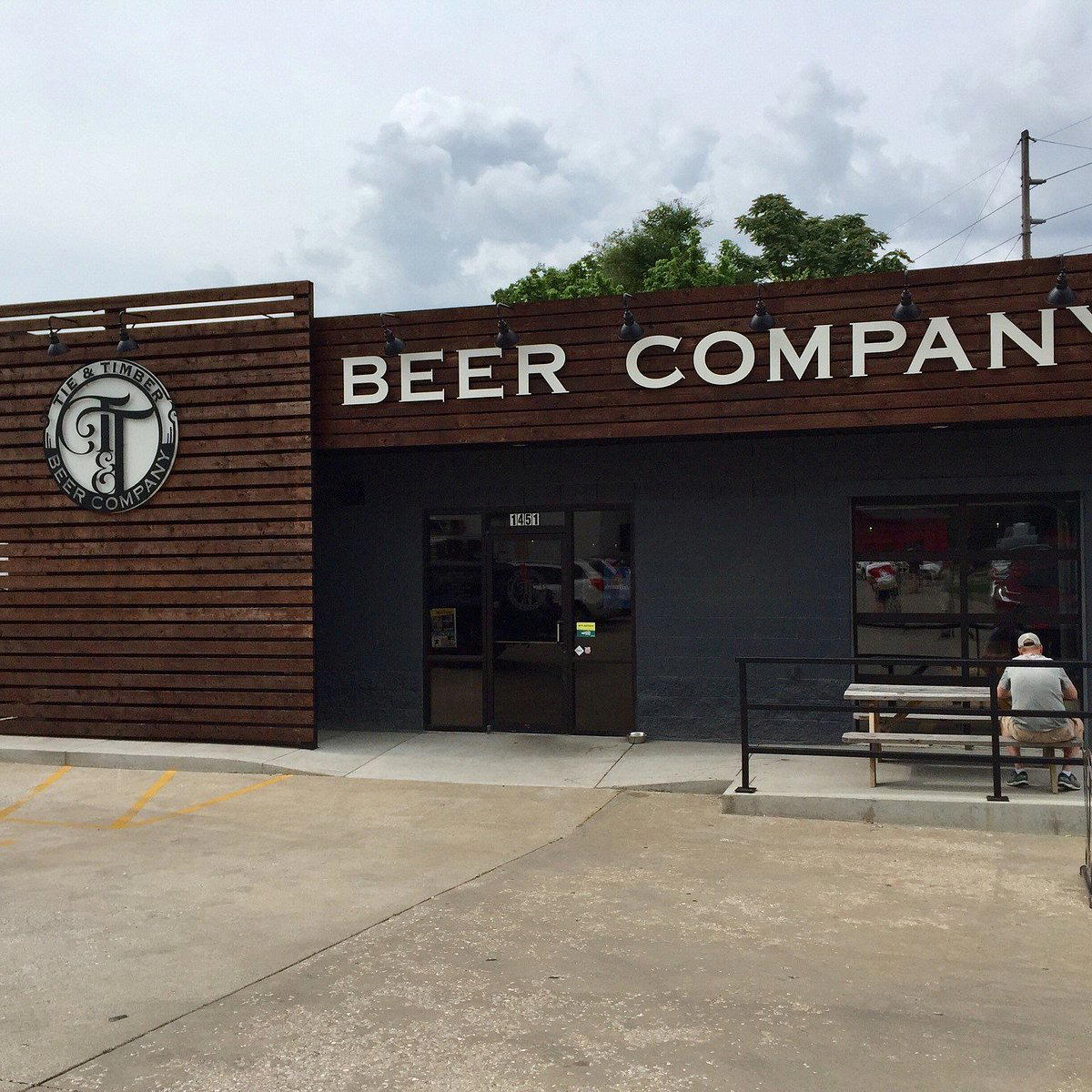
| Tie & Timber Beer Co. | Not listed | $$ | Rountree, beer_bar |
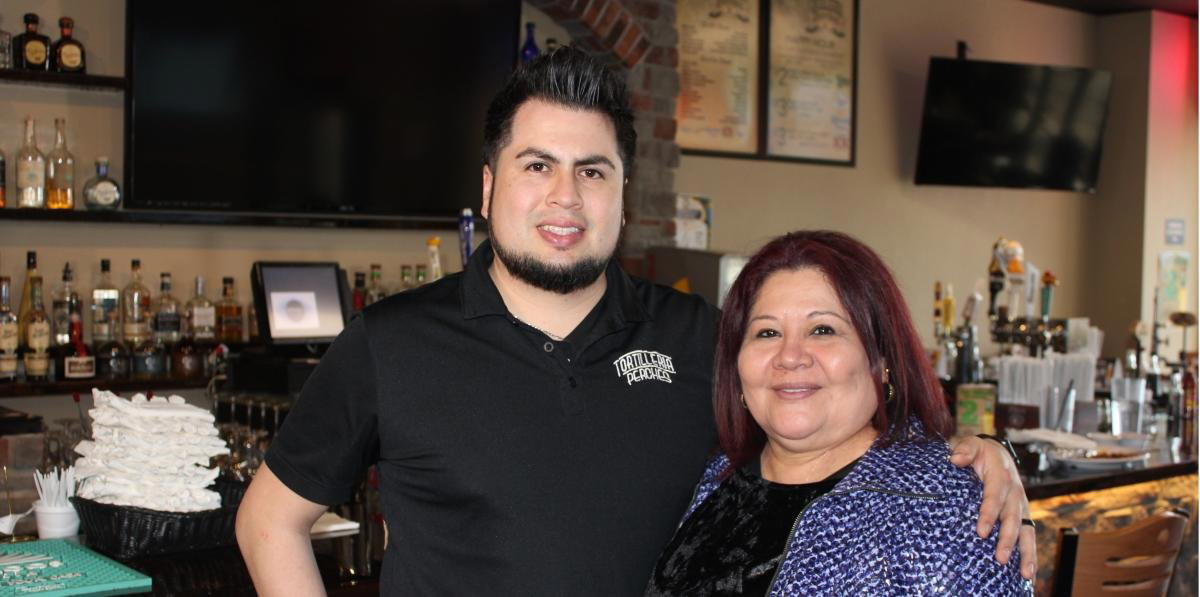
| Tortilleria Perches | Elfindale, pub | $$ | Not listed |
| Lindberg's Tavern | Commercial Street, pub | $ | Not listed |
| The Order Food & Drink | Not listed | $$$ | Downtown, cocktail_bar |
Continue exploring
More in Springfield
Bars in Springfield
Browse all →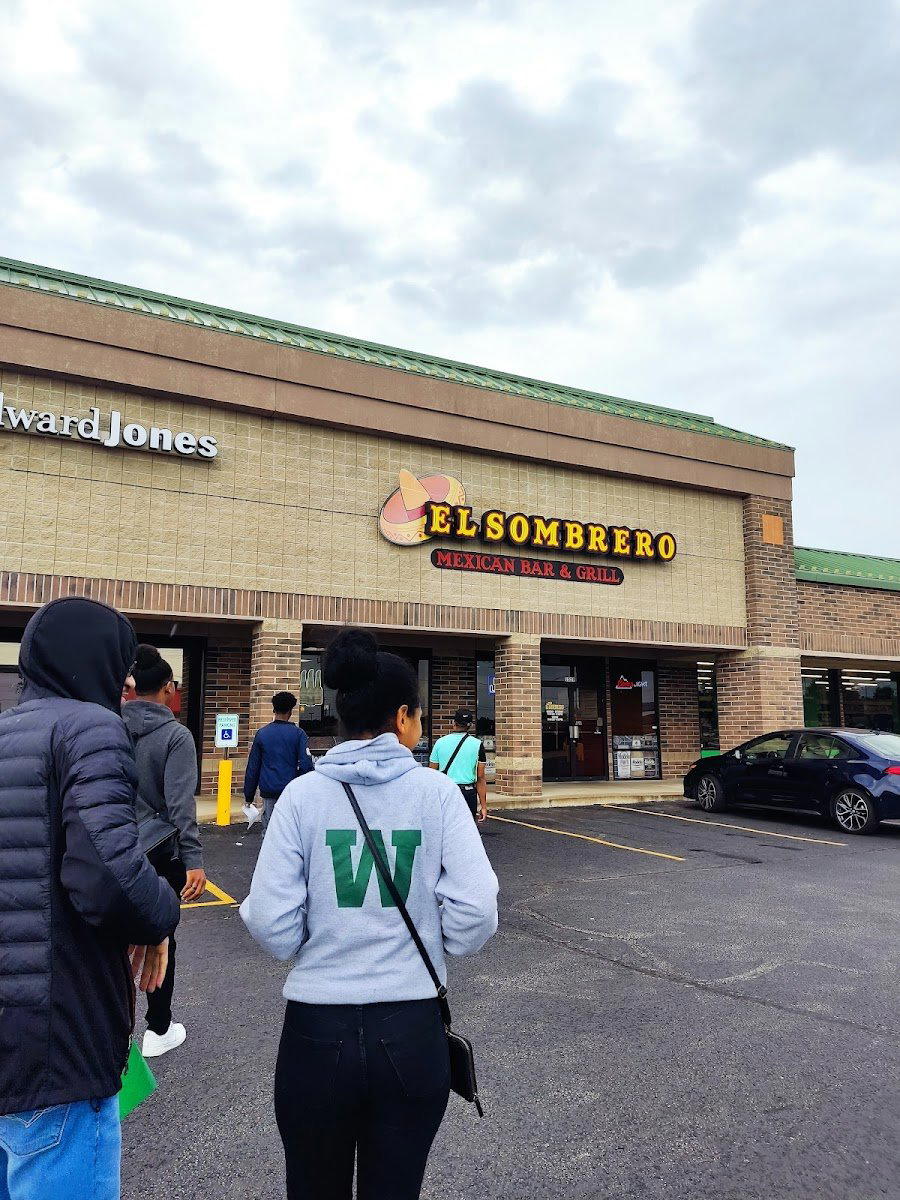
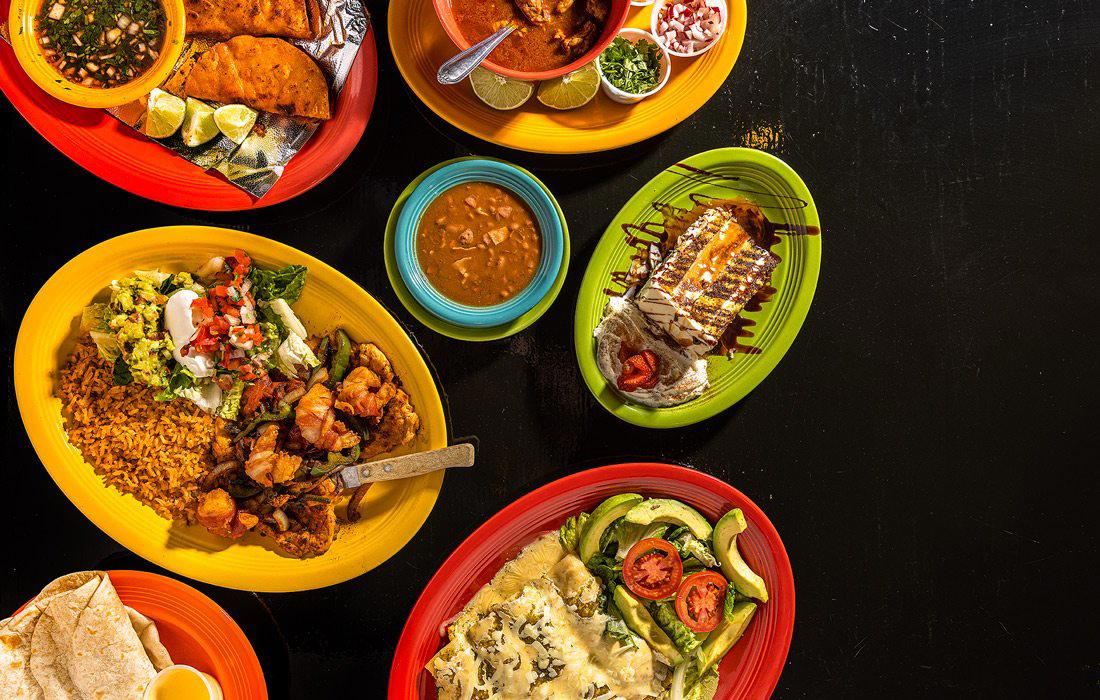
Restaurants in Springfield
Browse all →

Hotels in Springfield
Browse all →
At a Glance
- Lively
- Elegant
- Modern
- Date Night
- Late Night
- Live Music
- Seated Bar
- Sake
- Classic Cocktails
Current opening hours
- Monday
- 11 AM–2 PM, 4:30–11 PM
- Tuesday
- 11 AM–2 PM, 4:30–11 PM
- Wednesday
- 11 AM–2 PM, 4:30–11 PM
- Thursday
- 11 AM–2 PM, 4:30–11 PM
- Friday
- 11 AM–2 PM, 4:30–11:30 PM
- Saturday
- 11:30 AM–2 PM, 4:30–11:30 PM
- Sunday
- 11:30 AM–9 PM
Hours can change for holidays and private events. Last verified .
Chic late-night vibe with jazz music, good atmosphere for date nights or casual lunches.