Bar Sur Le Toit belongs to Paris’s newer rooftop-drinking register: less about grand monument theatre than the quieter shift toward hotel bars that use height, garden references, and neighbourhood context to change the pace of an evening. Set on the 7th floor at La Fantaisie on Rue Cadet in the 9th arrondissement, it suits drinkers comparing Paris’s cocktail scene beyond the usual speakeasy and palace-bar poles.
Pearl is the En Primeur Club membership app — saves, bookings, and concierge access live there. Same editors, same standards.
- Address
- de l’hôtel La Fantaisie, 24 Rue Cadet 7ème Étage, 75009 Paris, France
- Phone
- +33 1 55 07 85 07
- Website
- fr.lafantaisie.com
- Directions
- Get directions
 Saves & bookings on Pearl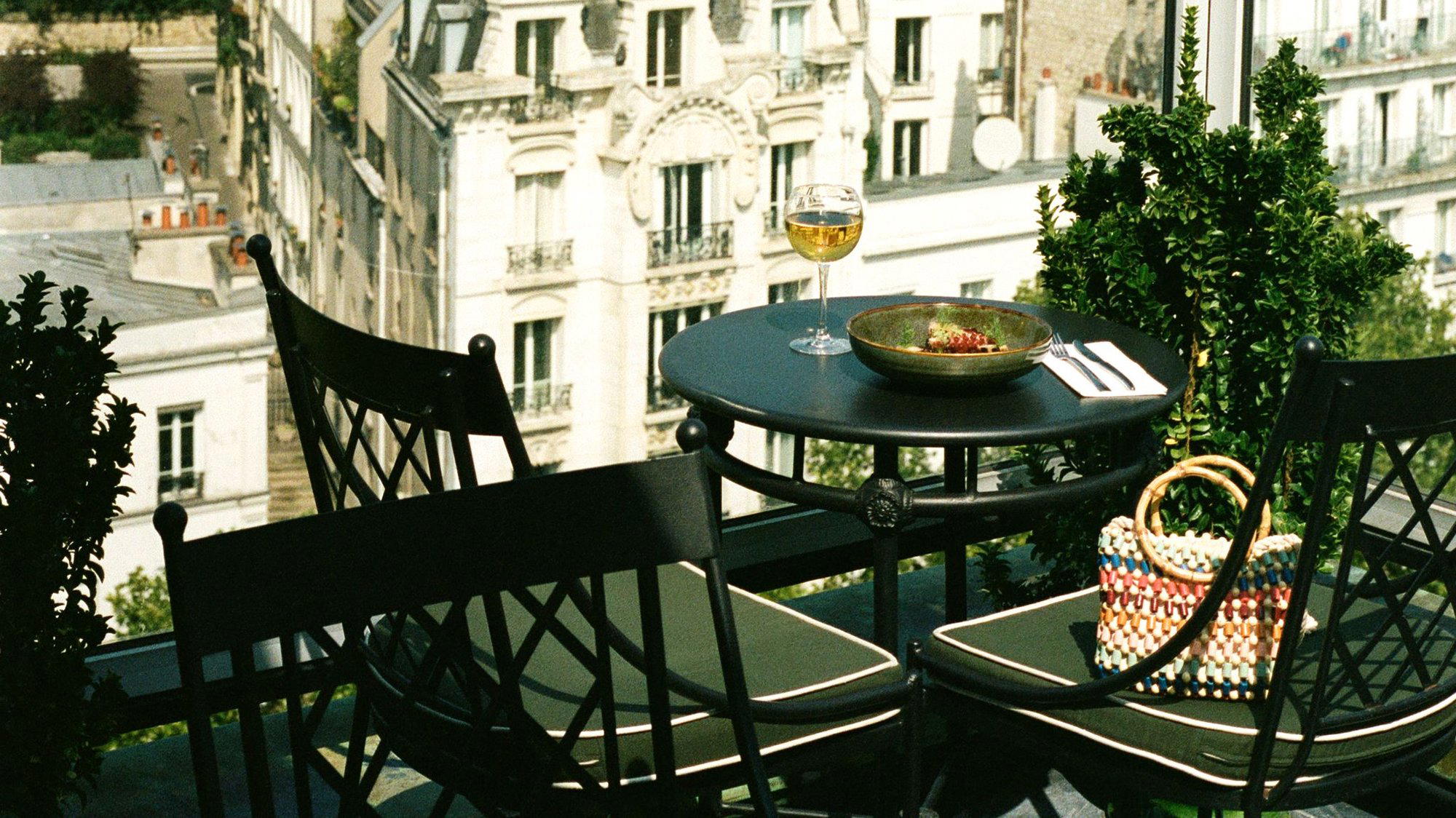
Above Rue Cadet, Paris changes register
The approach to Bar Sur Le Toit begins in a part of Paris that has always been more layered than postcard-simple. Rue Cadet sits in the 9th arrondissement, a district where food streets, theatre traffic, hotel openings, and after-work drinking overlap without quite merging into a single scene. Reaching a bar on the 7th floor of La Fantaisie changes the scale of that neighbourhood. The street falls away, the city becomes roofline and weather, and the usual Paris bar question, whether to choose a serious cocktail counter or a room with atmosphere, starts to feel less binary.
That matters because Paris drinking has moved well beyond the old split between grand hotel lounges and casual zinc counters. Over the past decade, the city has absorbed speakeasy formats, natural-wine energy, Japanese-influenced precision, and a new generation of hotel bars trying to feel less sealed off from the neighbourhoods around them. Bar Sur Le Toit sits inside that last category. Its address, de l’hôtel La Fantaisie, 24 Rue Cadet 7ème Étage, 75009 Paris, places it not in the palace corridor of the 1st and 8th arrondissements, but in a northern Right Bank pocket where the bar can borrow from a livelier street culture.
The ingredient-sourcing conversation in Paris bars is no longer limited to whether a drink uses a famous spirit or a fashionable garnish. Serious cocktail programs increasingly telegraph values through produce, seasonality, waste, and the way a menu reflects its city rather than merely imports global bar vocabulary. With Bar Sur Le Toit, the available public record does not provide a named head bartender, signature drinks, prices, or supplier list, so the useful reading is contextual rather than speculative. A rooftop bar attached to a contemporary hotel in the 9th belongs to a Paris category where sourcing language, garden cues, and lighter drinking formats often matter as much as backbar depth.
The rooftop bar as a Paris category, not just a view
Paris has never been a natural rooftop city in the way Bangkok, Miami, or Mexico City are. Its appeal is lower and more horizontal: pavement terraces, café corners, narrow streets, stone courtyards, zinc bars, and restaurant rooms that reveal themselves slowly. Rooftop drinking here therefore has to earn its place. A high perch alone is not enough, especially in a city where many of the strongest drinks are served in rooms with no view at all.
That is why the relevant comparison is not only with other rooftops. It is also with the different tribes of Paris cocktails. Candelaria helped normalize the hidden-bar format for a generation of visitors who wanted Paris to have the same after-dark codes as New York or London. Danico represents a more polished Right Bank cocktail language, where design and technique sit closer to fashion-week Paris. Bar Nouveau points toward smaller, more contemporary cocktail rooms that work through mood, menu structure, and bartenderly detail rather than scale. Buddha Bar, by contrast, belongs to the older theatrical end of the city’s drinking culture, built around spectacle and a cross-cultural lounge grammar that defined a certain era of Paris nightlife.
Bar Sur Le Toit should be judged against that spread. The 7th-floor setting gives it an immediate advantage for an early-evening drink, but the more interesting question is whether the room functions as a neighbourhood rooftop or as a hotel amenity with a view. In contemporary Paris, the stronger hotel bars tend to resist the old lobby-bar stiffness. They use locality, botanicals, lighter aperitif structures, and produce-driven drinks to make the hotel feel porous. That sourcing conversation is especially relevant in the 9th, where Rue Cadet’s food-market history and nearby dining density give a bar more to answer to than the generic international cocktail template.
Why sourcing has become the quiet status signal
In the current cocktail world, provenance works differently from luxury. A rare bottle can still impress, but a drink list built with seasonal fruit, local herbs, house ferments, or low-waste prep tells a different story. It suggests a bar is thinking like a kitchen. Paris has been particularly receptive to that shift because the city already understands markets, seasons, and the social rhythm of the aperitif. A bar that speaks through ingredients rather than theatrics feels aligned with how Parisians eat and drink.
That absence is useful for readers: do not arrive expecting a documented cult order or an awards-driven checklist. Arrive with the mindset used for contemporary Paris cocktail bars, where the decision often depends on the current list, the time of day, and whether the bar is leaning aperitif-bright, spirit-led, or dessert-adjacent that evening.
How the 9th arrondissement shapes the room
The 9th arrondissement has become one of Paris’s more interesting hospitality zones because it sits between several identities. South toward the grands boulevards, the city becomes theatre, commerce, and old entertainment architecture. North and east, the energy shifts toward Pigalle, SoPi, casual restaurants, and bars that trade less on formality. Rue Cadet itself has long had a food-street character, which gives the surrounding area a daily-life texture that differs from the more polished hotel corridors near Place Vendôme or the Champs-Élysées.
That geography changes how a rooftop bar reads. In a palace district, a rooftop can feel like a vertical extension of luxury. In the 9th, it has to converse with a more mixed neighbourhood: office workers finishing late, travellers staying near the grands boulevards, restaurant traffic moving toward dinner, and locals using the area for weeknight drinks. Bar Sur Le Toit benefits from that mix because the setting does not need to carry the whole evening. It can act as an opening drink before dinner, a pause after a long lunch, or a nightcap when the surrounding streets are still active.
For readers planning a fuller Paris itinerary, the bar fits naturally with a Right Bank evening rather than a destination built around a single reservation. The surrounding district connects easily to restaurants, hotels, and later drinks, so it is worth reading it alongside Our full Paris restaurants guide, Our full Paris hotels guide, and Our full Paris bars guide. The broader EP Club city coverage also helps separate this kind of rooftop stop from cellar visits, tastings, and cultural programming in Our full Paris wineries guide and Our full Paris experiences guide.
The Paris comparison set
Paris cocktail culture rewards precision, but it also punishes overstatement. A bar can have a dramatic setting and still serve as a modest part of the night. That is not a flaw. In fact, many strong Paris evenings work through sequencing: aperitif in one neighbourhood, dinner elsewhere, then a sharper cocktail in a smaller room. Bar Sur Le Toit belongs early in that sequence. Its height and hotel setting make sense before dinner or at the point when the city is moving from daylight into evening.
Compared with a speakeasy, the value here is not secrecy. Compared with a grand hotel bar, the appeal is not ceremony. Compared with a specialist cocktail den, the point is not a deep technical pilgrimage. The useful role is more specific: a 9th-arrondissement rooftop address for drinkers who want Paris in the frame without committing the night to a view-driven venue. That distinction is small, but it is the kind of decision that separates a planned evening from a merely crowded one.
What the available facts do and do not say
The confirmed venue data is deliberately narrow: name, city, country, and address. Bar Sur Le Toit is in Paris, France, at La Fantaisie, 24 Rue Cadet, on the 7th floor. The record does not list a phone number, website, opening hours, booking method, price range, chef, head bartender, seat count, awards, or signature drinks. That absence should shape expectations. It means any serious editorial assessment has to avoid invented specifics and focus on context, category, and planning intelligence.
That does not make the bar lesser; it simply places it outside an awards-led evaluation. In Paris, awards are only one way to read a drinks room. Location, format, audience, and how a bar fits into an evening often matter more for travellers than trophy lists. Here, the trust signal is concrete rather than decorative: a named 7th-floor bar within La Fantaisie on Rue Cadet, in a district with enough dining and drinking density to support a flexible evening.
In practical terms, readers should treat it as a hotel rooftop bar in central Paris until confirmed otherwise, which usually means planning for a higher spend than a neighbourhood café terrace and comparing the value against setting, service, and the current drinks list. That is not a warning; it is a category cue. Rooftop bars attach part of the bill to space, staffing, and the privilege of lingering above the street.
Getting in, timing, and the risk of assuming too much
Hotel rooftops can vary by season, weather, private events, and house policy, and Paris bars with outdoor or semi-outdoor components may change the rhythm of service more than enclosed cocktail rooms. Early evening is the logical window if the goal is atmosphere before dinner; late-night plans require more verification.
Access is the main uncertainty. With no published seat count in the record, there is no responsible way to estimate capacity or difficulty. The city context suggests demand can tighten around fair-weather evenings, weekends, and periods when Paris hotel bars draw both residents and visitors. Treat it as a plan that benefits from confirmation, not a walk-in assumption. If the night needs a guaranteed specialist cocktail stop, pair the research with established alternatives in the EP Club Paris bar guide rather than relying on a rooftop opening to carry the schedule.
Questions readers ask before going
Bar Sur Le Toit in Paris: what is the reference point?
Use the city and category as the reference point. Bar Sur Le Toit is a Paris rooftop bar at La Fantaisie in the 9th arrondissement, not an awards-led cocktail institution in the available record. No cuisine type, chef, or awards are listed, so the sharper comparison is with Paris hotel bars and rooftop aperitif addresses rather than chef-driven restaurants or trophy cocktail counters.
What should be known before going to Bar Sur Le Toit?
The confirmed address is de l’hôtel La Fantaisie, 24 Rue Cadet 7ème Étage, 75009 Paris, France. Plan as one would for a central Paris hotel rooftop: verify access in advance, allow flexibility for weather or private events, and treat the 9th-arrondissement location as part of a larger Right Bank evening.
How hard is it to get in to Bar Sur Le Toit?
Verify directly before going. In Paris, rooftop hotel bars can become tighter at aperitif hour, in warm weather, and on weekends, so a same-day check through the hotel is the practical move.
What is the must-try cocktail at Bar Sur Le Toit?
The better approach is to read the current menu through the lens of ingredient sourcing: ask what is seasonal, what is built around French produce or aperitif traditions, and what suits the time of day. That gives a more reliable order than chasing an undocumented signature.
Where it fits in a wider drinking map
Paris is now too broad a bar city to reduce to a single style. A serious itinerary can move from a market-adjacent aperitif to a compact cocktail room, from hotel polish to late-night neighbourhood drinking, and from Paris to other French or international reference points. For a southern French contrast, Papa Doble in Montpellier shows how a smaller city can build a cocktail identity with a different rhythm. In Champagne country, La Vertu in Reims belongs to a region where wine context inevitably shapes the drinking conversation. Farther afield, Café La Trova in Miami offers the opposite model: music, Cuban bar culture, and a room where performance is part of the drink.
Seen against that map, Bar Sur Le Toit is not trying to solve every Paris drinking need. Its role is narrower and more useful. It gives the 9th arrondissement a rooftop option tied to a named hotel address, with enough neighbourhood texture below to keep the evening from feeling isolated. For travellers who care about sourcing, the key is to avoid assuming a drink list from the setting alone. Let the current menu reveal how seriously the bar treats produce, seasonality, and French aperitif logic. The view may get people upstairs; the sourcing choices determine whether the stop has substance beyond altitude.




At a Glance
- Trendy
- Elegant
- Scenic
- Sophisticated
- Lively
- Intimate
- After Work
- Date Night
- Late Night
- Casual Hangout
- Celebration
- Special Occasion
- Rooftop
- Garden
- Terrace
- Panoramic View
- Design Destination
- Hotel Bar
- Outdoor Terrace
- Lounge Seating
- Seated Bar
- Classic Cocktails
- Conventional Wine
- Skyline
- Garden
Current opening hours
- Monday
- 5 PM–1 AM
- Tuesday
- 5 PM–1 AM
- Wednesday
- 5 PM–1 AM
- Thursday
- 5 PM–1 AM
- Friday
- 5 PM–1 AM
- Saturday
- 5 PM–1 AM
- Sunday
- 5 PM–1 AM
Hours can change for holidays and private events. Last verified .
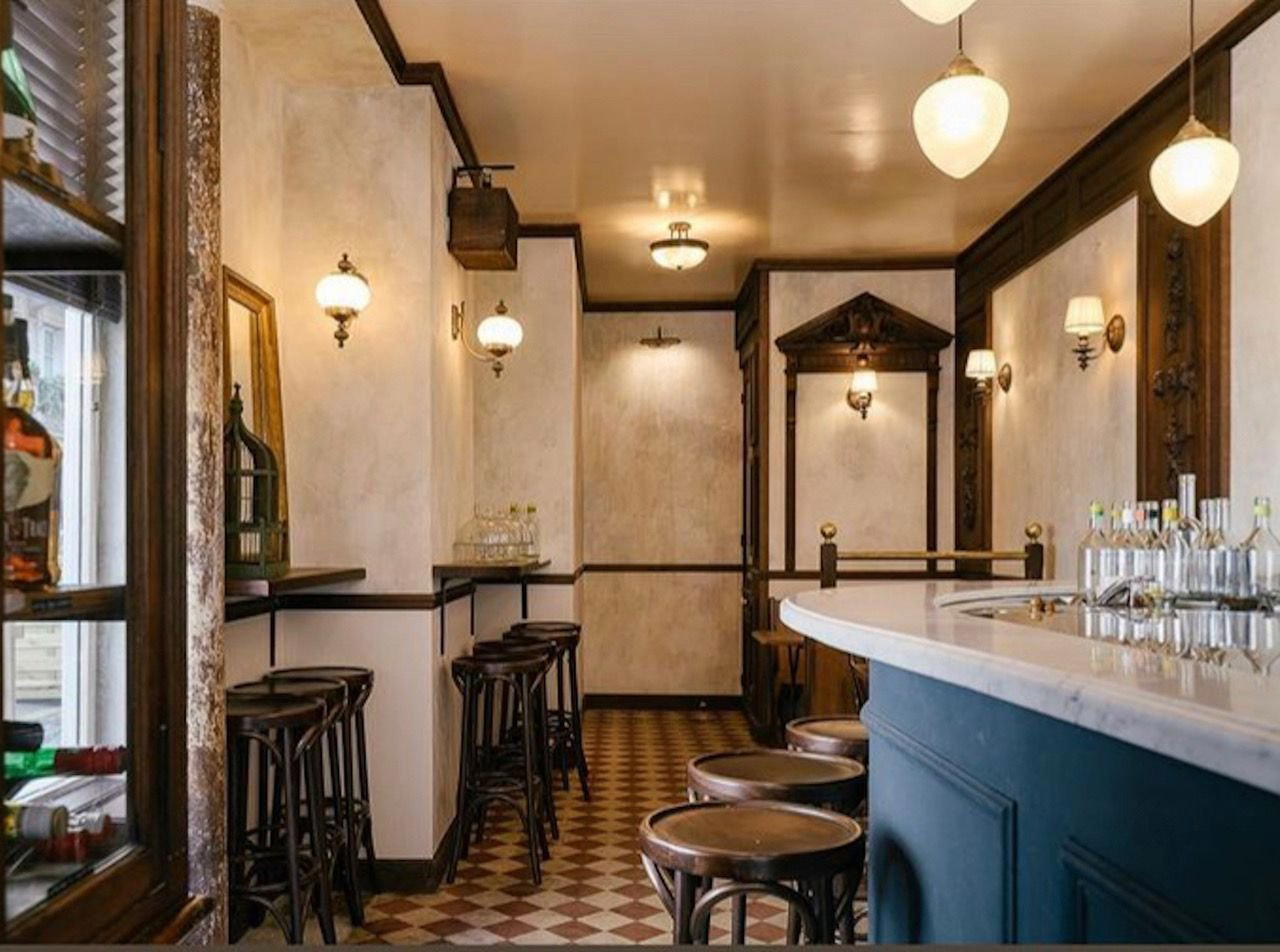
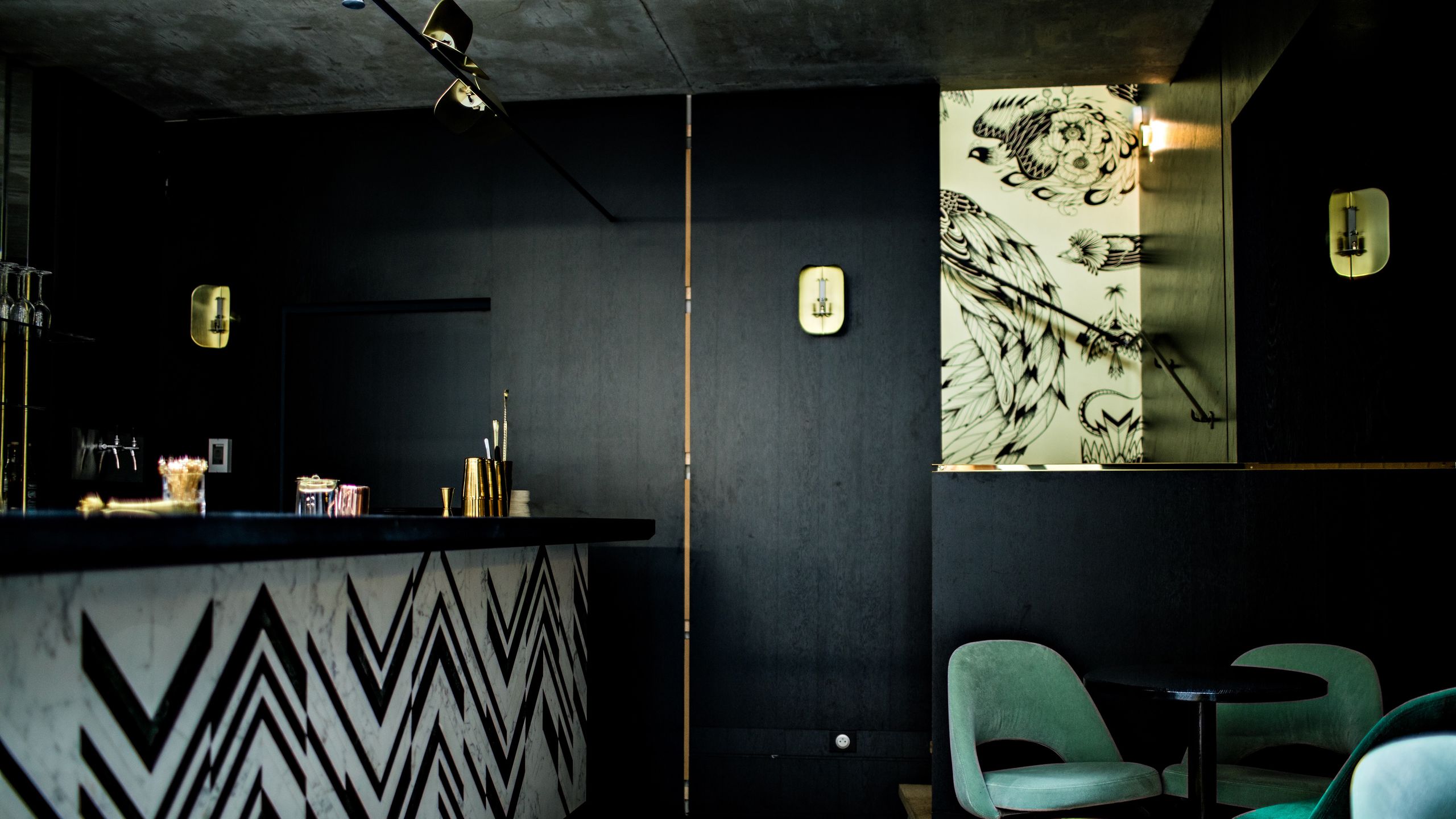
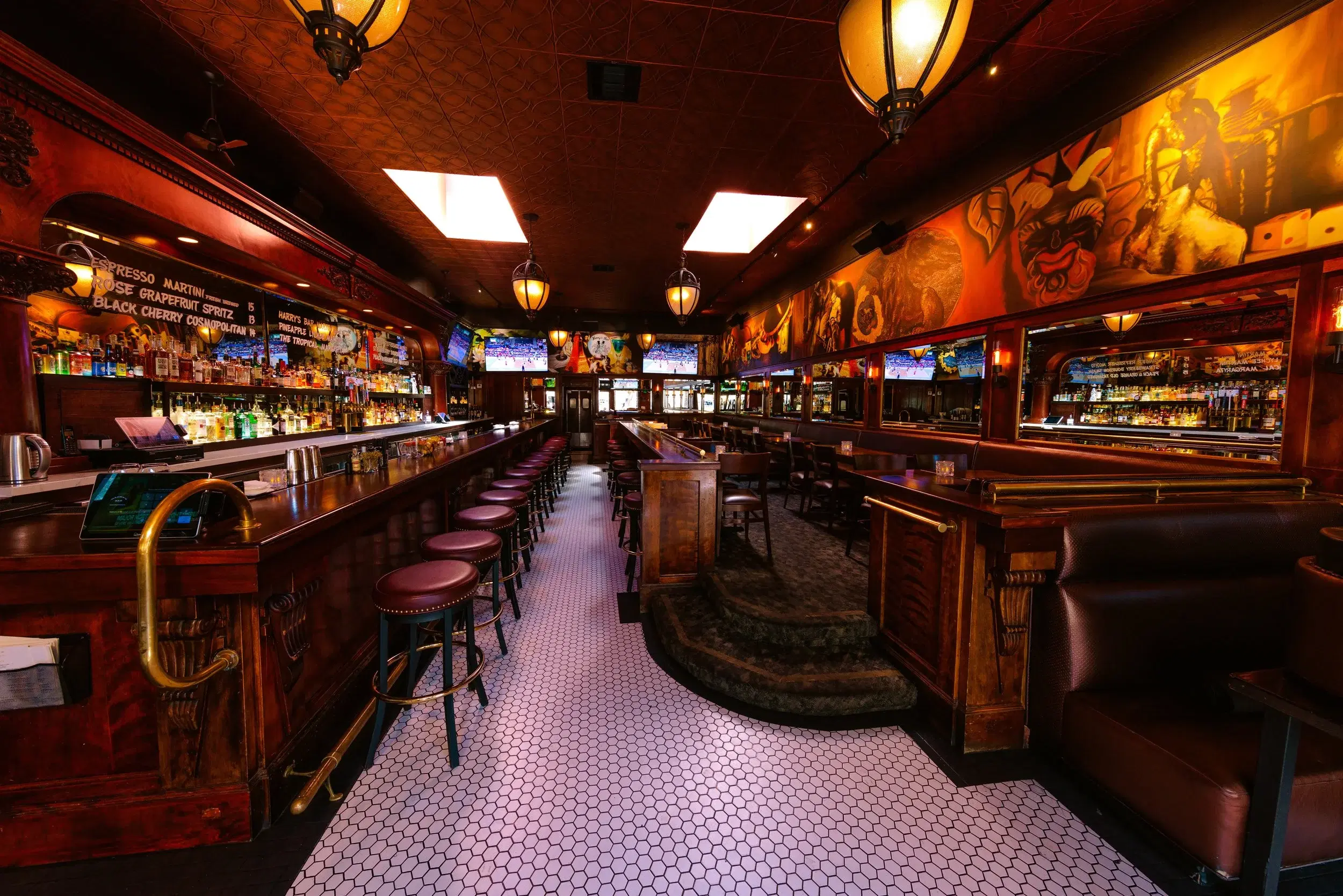
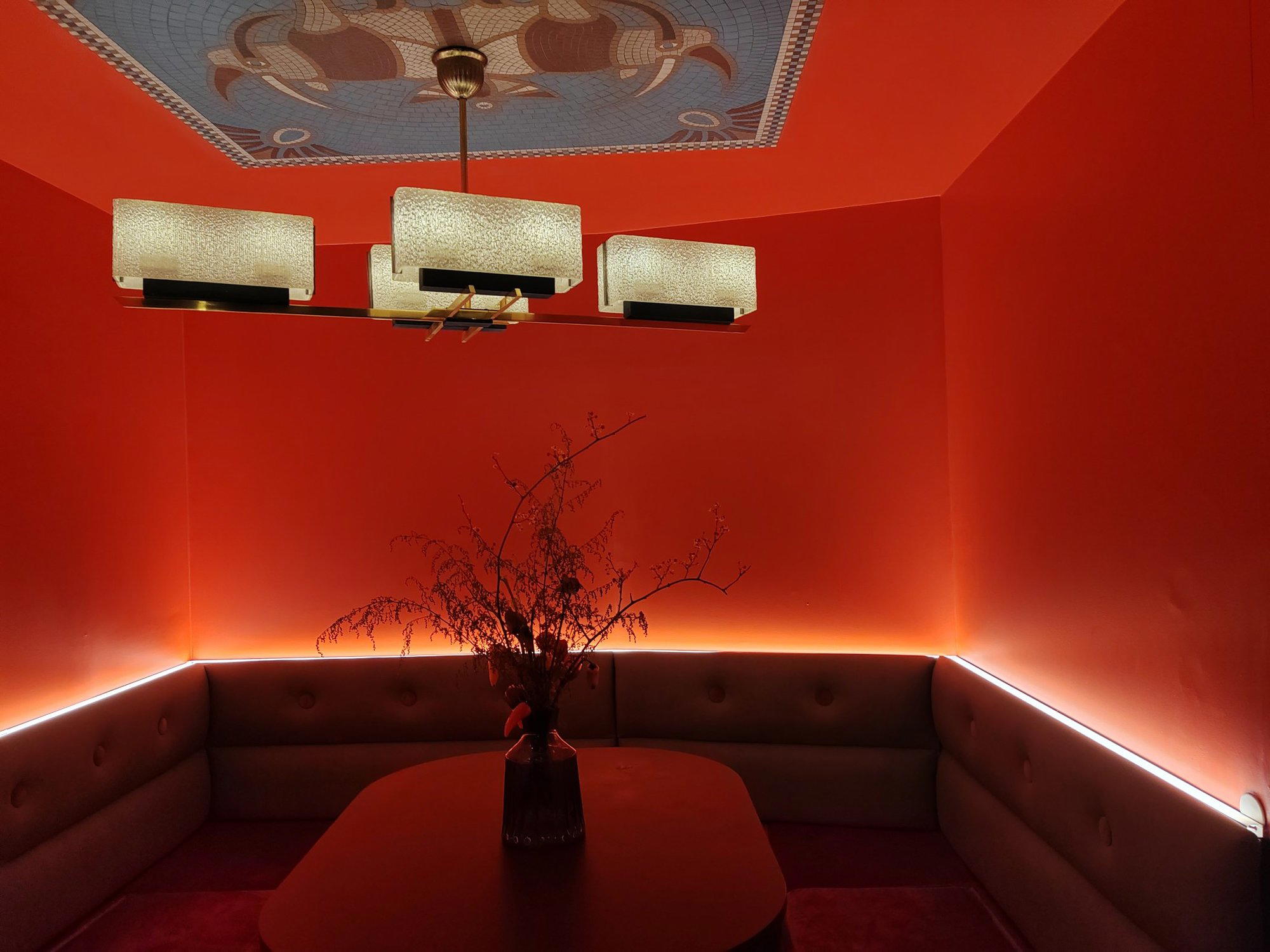
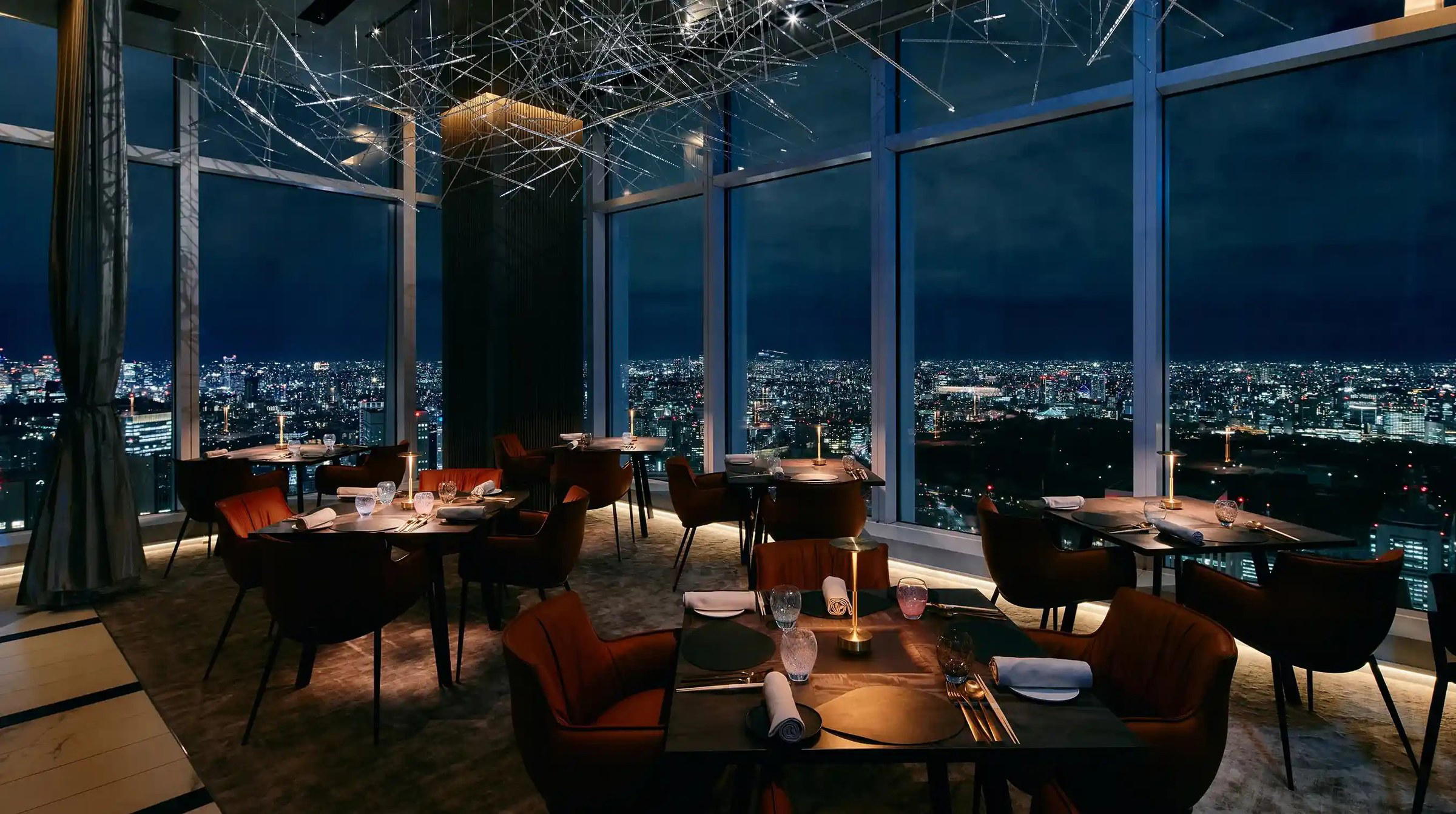
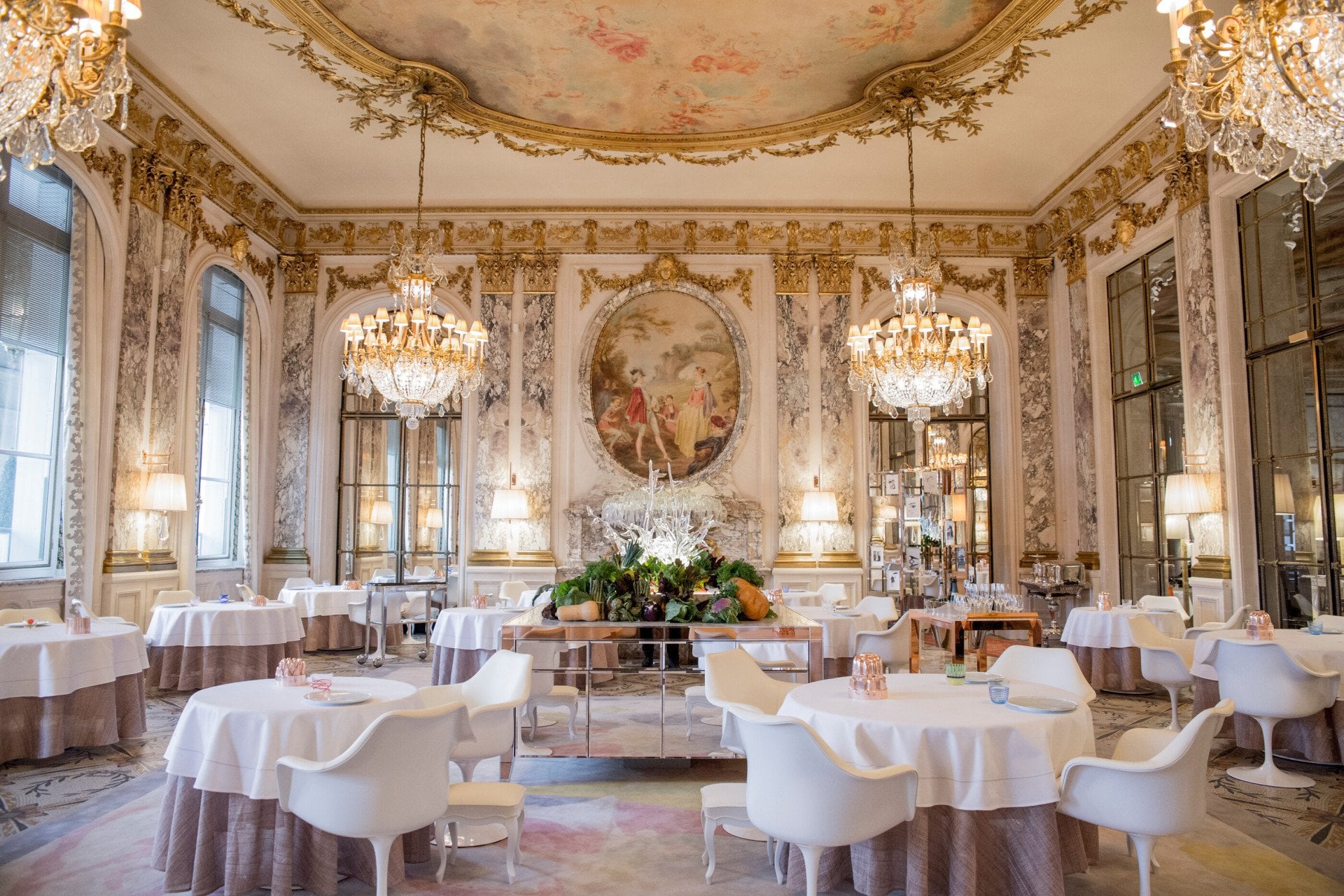
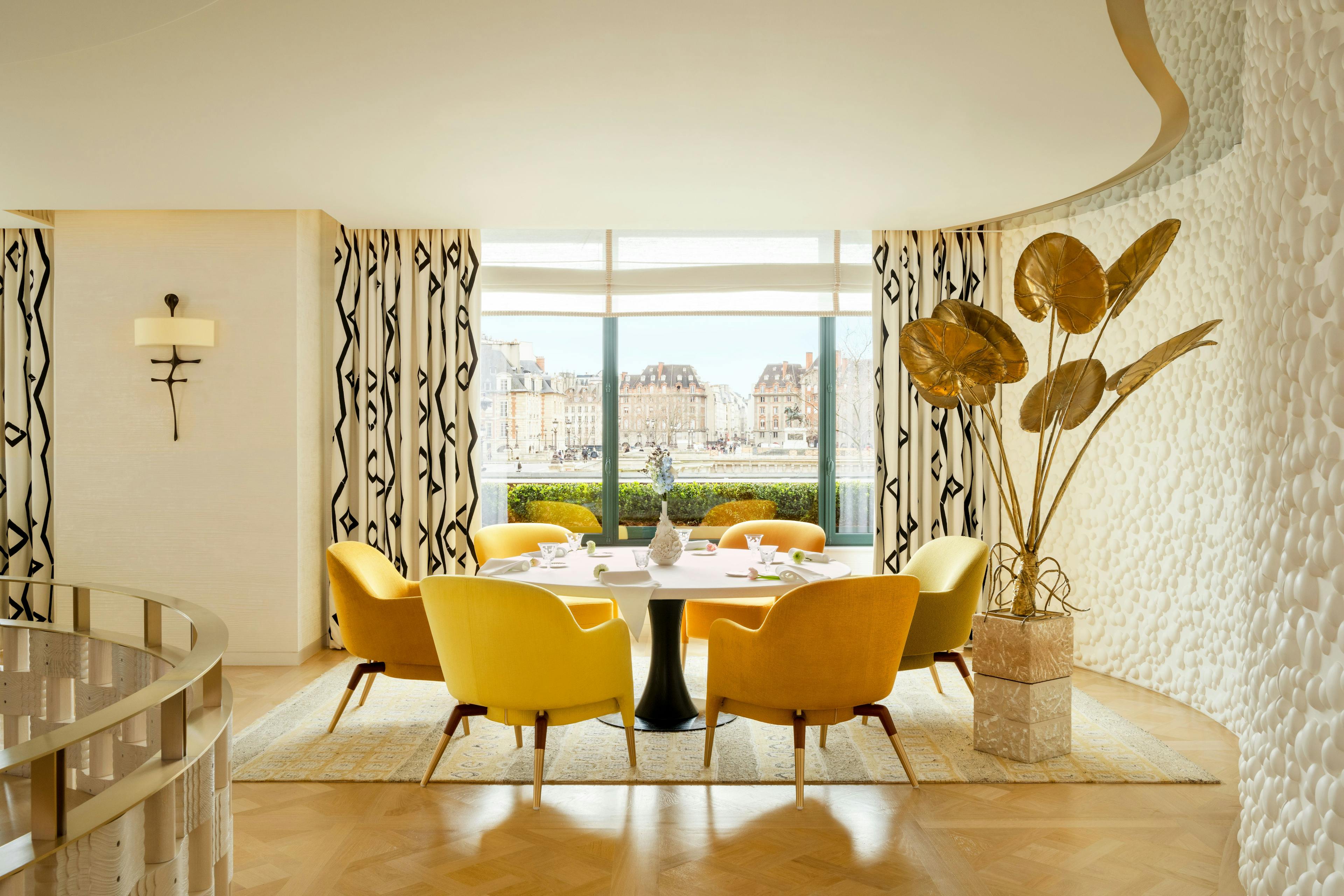
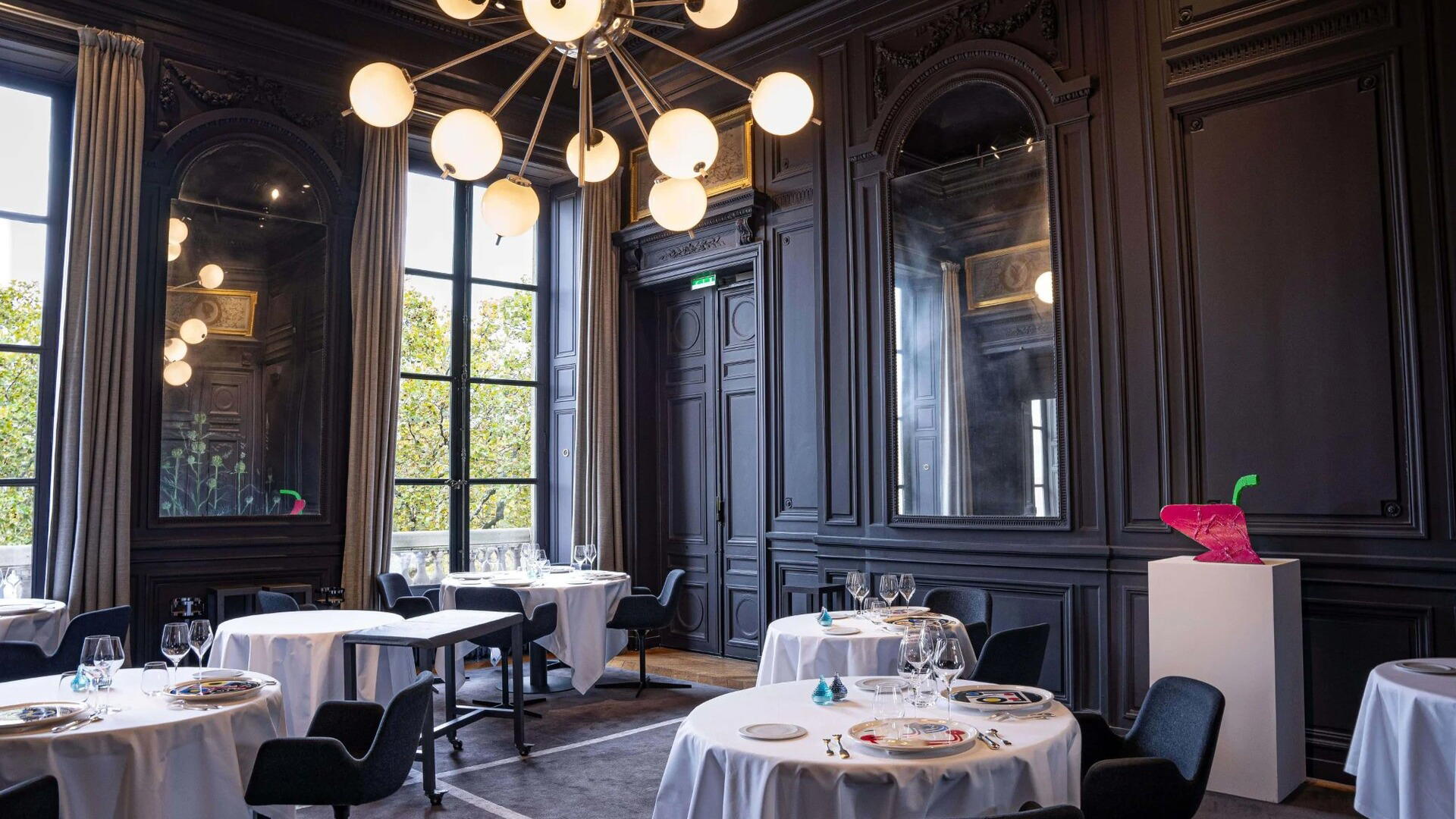
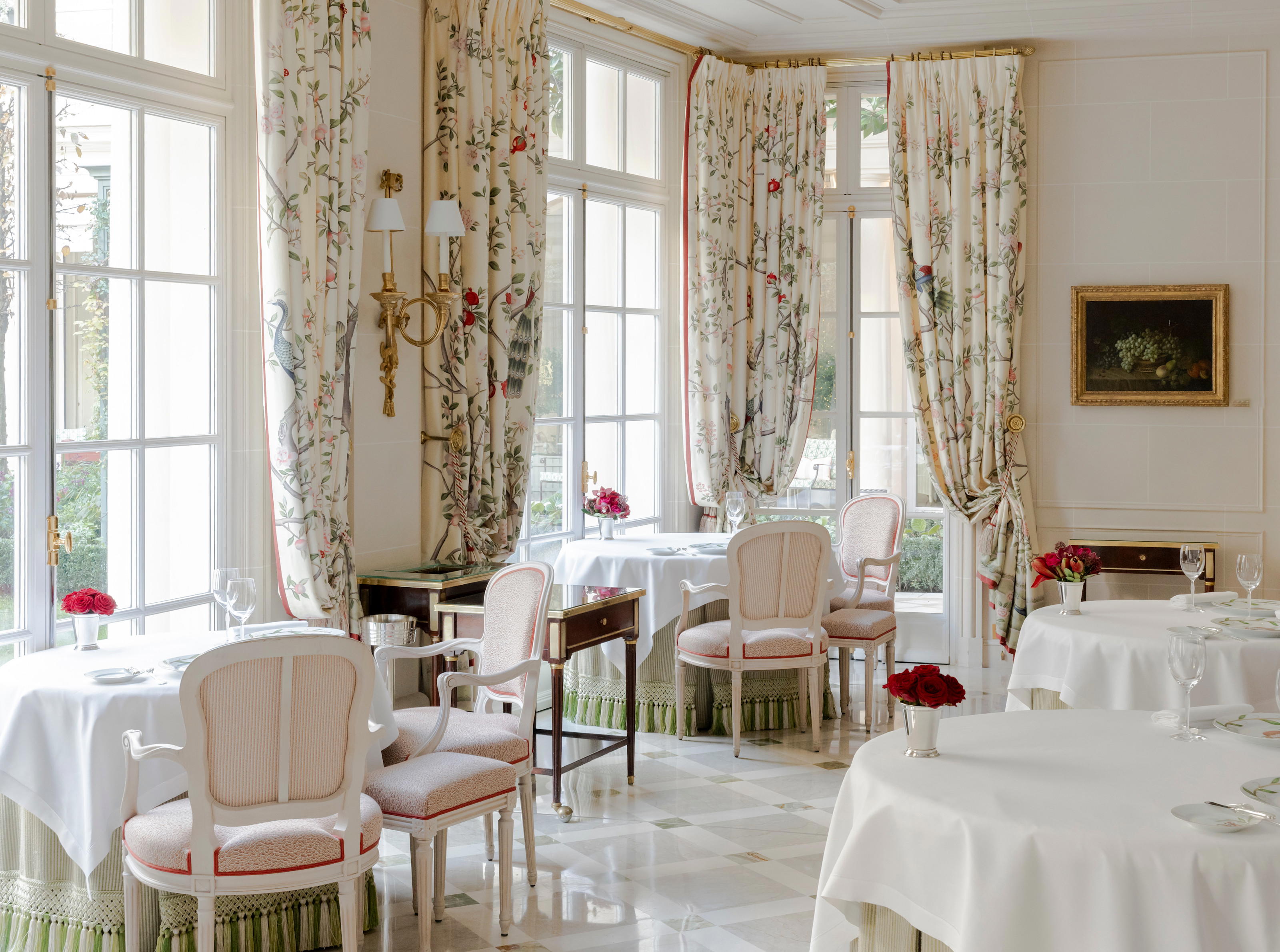
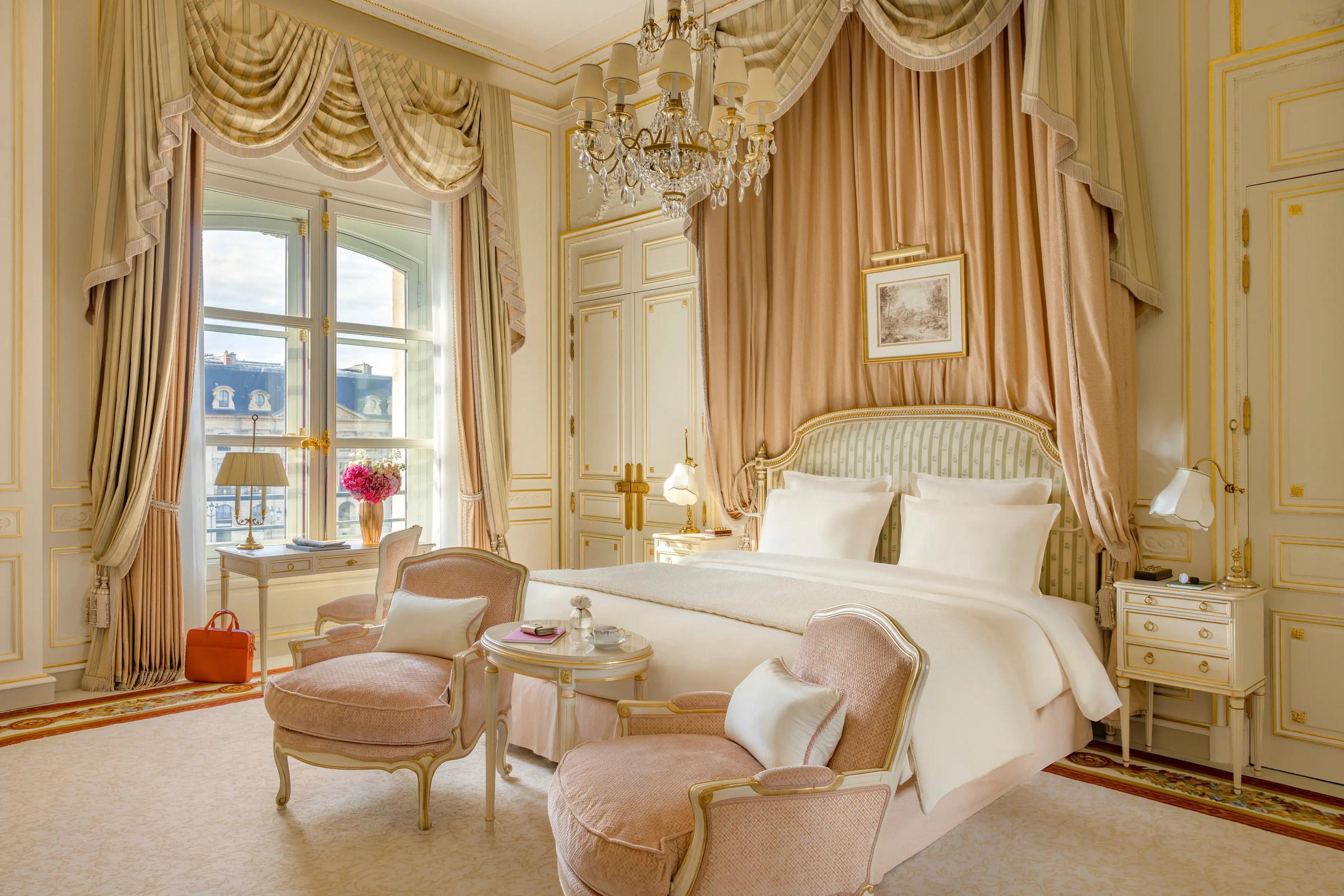
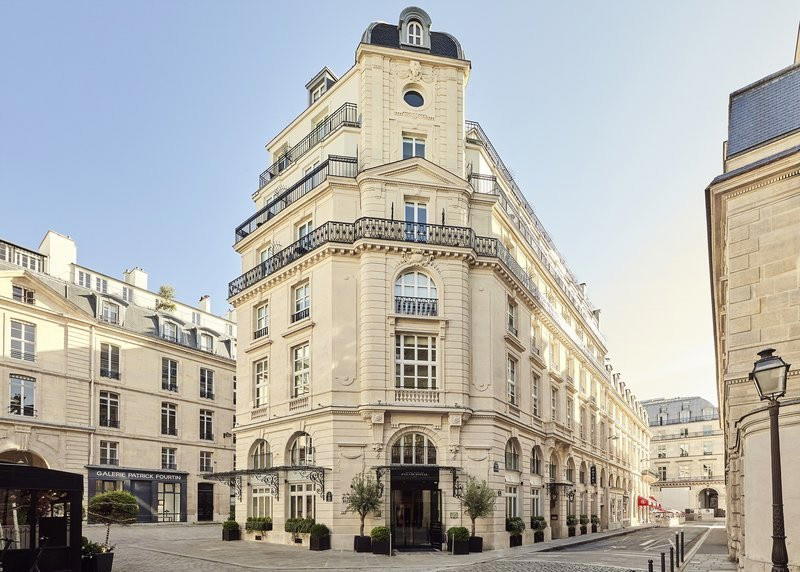
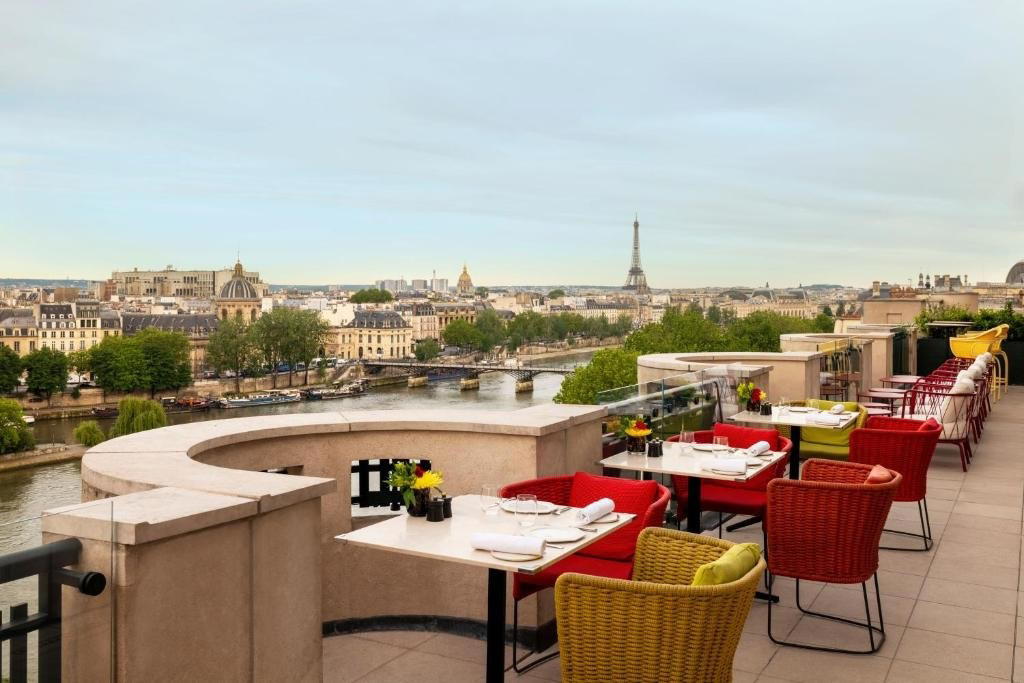
A serene rooftop garden suspended above the city, filled with flowers and potted lemon trees, offering a relaxed yet sophisticated atmosphere that evolves from golden-hour aperitif to intimate late-night drinks.
Know Before You Go
- Getting there
- de l’hôtel La Fantaisie, 24 Rue Cadet 7ème Étage, 75009 Paris, France