Bar Pendry
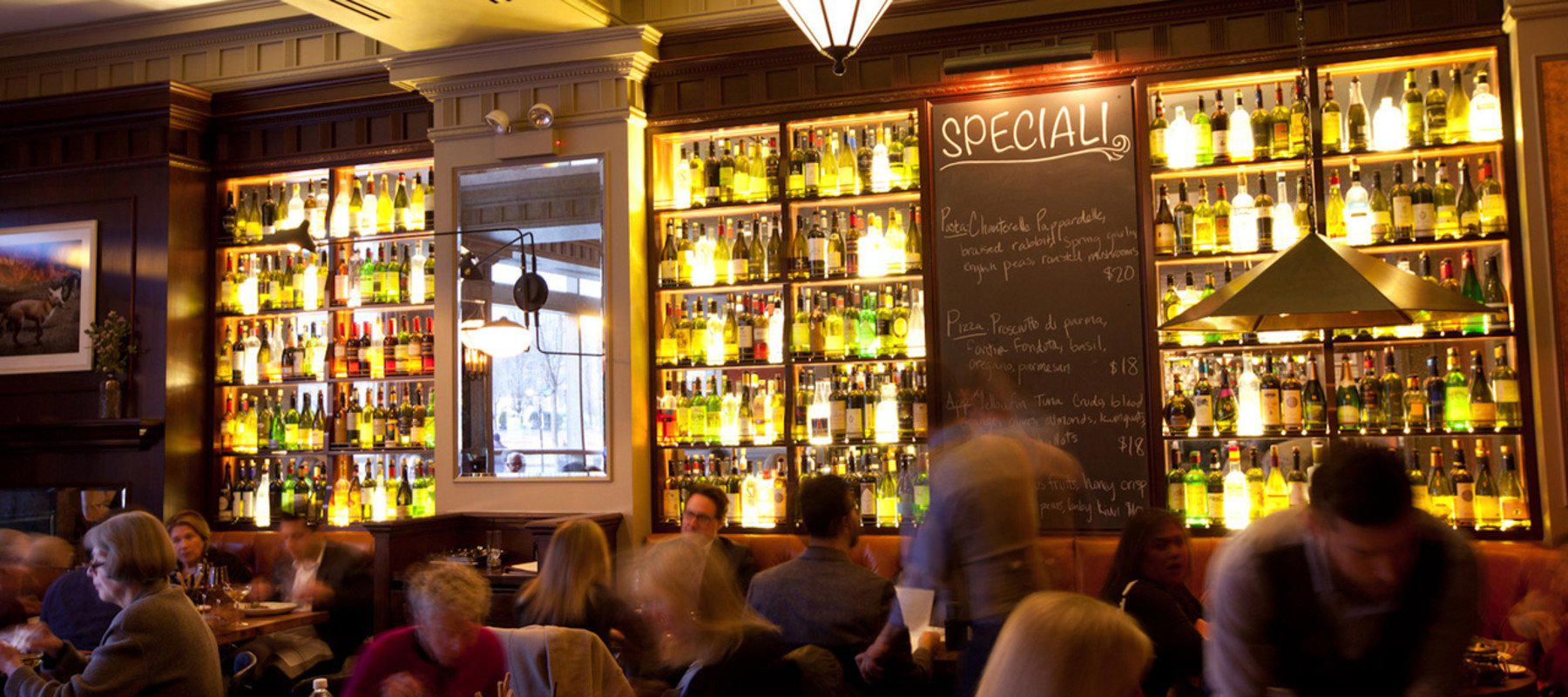
Bar Pendry belongs to Chicago’s downtown hotel-bar circuit, where Michigan Avenue polish meets after-work drinking, pre-dinner meetings, and late-evening lobby culture.
Pearl is the En Primeur Club membership app — saves, bookings, and concierge access live there. Same editors, same standards.
- Address
- 230 N Michigan Ave, Chicago, IL 60601
- Phone
- (312) 985-0942
- Website
- pendry.com
- Directions
- Get directions
 Saves & bookings on Pearl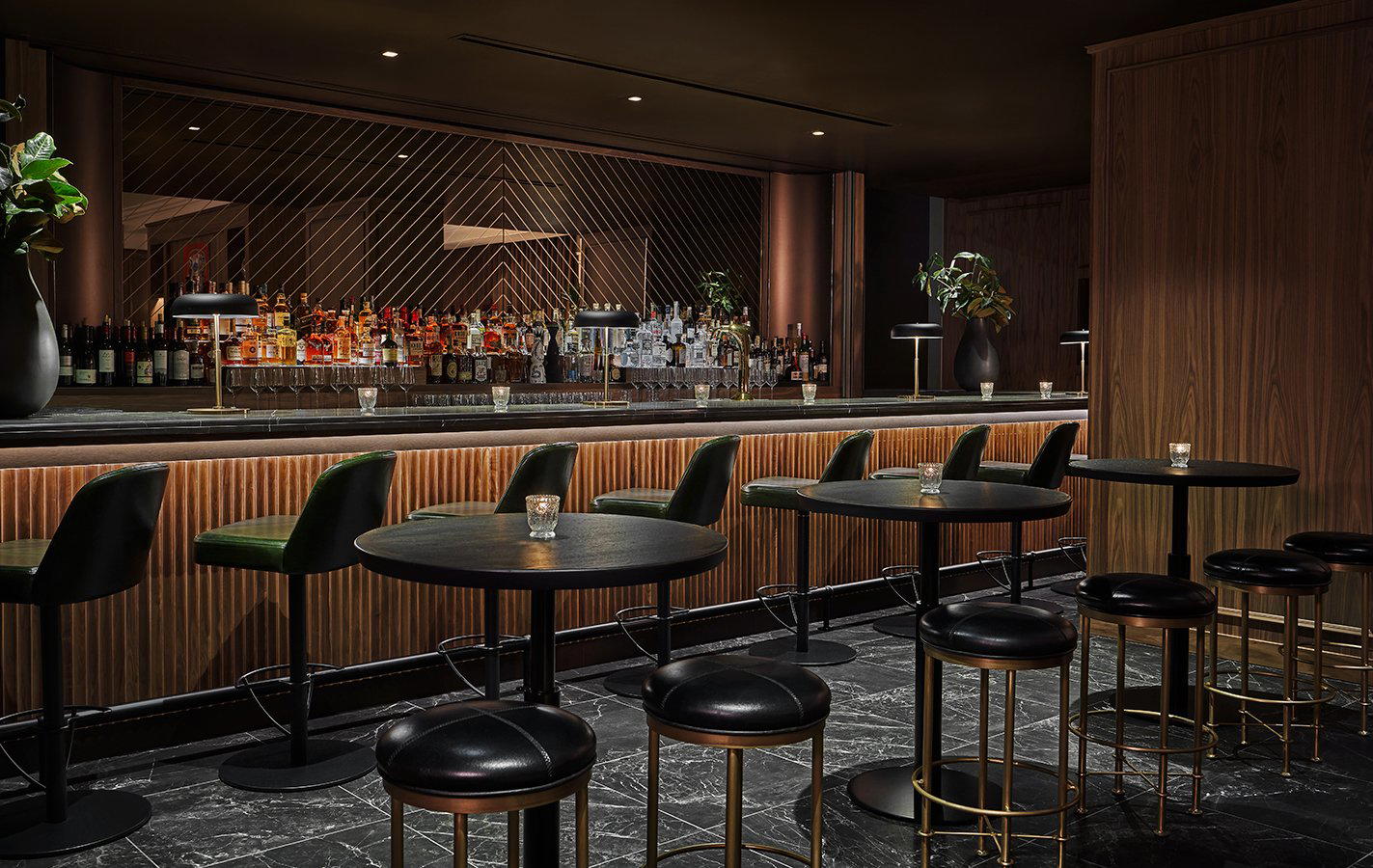
Michigan Avenue polish, seen through the glass
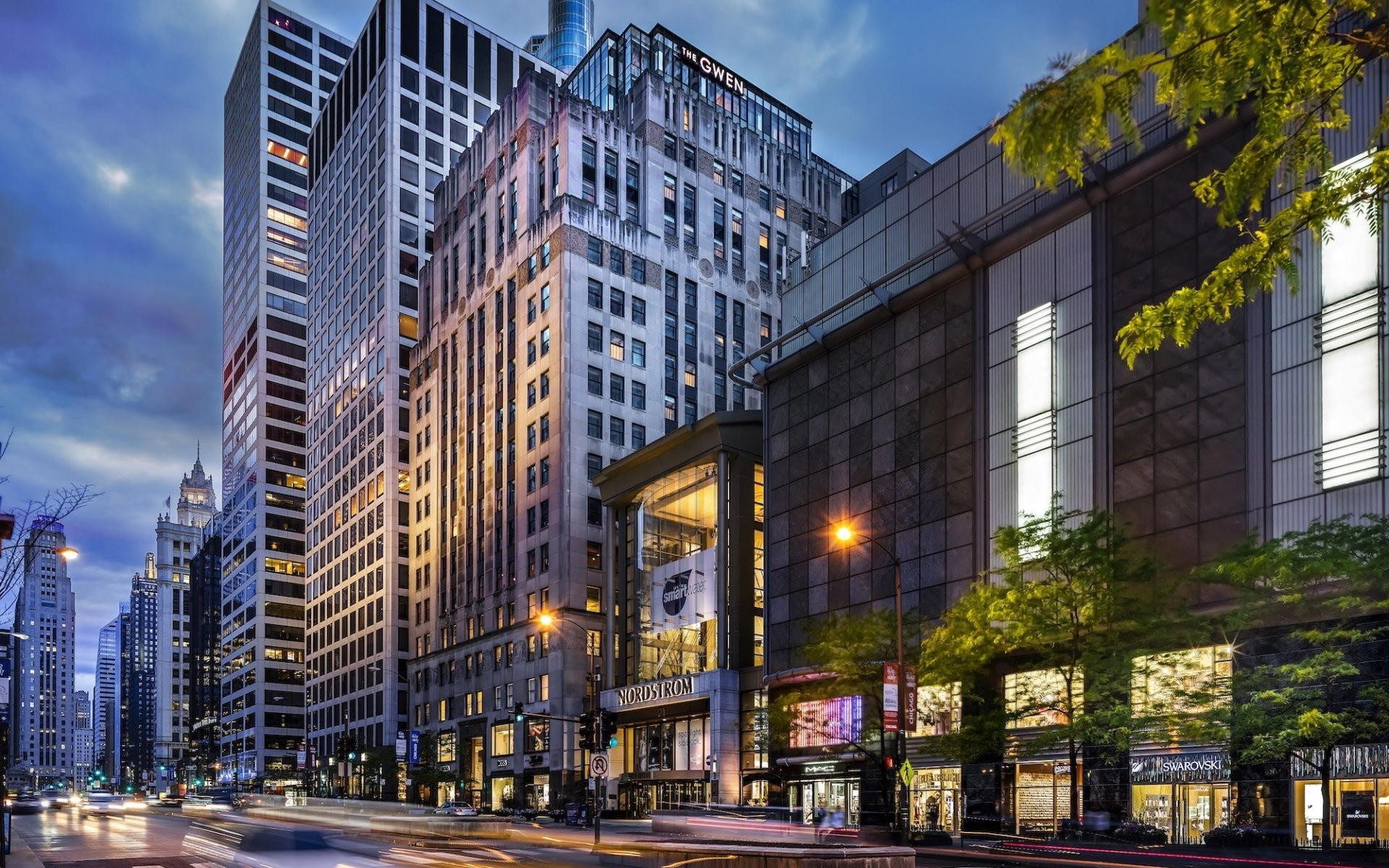
Approaching 230 N Michigan Avenue places a drinker in one of Chicago’s most legible hospitality corridors: stone-fronted office towers, hotel doors, theater-bound foot traffic, and the disciplined rhythm of the Loop giving way to evening. Bar Pendry sits in that downtown register, where a bar is rarely only a bar. It is a meeting point before dinner, a decompression room after conference hours, a polished pause between the river, Millennium Park, and the dense hotel grid that makes this part of Chicago feel both civic and transient.
That setting matters because Chicago’s cocktail culture has split into distinct tribes. One side favors neighborhood bars with strong regulars and a sense of local muscle, the kind of room that makes Logan Square or Ukrainian Village feel self-contained. Another side belongs to high-design hotel spaces, where service cadence, central access, and a controlled atmosphere matter as much as the drink itself. Bar Pendry belongs to the second camp. The address does part of the work: Michigan Avenue gives it a broad audience before the first menu page appears.
The cocktail programme is the useful lens here, not because public data supplies a signature drink list, bartender biography, or price band, but because downtown hotel bars are judged by a different standard from destination cocktail counters. Technique has to be legible to a mixed room. Drinks need enough polish for a client meeting and enough ease for a late check-in. The creative vision, in this format, is less about theatrical surprise than calibration: balance, speed, glassware, temperature, and a menu that can speak to both spirits-literate guests and travelers who want a clean martini without a lecture.
Where Chicago's cocktail scene draws its lines
Chicago has earned its drinking reputation through contrast. The city can support serious Japanese-inflected precision, rambunctious neighborhood hospitality, French-leaning glamour, and hotel-bar composure without forcing them into the same category. That is why comparisons matter. Kumiko sits in a far more specialist lane, where tasting-menu discipline and Japanese technique shape the experience. Leading Intentions operates with a different vocabulary, grounded in neighborhood informality and the kind of bar energy that makes a regulars’ room feel earned rather than staged.
Downtown hotel bars occupy a narrower but commercially demanding bracket. They have to receive visitors who may not know Chicago’s bar map at all, then translate the city’s cocktail confidence into a room that feels intelligible within minutes. That is not a lesser form; it is a different test. The independent bar can take sharper risks because the audience has chosen it with intent. A hotel bar on Michigan Avenue has to handle chance, arrival, fatigue, and mixed expectations. A strong programme in this category reads the room quickly and avoids making technique feel like homework.
The editorial case therefore rests on context rather than trophy data: a central Chicago address, a hotel-bar format, and a category where execution is measured by consistency as much as originality.
The hotel bar as a downtown Chicago instrument
Chicago’s hotel bars have always carried more than leisure traffic. The Loop and the Magnificent Mile operate on layered schedules: business breakfasts, convention surges, theater evenings, wedding parties, weekend shopping, and visitors using the riverfront as a mental map. A bar in this zone has to absorb shifts in dress, pace, and purpose without losing its own tempo. That is why the better downtown rooms avoid extremes. Too much club energy and the after-work guest leaves; too much hush and the bar becomes a waiting area with ice.
Bar Pendry’s position on North Michigan Avenue puts it inside that exact pressure system. The room has to make sense for a solo guest who wants a composed drink after arrival, a pair extending dinner into a nightcap, and a small group using the bar as a meeting place before moving elsewhere. In a city with serious cocktail talent, that flexibility is not incidental. It is the service architecture of the category.
The more useful comparison may be with bars beyond Chicago that sit in similarly deliberate lanes. Café La Trova in Miami builds its identity around Cuban cantinero culture and performance, a model where the bar tradition is explicit. Happy Accidents in Albuquerque reflects a more contemporary American bar impulse, using modern cocktail language in a city with different scale and expectations. Roquette in Seattle points toward another urban style, where a drinks programme can be intimate, serious, and less tied to hotel rhythms. Chicago’s downtown hotel bars sit somewhere else: they must be polished without becoming anonymous, and technical without becoming precious.
What the drinks brief implies
Without a verified menu, the responsible read is structural. A cocktail programme in this setting has to cover classics, spirit-forward orders, lighter aperitif-style drinking, and enough non-cocktail options to satisfy a mixed party. The measure of the room is not whether it can surprise a specialist on every round. The measure is whether the bar can make a Negroni, martini, sour, highball, or house variation feel intentional under hotel-service conditions.
This is where bartender vision shows up indirectly. In independent cocktail bars, creativity often appears through house ferments, clarified formats, regional ingredients, rare spirits, or conceptual menus. In a downtown hotel bar, vision may appear through restraint: not overcomplicating the first drink, keeping the list readable, offering staff who can guide without reciting, and maintaining pace when a lobby crowd thickens. The creative act is not always loud. Sometimes it is the refusal to let a room become generic.
Chicago gives drinkers a useful scale for this distinction. Bisous points toward a French-accented, style-conscious night out. Lemon belongs to a different slice of the city’s bar conversation. In that context, the Michigan Avenue hotel bar should not be judged by the same criteria as a neighborhood room built around regulars or a specialist counter built around deep cocktail study. It should be judged by how well it handles transition: from work to evening, from visitor to city, from one drink to a second round.
Who should use this address
The address makes the strongest case for travelers and locals who need a central, low-friction meeting point. North Michigan Avenue is easy to understand even for visitors with a limited mental map of Chicago. That gives the bar a practical role that a more destination-led cocktail room cannot always match. If the plan involves dinner elsewhere downtown, a theater-adjacent evening, a hotel lobby meeting, or a drink before crossing into River North or the West Loop, this format has logic.
It is less suited to drinkers who want a bar to be the entire night’s thesis. Chicago has those rooms, and the city rewards guests who travel beyond the hotel core. For a fuller picture of the category, Our full Chicago bars guide is the better planning tool, especially when comparing downtown polish with neighborhood character. Travelers building a wider itinerary can also use Our full Chicago restaurants guide, Our full Chicago hotels guide, Our full Chicago wineries guide, and Our full Chicago experiences guide to decide whether the night should stay central or move into another part of the city.
The editorial recommendation is measured: use Bar Pendry when location, polish, and a composed hotel-bar atmosphere are part of the requirement. Its value is clearer as a downtown anchor than as a trophy hunt.
Planning notes for a Michigan Avenue drink
The verified address is 230 N Michigan Ave, Chicago, IL 60601. For a hotel bar in this part of Chicago, early evening can be the pressure point because after-work traffic, pre-dinner plans, and hotel arrivals overlap. Later drinks may feel less transactional once the first wave has passed, though exact timing depends on the day and any private events.
Because no reservation channel is listed in the record, guests who need a precise table time should verify directly through the property or current public listing before relying on availability. The same applies to price expectations. Downtown hotel bars in major U.S. cities often price above neighborhood casual bars, but no verified range is available here, so that should be treated as category context rather than a confirmed figure. The practical advantage is centrality: Michigan Avenue remains one of the easier downtown addresses to explain to a group, which matters when guests are arriving from different hotels, offices, or dinner reservations.

At a Glance
- Elegant
- Classic
- Cozy
- Sophisticated
- Intimate
- Well Known
- Date Night
- After Work
- Casual Hangout
- Group Outing
- Special Occasion
- Private Event
- Design Destination
- Hotel Bar
- Historic Building
- Seated Bar
- Lounge Seating
- Booth Seating
- Private Rooms
- Classic Cocktails
- Craft Cocktails
- Conventional Wine
- Craft Beer
- Zero Proof
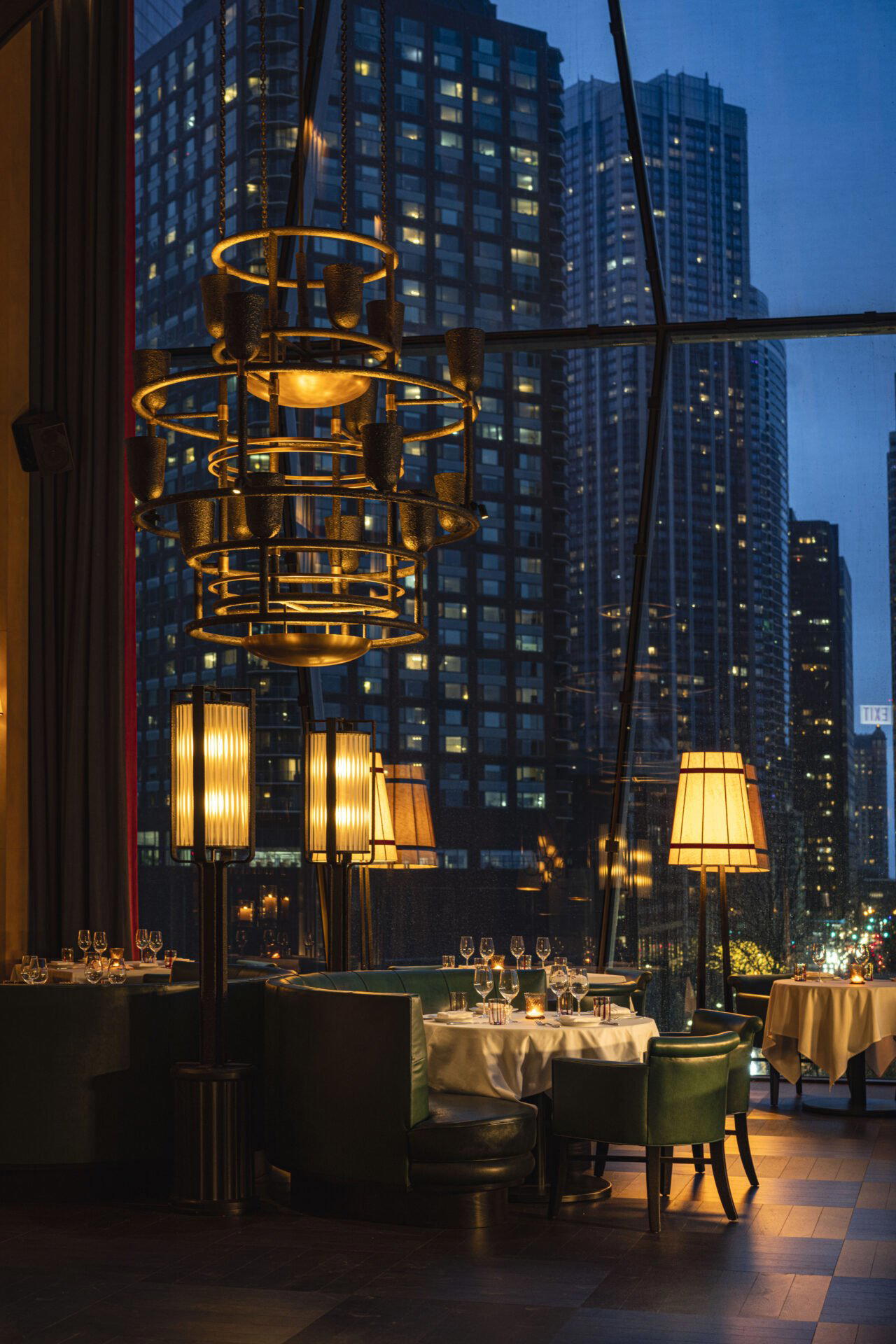
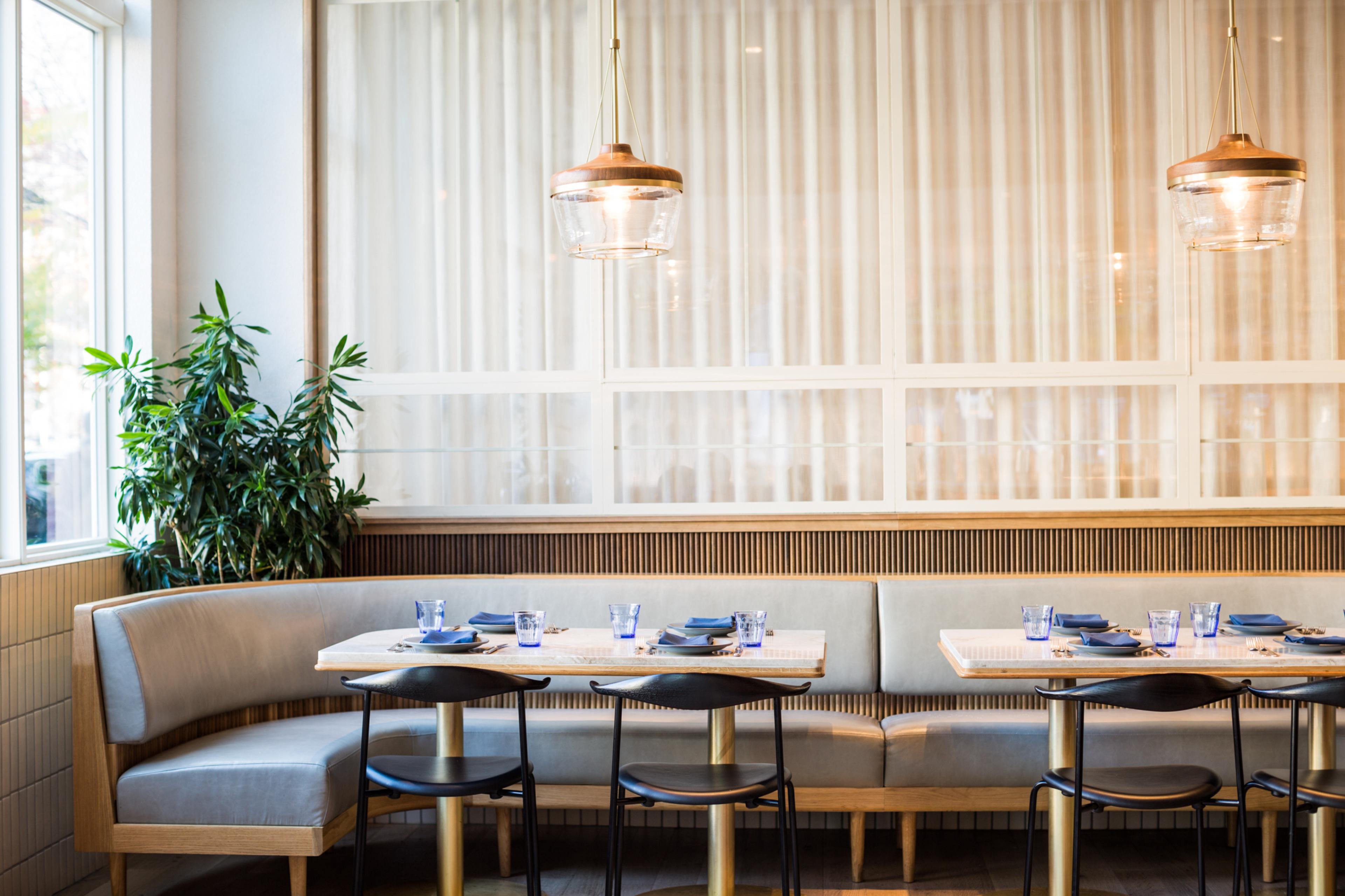
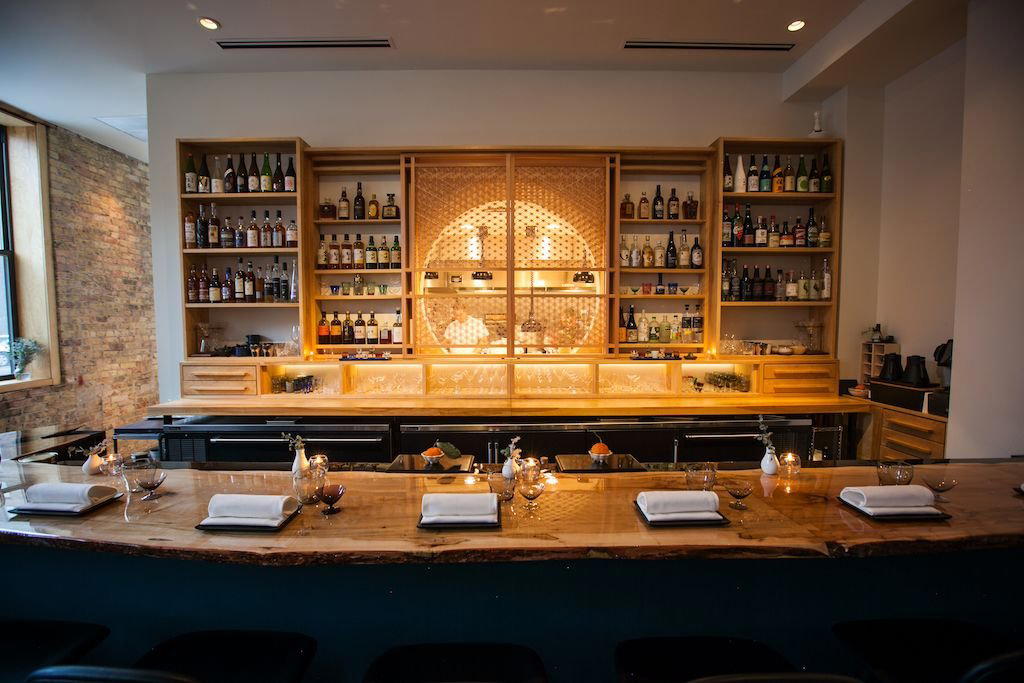
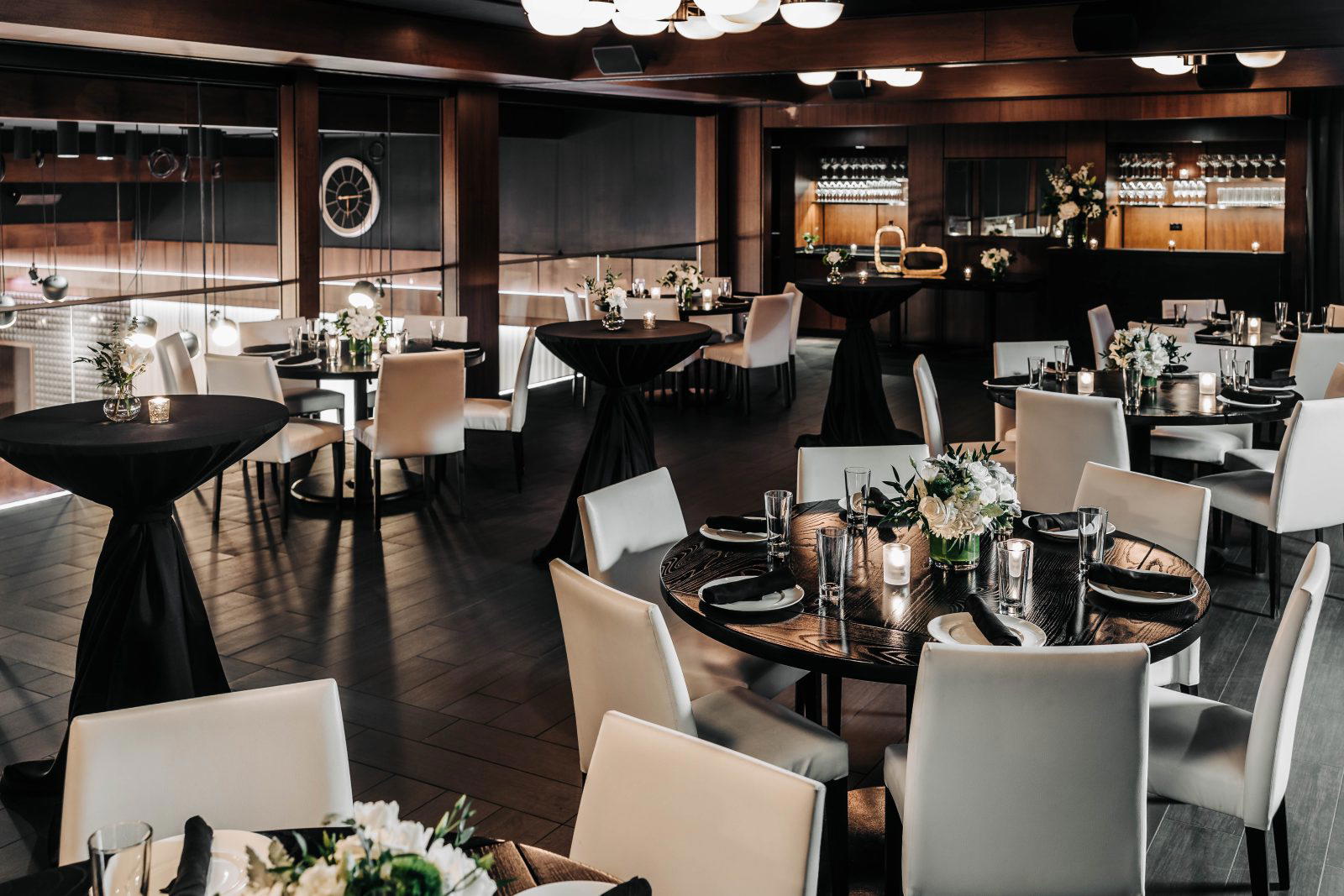
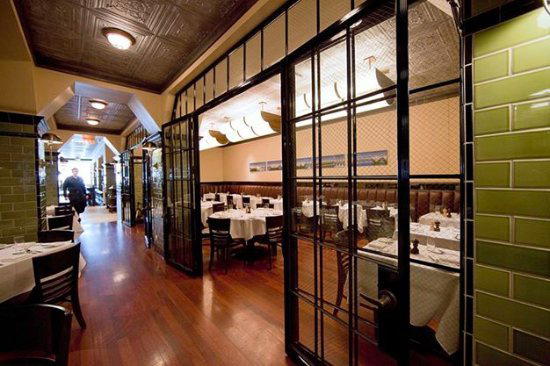
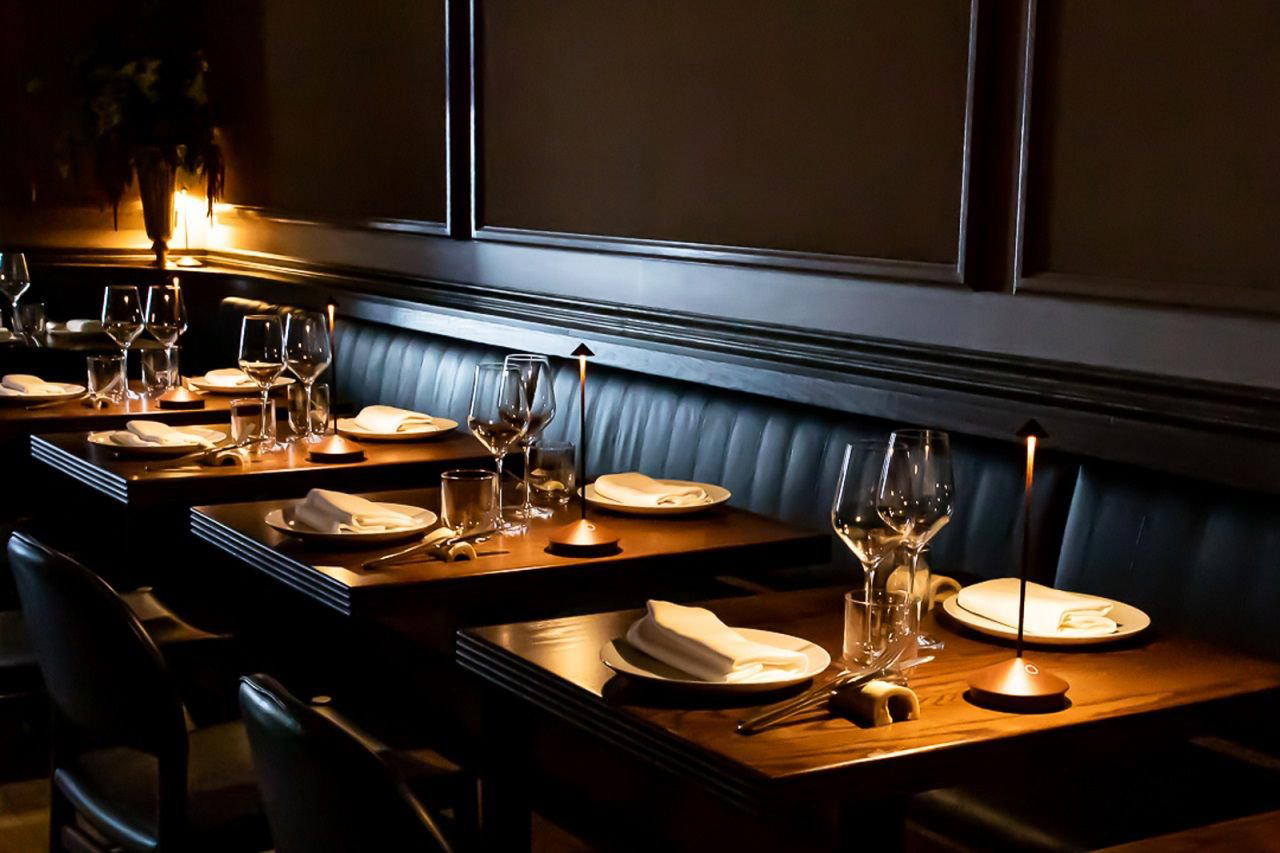
A refined, intimate lobby bar with warm firelight from a double-sided fireplace, plush seating and Art Deco-inspired finishes, creating a cozy yet sophisticated atmosphere suited to relaxed conversations, cocktails, and boozy afternoon tea.
Know Before You Go
- Getting there
- 230 N Michigan Ave, Chicago, IL 60601