Bar Le Charles sits at 6-8 Rue Duphot in Paris’s 1st arrondissement, a district where hotel bars, fashion-week addresses, and discreet cocktail rooms shape a quieter drinking circuit than the late-night corridors of the Right Bank.
Pearl is the En Primeur Club membership app — saves, bookings, and concierge access live there. Same editors, same standards.
- Address
- 6-8 Rue Duphot, 75001 Paris, France
- Phone
- +33 1 71 19 49 11
- Website
- leburgundy.com
- Directions
- Get directions
 Saves & bookings on Pearl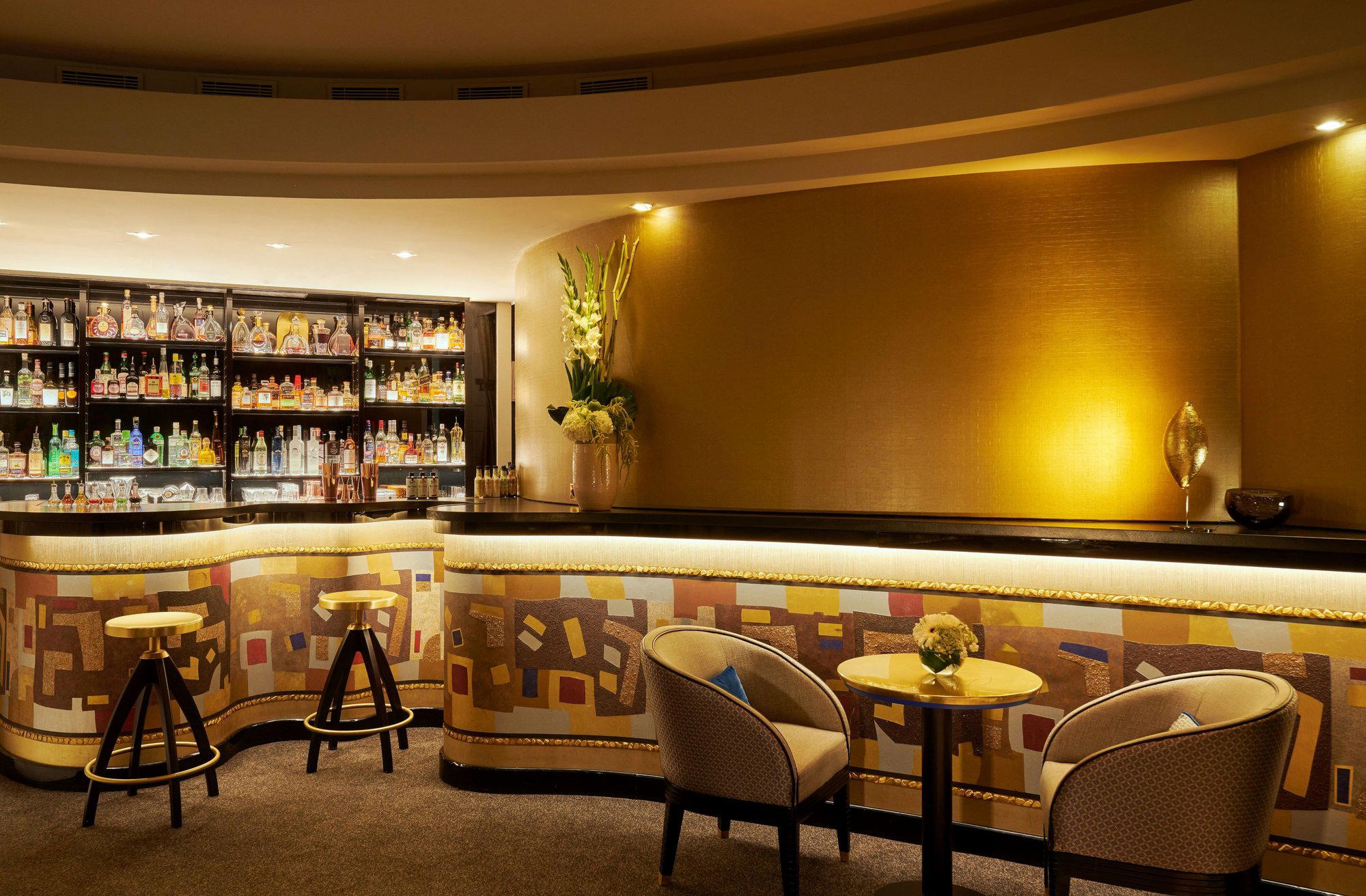
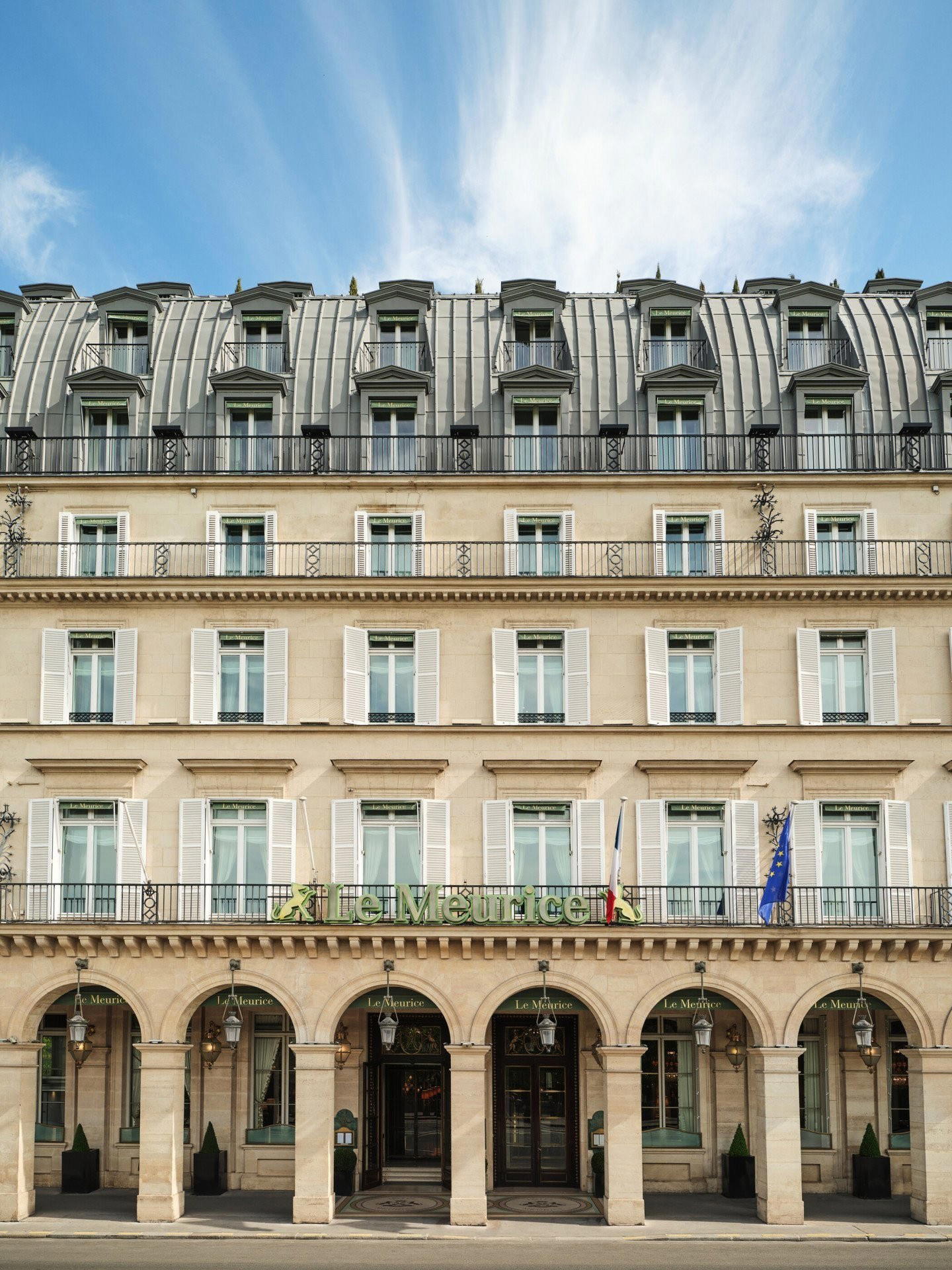
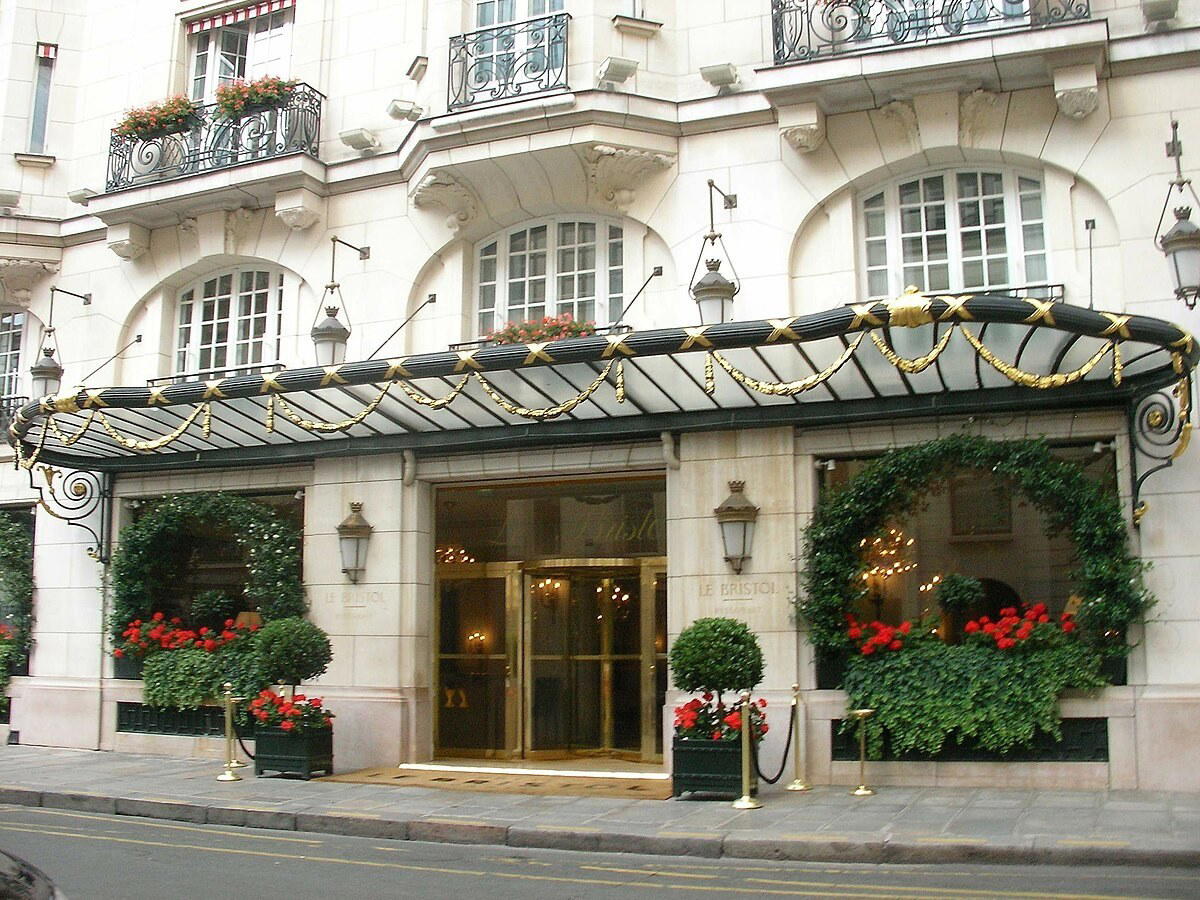
Rue Duphot has the particular hush of central Paris after shop hours: polished stone, guarded doorways, the drift between Madeleine, Place Vendôme, and the Tuileries. Bar Le Charles belongs to that register of Paris drinking, where the first impression is not a neon sign or a queue but a controlled threshold. In this part of the 1st arrondissement, atmosphere does much of the work. The city’s cocktail culture can be loud, theatrical, and reservation-driven elsewhere; here, the expectation is lower in volume, closer to the hotel-lounge tradition that has long shaped drinking around the grands magasins, couture houses, and palace-adjacent addresses.
That setting matters because Paris bars divide sharply by neighbourhood. The Marais and northern arrondissements have carried much of the city’s modern cocktail energy, with small rooms, experimental menus, and bartenders moving between pop-up formats. The 1st arrondissement plays a different game. It trades less on discovery culture and more on centrality, polished service rhythms, and proximity to restaurants, hotels, museums, and retail. Bar Le Charles, at 6-8 Rue Duphot, should be understood inside that geography rather than as a trophy-driven destination with a public awards trail.
The central-Paris bar mood: controlled, quiet, and location-led
Paris has never had a single bar identity. Its drinking culture runs from zinc-counter cafés to palace hotel bars, natural-wine caves, absinthe-tinged history rooms, and modern cocktail counters with international technique. The 1st arrondissement is where several of those strands cross, but rarely in a casual way. Around Rue Duphot, visitors are close to the city’s luxury retail axis and within easy reach of the Louvre, Madeleine, and Place Vendôme. That produces a clientele pattern different from the left-bank wine bar or the Belleville counter: more pre-dinner rendezvous, more post-shopping pauses, more hotel-adjacent drinking, and more evenings built around one or two composed rounds rather than a full crawl.
The atmosphere-and-design question is therefore central. A bar in this district is judged by its ability to hold a room: lighting that does not flatten faces, seating that supports conversation, service pacing that does not rush the first drink, and music that leaves space for the table. No database detail confirms the interior scheme at Bar Le Charles, so it would be irresponsible to invent fabrics, glassware, or a soundtrack. What can be said with confidence is that the address places it in a Paris category where the physical room carries more weight than spectacle. The room is not decoration; it is the operating system.
For comparison, different Paris bars telegraph different versions of the city. Candelaria helped define the hidden-door cocktail era in the Marais, a format that made discovery part of the drink. Danico sits closer to the Parisian fashion-and-design circuit, where cocktail technique meets the visual codes of an ornate passage. Bar Nouveau speaks to the city’s newer appetite for intimate, design-conscious drinking rooms. Buddha Bar, by contrast, belongs to the large-format, scenographic end of Paris nightlife, where scale and recognisable theatre drive the experience. Bar Le Charles sits in a quieter central bracket, where the appeal is less about announcing itself and more about fitting the cadence of the 1st arrondissement.
Why the 1st arrondissement changes the drink decision
The 1st arrondissement is practical before it is romantic. That may sound severe, but in Paris it is a serious advantage. A bar here can serve the hour between a museum visit and dinner, the half-hour after a hotel check-in, or the final drink before crossing back toward the Right Bank. The address, 6-8 Rue Duphot, places Bar Le Charles in a compact zone where walking patterns matter. Visitors often move between Madeleine, Rue Saint-Honoré, Rue de Rivoli, and the Tuileries without wanting to commit to a late-night detour across town. In that context, the value of a bar is partly logistical: it reduces friction in a city where taxis can be slow at peak evening hours and where metro transfers feel less appealing after dinner.
That centrality also means the venue competes with hotel bars and dining rooms as much as with independent cocktail dens. The competition is not only about what lands in the glass. It is about whether the room can absorb mixed use: a solo drink, a quiet two-person meeting, a pre-theatre stop, a group that does not want a club. Paris has many bars with stronger public identities, but fewer addresses in this immediate zone that can serve the central-city evening without turning it into an event. Its location supplies the editorial signal.
The absence of listed awards is also a signal, though not a negative one. Awards have shaped how travellers read Paris bars, especially since international cocktail rankings pushed the city beyond its old café-and-palace stereotype. It should be assessed instead as a neighbourhood and itinerary decision. If a reader is choosing between a competition-recognised cocktail destination and a central bar near Rue Duphot, the question is not which is superior in the abstract. The question is which one matches the night: technical pilgrimage, hotel-lounge ease, design-led intimacy, or convenient central calm.
Atmosphere as the main evidence
In a data-rich restaurant profile, the critic can work from tasting-menu price, chef lineage, seat count, cellar depth, and awards. That changes the critical method. Instead of pretending to know a signature drink or a house garnish, the page has to foreground the surrounding scene: the 1st arrondissement’s reliance on controlled spaces, central Paris’s preference for quiet polish, and the way a bar’s room can decide whether it works for a specific evening.
Paris rewards bars that know their scale. Large rooms can support spectacle, but they often struggle with intimacy. Small rooms can feel electric, but they can also become uncomfortable if the reservation rhythm or music level is wrong. Central hotel-adjacent bars operate under a different pressure: they need to be readable to international visitors without feeling generic to locals. This is where atmosphere becomes measurable, even when not reducible to a star rating. Seating density, lighting temperature, entry sequence, and staff pacing are not aesthetic extras. They determine whether a drink feels like a pause or an interruption.
For Bar Le Charles, the responsible editorial position is to avoid unsupported claims about mixology and concentrate on situational fit. The venue belongs on a Paris drinking map for readers who are already in the 1st arrondissement and want a composed bar option rather than a late-night scene shift. This is not a weakness in itself. It simply places the bar in a different decision category.
How it compares with Paris cocktail circuits
Paris cocktail culture now splits into several circuits. One is the internationally visible route, built around bars with awards, named bartenders, and menus that travel well on social media. Another is the restaurant-adjacent circuit, where drinks function as an extension of dinner rather than a separate destination. A third is the hotel and central-address circuit, where design, comfort, and pacing carry as much authority as the recipe. Bar Le Charles reads from the supplied information as part of the third group.
That distinction helps avoid a common mistake in Paris bar planning. Not every evening needs the same kind of bar. A high-energy cocktail address can be the right decision after dinner in the Marais but the wrong one before a formal meal near Madeleine. A large theatrical room can suit a group but feel heavy for a single aperitif. A central bar near Rue Duphot works when geography and mood align: the reader is nearby, the night calls for a quieter register, and the bar is a bridge rather than the entire plan.
Where food, hotels, and bars overlap
The 1st arrondissement is dense with crossover itineraries. A drinking plan here rarely exists in isolation. It may sit before dinner, after a hotel check-in, or between cultural stops. Readers comparing options can use Our full Paris restaurants guide for the dining half of the evening and Our full Paris hotels guide for the sleep-side context that shapes this part of town. For broader drinking research, Our full Paris bars guide gives the wider city frame, from central lounges to smaller cocktail rooms. The same trip may also pull in Our full Paris experiences guide or Our full Paris wineries guide, especially for travellers treating Paris as a base rather than a single-category weekend.
That cross-category planning is useful because central Paris can compress the evening. A drink in the 1st can be elegant and efficient, while a bar chosen across town may add forty minutes of movement to the night. The better decision is not always the more famous address. It is the address that fits the route, the meal, and the social temperature of the evening.
Planning a drink at Bar Le Charles
The confirmed practical detail is the address: Bar Le Charles, 6-8 Rue Duphot, 75001 Paris, France. Readers should therefore treat planning with a little extra care and verify current opening details through a trusted map listing, hotel concierge, or direct local source before building the evening around it. That is especially sensible in central Paris, where private events, holiday periods, and hotel operations can affect bar access more than in standalone neighbourhood counters.
Timing should follow the role of the bar in the night. For a calm aperitif in the 1st arrondissement, earlier evening generally suits the area’s rhythm better than late-night bar-hopping. After dinner, the same address can work as a final central stop if the group wants conversation rather than a louder cocktail room. The safer assumption is only contextual: the Rue Duphot location sits in a high-cost central district, and readers should expect pricing to reflect central Paris rather than outer-arrondissement casual drinking.
For travellers comparing French bar scenes beyond Paris, the contrast is instructive. Papa Doble in Montpellier belongs to a southern city with a different tempo and student-to-cocktail balance. La Vertu in Reims sits closer to Champagne-country drinking culture, where wine-region context changes the meaning of a bar list. A transatlantic comparison such as Café La Trova in Miami shows another model entirely, where music, Cuban-American bar traditions, and performance create a different kind of room energy. These comparisons clarify what Bar Le Charles offer from its Paris address: not a regional wine statement or a performance bar, but a central-city room shaped by discretion and convenience.
Questions readers ask
What's the general vibe of Bar Le Charles?
If the evening is built around the 1st arrondissement, Bar Le Charles fits a composed central-Paris mood rather than a loud cocktail crawl.
How should Bar Le Charles be understood in the Paris bar scene?
Reference points matter more than labels here. It belongs more naturally to the central-address category of Paris bars, where atmosphere, convenience, and the surrounding hotel-and-dining circuit shape the decision.
What's the standout thing about Bar Le Charles?
Use the address as the deciding factor. Bar Le Charles’s clearest advantage is its position at 6-8 Rue Duphot in the 1st arrondissement, close to the polished evening routes around Madeleine, Place Vendôme, and the Tuileries. With no public price or awards data supplied, its strength is situational: a calm central stop when the night should stay in this part of Paris.
Continue exploring
More in Paris
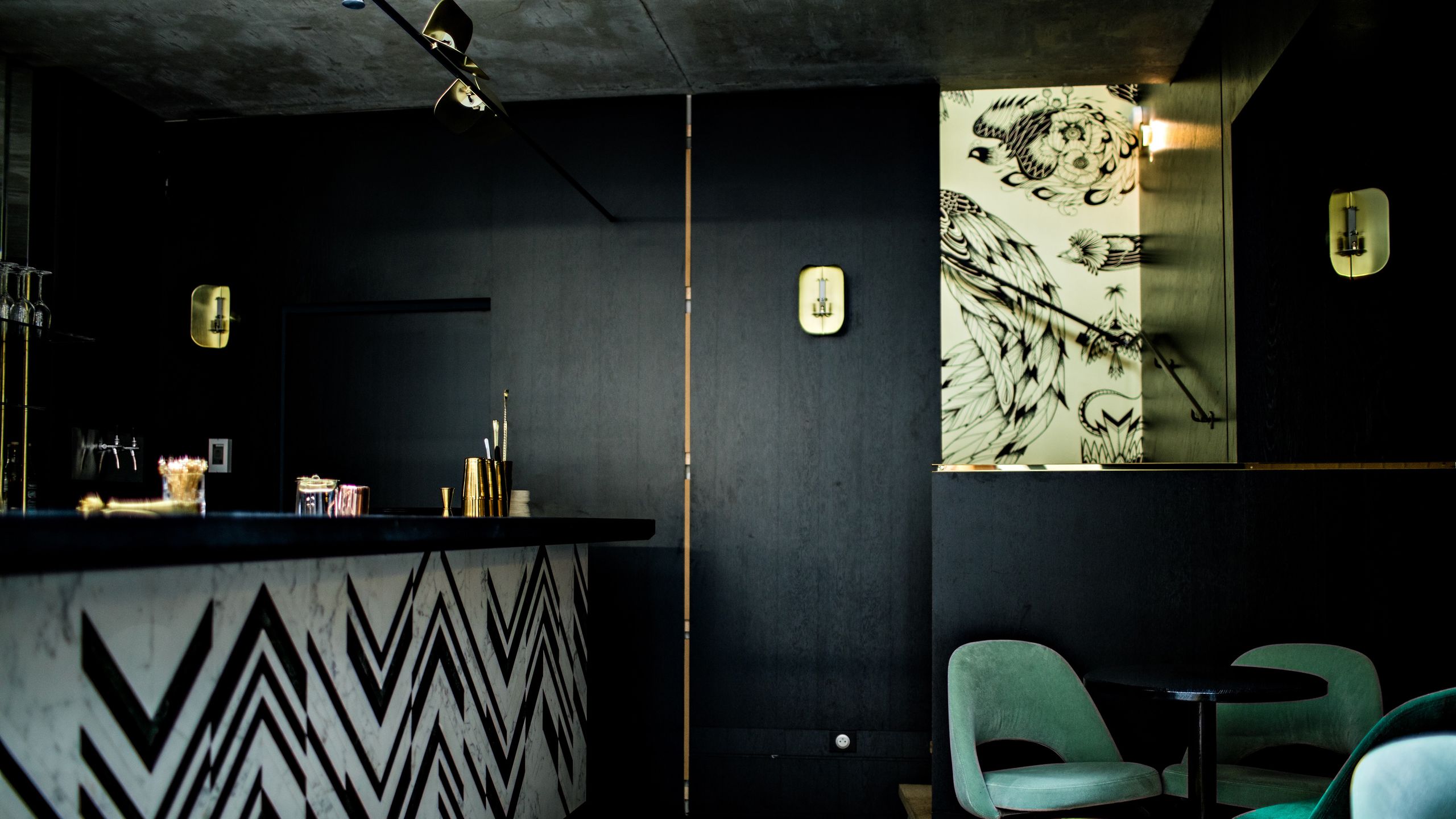
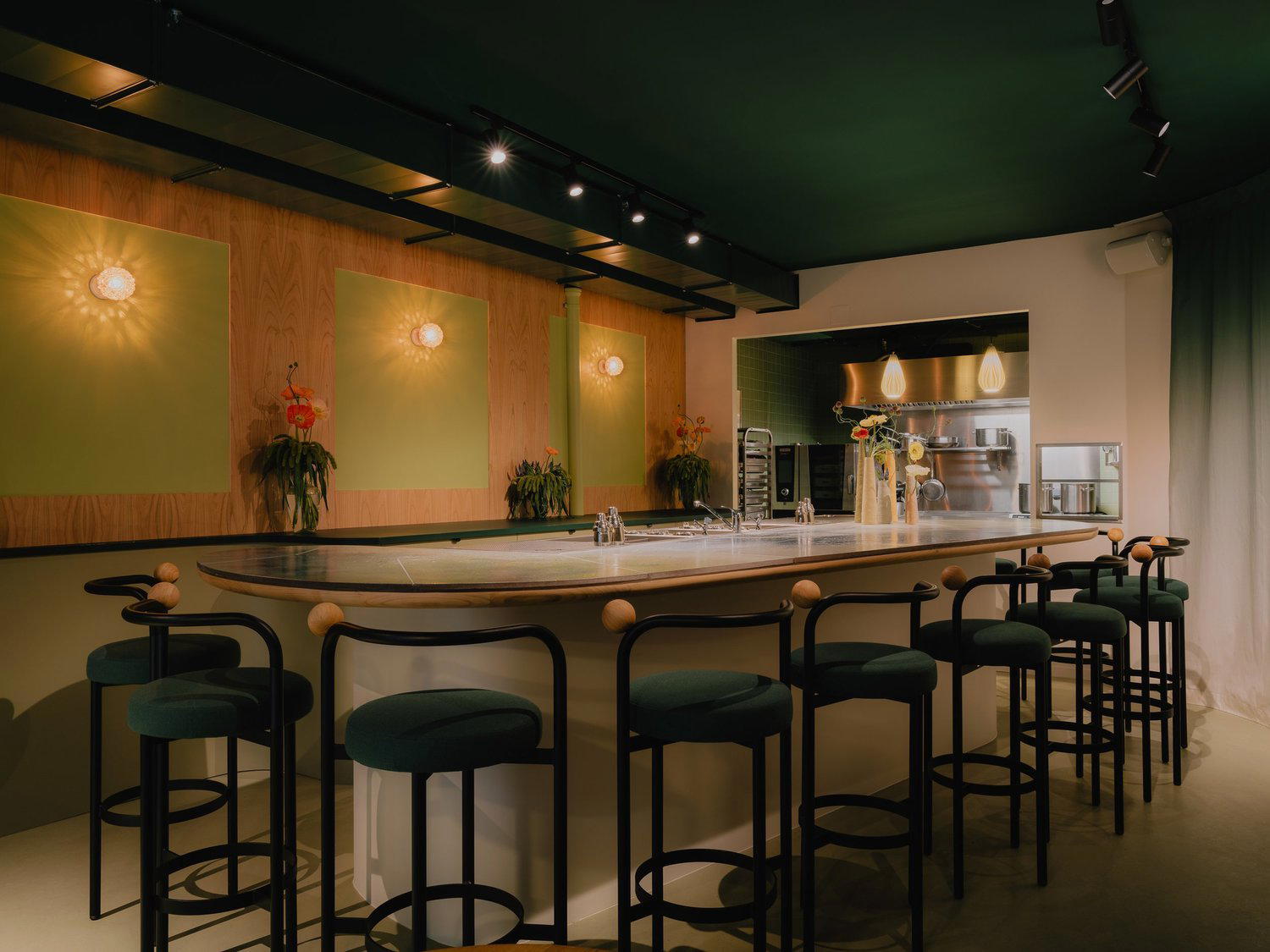
Bars in Paris
Browse all →
Restaurants in Paris
Browse all →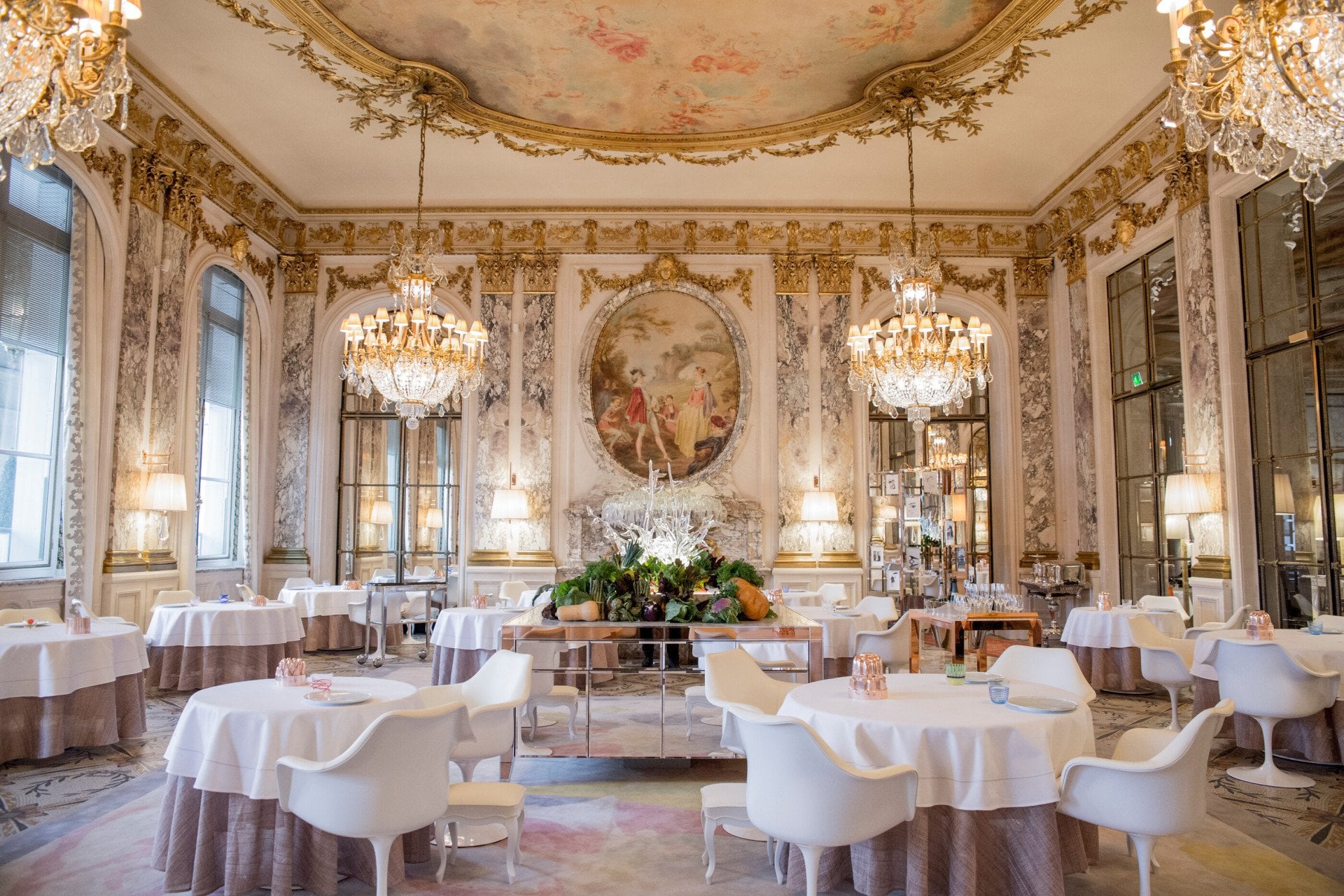
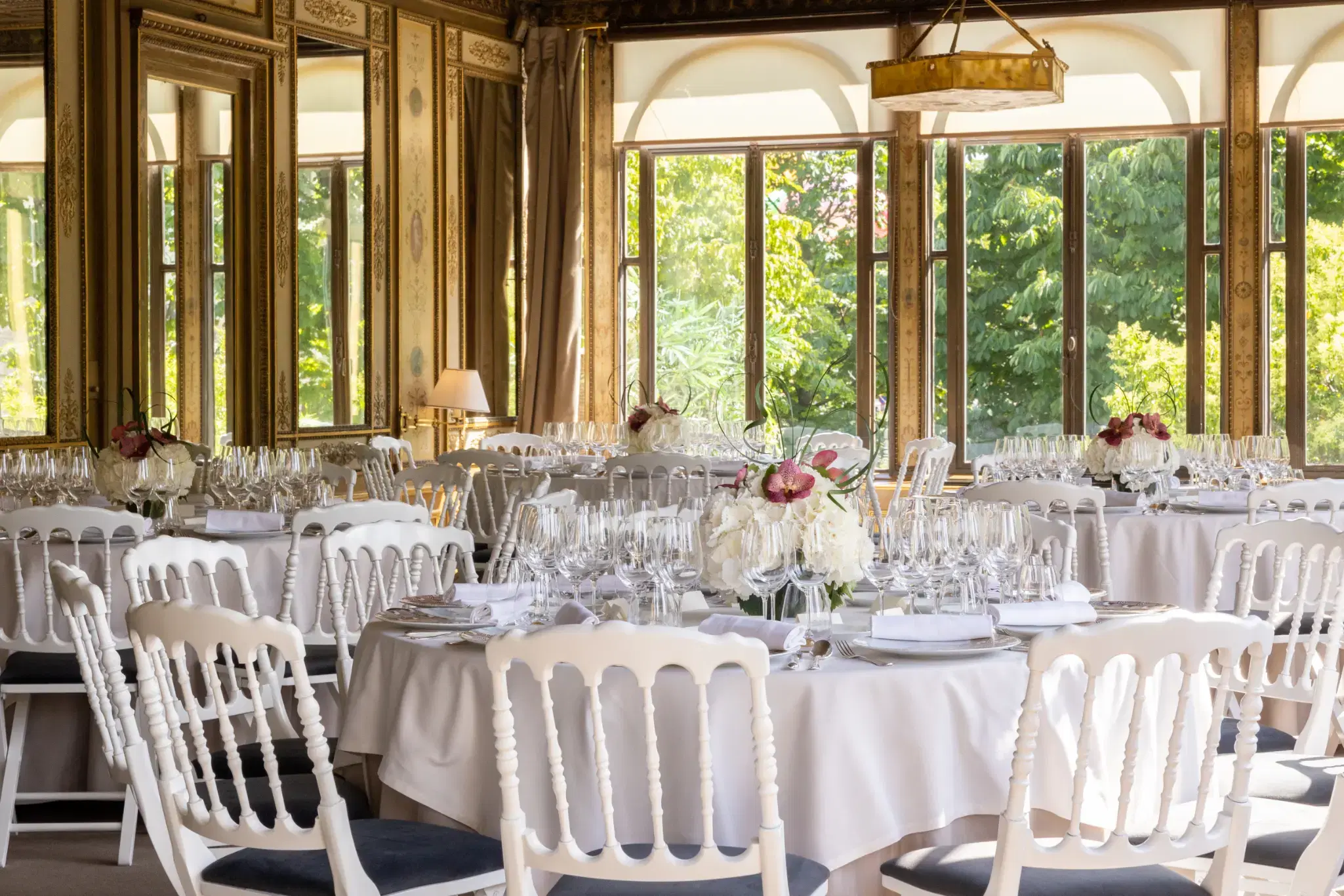
Hotels in Paris
Browse all →

At a Glance
- Elegant
- Sophisticated
- Intimate
- Cozy
- Modern
- Romantic
- Date Night
- After Work
- Special Occasion
- Celebration
- Group Outing
- Solo
- Garden
- Terrace
- Courtyard
- Design Destination
- Hotel Bar
- Seated Bar
- Lounge Seating
- Outdoor Terrace
- Craft Cocktails
- Classic Cocktails
- Zero Proof
- Garden
Current opening hours
- Monday
- 7 AM–12 AM
- Tuesday
- 7 AM–12 AM
- Wednesday
- 7 AM–12 AM
- Thursday
- 7 AM–12 AM
- Friday
- 7 AM–12 AM
- Saturday
- 7 AM–12 AM
- Sunday
- 7 AM–12 AM
Hours can change for holidays and private events. Last verified .
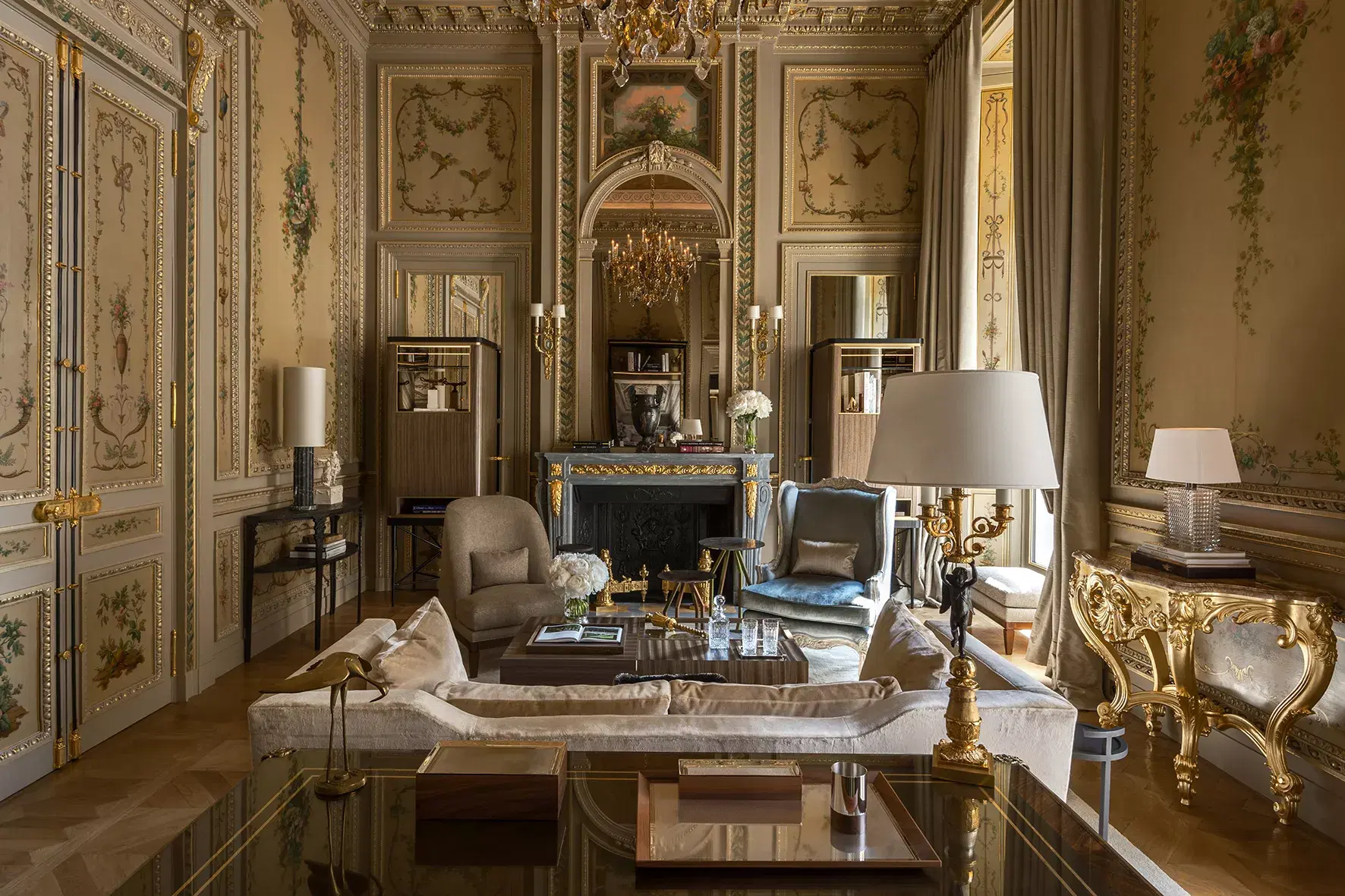
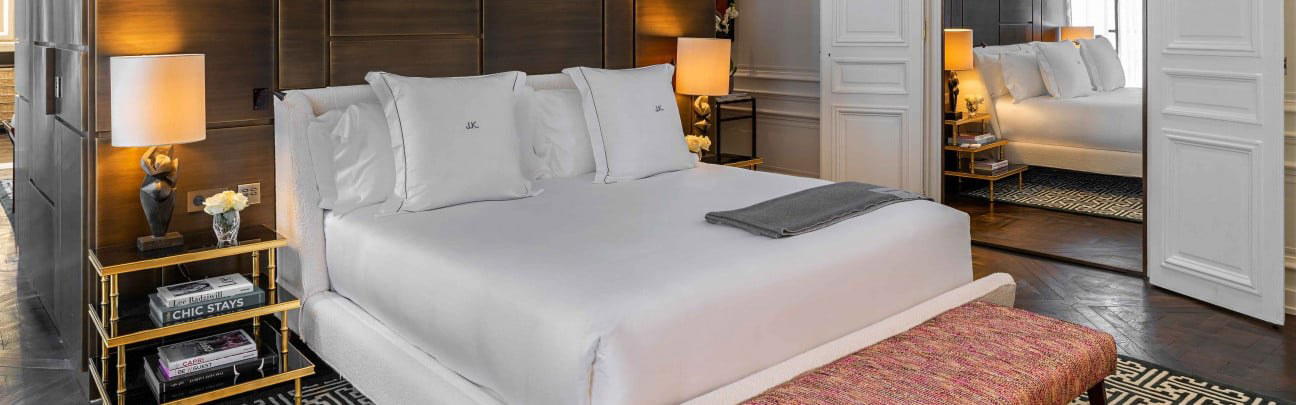
Hushed, refined and distinctly Parisian, with an eclectic, softly lit décor, golden central bar, art-filled walls and a calm winter garden patio offering a serene escape from the surrounding city.
Know Before You Go
- Getting there
- 6-8 Rue Duphot, 75001 Paris, France