Alma's
Alma's occupies a position in the Los Angeles dining conversation where the sum of its room, kitchen, and floor team carries more weight than any single element. In a city where competition for attention is constant, the interplay between what arrives on the plate and how it is presented and explained shapes a visit into something more considered than most. A reference point for collaborative, front-to-back hospitality on the West Coast.

Pearl is the En Primeur Club membership app — saves, bookings, and concierge access live there. Same editors, same standards.
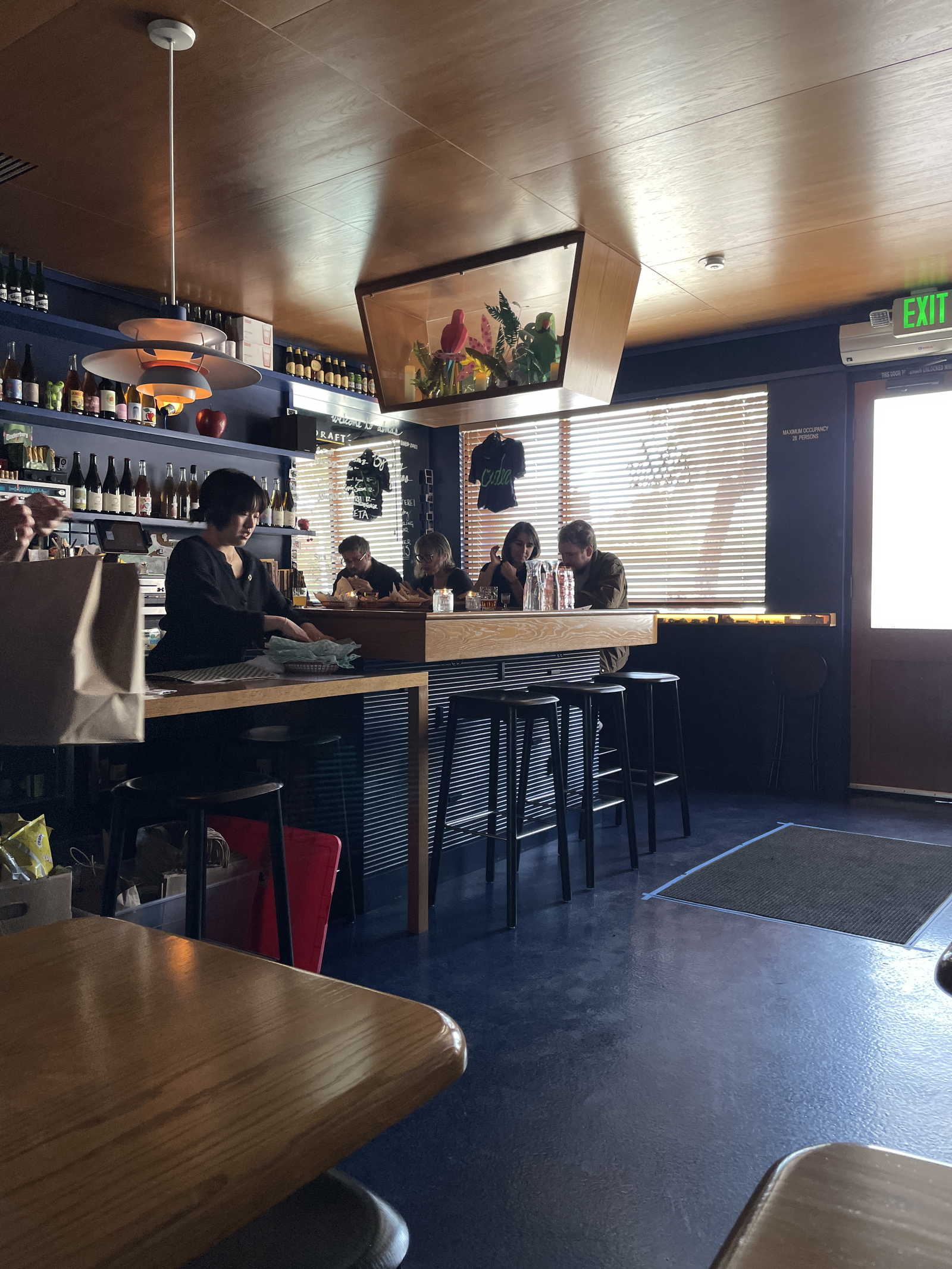
What the Room Signals Before the Food Arrives
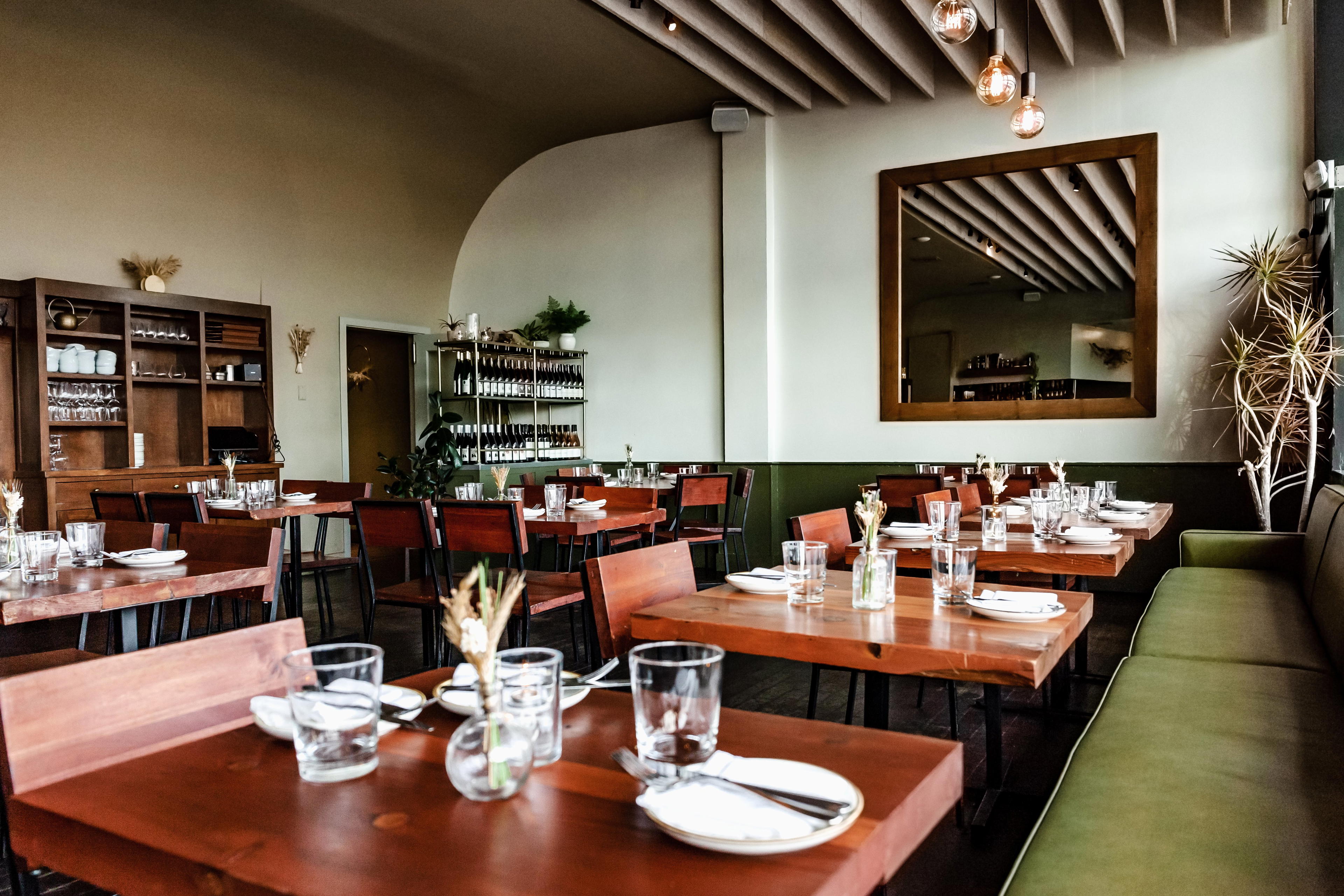
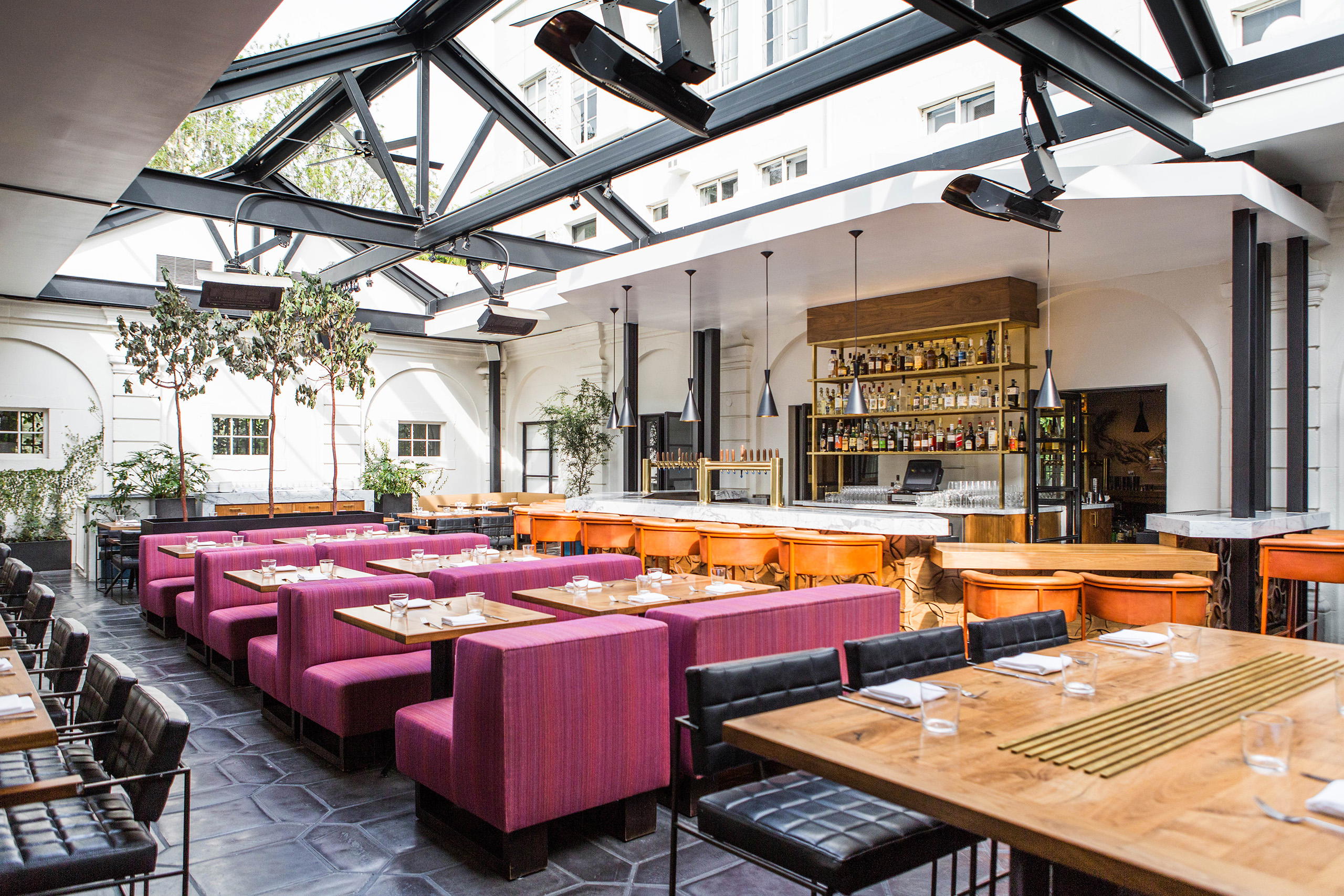
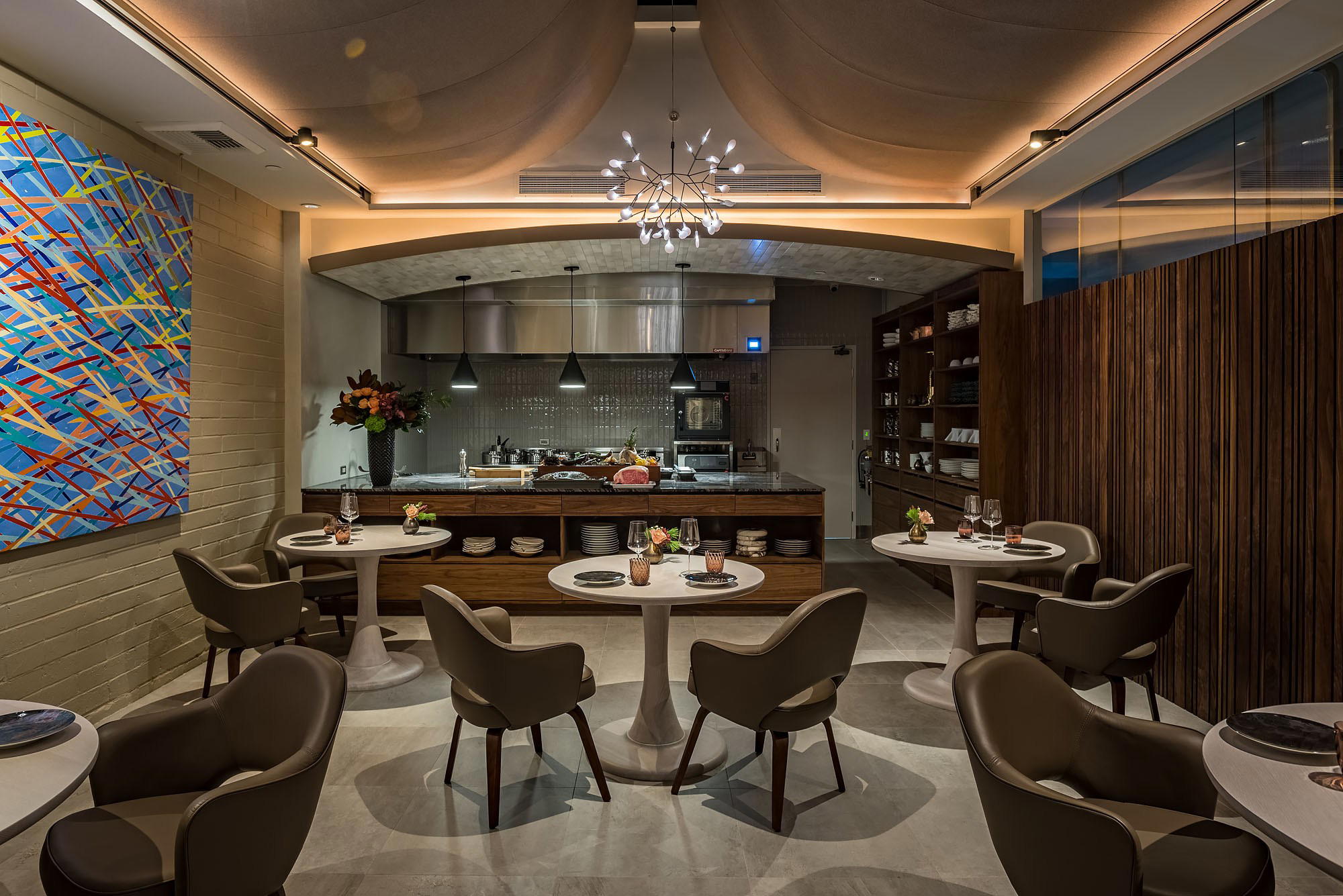
Los Angeles dining has spent the better part of a decade sorting itself into two broad registers: the loud, high-production-value room built for the social media moment, and the quieter, more deliberate space where the hospitality infrastructure does the talking. Alma's sits in the second category. The physical environment communicates intent before a menu appears — the layout, the light, the way staff move through the room all suggest a property where floor choreography has been thought through rather than improvised. In a city where the gap between a well-funded opening and a coherent service culture can be wide, that distinction registers quickly.
Los Angeles has the density of restaurant talent to support venues that compete not on spectacle but on the precision of execution across every department. Alma's positions itself in that tier, where the collaboration between the kitchen and the front-of-house team functions as the primary product, not a supporting feature.
The Team as the Architecture of the Experience
In the upper tier of Los Angeles dining, the relationship between a kitchen and its floor team increasingly defines how a restaurant is perceived over time. A strong kitchen with a weak service culture plateaus. A technically accomplished front-of-house operating without kitchen depth produces atmosphere without substance. The venues that sustain their position in the city's competitive set tend to be those where the sommelier, the server, and the chef's team operate with shared vocabulary and a coherent point of view about what the guest should understand about the food and drink in front of them.
Alma's functions within that model. The experience is framed not by individual heroics from a single named figure but by what happens when culinary direction, wine and beverage knowledge, and floor presence are working in the same direction. This is a format that has become increasingly standard at ambitious independent restaurants across American cities — from Kumiko in Chicago to Jewel of the South in New Orleans, the integrated team approach has replaced the chef-as-sole-author model as the dominant framework for high-engagement dining. Alma's operates inside that shift.
The beverage dimension of such operations matters more than it once did. In Los Angeles, where the cocktail program at a serious restaurant is now treated as a parallel track to the wine list rather than a supplementary one, properties like Bar Next Door, Death & Co, and Mirate have raised the baseline expectation for what a thoughtful drinks program looks like. A restaurant operating at Alma's level of intentionality has to account for that context, the guest arriving from or departing to one of those bars carries calibrated expectations about what a serious beverage offering means.
Where Alma's Sits in the Los Angeles Context
The Los Angeles restaurant market is not a single competitive set. It stratifies by neighbourhood, price point, format, and the specific kind of credibility a venue projects. At the upper end of the independent segment, the relevant peer group consists of properties that have earned their position through sustained quality rather than through a well-funded launch moment. Reputation in that bracket is built over multiple visits, through word of mouth among guests who eat at serious restaurants as a regular practice rather than as an occasional event.
Alma's occupies that bracket in the Los Angeles conversation. It does not compete primarily on accessibility or volume; it competes on the quality of the full-room experience across an extended visit. This aligns it with a pattern visible across the country's most serious dining cities, whether in San Francisco, where ABV represents a parallel commitment to program depth, or in Houston, where Julep has carved a distinct identity through beverage intelligence and hospitality culture. The common thread is that the venue's identity is built on coherence rather than on any single standout element.
Within Los Angeles specifically, the comparison set includes properties across different neighbourhoods. The Standard Bar represents one end of the Los Angeles hospitality spectrum, high volume, design-forward, structured around a particular social energy. Alma's operates at a different register, where the emphasis falls on what happens between guest and staff over the course of a meal rather than on ambient atmosphere as the primary product.
The Food and Drink Case
Because detailed menu data for Alma's is not available in current documentation, this section addresses what the positioning of the restaurant implies about its culinary approach rather than specifying dishes or tasting notes. Venues that operate with the team-collaboration model at their core tend to favor menus that give the floor staff genuine material to work with: dishes with textural and flavour decisions that benefit from explanation, wine pairings that are chosen for complementarity rather than price optics, and a beverage program where the sommelier or bar lead has had meaningful input at the development stage.
In practical terms for the guest, this means arriving prepared to engage. The format rewards curiosity. The most direct comparison in the broader American drinking and dining conversation, venues like Bar Leather Apron in Honolulu or The Parlour in Frankfurt, share a family resemblance with Alma's in their insistence that knowledge transfer between staff and guest is part of the value offered, not a secondary courtesy.
For a full map of where Alma's sits relative to the broader Los Angeles dining and drinking circuit, see our full Los Angeles restaurants guide.
Planning a Visit
Because operational details including address, phone, hours, and booking method are not confirmed in current documentation, the practical planning advice here is limited to what the positioning implies. Reservations: Given the format and the city's competitive dining calendar, advance booking is the safest approach, same-week availability at properties in this segment of the Los Angeles market is limited. Timing: Mid-week visits at venues of this type tend to allow for more extended floor interaction than Friday and Saturday peak service. Dress: No confirmed dress code; the general register of the Los Angeles fine dining segment suggests smart-casual as a working baseline. Budget: Price range is not confirmed in current documentation; comparable properties in the Los Angeles independent fine dining tier typically run from mid-range to upper-bracket for food and beverage combined. Confirm current details through the venue's own channels before visiting.
Continue exploring
More in Los Angeles
Bars in Los Angeles
Browse all →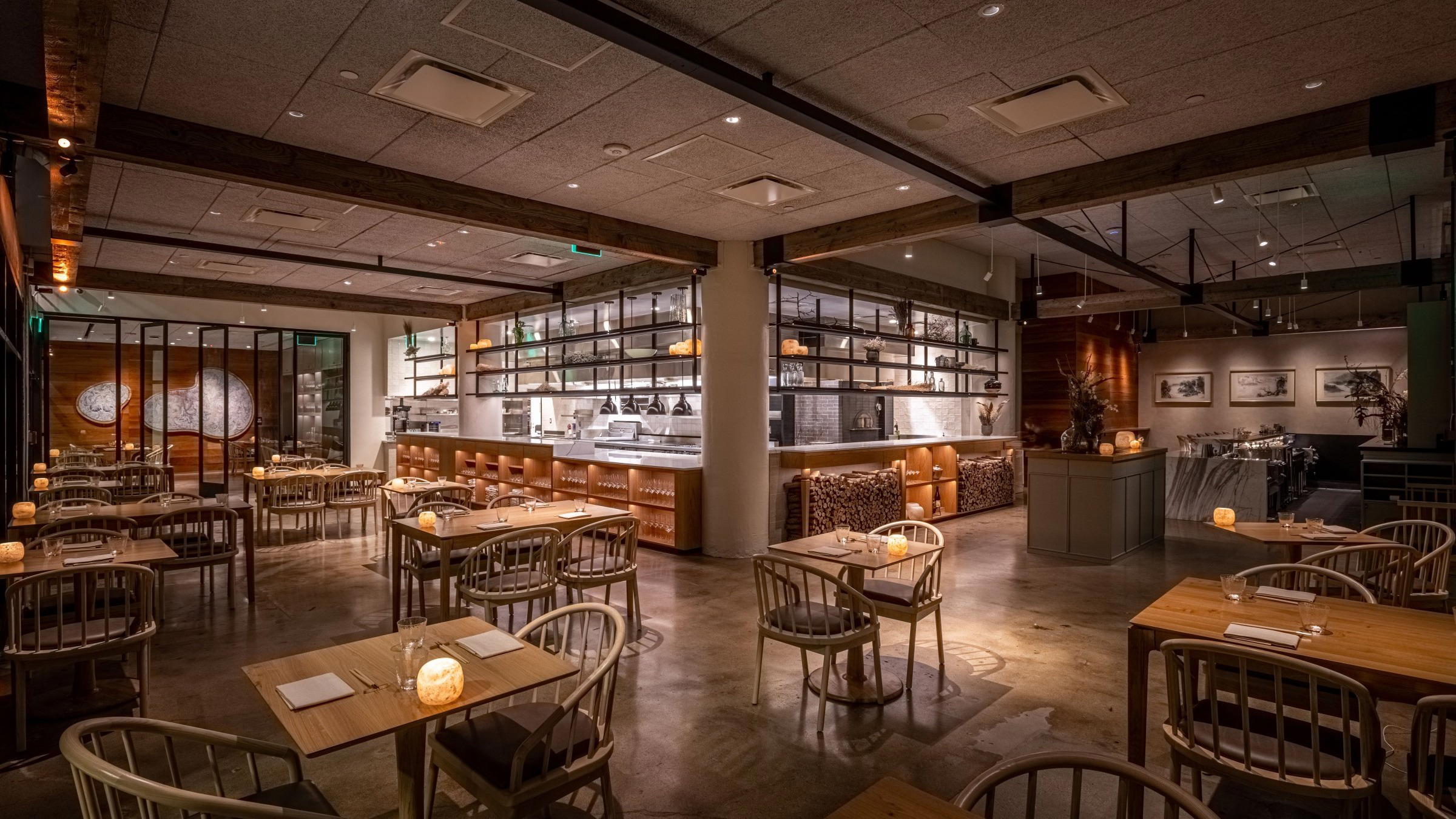
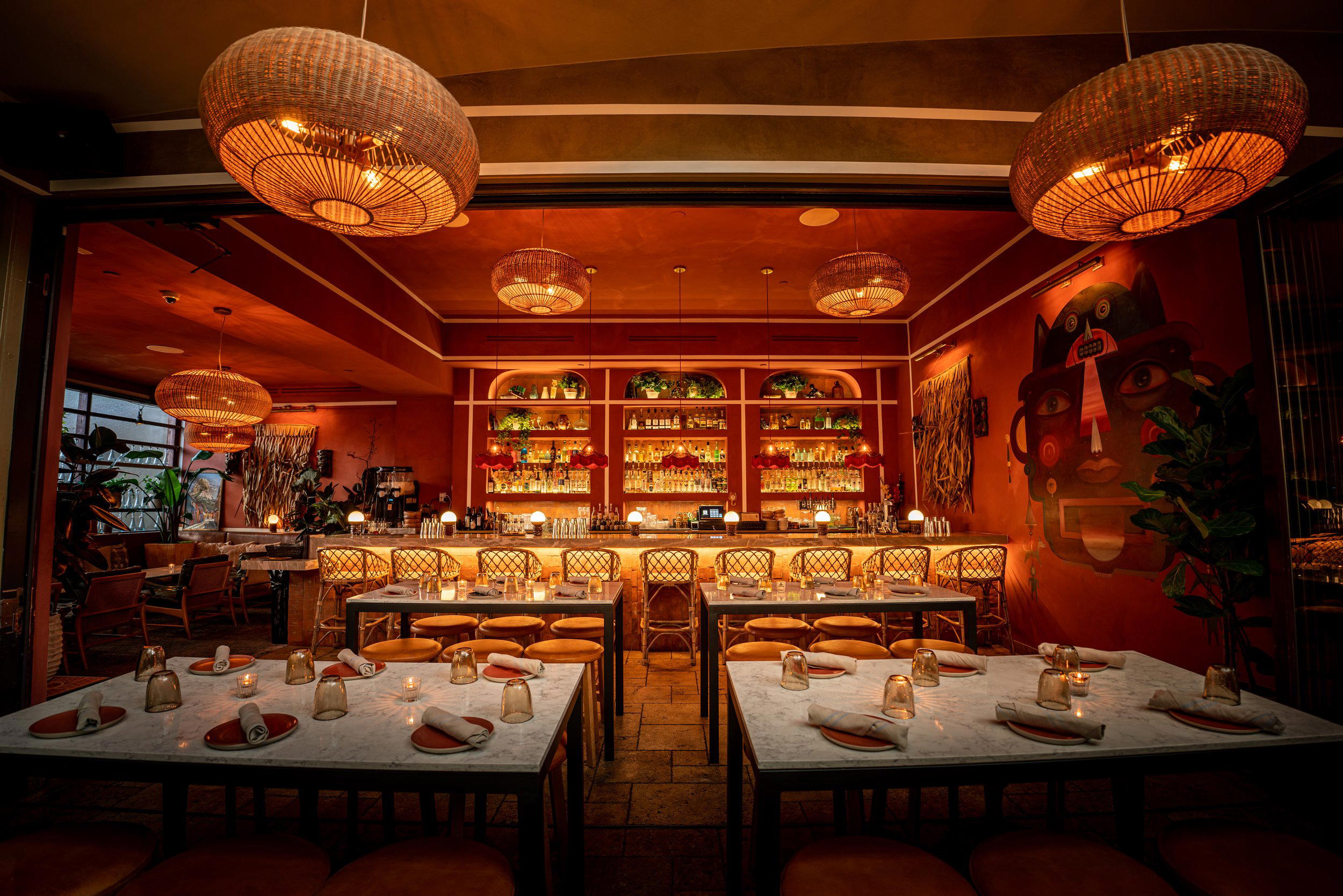
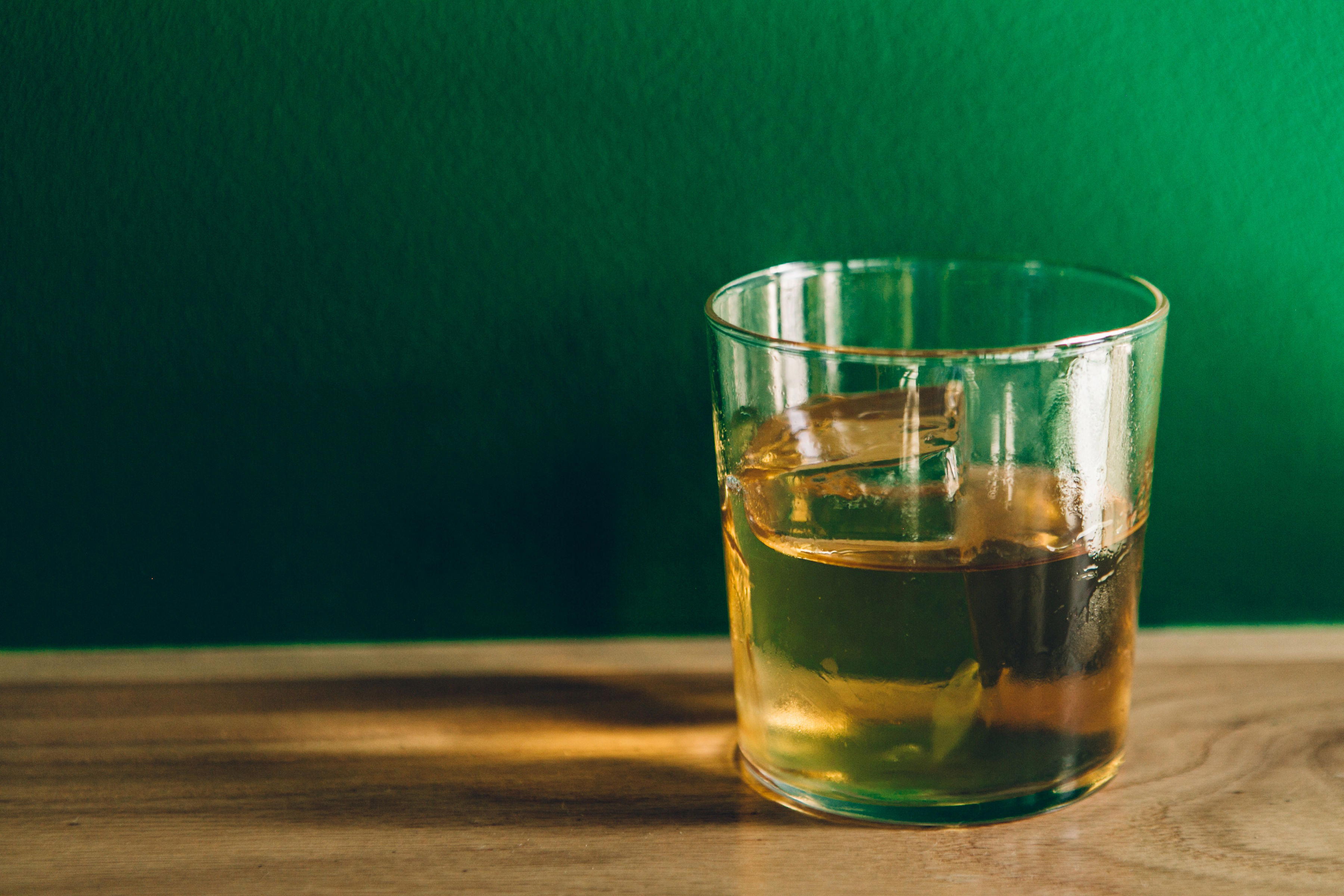
Restaurants in Los Angeles
Browse all →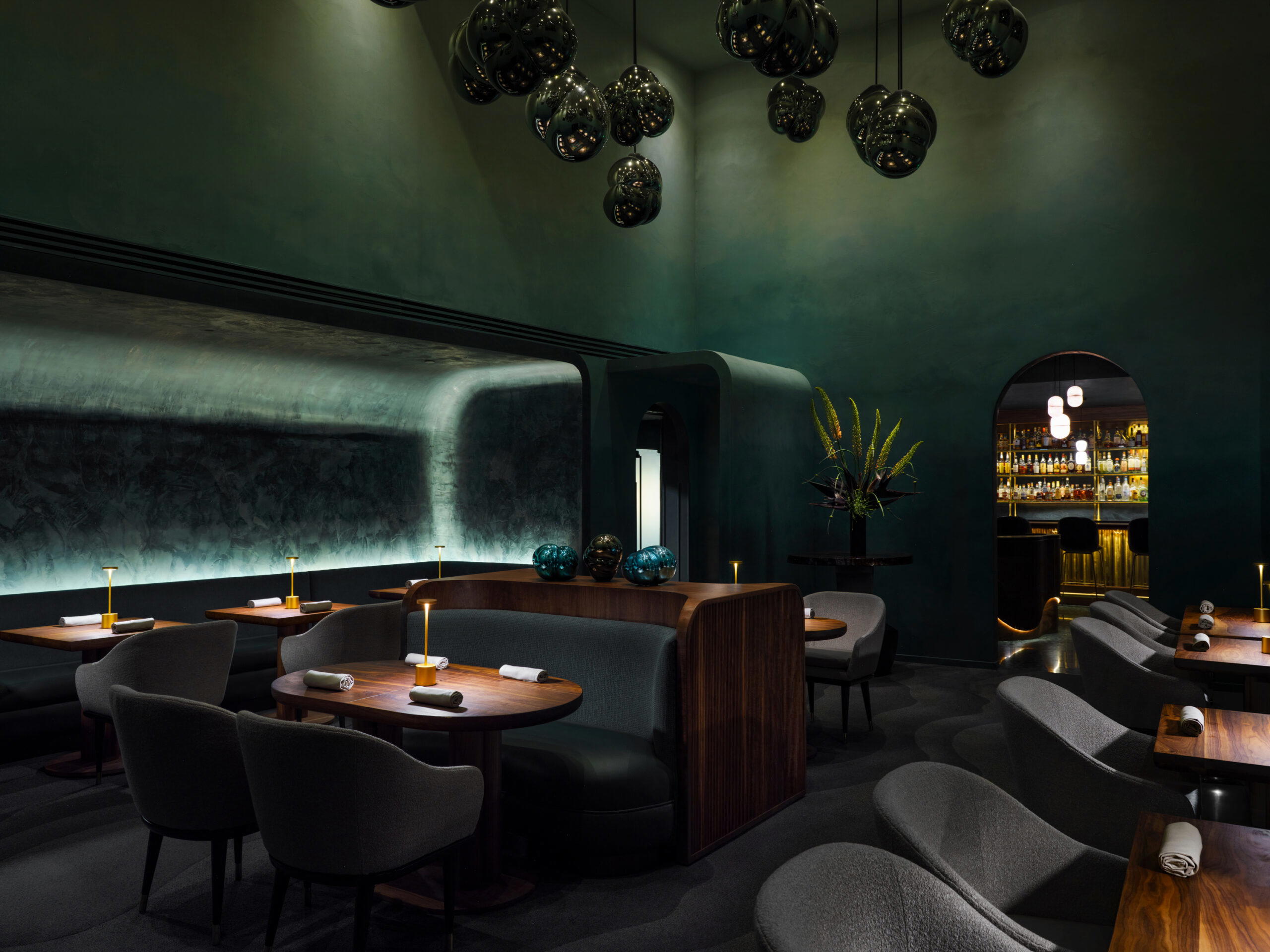
Hotels in Los Angeles
Browse all →
Wineries in Los Angeles
Browse all →
At a Glance
- Quiet
- Intimate
- Whimsical
- After Work
- Solo
- Casual Hangout
- Group Outing
- Design Destination
- Standalone
- Seated Bar
- Lounge Seating
- Craft Beer
- Natural Wine
Relaxed, intimate, and quietly playful, with a blue monochrome, wood-warmed interior, mirrors, quirky dioramas, and a slightly noir atmosphere.