Weingut Werlitsch

Weingut Werlitsch is a biodynamic family winery in Leutschach, southern Styria, shaped by steep opok soils and a restrained natural-wine sensibility. Its small 9-hectare scale, Ex Vero bottlings, and 18-to-24-month cask aging place the emphasis on slope position, minerality, and patience rather than polished cellar-door theatrics.
Pearl is the En Primeur Club membership app — saves, bookings, and concierge access live there. Same editors, same standards.
- Address
- Leutschach, Southern Styria, Styria, Österreich
- Directions
- Get directions
 Saves & bookings on Pearl
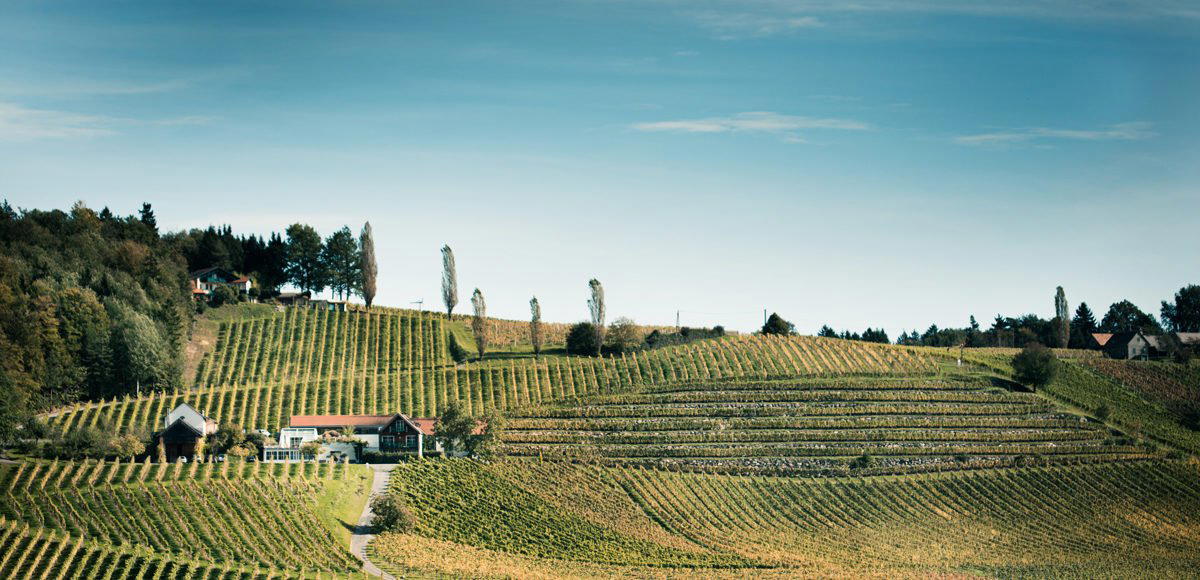
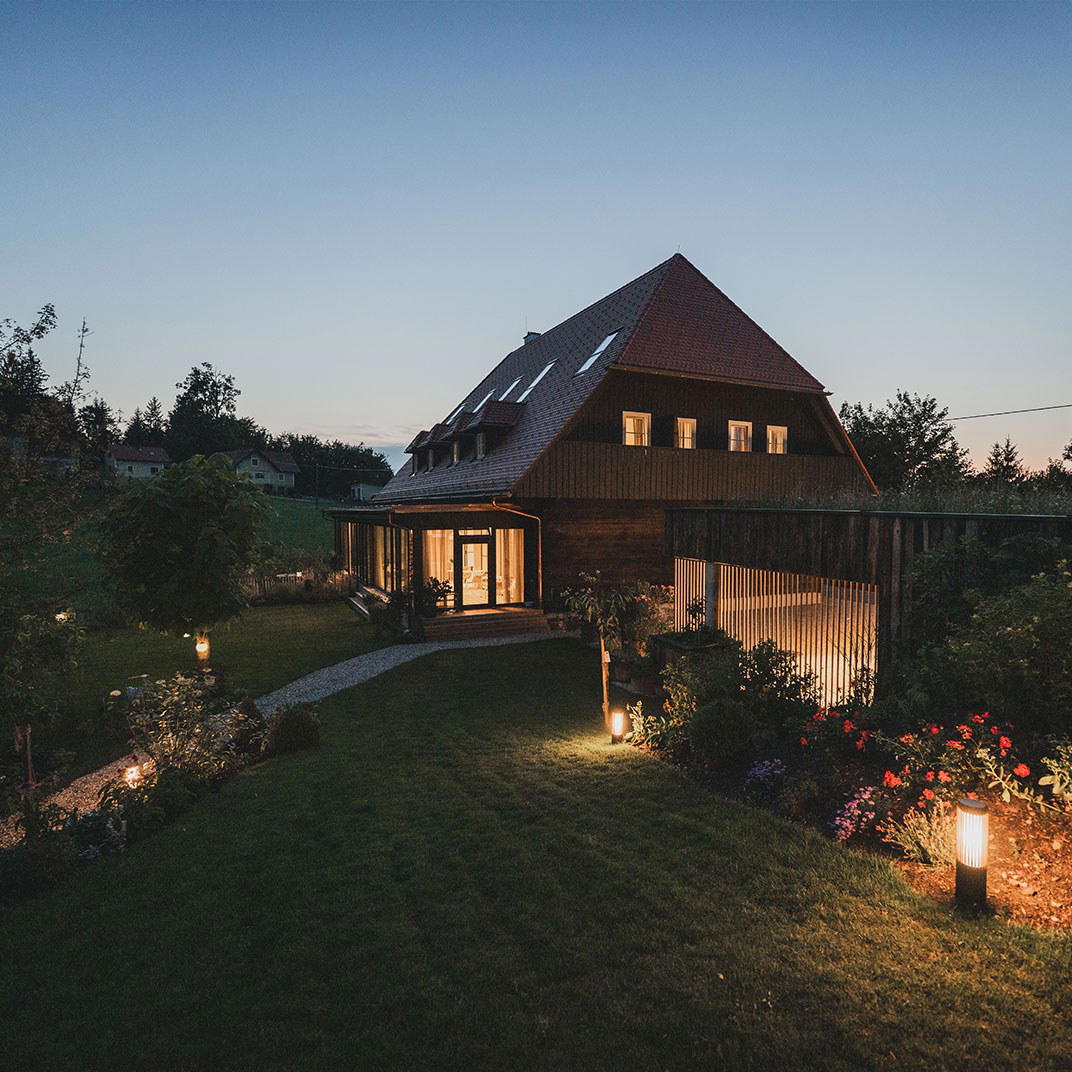
Southern Styria announces itself vertically: hills rise and fold, vineyards tilt hard against the slope, and wine can feel inseparable from that physical tension. In Leutschach, Weingut Werlitsch belongs to the quieter side of this landscape. The attraction is not a grand or polished hospitality setting, but a steep, hilly vineyard environment with a terroir-driven, mineral, and rustic natural-wine character.
One useful way to approach Weingut Werlitsch is to think less about spectacle and more about place. The picture is concise: a scenic, intimate, hidden-gem estate in Leutschach, shaped by southern Styria’s slopes and by an emphasis on purity and minerality. That gives the venue a clear identity even without relying on claims about specific grape varieties, cellar practices, awards, ownership, or visitor formats.
Steep vineyards and a mineral Styrian character
The defining impression here is the landscape. Weingut Werlitsch is associated with steep, hilly vineyards in southern Styria, where the terrain itself gives the experience much of its character. Rather than describing the estate through unsupported technical details, it is safer to read it through the essentials: rusticity, quietness, scenic surroundings, and a wine identity that leans toward natural-wine expression.
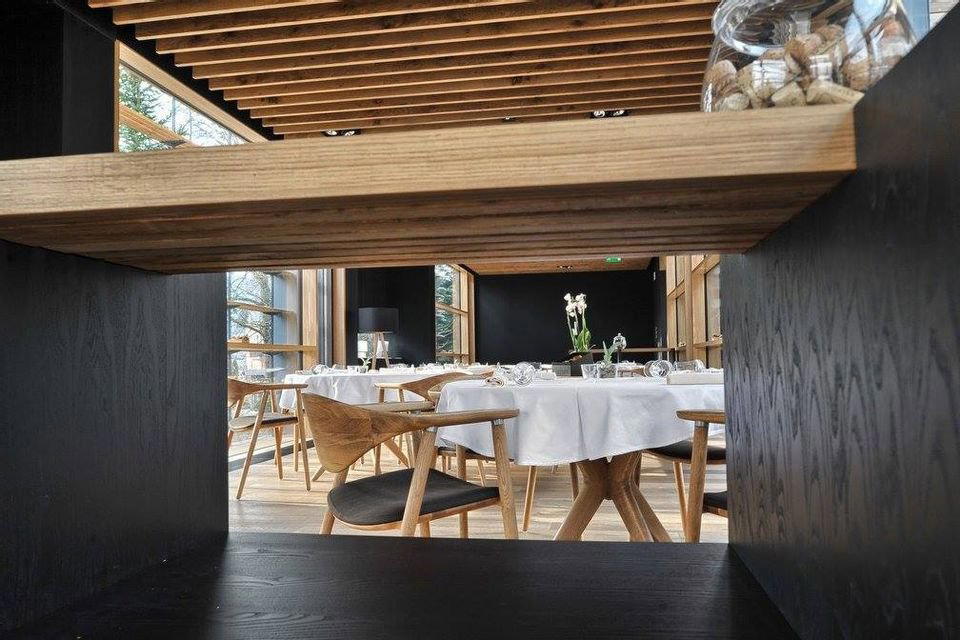
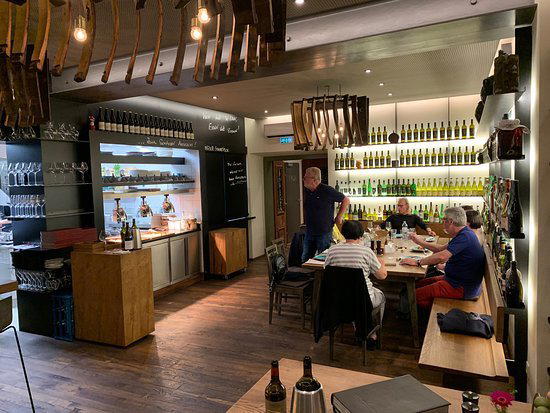
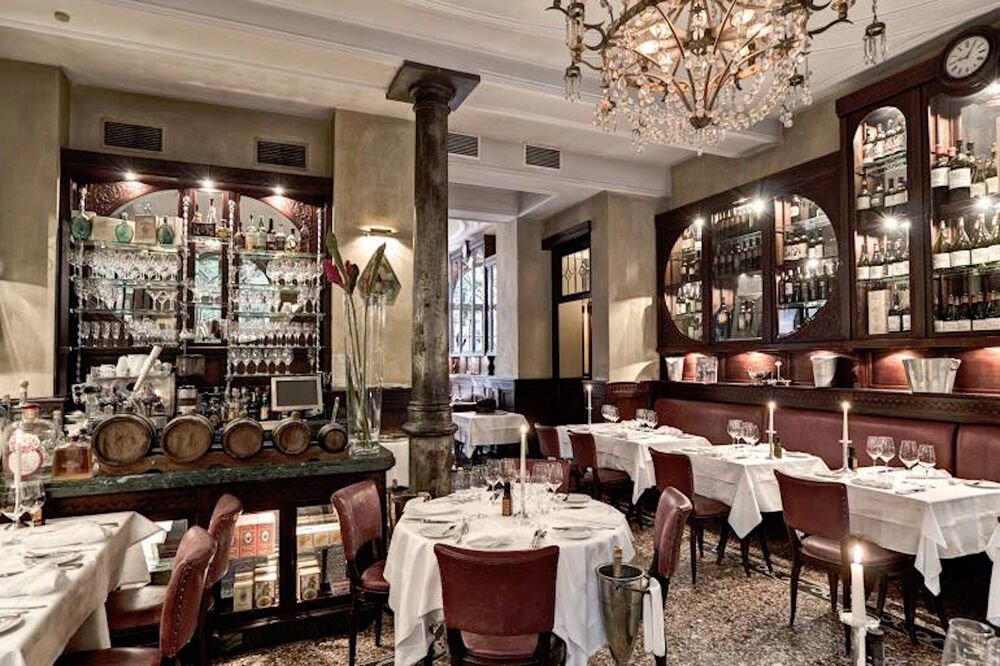
That does not mean the place should be treated casually. “Rustic” in this context is not a dismissal; it is the core of the appeal. The estate is presented as terroir-driven and mineral, with an emphasis on purity rather than polish. For travelers who prefer highly designed tasting rooms or a hospitality experience built around luxury cues, that distinction matters. The winery is better understood as a vineyard-led stop whose appeal rests on atmosphere, slope, and a grounded sense of place.
The price level is $$, which places it in a moderate bracket for planning purposes. Beyond that, specific bottle prices, tasting fees, menus, or service formats should not be assumed. The safest expectation is a wine-country experience in Leutschach where the main draw is the estate’s mineral, rustic natural-wine character and the scenic setting around it.
Purity rather than polish
The winery is best described through restraint. The estate’s profile emphasizes purity and minerality rather than a polished hospitality setting. That single contrast says a great deal. It suggests a venue where the sense of authenticity comes from the vineyards and the wine’s character, not from elaborate staging, a broad dining program, or a heavily accessorized visitor experience.
What is confirmed is the mood: quiet, scenic, rustic, intimate, and somewhat hidden-gem in feel. That makes the winery a fit for travelers who want a focused wine-country stop in Leutschach rather than a high-traffic hospitality destination. The language around the estate points toward natural wine, terroir, minerality, and a strong relationship to southern Styria’s hilly landscape.
How to read the visit
Approach the winery with simple expectations. The facts support a picture of a scenic winery setting in Leutschach, surrounded by steep southern Styrian vineyards and defined by a mineral, rustic natural-wine identity. They do not support detailed assumptions about hours, appointment requirements, seating, food pairings, tours, shipping, allocations, children’s policies, dog policies, or specific tasting structures.
That makes advance checking sensible. If timing, access, group size, food, dietary needs, or a particular tasting experience are important, confirm those details directly with the estate before going. The page’s strongest guidance is atmospheric rather than logistical: the winery is quiet, intimate, and vineyard-led, with a character that favors purity and minerality over polished presentation.
For travelers building a wider itinerary, other dining or wine-country options in Leutschach can be considered generically, but the winery should stand on its own terms. Its identity is not built on comparison. The reason to go is the combination of Leutschach location, steep southern Styrian vineyard scenery, rustic natural-wine character, and a clear emphasis on terroir-driven minerality.
Recognition history
Dated appearances from independent guides and award organizations, with the underlying list record or original source where available.
Falstaff Winery - Listed
Falstaff
Continue exploring
More in Leutschach
Wineries in Leutschach
Browse all →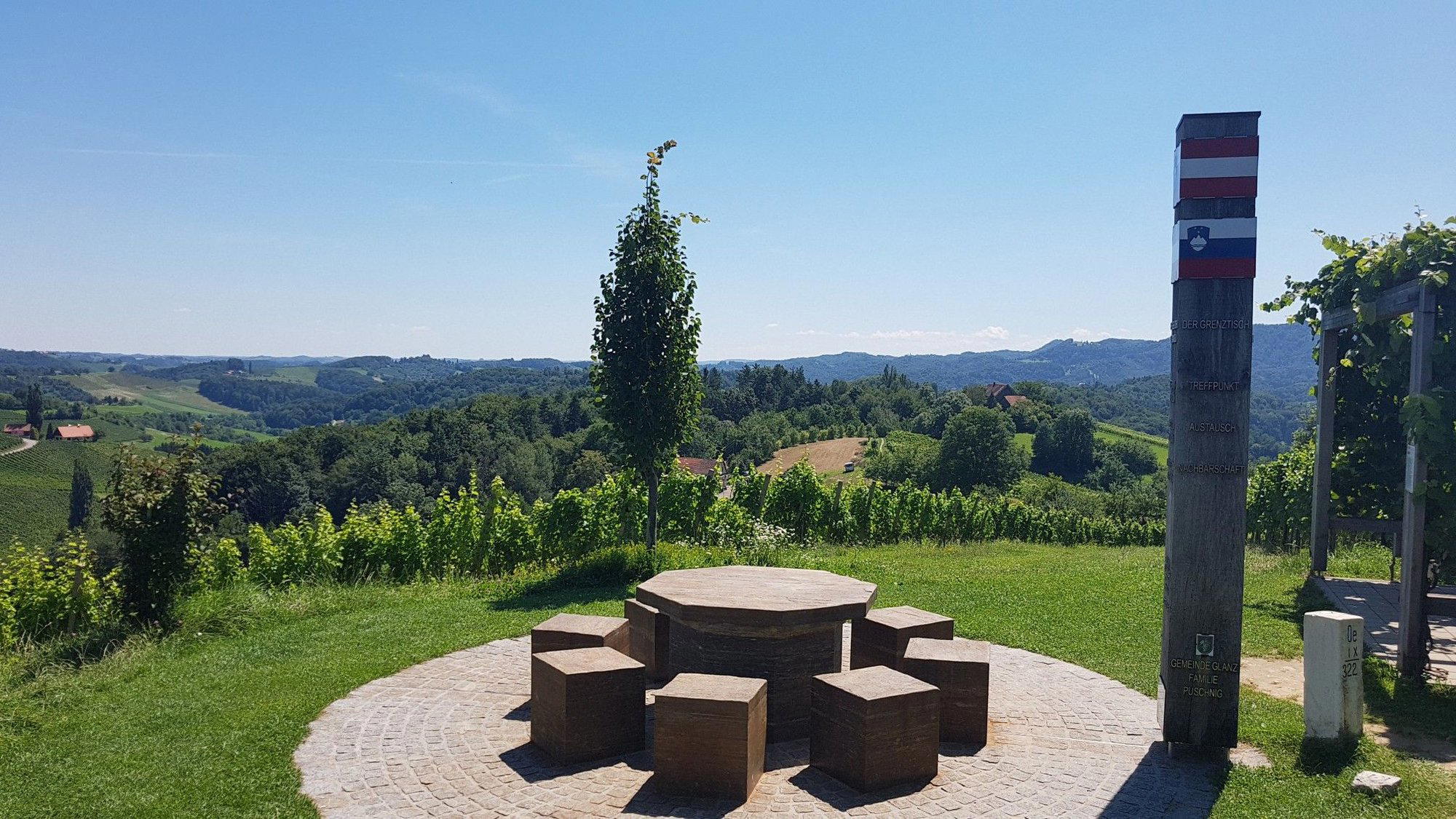
Bars in Leutschach
Browse all →
Restaurants in Leutschach
Browse all →
At a Glance
- Quiet
- Scenic
- Rustic
- Intimate
- Sophisticated
- Solo Exploration
- Wine Education
- Special Occasion
- Vineyard Tour
- Biodynamic
- Vineyard
- Mountain
- Südsteiermark
- Sauvignon Blanc
- Morillon (chardonnay)
- Welschriesling
- Muskateller
- Still White
- Skin Contact
- Sparkling
- By Appointment
Steep, hilly vineyards in southern Styria with a terroir-driven, mineral, and rustic natural-wine character; the estate emphasizes purity and minerality rather than a polished hospitality setting.