
Weingut Taubenschuss is a historic Poysdorf estate rooted in Weinviertel white-wine country, with origins dated to 1670 and a portfolio led by Grüner Veltliner, Pinot Blanc, Riesling, Chardonnay and Weißburgunder. Its appeal is less about spectacle than continuity: 22 hectares, family stewardship, organic farming practice, late bottling and a quiet estate setting in the Aspergerhaus.
Pearl is the En Primeur Club membership app — saves, bookings, and concierge access live there. Same editors, same standards.
- Address
- Poysdorf, Weinviertel, Lower Austria, Österreich
- Directions
- Get directions
 Saves & bookings on Pearl
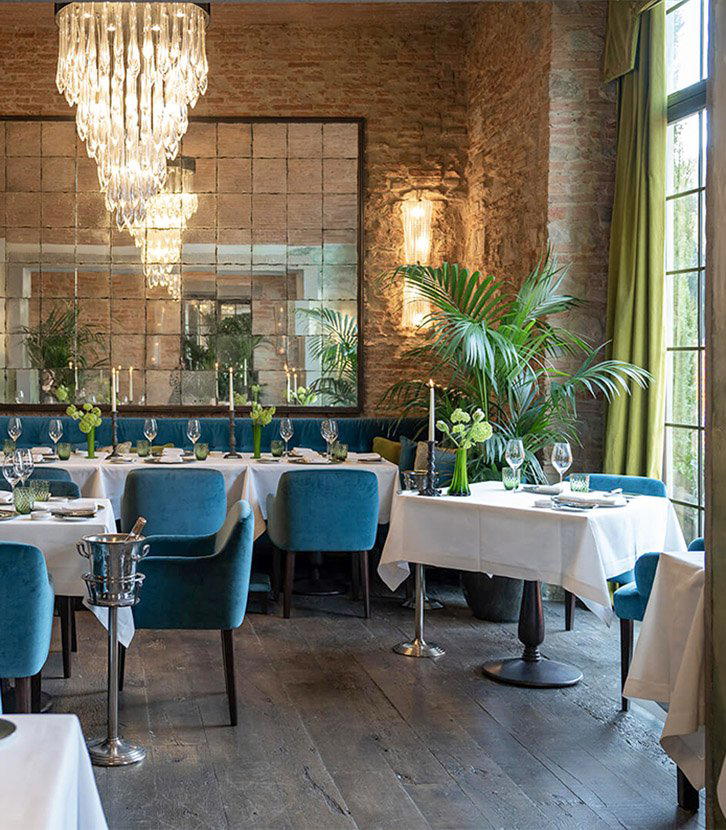
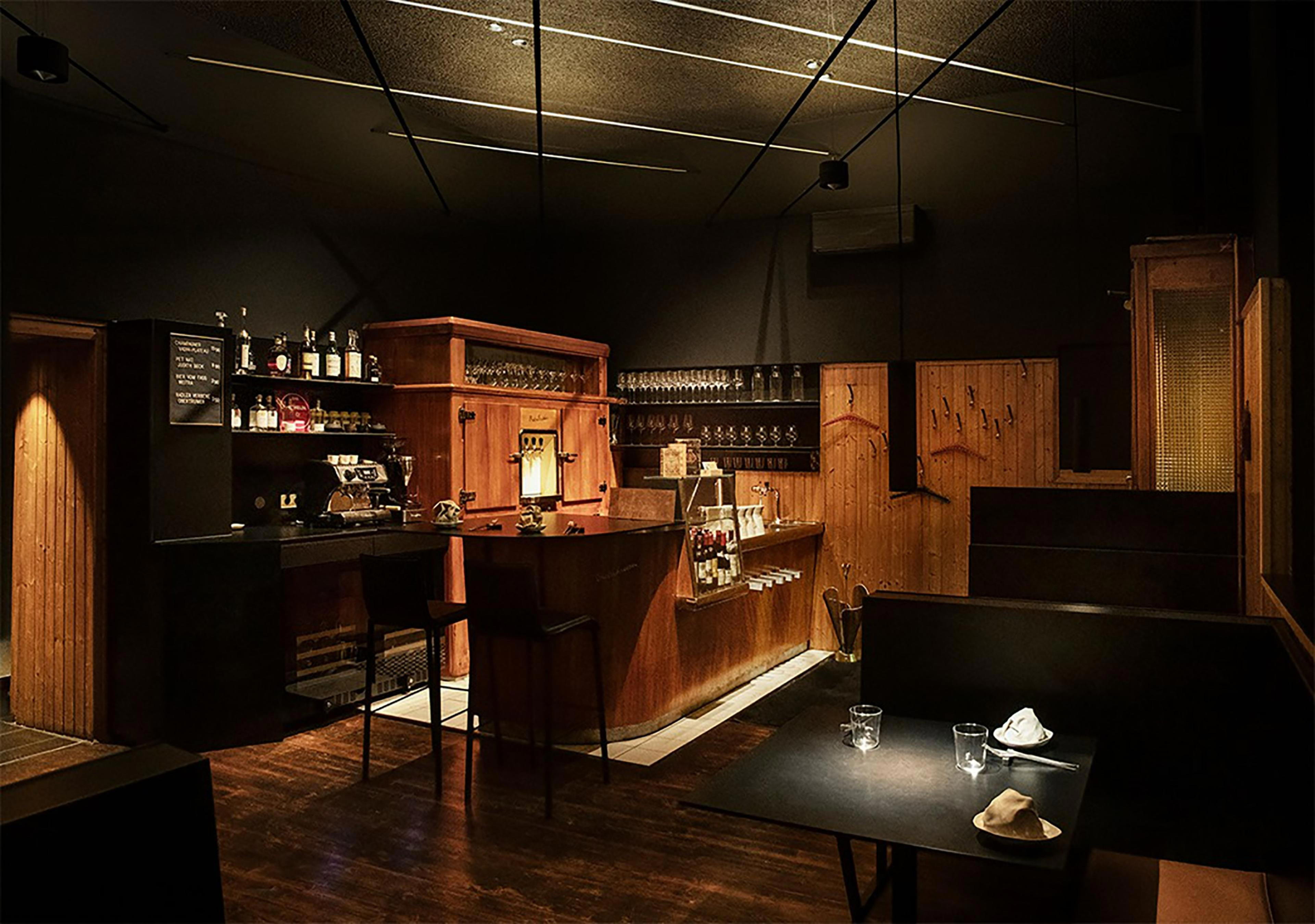
Approaching a traditional Poysdorf estate winery changes the tempo before a glass is poured: village scale, vineyard country, old masonry and a quieter register than Austria’s city tasting rooms. Weingut Taubenschuss fits that Weinviertel mood through the Aspergerhaus, a centuries-old setting that folds wine, family history and art installations into a calm cellar-door experience. The useful lens here is not luxury polish; it is how a long-working estate translates a white-wine region into a structured tasting.
Poysdorf sits in the northeastern Weinviertel, a corridor associated with dry, precise Austrian whites and especially Grüner Veltliner. The estate’s documented origin in 1670 gives it a lineage that predates modern branding by centuries, while the 1941 move by Anton Taubenschuss Sen. into bottling dry quality wines marks a shift toward estate identity rather than anonymous production. That matters in a region where the difference between a pleasant country tasting and a serious producer often lies in continuity, vineyard control and a clear hierarchy in the glass.
Grüner Veltliner carries the regional argument
The portfolio’s center of gravity is Grüner Veltliner, with named bottlings including Grüner Veltliner Poysdorf Weinviertel DAC, Grüner Veltliner Ried Neidharden Reserve and Grüner Veltliner MX Alte Reben Grosse Reserve. Read together, those labels sketch the estate’s range: regional DAC expression, vineyard-named reserve wine and an old-vine reserve tier. Pinot Blanc, Weißburgunder, Chardonnay and Riesling broaden the white-wine frame, but particularly coherent story is still Grüner Veltliner in ascending levels of site, maturity and concentration.
The vineyard base is 22 hectares, medium in scale for a family estate and large enough to support a tiered range without turning the visit into an industrial presentation. The farming language is concrete: no herbicides, insecticides or commercial fertilizers, with compost used for organic fertilization and sheep grazing integrated into vineyard management. In 2024, the estate’s organic transition reached its stated certification milestone, placing its agricultural identity closer to regulated practice than to loose sustainability language.
Cellar work is described through restraint rather than technical display: cautious cellar technology and late bottling after long maturation. Those details point toward wines released with more patience than the quick-turnover model common in casual tourist tasting rooms. For visitors who use winery stops to understand regional structure, the reserve and old-vine Grüner Veltliner labels are the clearest way to read how the estate separates everyday Weinviertel drinking from more age-minded bottlings.
A historic estate format, not a high-volume tasting machine
The room and rhythm matter because wine tourism in established European regions often splits between polished appointment-driven experiences and rustic cellar visits that trade on atmosphere without much explanation. This estate sits closer to the educational side of that divide. Guided tastings, tour-and-tasting formats, private tasting potential, vineyard-tour context and food pairing are all part of the visit profile, with a typical duration of 1.5 to 2 hours. That is enough time to move beyond a pour-and-purchase stop and into a discussion of farming, maturity and regional classification.
The art-in-the-winery element gives the Aspergerhaus another layer, though it should not distract from the main reason to go: Weinviertel white wine in a family-run context. Markus and Thomas Taubenschuss lead the current generation with Monika and Helmut involved, and Helmut und Markus Taubenschuss are named as winemaking figures. Their role is relevant because continuity shapes the estate’s credibility, but the better story is the regional one: a Poysdorf producer using inherited buildings, organic viticulture and a reserve-led Grüner Veltliner ladder to explain place.
There are no Michelin-style shortcuts in winery evaluation here, and no published award stack to lean on. The trust signal is historical and operational: 1670 origins, dry quality bottling from 1941, 22 hectares under vine, organic farming practice and a portfolio tied to Weinviertel DAC language. For a traveler, that is often more useful than a medal count. It tells you what kind of visit this is before the first appointment is made.
How to place it within a Poysdorf wine day
Weingut Taubenschuss is strongest as a stop for travelers who want terroir, farming and family continuity to carry the tasting rather than entertainment. The atmosphere is quiet and traditional, the dress code is casual, and reservations are recommended. Groups can work here, especially when the aim is wine education rather than a party format; children and dogs are not part of the stated fit. The price level sits in the moderate range, so the value question turns on whether the visitor wants a guided regional explanation rather than a quick glass at the counter.
A focused Poysdorf itinerary benefits from contrast. Readers mapping the town’s wine culture can cross-reference BIO-Weingut Valentin Oppenauer, Geniesserhof Haimer, Schodl Weine, Weinbau Johann Ebinger and Weingut Ebner-Ebenauer when building a broader route. For city planning around the cellar visit, use Our full Poysdorf restaurants guide, Our full Poysdorf hotels guide, Our full Poysdorf bars guide, Our full Poysdorf wineries guide and Our full Poysdorf experiences guide.
Austria-focused wine travelers often build wider routes across regions and styles, from »der Steiner« Hans Steiner in Podersdorf am See to ®walzer in Gneixendorf Bei Krems and 1516 Brewing Company Distillery in Vienna. For a deliberately broader international frame, compare the idea of estate identity against & Handwein in Mannheim and 00 Wines in Carlton. The point is not to flatten these places into equivalents, but to see how Poysdorf’s strength lies in regional whites, inherited cellar culture and agricultural specificity.
The verdict is clear: come for a measured Weinviertel tasting anchored by Grüner Veltliner, organic vineyard practice and a historic estate frame. Visitors seeking spectacle, late-night energy or trophy-award validation will find the wrong register. Visitors who care how a family property turns land, maturity and regional classification into wine will understand why this stop belongs on a serious Poysdorf itinerary.
Recognition history
Dated appearances from independent guides and award organizations, with the underlying list record or original source where available.
Falstaff Winery - 3 Stars
Falstaff
Continue exploring
More in Poysdorf
Wineries in Poysdorf
Browse all →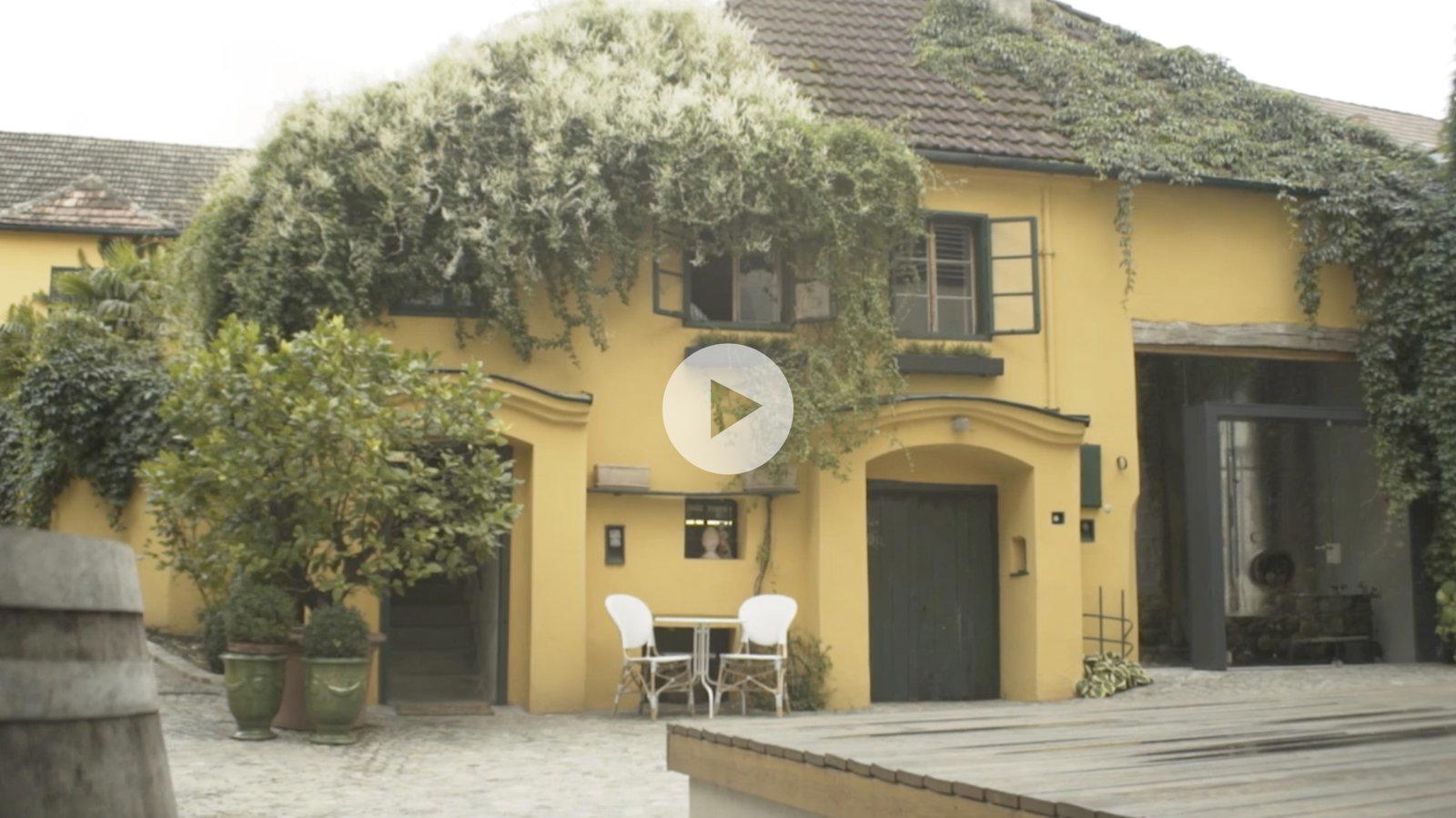
Bars in Poysdorf
Browse all →
Restaurants in Poysdorf
Browse all →
At a Glance
- Classic
- Quiet
- Rustic
- Scenic
- Group Outing
- Special Occasion
- Wine Education
- Solo Exploration
- Historic Building
- Design Destination
- Private Tasting
- Vineyard Tour
- Organic
- Sustainable
- Vineyard
- Weinviertel
- Grüner Veltliner
- Pinot Blanc
- Weißburgunder
- Chardonnay
- Riesling
- Still White
- Sparkling
- Guided Tasting
- Tour And Tasting
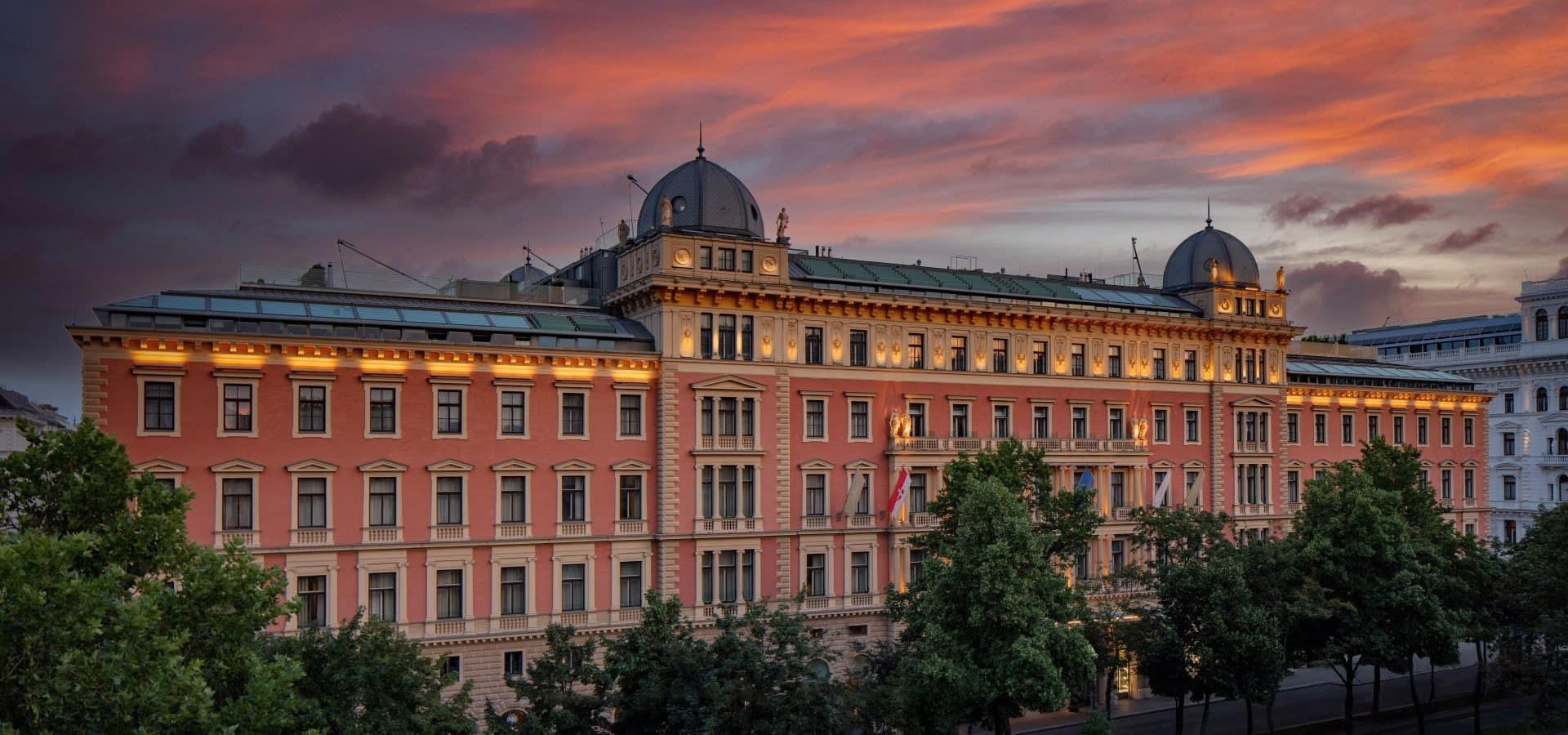
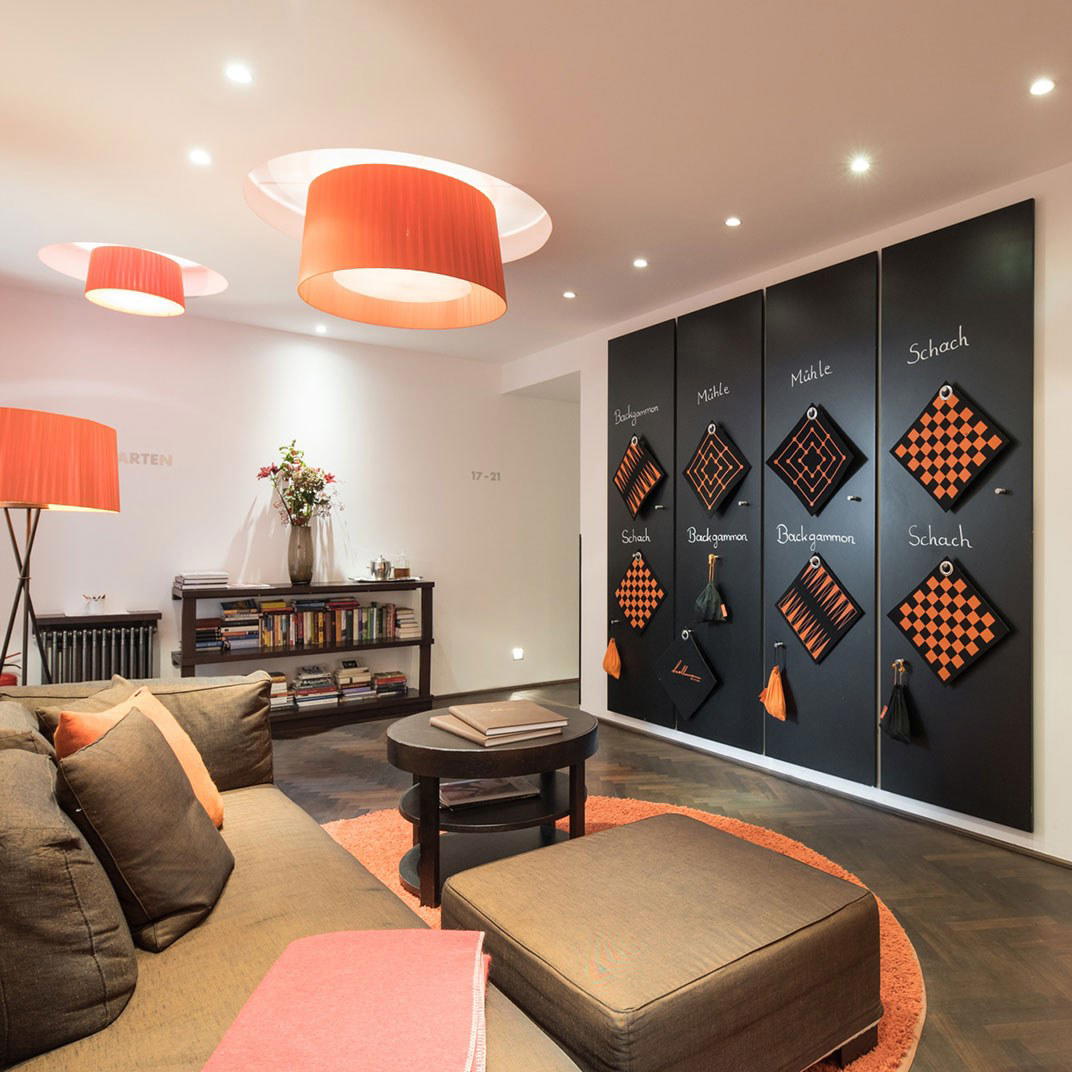
Historic winery setting with a centuries-old building, an art exhibition, and a calm, traditional estate atmosphere.