Weingut Sommer

Falstaff Winery - 3 Stars
Weingut Sommer is a Donnerskirchen winery shaped by Leithaberg’s slate-and-limestone soils, with Grüner Veltliner, Riesling, Chardonnay, Welschriesling, Sauvignon Blanc, and Blaufränkisch forming the core vocabulary. The strongest case here is terroir rather than spectacle: mineral whites, old-vine cues, guided tastings, and a family-run atmosphere with a quiet, cellar-focused rhythm.

Pearl is the En Primeur Club membership app, where members save venues, book tables and use the concierge.

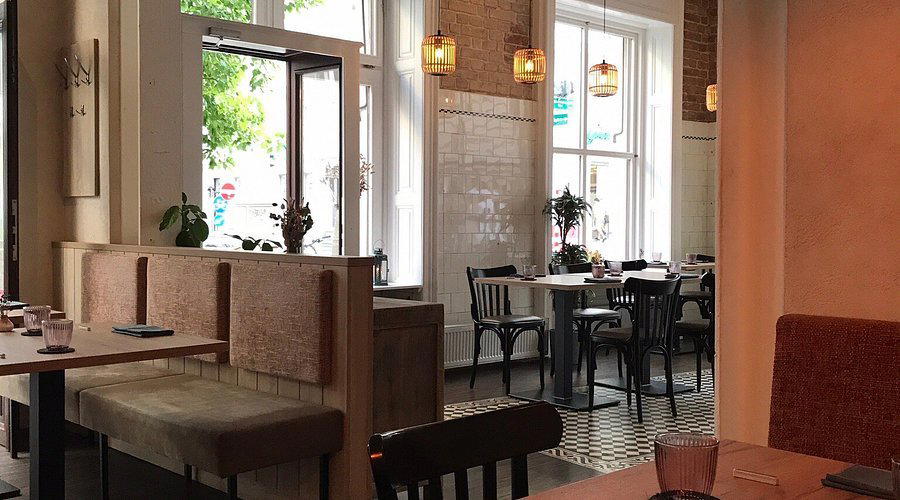
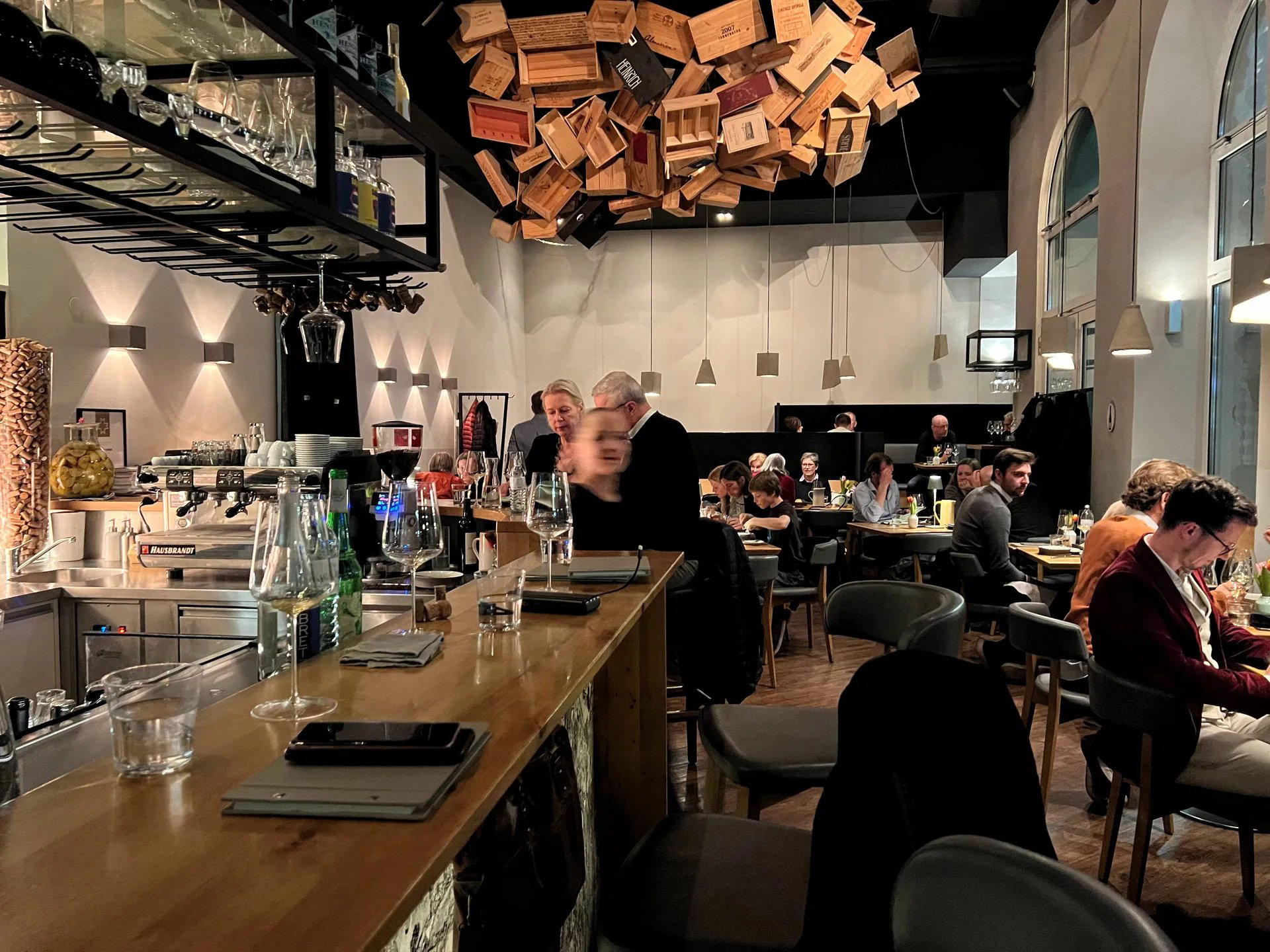
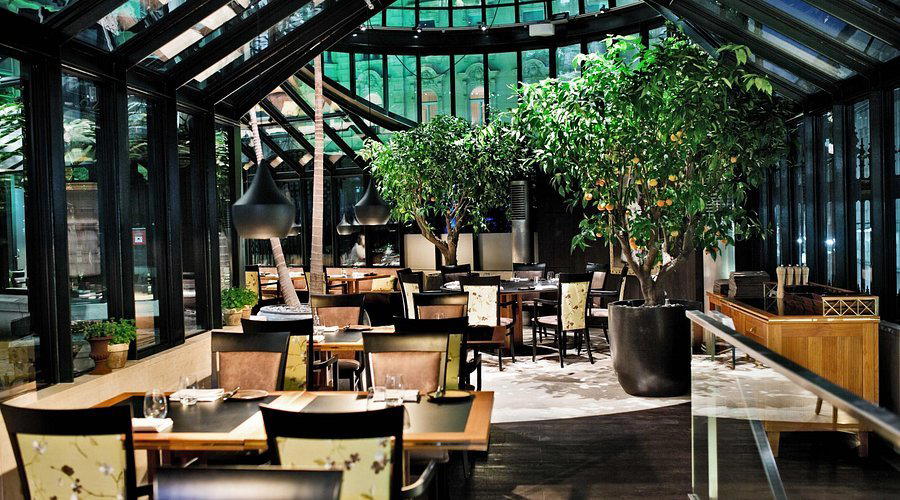
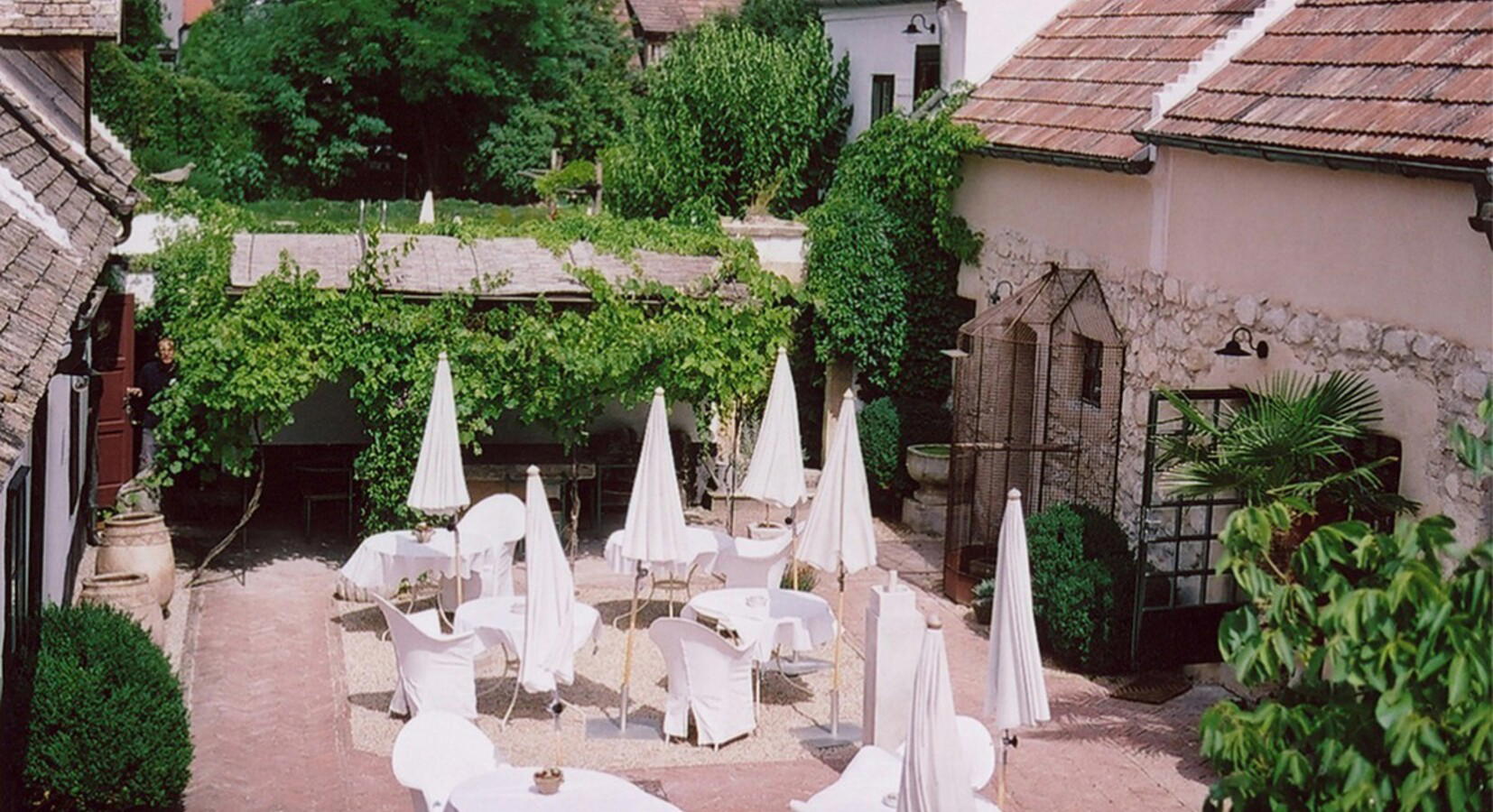
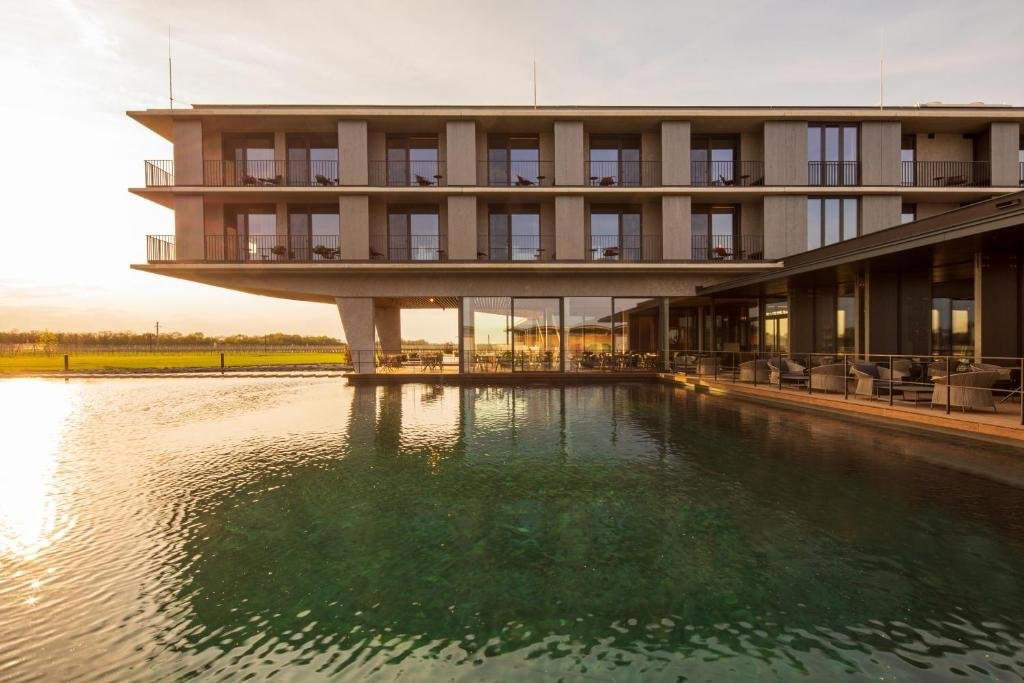
Weingut Sommer in Donnerskirchen is best approached as a traditional family winery rather than as a venue built around spectacle. The picture is deliberately restrained: a classic, scenic, quiet, rustic, and sophisticated setting with a strong focus on terroir, minerality, and low-intervention craftsmanship. Its presentation emphasizes purity, balance, and elegance, which gives the estate a clear identity even without relying on claims about specific wines, awards, visitor formats, or historic details.
For EP Club readers, the most useful way to frame Weingut Sommer is as a Donnerskirchen winery where atmosphere and philosophy matter.
Minerality is the organizing idea
The clearest theme at Weingut Sommer is minerality. That does not need to be overstated with unsupported soil maps, vineyard names, or technical claims. In practical terms, it tells visitors and collectors to expect a winery identity built around site expression and restraint rather than showy hospitality language. The brand presentation points toward purity, balance, and elegance, which are the safest editorial anchors for understanding the estate.
This makes Weingut Sommer a useful stop for people who like to think about wine through place, texture, and craft. What can be said is that the winery’s public identity is not framed around excess; it is framed around terroir, mineral character, and low-intervention craftsmanship.
That distinction matters for expectation-setting. A guest looking for a loud, entertainment-led wine experience may not find that mood reflected in the profile. A guest who enjoys quieter, more classic winery settings is more closely aligned with the available description. The atmosphere is rustic and scenic, but also sophisticated, suggesting a place where the appeal is in the conversation around wine and landscape rather than in a heavily produced visitor experience.
A family winery atmosphere, not a spectacle
The strongest confirmed hospitality cue is the traditional family winery atmosphere. That phrase is specific enough to be useful but not so specific that it invents services.
Because none of those operational details are confirmed in the ground truth, EP Club does not present them as facts. Visitors should confirm current arrangements directly before making plans. This is especially important for wineries, where the experience can vary by season, harvest timing, staffing, and private events. The reliable editorial point is not a particular format; it is the character of the venue as classic, quiet, rustic, scenic, and refined.
The low-intervention craftsmanship noted in the profile is also best treated as a guiding philosophy rather than a license to add production methods. It supports a reading of Weingut Sommer as a craft-focused winery, but it does not verify specific farming certifications, cellar techniques, grape varieties, named cuvées, or awards. The language that can safely remain is the language of restraint: terroir, minerality, purity, balance, and elegance.
How to place it in a Donnerskirchen wine day
In a Donnerskirchen itinerary, Weingut Sommer fits as a quieter, place-focused winery option. The price level is listed as $$, which gives a broad budget signal without implying exact tasting fees, bottle prices, or package costs. Since no hours or booking rules are here, the practical advice is simple: confirm directly before visiting and avoid assuming walk-in availability, food service, lunch service, or a particular tasting structure.
The best reason to include Weingut Sommer is its identity: a family winery in Donnerskirchen with a focus on terroir, minerality, and low-intervention craftsmanship. That makes it most relevant for travelers who value wine as an expression of place and who prefer a classic, scenic, quiet atmosphere over a more theatrical format.
For broader local planning, keep the rest of the day flexible and treat other dining in Donnerskirchen generically unless details are confirmed separately. The grounded comparison is therefore internal: Weingut Sommer should be judged on its own profile, not on unconfirmed claims about awards, historic dates, individual wines, or neighboring estates.
Recognition history
Dated appearances from independent guides and award organizations, with the underlying list record or original source where available.
Falstaff Winery - 3 Stars
Falstaff
Continue exploring
More in Donnerskirchen
Wineries in Donnerskirchen
All wineries in Donnerskirchen →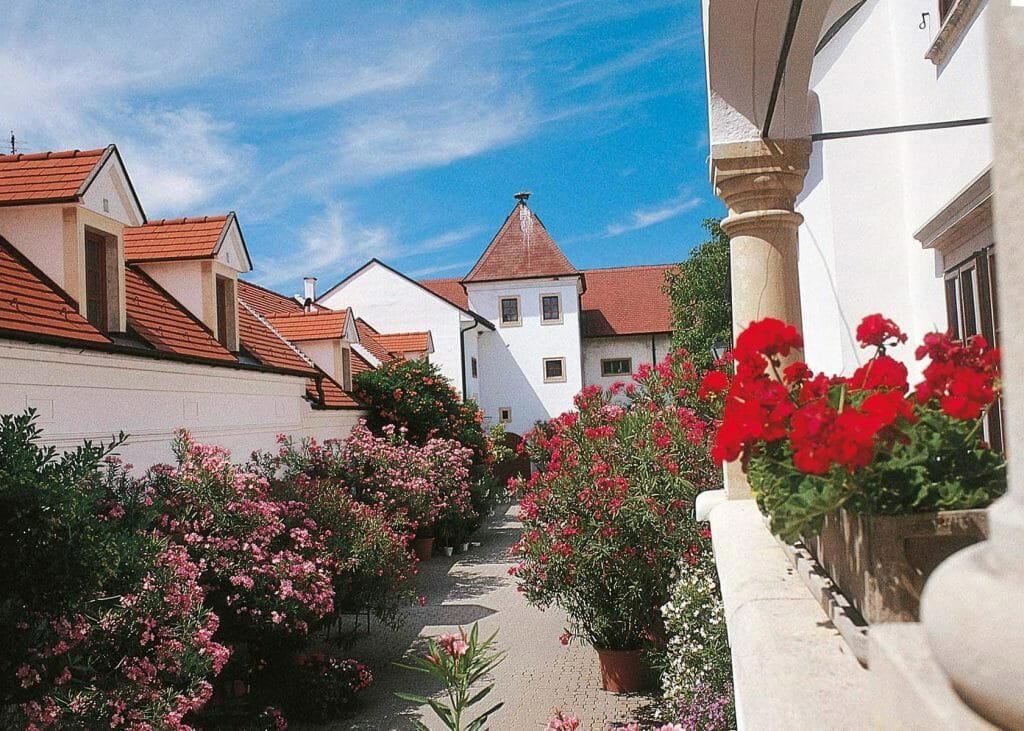
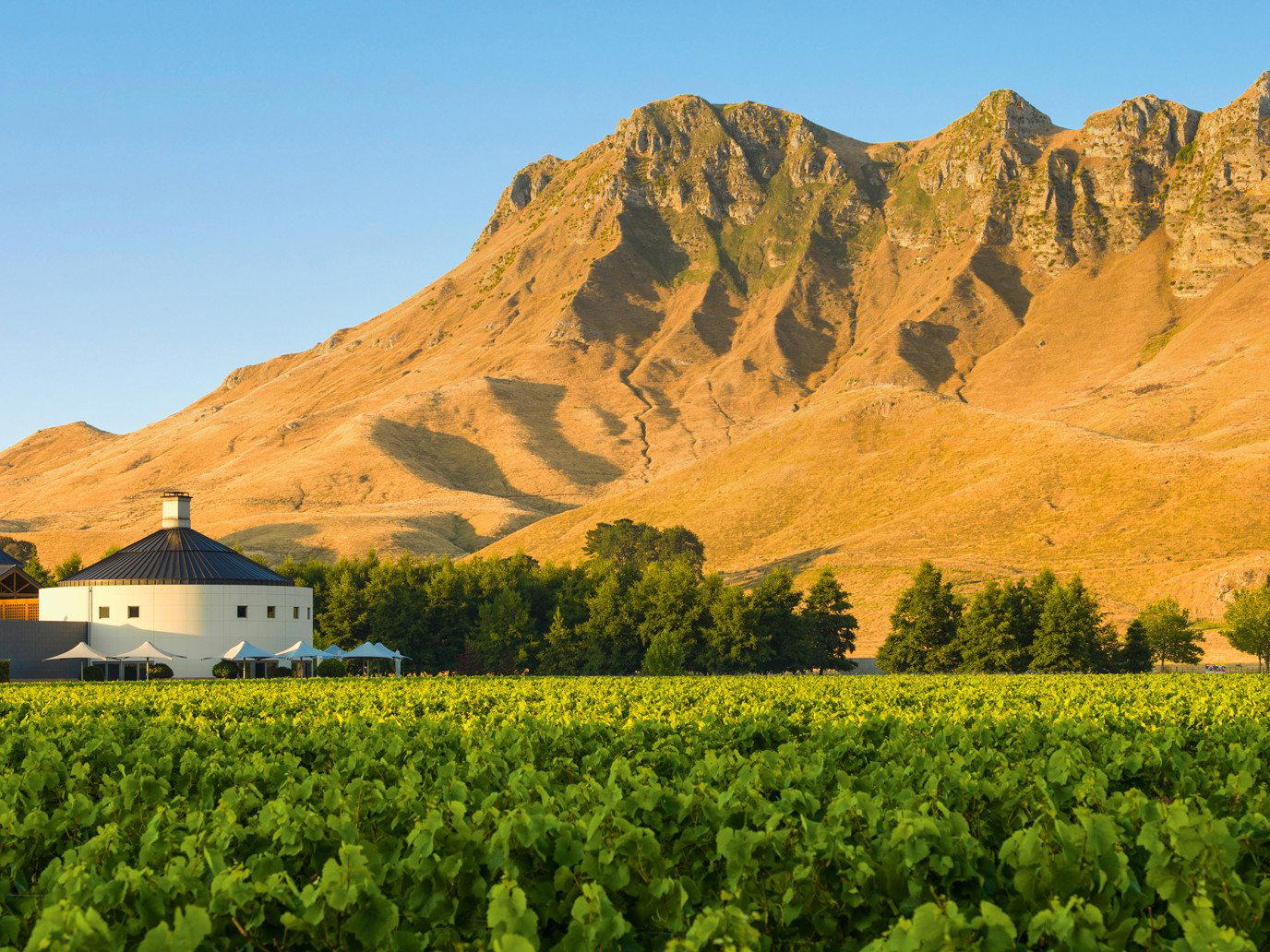
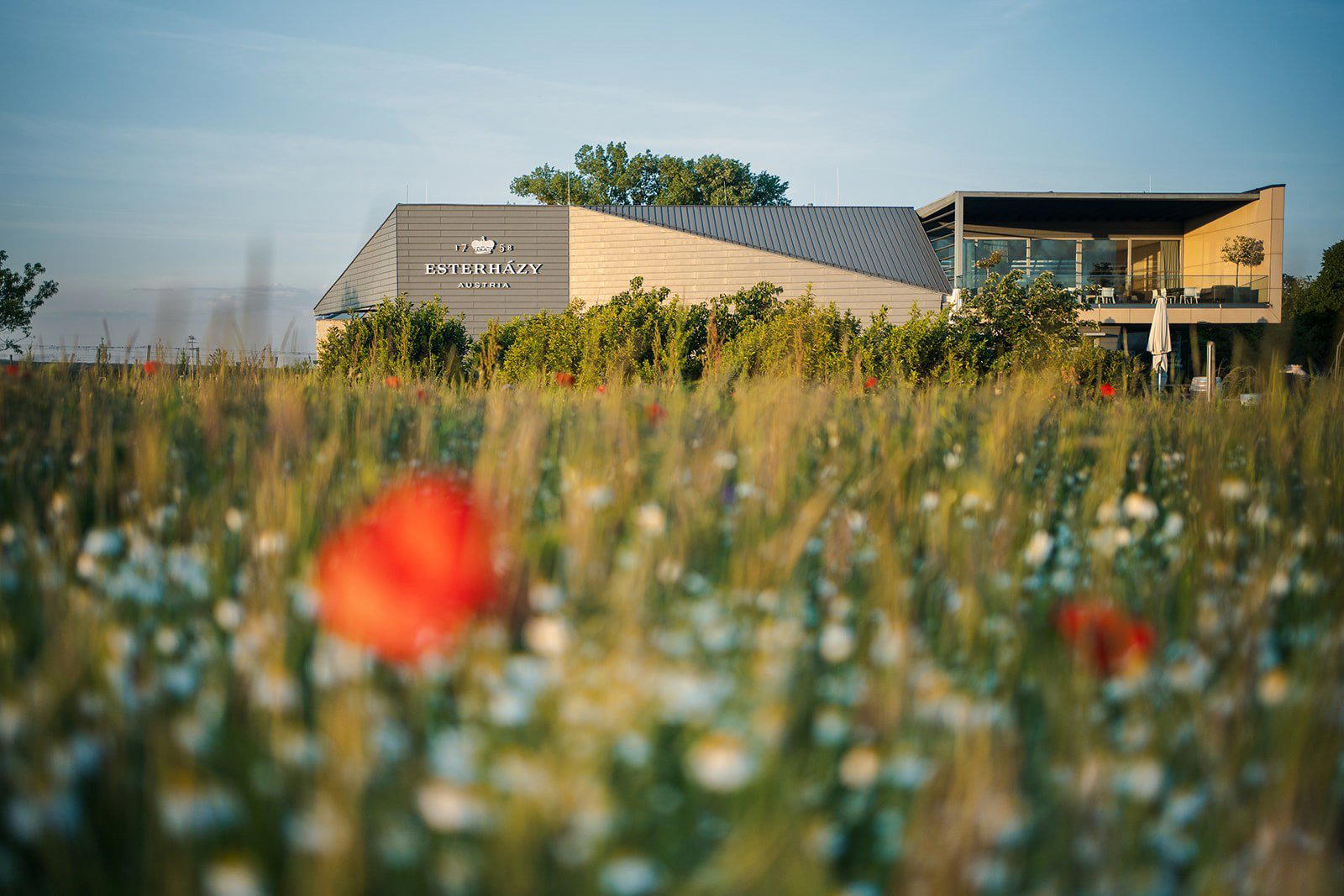
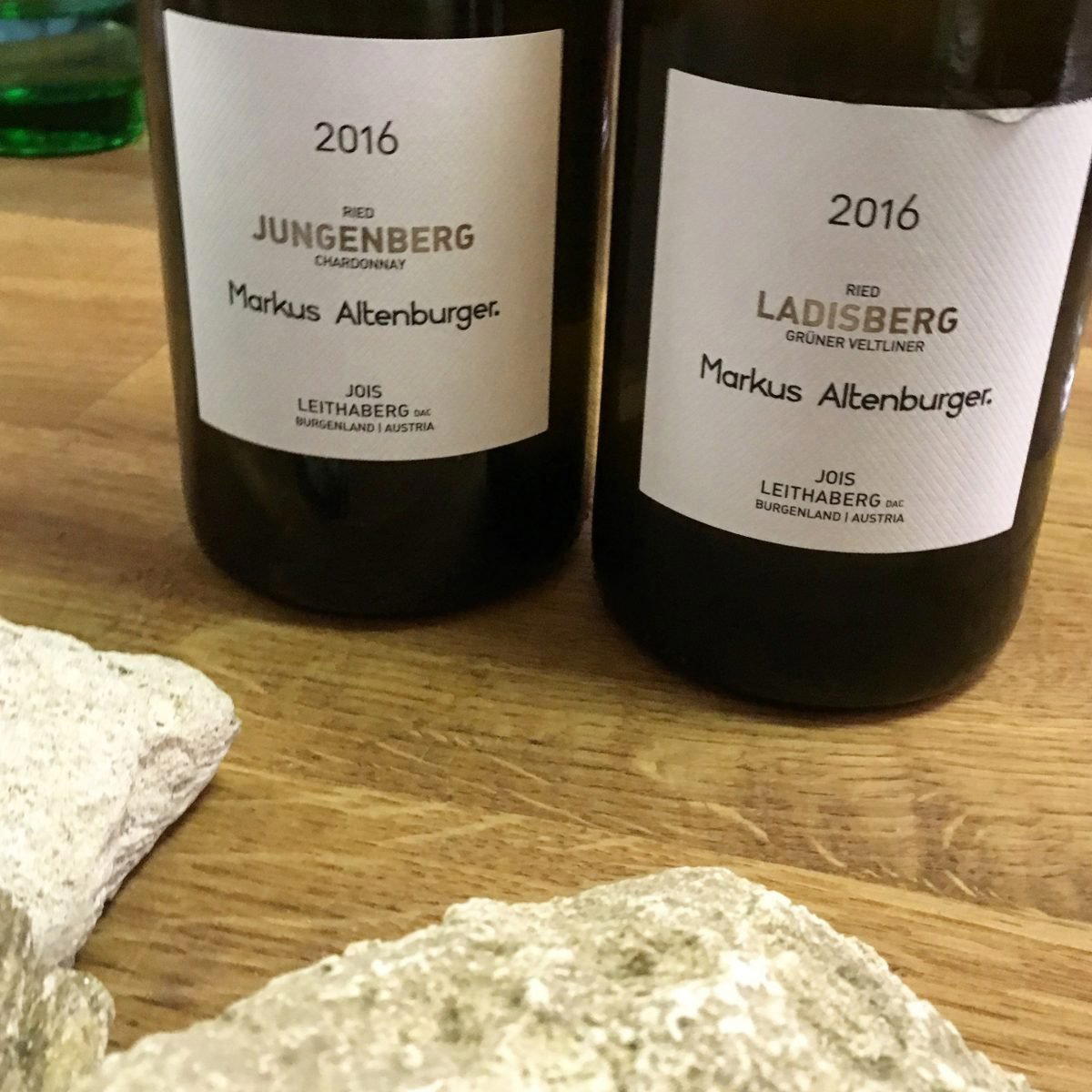
Bars in Donnerskirchen
Browse all →
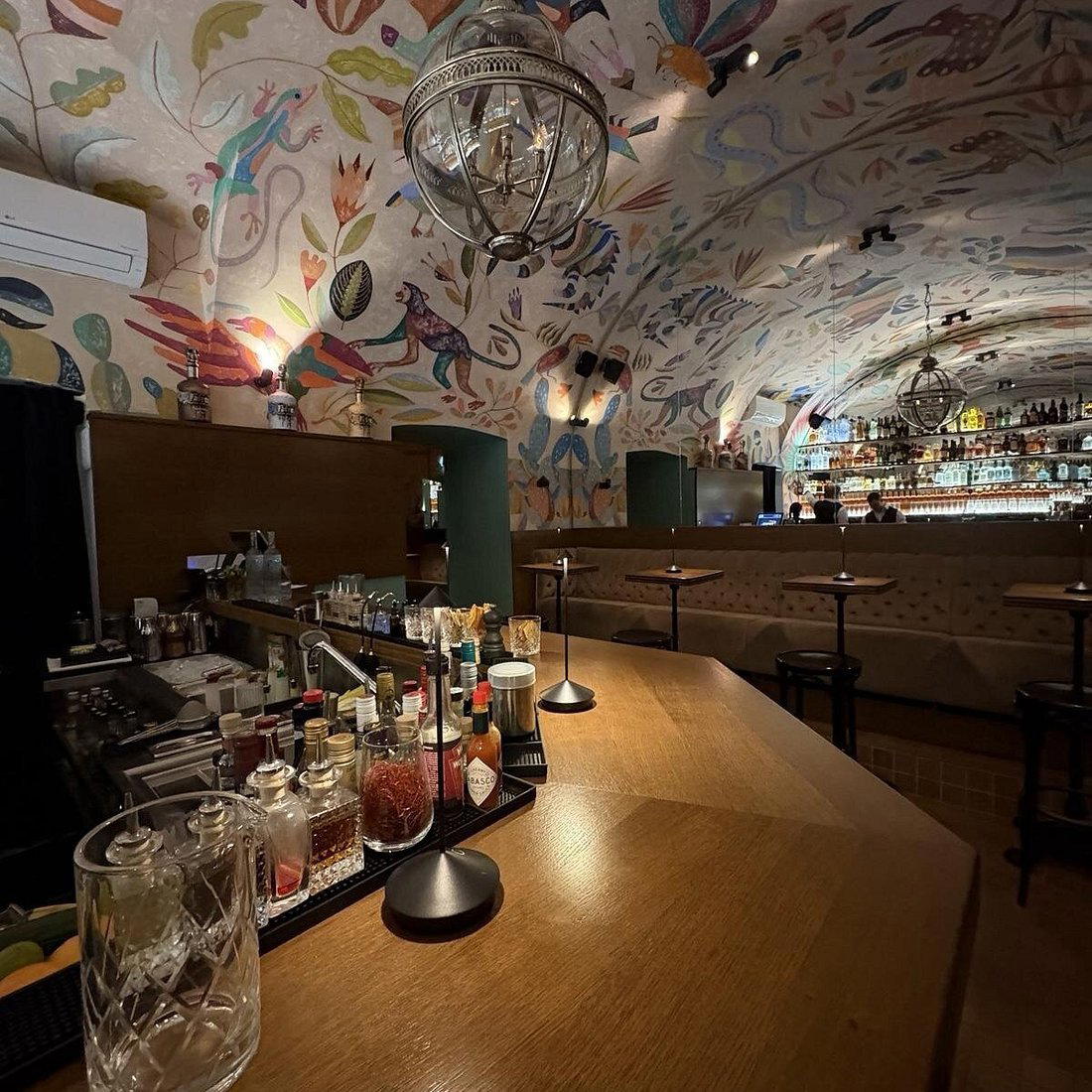
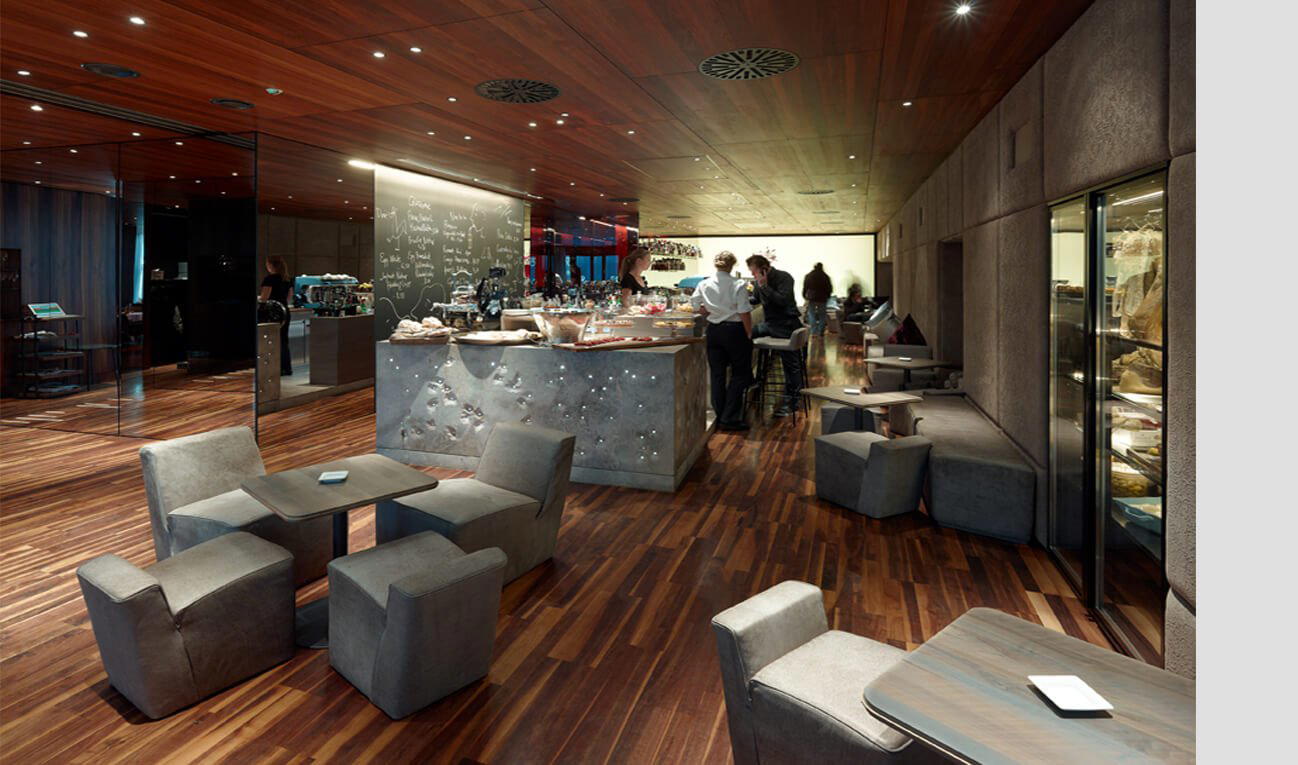
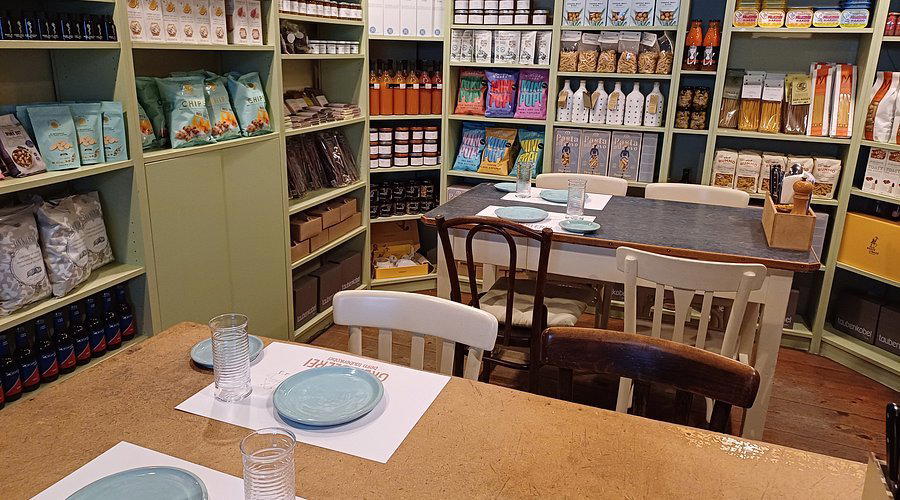
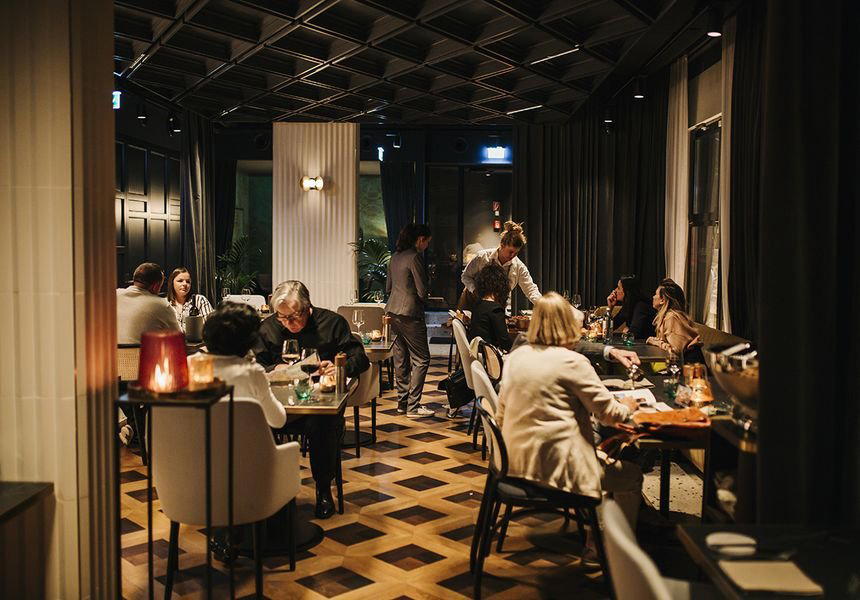
Details
- Classic
- Scenic
- Quiet
- Rustic
- Sophisticated
- Wine Education
- Group Outing
- Solo Exploration
- Special Occasion
- Estate Grounds
- Historic Building
- Private Tasting
- Organic
- Sustainable
- Vineyard
- Grüner Veltliner
- Welschriesling
- Riesling
- Chardonnay
- Sauvignon Blanc
- Blaufränkisch
- Still White
- Still Red
- Guided Tasting
- Bottle Purchase
- Cellar Tasting
Traditional family winery atmosphere with a strong focus on terroir, minerality, and low-intervention craftsmanship; the brand presentation emphasizes purity, balance, and elegance.