
Weingut Siegloch is a small family-run Württemberg estate in Winnenden, shaped by parcels around Winnenden and Cannstatt rather than a single-vineyard identity. The draw is its site-led range: Riesling, Weißburgunder, Muskateller, Müller-Thurgau, Sauvignon Blanc and Spätburgunder sit alongside blends and reserve bottlings that keep the focus on vineyard origin and vintage character.
Pearl is the En Primeur Club membership app — saves, bookings, and concierge access live there. Same editors, same standards.
- Address
- Winnenden, Württemberg, Baden-Wuerttemberg, Deutschland
 Saves & bookings on Pearl
Weingut Siegloch in Winnenden is best presented as a quiet, rustic and authenticity-driven wine venue rather than as a place defined by extras. The picture is deliberately modest: a family-run, artisanal feel, a cozy setting, and a focus on wines that express vineyard origin and vintage character. For readers planning around Winnenden, the appeal is less about spectacle and more about a low-key producer identity built around place, season and minimal cellar intervention.
Because the confirmed information is limited, it is important not to overstate the experience. What can be said with confidence is that Weingut Siegloch is positioned as a $$ venue in Winnenden with a natural, lively and grounded style. It reads as a hidden-gem option for visitors who prefer an understated setting and a sense of local character.
A Winnenden wine venue built around origin and restraint
The strongest theme at Weingut Siegloch is expression of origin. The estate emphasizes vineyard character and vintage character, with minimal cellar intervention. That does not prove a specific wine list, grape program or production method beyond those general principles, but it does define the editorial frame: this is a place to understand through restraint, locality and the idea that wines should carry the marks of where and when they were made.
The atmosphere matters as much as the technical language. The venue is described as rustic, cozy and quiet, with a family-run, artisanal feel. Those descriptors suggest a setting that is personal rather than polished in a luxury sense. It should not be framed as a large hospitality operation or a restaurant-style destination unless those details are confirmed elsewhere. On the record, its appeal is in being natural, lively and authenticity-driven.
For EP Club readers, that makes the winery useful as a focused Winnenden entry: a wine venue whose personality is grounded in place rather than in a long list of amenities. The price level is listed as $$, which gives a broad planning signal without implying specific bottle, tasting or menu costs. Visitors should confirm practical details directly before making plans, especially anything related to hours, booking, accessibility, payment, food, groups or purchases.
The bottles make the case through place, not spectacle
The description does not support naming individual wines, vintages, grape varieties, scores or prices. Rather than inventing that detail, the better way to describe the winery is through its stated philosophy: natural, lively wines that aim to express vineyard origin and vintage character. That is a meaningful position even without a published, bottle-by-bottle breakdown.
Minimal cellar intervention is the other confirmed anchor. In practical editorial terms, this means the venue should be understood as part of a more artisanal, origin-led wine conversation, not as a brand defined by luxury service, elaborate food pairings or award-driven prestige. The language points toward wines where the maker’s role is framed as supportive rather than dominating, while the vineyard and the year remain central.
That focus also helps set expectations. It is best described more simply: a Winnenden wine estate with a rustic, quiet, hidden-gem feel and a clear emphasis on authenticity.
How to place it within a Winnenden wine day
For a Winnenden itinerary, the winery works well as a calm, wine-focused stop for visitors interested in origin, vintage and a family-run atmosphere. The confirmed profile is compact and understated: $$ pricing, cozy rustic character and an artisanal approach. That is enough to make it relevant for travelers who prefer local texture over a highly produced hospitality experience.
Do not assume lunch, dinner, walk-in tastings, reservations, parking, outdoor seating, child-friendly facilities, dog policies, delivery, takeout, allergy accommodations or card payment unless confirmed directly by the venue. The safest expectation is a quiet Winnenden wine setting with a focus on vineyard and vintage expression.
When comparing options, keep the frame local and general. Other dining or drinking choices in Winnenden may suit different parts of the day, but the winery should be evaluated on its own terms: a natural, lively, authenticity-driven wine venue with a family-run feel. Its strongest identity is not a specific accolade or menu format, but the combination of place, restraint and rustic calm.
Recognition history
Dated appearances from independent guides and award organizations, with the underlying list record or original source where available.
Falstaff Winery - 3 Stars
Falstaff
Continue exploring
More in Winnenden
Wineries in Winnenden
Browse all →Restaurants in Winnenden
Browse all →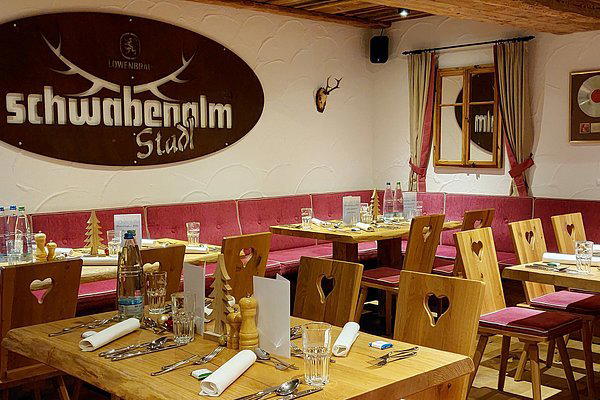
At a Glance
- Rustic
- Cozy
- Quiet
- Group Outing
- Wine Education
- Solo Exploration
- Private Tasting
- Design Destination
- Sustainable
- Street Scene
- Württemberg
- Riesling
- Weißburgunder
- Muskateller
- Müller Thurgau
- Sauvignon Blanc
- Spätburgunder
- Still White
- Still Red
- Sparkling
- Guided Tasting
- Walk In Tasting
Natural, lively, and authenticity-driven, with a clear focus on expressing vineyard origin and vintage character; the estate emphasizes minimal cellar intervention and a family-run, artisanal feel.