Weingut Oppelmayer

Falstaff Winery - 2 Stars
Weingut Oppelmayer is a family-run Carnuntum estate in Göttlesbrunn with roots traced to 1638 and 11 generations of continuity. Its 12 hectares support a broad Austrian portfolio, from Grüner Veltliner and Sauvignon Blanc to Zweigelt, Pinot Noir, Cabernet Sauvignon and Merlot, with Carnuntum DAC and 1ÖTW first-lage bottlings giving the range a clear regional spine.

Pearl is the En Primeur Club membership app, where members save venues, book tables and use the concierge.

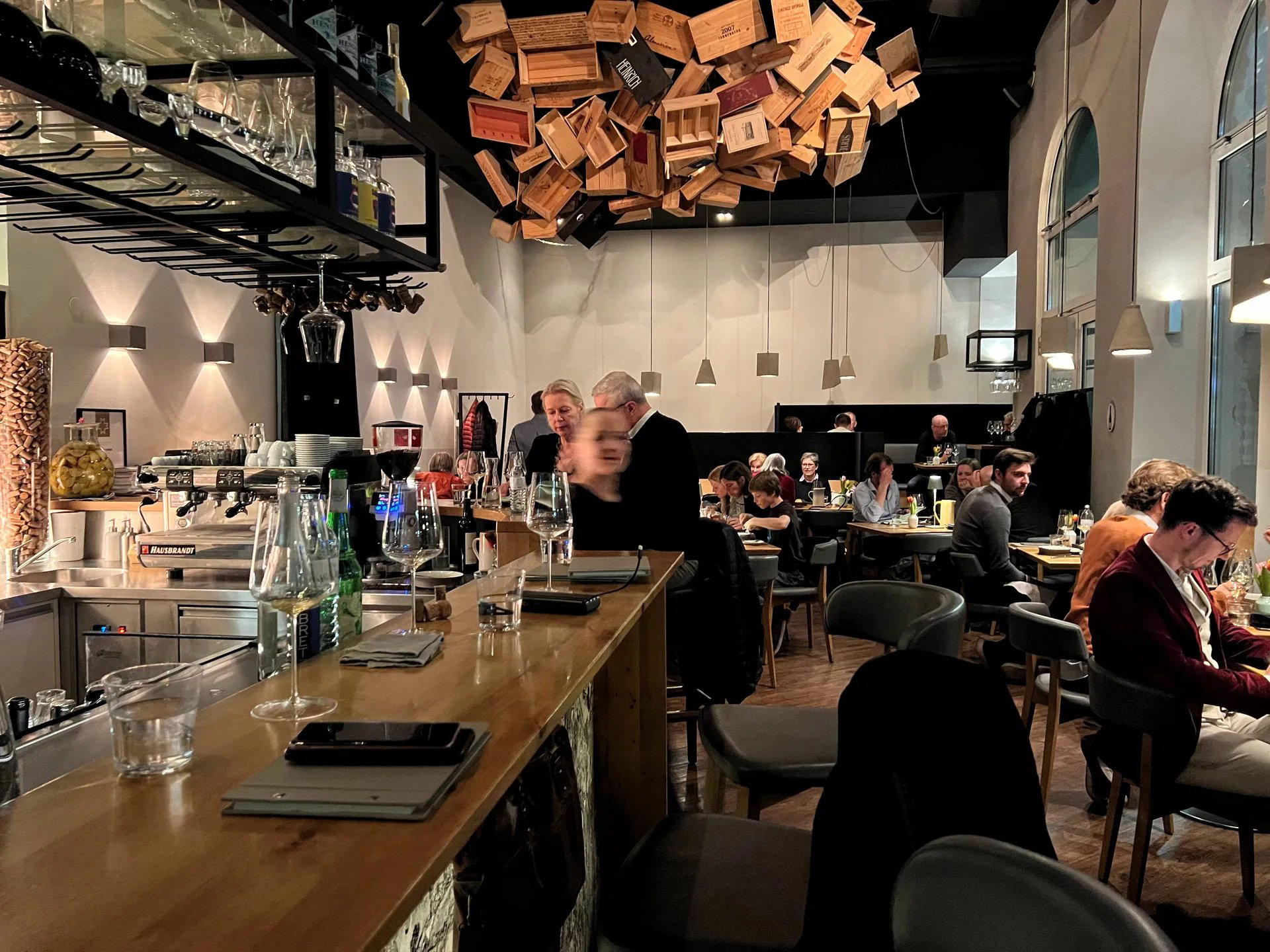
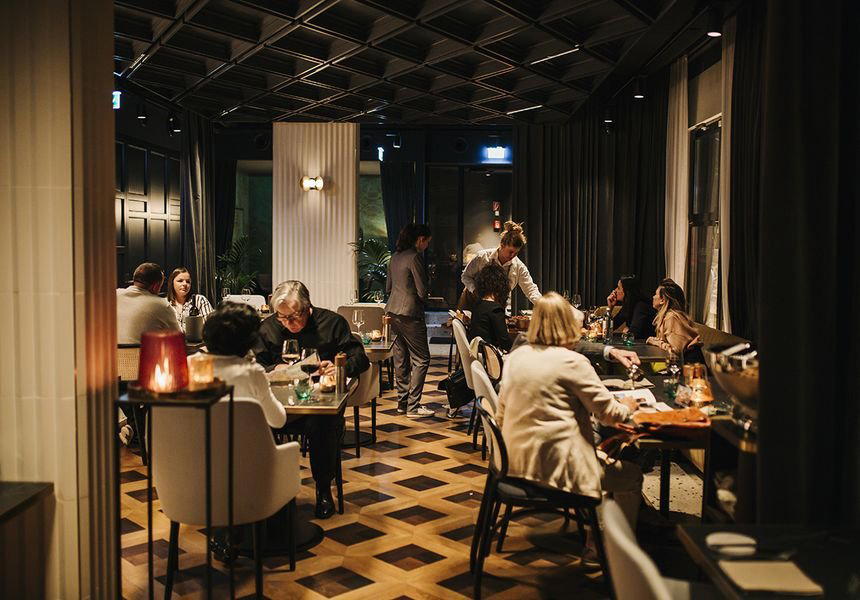
Weingut Oppelmayer is best presented with restraint: the picture is of a family winery in Göttlesbrunn with a traditional, rustic and cozy atmosphere, a strong sense of individuality, and a hidden-gem quality rather than a heavily documented public profile. The reliable information supports the mood and positioning of the venue, but not a detailed account of vineyard size, grape varieties, awards, opening formats, service rules, historic dates, prices by bottle, or specific tasting arrangements.
What can be said clearly is that Weingut Oppelmayer belongs in the category of a personal family winery rather than a polished, anonymous venue. Its character is described through a classic and rustic setting, with a traditional family-winery feel and a strong individual signature. The most distinctive detail is visual: the labels feature watercolors painted by the winemaker. That gives the winery a personal, nature-inspired identity and helps explain why the atmosphere reads as intimate and individual rather than corporate.
Where the character shows: family atmosphere, individuality and a rustic setting
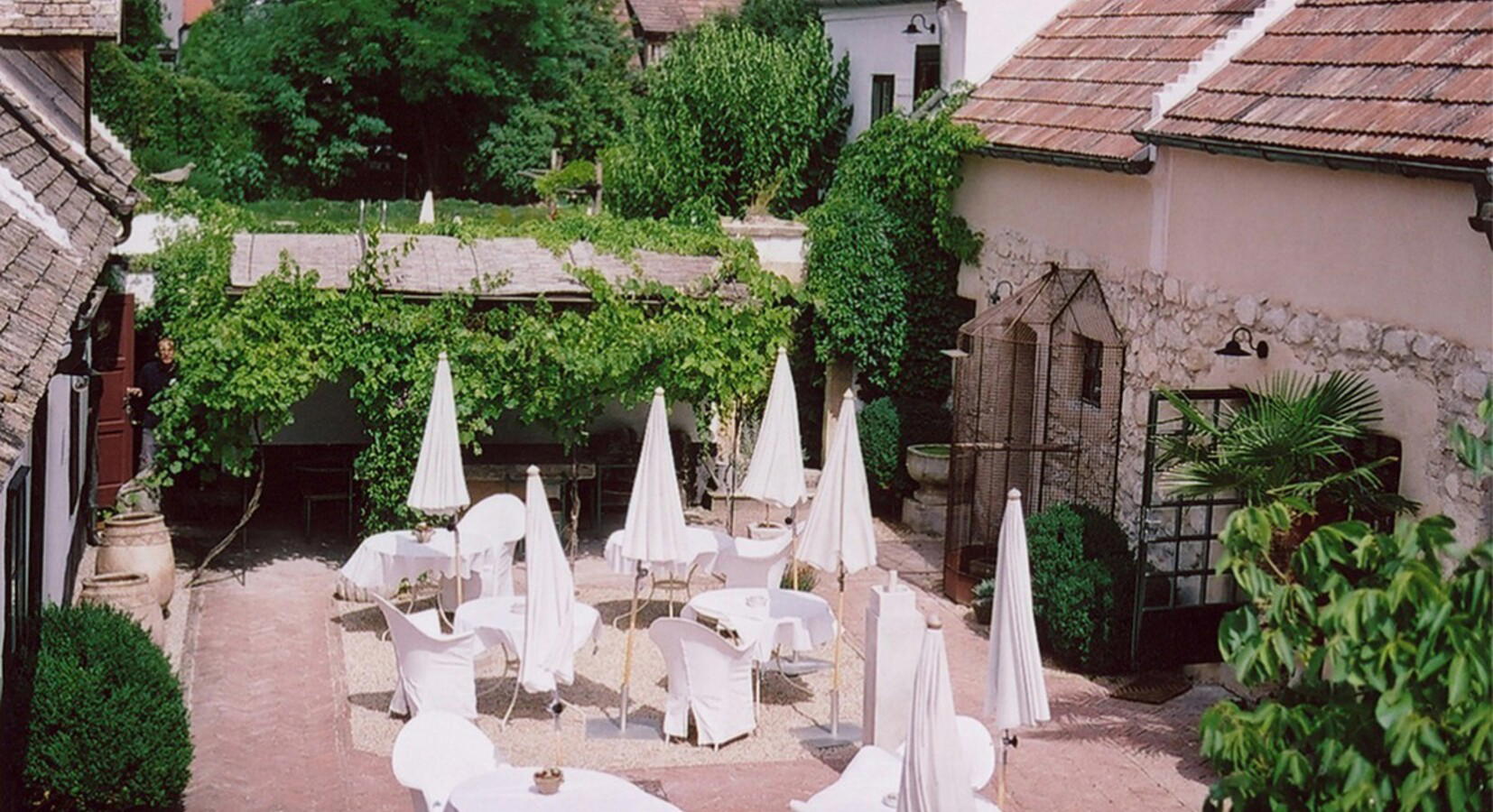
The strongest grounded reason to pay attention to Weingut Oppelmayer is not a ranked score, a famous dish, a specific bottle, or an award claim. It is the venue’s tone. The guide data points to a classic, rustic and cozy setting, with the feel of a traditional family winery. That is a useful expectation to set for visitors: this is not framed here as a spectacle-driven destination, but as a place whose appeal rests on personality and local atmosphere.
The watercolor labels are central to that impression. Because they are painted by the winemaker, they make the bottles feel connected to the person behind the winery rather than to a generic branding template. The result is a personal, nature-inspired character that reinforces the hidden-gem mood. In a guide context, that is the detail worth preserving: it is specific, and meaningful without requiring unsupported claims about production methods, vineyard holdings or awards.
The safe reading is simple: Weingut Oppelmayer is not presented as an ultra-luxury venue, but neither should a reader infer a precise spend without checking directly.
Heritage here is practical, not decorative
Many winery profiles are tempted to lean on long chronologies, named vineyard sites, awards, grape lists and production numbers. For Weingut Oppelmayer, those details are not part of the record supplied so they should not be used as hooks. The better editorial approach is to let the confirmed identity carry the page: a traditional family-winery atmosphere, a rustic and cozy setting, and an individual visual language shaped by the winemaker’s watercolor labels.
That narrower description is still useful. It tells readers what kind of mood to expect and what kind of venue language fits. Weingut Oppelmayer sounds most appropriate for people who value personality, local character and an unshowy setting. The hidden-gem descriptor should be read as an atmospheric cue, not as proof of exclusivity, difficulty of booking, limited seating or insider-only access. None of those operational details are here.
The same caution applies to food, service and visit planning. If those details matter, they need to be confirmed directly with the winery.
How to place it in a Göttlesbrunn wine itinerary
For a Göttlesbrunn itinerary, place Weingut Oppelmayer as a character-led stop rather than a data-heavy destination. It is the kind of listing to consider when the goal is a traditional family-winery setting with a personal artistic signature. The label artwork gives the venue a memorable point of difference, while the rustic and cozy descriptors suggest a less formal mood than a highly staged visitor experience.
Confirm current arrangements directly before building a route around the visit. If comparing it with other dining or wine options in Göttlesbrunn, keep the comparison broad: Weingut Oppelmayer stands out here for its family-winery atmosphere, $$ price marker and personal watercolor-label identity.
In short, Weingut Oppelmayer is best described honestly and simply. It is a Göttlesbrunn family winery with a traditional, rustic and cozy feel, a hidden-gem character, and labels featuring watercolors painted by the winemaker. Those details are enough to give the venue a distinct editorial identity without adding unsupported claims about awards, history, production, menus or service format.
Recognition history
Dated appearances from independent guides and award organizations, with the underlying list record or original source where available.
Falstaff Winery - 2 Stars
Falstaff
Continue exploring
More in Göttlesbrunn
Wineries in Göttlesbrunn
All wineries in Göttlesbrunn →
Bars in Göttlesbrunn
Browse all →
Restaurants in Göttlesbrunn
Browse all →

Details
- Classic
- Rustic
- Cozy
- Celebration
- Corporate Event
- Special Occasion
- Group Outing
- Historic Building
- Estate Grounds
- Private Tasting
- Sustainable
- Vineyard
- Sauvignon Blanc
- Zweigelt
- Welschriesling
- Grüner Veltliner
- Riesling
- Still Red
- Still White
- Sparkling
- Still Rosé
- Cellar Door Tasting
- By Appointment
Traditional family winery atmosphere with a strong sense of individuality; the labels feature watercolors painted by the winemaker, reinforcing a personal, nature-inspired character.