Weingut Nehrer

Falstaff Winery - 3 Stars
Weingut Nehrer is a small Leithaberg estate in Eisenstadt, shaped by limestone, schist, organic vineyard work, and a third-generation family model dating to 1962. The interest here is not spectacle but terroir: Blaufränkisch, Chardonnay, and Welschriesling read through stony slopes, cooling forest winds, and a restrained cellar approach.

Pearl is the En Primeur Club membership app, where members save venues, book tables and use the concierge.

Weingut Nehrer in Eisenstadt is best approached as a quiet, terroir-focused winery rather than as a spectacle-driven hospitality stop. The picture is deliberately simple: a family-run, organic, hands-on estate character, with wines framed by mineral expression and by soils described through limestone and slate. For travelers using EP Club to decide whether a venue matches their style, that is the important point. This is a place to think about origin, texture, and the working rhythm of wine, not a venue built around flash or performance.
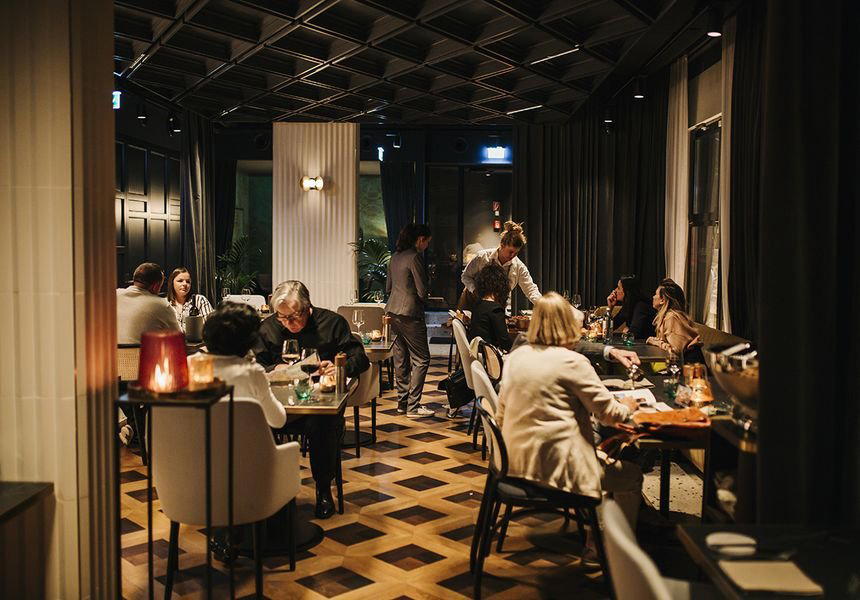
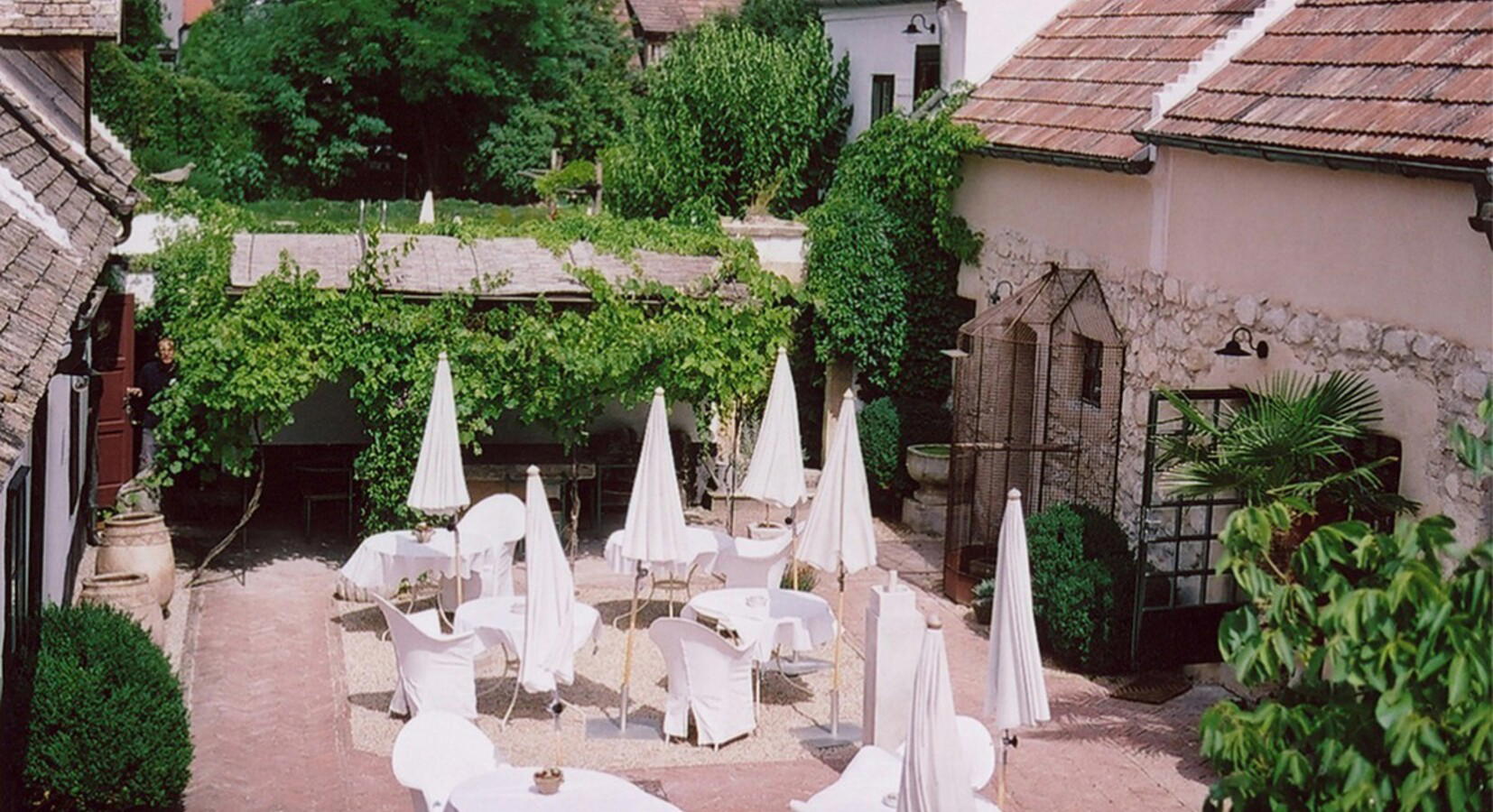
The atmosphere is described as quiet, rustic, cozy, and a. Those words matter because they set expectations correctly. Weingut Nehrer should not be presented as a broad restaurant, bar, or luxury entertainment venue. Its appeal is more focused: a calm winery context in Eisenstadt, shaped by family work, organic farming, and a strong sense of place.
Limestone, slate, and a quieter reading of wine
The most grounded way to understand Weingut Nehrer is through its site language. The estate is associated with mineral-driven wines shaped by limestone and slate soils. That does not require a long list of varieties, dishes, scores, awards, or technical cellar claims to be meaningful. The identity is already specific enough: soil, mineral character, organic work, and a quiet family-run setting.
For wine travelers, limestone and slate suggest a useful frame for tasting. Rather than expecting wines defined only by richness or overt power, the better expectation is restraint, structure, and a sense that the vineyard context is meant to remain visible. EP Club’s read is therefore not that Weingut Nehrer should be judged by restaurant-style amenities or by a grand service format. It should be judged by whether the visit and the wines communicate place clearly.
Organic farming is also part of the profile, and it fits the same idea. In a winery context, organic work points attention back to the vineyard before the cellar. It emphasizes cultivation, soil care, and hands-on decisions rather than a purely cosmetic idea of polish.
A small-feeling estate experience built around site, not spectacle
Weingut Nehrer’s confirmed atmosphere is quiet, rustic, and cozy. That makes it a better match for travelers who enjoy understated winery settings than for those looking for a loud social room or a highly produced hospitality concept. The setting is described as hands-on and family-run, which gives the experience a personal, working-estate character.
The safest and most useful guidance is to treat Weingut Nehrer as a focused winery visit in Eisenstadt and to check current arrangements directly before planning around it. That keeps the recommendation honest while still preserving the reason the venue belongs in a premium guide: its terroir-led identity and quiet sense of place.
The price level is listed as $$. Within the limits of the available facts, that positions Weingut Nehrer as a moderate-price winery option rather than a venue defined by luxury pricing. The value proposition is not built on a confirmed tasting menu, food pairing, or elaborate visitor package. It is built on the combination of organic family work, mineral-driven wines, and an understated atmosphere.
How to place it within an Eisenstadt wine day
For an Eisenstadt itinerary, Weingut Nehrer works well as a calm, wine-focused anchor. It can be paired with other dining in Eisenstadt generically, but the winery itself should remain the reason for the stop. Travelers who care about soil expression, family-run production, and quieter venues are more likely to understand its appeal than visitors looking for a broad leisure complex.
EP Club’s practical recommendation is to keep the plan simple: use Eisenstadt as the location reference, confirm current visiting details directly, and approach the estate as a terroir-focused winery. The facts support a clear but narrow profile. Weingut Nehrer is a family-run, organic, hands-on winery in Eisenstadt with a rustic, cozy atmosphere and mineral-driven wines shaped by limestone and slate soils.
That clarity is the reason to consider it. In a world where venue pages often inflate wine estates with awards, invented formats, or unnecessary comparisons, Weingut Nehrer does not need embellishment. Its confirmed strengths are enough: quiet character, organic family work, and a grounded sense of place in Eisenstadt.
Recognition history
Dated appearances from independent guides and award organizations, with the underlying list record or original source where available.
Falstaff Winery - 3 Stars
Falstaff
Continue exploring
More in Eisenstadt
Wineries in Eisenstadt
All wineries in Eisenstadt →
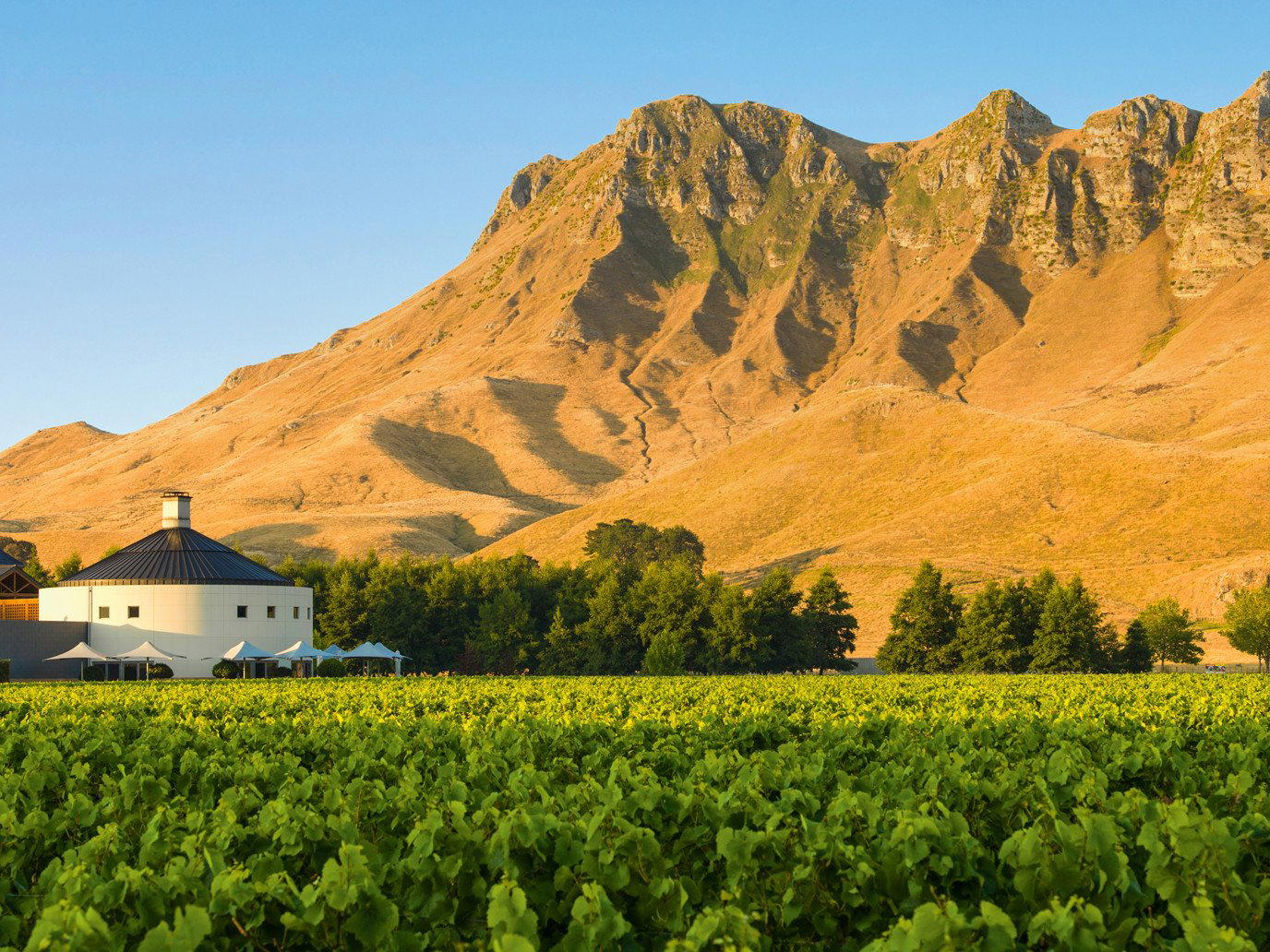
Bars in Eisenstadt
Browse all →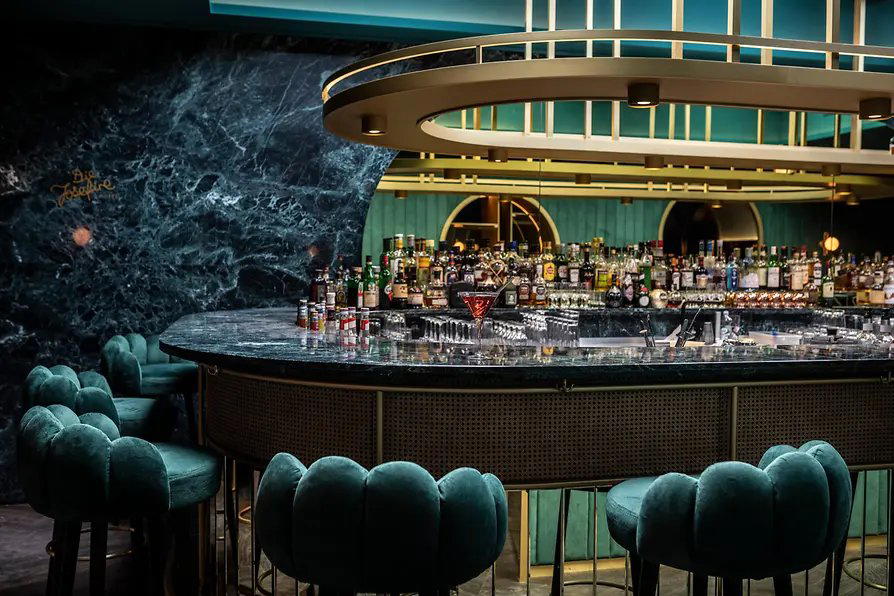
Restaurants in Eisenstadt
All restaurants in Eisenstadt →
![[aend] restaurant in Vienna](https://cdn.enprimeurclub.com/storage/v1/object/public/images/locations/recsVyRkMfzCxPmp0/hero2.jpg?width=3840&quality=75)



Details
- Quiet
- Rustic
- Cozy
- Wine Education
- Solo Exploration
- Special Occasion
- Group Outing
- Estate Grounds
- Private Tasting
- Organic
- Sustainable
- Vineyard
- Blaufränkisch
- Chardonnay
- Welschriesling
- Still Red
- Still White
- Appointment Tasting
- Cellar Tasting
Quiet, terroir-focused winery atmosphere with a family-run, organic, hands-on character; the setting emphasizes mineral-driven wines shaped by limestone and slate soils.