Weingut Klosterhof

Falstaff Winery - Listed
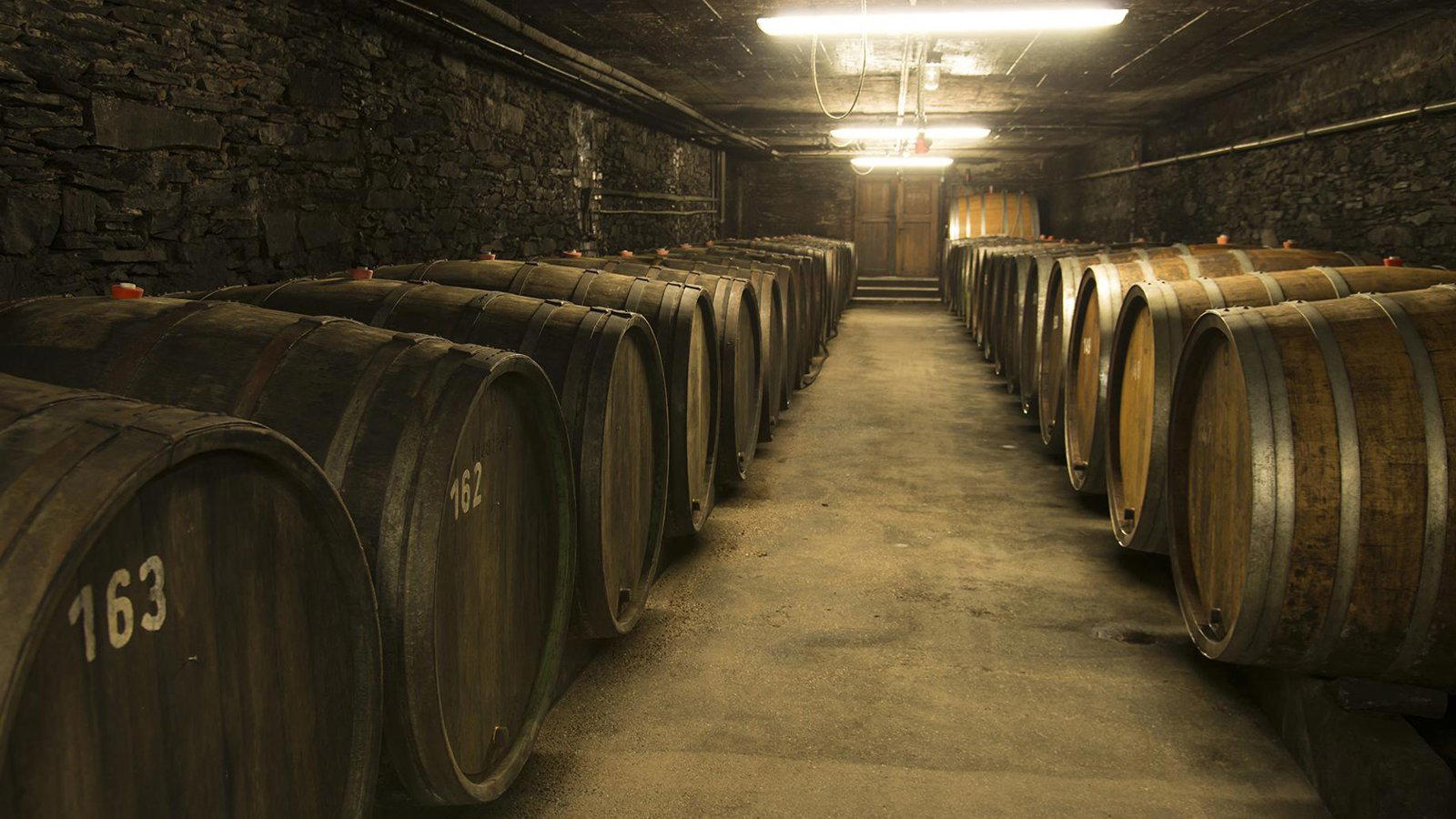
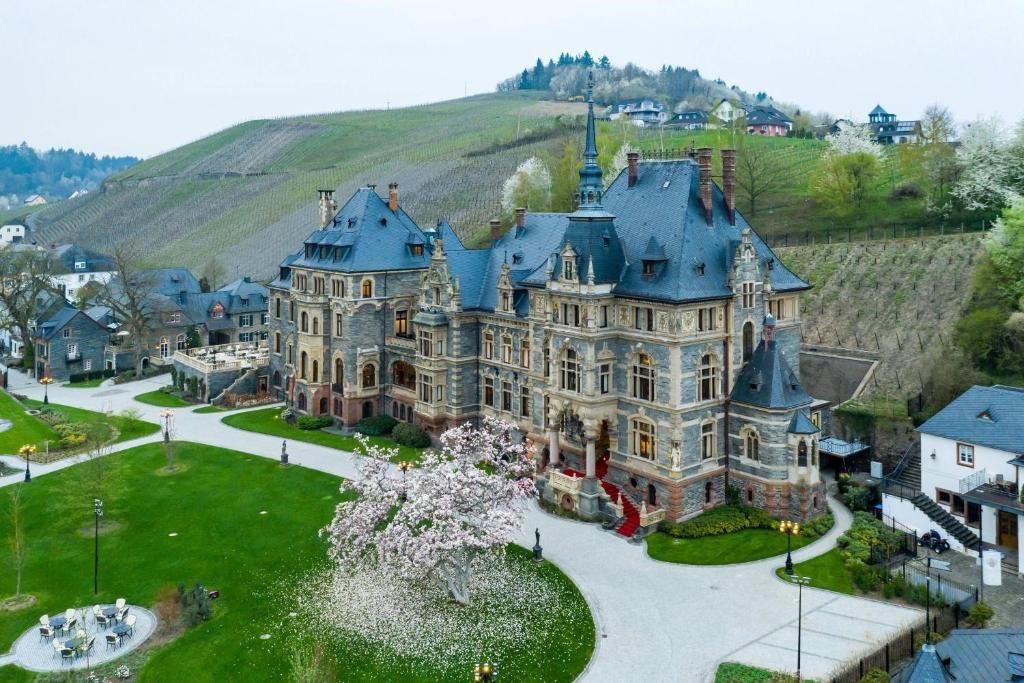
Weingut Klosterhof is a small Mosel wine address in Brauneberg, set in a former Franciscan monastery with a cellar dated to 1717. The appeal is the old-building atmosphere, estate-ground calm and Riesling-led regional lens rather than a high-production visitor complex.

Pearl is the En Primeur Club membership app, where members save venues, book tables and use the concierge.

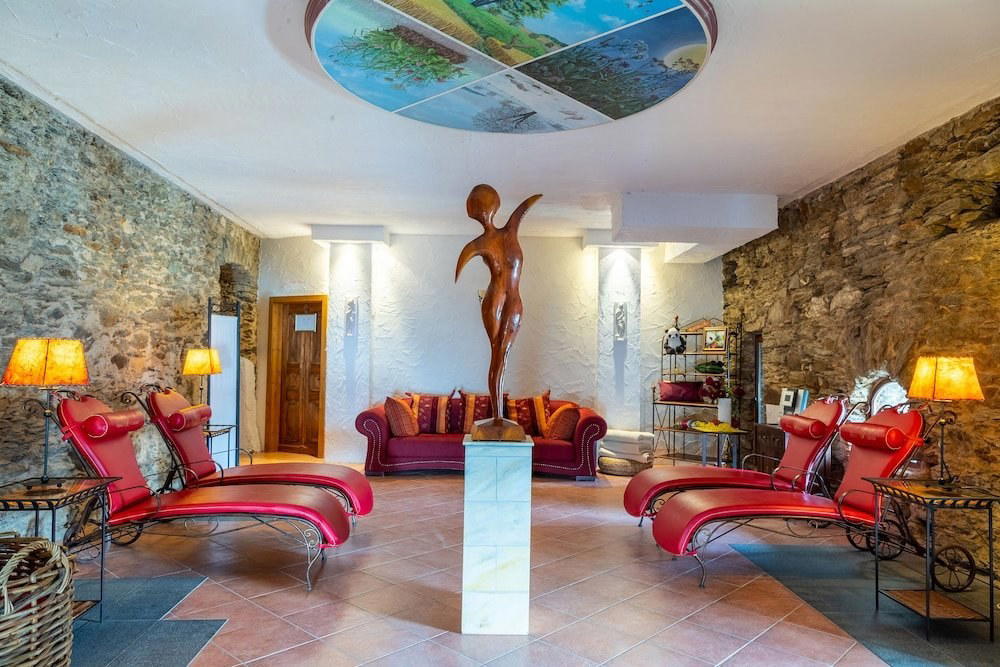
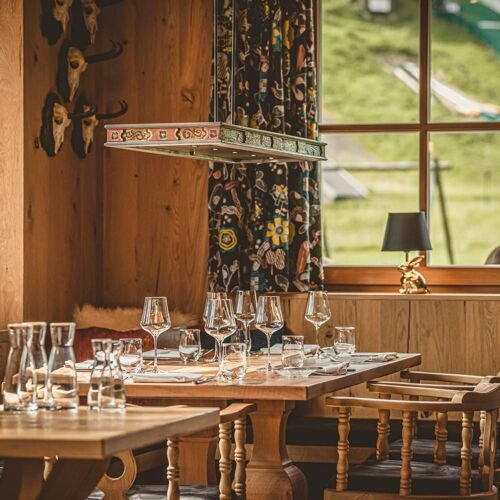
In Brauneberg, Weingut Klosterhof is best understood through its setting rather than through claims about a menu, tasting format, production style, or awards. The picture is specific and atmospheric: a historic, rustic property set in a former Franciscan monastery, with a monastery cellar dating to 1717. That alone gives the venue a strong sense of place. For travelers comparing options in Brauneberg, Klosterhof’s appeal rests on the character of the site: quiet, cozy, and slightly, with outdoor areas that make the visit feel connected to the property grounds.
A monastery cellar gives the Brauneberg setting physical weight
Weingut Klosterhof’s most grounded distinction is architectural and historical. The former Franciscan monastery setting and the 1717 monastery cellar are the details that define the venue most clearly. They give the place a different mood from a generic stop, especially for visitors who care about atmosphere as much as a formal hospitality program. The ambience is historic and rustic, with a quiet, hidden-gem quality rather than a polished or high-volume feel.
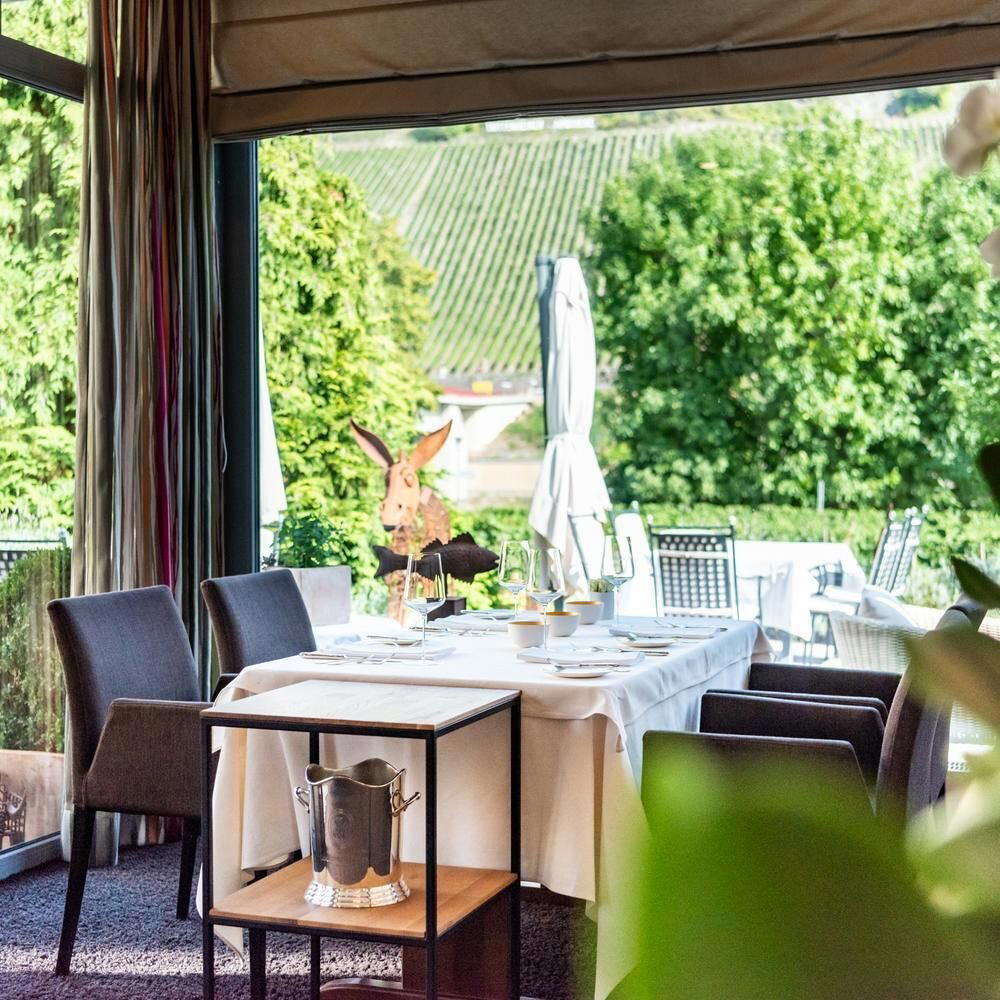
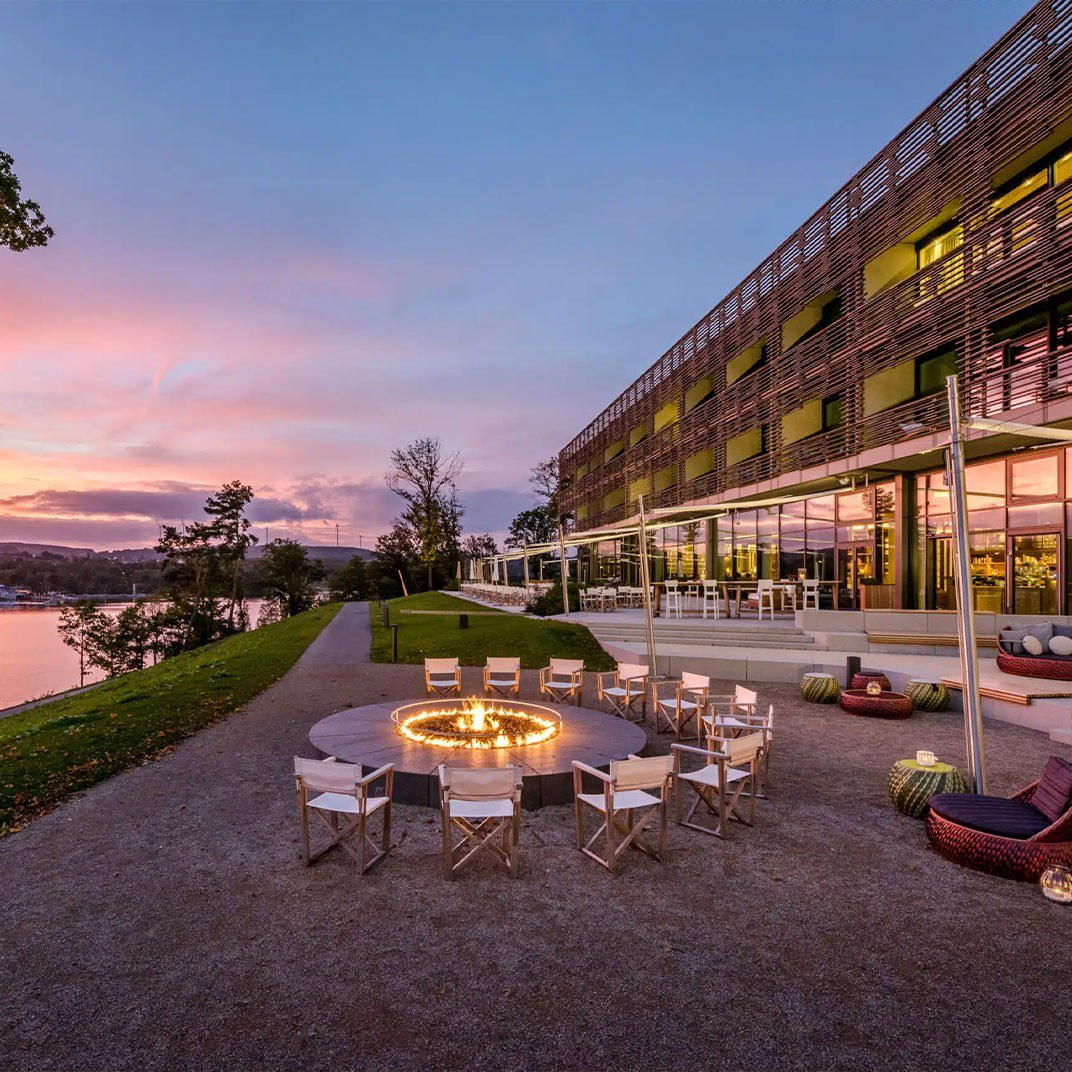
The property’s outdoor features also shape the experience. amenities include a sun terrace, outdoor seating, picnic spots, and barbecue facilities. Those details point to a venue where time on the grounds can matter as much as time indoors. Rather than assuming a particular service format, menu, or drinks program, the safer way to read Weingut Klosterhof is as a Brauneberg property whose strongest confirmed qualities are its historic architecture, cellar, and relaxed outdoor spaces.
That makes the venue most useful for visitors who want a calm setting with old-building character. The monastery cellar dating to 1717 gives the site an anchor, while the terrace and outdoor seating add a softer, more leisurely side. Nothing in the record supports specific claims about a chef, cuisine, named dishes, tasting duration, vineyard program, awards, or reservations policy, so those should not be treated as part of the confirmed planning picture.
Rustic atmosphere and outdoor space
The tone at Weingut Klosterhof is described as historic, rustic, quiet, and cozy. Those descriptors are more than decorative: they are the reasons to consider it. This is not a page to build around invented rankings, scores, signature bottles, or a detailed service script. The reliable hook is simpler: a Brauneberg venue in a former Franciscan monastery, with a 1717 cellar and outdoor areas suited to a slower visit.
The sun terrace and outdoor seating broaden the appeal beyond the cellar itself. Picnic spots and barbecue facilities are also part of the property features, which suggests that the grounds are an important part of how the venue presents itself. Still, the exact use of those amenities may depend on circumstances not confirmed here, so visitors should avoid assuming a specific dining, tasting, or event setup without checking directly.
For a traveler, the practical value of this information is restraint. Weingut Klosterhof can be described confidently as a historic, rustic Brauneberg venue with a monastery setting and cellar dating to 1717. It can also be described as quiet and cozy, with a sun terrace, outdoor seating, picnic spots, and barbecue facilities.
Who should make time for this kind of Brauneberg stop
Weingut Klosterhof is most compelling for visitors who value setting: old walls, cellar history, rustic character, and a calm atmosphere. The venue’s confirmed strengths are not framed around a headline award or a highly specific service model. They are rooted in the former monastery, the 1717 cellar, and the estate-style outdoor features. If that is the kind of experience you want in Brauneberg, Klosterhof belongs on the shortlist.
It is also a useful choice for travelers who prefer quieter places over more elaborate hospitality environments. The descriptions, historic, rustic, quiet, cozy, point toward a setting that rewards an unhurried approach. The presence of picnic spots and barbecue facilities adds to that informal, grounds-oriented impression, while the sun terrace and outdoor seating make the venue feel less confined to the cellar alone.
Weingut Klosterhof should not be promoted with unsupported details about specific wines, food, service style, appointment rules, or accolades. Its confirmed identity is already strong enough: a historic and rustic Brauneberg venue in a former Franciscan monastery, with a monastery cellar dating to 1717 and outdoor spaces that support a quiet, cozy visit.
Recognition history
Dated appearances from independent guides and award organizations, with the underlying list record or original source where available.
Falstaff Winery - Listed
Falstaff
Continue exploring
More in Brauneberg
Wineries in Brauneberg
All wineries in Brauneberg →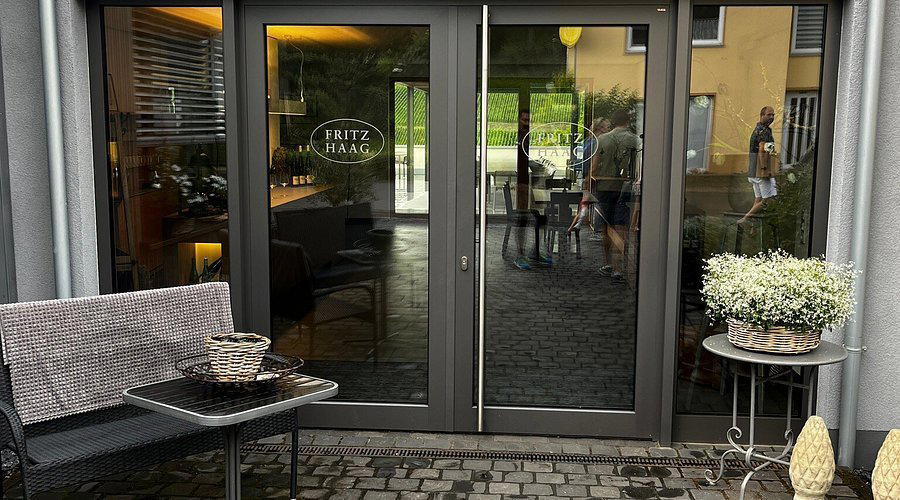
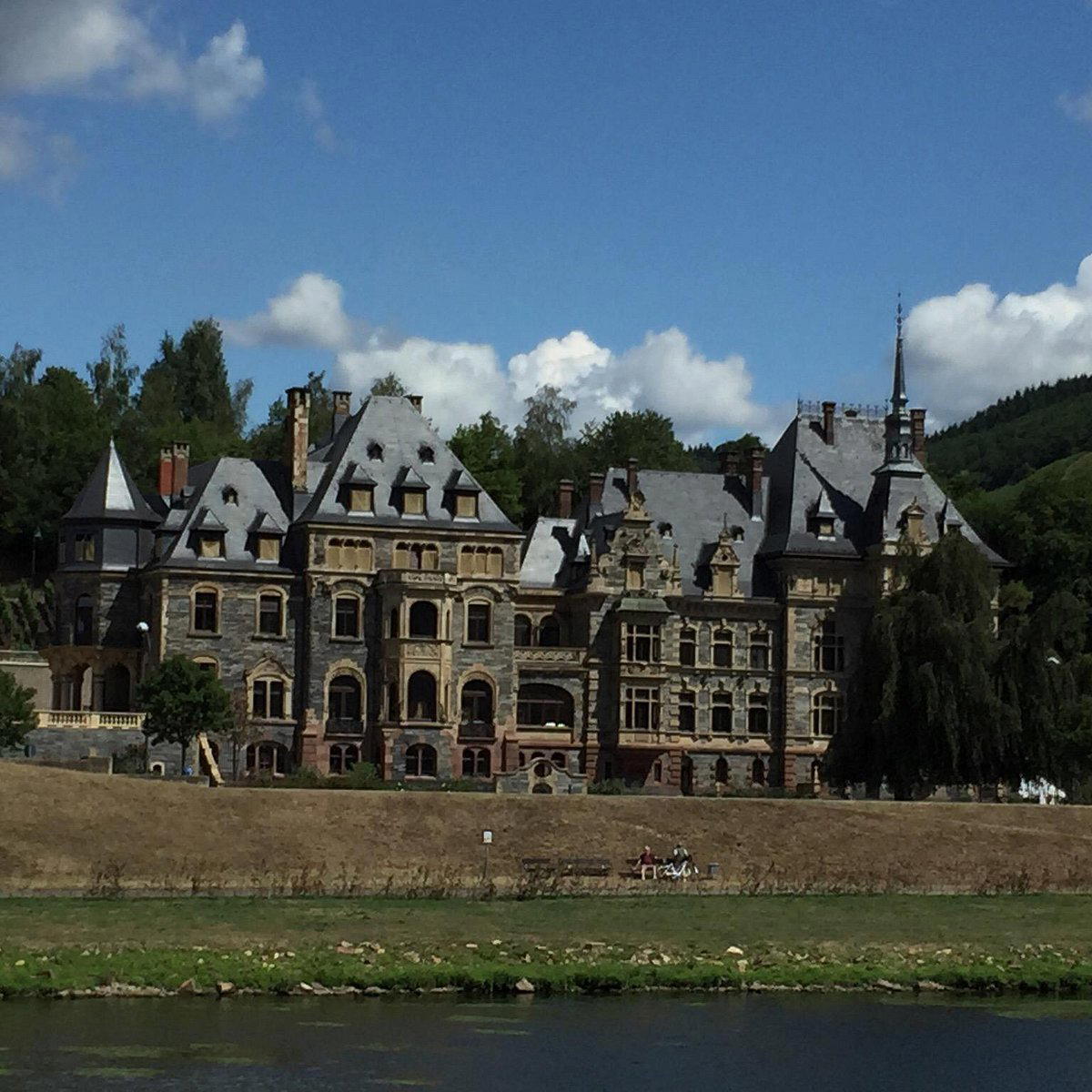
Bars in Brauneberg
Browse all →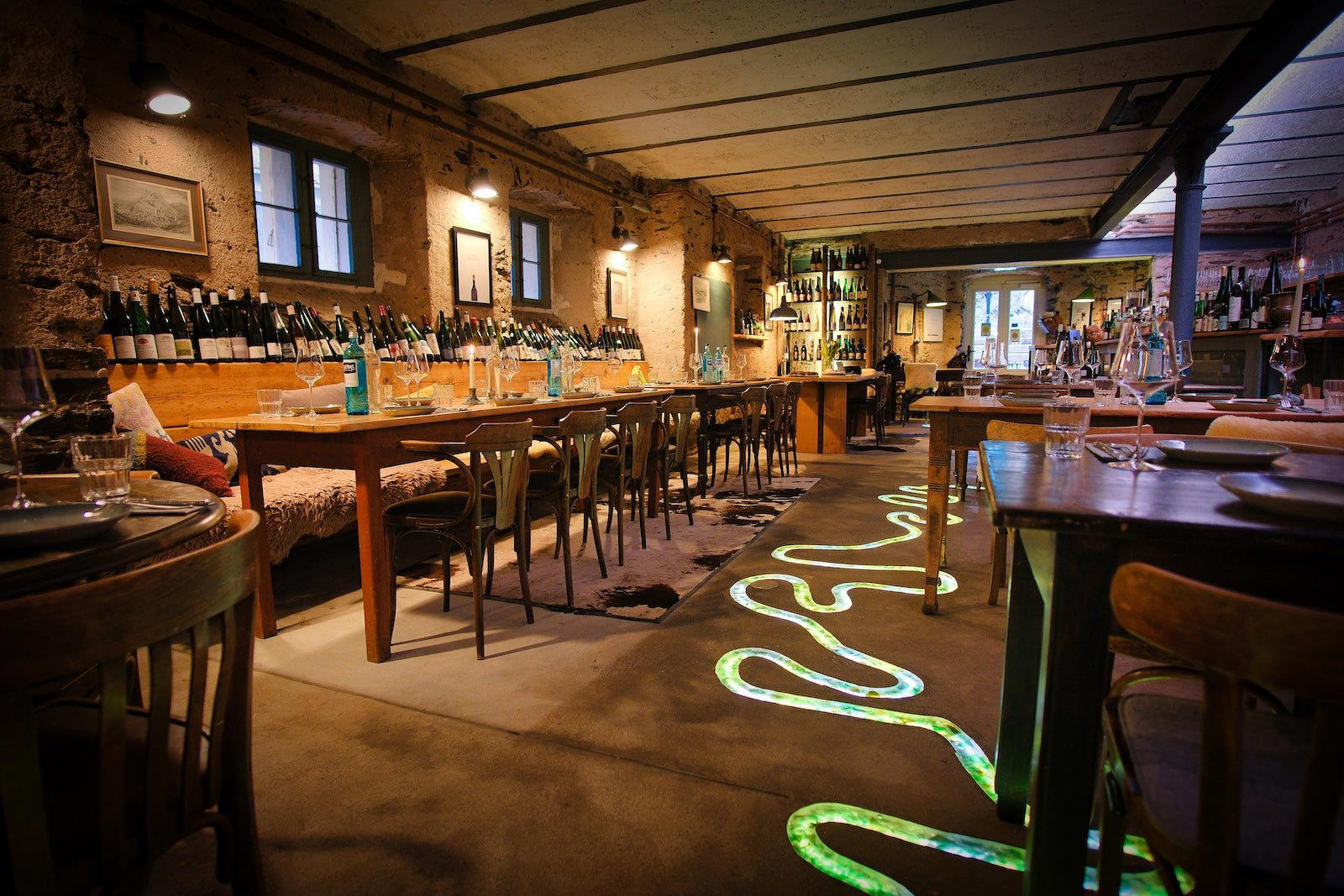
Details
- Historic
- Rustic
- Quiet
- Cozy
- Solo Exploration
- Romantic Getaway
- Special Occasion
- Historic Building
- Terrace
- Estate Grounds
- Picnic Area
- Vineyard
- Riesling
- Riesling
- White Blends
- Red Wines
- Still White
- Still Red
- Still Rosé
- Wine Tasting
- Cellar Tour
Historic and rustic, set in a former Franciscan monastery with a monastery cellar dating to 1717; the property also offers a sun terrace, outdoor seating, picnic spots, and barbecue facilities.