
Falstaff Winery - Listed
Weingut Gruber fits the older, direct-sales model of German wine country: family-run, countryside in tone, and grounded in varietals rather than spectacle. The draw is the combination of Riesling, Silvaner, Spätburgunder, Dornfelder and Cabernet Dorsa, with vineyard and soil references giving the wines a clear place-based frame.

Pearl is the En Primeur Club membership app, where members save venues, book tables and use the concierge.

Approach Weingut Gruber as a direct Obersulm winery rather than as a highly staged destination. The picture is modest and specific: a family-run winery with a traditional countryside feel, direct sales, seasonal Besenwirtschaft visits, and a setting among sunny vineyard slopes. That is enough to define the appeal without adding unsupported details about menus, grape varieties, awards, opening hours, or formal tasting formats.
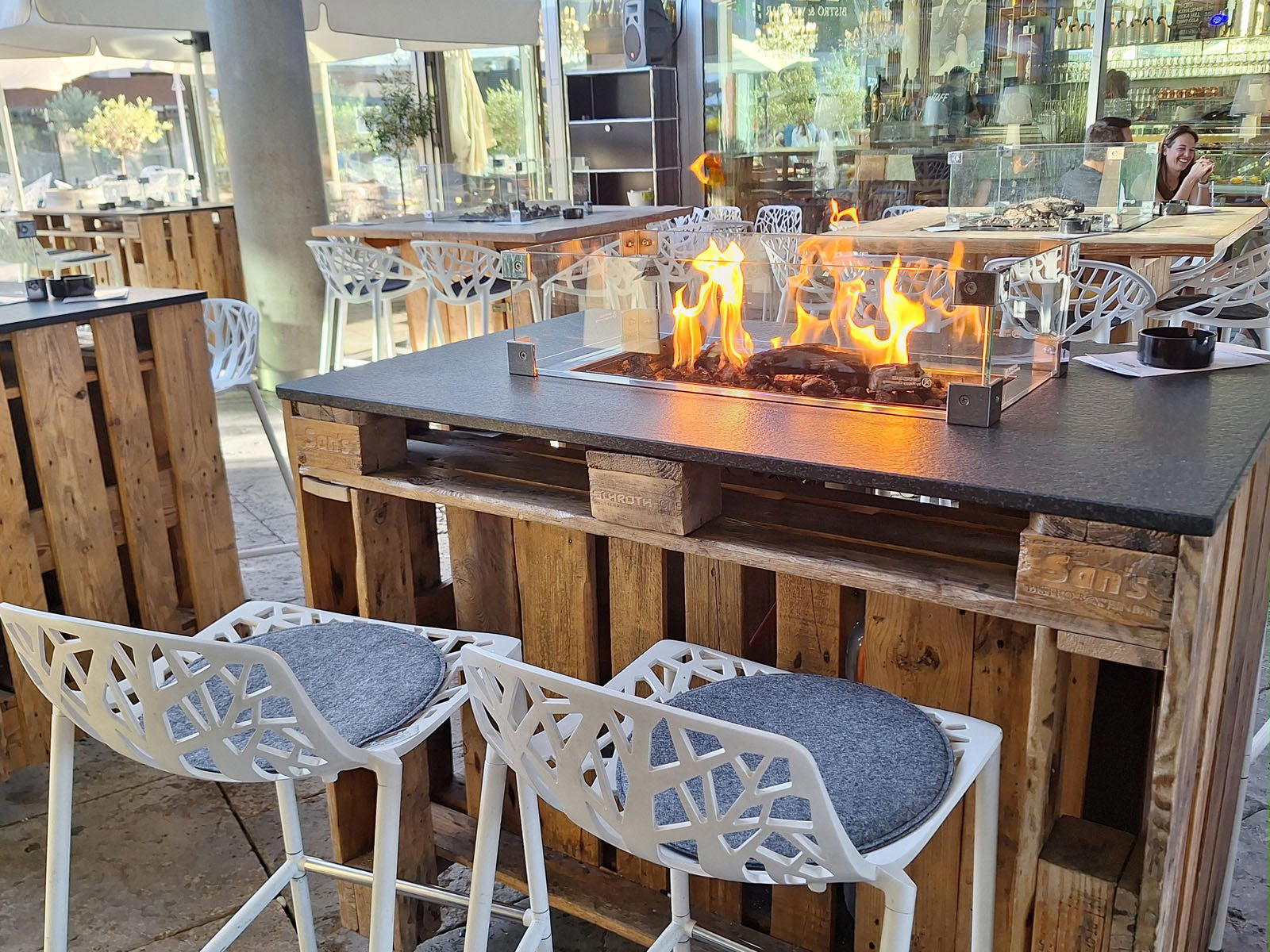
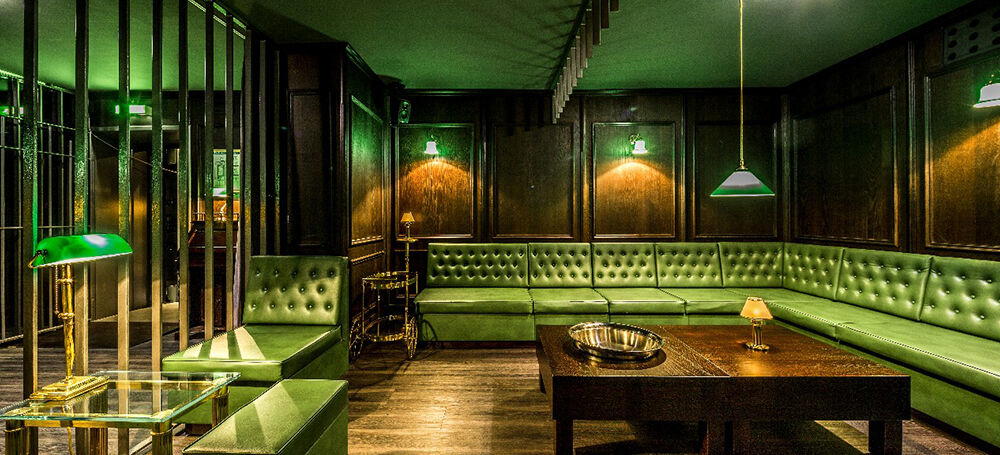
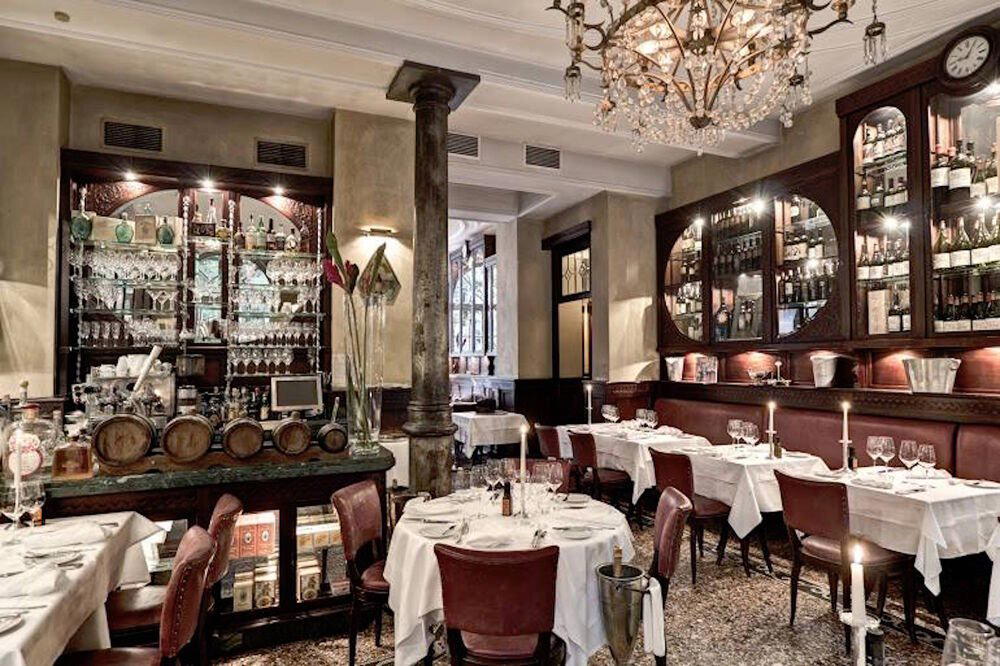
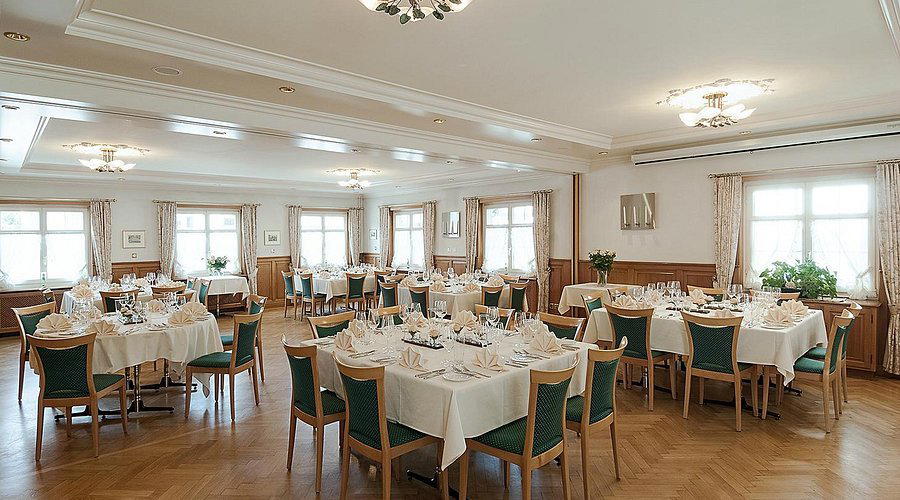
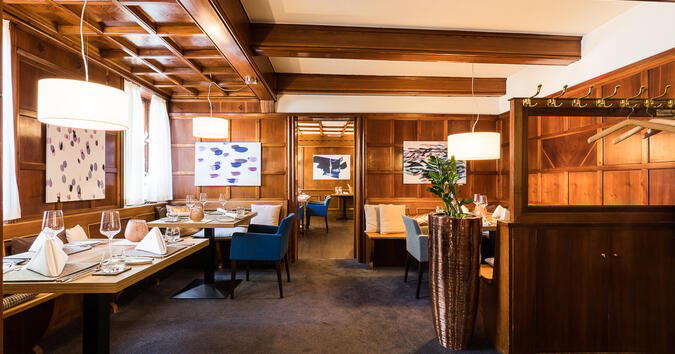
The mood is rustic, classic, and cozy. Guest-facing information emphasizes the producer relationship more than spectacle: people come into contact with the winery through estate sales and seasonal Besenwirtschaft hospitality, not through a heavily polished resort-style experience. In practical terms, the ideal way to frame Weingut Gruber is as a local, family-run wine address where the countryside setting and the seasonal rhythm are part of the experience.
Sunny slopes and a traditional winery setting
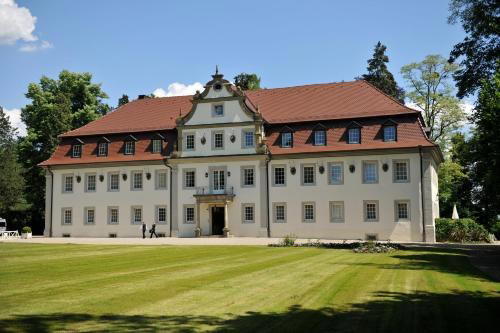
The most reliable context for Weingut Gruber is its Obersulm setting among sunny vineyard slopes. That landscape matters because it shapes the kind of visit the winery encourage: simple, regional, and close to the agricultural side of wine. Rather than treating the estate as a luxury tasting room or a restaurant with a wine theme, it is more accurate to understand it as a producer-led stop where direct sales and seasonal visits are central.
Visitors interested in the wines should use the direct-sales context as the starting point and ask the winery what is currently available. That approach fits the character of the place better than relying on a fixed, externally described portfolio.
The price indicator is listed as $, which places the venue at the low end of the guide’s price scale. That should be read as a broad affordability signal, not as a promise of any particular bottle price, tasting fee, or Besenwirtschaft bill.
Besenwirtschaft hospitality without resort-winery gloss
Seasonal Besenwirtschaft visits are one of the clearest parts of the Weingut Gruber profile. In general, a Besenwirtschaft is an informal, seasonal wine-tavern tradition associated with producers opening their doors during specific periods. the point is not a detailed food menu, seating plan, or service schedule, but the fact that seasonal Besenwirtschaft hospitality is part of the public-facing identity.
That seasonal structure gives the winery a different feel from a permanently open restaurant or a fully scripted tasting venue. The emphasis is more local and occasional: a countryside place to connect with the producer, the setting, and the wines available through the estate. The words that best describe the confirmed atmosphere are rustic, classic, and cozy, with a traditional family-winery tone.
It is also important not to assume more than the information supports. There is no confirmed basis here for claims about walk-in policy, reservations, guided tastings, cellar tours, payment methods, delivery, shipping, outdoor seating, children, dogs, allergy accommodations, lunch service, or a specific food offering. Anyone planning a visit should confirm current Besenwirtschaft dates and sales arrangements directly with the winery before going.
How to place it in an Obersulm wine itinerary
Within an Obersulm itinerary, Weingut Gruber is best treated as a family-run, countryside winery stop. Its role is not built on a confirmed award, ranking, chef, tasting-menu format, or architectural hook. The attraction is quieter: direct sales, a seasonal Besenwirtschaft rhythm, and a sunny vineyard setting that suits a slower, regional wine day.
That makes it a sensible choice for visitors who value traditional producer hospitality over luxury presentation. If your goal is to understand Obersulm through local wine culture, Weingut Gruber offers a grounded reference point: modest in price positioning, rustic in feel, and clearly tied to the family-winery model. If your goal is a guaranteed formal tasting, a restaurant meal, or a specific list of grape varieties, those details should be checked directly rather than assumed.
For broader planning, compare Weingut Gruber with other unnamed dining and wine options in Obersulm only in general terms. The useful distinction is between a family-run winery with seasonal Besenwirtschaft visits and other local places that may operate with different formats. Weingut Gruber’s identity is narrow but coherent: an accessible Obersulm winery with a countryside atmosphere, direct sales, and seasonal hospitality.
Recognition history
Dated appearances from independent guides and award organizations, with the underlying list record or original source where available.
Falstaff Winery - Listed
Falstaff
Continue exploring
More in Obersulm
Wineries in Obersulm
All wineries in Obersulm →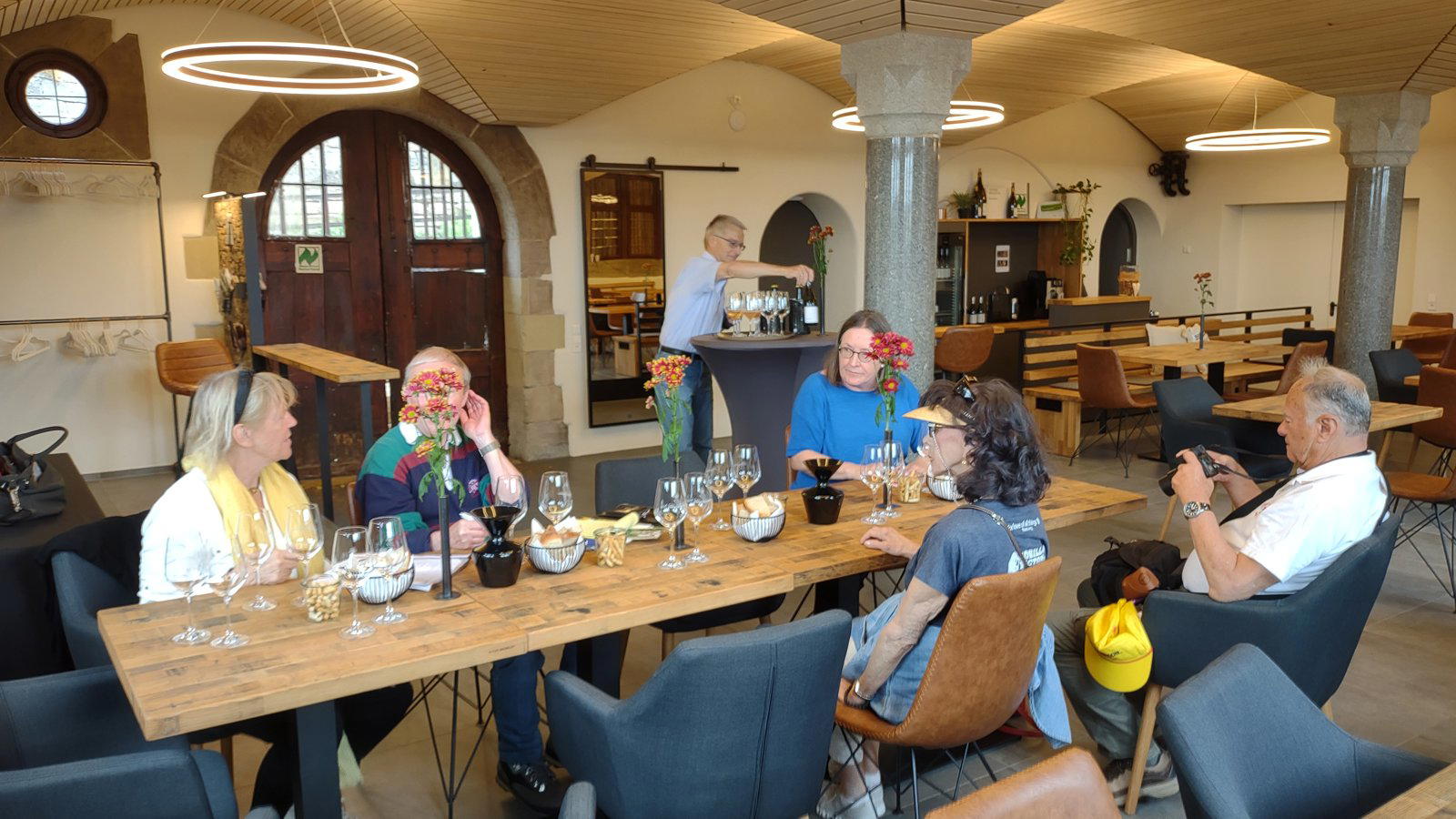
Bars in Obersulm
Browse all →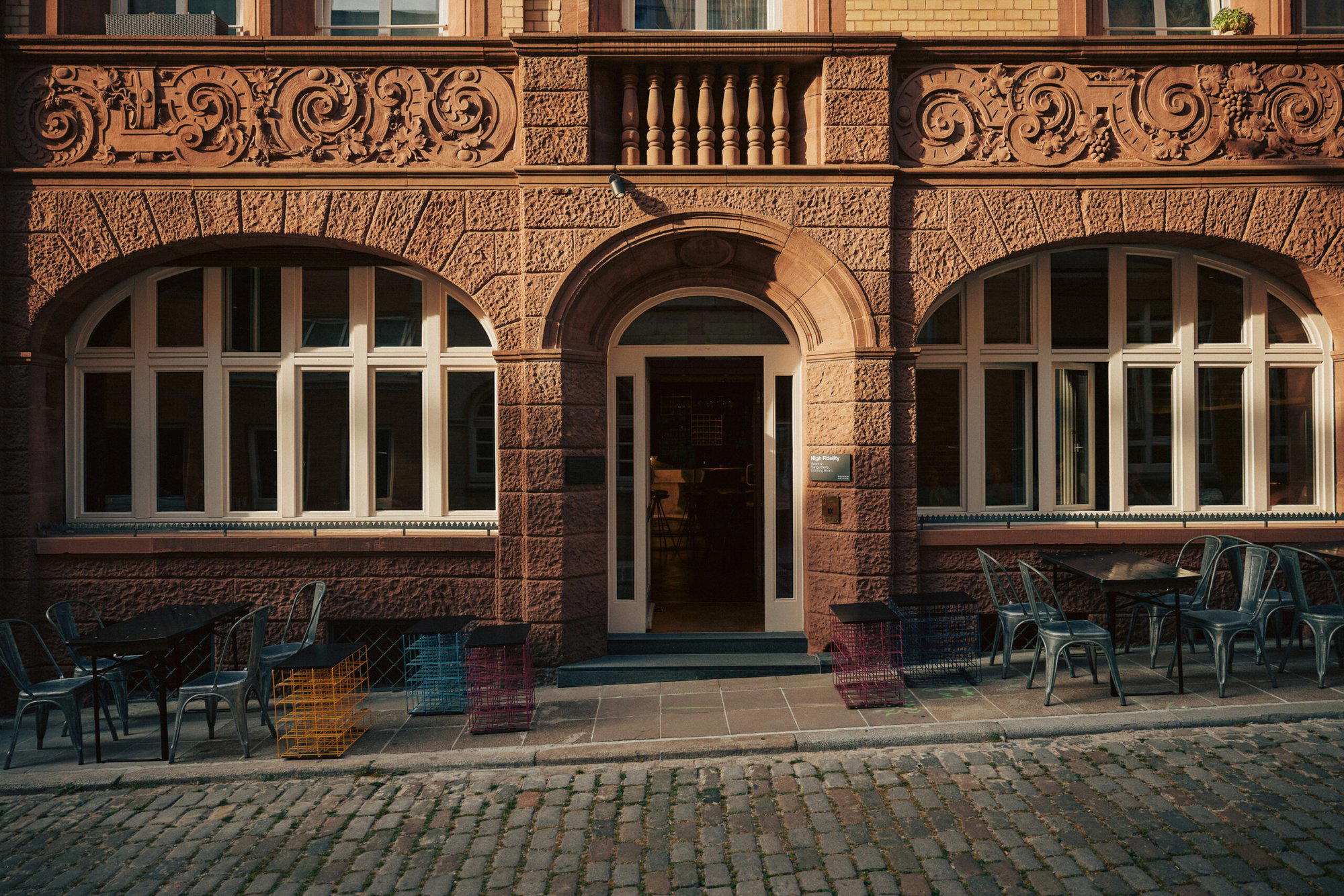

Details
- Rustic
- Classic
- Cozy
- Group Outing
- Wine Education
- Special Occasion
- Historic Building
- Private Tasting
- Vineyard
- Riesling
- Silvaner
- Spätburgunder
- Dornfelder
- Cabernet Dorsa
- Still Red
- Still White
- Guided Tasting
- Cellar Visit
Family-run winery with a traditional, countryside feel; guest-facing information emphasizes direct sales, seasonal Besenwirtschaft visits, and a setting among sunny vineyard slopes.