Weingut Frank

Falstaff Winery - Listed
Weingut Frank is a Weinviertel farm winery in Groß-Schweinbarth, built around certified organic production, direct sales, and a portfolio led by Grüner Veltliner, Weinviertel DAC bottlings, Muskateller, Zweigelt, Riesling, Blauburger, and frizzante. Its appeal is not trophy-cellar grandeur; it is the working-farm model, where wine, charcuterie, eggs, fruit, vegetables, and market retail belong to the same rural economy.

Pearl is the En Primeur Club membership app, where members save venues, book tables and use the concierge.

Weingut Frank is best described in simple, grounded terms: a family-run winery in Gro Schweinbarth with a rustic, agrarian feel. Its public identity is shaped by bio farming, direct sales, and a market presence rather than by luxury positioning or a trophy-led narrative. For visitors, that means the appeal is practical and personal: a countryside stop where the winery’s character comes from agricultural work, direct contact, and a classic Weinviertel sense of place.
This is not a venue page that can honestly be built around detailed menus, named dishes, exact opening hours, seat counts, scores, or confirmed awards. What is is more restrained but still useful: Weingut Frank sits in Gro Schweinbarth, is priced at $, and carries a rustic, cozy, hidden-gem, classic atmosphere. Read it as a modest, countryside winery rather than as a highly formal destination.
Weinviertel character, read through bio farming and direct sales
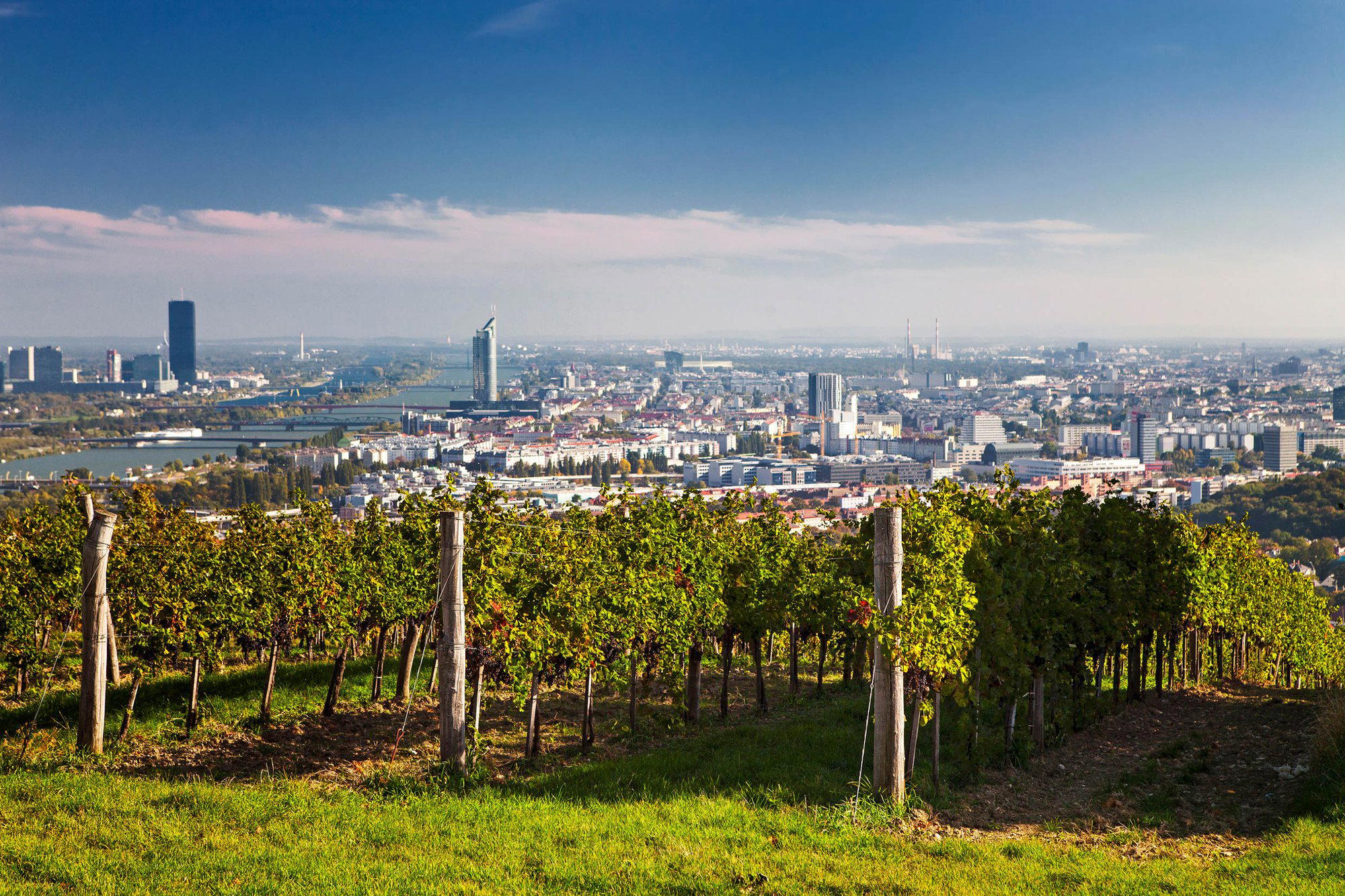
The clearest way to understand Weingut Frank is through its working-farm context. The profile points to bio farming and direct sales, which gives the venue a practical rhythm: less polished showcase, more personal producer contact. That matters for travellers who value the feeling of a place as much as a checklist of services. The mood is rooted in the Weinviertel countryside and in the kind of family-run operation where the experience is likely to feel close to the land.
The reliable takeaway is broader: this is a winery with an agrarian identity, a direct-sales component, and a rustic atmosphere. Visitors looking for a formal tasting menu, a luxury cellar appointment, or a venue defined by published ratings should not infer those details from this listing.
Price marker is also useful. At $, Weingut Frank reads as an accessible stop rather than a splurge destination. That does not define the full cost of any particular purchase or visit, but it does help set expectations: the venue is presented in the guide as modestly priced, personal, and classic rather than expensive or theatrical.
A farm-minded model where the experience stays practical
Weingut Frank’s identity is not just “winery” in the abstract. The description emphasizes a family-run, rustic, agrarian feel shaped by bio farming, direct sales, and market presence. Those elements point to a venue where the point is not elaborate staging. The draw is the grounded character: a place connected to farming, selling directly, and maintaining a personal relationship with visitors or customers.
That makes the atmosphere the most important confirmed detail. “Rustic” and “cozy” should be taken literally as mood cues, not as evidence of any specific room layout or service style. “” suggests a low-key appeal, while “classic” keeps the venue within a familiar countryside-winery frame. The safest expectation is a practical, local-feeling winery in Gro Schweinbarth, not a restaurant-like venue with dining services.
Rather than inventing a fuller story, the guide should keep the focus on what is known: Weingut Frank is a family-run winery in Gro Schweinbarth with a bio-farming context, direct-sales orientation, market presence, rustic charm, and a $ price level.
How to place it in a Gro Schweinbarth itinerary
For a Gro Schweinbarth itinerary, Weingut Frank works well as a countryside winery stop for travellers who appreciate direct producer culture and a quiet agricultural setting. It is especially suited to people who prefer practical, personal venues over highly designed hospitality. The atmosphere is cozy and classic, with the kind of hidden-gem quality that comes from being rooted in a local farming environment.
Visitors should use the city-level location as the guide’s confirmed reference point and check current practical details directly before planning around a specific arrival time, purchase, or visit format.
If comparing options, keep the comparison local and simple: Weingut Frank can be considered alongside other unnamed dining or producer stops in Gro Schweinbarth, but this listing should not imply services, menus, or accolades. Its strength is the combination of family-run winery character, rustic countryside atmosphere, bio farming, direct sales, market presence, and accessible pricing.
Recognition history
Dated appearances from independent guides and award organizations, with the underlying list record or original source where available.
Falstaff Winery - Listed
Falstaff
Continue exploring
More in Gro Schweinbarth
Wineries in Gro Schweinbarth
All wineries in Gro Schweinbarth →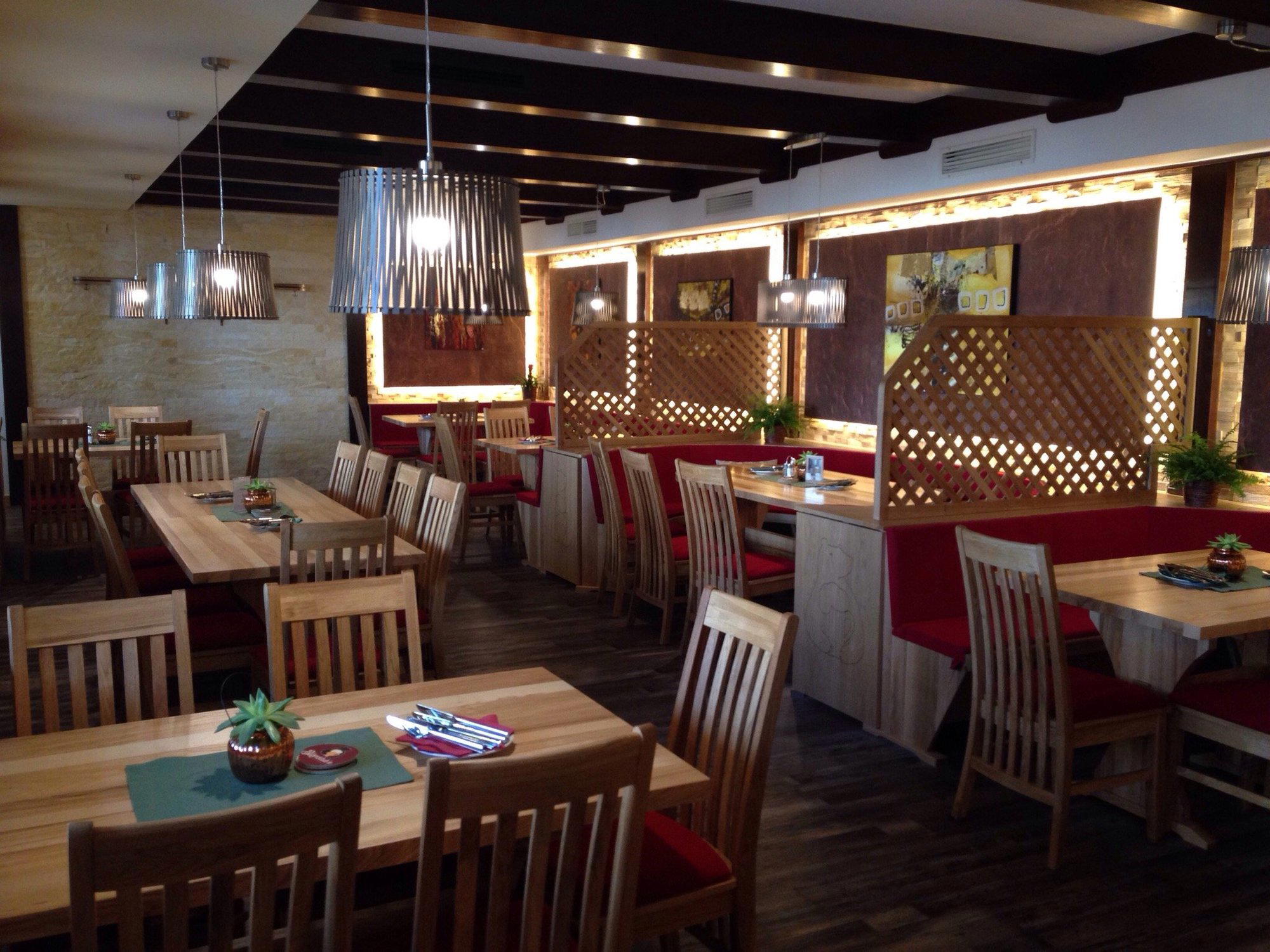

Bars in Gro Schweinbarth
Browse all →
Restaurants in Gro Schweinbarth
Browse all →
Details
- Rustic
- Cozy
- Classic
- Wine Education
- Group Outing
- Solo Exploration
- Special Occasion
- Estate Grounds
- Historic Building
- Organic
- Sustainable
- Vineyard
- Grüner Veltliner
- Zweigelt
- Riesling
- Muskateller
- Blauburger
- Still White
- Still Red
- Sparkling
- Tasting
A family-run winery with a rustic, agrarian feel shaped by bio farming, direct sales, and a market presence; the atmosphere reads as practical, personal, and rooted in the Weinviertel countryside.