
Weingut David Muth is a small family winery in Hochstadt, working 7.5 hectares across Hochstadt and Zeiskam in the Pfalz. The appeal is not spectacle but a clear regional brief: dry wines, a white-grape-weighted vineyard base, and cellar work split between stainless steel and oak under David Muth, who took over the family estate in 2019.
Pearl is the En Primeur Club membership app — saves, bookings, and concierge access live there. Same editors, same standards.
- Address
- Hochstadt, Pfalz (Palatinate), Rhineland-Palatinate, Deutschland
- Directions
- Get directions
 Saves & bookings on Pearl
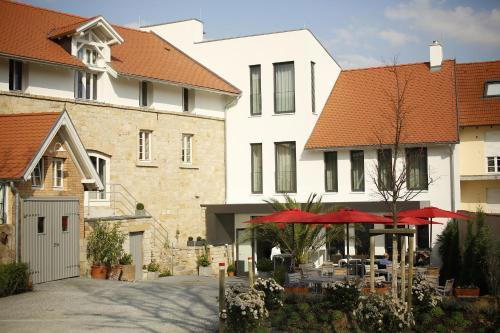
Hochstadt’s wine country is best approached without expecting grand arrival theatre. For Weingut David Muth, the picture is quieter and more specific: a family-run winery atmosphere in a rural vineyard setting, with a focus on dry wines, quality bottling, and origin-driven character. The appeal is not built on spectacle or a long list of public accolades. It is rooted in a rustic, quiet, scenic mood and in the kind of hidden-gem feel that suits travelers who prefer modest local producers to polished destination hospitality.
EP Club can confirm the Hochstadt setting, the modest price level, and the winery’s emphasis on dry wines and origin-led character. Claims beyond that, specific vineyard holdings, production figures, tasting formats, named varieties, cellar methods, ownership history, opening hours, or appointment rules, should not be treated as established unless checked directly with the winery. That makes this a venue to place carefully in a trip plan: promising for a low-key wine stop, but not a page that should be inflated with unsupported detail.
Dry wines framed by origin, not spectacle
The clearest hook at Weingut David Muth is its focus on dry wines. That matters because it gives the venue a defined identity even without a long public dossier of technical data. Rather than presenting the estate as a luxury tasting destination or an award-led stop, it is more accurate to describe it as a family-run winery whose character is tied to quality bottling and a sense of origin. In practical terms, that means the value proposition is about clarity, locality, and a rural vineyard atmosphere, not about theatrical service or prestige positioning.
The phrase “origin-driven” should also be handled with care. It supports a general understanding of the winery’s style and outlook, but it does not verify particular vineyard names, soil types, grape varieties, fermentation vessels, or cellar regimes. Readers should therefore avoid assuming a detailed technical profile from the available information alone. What can be said is narrower and stronger: Weingut David Muth is presented as a Hochstadt winery focused on dry wines and quality bottling, with a quiet rural setting that reinforces the sense of place.
That restraint is useful. Many wine pages become less reliable when they try to fill gaps with invented precision. Here, the facts are enough to outline the experience without overstating it. Expect a rustic, calm, family-run atmosphere rather than a showpiece venue. Expect the conversation to center on dry wines and local character rather than on a documented tasting-menu format, elaborate hospitality program, or confirmed awards history.
A small-feeling winery atmosphere in Hochstadt
The winery’s strongest setting detail is simply Hochstadt. The venue belongs in a rural vineyard context, and the mood is described as rustic, quiet, scenic, and somewhat hidden away. Those words are more than decorative: they set expectations for the type of visit this is likely to suit. It is a better fit for travelers who enjoy low-key wine culture than for those seeking a highly staged destination experience.
The price level is listed as $, which reinforces the impression of an accessible local winery rather than a luxury stop. That does not establish bottle prices, tasting fees, or any particular purchasing format; it only supports a broad reading of the venue as modestly positioned. For planning purposes, visitors should confirm current availability, hours, and any tasting arrangements directly, because those operational details are not part of the information here.
That should not be read as a negative; it simply means the page should not make an accolade-led case. The more reliable case is atmospheric and stylistic: family-run, dry-wine focused, quality-minded, and tied to Hochstadt’s rural vineyard setting. For some travelers, that is exactly the point. The absence of a heavily branded public profile can be part of the appeal when the goal is to find a quieter local producer.
How to place it in a Hochstadt wine day
For a Hochstadt wine day, the winery is best treated as a calm, locally grounded stop rather than as a venue with a documented high-production visitor program. Build the plan around the confirmed strengths: dry wines, a family-run atmosphere, quality bottling, origin-driven character, and a scenic rural setting. If you are comparing options, keep other Hochstadt dining and wine stops generic unless you have independently their details.
The practical planning advice is simple. Confirm opening times, tasting access, and any visit requirements before going. Do not assume lunch service, food pairings, delivery, take-out, specific grape varieties, or a guided tasting format from the information available here. The profile supports a wine-focused rural stop, not a full hospitality itinerary on its own.
Seen that way, the winery has a clear place in an EP Club shortlist. It is not being recommended because of confirmed rankings, elaborate service rituals, or documented technical minutiae. It is worth noting because it represents a quieter Hochstadt winery profile: modestly priced, family-run in feel, focused on dry wines, and grounded in a scenic vineyard atmosphere.
Recognition history
Dated appearances from independent guides and award organizations, with the underlying list record or original source where available.
Falstaff Winery - Listed
Falstaff
Continue exploring
More in Hochstadt
Wineries in Hochstadt
Browse all →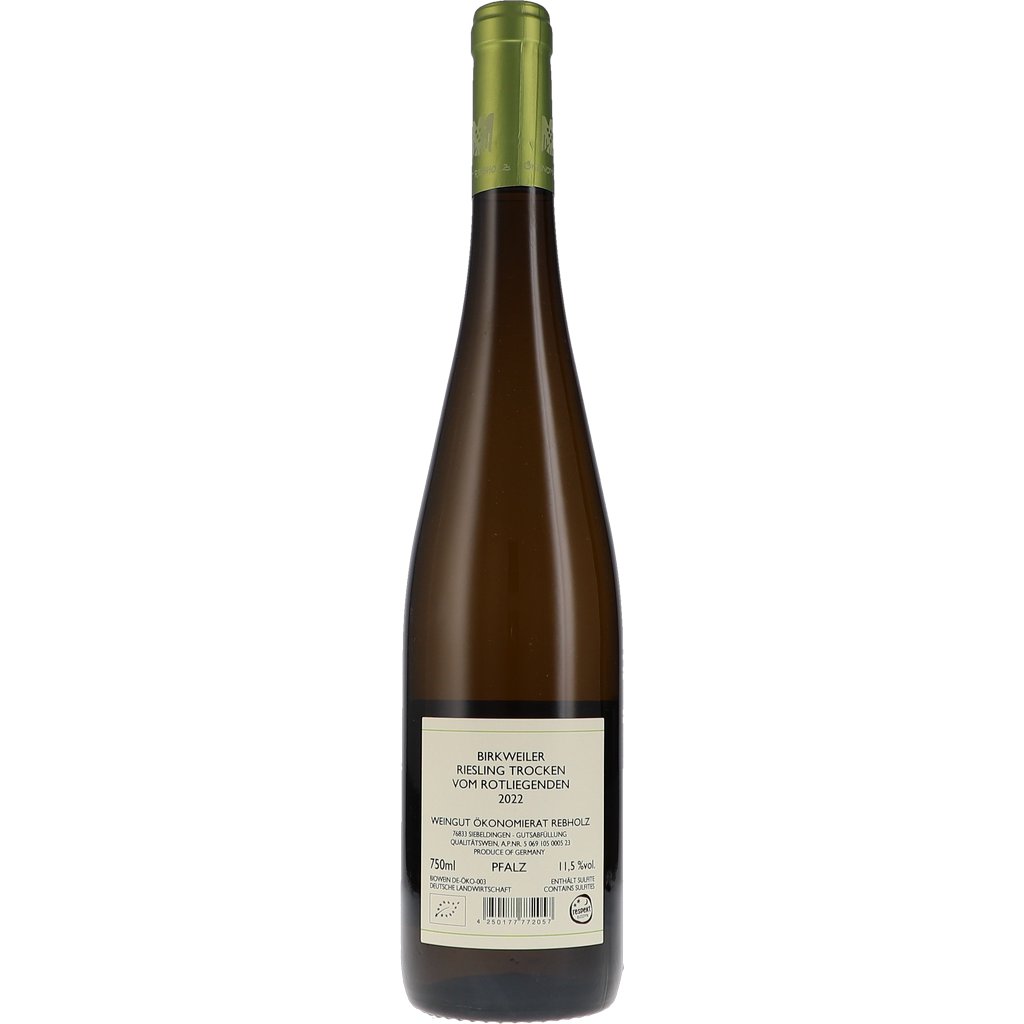
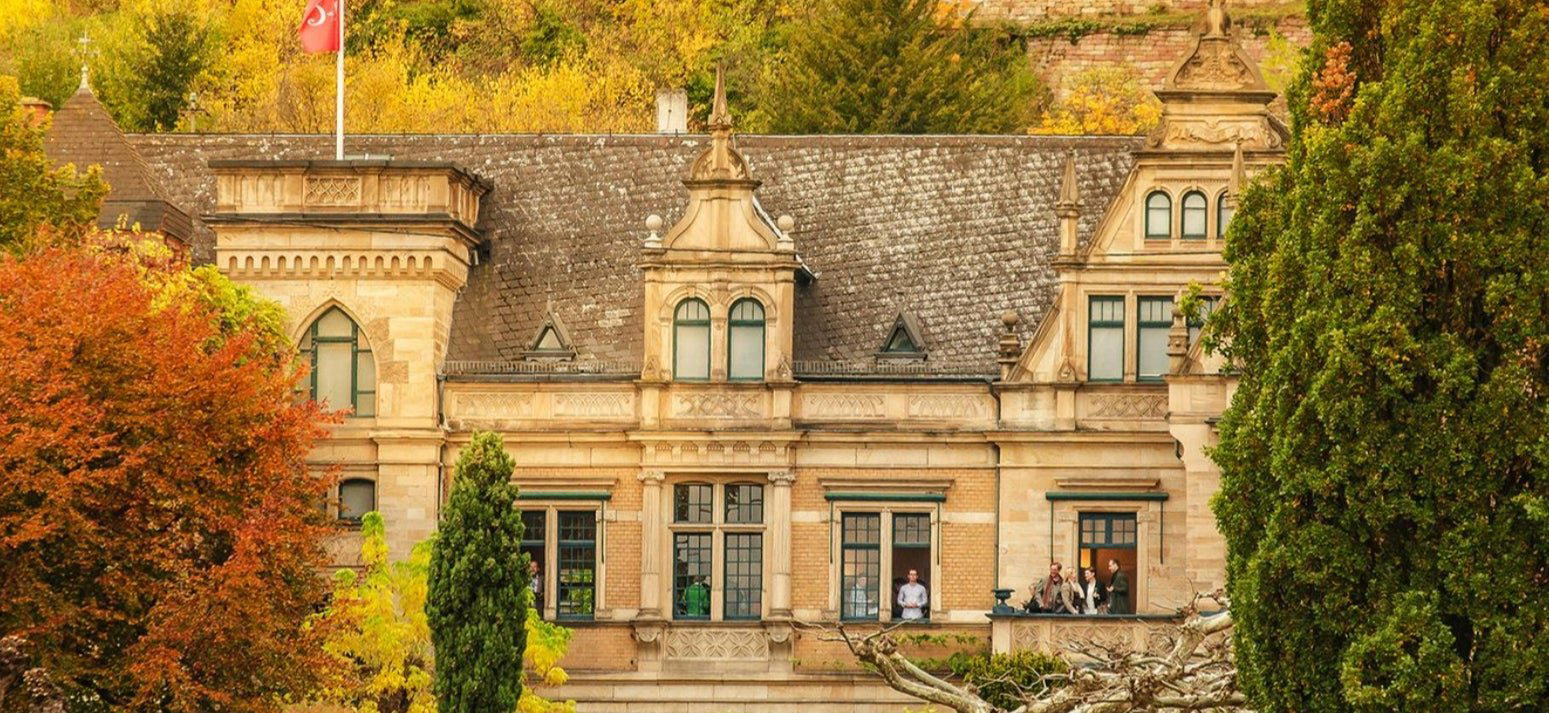
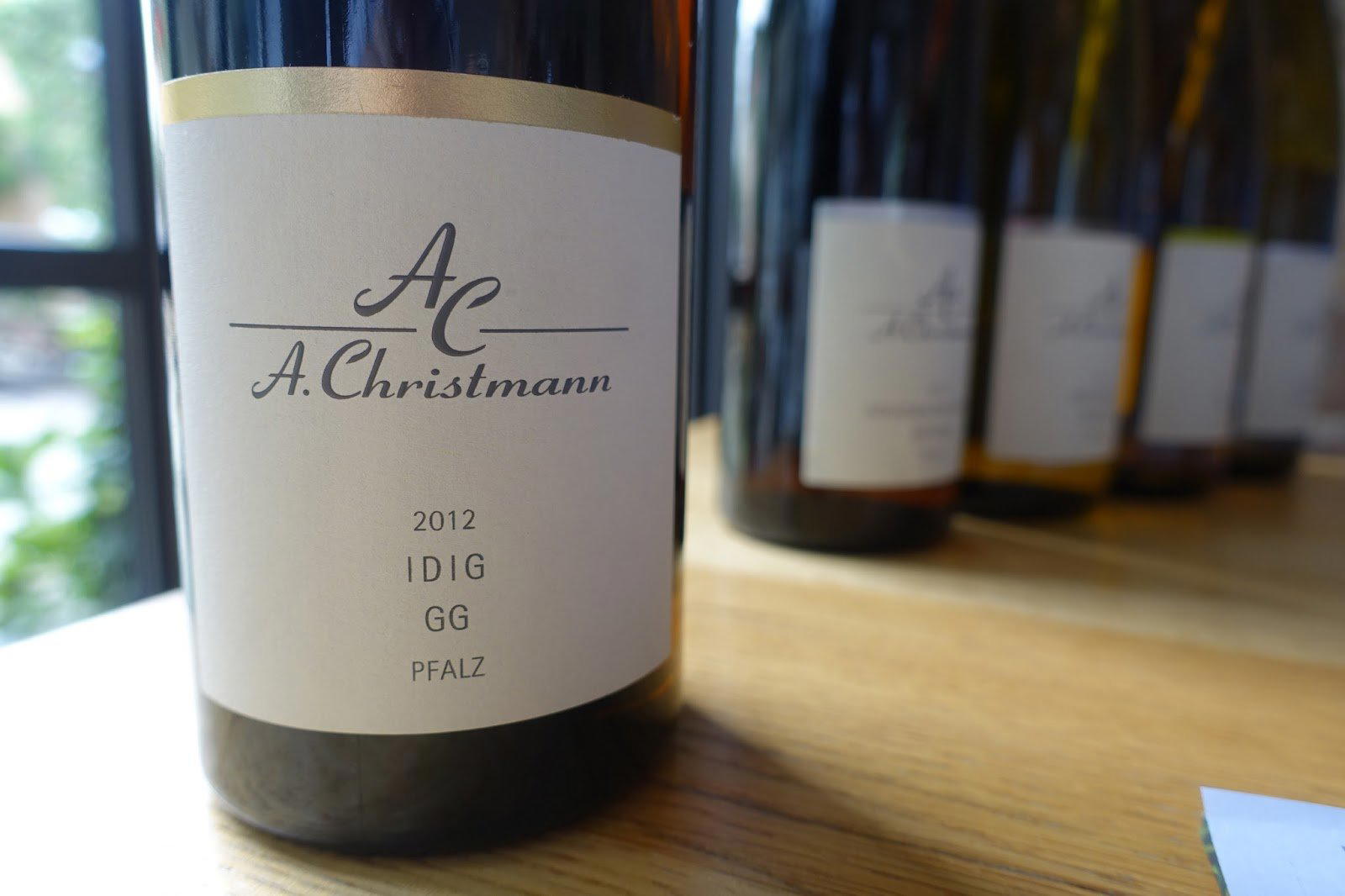
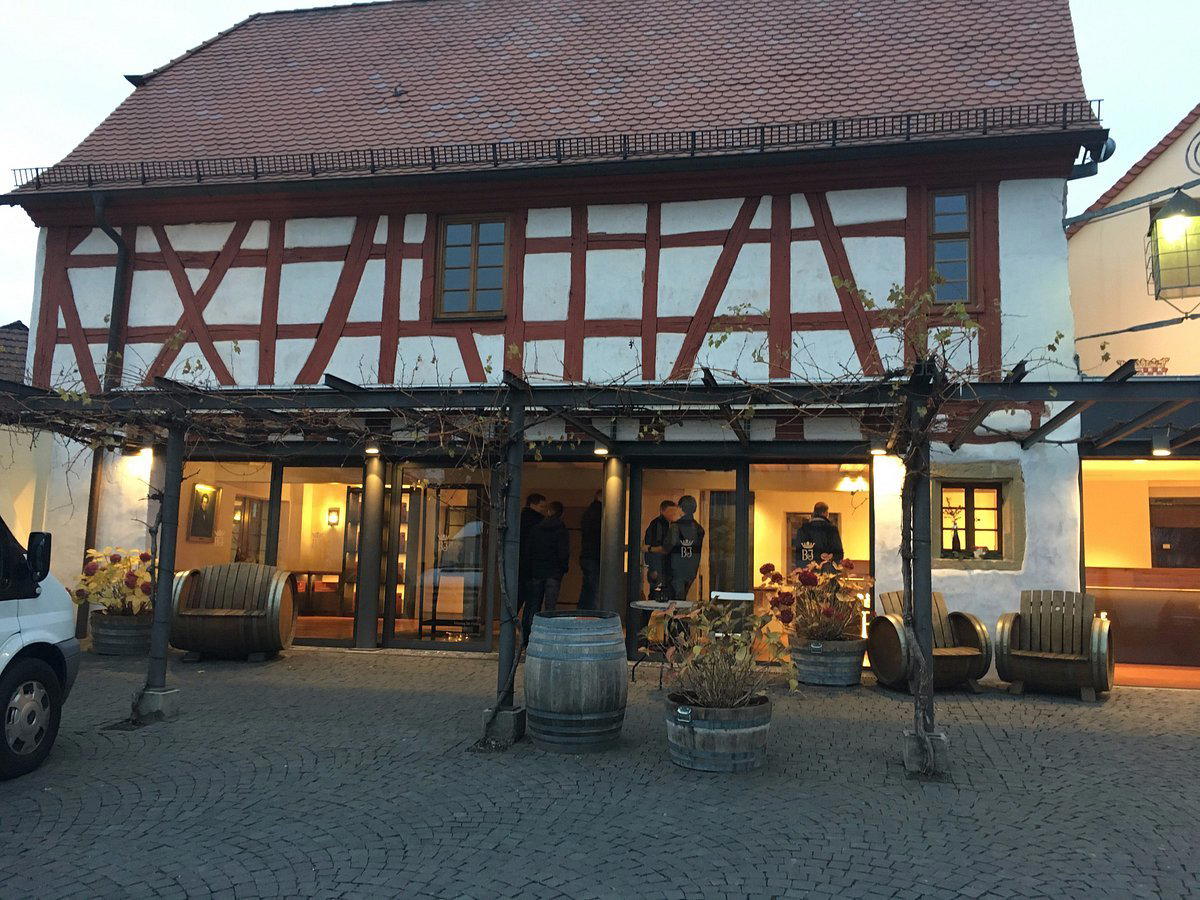
Bars in Hochstadt
Browse all →


Restaurants in Hochstadt
Browse all →
At a Glance
- Rustic
- Quiet
- Scenic
- Solo Exploration
- Wine Education
- Special Occasion
- Vineyard Tour
- Estate Grounds
- Vineyard
- Pfalz
- White Grapes
- Red Grapes
- Grauburgunder
- Still White
- Still Red
Family-run winery atmosphere focused on dry wines, quality bottling, and origin-driven character in a rural vineyard setting.