
Falstaff Winery - Listed
Weingut Bernhard Koch gives Hainfeld a serious Burgundy-accented argument for Pfalz Pinot Noir. The estate works around 50 hectares, with Spätburgunder, Riesling, Weißburgunder, Grauburgunder, Chardonnay and traditional-method Sekt shaped by varied soils, small-oak aging and a 600-barrique cellar. VINUM’s 2023 German Red Wine Award recognition for Hainfelder Letten Pinot Noir puts the estate firmly in the German red-wine conversation.

Pearl is the En Primeur Club membership app — saves, bookings, and concierge access live there. Same editors, same standards.
- Address
- Hainfeld, Pfalz (Palatinate), Rhineland-Palatinate, Deutschland
- Directions
- Get directions

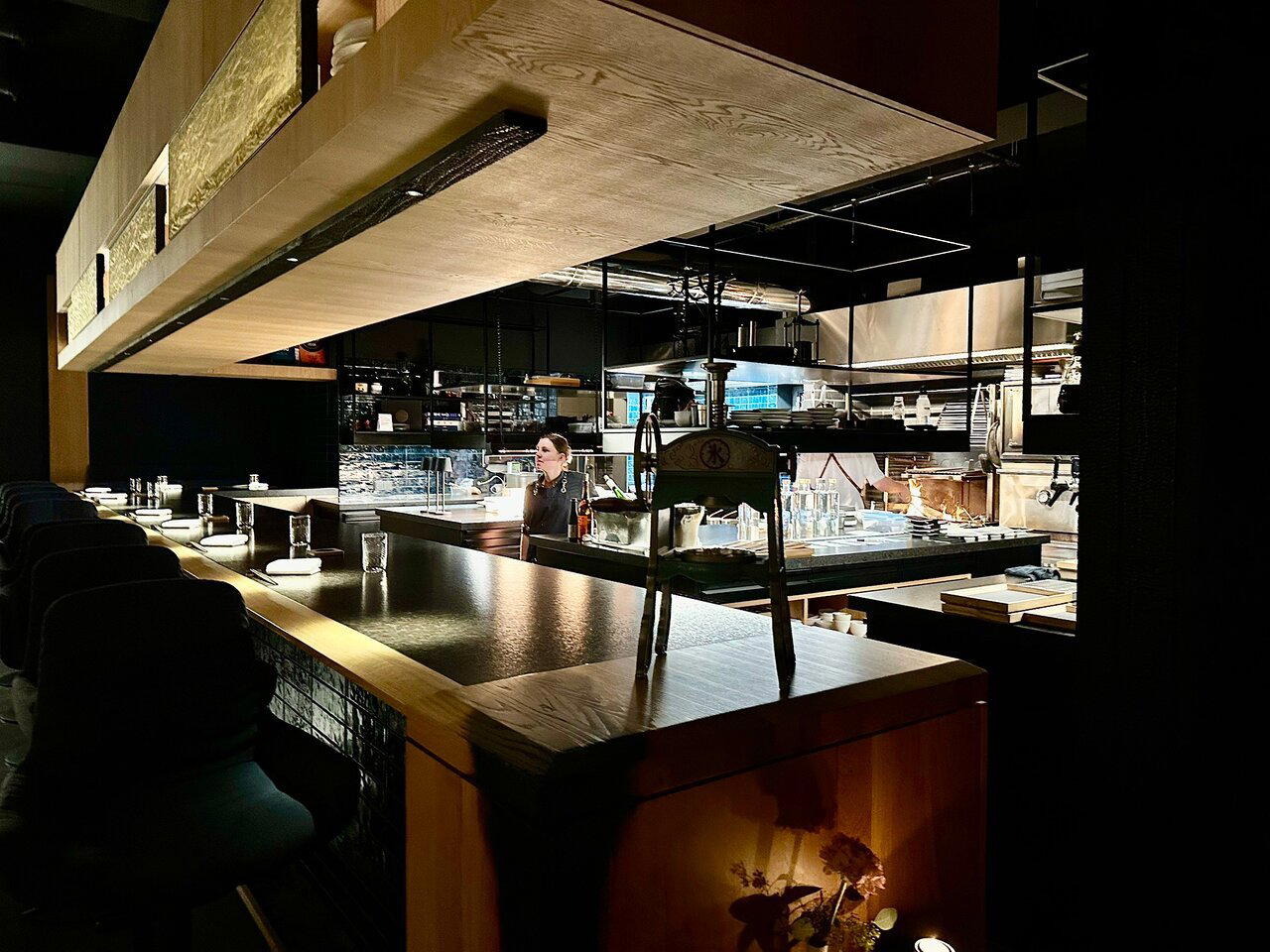
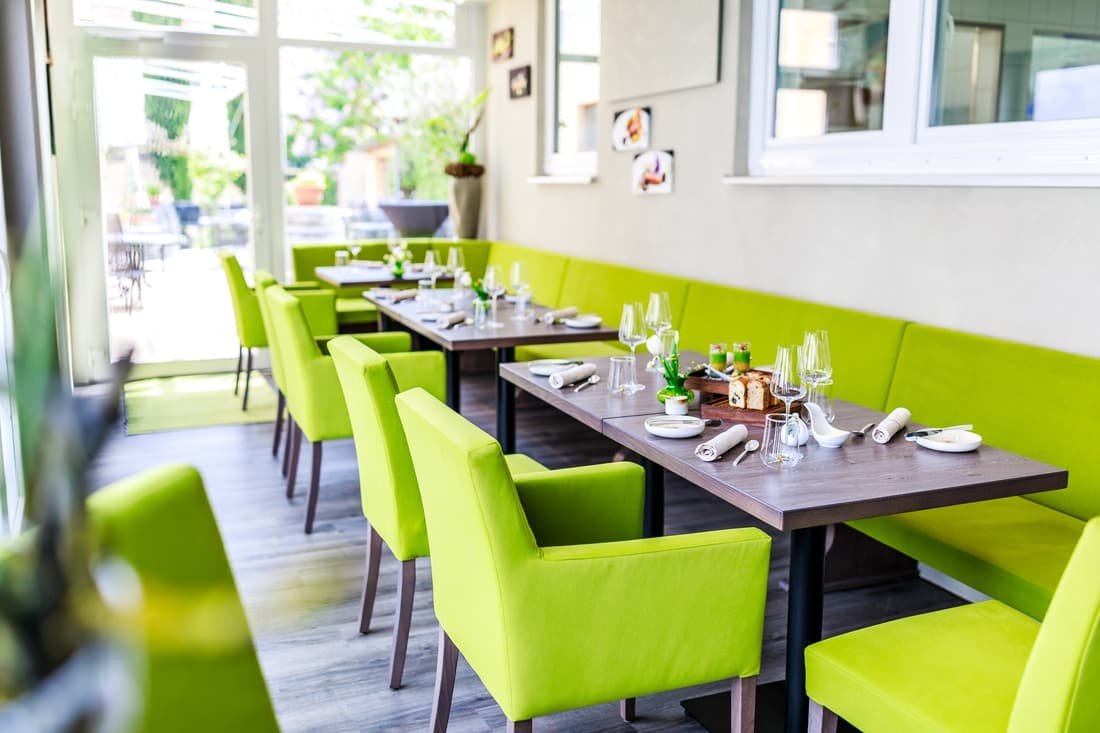
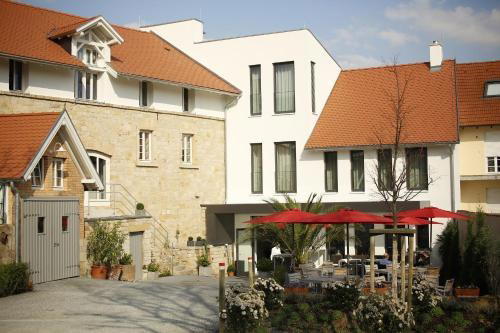
Approach the Hainfeld wine pavilion and the mood is more Southern Wine Route than trophy-room theatre: family estate, vineyard context, cellar seriousness, and a regional table culture that sits close to the wines rather than distracting from them. Weingut Bernhard Koch belongs to the branch of Pfalz producers that treats Burgundy not as costume but as a production grammar: Pinot Noir, Chardonnay, Pinot-family whites, bottle-fermented Sekt, and an insistence that soil and élevage should be legible in the glass.
That matters in Hainfeld because the Pfalz can be misread as only warmth and generosity. The Southern Wine Route is warm, dry and sunny, but the sheltering Palatinate Forest helps preserve freshness, a decisive factor for Spätburgunder. Here, ripeness is not the whole story. The more interesting question is how limestone, sandstone, loess, granite and weathered soils divide the work between tension, body and fruit.
Hainfeld's soils give the Burgundy brief a Pfalz accent
The estate farms around 50 hectares in and around Hainfeld, with Spätburgunder at roughly 20 percent of plantings and Riesling at about 22 percent, alongside Weißburgunder, Grauburgunder and Chardonnay. That mix tells a precise story: this is not a Pinot-only specialist abandoning the region’s Riesling identity, nor a conventional Pfalz estate treating red Burgundy varieties as side business. The program is built as a parallel argument for red, white and sparkling wines from related varieties and compatible sites.
The geological spread is unusually useful for an estate working this style. Shell limestone is associated with tauter Pinot, Chardonnay and Sekt bases, while warmer sandy and weathered soils bring more body and ripe-fruit breadth. Hainfelder Letten carries particular weight in the portfolio, especially for Pinot Noir, with Hainfelder Kirchenstück also part of the Pinot story. The point is not simply vineyard naming; it is the use of named parcels to separate accessible estate and village wines from Réserve and Grande Réserve bottlings.
Small oak is central here. Around 600 barriques sit behind the Burgundian premise, and the cellar program uses that capacity for red wines and premium whites rather than treating barrel aging as a flourish. In a region where scale can pull producers toward broadly friendly bottlings, this much barrique infrastructure signals a different bet: structure, maturation and tiering. The estate’s traditional skin fermentation for reds and small-oak aging make its upper-level Pinot Noir a cellar-shaped expression of the Pfalz, not a simple fruit-forward regional red.
The sparkling program broadens the reading. Bottle-fermented Sekt, made from Burgundy varieties with long lees aging, links the estate’s Champagne influence with its Pinot-and-Chardonnay core. That makes the range more coherent than a list of styles might suggest: still red, still white and sparkling wines all orbit the same climate-and-variety question.
The recognition follows the Pinot, not the association label
Pfalz prestige is often discussed through formal associations, but quality signals can come from elsewhere. Weingut Bernhard Koch is a FORUM PFALZ member and has held Fair’n Green certification since 2017, placing regional identity and sustainability in the foreground rather than relying on a more familiar hierarchy. Fair’n Green covers vineyard practice, carbon footprint, biodiversity, social standards and fair pay, so the certification reads as an operational commitment rather than a bottle-neck badge.
The more public quality marker is VINUM’s German Red Wine Award 2023, where the estate received the “Roter Riese” designation and Hainfelder Letten Pinot Noir was named Red Wine of the Year. That award is important because it aligns exactly with the house argument. Recognition for a Pinot from Hainfelder Letten reinforces the idea that this corner of the Pfalz can produce German Spätburgunder with enough precision and structure to compete beyond local loyalty.
Family continuity gives the estate additional context without needing to turn the page into biography. Winegrowing in the Koch family is documented back to 1610, and the estate moved into full-time wine production around 1911. Bernhard Koch now works with sons Konstantin and Alexander, a fifth-generation structure that matters because long-view farming is central to site-driven wine. The expansion to around 50 hectares over roughly a quarter-century also explains the estate’s current scale: large enough to support a serious cellar and tiered range, still concentrated around Hainfeld rather than scattered across unrelated zones.
For readers mapping the area, Hainfeld has several useful wine stops and planning anchors. Nearby winery pages include Wein- und Sektgut Theodorus, Weingut Borell-Diehl, Weingut Hagenbuch, Weingut Kastanienberg and Weingut Klein. Broader Hainfeld planning sits in Our full Hainfeld wineries guide, with nearby editorial rails for Our full Hainfeld restaurants guide, Our full Hainfeld hotels guide, Our full Hainfeld bars guide and Our full Hainfeld experiences guide.
What to focus on in the glass
The clearest route through the range is comparative rather than encyclopedic. Start with the estate’s Spätburgunder logic: Hainfelder Letten Pinot Noir trocken, Pinot Noir Réserve and Grande Réserve sit along the axis of parcel selection, oak maturation and aging ambition. The VINUM-recognized Hainfelder Letten bottling is the reference point, but the reserve ladder is where the estate’s cellar discipline becomes visible.
The white wines should not be treated as supporting cast. Chardonnay Réserve, Weißburgunder and Grauburgunder Réserve extend the Burgundy frame into a Pfalz context, with limestone parcels giving the style a firmer spine than the region’s warmer reputation might imply. Riesling remains part of the vineyard balance, but the editorial interest here lies in how Burgundy varieties behave under Hainfeld’s dry, sheltered conditions.
Sekt is the third piece to watch. Traditional-method sparkling wine from Burgundy varieties, with long lees aging, ties together the estate’s early Champagne influence, limestone suitability and cellar investment. For travelers who usually read Germany through Riesling, this is the more instructive angle: a Pfalz estate using German red wine, white Burgundy varieties and serious sparkling production to argue for a broader regional identity.
For wider wine-country comparison beyond Hainfeld, EP Club also covers & Handwein in Mannheim, 2 Naturkinder in Kitzingen, 3 Winner in Bechtheim, »der Steiner« Hans Steiner in Podersdorf am See and ®walzer in Gneixendorf Bei Krems.
Recognition history
Dated appearances from independent guides and award organizations, with the underlying list record or original source where available.
Falstaff Winery - Listed
Falstaff
Continue exploring
More in Hainfeld
Wineries in Hainfeld
Browse all →
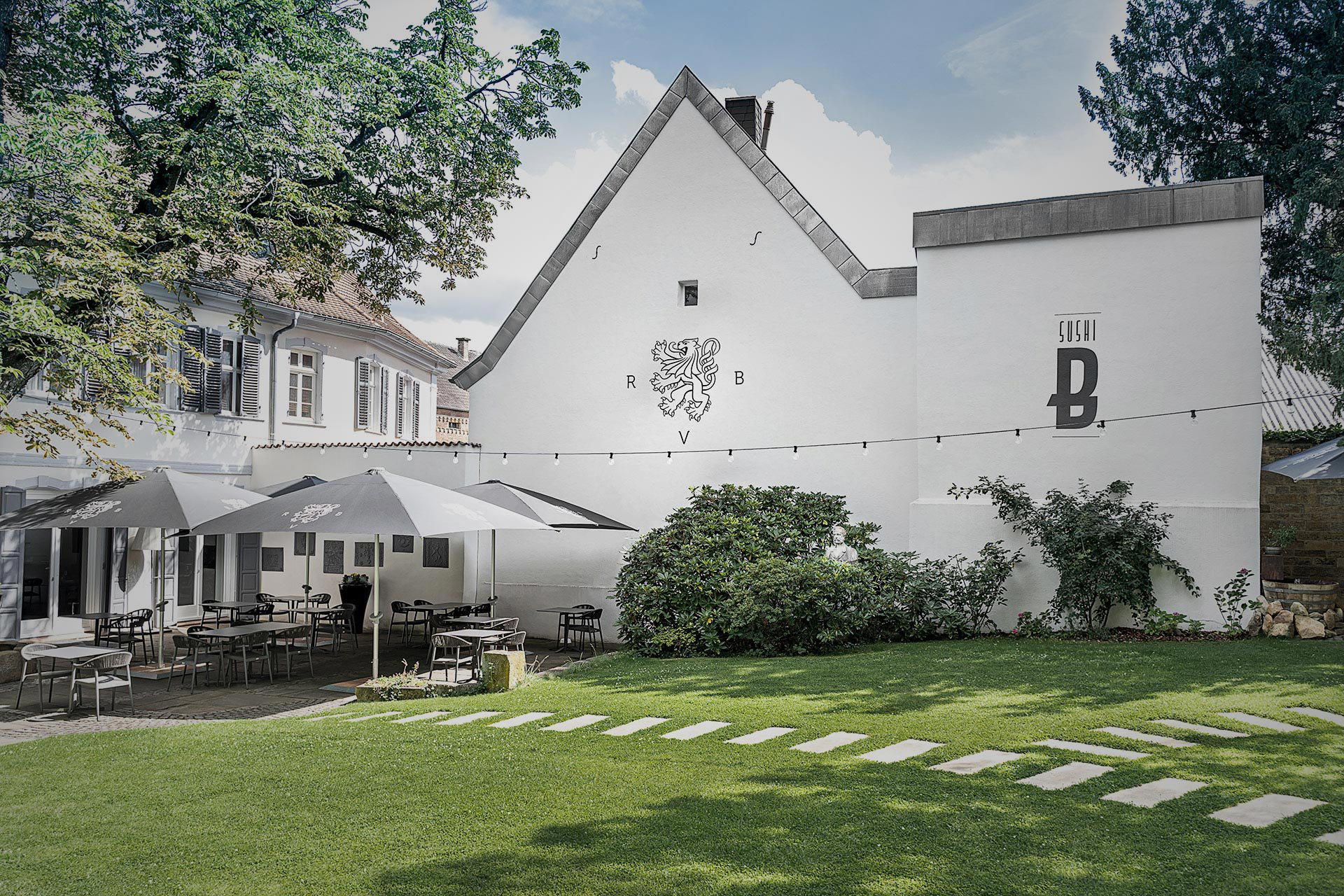
Bars in Hainfeld
Browse all →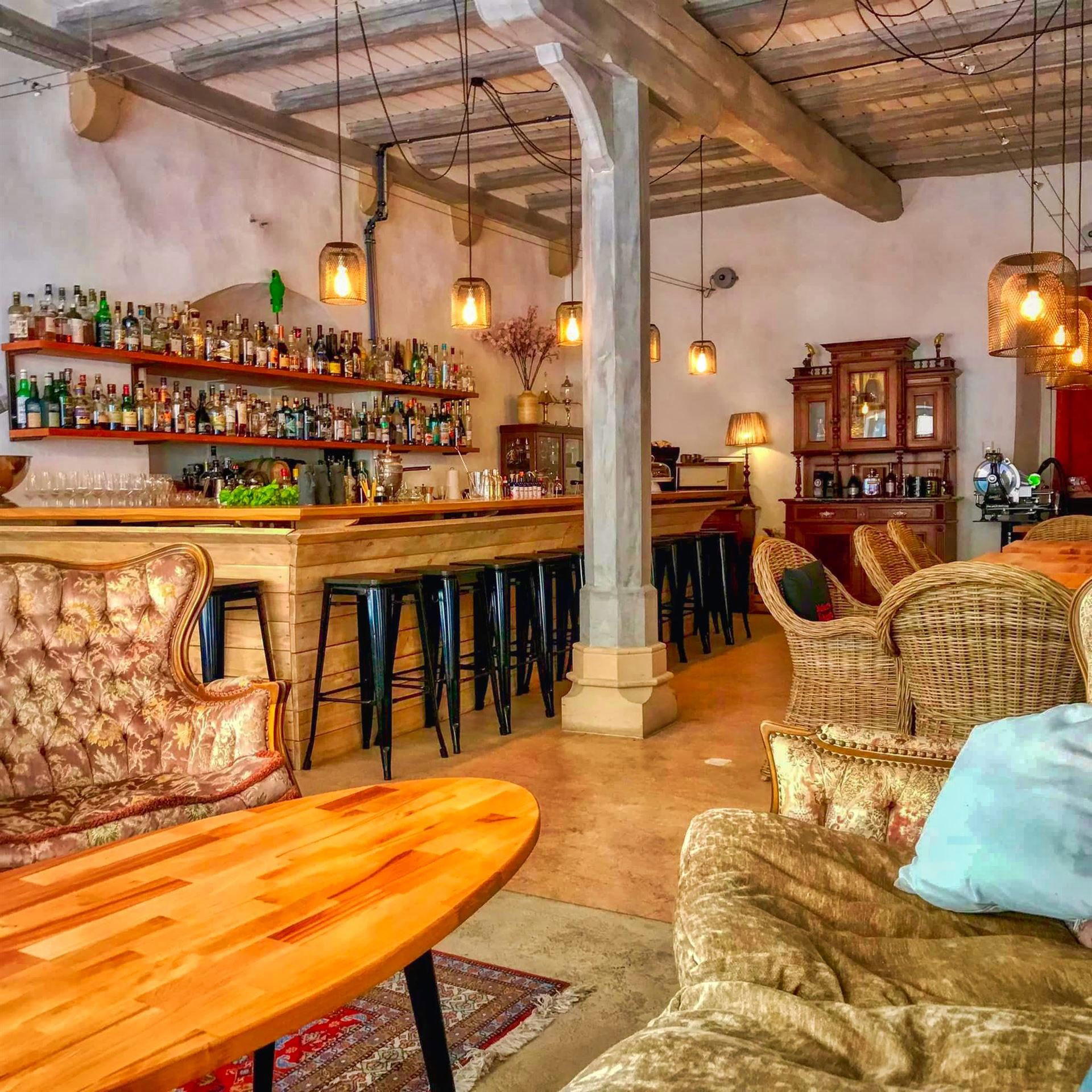
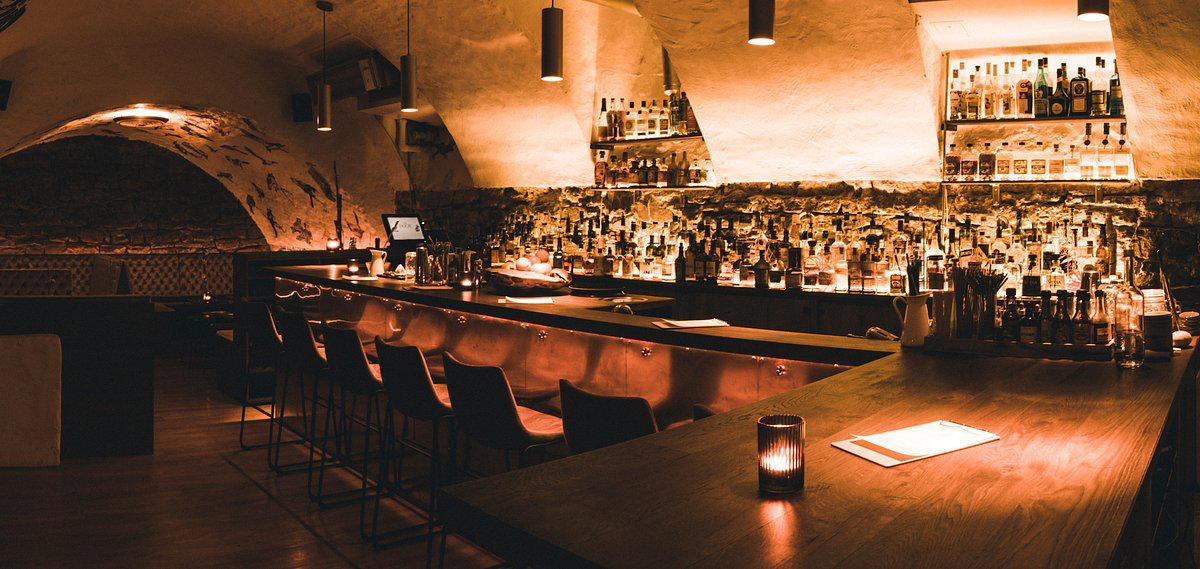
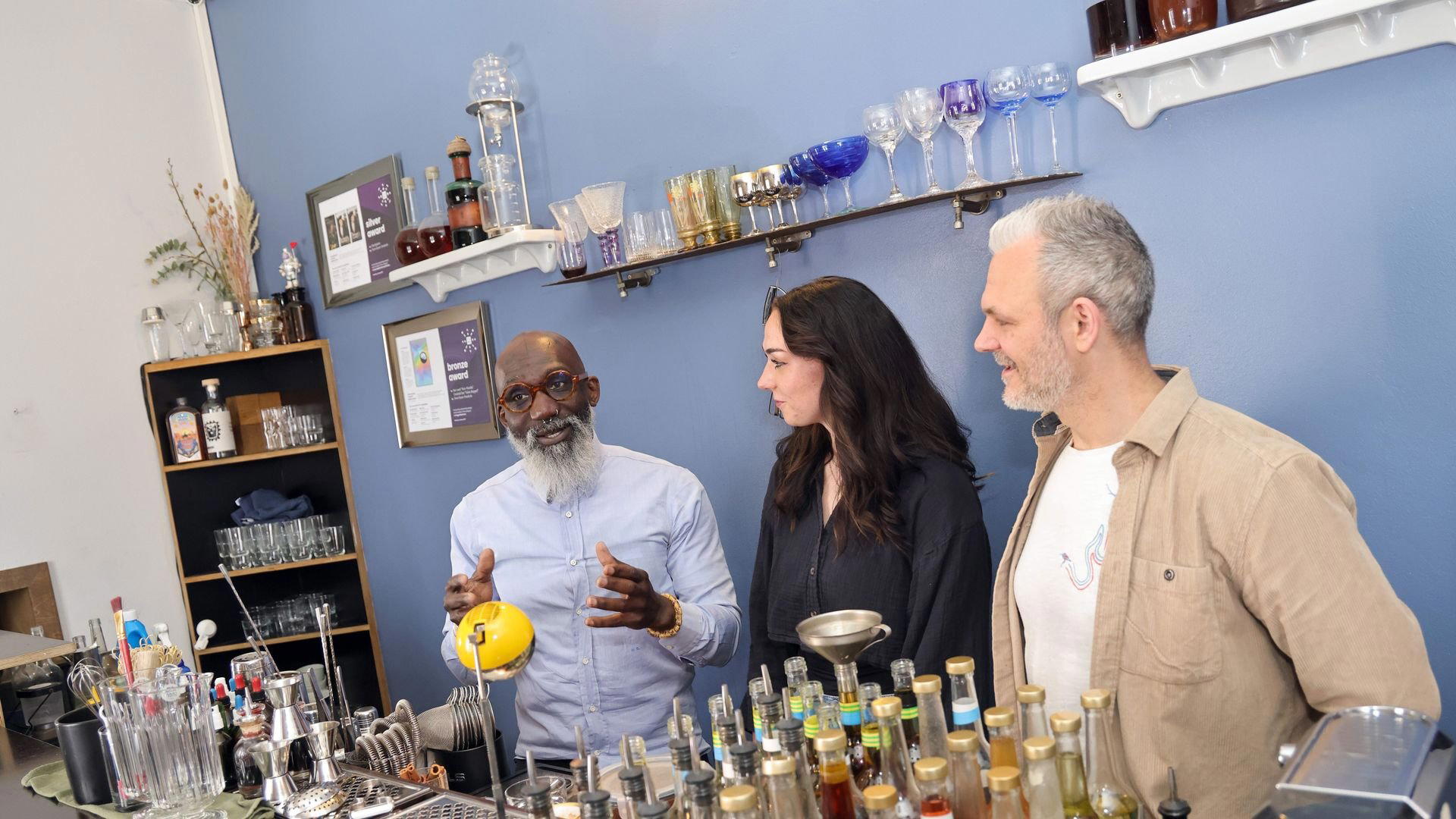

Restaurants in Hainfeld
Browse all →
Details
- Classic
- Cozy
- Rustic
- Sophisticated
- Group Outing
- Wine Education
- Special Occasion
- Barrel Room
- Historic Building
- Private Tasting
- Sustainable
- Vineyard
- Spätburgunder
- Riesling
- Weißburgunder
- Grauburgunder
- Chardonnay
- Still Red
- Still White
- Sparkling
- Guided Tasting
- Cellar Tasting
A traditional family winery with a welcoming wine pavilion atmosphere, serving regional cuisine in a pleasant setting and centered on Burgundy-style wines.