
Falstaff Winery - Listed
Weinbau Rudolf Hofer reflects Auersthal’s Heuriger culture through a village winery format rather than a polished estate script. The appeal is the combination of Weinviertel varieties, family-run hospitality, a Heurigen food rhythm, and a closed-room tasting setting in a newer cellar, with Grüner Veltliner, Welschriesling, Müller-Thurgau, Weißburgunder, and Zweigelt anchoring the local frame.

Pearl is the En Primeur Club membership app, where members save venues, book tables and use the concierge.

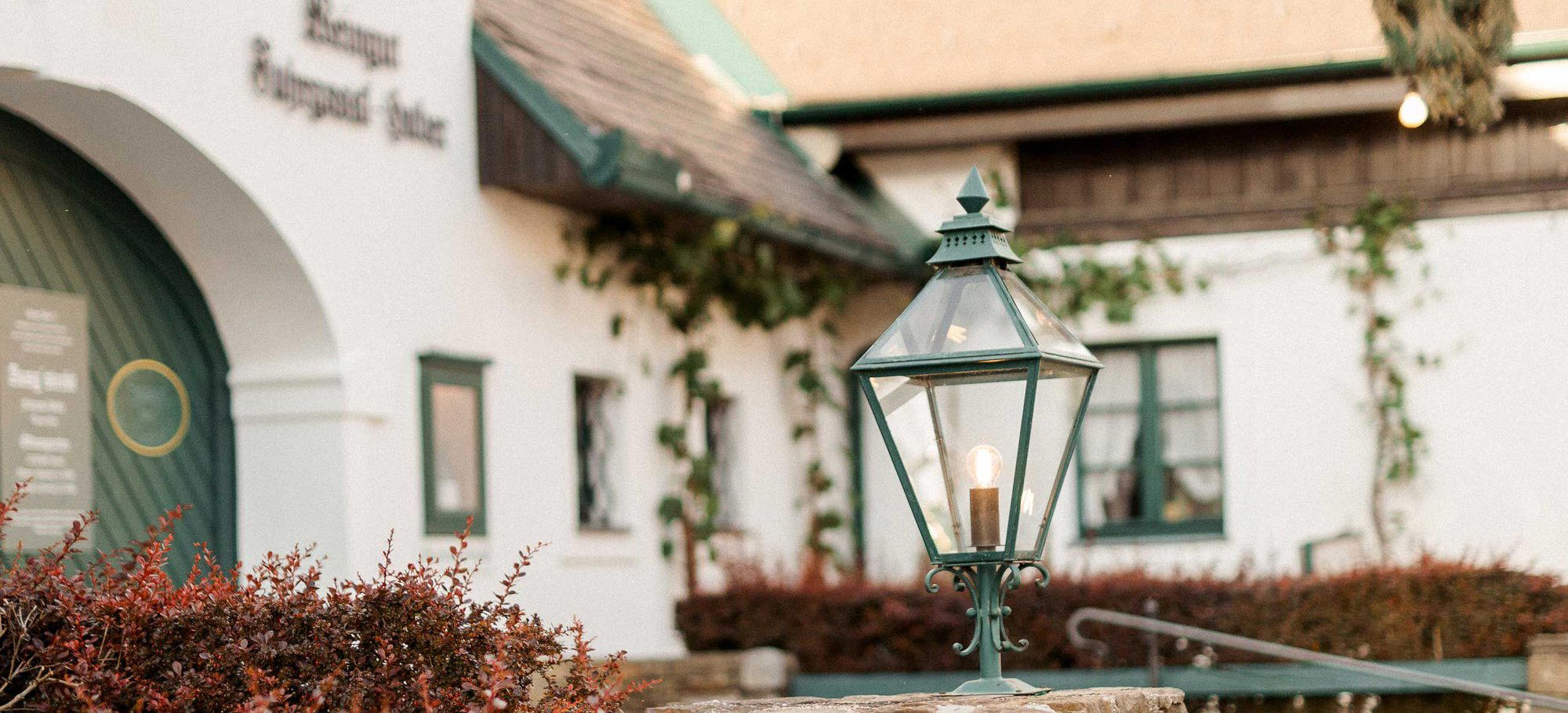
Approach Auersthal as wine country, not just as a restaurant stop: village scale matters because the Heuriger tradition is tied to production, family hospitality, and the social rhythm of local drinking. Weinbau Rudolf Hofer fits that register. The picture is modest but useful: a family-run wine address in Auersthal with a traditional Heuriger atmosphere and a closed-door tasting room in a newly built cellar. That combination gives the venue its clearest identity. It is rustic, cozy, classic, and a little hidden-gem in character rather than a polished luxury destination.
The ideal way to read Weinbau Rudolf Hofer is through format rather than a long list of menu, grape, or award claims. What can be stated confidently is that it belongs to the Heuriger world: wine hospitality in a village setting, with the informality and local feeling that make the form distinct from a conventional restaurant. The cellar element adds a more contained tasting-room dimension, but the grounding remains family-run and rooted in Auersthal.
Weinviertel character inside a Heuriger frame
The Heuriger remains one of Austria’s clearest arguments for drinking wine close to where it is made. At Weinbau Rudolf Hofer, the appeal is not a named chef, a scored tasting menu, or a formal fine-dining promise. It is the traditional Heuriger atmosphere: a setting where wine hospitality is social, relaxed, and closely connected to place. For travellers used to appointment-led estates or restaurant-style wine bars, the distinction matters. This is best understood as a village wine experience rather than a choreographed prestige sequence.
Safer and more useful description is broader: Weinbau Rudolf Hofer offers a classic Auersthal Heuriger identity with a cellar-based tasting component. Its price level is listed as $, which supports the impression of an accessible stop rather than a luxury splurge.
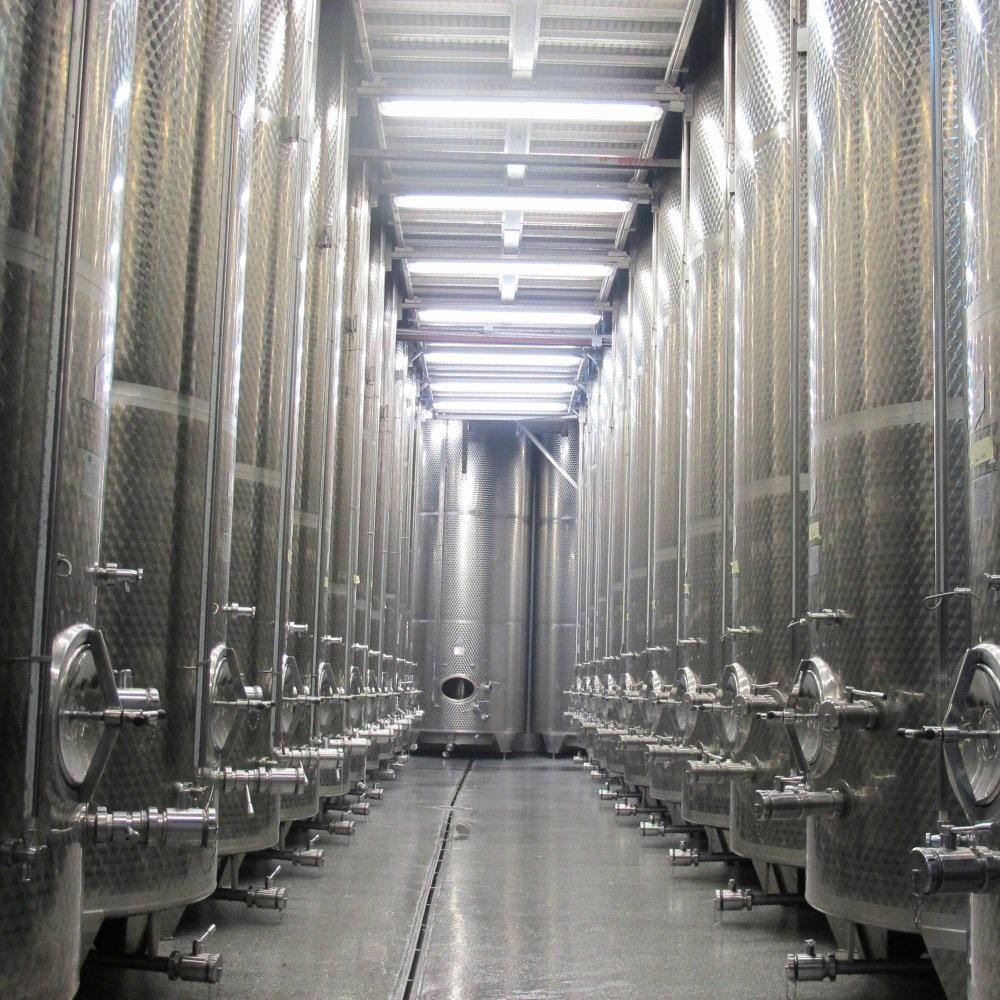
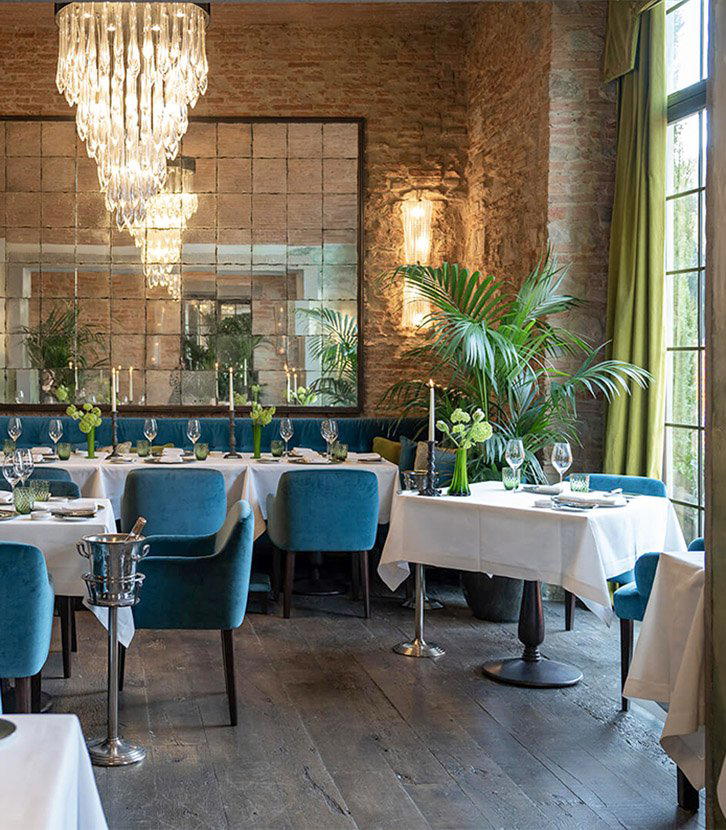
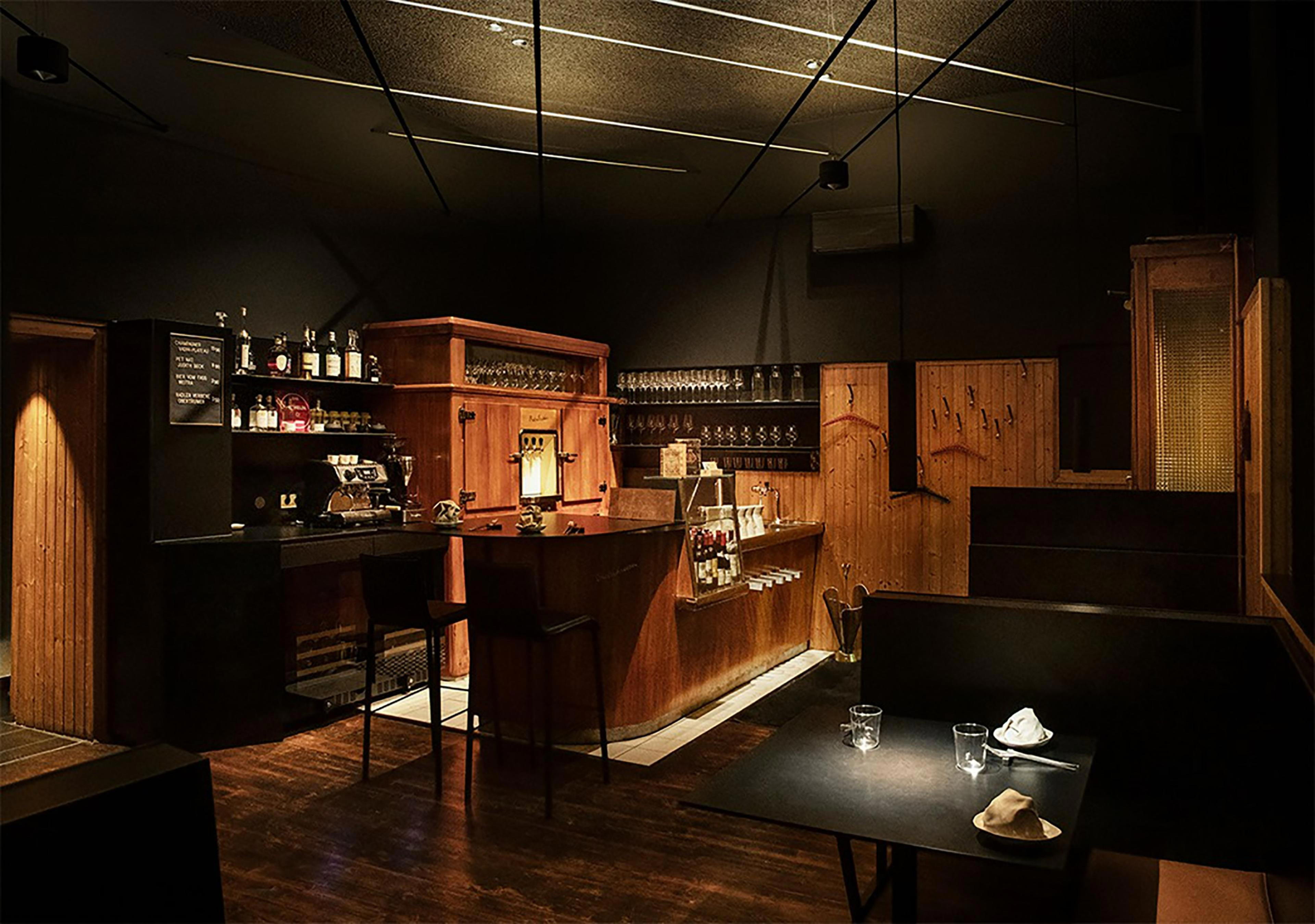
Newly built cellar is the most concrete setting detail. A closed-door tasting room suggests a more private, focused environment than a purely open tavern atmosphere, while the broader mood remains rustic and cozy. That balance is the venue’s strongest editorial hook: it keeps the village Heuriger feeling while offering a defined space for tasting.
A village setting with a cellar-room focus
Auersthal’s appeal here is spatial and cultural. Weinbau Rudolf Hofer is rooted in the village setting, so the experience should be approached as part of local wine life rather than as an urban dining room transplanted into wine country. The description points to a family-run address, a traditional Heuriger mood, and a newly built cellar with a closed-door tasting room. Those elements are enough to frame the visit without adding unsupported details about capacity, service choreography, awards, or named personalities.
This is where Weinbau Rudolf Hofer earns attention for visitors looking at Auersthal. The experience is not framed by confirmed critic scores, confirmed awards, or a celebrity-winemaker narrative. It is framed by atmosphere: rustic, cozy, classic, and somewhat. That makes it useful for travellers who want a local wine stop with a clear sense of place, as well as for people comparing different kinds of dining and wine hospitality in Auersthal.
The page should also be read with appropriate restraint. The reliable takeaway is simpler and stronger: Weinbau Rudolf Hofer is a family-run Auersthal Heuriger with a cellar tasting-room setting and an accessible $ price level.
How to place it in an Auersthal wine itinerary
For a compact Auersthal itinerary, Weinbau Rudolf Hofer is best positioned as a village Heuriger stop with a more contained cellar-room dimension. That makes it a useful contrast to other Auersthal dining options in a general sense, especially if the goal is to understand the local hospitality texture rather than to chase a ranked restaurant list. The setting is traditional rather than formal, and the mood is closer to classic wine-country hospitality than to a city dining room.
Planning should stay practical. Auersthal is a village setting, so visitors should confirm current visiting arrangements directly before building a day around it. The information supports the idea of a closed-door tasting room in a newly built cellar, but it does not verify public opening hours, a standing lunch service, a full menu, or a particular reservation policy. Treat the visit as something to check in advance rather than assume on arrival.
The reason to come is not spectacle. It is the chance to experience a family-run Heuriger atmosphere in Auersthal, with a rustic and cozy character and a cellar space that gives tastings a more focused setting. For travellers who value wine culture as a social and village-rooted experience, Weinbau Rudolf Hofer has a clear place on the map.
Recognition history
Dated appearances from independent guides and award organizations, with the underlying list record or original source where available.
Falstaff Winery - Listed
Falstaff
Continue exploring
More in Auersthal
Wineries in Auersthal
All wineries in Auersthal →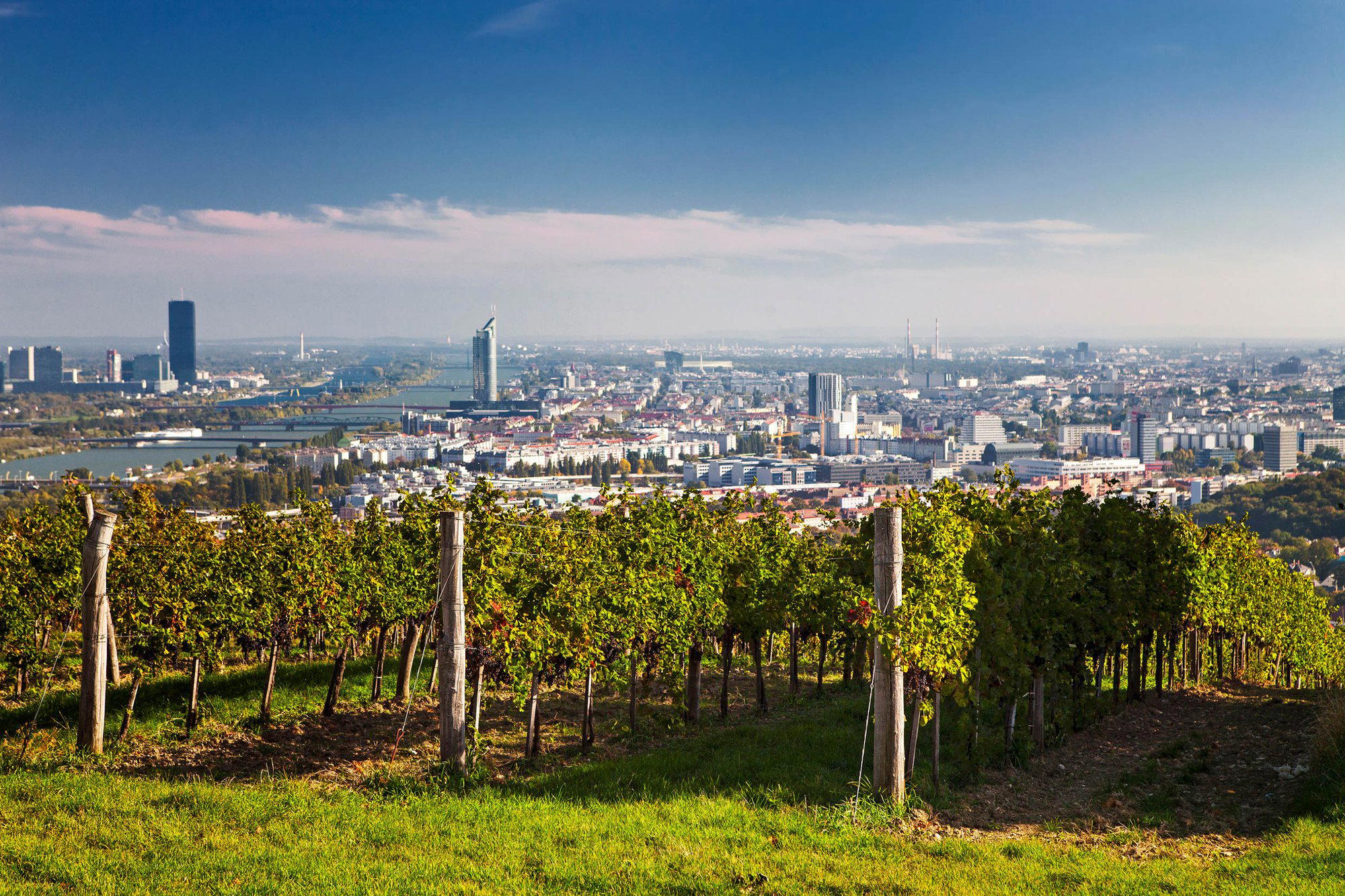
Bars in Auersthal
Browse all →
Restaurants in Auersthal
Browse all →
Details
- Rustic
- Cozy
- Classic
- Family
- Group Outing
- Special Occasion
- Wine Education
- Private Tasting
- Historic Building
- Sustainable
- Street Scene
- Grüner Veltliner
- Welschriesling
- Müller Thurgau
- Weißburgunder
- Zweigelt
- Still White
- Still Red
- Private Tasting
- Guided Tasting
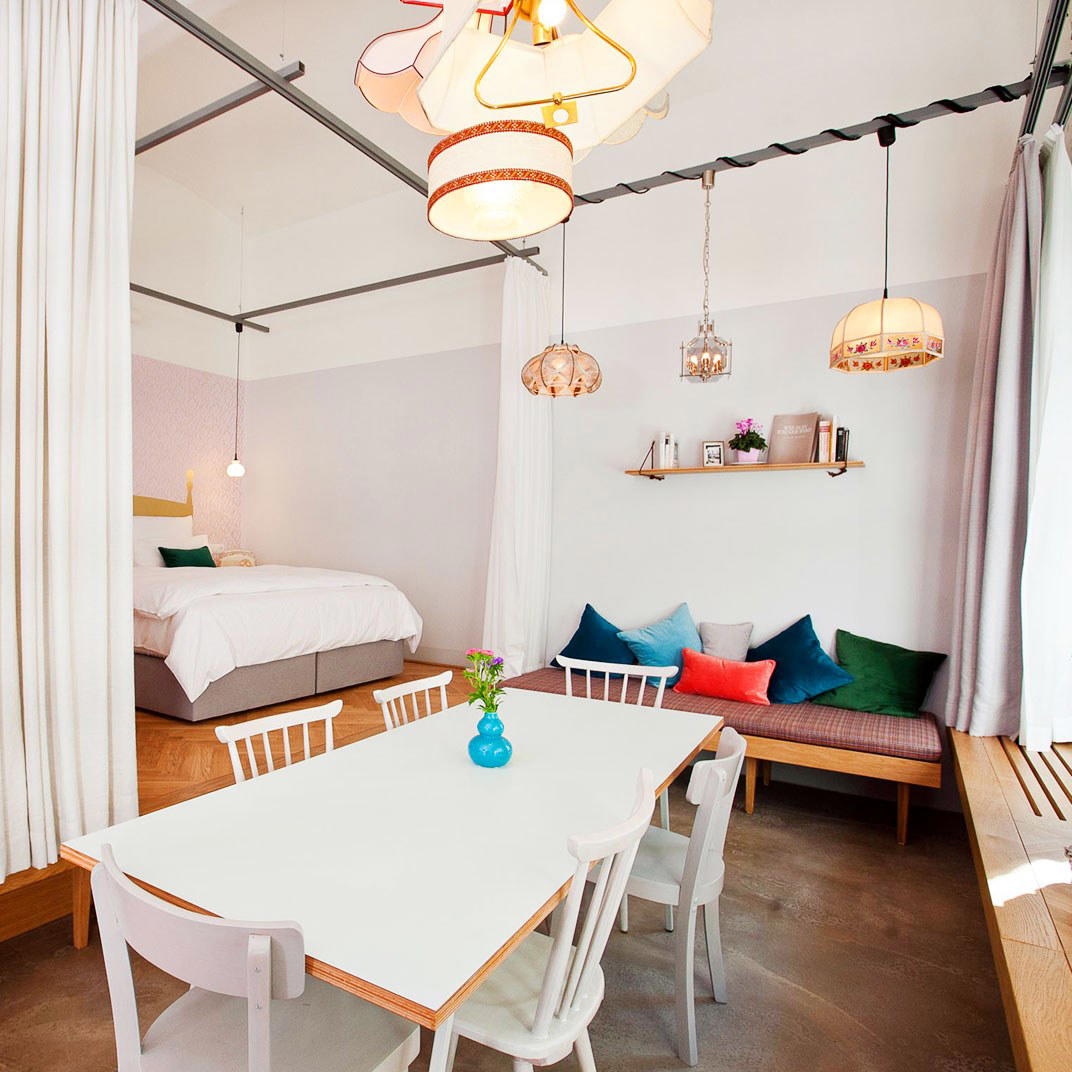
Traditional Heuriger atmosphere with a closed-door tasting room in a newly built cellar; family-run and rooted in the village setting.