
Falstaff Winery - Listed
Weinbau Reinhard Bruckner is a small family winery in Gols, shaped by Neusiedlersee’s Pannonian climate, five hectares of vineyard work, and a cellar philosophy that keeps machinery in the background. The range moves from Grüner Veltliner, Welschriesling, and Chardonnay to Zweigelt, Blaufränkisch, St. Laurent, sweet wines, and Pétillant Naturel, with more than 100 awards behind its local standing.

Pearl is the En Primeur Club membership app, where members save venues, book tables and use the concierge.

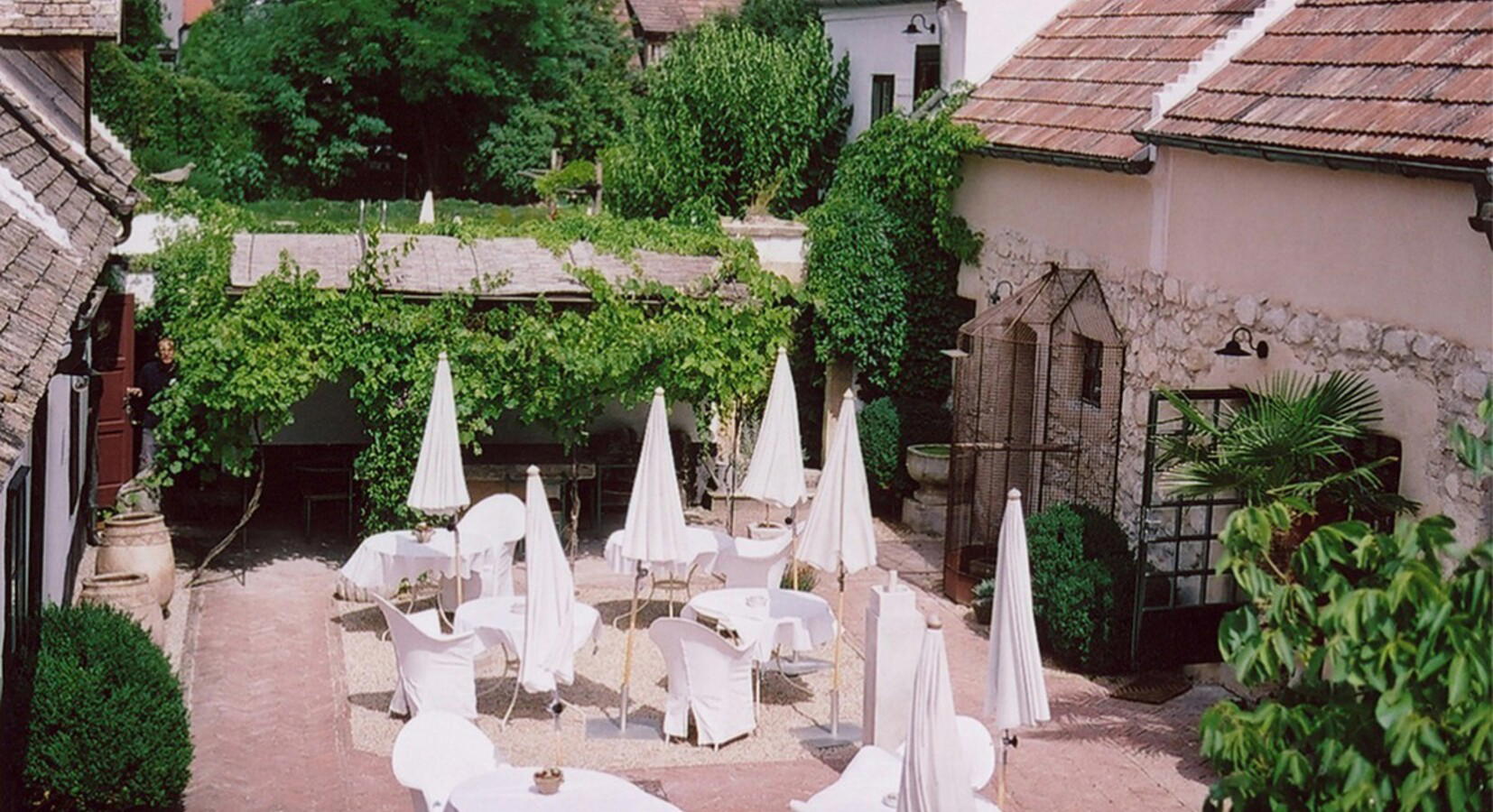
Weinbau Reinhard Bruckner is a Gols venue best understood through a restrained, tradition-rooted lens. The profile is concise: it is positioned at the $$ price level, with an atmosphere described as classic, rustic, quiet, elegant, and somewhat hidden-gem in character. Rather than presenting itself through spectacle or trend-driven polish, the venue’s stated identity centers on hand work, vineyard character, and a belief in letting wine develop naturally.
Because the confirmed public details are limited, the most reliable way to frame Weinbau Reinhard Bruckner is not through claims about specific grapes, estate size, tasting formats, founding dates, awards, opening arrangements, or individual bottlings. The grounded editorial picture is simpler and more useful: this is a down-to-earth Gols wine address whose appeal rests on a traditional, hands-on philosophy and a quiet sense of place.
Gols character expressed through a hands-on wine philosophy
The clearest theme at Weinbau Reinhard Bruckner is the emphasis on manual work and vineyard character. That language matters because it sets expectations. This is not a venue to describe through luxury shorthand, dramatic service claims, or an invented menu of experiences. Its confirmed identity points instead toward patience, craft, and continuity of approach.
The venue’s philosophy also resists forcing wine into trend-driven styles. In practical editorial terms, that means the safest description is one of restraint: a producer or wine venue that values natural development over performative modernity. The confirmed tone is classic and rustic, but not careless; elegant, but not showy. That balance is the core of the page.
For EP Club readers, the useful takeaway is that Weinbau Reinhard Bruckner should be approached as a quiet Gols option for people who value tradition and hand work. Any more specific claims about grape varieties, bottle names, production methods beyond the philosophy, tasting-room setup, or visitor logistics would go beyond the confirmed record and should be treated cautiously unless checked directly with the venue.
A quiet, tradition-rooted venue rather than a headline-driven destination
Some venue profiles are built around awards, chef biographies, exact formats, or highly specific hospitality details. The information for Weinbau Reinhard Bruckner does not support that kind of treatment. For that reason, the most accurate editorial stance is to keep the focus on the elements that are confirmed.
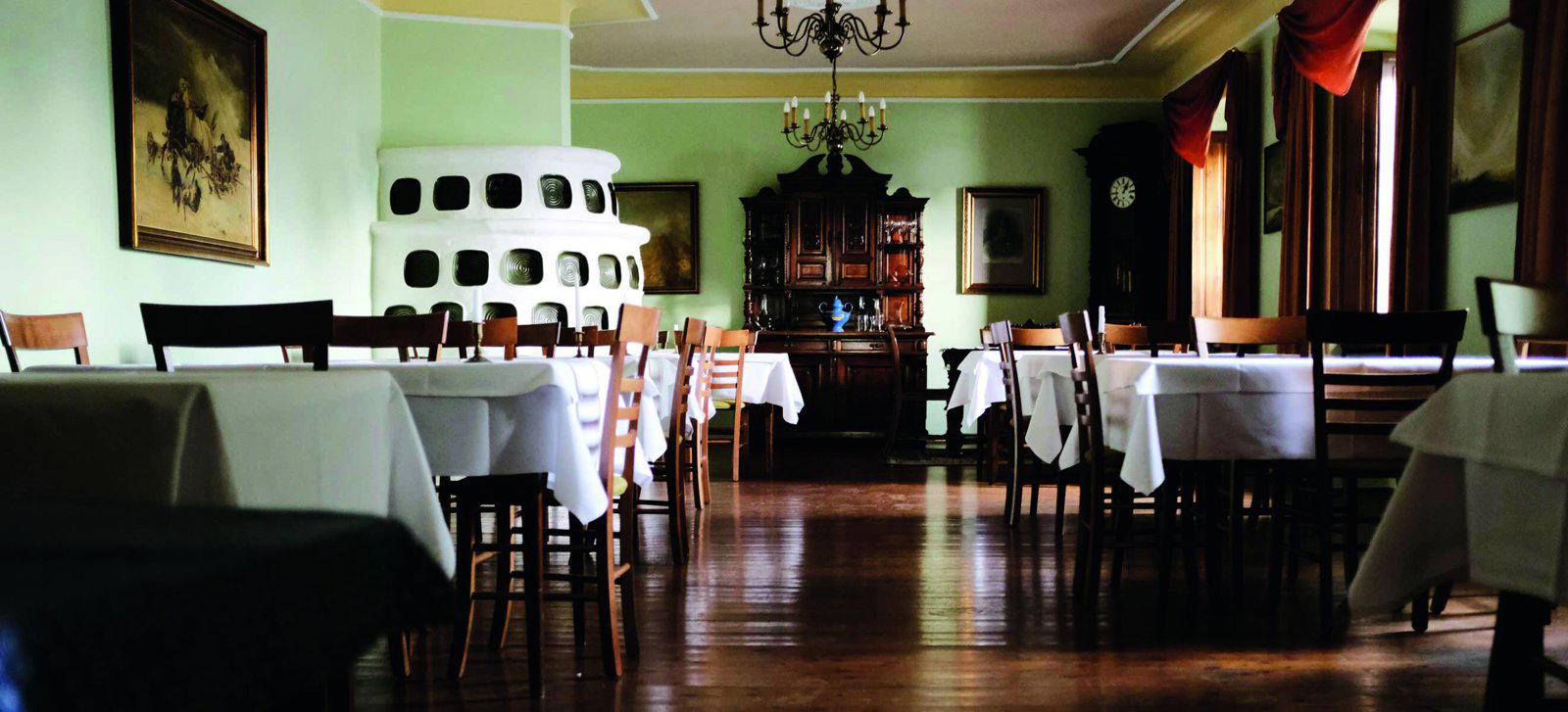
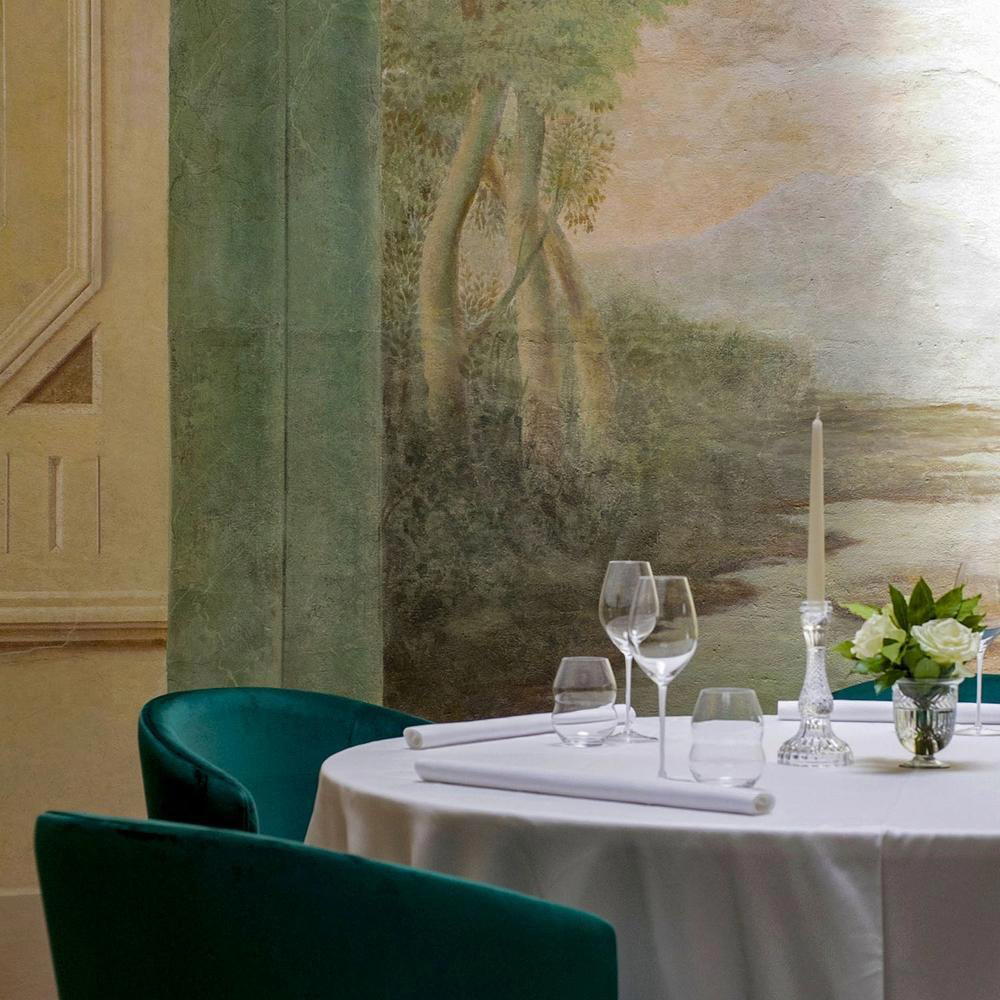
Those elements are still meaningful. A down-to-earth and tradition-rooted atmosphere can be a strong draw, especially in a wine setting where guests may be looking for a calmer alternative to more polished or commercial experiences. The words “classic,” “rustic,” “quiet,” and “elegant” suggest a venue with understated character rather than high-gloss presentation.
The price indicator is also direct: Weinbau Reinhard Bruckner is listed at $$. That gives travelers a broad planning cue without implying a specific tasting fee, bottle price, menu price, or package cost. Since no exact pricing structure, the $$ marker should remain the only price claim.
What should not be added is just as important. The page should not assert appointment-only tastings, a particular cellar-door format, a family history, a named owner’s biography, estate vineyard details, awards, grape varieties, lunch or dinner service, take-out, delivery, allergy policies, or a beverage program beyond the general wine identity implied by the venue name and philosophy.
How to place it within a Gols wine trip
Within Gols, Weinbau Reinhard Bruckner is best positioned as a quiet, traditional wine stop rather than a venue defined by spectacle. Travelers comparing options in the area can think of it as a place whose appeal is mood and philosophy: hand work, vineyard character, natural development, and a classic rustic elegance.
Because the confirmed dataset is intentionally narrow, planning should stay flexible. Visitors who need current opening times, tasting arrangements, accessibility information, bottle availability, group policies, or payment details should confirm those points directly before making plans.
For editorial comparison, the only named venue that should be used here is Weinbau Reinhard Bruckner itself. Other dining or wine options in Gols can be referenced generically, but not named unless separately verified. That keeps the guide accurate and avoids implying relationships, proximity, or peer status that the confirmed data does not support.
The honest case for Weinbau Reinhard Bruckner is therefore compact but clear. It is a $$ venue in Gols with a down-to-earth, elegant, rustic, quiet character and a tradition-rooted wine philosophy. Its strongest identity lies in hand work, respect for vineyard character, and a preference for natural development over trend-led styling.
Recognition history
Dated appearances from independent guides and award organizations, with the underlying list record or original source where available.
Falstaff Winery - Listed
Falstaff
Continue exploring
More in Gols
Wineries in Gols
All wineries in Gols →
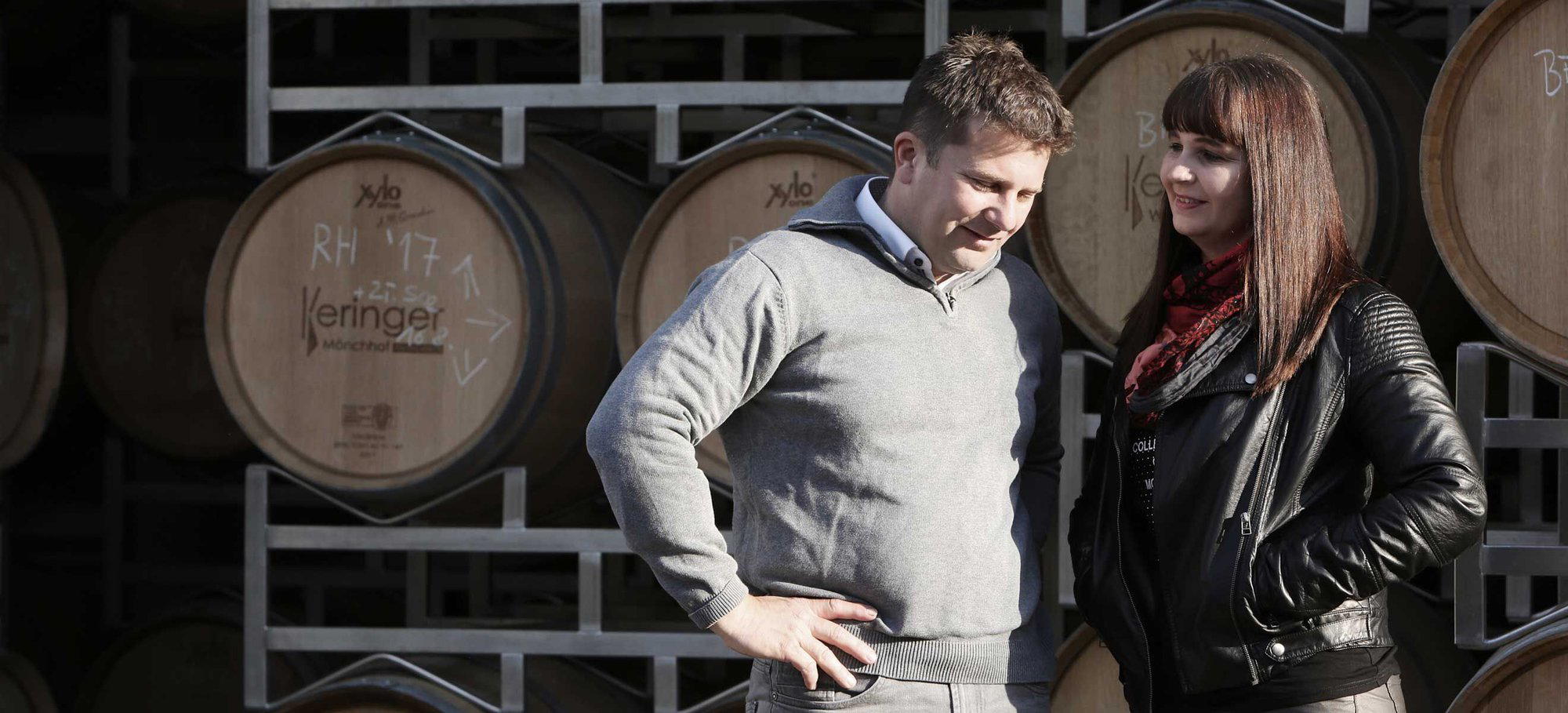
Bars in Gols
Browse all →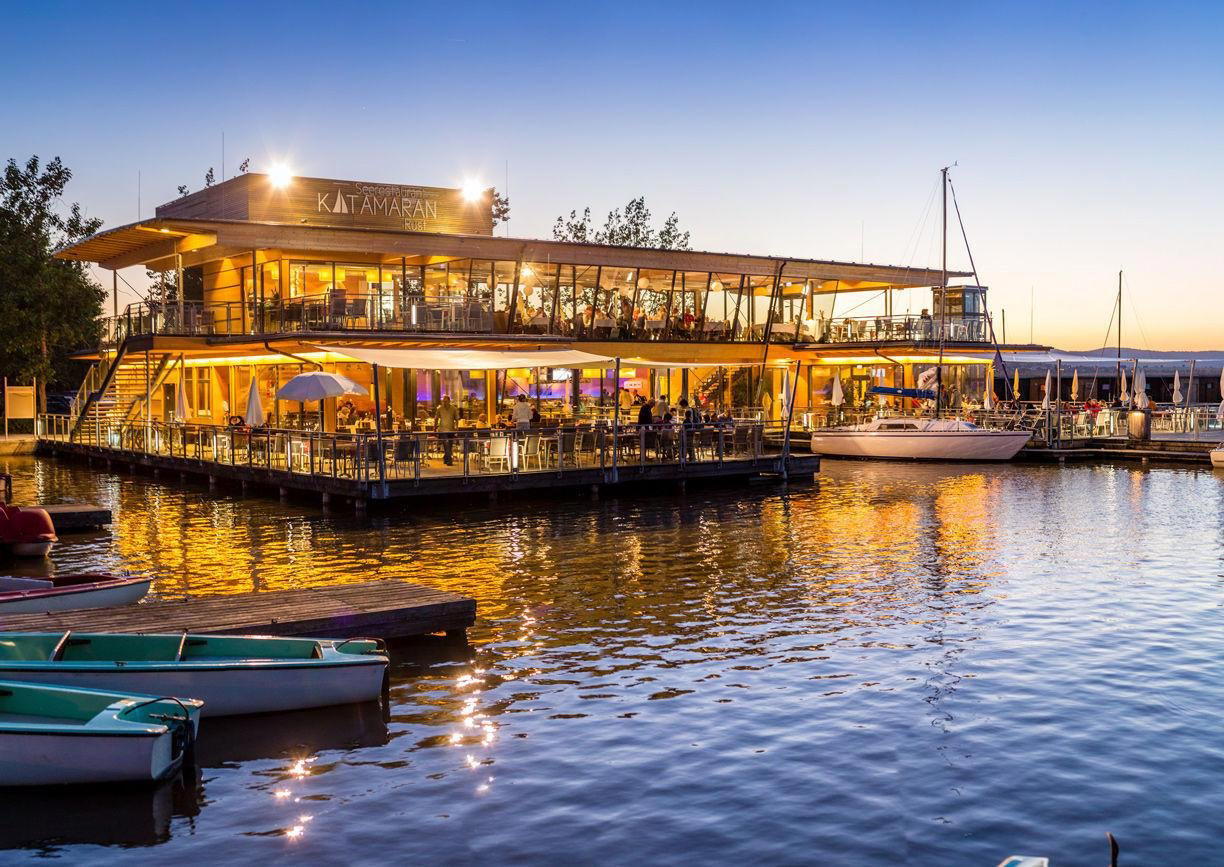
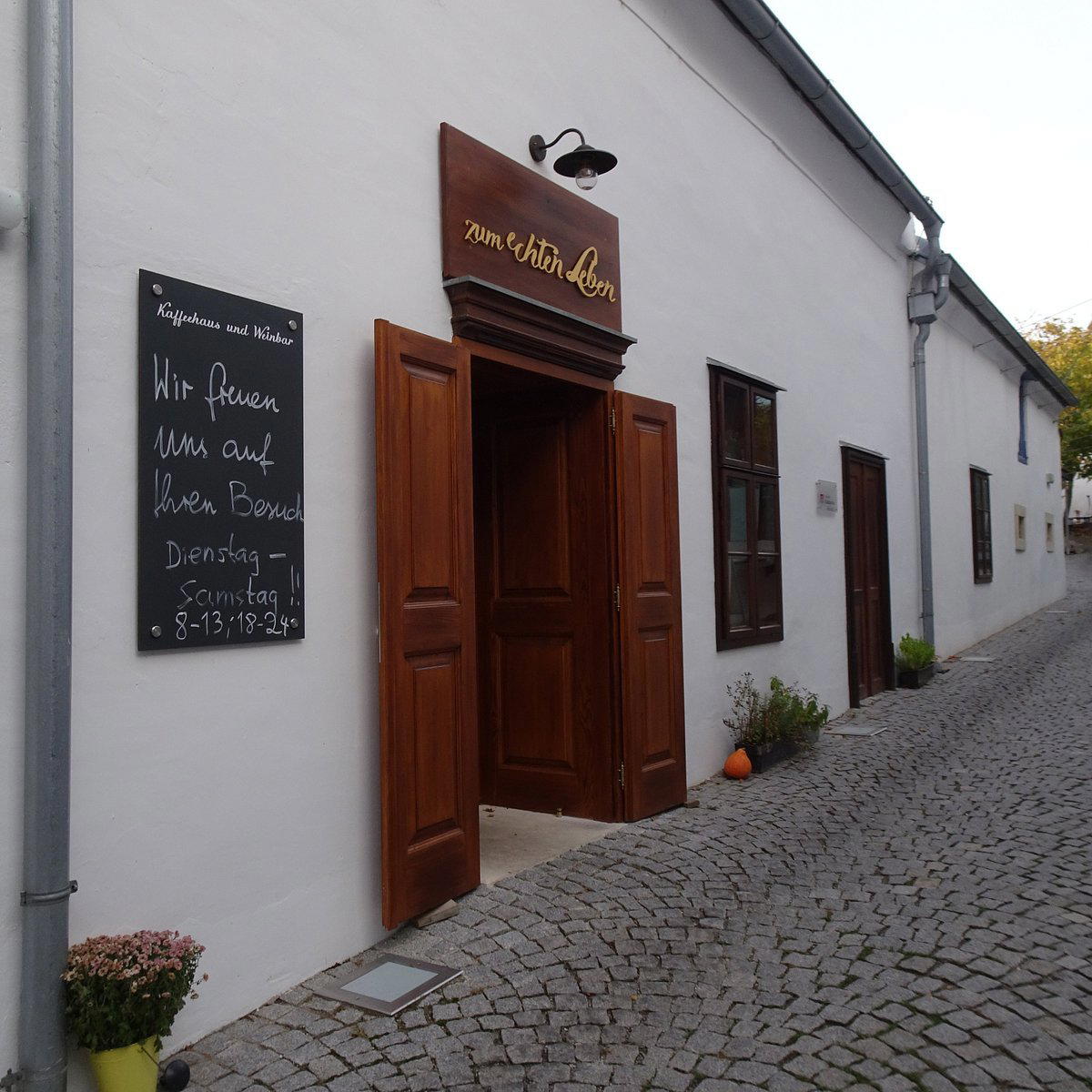
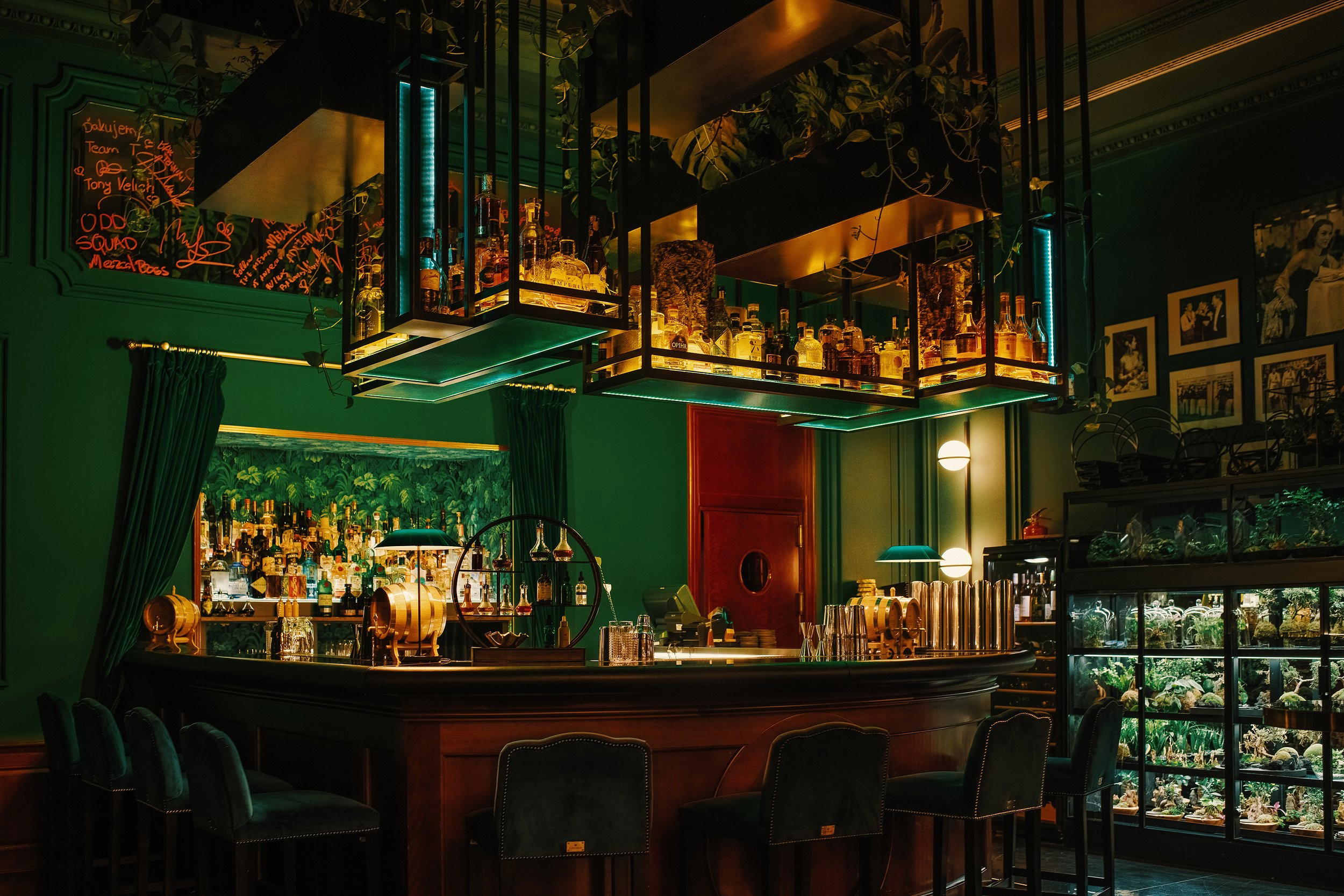
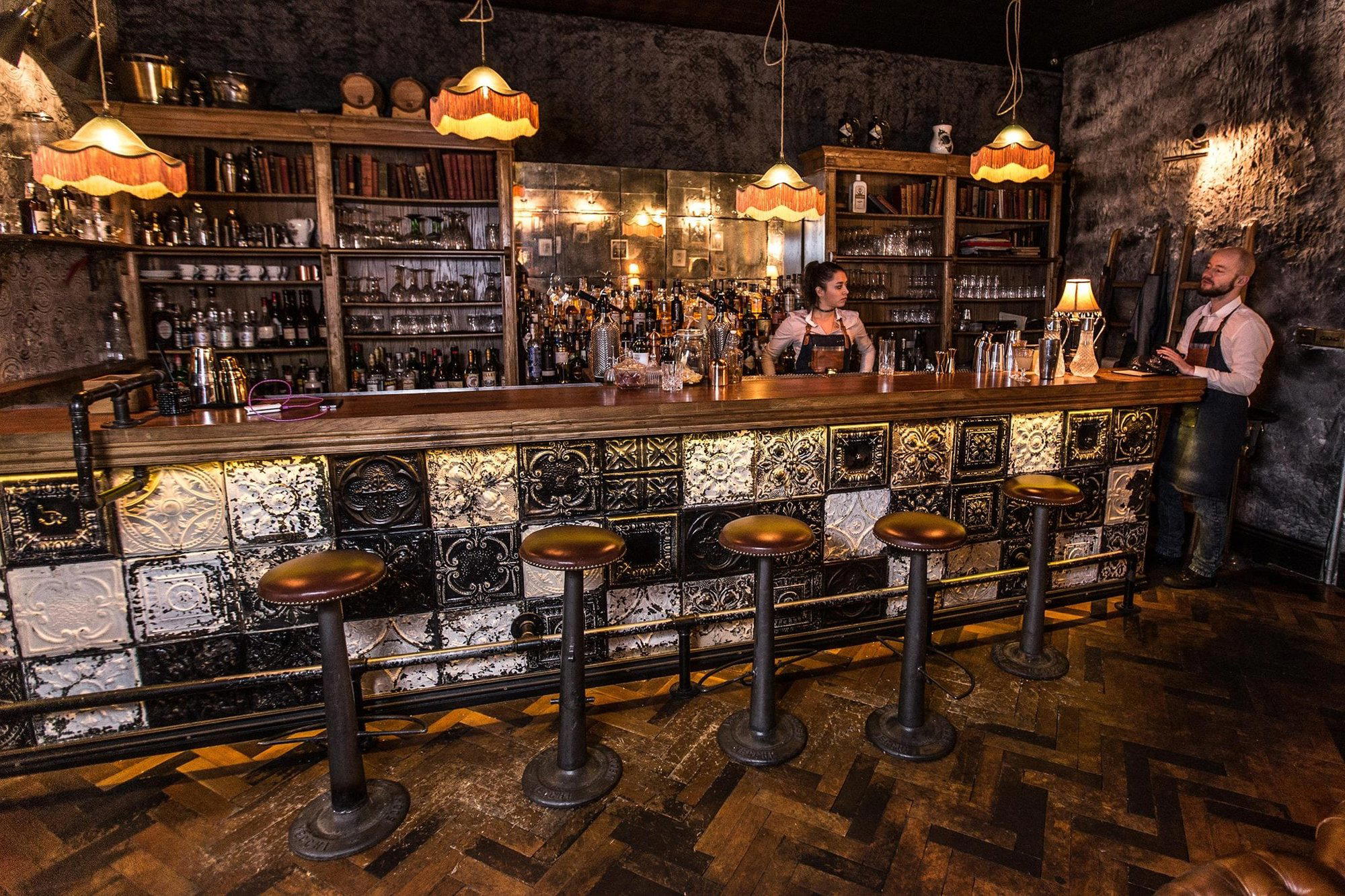
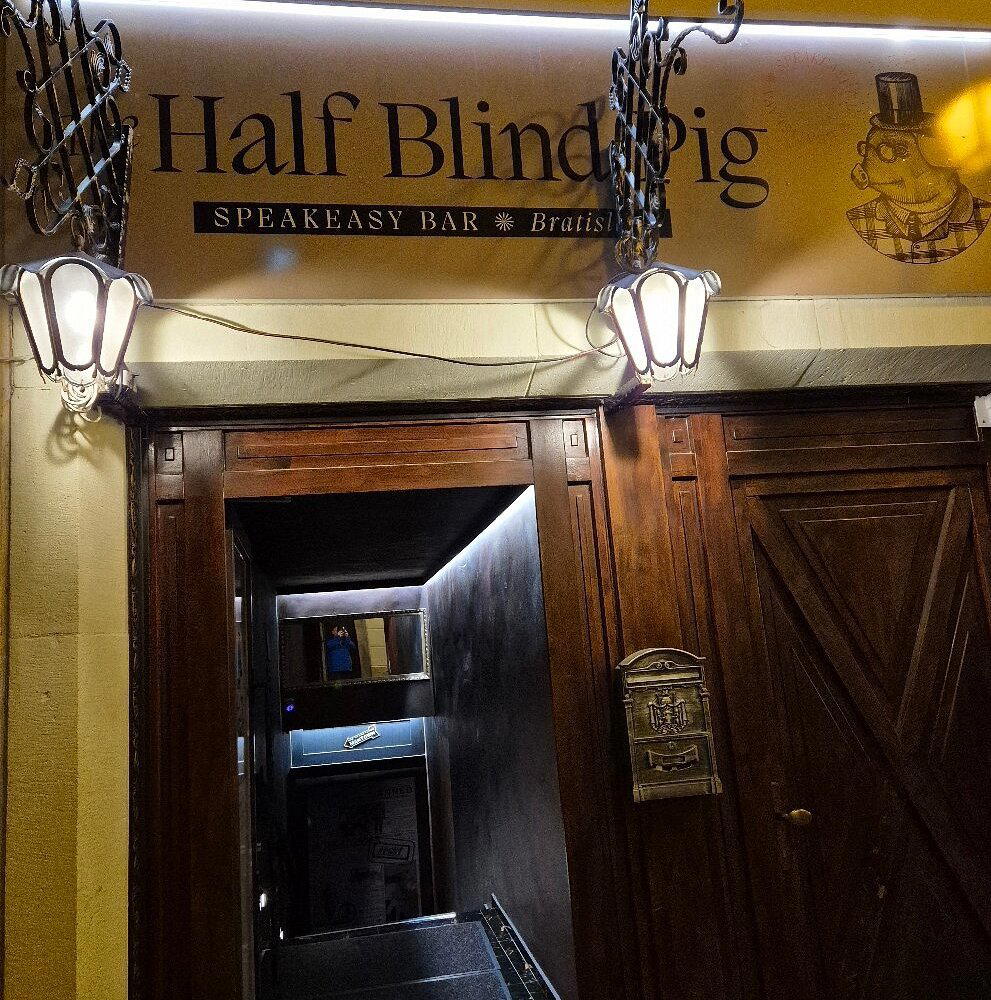
Restaurants in Gols
All restaurants in Gols →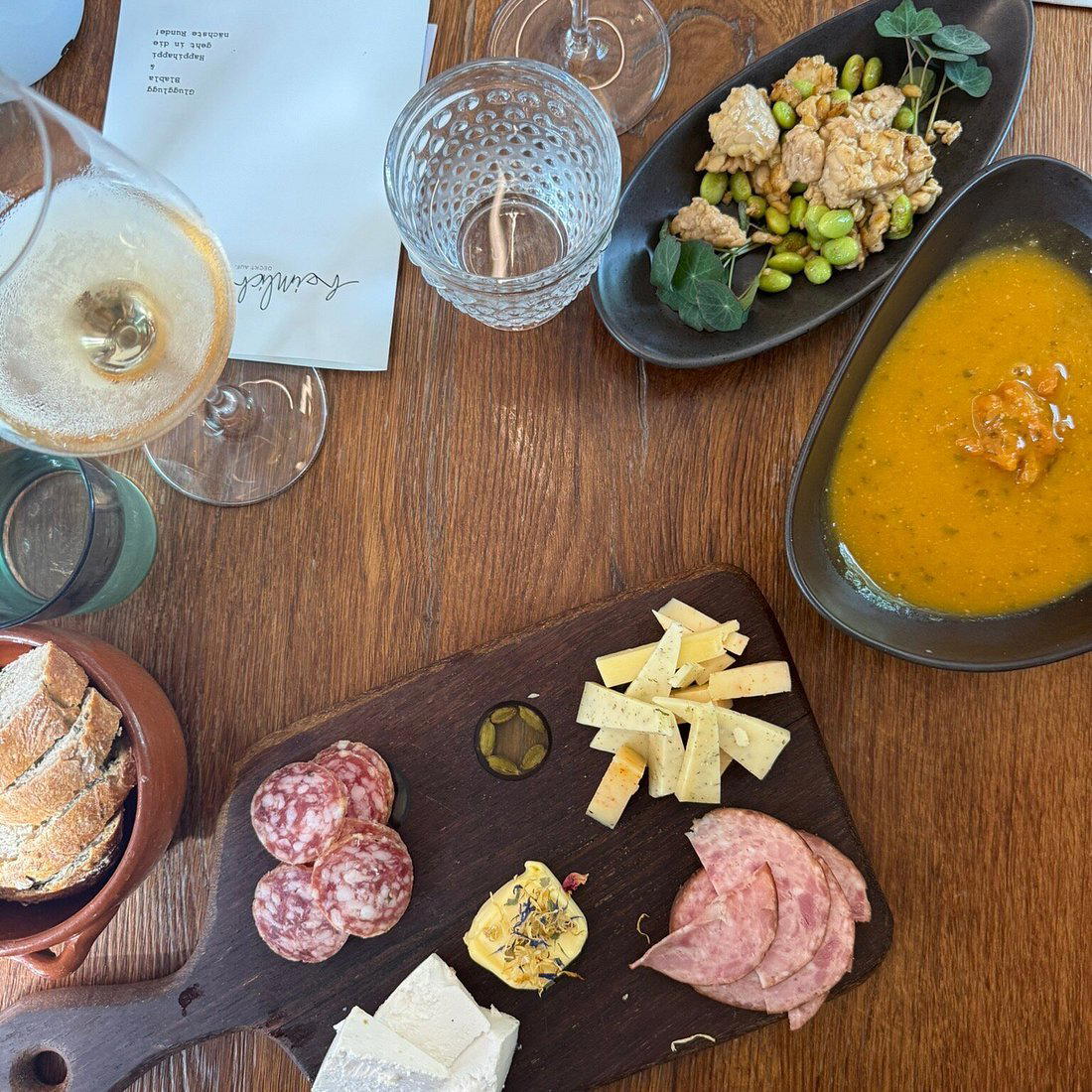
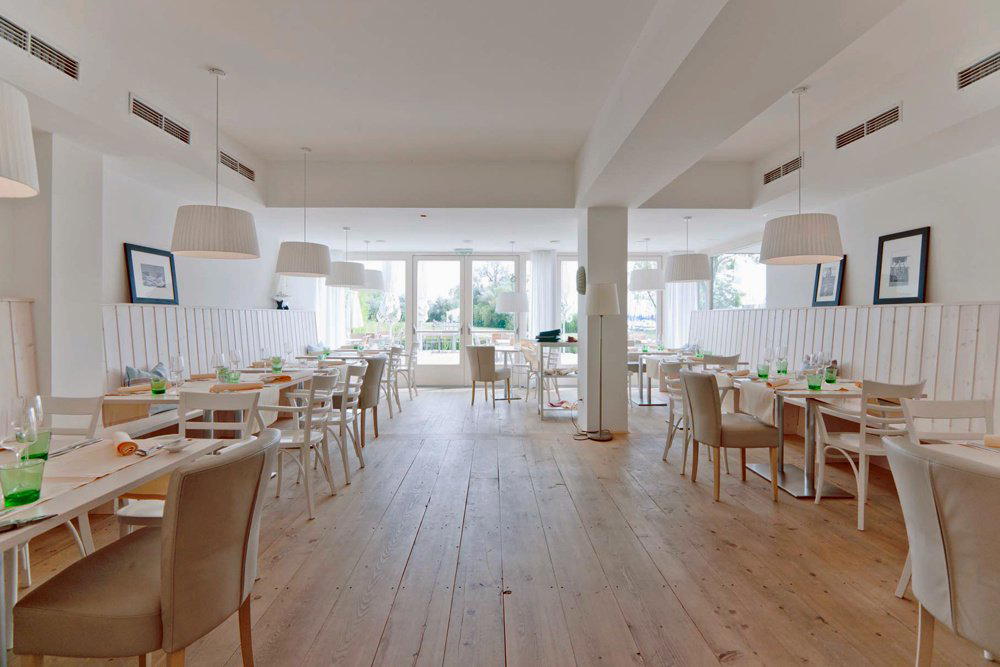
Details
- Classic
- Rustic
- Quiet
- Elegant
- Solo Exploration
- Wine Education
- Special Occasion
- Private Tasting
- Vineyard
- Welschriesling
- Grüner Veltliner
- Chardonnay
- Zweigelt
- Blaufränkisch
- St. Laurent
- Still White
- Still Red
- Dessert
- Sparkling
- Tasting Room
Down-to-earth, elegant, and tradition-rooted, with a philosophy that emphasizes hand work, vineyard character, and letting the wine develop naturally rather than forcing trend-driven styles.