
Falstaff Winery - 4 Stars
Viñas Serranas is a small Sierra de Salamanca wine project built around Rufete, Rufete Blanco, Calabrés and Aragonés from old terraced vineyards. Its strongest argument is place: granite, slate and corneana soils, high-elevation parcels and low-intervention cellar work that make this western Spanish region legible through village and single-plot wines.

Pearl is the En Primeur Club membership app, where members save venues, book tables and use the concierge.

Viñas Serranas in Salamanca is best understood as a small, terroir-focused cellar project rather than a broad hospitality venue. The picture is compact but clear: this is a quiet, rustic and sophisticated with a natural-wine ethos, centered on expressive village and single-plot wines from steep old vineyards.
That limited profile is also the safest way to approach it editorially. Specific claims about grape varieties, vineyard sizes, founding dates, named makers, bottle volumes, scores, awards, visiting formats, exact soils, opening arrangements or tasting structures are not confirmed here. What can be said with confidence is that Viñas Serranas belongs to the more place-led side of Salamanca wine, where the interest is in origin, old-vine material and restrained cellar work rather than spectacle.
Old-vine terroir without unnecessary theatre
The appeal of Viñas Serranas rests on a simple but compelling idea: steep old vineyards can produce wines with a strong sense of place when the cellar does not try to smooth away their character. The venue’s identity points to village and single-plot expression, which means the project is framed around differences between sites rather than a single generic house style.
Its natural-wine ethos should be read in that same grounded way. The facts support a focus on low-intervention, terroir-led thinking, but they do not confirm technical details such as fermentation vessels, yeast choices, aging regimes, farming certifications or production methods. Rather than inventing those details, the more useful reading is that Viñas Serranas is positioned for drinkers who care about site expression, old vineyards and a quieter kind of sophistication.
The atmosphere also matters. The descriptors are rustic, sophisticated and quiet. That combination suggests a venue for attentive tasting and conversation, not a high-energy social stop. It is a fit for visitors who want Salamanca wine in a more focused register and who are comfortable with a cellar project whose identity is built around place rather than broad-service amenities.
A Salamanca wine stop for focused drinkers
For travelers planning around Salamanca, Viñas Serranas should be treated as a specialist wine address. The price category is $$, placing it in a moderate bracket, but no specific tasting fees, bottle prices, menus, food pairings or booking policies are confirmed. Any plan should therefore be made with current direct information rather than assumptions about walk-in access, lunch service, group capacity or guided tasting options.
What is confirmed is the project’s premium interest for wine-minded visitors: expressive village and single-plot wines from steep old vineyards. That is enough to distinguish it from more generic drinking in Salamanca. The emphasis is not on a chef, a dining room, a cocktail list or a luxury format; it is on a small cellar project with a clear sense of terrain and restraint.
Do not assume a full restaurant experience, a formal pairing menu, a published tour structure or extensive visitor services. Approach Viñas Serranas as a terroir-focused wine project whose strongest confirmed qualities are its old-vine source material, quiet atmosphere and natural-wine orientation.
How to place it within a Salamanca wine trip
Within a Salamanca itinerary, Viñas Serranas works as the contemplative wine stop: a place to think about vineyards, village expression and the character of wines shaped by steep old sites. Other dining and drinking in Salamanca can provide the broader urban rhythm, while this address supplies a more specific lens on wine.
The right visitor is someone who values understatement. If your interest is in small-scale wine, terroir and the way old vineyards can define a project, the available facts point much more strongly in that direction.
The editorial call is intentionally restrained: Viñas Serranas is a Salamanca for drinkers who want a quiet, rustic and sophisticated encounter with terroir-led wine. Its identity is narrow, but that narrowness is the point. The project is not presented here as a broad restaurant, bar or entertainment venue; it is a small cellar project whose appeal lies in expressive village and single-plot wines from steep old vineyards.
Recognition history
Dated appearances from independent guides and award organizations, with the underlying list record or original source where available.
Falstaff Winery - 4 Stars
Falstaff
Continue exploring
More in Salamanca
Restaurants in Salamanca
All restaurants in Salamanca →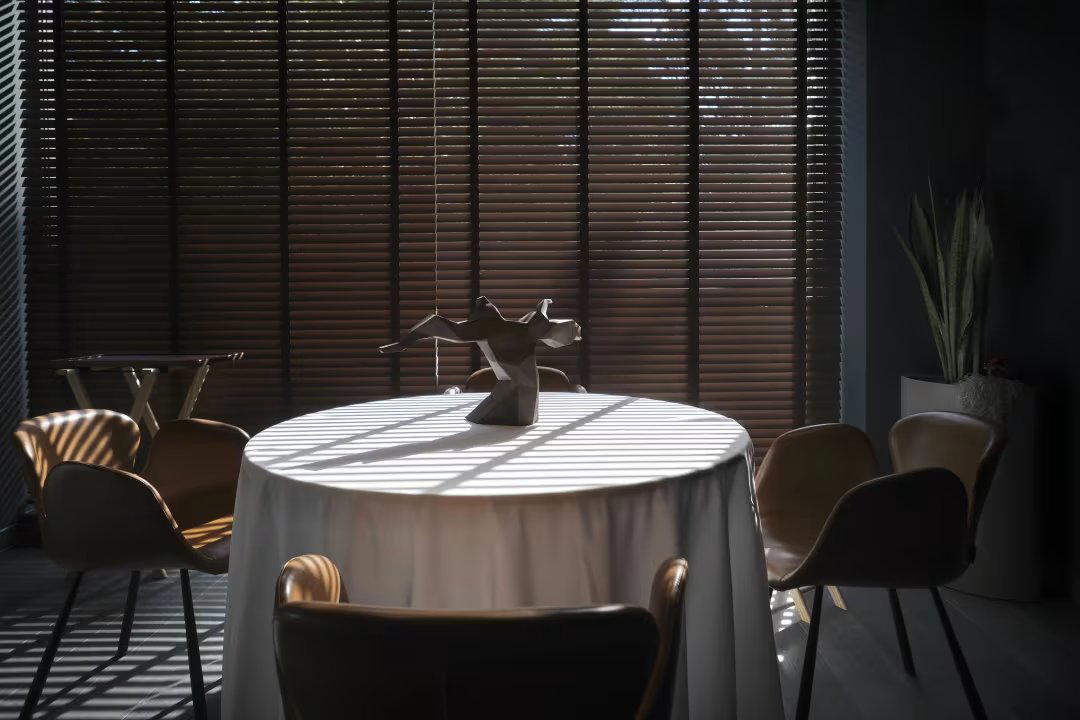

Details
- Rustic
- Sophisticated
- Quiet
- Wine Education
- Solo Exploration
- Group Outing
- Vineyard Tour
- Estate Grounds
- Design Destination
- Organic
- Biodynamic
- Mountain
- Vineyard
- Rufete
- Rufete Blanco
- Calabrés
- Aragonés
- Still Red
- Still White
- Skin Contact
- Standing Tasting
- Guided Tasting
A small, terroir-focused cellar project with a natural-wine ethos, centered on expressive village and single-plot wines from steep old vineyards.