Reva di Urs Hauser

Falstaff Winery - 1 Stars
Reva di Urs Hauser belongs to Ticino’s quieter wine register: small-scale, land-led, and focused on Contone rather than cellar-door theatre. The draw is DOC Ticino viticulture, Merlot-led identity, sustainable production language, and a private-tasting format that suits travelers more interested in place than spectacle.

Pearl is the En Primeur Club membership app — saves, bookings, and concierge access live there. Same editors, same standards.

Contone gives Swiss wine a quieter, more local frame than the country’s better-known postcard wine regions. Reva di Urs Hauser fits that Ticino register: small in scale, quiet in tone, and tied to a hillside estate setting above Contone. It is the sort of reference that reads less like a polished destination built around spectacle and more like a modest wine address rooted in its immediate landscape.
Reva di Urs Hauser is described as a small, artisanal Ticino winery with a nature-respecting production style, climate-controlled cellar spaces, and a scenic hillside character. That makes it best understood as a rustic, hidden-gem producer rather than a broad, heavily documented hospitality venue. The available profile points toward craft, restraint, and setting, not toward a long list of visitor-facing extras.
A small Ticino winery without the theatre
Reva di Urs Hauser should be approached through the facts that are clear: it is a small winery in Contone, with an artisanal identity and a production style described as respectful of nature. Those details are enough to establish its basic personality, even if they do not fill in every practical question a traveler might have before arranging a visit.
What can be said is that the winery’s character appears compact and low-key. Its price signal is modest, and its setting is part of the appeal: scenic, hillside, quiet, and rustic. For travelers who prefer places that feel removed from heavy tourism infrastructure, that restraint is the point. The lack of overt theatre can make the place feel more closely connected to the work of wine itself, with the surrounding hillside doing much of the atmospheric lifting.
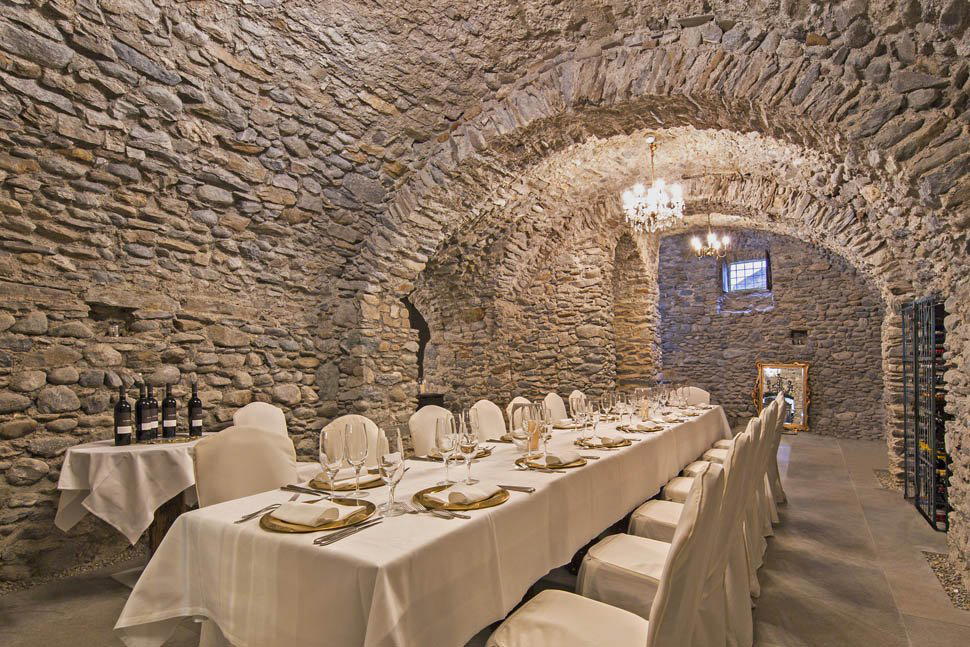
The profile also notes climate-controlled cellar spaces. That detail reinforces the image of a working winery with attention to production conditions, without requiring claims about a formal drinks program, public tasting schedule, or broader hospitality setup. In other words, the cellar information is best read as a sign of production seriousness, not as proof of any particular visitor format. It supports the idea of a small producer that cares about how wine is handled, while leaving the practical experience to be confirmed directly.
What the setting tells you before the glass does
A better way to understand Reva di Urs Hauser is through place and atmosphere rather than amenity count. Contone gives the winery its local context, while the hillside estate setting adds the scenic, tucked-away quality that makes it stand out among more obvious stops. Before any discussion of what is poured, the location already frames the experience as slower, quieter, and more landscape-led.
The atmosphere is described as quiet and rustic. That does not verify specific visitor rules, group suitability, food service, outdoor seating, or pairing programs; those details should be checked directly before planning around them. What is grounded is the overall impression: a small Ticino winery with a nature-respecting approach and a hidden-gem feel. It is important not to overstate the venue into something larger or more formal than the available information supports.
For that reason, Reva di Urs Hauser is best framed as a focused wine-related reference in Contone, not as a fully documented tourism complex. The appeal is in the modest scale, the cellar setting, and the hillside character. Its strength, on the page, lies in the combination of compactness and place: a winery whose identity is easier to sense through its setting and production language than through a catalogue of amenities.
How to place it within a Contone wine day
For travelers building a Contone itinerary, Reva di Urs Hauser works as a quiet winery reference rather than an all-purpose afternoon venue. Because public details are limited, it is sensible to confirm practical arrangements directly before visiting. Pair it with a broader look at other dining in Contone if you are planning a fuller day in the area, especially if the day needs confirmed meal plans, timing, or multiple stops.
Readers mapping the area should keep the comparison local and practical: Reva di Urs Hauser is the specific winery reference here, while other Contone options can be considered generically according to the needs of the trip. Its role is not to anchor every version of a day out, but to give the itinerary a small-scale Ticino wine point with a hillside setting and an understated, rustic profile.
Recognition history
Dated appearances from independent guides and award organizations, with the underlying list record or original source where available.
Falstaff Winery - 1 Stars
Falstaff
Continue exploring
More in Contone
Wineries in Contone
All wineries in Contone →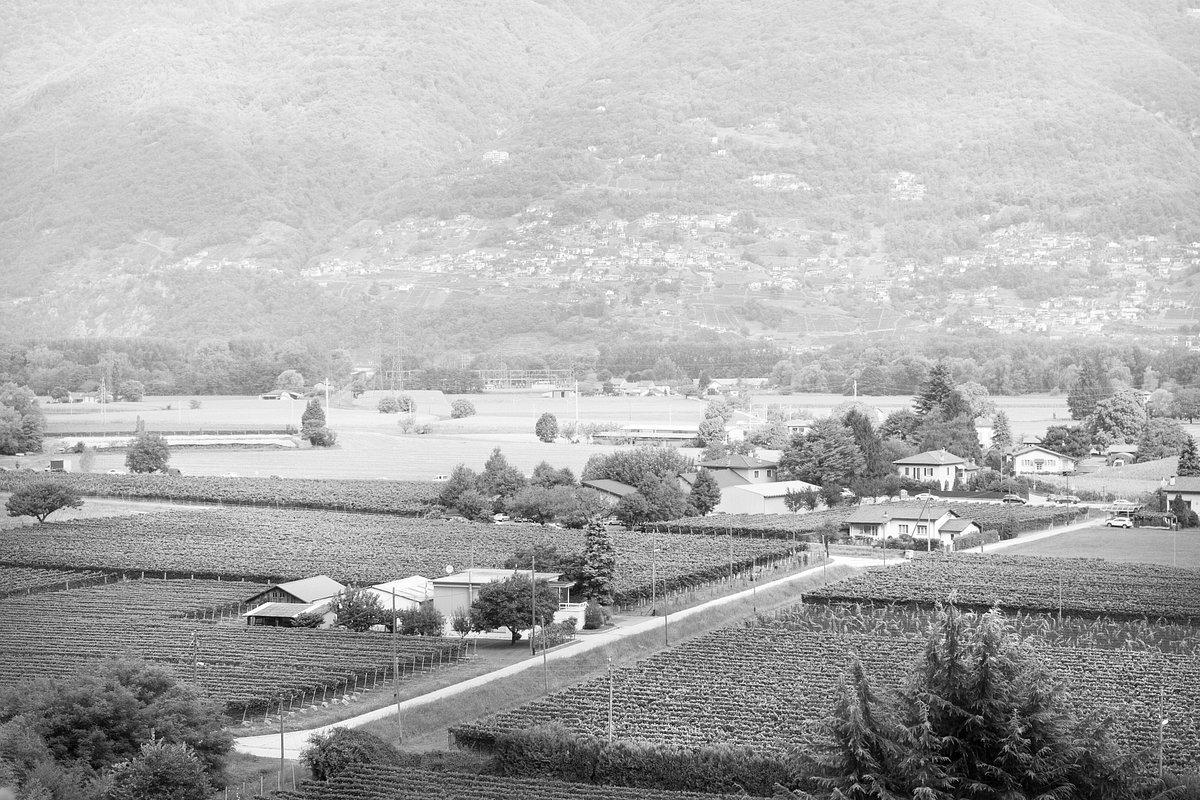

Bars in Contone
Browse all →
Restaurants in Contone
Browse all →
Details
- Quiet
- Rustic
- Scenic
- Wine Education
- Solo Exploration
- Special Occasion
- Historic Building
- Design Destination
- Private Tasting
- Sustainable
- Vineyard
- Mountain
- Merlot
- Sauvignon Blanc
- Cabernet Sauvignon
- Cabernet Franc
- Still Red
- Still White
- Tasting
A small, artisanal Ticino winery with a nature-respecting production style, climate-controlled cellar spaces, and a hillside estate setting above Contone.