Rebbaugenossenschaft Steinhausen

Falstaff Winery - Listed
Rebbaugenossenschaft Steinhausen is a small AOC Zug cooperative vineyard in Steinhausen, founded in 1996 to bring viticulture back to the Erlireben/Erli site. Its interest lies less in polished cellar-door tourism than in local stewardship: over 90 hobby winemakers support a compact slope planted to Riesling-Sylvaner, Müller-Thurgau, Blauburgunder and Pinot Noir.

Pearl is the En Primeur Club membership app, where members save venues, book tables and use the concierge.

Approach Rebbaugenossenschaft Steinhausen as a small cooperative vineyard in Steinhausen, shaped by hobby winemakers and a communal spirit rather than formal tourism infrastructure. Its appeal is quiet and local: a rustic, hidden-gem setting where camaraderie and sociability are central to the experience. The useful way to read the place is not through the expectations one might bring to a conventional hospitality venue, but through the slower, more personal rhythm of a community vineyard. It is a setting where the human scale matters, and where the atmosphere is part of the point.
Steinhausen wine culture at a human scale
Rebbaugenossenschaft Steinhausen belongs to the smaller, civic side of local vineyard culture. The picture is not one of a large commercial estate or a polished visitor complex, but of a cooperative run by hobby winemakers with a friendly, classic and low-key atmosphere. That distinction shapes almost every useful expectation: the emphasis falls less on presentation and more on participation, familiarity and shared interest.
What can be said with confidence is that the venue’s identity rests on cooperation, sociability and a quiet Steinhausen setting. Those elements give it a different kind of value from more formal places. Instead of asking it to behave like a full-service wine destination, it is better understood as an expression of local commitment: people working around a vineyard because they care about the activity, the place and the social bonds that come with it.
For readers mapping local options, the useful framing is simple: this is a rustic cooperative vineyard in Steinhausen rather than a formal restaurant, bar or destination tasting facility. Other dining and drinking options in Steinhausen can be considered separately depending on the kind of itinerary you are building. If your day calls for defined service, a meal, a conventional bar experience or a structured visit, those needs should be planned elsewhere or in advance. If, instead, the interest is in the quieter texture of local wine culture, the cooperative framing is the essential clue.
The experience is cooperative and deliberately informal
The strongest signal here is atmosphere. Rebbaugenossenschaft Steinhausen is described as a small cooperative vineyard run by hobby winemakers, with a friendly and communal character focused on camaraderie and sociability. That suggests an experience whose meaning comes from the people and the shared setting as much as from any conventional visitor format.
That makes it a better fit for visitors interested in local vineyard culture and informal community spirit than for those expecting a highly structured hospitality operation. Details such as opening hours, appointment procedures, tastings, food, seating, retail options or specific services should be confirmed directly before planning around them. The absence of a more formal framing should not be treated as a flaw; it is part of the character that separates a cooperative vineyard from venues designed primarily around visitor flow.
This distinction matters because the venue’s charm sits in its modesty. It is rustic, quiet and classic, with the feel of a local rather than a heavily promoted tourism stop. The language around it points to a place where sociability is not an add-on but part of the identity. For the right visitor, that can be more memorable than polish: a reminder that wine culture can also be built from shared labor, familiar faces and a grounded relationship with a specific place.
Why it matters in a Swiss wine itinerary
The point of including Rebbaugenossenschaft Steinhausen is not trophy recognition or luxury infrastructure. Its value is as a small cooperative vineyard in Steinhausen, sustained by hobby winemakers and a communal atmosphere. In an itinerary, that gives it a particular role: not as the grand headline stop, but as a more intimate marker of how local wine culture can operate at a modest, civic scale.
For travelers building a wider route, it can be understood as a local counterpoint to more formal venues: a quiet Steinhausen cooperative where the social side of vineyard work is part of the identity. Compare it with other dining or drinking options in Steinhausen generically, but avoid assuming specific services, products or visit formats unless confirmed directly. Its appeal depends on keeping those expectations clear. Treated on its own terms, Rebbaugenossenschaft Steinhausen reads as a small, rustic and sociable piece of the local landscape, valuable precisely because it does not present itself as something larger or more commercial than it is.
Recognition history
Dated appearances from independent guides and award organizations, with the underlying list record or original source where available.
Falstaff Winery - Listed
Falstaff
Continue exploring
More in Steinhausen
Wineries in Steinhausen
All wineries in Steinhausen →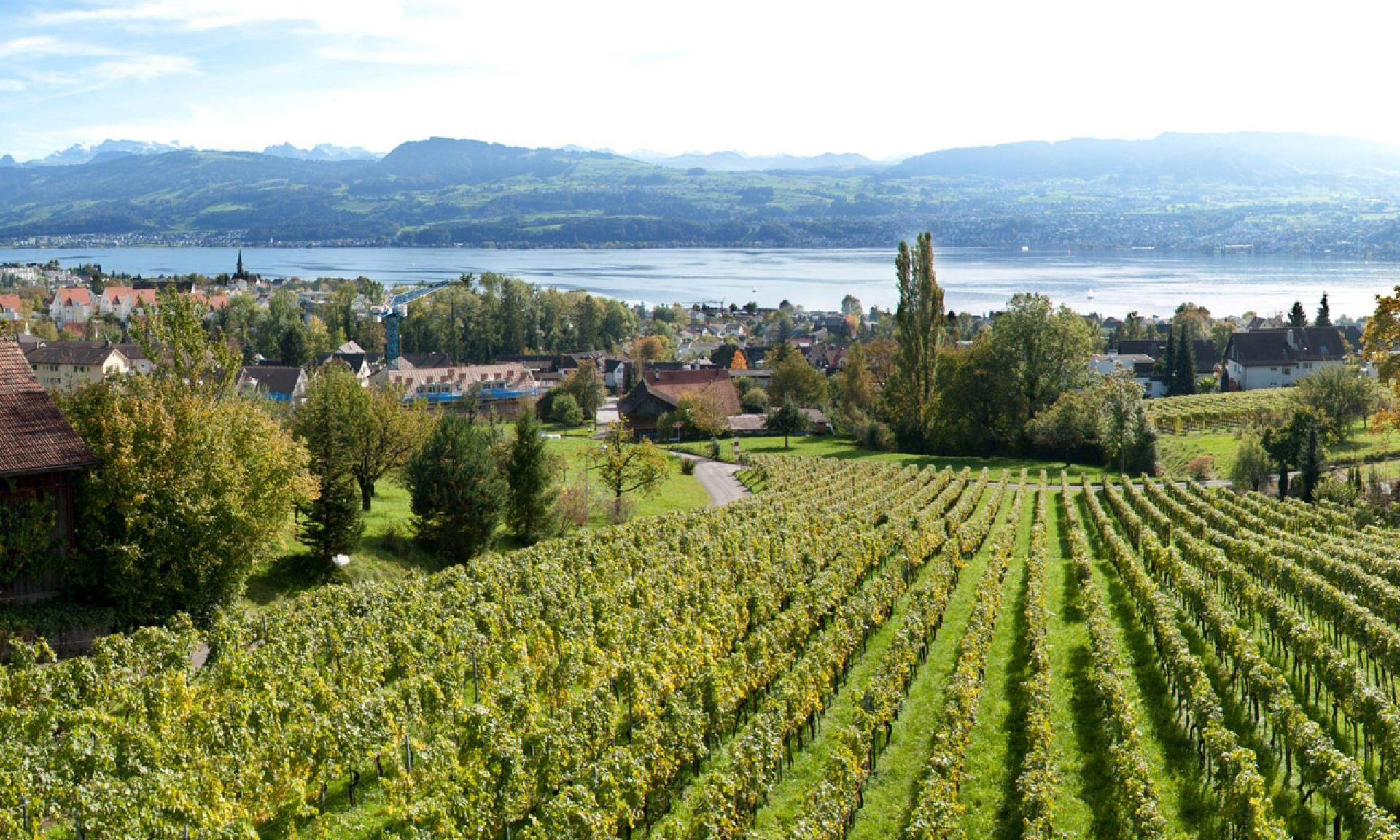
Bars in Steinhausen
Browse all →
Details
- Rustic
- Classic
- Quiet
- Group Outing
- Wine Education
- Solo Exploration
- Vineyard Tour
- Estate Grounds
- Vineyard
- Riesling Sylvaner
- Müller Thurgau
- Blauburgunder
- Pinot Noir
- Still Red
- Still White
- Vineyard Visit
- Informal Tasting
Small cooperative vineyard run by hobby winemakers, with a friendly, communal atmosphere focused on camaraderie and sociability rather than formal tourism infrastructure.