Chenot Palace Weggis



Virtuoso Luxury Hotel Partner
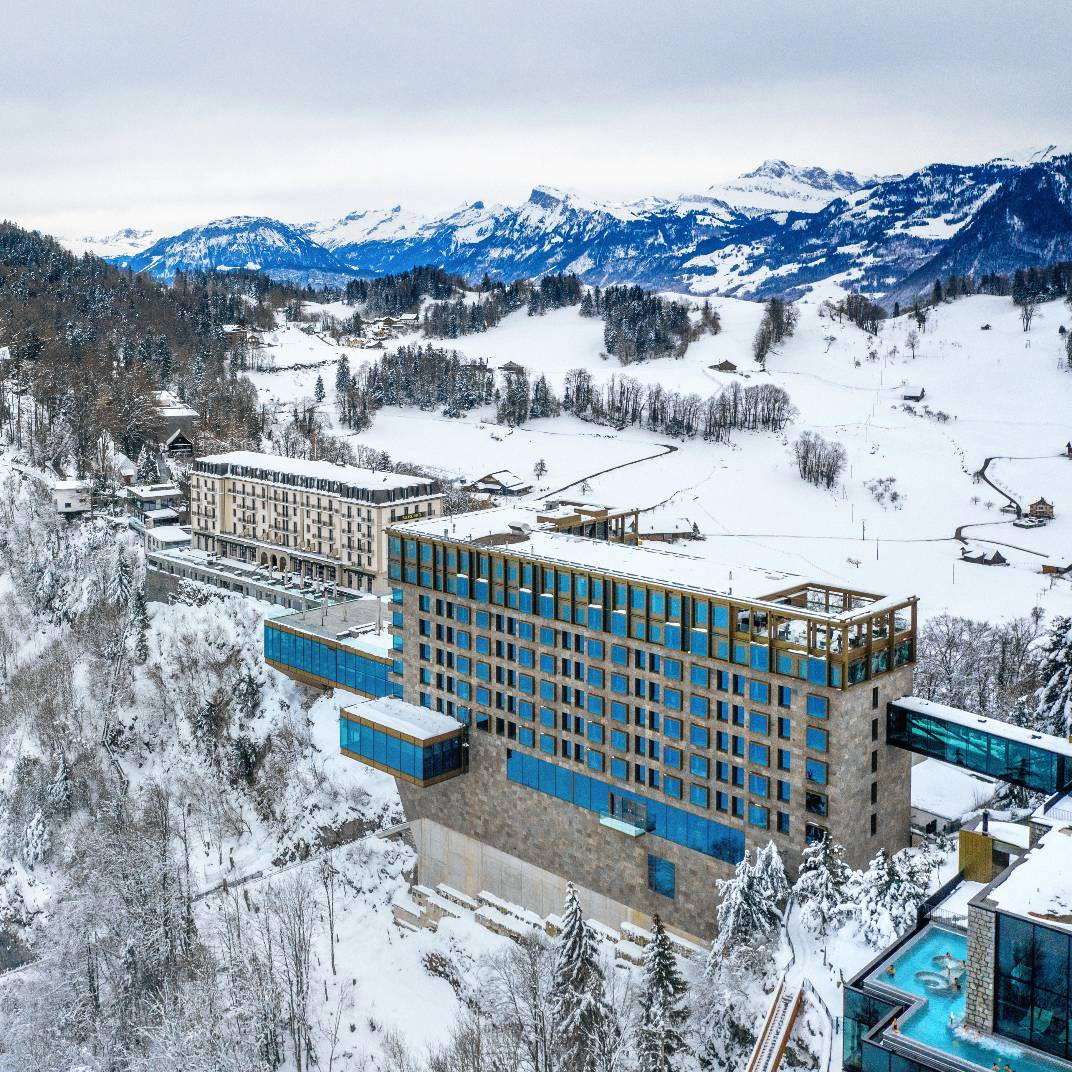
Chenot Palace Weggis sits on the shore of Lake Lucerne in the village of Weggis, operating as the flagship property of the Chenot brand and its nearly fifty-year-old methodology for preventative health. The palace architecture frames a medically grounded wellness programme that integrates traditional Chinese medicine with Western clinical science. For visitors focused on measurable health outcomes rather than standard spa breaks, it represents a specific and serious tier of the European wellness market.

Pearl is the En Primeur Club membership app, where members save venues, book tables and use the concierge.
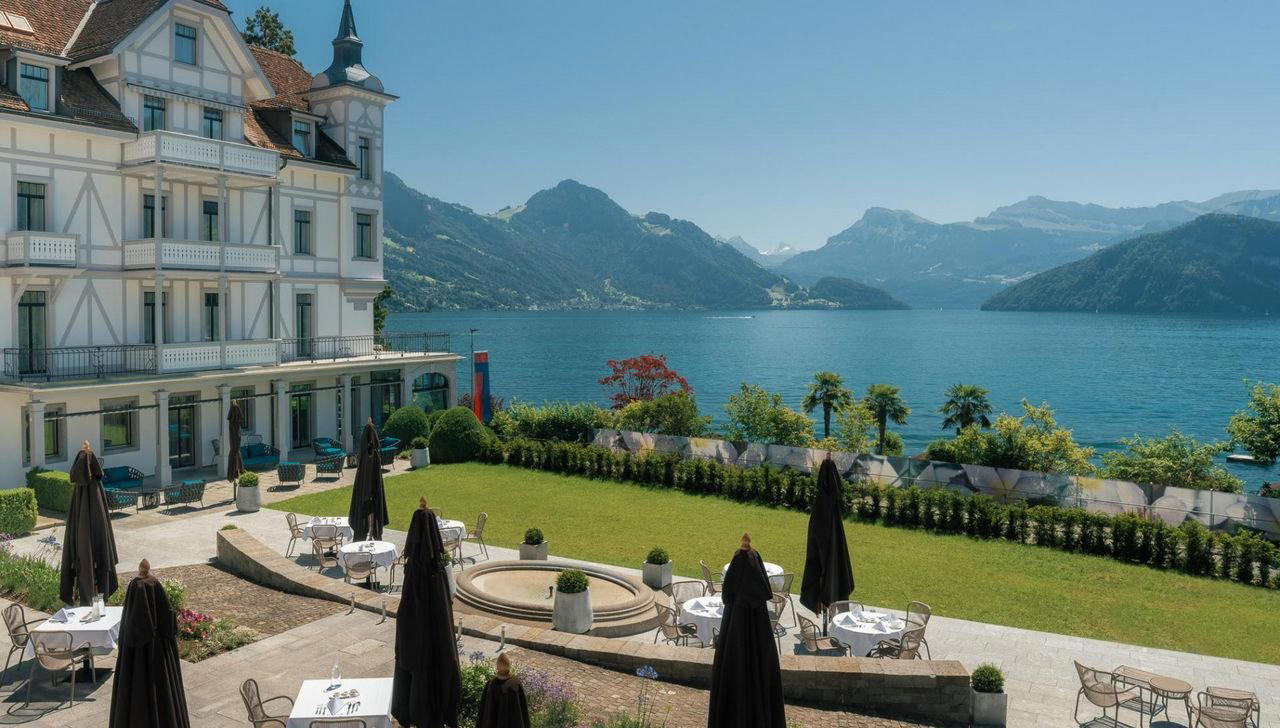
A Palace Positioned for a Different Purpose
Switzerland's premium hospitality has long divided between two distinct modes: the grand historic palace hotel, formal, socially charged, orientated around cuisine and altitude, and the clinically serious wellness retreat, where the architecture exists to support a programme rather than to celebrate itself. Chenot Palace Weggis, at Hertensteinstrasse 34 on the southern shore of Lake Lucerne, sits at the intersection of both. The building reads as a palace in the European tradition, with the lake-facing aspect and formal proportions that Swiss resort architecture has used since the late nineteenth century. What happens inside belongs to a different category entirely. For a broader picture of what the Lake Lucerne region offers across accommodation styles, see our full Weggis restaurants guide.
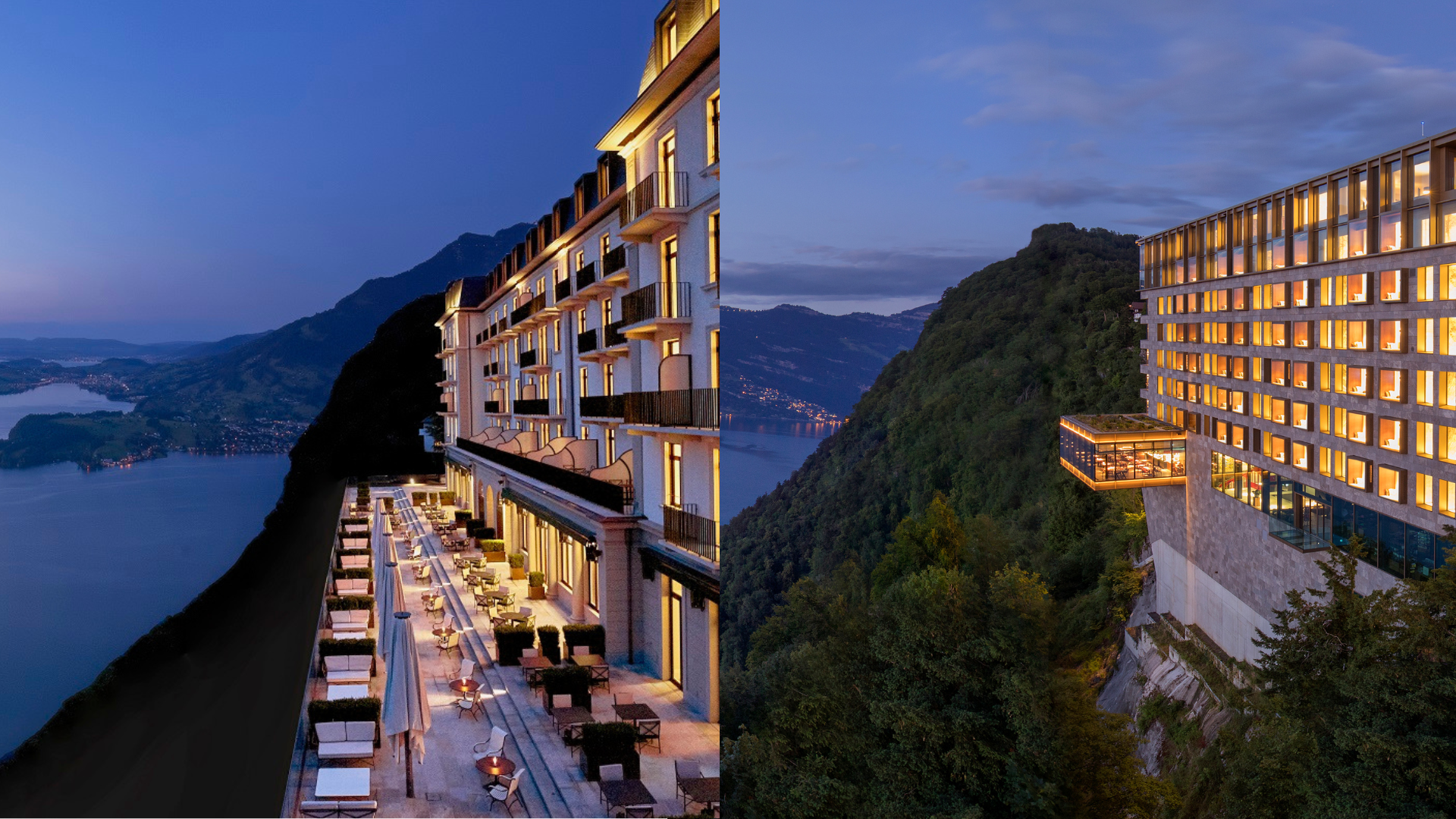
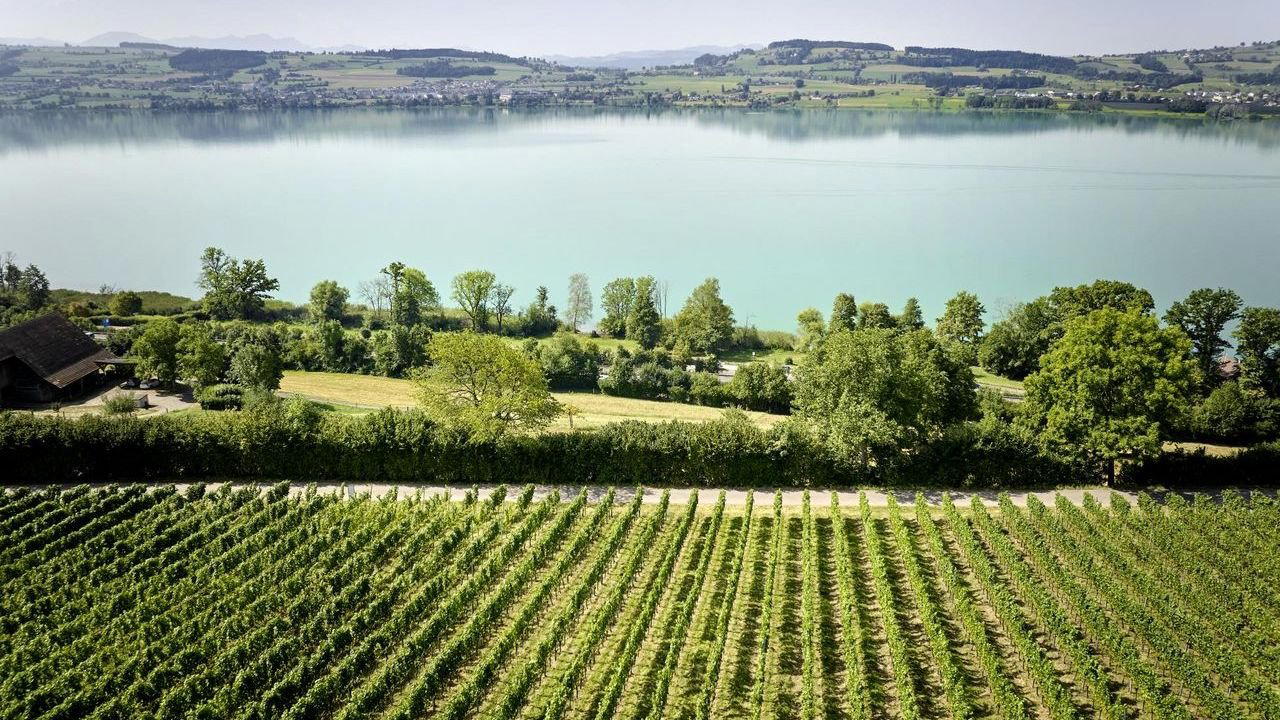
The palace format matters here because the physical environment is not incidental to the Chenot offer. High-end wellness properties in Europe have increasingly understood that the architecture of recovery, the quality of light, the relationship between interior and exterior, the calibration of materials, shapes the physiological and psychological outcomes guests are there to achieve. Chenot Palace Weggis operates in that understanding, and Lake Lucerne provides a setting that does significant work: the lake surface, the encircling Alps, and the particular quality of light at this altitude create conditions that genuinely differ from urban wellness clinics or mountain spa annexes. Comparable Swiss properties oriented around scenery and space include Bürgenstock Resort in Bürgenstock and Hotel Villa Honegg in Ennetbürgen, both of which also face Lake Lucerne from different elevations.
The Chenot Method: A Half-Century of Documented Development
Henri Chenot, Catalan by birth, trained in biology, psychology, Chinese medicine, and naturopathy, opened his first centre at the Cannes Polyclinic in 1974. That starting point matters because it places the Chenot Method in a different generational cohort from the wave of wellness brands that emerged in the 2010s. The framework has been in continuous clinical development for close to fifty years, which gives it a depth of iteration that most contemporaries cannot match. The methodology he developed, which he termed Biontology (the science of living), combines traditional Chinese healing protocols with Western diagnostic and biomarker science. The integration is not cosmetic: the two systems are applied sequentially and interactively, each informing the other.
At the operational level, this means that each guest's programme is structured around the Chenot Lifestyle Biomarkers, a personalised assessment that generates what the brand calls a Vitality Index. Think of it as a clinical baseline against which all treatments, dietary plans, and physical protocols are calibrated. The personalisation operates at a level that distinguishes Chenot from most European spa hotels, where menu customisation often means choosing between three massage types. Here, the treatment plan is constructed from diagnostic data and adjusted throughout the stay. Properties like Grand Resort Bad Ragaz in the Rhine Valley also operate medically grounded spa programmes, but the Chenot method at Weggis functions as the brand's flagship application, with the full protocol depth available.
Architecture as Treatment Environment
The palace format is not decorative nostalgia. The specific design decisions at Chenot Palace Weggis, the relationship between treatment zones and rest zones, the access to the lake, the management of interior acoustics and material warmth, are part of what separates a wellness palace from a hotel with a spa floor. European wellness architecture has moved considerably in the last decade, with properties learning from Japanese onsen design and Scandinavian spa culture the importance of spatial sequencing: how a guest moves from diagnostic consultation to treatment room to rest area to outdoor space shapes the nervous system's ability to respond to the treatments themselves. Chenot Palace Weggis, as the flagship of a brand with nearly five decades of clinical practice behind it, has had considerable time to refine this spatial logic.
For reference on how Swiss architecture more broadly handles the relationship between landscape and built form at a luxury scale, the 7132 Hotel in Vals, built around Peter Zumthor's thermal baths, represents the architectural extreme of this thinking, where the building and the wellness programme are inseparable. Chenot Palace Weggis operates from a different tradition, the palace hotel converted and dedicated to a specific medical philosophy, but the underlying logic of environment as treatment tool is shared.
Where It Sits in the Swiss Luxury Market
Switzerland's premium accommodation market is dense with established palaces. Badrutt's Palace Hotel in St. Moritz, Baur au Lac in Zurich, and Beau-Rivage Palace in Lausanne all operate in the grand-hotel tradition, where the product is social luxury: dining rooms, seasonal calendars, curated guest culture. Chenot Palace Weggis draws from the same aesthetic vocabulary, the lakefront setting, the formal architecture, the service register, but redirects the entire operating model toward clinical wellness outcomes. A guest at Baur au Lac is there for the city and the restaurant; a guest at Chenot Palace Weggis is there for a measurable change in their health markers. The distinction is sharp enough that these properties don't genuinely compete for the same decision, even at the same price tier.
Other high-specification Swiss wellness properties that attract a similar medically focused guest include The Alpina Gstaad, which incorporates Six Senses programming, and Mandarin Oriental Palace, Luzern on the lake some kilometres west. Neither operates with the same clinical specificity as Chenot. Further into the Swiss luxury set, Beau-Rivage Geneva and Hotel Bellevue Palace Bern represent the formal palace tradition in its purest form, confirming that Weggis occupies its own niche within Swiss hospitality rather than competing for the same market.
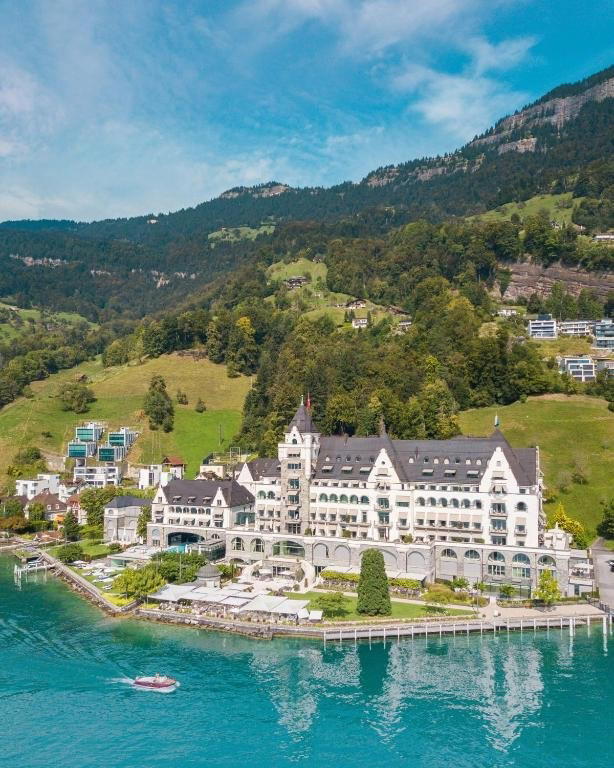
For guests whose interest is the broader Lake Lucerne corridor, Park Hotel Vitznau is the geographically closest luxury comparator, positioned a short distance along the southern shore. Its orientation is traditional luxury hospitality rather than medical wellness, making the two properties complementary rather than overlapping for most travellers.
Planning a Stay
Weggis sits on the southern shore of Lake Lucerne, approximately one hour by road from Zurich Airport and accessible by boat from Lucerne's central pier, a crossing that takes roughly forty minutes on the regular lake steamer service. The boat approach, arriving from the water rather than by road, is worth considering for the spatial and psychological reset it provides before the programme begins. Stays at Chenot Palace Weggis are typically structured as minimum multi-night programmes rather than drop-in bookings, which reflects the biomarker-led diagnostic model: the Vitality Index assessment and the resulting treatment plan require sufficient time to produce measurable outcomes. Prospective guests should contact the property directly to confirm current programme lengths and availability, as these are tied to clinical scheduling rather than standard room inventory. For comparison on how similarly programme-structured luxury retreats across Switzerland handle booking architecture, Castello del Sole Beach Resort & Spa in Ascona and CERVO Mountain Resort in Zermatt both offer structured multi-day wellness formats, though neither at the same clinical depth.
Comparable Spots, Quickly
Comparable venues nearby, for context on price, style, and recognition.
| Venue | Cuisine | Price | Awards | Notes |
|---|---|---|---|---|
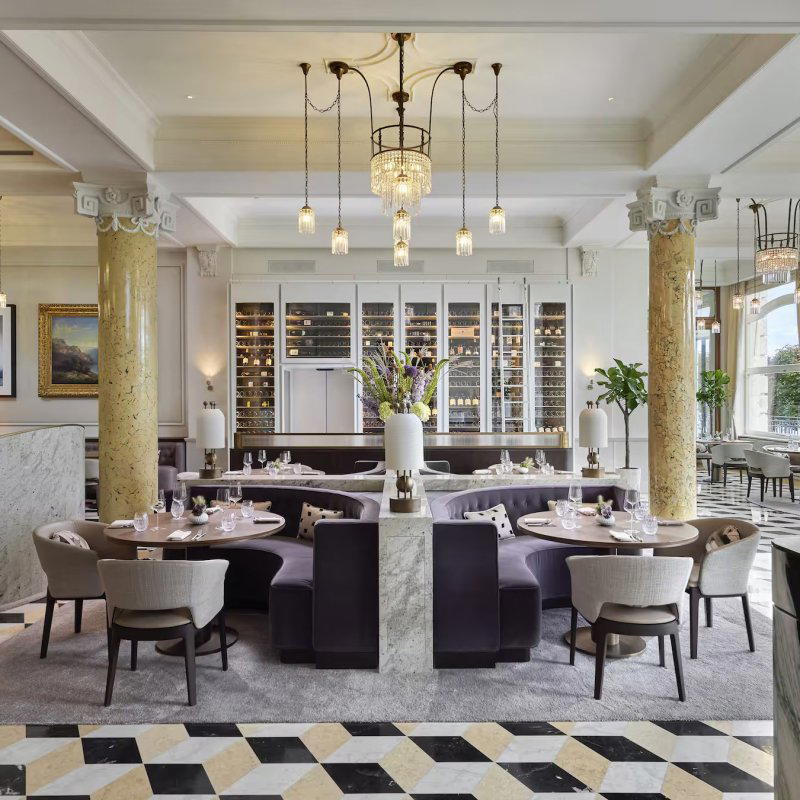
| Chenot Palace WeggisThis venue (the venue you are viewing) | Luxurious Belle Epoque palace renovated with modern wellness annex | $300–500 | Virtuoso Luxury Hotel Partner | Not listed |
| Waldhotel by Bürgenstock | Contemporary sustainable wellness resort integrated into alpine landscape | Not listed | 1 Michelin Key · Virtuoso Luxury Hotel Partner | Bürgenstock |
| Riffelalp Resort 2222 m | Alpine luxury resort blending hotel rooms and holiday apartments | $500–750 | La Liste Top Hotels | Riffelalp |
| Alex Lake Zürich | Residential-style luxury boutique hotel with contemporary minimalist design and lakefront positioning. | $500–750 | Michelin Selected · La Liste Top Hotels | Thalwil |
| Ermitage Wellness & Spa Hotel | Alpine chalet resort blending coziness with modern luxury | Not listed | La Liste Top Hotels | Schönried |
| Hotel Schweizerhof Luzern | Historic grand hotel with neo-Renaissance architecture maintaining classical lines while offering contemporary luxury and modern amenities. | $300–500 | Michelin Selected | Old Town Lucerne |
Recognition history
Dated appearances from independent guides and award organizations, with the underlying list record or original source where available.
Virtuoso Luxury Hotel Partner
Virtuoso
Vogue 2026 Vogue Global Spa Guide: 100 Best Spas in the World
Vogue
World Spa Awards World's Best Detox Programme 2026 Nominee
World Spa Awards
Full recognition history (6 entries)
World Spa Awards World's Best Detox Programme 2025 Winner #1
World Spa Awards
World Spa Awards World's Best Longevity Programme 2025 Nominee
World Spa Awards
World Spa Awards Switzerland's Best Wellness Retreat 2025 Nominee
World Spa Awards
Continue exploring
More in Weggis
Hotels in Weggis
All hotels in Weggis →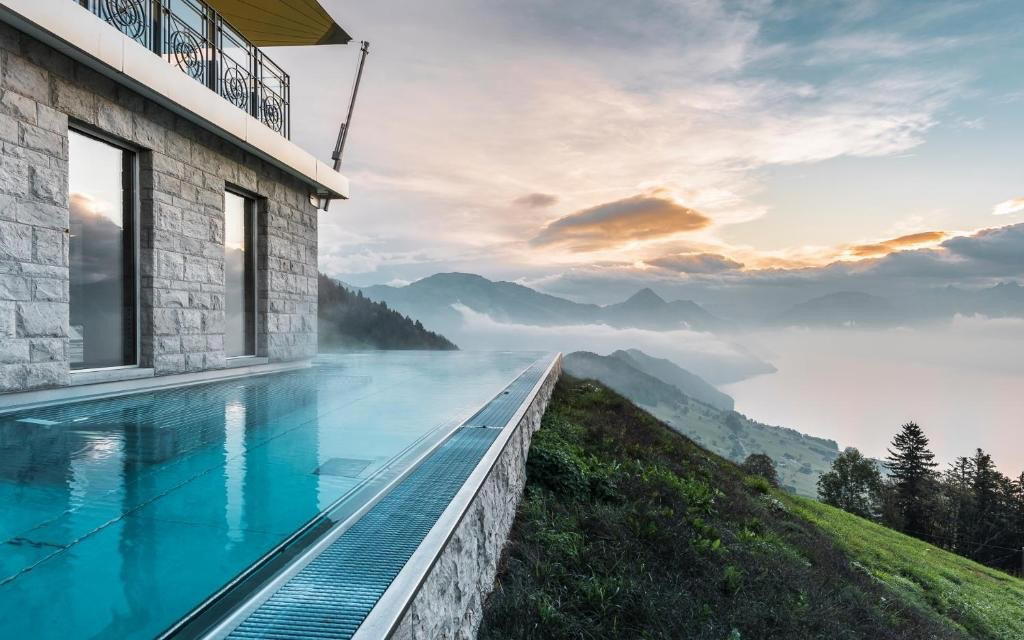
Bars in Weggis
Browse all →

Details
- Quiet
- Elegant
- Sophisticated
- Scenic
- Ornate
- Wellness Retreat
- Romantic Getaway
- Honeymoon
- Panoramic View
- Destination Spa
- Spa
- Pool
- Sauna
- Fitness Center
- Wi Fi
- Concierge
- Room Service
- Mountain
- Elevator
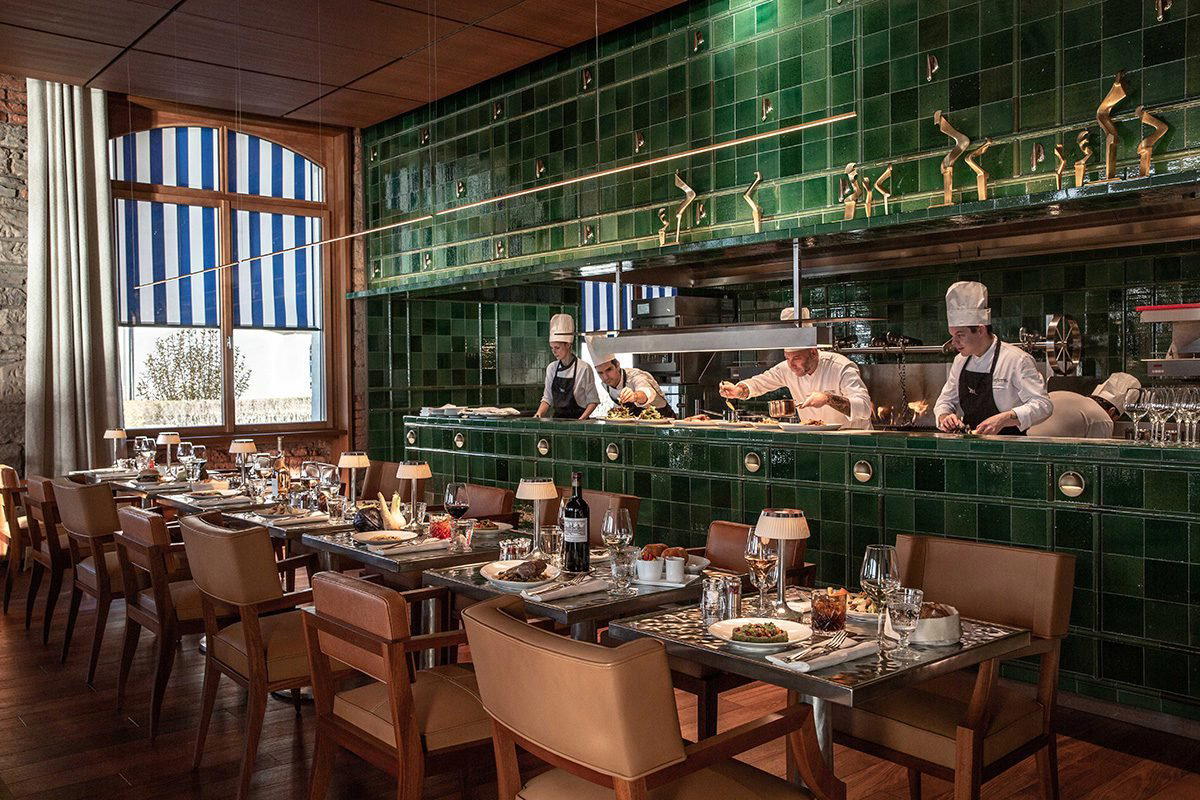
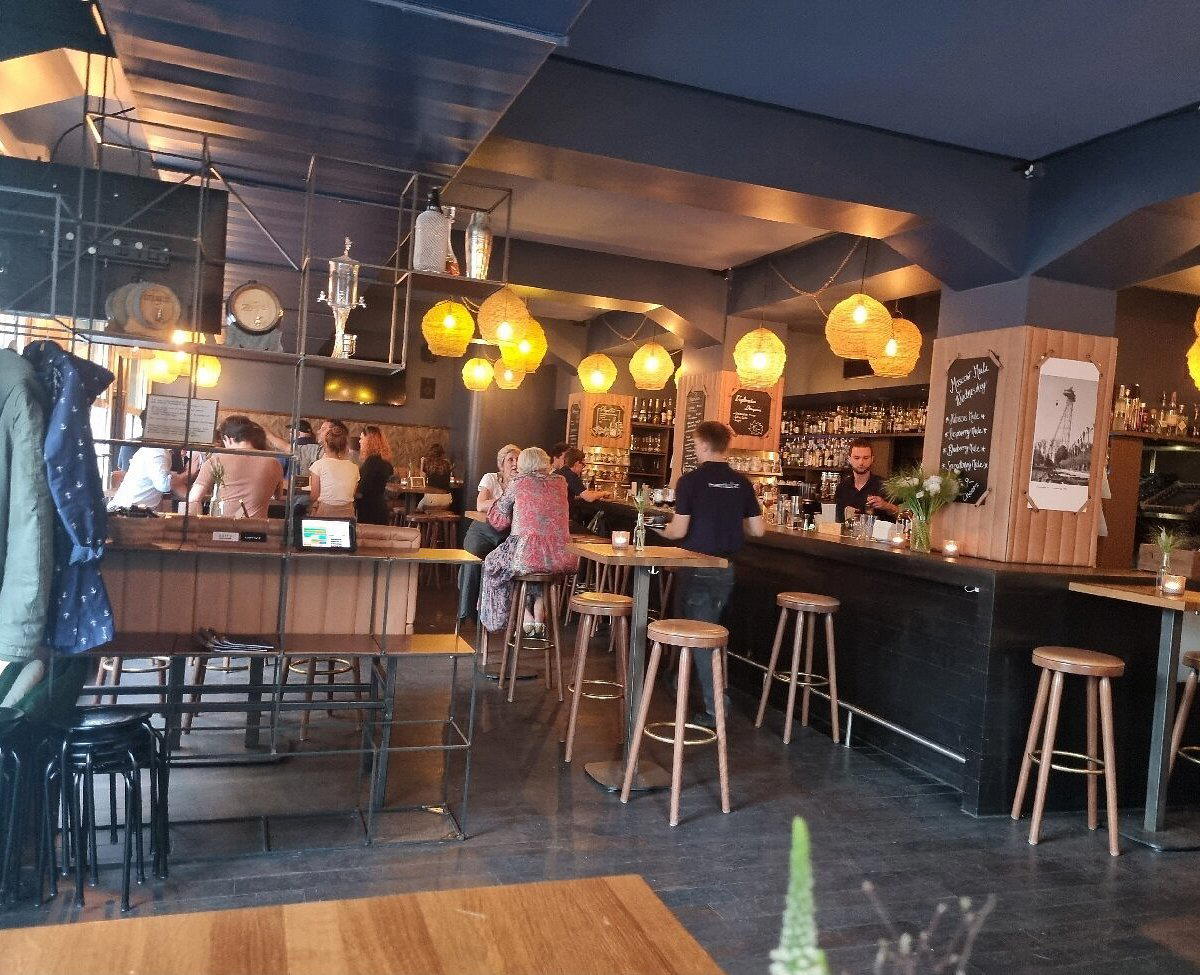
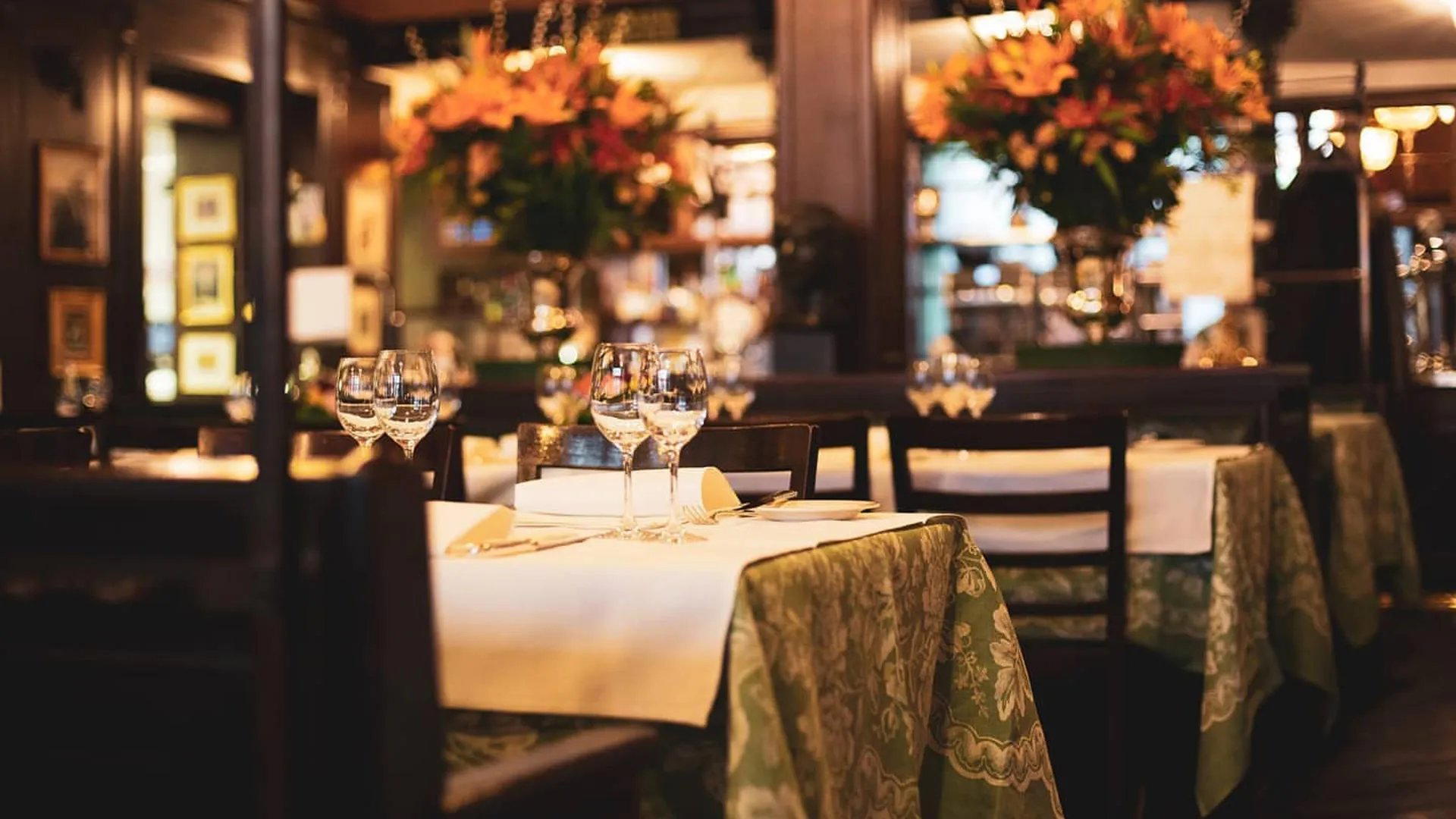
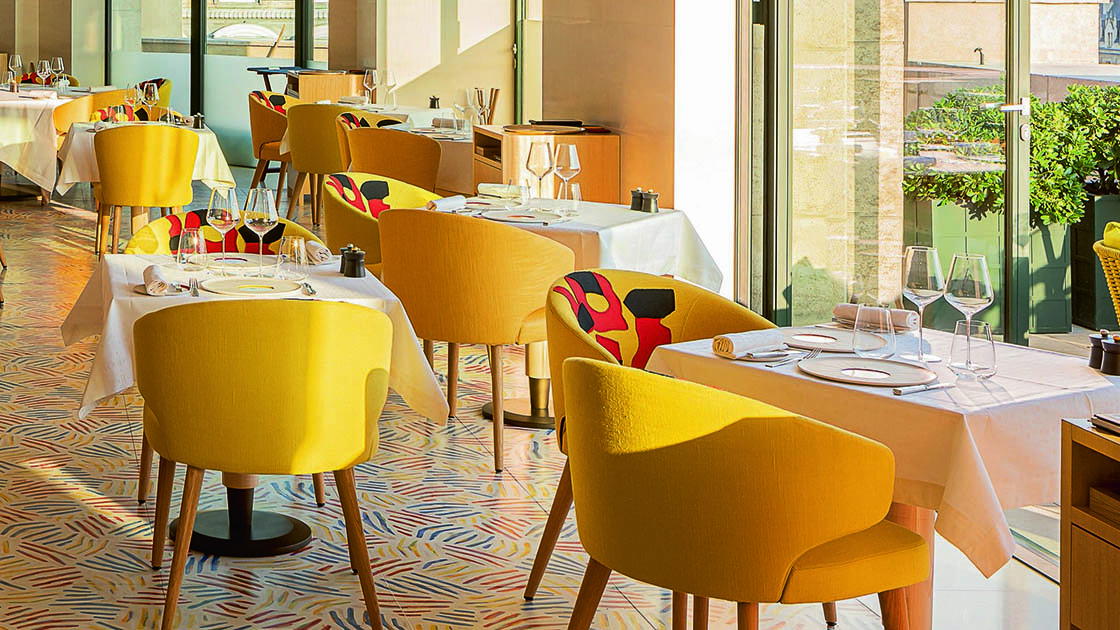
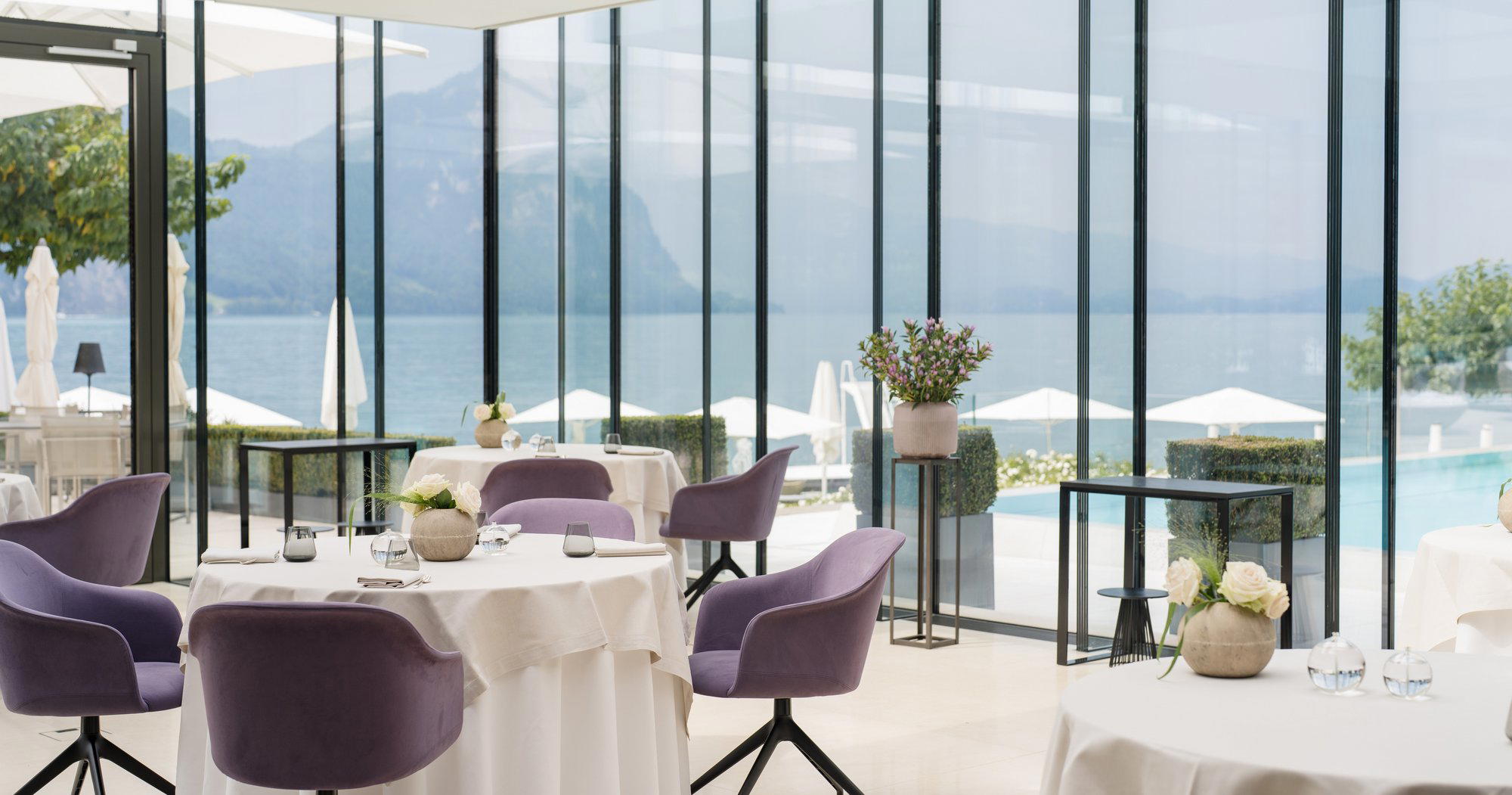
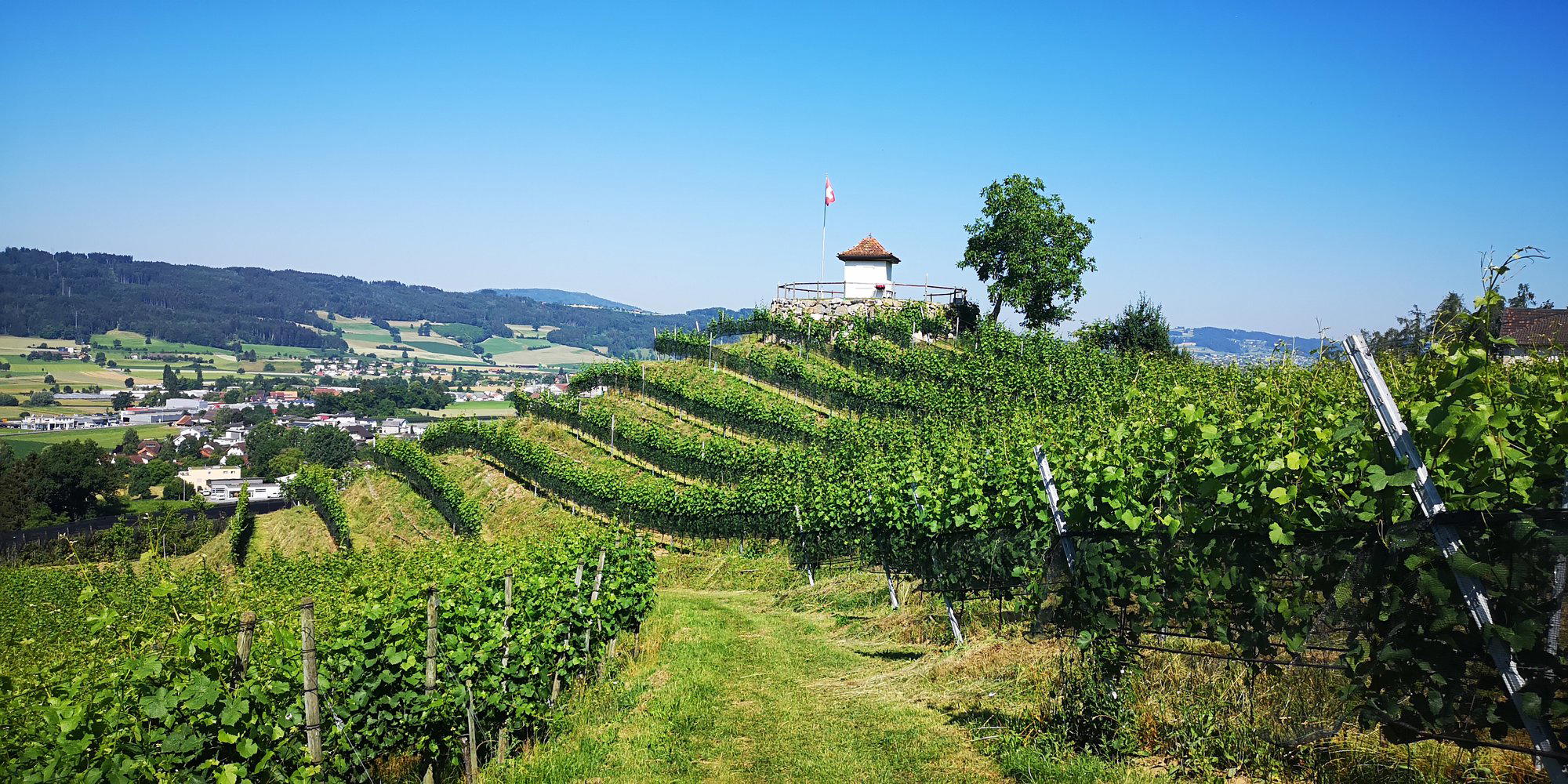
Serene and tranquil atmosphere with soft natural light from panoramic lake and mountain views, fostering deep relaxation and rejuvenation.