Ravenswood Winery

Falstaff Winery - Listed
Ravenswood Winery in Sonoma County, United States produces terroir-driven Zinfandel using native-yeast fermentation and open-top tanks. Signature offerings include Vintners Blend Zinfandel, Old Hill Vineyard Zinfandel and Teldeschi Ranch Zinfandel. Under founder Joel Peterson’s 1976 legacy and current stewardship that includes winemaker Michael Eddy-Cort, the estate emphasizes old-vine expression, small French oak aging and a "No Wimpy Wines" philosophy. Visitors encounter concentrated black-fruit aromas, peppered spice and layered tannins in each flight. Recognized as one of the “Three Rs” of California Zinfandel, Ravenswood delivers both historical significance and hands-on, educational tastings for discerning wine travelers seeking bold, terroir-specific single-vineyard bottlings.
- Address
- 18701 Gehricke Road, Sonoma, CA 95476, United States
- Phone
- (707) 933-2332
- Website
- ravenswood-wine.com
- Directions
- Get directions
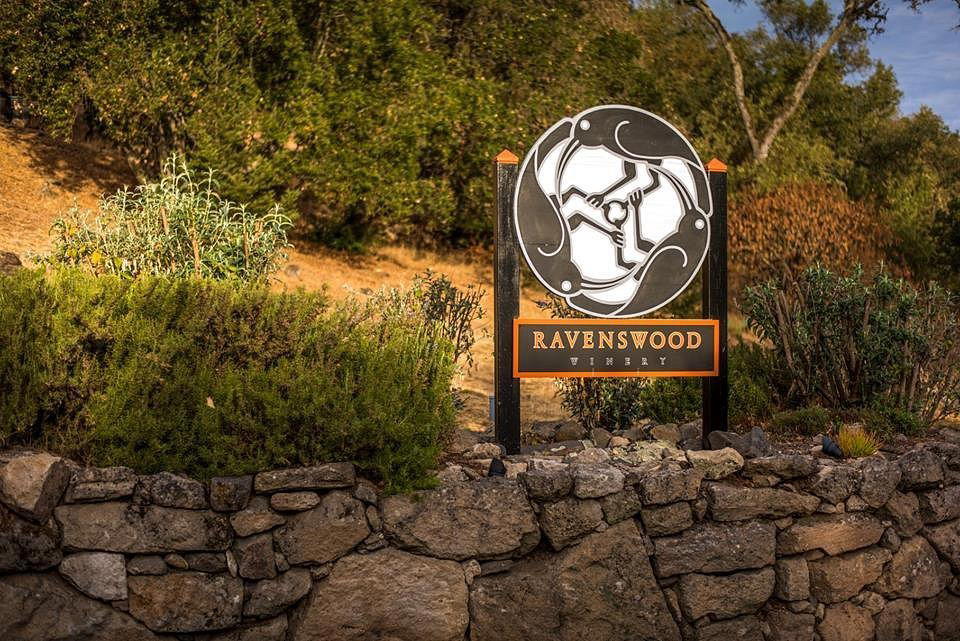
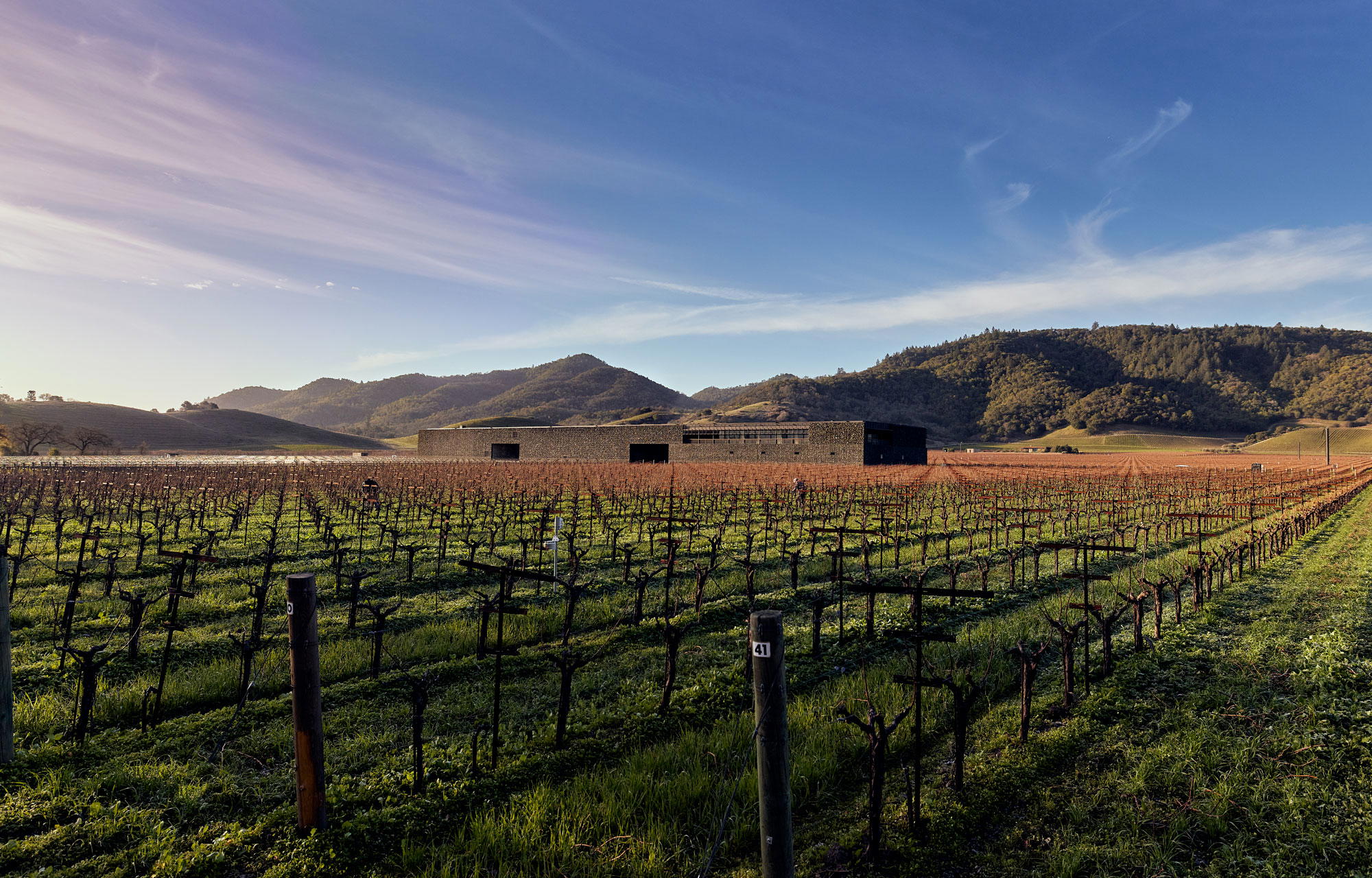
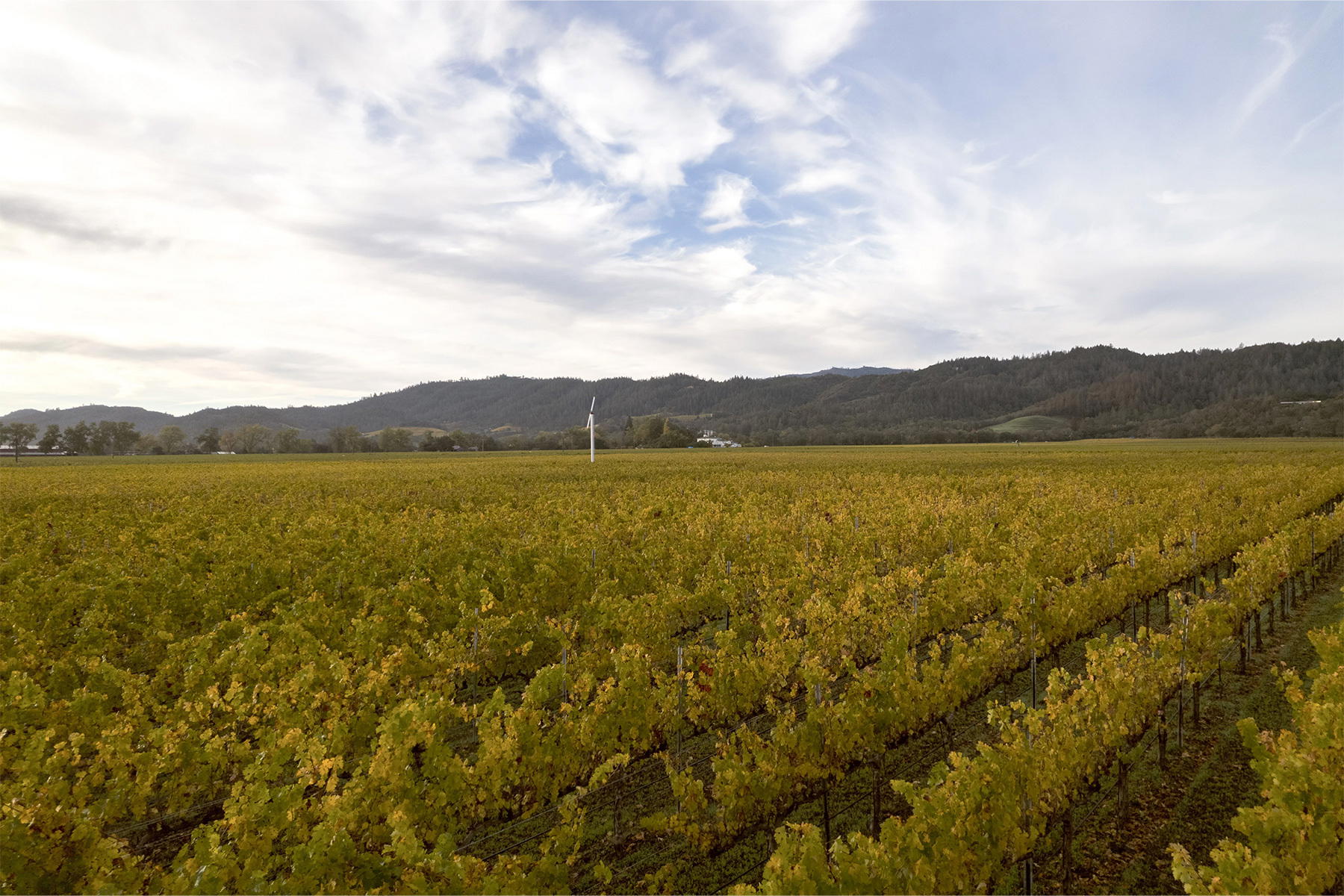
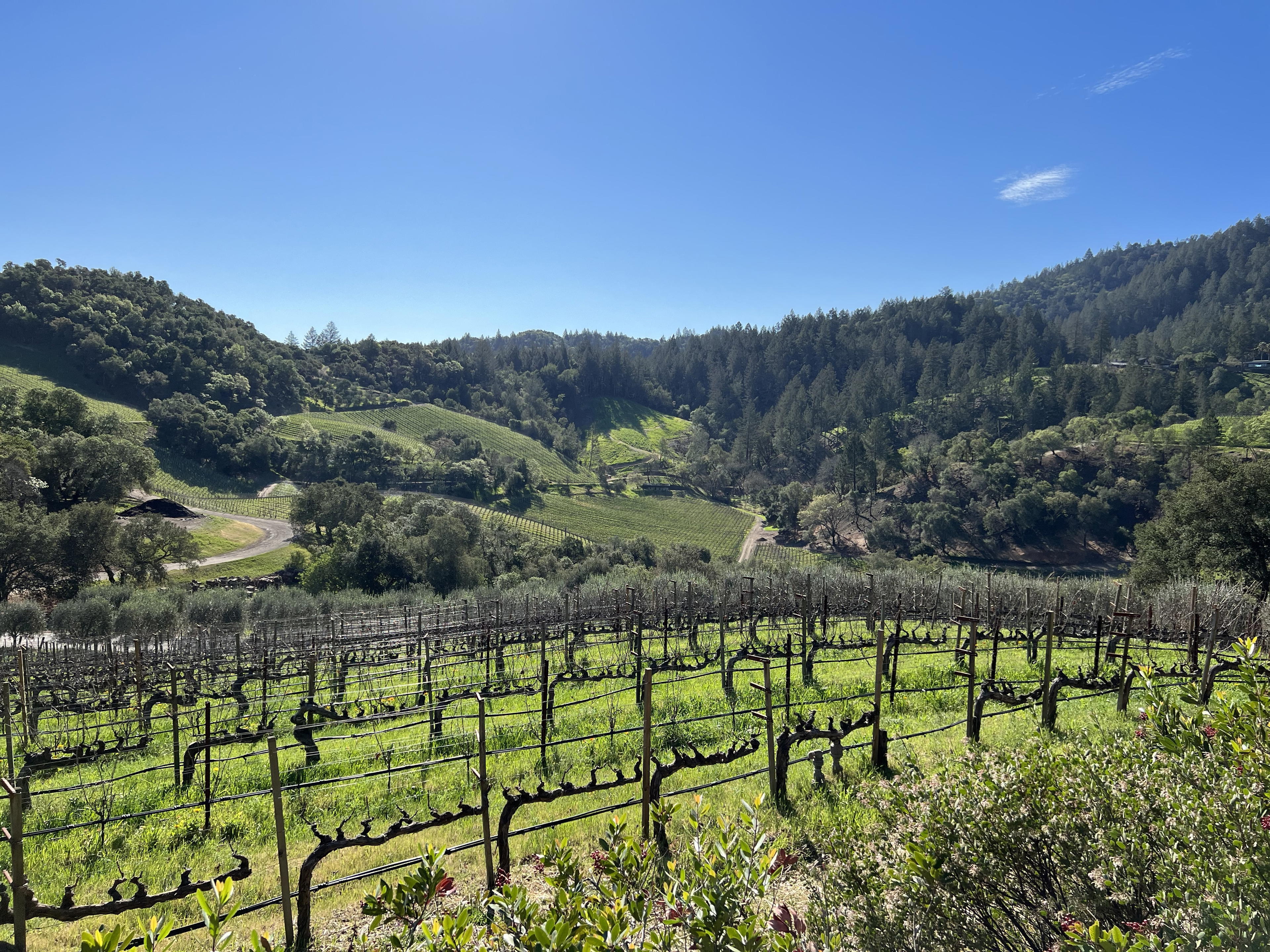
Ravenswood Winery sits at the crossroads of California Zinfandel history and contemporary revival, rooted in Sonoma County with influence across the state. From the first pour you sense soil-driven intensity: dark bramble fruit, cracked black pepper, and balsamic lift, all coaxed from old vines and treated with minimal intervention. The estate’s work with native yeasts and small, open-top fermentation tanks concentrates color and texture while preserving vineyard signature. Visitors who come for single-vineyard Zinfandel find purposeful craft—wines that read like place more than profile, and tasting experiences that emphasize provenance and palate education.
Joel Peterson founded Ravenswood in 1976 and earned a reputation that reframed Zinfandel as a serious varietal; that legacy informs every barrel. Today Michael Eddy-Cort leads the cellar team, carrying the winery’s traditional practices into a new era while honoring Peterson’s insistence on authenticity. Production favors native-yeast fermentations, open-top tanks for hands-on punchdowns, and aging in small French oak barrels to add nuance without obscuring fruit. The brand is widely recognized—historically cited among the “Three Rs” of California Zinfandel alongside Ridge and Rosenblum—and now operates under Gallo stewardship, which has supported revitalization and renewed focus on single-vineyard allocations.
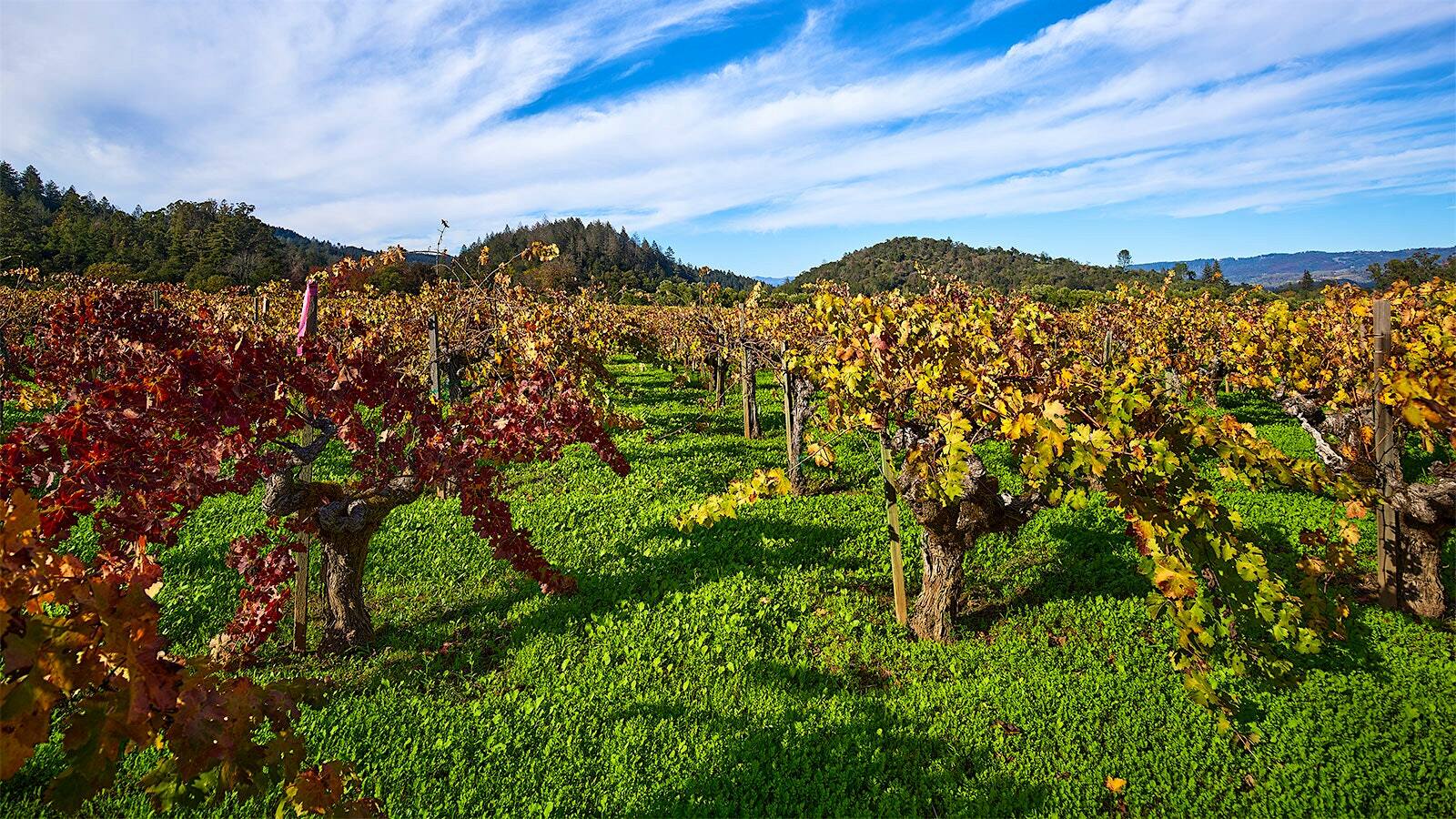
Awards and press have celebrated Ravenswood’s role in Zinfandel’s renaissance rather than a single trophy case, and the winery’s reputation remains a key draw for collectors and curious travelers alike. The product journey at Ravenswood is deliberately vineyard-centric. Signature releases include the Vintners Blend Zinfandel, crafted as an entry point demonstrating varietal typicity; Old Hill Vineyard Zinfandel, drawn from head-trained, old vines with concentrated blackberry, charred herb and saline minerality; Teldeschi Ranch Zinfandel, showing blue-fruit clarity, licorice and svelte tannins; and bottlings from Monte Rosso and Bedrock Vineyard that emphasize volcanic and historic-site character. Fermentations rely on the cellar’s native populations and frequent manual punchdowns to optimize extraction; wines rest in small French oak—often a mix of new and one- to three-year barrels—where they develop spice, toast and integrated structure over 12–24 months depending on the bottling.
The winery periodically issues limited, single-vineyard allocations that are distributed to mailing lists and collectors, and vertical tastings or cellar samples reveal the wines’ ageworthiness: black-fruit cores soften into preserved-berry compote, while secondary earth and leather notes deepen with time. For curious palates, Ravenswood’s approach explains why Zinfandel can range from bright, floral single-vine expressions to powerful, layered cellar candidates. Guest experiences are crafted to educate and engage. The tasting room experience prioritizes hands-on demonstrations and comparative flights that illuminate differences between vineyards, clones and barrel regimes.
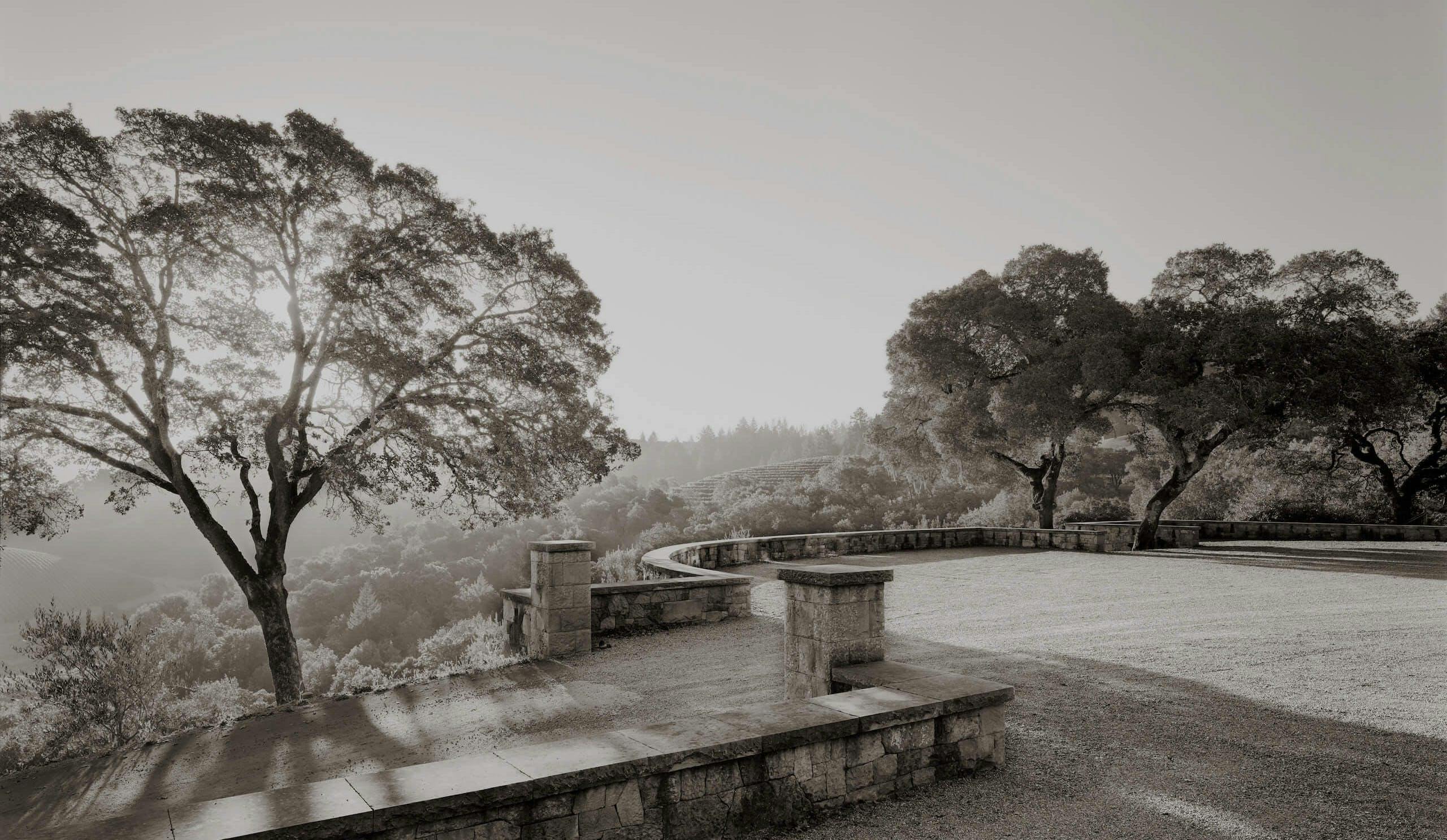
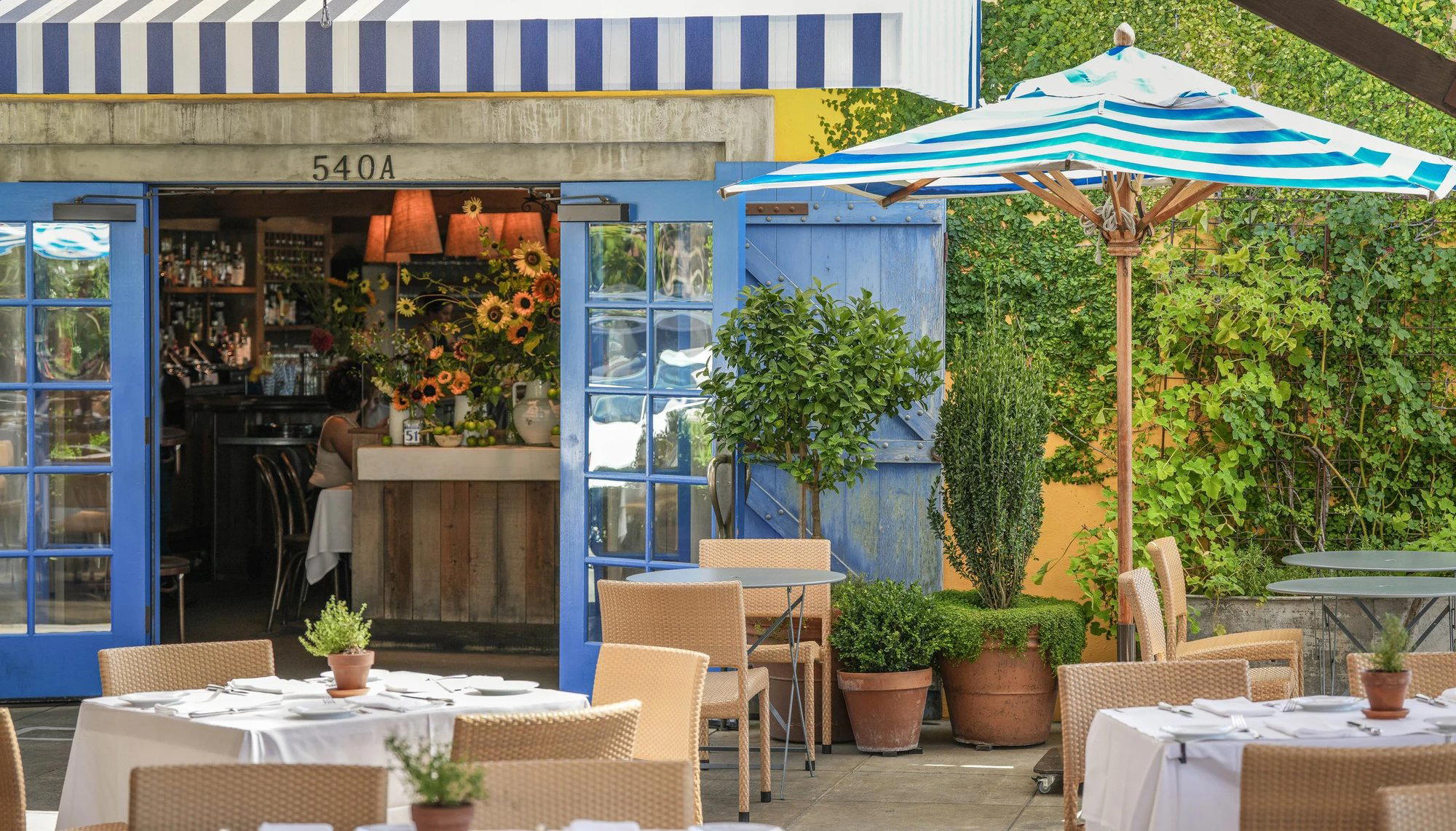
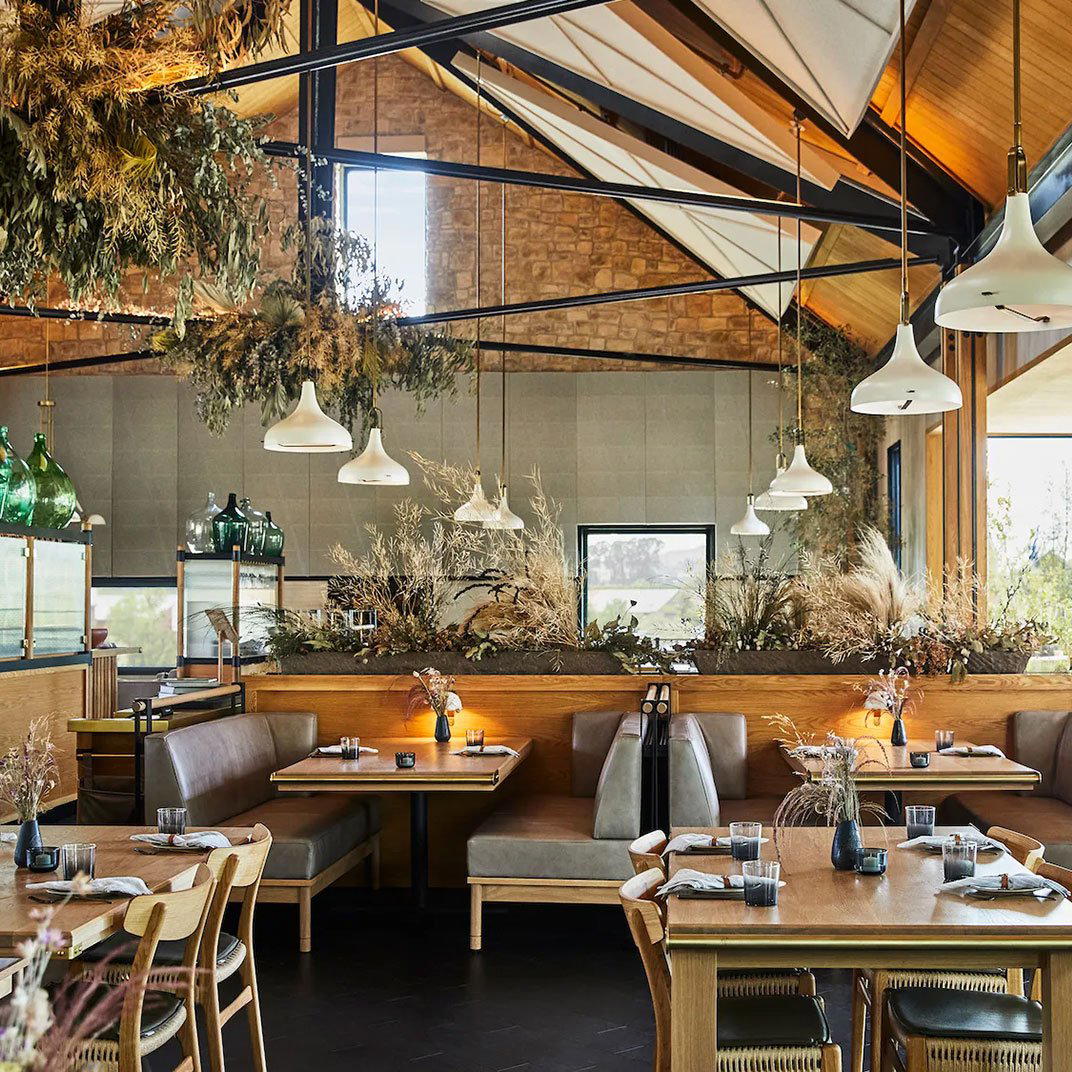
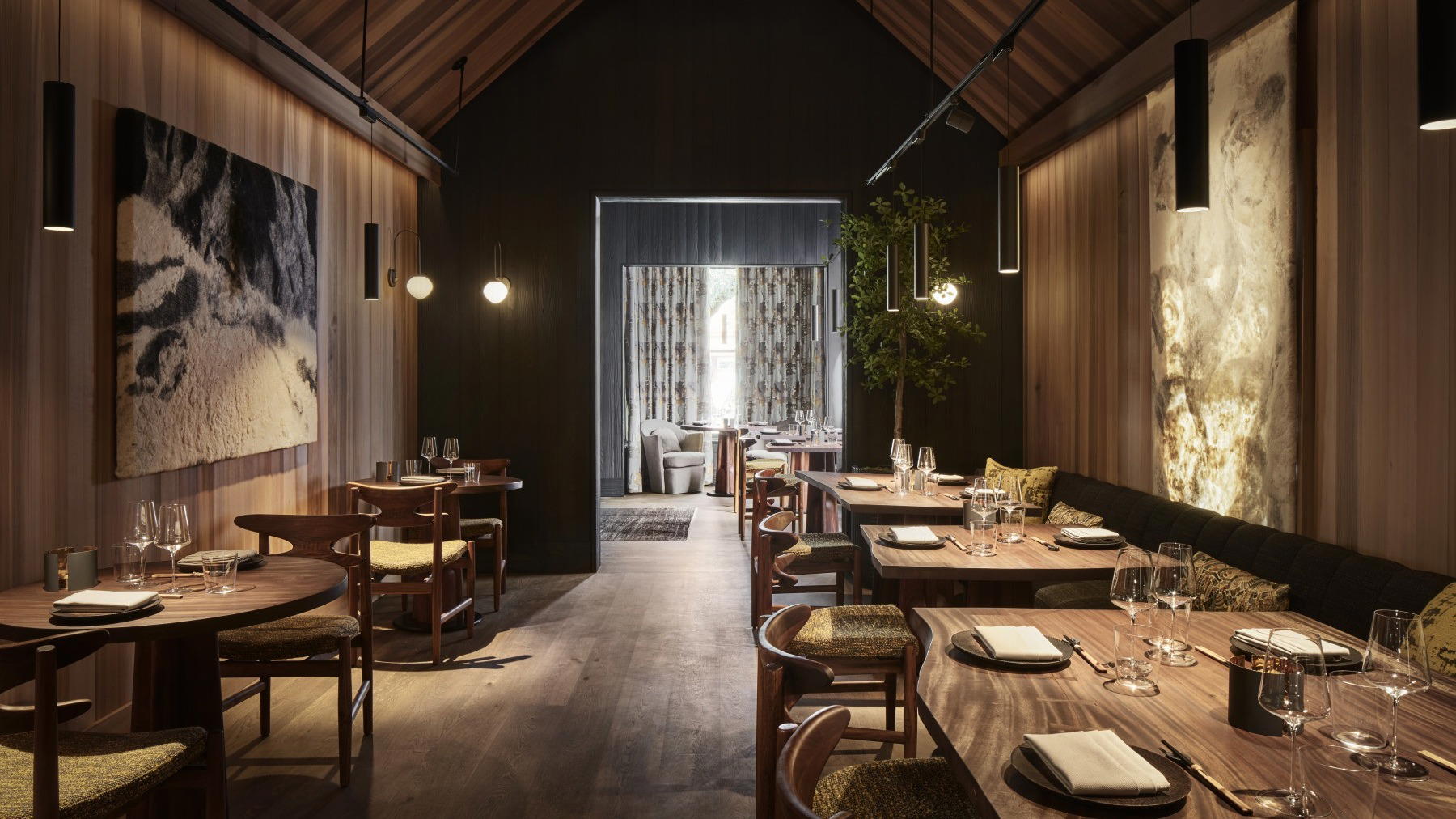
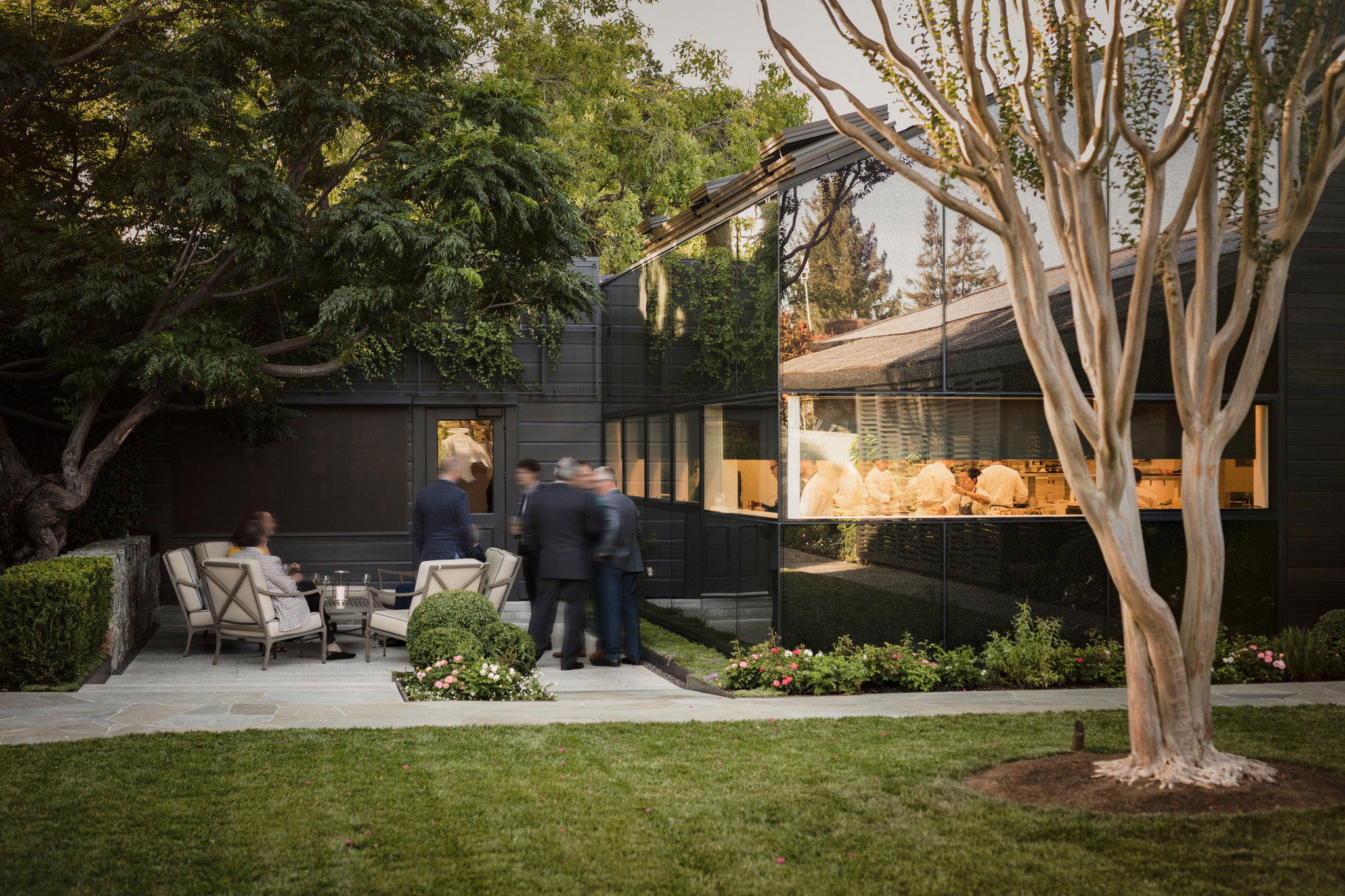
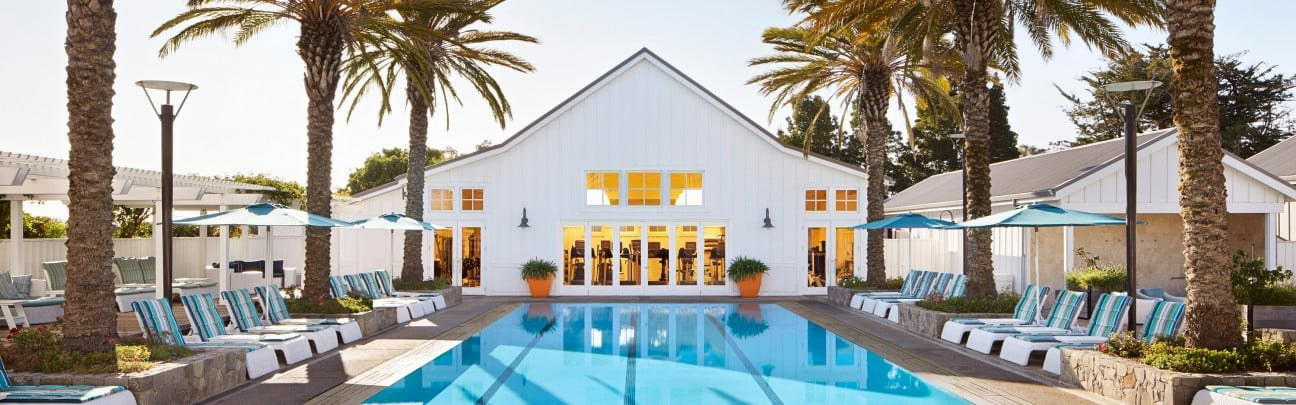
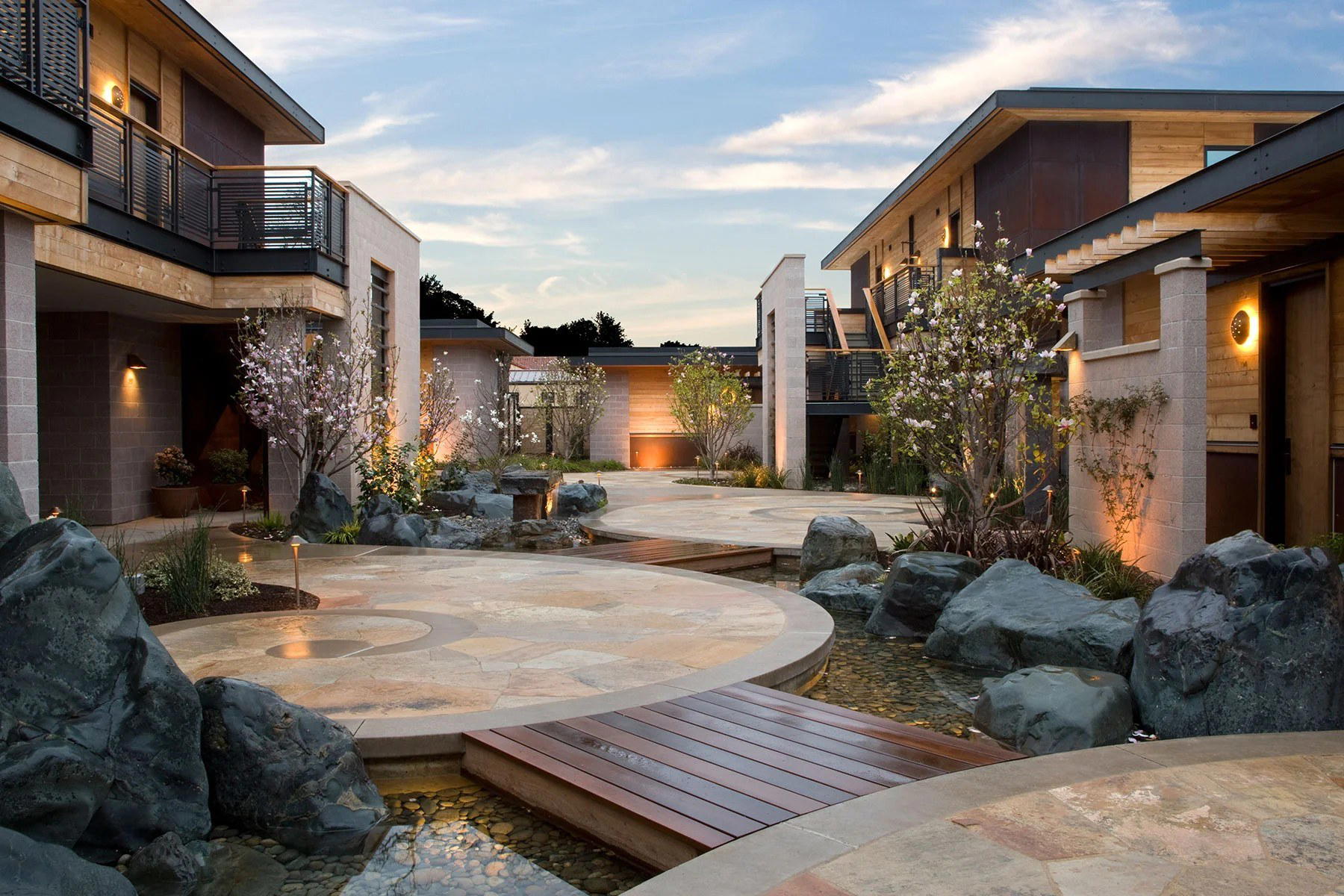
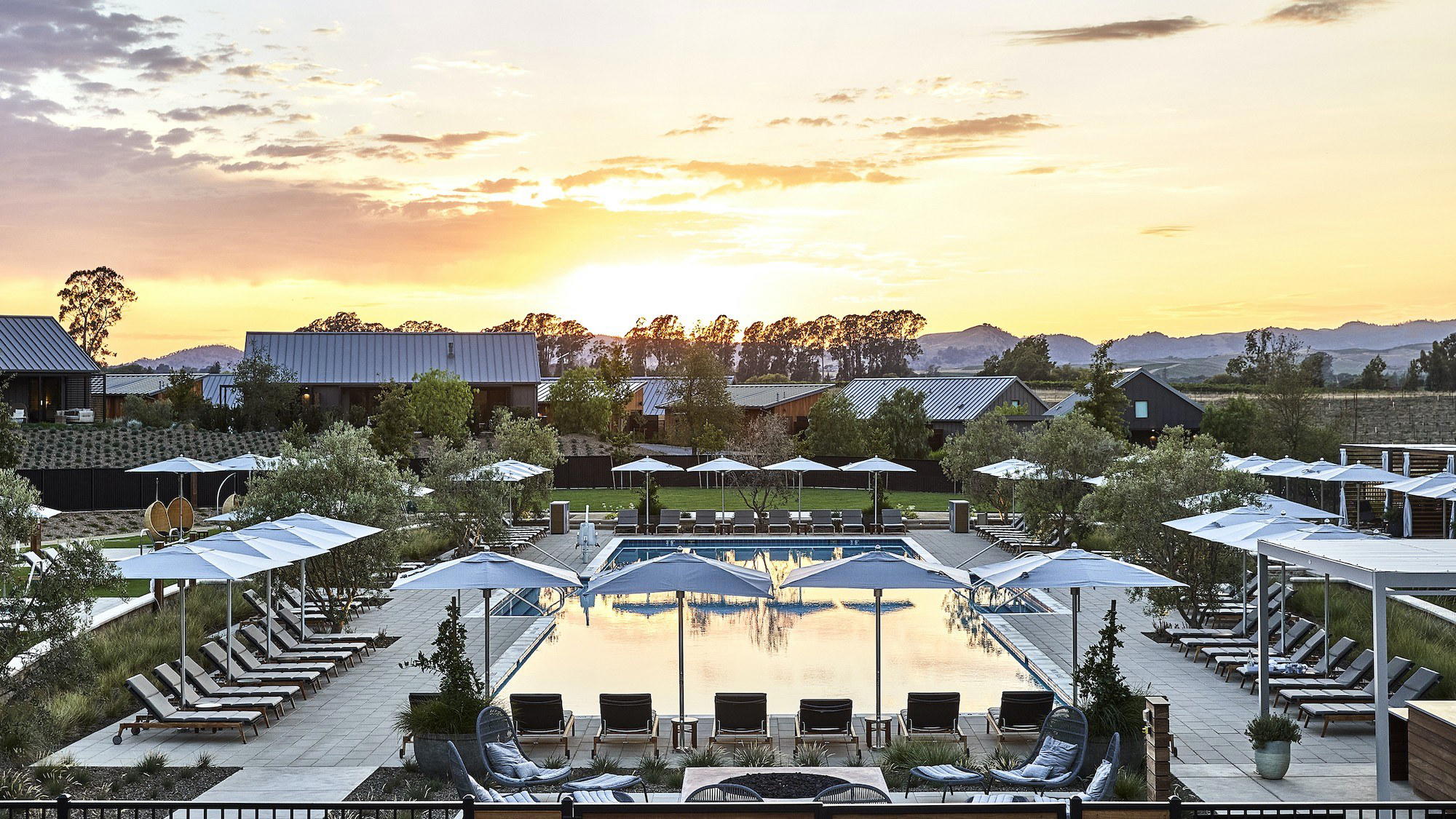
Though the property’s public-facing architecture details are not exhaustively documented, visitors can expect an intimate, learning-forward setting reflecting the winery’s production-first ethos rather than theatrical spectacle. Special opportunities historically have included barrel sampling and educational conversations with cellar staff; the revival under new stewardship has maintained those touchpoints while expanding access to allocated releases for members and enthusiasts. Accessibility and booking availability vary seasonally, and the winery’s public programming tends to favor pre-booked, scheduled tastings to ensure focused time with the team and the wines. Best times to visit Ravenswood Winery are spring through fall during harvest-window programming or quieter winter months for focused tasting appointments.
Bookings are advised—limited allocations and small-group, educational tastings fill quickly—so reserve in advance and inquire about single-vineyard flights, barrel tastings and collector releases. The cellar team can confirm current tasting options and membership allocations. For collectors and travelers drawn to bold, terroir-expressive Zinfandel, Ravenswood Winery offers a powerful mix of provenance, history and craft. Plan your visit, request single-vineyard flights, and experience why Ravenswood’s wines continue to shape California Zinfandel’s conversation.
Comparable Venues Nearby
Comparable venues nearby, for context on price, style, and recognition.
| Venue | Cuisine | Price | Awards | Notes |
|---|---|---|---|---|
| Ravenswood WineryThis venue — the venue you are viewing | Winery | Not listed | Falstaff Winery - Listed | Not listed |
| Jacuzzi Family Vineyards | Arneis, Barbera | $30–50 | Not listed | Sonoma-Carneros |
| Patz & Hall Winery | Chardonnay, Pinot Noir | $30–50 | Not listed | Sonoma |
| Buena Vista Winery | Pinot Noir, Chardonnay | $30–50 | Not listed | Sonoma |
| Scribe Winery | Pinot Noir, Chardonnay | $50–100 | Not listed | Sonoma Valley |
Recognition history
Dated appearances from independent guides and award organizations, with the underlying list record or original source where available.
Falstaff Winery - Listed
Falstaff
Continue exploring